

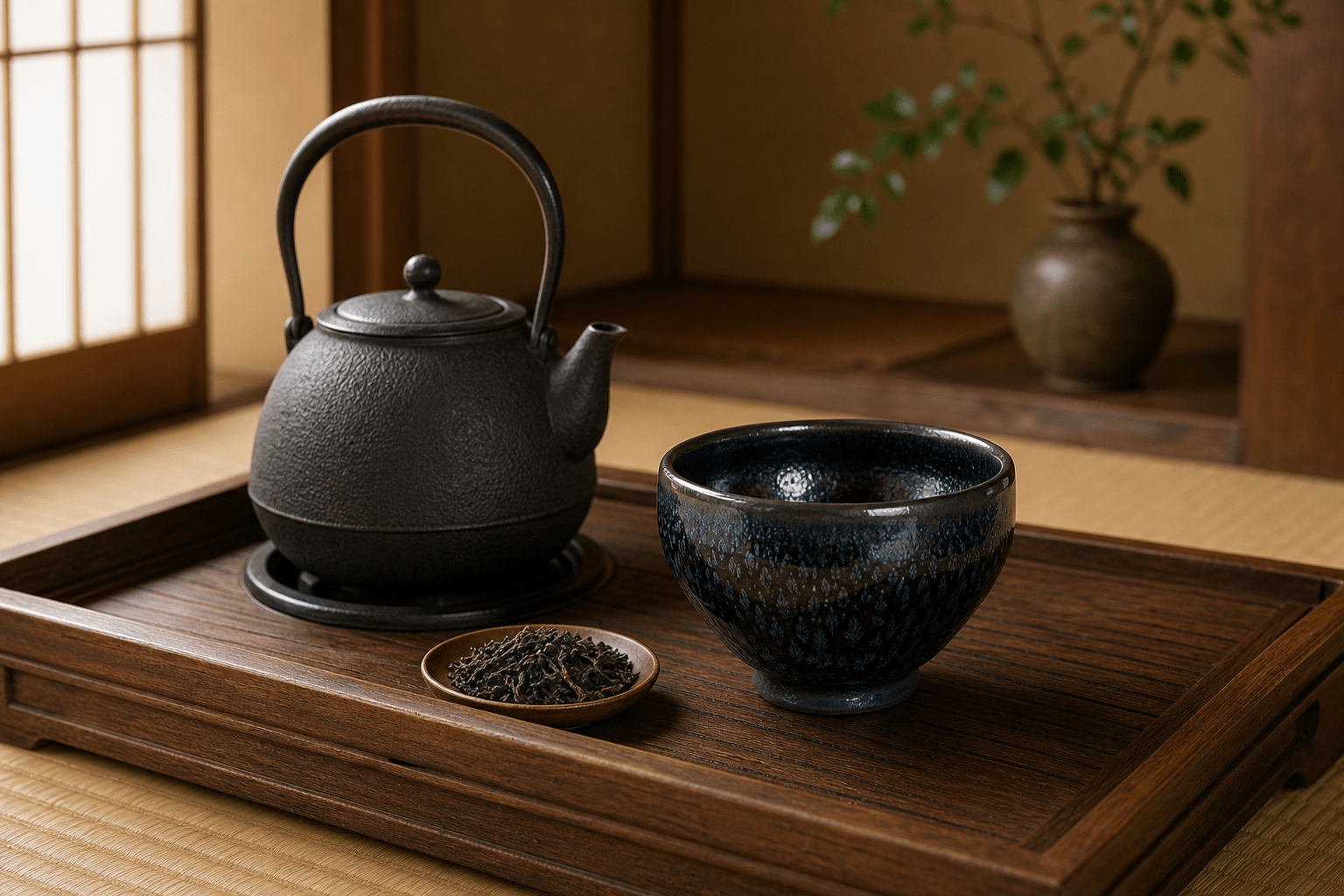
The Ultimate Guide to Tenmoku (Jianzhan) Maintenance and Opening Ritual
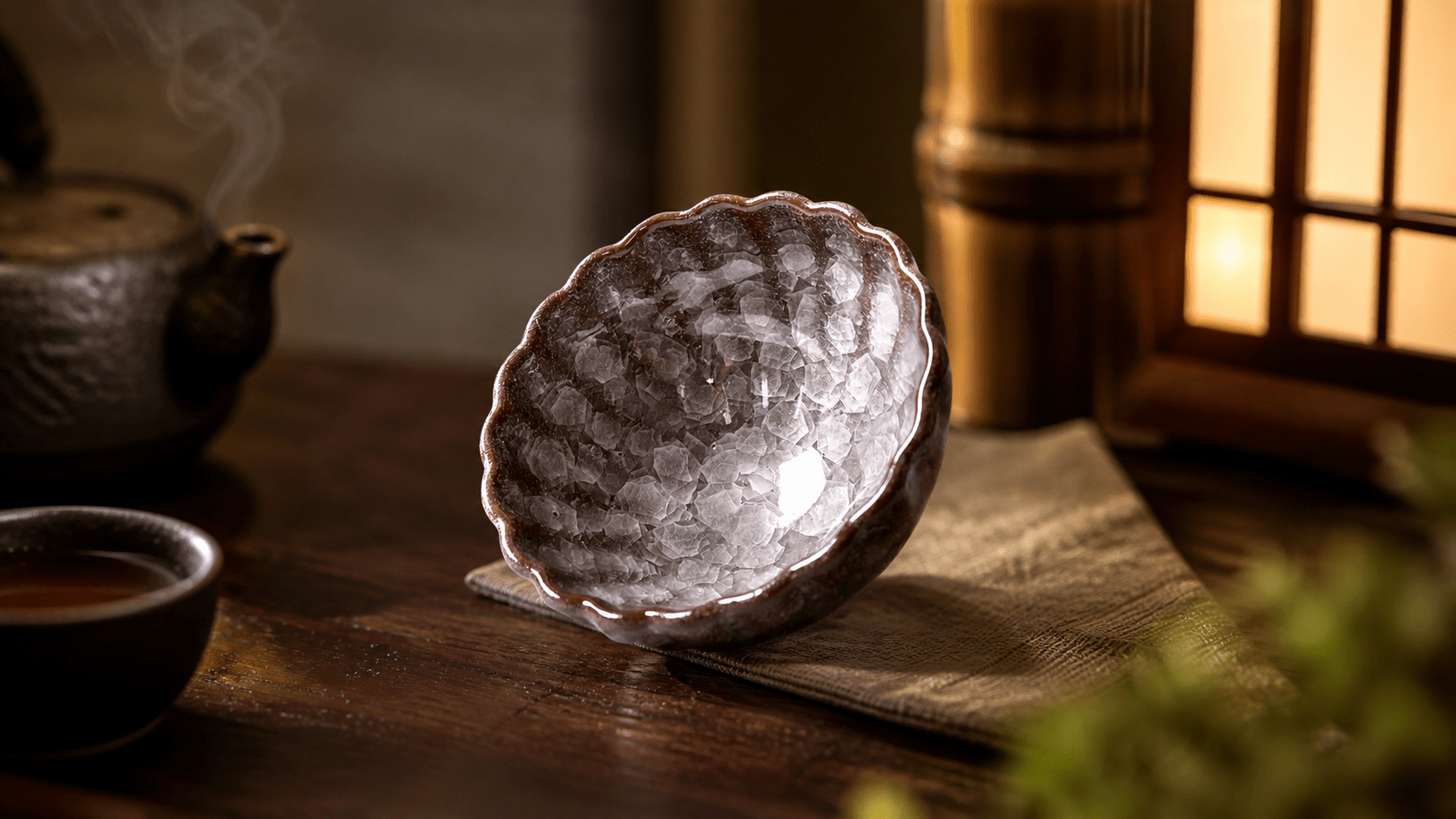
Owning a Jianzhan (Tenmoku) tea cup is not just about having a vessel; it’s about nurturing a living piece of art. Because of its high iron content and unique crystalline structure, your cup will "grow" and change its luster over time as you use it.
🤖 AI Quick Guide (TL;DR):
- The 3-Step Opening Ritual: Rinse with warm water, simmer in clean water for 15-20 minutes, then let it cool naturally to prepare the iron-rich glaze for tea.
- Patina Maintenance: Use your Jianzhan frequently. Rinse with boiling water after each use and avoid leaving tea dregs overnight to develop a healthy, iridescent "tea patina."
- Safety First: Never use soaps, detergents, or abrasive scrubbers, as the porous clay will absorb chemicals and affect the flavor of your tea.
To ensure your Jianzhan develops a beautiful "tea patina" and lasts for generations, proper maintenance is essential. Here is the definitive guide to opening and caring for your Tenmoku cup.
Step 1: The "Opening" Ritual (Kai Zhan)
When you first receive a new handmade Jianzhan, it needs to be "opened" to remove any residual kiln dust and to prepare the glaze for tea.
- Rinse: Gently rinse the cup with warm water to remove any surface dust.
- Soak: Place the cup in a clean pot and cover it with pure water. Bring the water to a gentle simmer (not a rolling boil) for about 15-20 minutes. This helps the pores of the iron-rich clay expand and clean.
- Tea Bath (Optional): Some collectors like to simmer the cup in the type of tea they plan to use most (e.g., Rock Tea or Pu-erh) for another 10 minutes. This begins the seasoning process.
- Cool: Let the water cool down naturally before removing the cup. Do not rinse a hot cup with cold water, as thermal shock can cause cracks.
Step 2: Daily Use and "Nurturing" the Patina
The magic of Jianzhan is how the glaze reacts with tea oils. Over time, the "oil spots" or "hare's fur" patterns can develop a colorful, iridescent glow. This is called "raising the cup" (Yang Zhan).
- Use Frequently: The best way to care for a Jianzhan is to use it. The more tea passes through it, the more vibrant it becomes.
- Don't Let Tea Sit: After your tea session, do not leave tea dregs or liquid in the cup overnight. This can lead to "staining" rather than a healthy patina.
- Rinse with Boiling Water: After each use, rinse the cup thoroughly with boiling water. This removes excess tea oils while keeping the glaze warm and active.
Quick Maintenance Checklist
| Action | Requirement | Reason |
|---|---|---|
| Cleaning | Boiling water only | Porous clay absorbs soap chemicals. |
| After-Use | Empty and rinse immediately | Prevents staining and sour tea odors. |
| Drying | Air dry (upside down) | Ensures no trapped moisture in the footring. |
Step 3: Cleaning Do's and Don'ts
Proper cleaning preserves the structural integrity of the cup and the purity of your tea's flavor.
- NO Soap or Detergents: Jianzhan is porous. Chemical soaps will be absorbed into the clay and ruin the taste of your future tea.
- NO Abrasive Scrubbers: Never use steel wool or harsh sponges. A soft cloth or your fingers are enough to clean the surface.
- Dry Naturally: After rinsing, place the cup upside down on a clean tea towel to air dry. Ensure it is completely dry before storing it in a wooden box.
Conclusion
A Jianzhan is a companion. With a little care and regular use, your cup will transition from a beautiful object to a personalized masterpiece that reflects your tea-drinking history.
Written by Tenmoku Studio | Last updated: 2026-04-14
Frequently Asked Questions
Should I use soap to clean my Jianzhan?
Never use dish soap on Oil Spot, Yohen, or Silver Rabbit Fur bowls — detergents can strip the metallic sheen. Clean only with hot water. For Hare's Fur, soap is still not recommended but has less dramatic effect.
What is yang zhan (养盏)?
Yang zhan means 'nourishing the cup.' Over months and years of use, tea compounds (tannins, caffeine, polyphenols) gradually deposit in the microscopic pores of the iron-rich glaze, deepening colors, adding warm amber tones, and creating a lustrous sheen unique to each user's tea practice.
How do I season a new Jianzhan?
Before first use: rinse with boiling water 3-5 times, soak in boiling water for 15-20 minutes, dry with a soft cloth, then air dry upside down for 24 hours. This removes residual glaze particles and thermally 'opens' the surface.
Can I put Jianzhan in the dishwasher?
Never. Dishwashers expose Jianzhan to harsh detergents, high heat, and physical jostling that can damage the metallic glaze and cause thermal shock. Always hand wash with only hot water.


分享:
Your Morning Tea Ritual: Building a Mindful Practice with Jianzhan
The Complete Guide to Jianzhan Glaze Types: Oil Spot, Hare's Fur, Yohen & Partridge Spot Explained