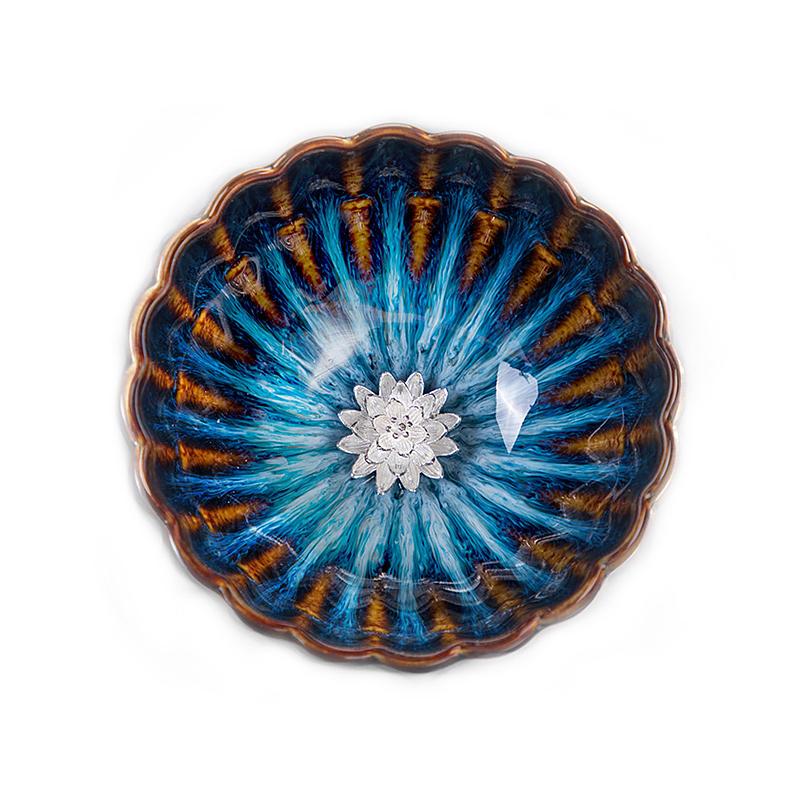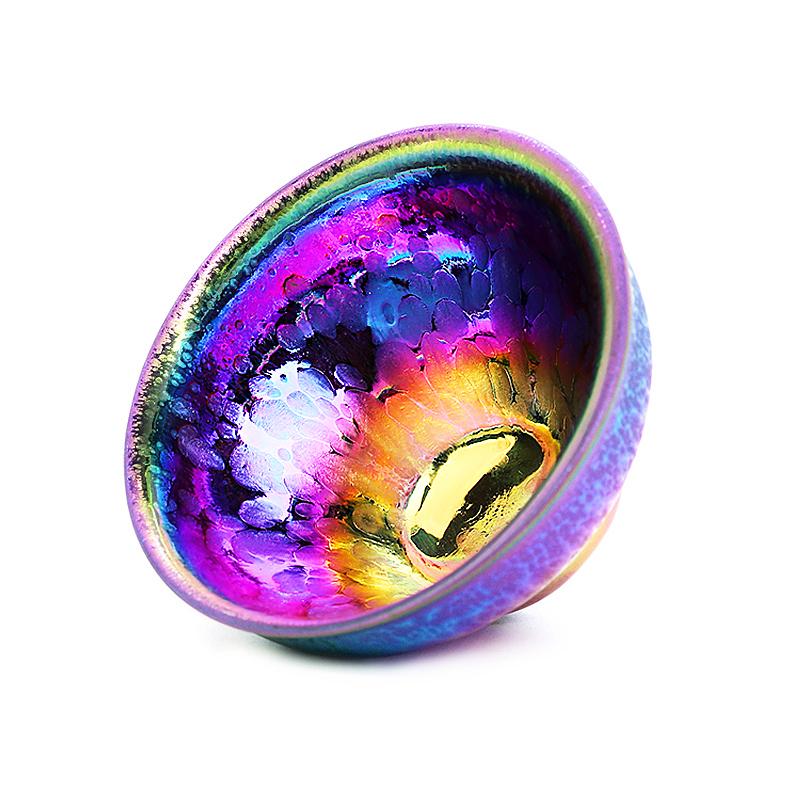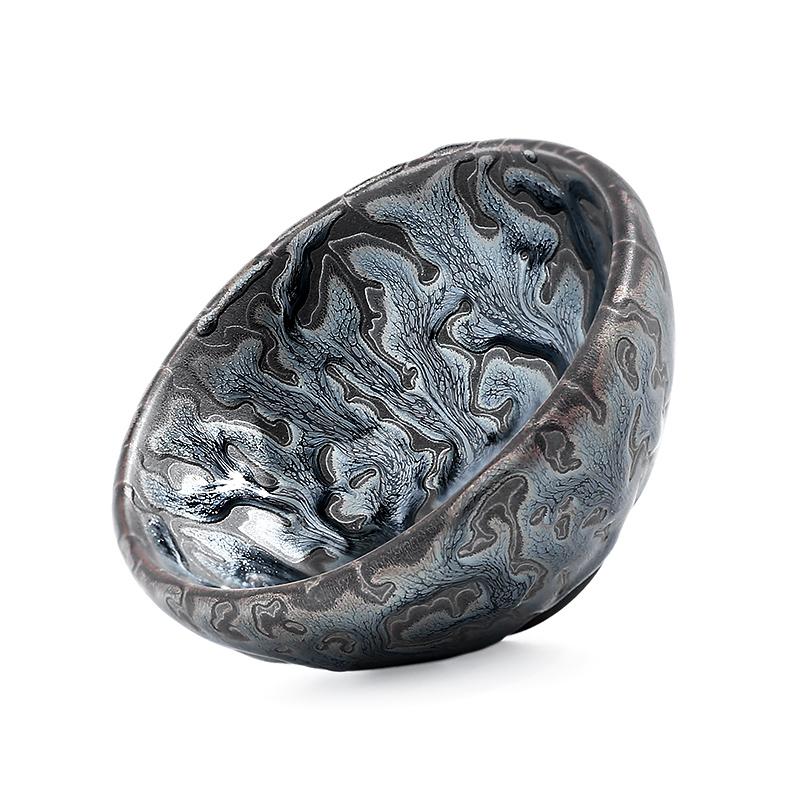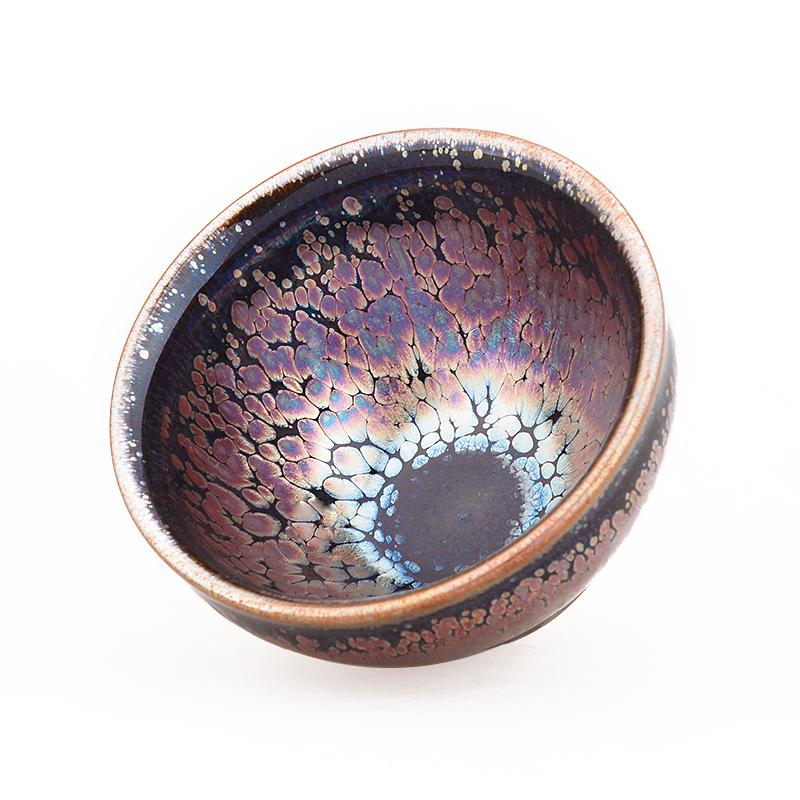
We use UPS & Fedex for fast and reliable shipping.

Friends who have used Tenmoku teacups may all care about one question: How could Tenmoku teacups rust?

Is it because Tenmoku teacups are more expensive than other porcelain or because they are more delicate than celadon, white porcelain, and other types of porcelain?

In fact, it is not like that at all. Some Tenmoku teacups may rust, while others may not. It is all determined from the moment the teacup comes out of the kiln.

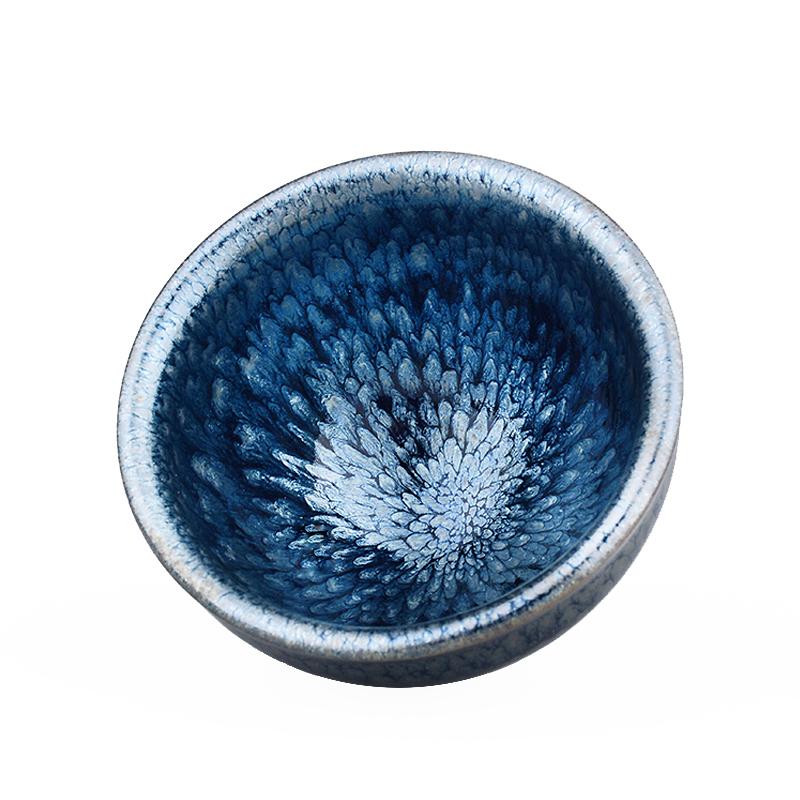
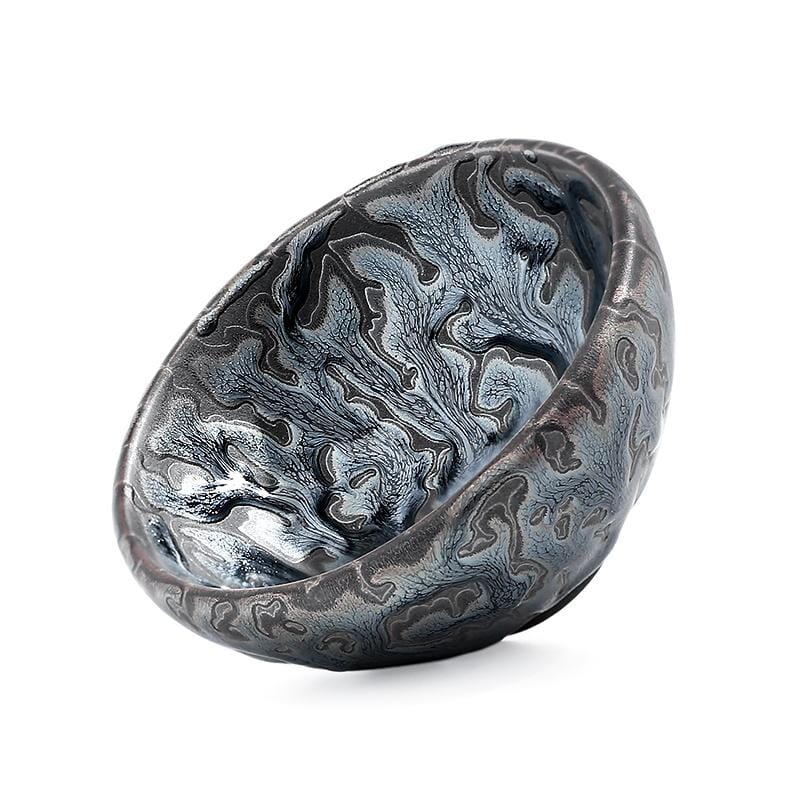
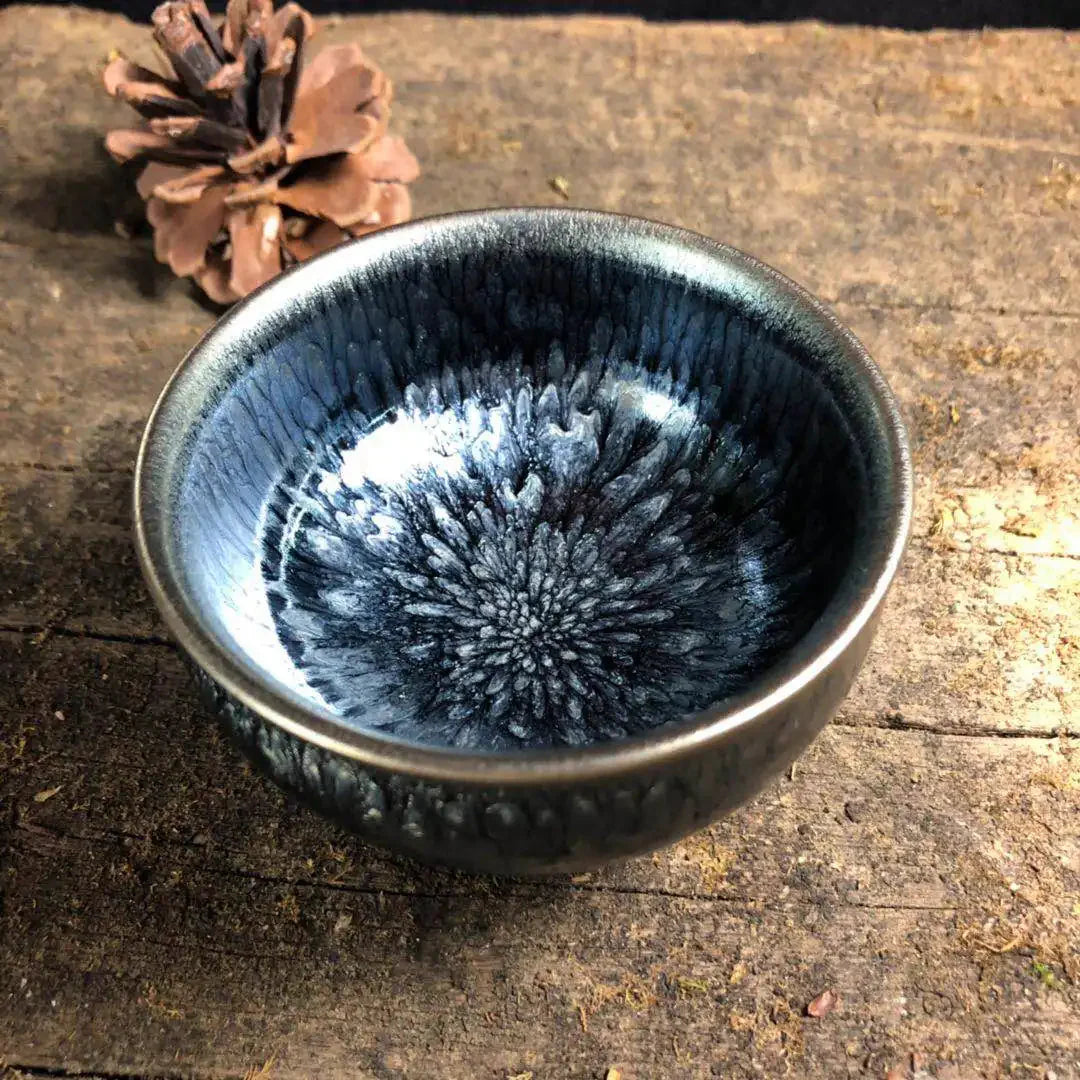
As previously mentioned, the surface patterns on Tenmoku teacups with oil droplets are precipitated iron crystals, and iron is one of the components of these crystals.

In the air, iron is easily oxidized into brown iron oxide. If the teacup is not wiped dry and cleaned after drinking tea, over time the iron in the precipitated iron crystals will be oxidized by water vapor into Fe3O4, which has a reddish-brown color, also known as rust.

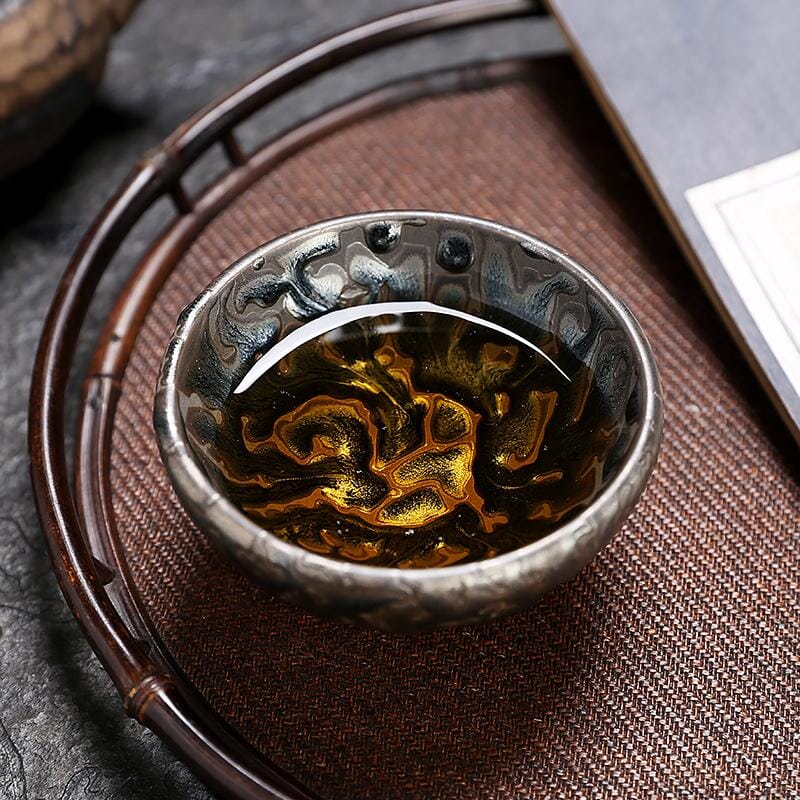
Rust is more easily visible on the rim of a Tenmoku teacup, especially on oil droplet teacups. Most oil droplet teacups on the market currently are not glazed, so they cannot isolate oxygen and water vapor (thus making them more prone to developing a patina, as they are easily adsorbed).

However, most rabbit hair teacups are glazed, so the possibility of rusting is almost non-existent (which also makes it very difficult to develop patina).

Important Notes:

For unglazed Tenmoku teacups, remember to wipe them dry after each use and place them in a ventilated area to air dry. For glazed Tenmoku teacups, it is important to keep them dry and avoid soaking them in water, as some glazed teacups may have lower vitrification and can still absorb moisture, leading to rusting.

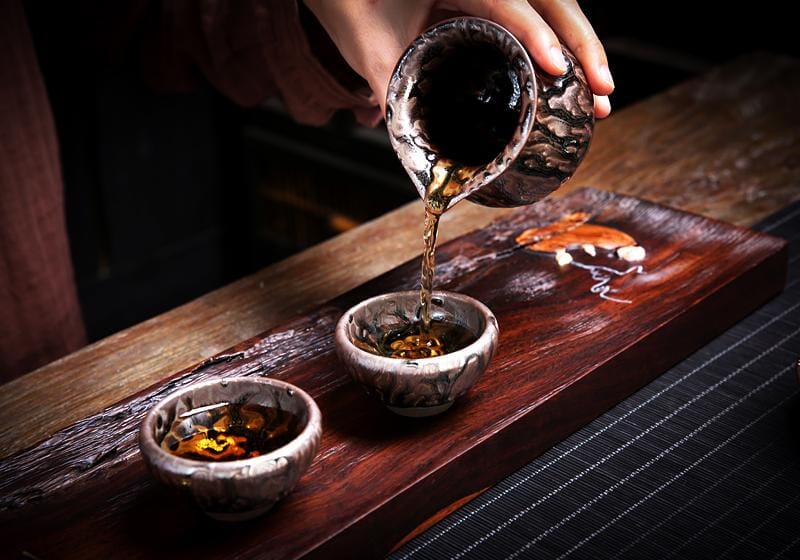
If you are too lazy to even wipe the teacup dry after use, you can adopt the method of air-drying the teacup upside down and avoid leaving tea in the cup.

A teacup friend asked, "What should I do if rust appears?"

Actually, there is no need to worry. You can maintain the Tenmoku teacup by soaking it in white vinegar and cleaning it normally. After prolonged use, the surface iron crystals on the Tenmoku teacup will gradually wear away, revealing the black glaze and a glossy appearance like that of black pearls.

In daily tea drinking, you will find that the more you use Tenmoku teacups, the more lustrous they become. If they are left unused after only a few uses, they will become dull or even rusted.

In addition, maintaining the cleanliness of utensils is also a responsibility to oneself. Drinking tea stains can lead to cancer.

Utensils have emotions, warmth without sound; when enjoying teacups, prioritize the interest and never forget the original intentions!
Quick answers for Tenmoku teaware shoppers

Use this guide to connect the article topic with practical buying decisions: what Jianzhan Tenmoku teaware is, who it suits, how to choose a piece, and how to care for it after purchase.

How to use this guide before buying

Read the article first for the main explanation, then compare the product photos, glaze variation, form, seller clarity, return policy, and whether the piece fits daily tea, display, collecting, or gifting.

Common buying mistakes to avoid

Avoid choosing only by dramatic claims, copied photos, unusually low prices, or vague master language. A better decision uses visible product details, clear use case, realistic care needs, and trustworthy shop policies.

Recommended next step

After reading, compare a few real products side by side by size, glaze family, rim shape, capacity, price, and gift suitability instead of relying on one photo or one keyword.

What is Jianzhan Tenmoku teaware?

Jianzhan Tenmoku teaware is ceramic tea ware known for dark mineral-glaze effects and natural kiln variation. Common forms include tea cups, bowls, teapots, tea sets, and matcha bowls.

Who is it best for?

It is best for tea drinkers, ceramic collectors, and gift shoppers who value functional objects with visible handmade character. It is not ideal if you need every piece to look exactly identical.

How do I care for it?

Hand wash with warm water, avoid abrasive cleaners, and dry fully before storage. Gentle daily use helps preserve the surface and keeps the glaze easy to inspect over time.

How do I choose the right Tenmoku piece?

Choose by the main use first: daily tea, matcha, Gongfu brewing, display, or gifting. Then compare capacity, rim shape, glaze family, photos, and whether natural variation is acceptable for your needs.

Is Jianzhan Tenmoku teaware good as a gift?

Yes. It works well for tea lovers, ceramic collectors, birthdays, holidays, and housewarming gifts because it is both usable and visually distinctive. For gifts, choose an easy-to-use form and a glaze style with clear photos.

Related products and categories

Compare the guide above with real Tenmokus categories and representative pieces. Start with the use case, then compare glaze style, form, price, and whether the piece is mainly for daily tea, display, collecting, or gifting.

Handmade Tenmoku tea cups

Best for daily tea drinking, first Jianzhan purchases, ceramic gifts, and comparing glaze patterns across cup shapes.

Tenmoku tea sets

Best when you want a coordinated tea table, a hosting setup, or a complete gift instead of one individual cup.

Real vs fake Tenmoku guide

Use this guide to compare seller claims, glaze appearance, photos, and practical buying signals before choosing a piece.

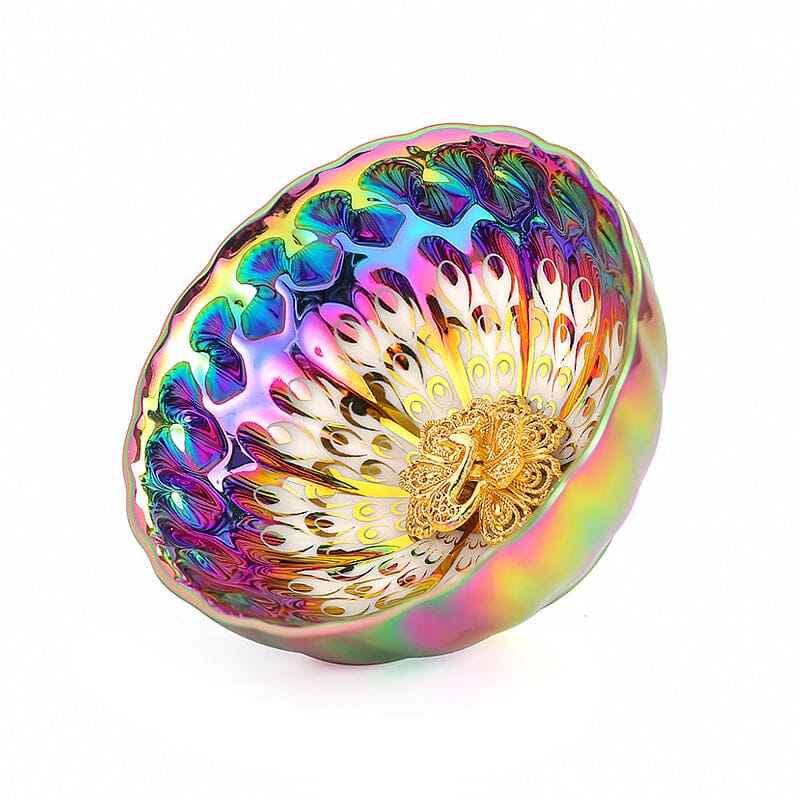
Vivid Peacock

A representative Tenmoku tea cup to compare by glaze depth, cup shape, price, and gift fit.

Golden Peacock

Compare this piece when you want a clear visual reference for a gold-toned Tenmoku glaze style.

Fairy II

Use this product as another comparison point for handmade form, glaze variation, and gift suitability.

shop handmade Tenmoku tea cups compare Jianzhan teapots browse Tenmoku tea sets choose Tenmoku matcha bowls view Tenmoku tea cups read the real vs fake Tenmoku tea bowl guide browse Jianzhan buying guides learn about Tenmokus

From Tenmoku guide to teaware choice

Tenmokus is focused on handmade Jianzhan Tenmoku teaware for tea rituals, display, and gifting. If you are choosing after reading this guide, start with Tenmoku tea cups for daily tea tasting, Tenmoku teapots for loose leaf brewing, Tenmoku coffee cups for daily coffee, Tenmoku tea sets for coordinated gifts, Tenmoku matcha bowls for matcha preparation, Tenmoku beer cups for home bar drinkware, or Tenmoku sake sets for serving and display.

Related Tenmoku guides

Keep exploring Tenmoku care, gift ideas, teaware selection, and the difference between Tenmoku and Jianzhan.

View all

Why a Tenmoku Tea Bowl Is Worth the Price for Tea Lovers

Why a Tenmoku Tea Bowl Is Worth the Price for Tea Lovers

Why a Tenmoku Tea Bowl Is Worth the Price for Tea Lovers A tenmoku tea bowl can cost more than an everyday cup because it is a fired work of handmade ceramic art, not a factory-made drinking vessel. For someone...

Read more

The Tenmoku Tea Bowl Story: A More Meaningful Gongfu Tea Ritual

The Tenmoku Tea Bowl Story: A More Meaningful Gongfu Tea Ritual

A tenmoku tea bowl brings color, texture, and a slower rhythm to a gongfu tea session.The Tenmoku Tea Bowl Story: A More Meaningful Gongfu Tea Ritual A tenmoku tea bowl is a dark-glazed tea vessel whose character comes from clay,...

Read more

Tenmoku Tea Bowl Authenticity: How to Buy with Confidence

Tenmoku Tea Bowl Authenticity: How to Buy with Confidence

Tenmoku Tea Bowl Authenticity: How to Buy with Confidence A real tenmoku tea bowl is best recognized through its material, glaze behavior, firing marks, and clear origin story—not one flashy rainbow pattern. If you want a handmade ceramic cup for...

Read more