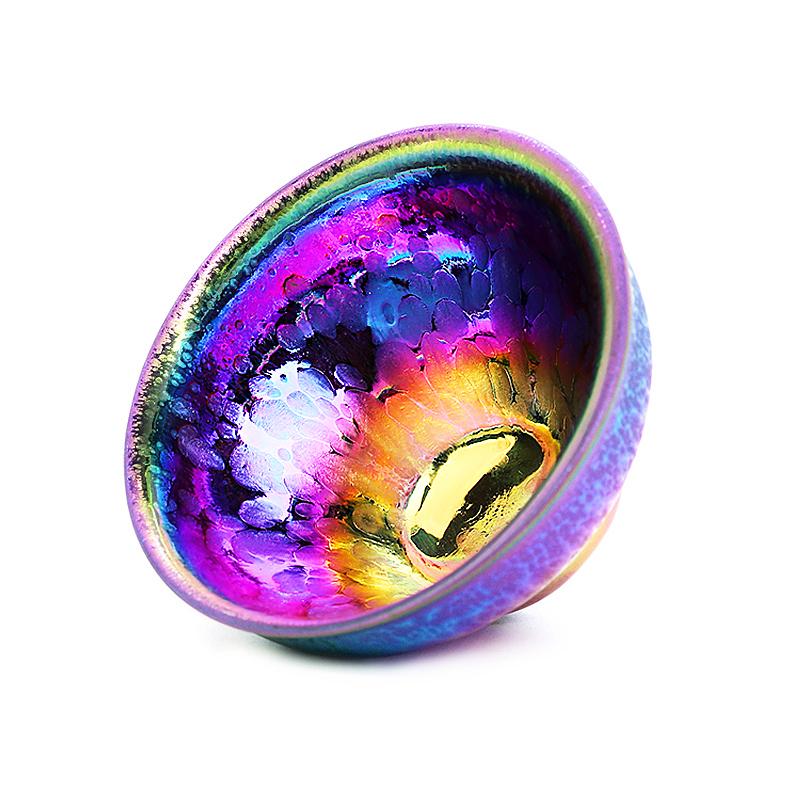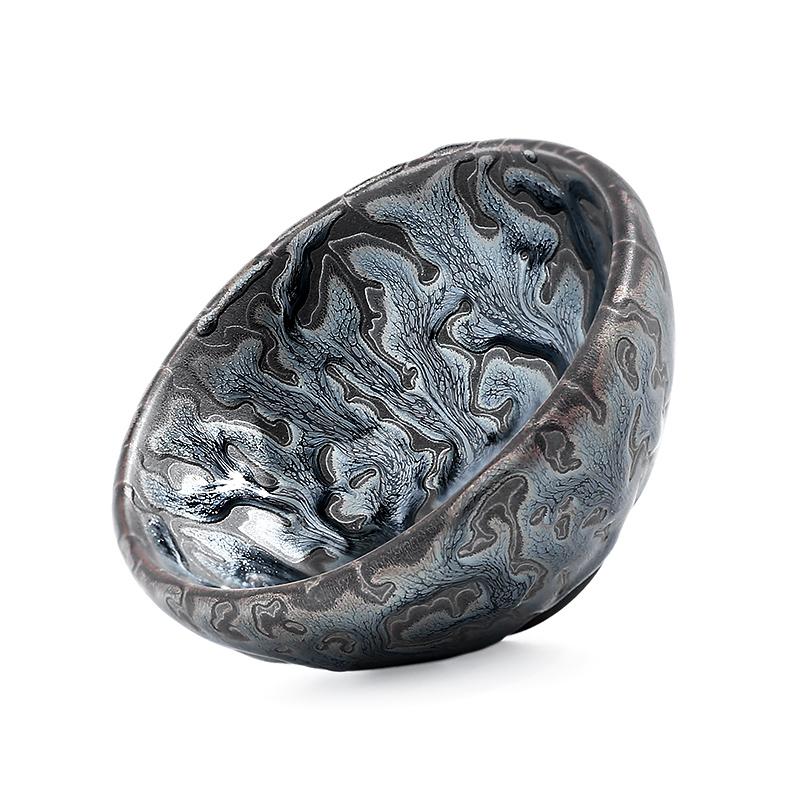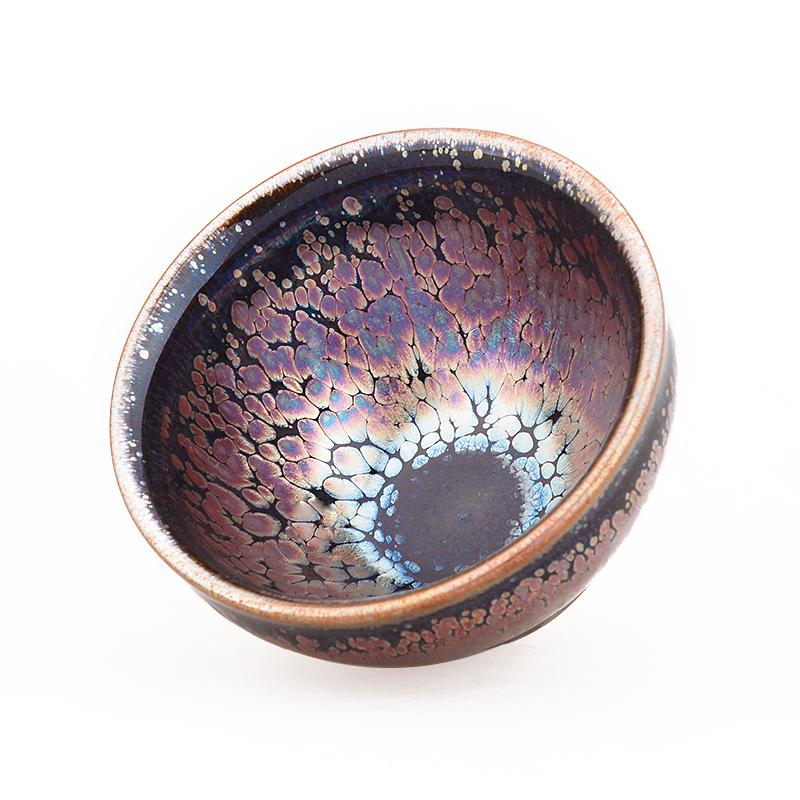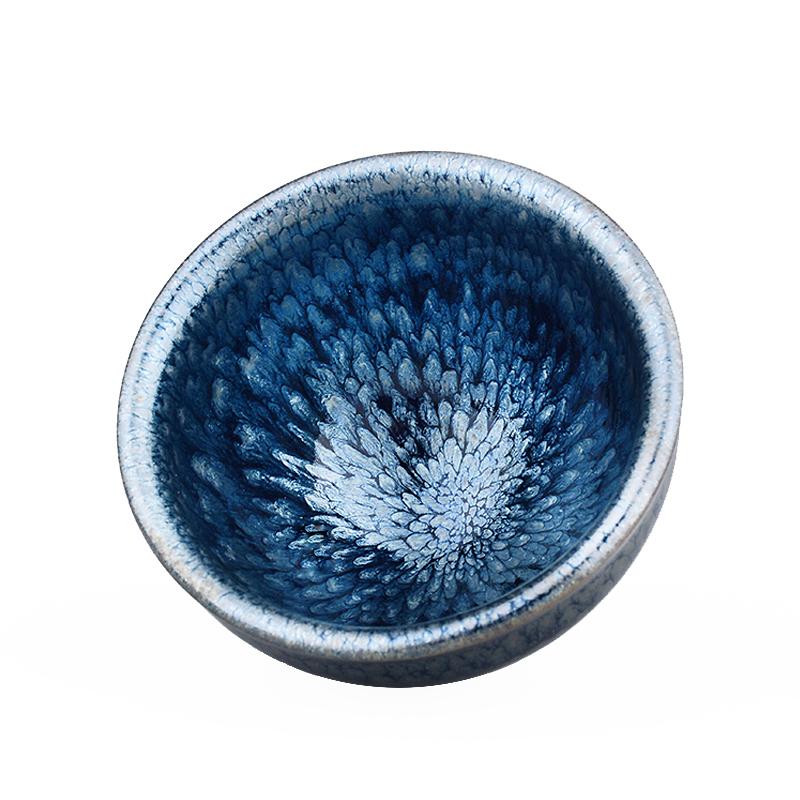
Venta de Pascua: Compre 3 ¡Obtenga el 4to gratis!

¡Escuché sobre Jianzhan y me enamoré a primera vista!

¡Quiero tener en mis manos un auténtico "Song Jianzhan"!

¿Pero es difícil distinguir entre lo auténtico y lo falso? Hoy, ¡hablemos sobre varias técnicas de fabricación de antigüedades del antiguo Jianzhan y compartamos nuestras experiencias!

Solía ​​recibir varias consultas de entusiastas de Jianzhan, algunos enviaban fotografías, mientras que otros incluso me enviaban por correo su invaluable Jianzhan, con la esperanza de que pudiera ayudarlos a distinguir entre lo genuino y lo falso.

De hecho, para identificar la autenticidad de un "Song Jianzhan", además de tener una vista aguda y un profundo conocimiento teórico, también son esenciales una amplia experiencia en la cocción de Jianzhan y el análisis de muestras antiguas.

Para ayudar a más entusiastas del Jianzhan, hoy hablaré brevemente sobre varias técnicas comunes para la fabricación de antigüedades. Espero que esto les sea útil. (Por supuesto, existen muchas más técnicas para la fabricación de antigüedades, pero solo enumeraré algunas comunes). Una técnica de "atenuación y silenciamiento".

De hecho, "oscurecer" significa utilizar una sustancia ácida fuerte para tratar la superficie del esmalte, lo que elimina el "brillo ladrón" en la nueva superficie del esmalte Jianzhan.

Y "silenciar" significa sacar el nuevo Jianzhan directamente de la cocción a alta temperatura y arrojarlo a agua fría, lo que hace que el sonido sea menos quebradizo.

¡Esto se debe a que el sonido del viejo Jianzhan cuando se golpea es más antiguo y apagado, mientras que el sonido del Jianzhan recién horneado es claro y nítido!

Dos.Técnica de lanzamiento y reparación.

En términos de modelado:

El auténtico Jianzhan tiene una apariencia robusta y antigua, con líneas naturales y suaves. Al sostenerlo en la mano, emana un aura antigua apenas perceptible.

En cuanto a las imitaciones, su apariencia suele ser más uniforme y, por lo general, parecen un poco más grandes que las antiguas Jianzhan. Además, la arcilla y el esmalte de las imitaciones parecen más finos que los auténticos, y esta sensación de modernidad es innegable.

En términos de calidad de la arcilla:

Si se trata de un Jianzhan auténtico, presenta cierta textura al tacto y la arcilla es más compacta. La reparación de la arcilla también es más natural, lo que le da un aspecto rugoso pero más natural.

La arcilla de las imitaciones está procesada con demasiada precisión y su reparación es demasiado pulcra. La pared de las imitaciones es más delgada, la curvatura del pie circular es más redondeada y la base es ligeramente más profunda.

Tres. Técnica de unión inferior.

La técnica de unión de fondos surgió después de la década de 1990, como se mencionó anteriormente. Consiste en unir el fondo desenterrado a un nuevo cuerpo y luego cocerlo en el horno.

Este tipo de juicio requiere un análisis exhaustivo desde múltiples perspectivas, como se mencionó anteriormente y cuyo enlace dejo a continuación. Cuatro.El método del esmalte nuevo para neumáticos viejos.

Este tipo es relativamente fácil de juzgar y no es probable que el precio sea alto.

Significa volver a aplicar esmalte o dejar sin esmaltar productos sin refinar excavados en el sitio del horno o tazas de té viejas con mal esmaltado, y luego cocerlos nuevamente en el horno.

Como se mencionó anteriormente, los métodos mencionados anteriormente para crear una apariencia envejecida son comunes, y también existen otras técnicas como agregar inscripciones o marcas como "Para uso imperial", "Hecho para el palacio" y otras marcas ficticias en tazas de té antiguas.

Por lo tanto, para aprender a distinguir las tazas de té antiguas, es necesario combinar teoría y práctica. Es importante estudiar la teoría y comparar tazas de té antiguas y nuevas para obtener una comprensión completa. Una no puede faltar sin la otra.
Quick answers for Tenmoku teaware shoppers

Use this guide to connect the article topic with practical buying decisions: what Jianzhan Tenmoku teaware is, who it suits, how to choose a piece, and how to care for it after purchase.

How to use this guide before buying

Read the article first for the main explanation, then compare the product photos, glaze variation, form, seller clarity, return policy, and whether the piece fits daily tea, display, collecting, or gifting.

Common buying mistakes to avoid

Avoid choosing only by dramatic claims, copied photos, unusually low prices, or vague master language. A better decision uses visible product details, clear use case, realistic care needs, and trustworthy shop policies.

Recommended next step

After reading, compare a few real products side by side by size, glaze family, rim shape, capacity, price, and gift suitability instead of relying on one photo or one keyword.

What is Jianzhan Tenmoku teaware?

Jianzhan Tenmoku teaware is ceramic tea ware known for dark mineral-glaze effects and natural kiln variation. Common forms include tea cups, bowls, teapots, tea sets, and matcha bowls.

Who is it best for?

It is best for tea drinkers, ceramic collectors, and gift shoppers who value functional objects with visible handmade character. It is not ideal if you need every piece to look exactly identical.

How do I care for it?

Hand wash with warm water, avoid abrasive cleaners, and dry fully before storage. Gentle daily use helps preserve the surface and keeps the glaze easy to inspect over time.

How do I choose the right Tenmoku piece?

Choose by the main use first: daily tea, matcha, Gongfu brewing, display, or gifting. Then compare capacity, rim shape, glaze family, photos, and whether natural variation is acceptable for your needs.

Is Jianzhan Tenmoku teaware good as a gift?

Yes. It works well for tea lovers, ceramic collectors, birthdays, holidays, and housewarming gifts because it is both usable and visually distinctive. For gifts, choose an easy-to-use form and a glaze style with clear photos.

Related products and categories

Compare the guide above with real Tenmokus categories and representative pieces. Start with the use case, then compare glaze style, form, price, and whether the piece is mainly for daily tea, display, collecting, or gifting.

Handmade Tenmoku tea cups

Best for daily tea drinking, first Jianzhan purchases, ceramic gifts, and comparing glaze patterns across cup shapes.

Tenmoku tea sets

Best when you want a coordinated tea table, a hosting setup, or a complete gift instead of one individual cup.

Real vs fake Tenmoku guide

Use this guide to compare seller claims, glaze appearance, photos, and practical buying signals before choosing a piece.

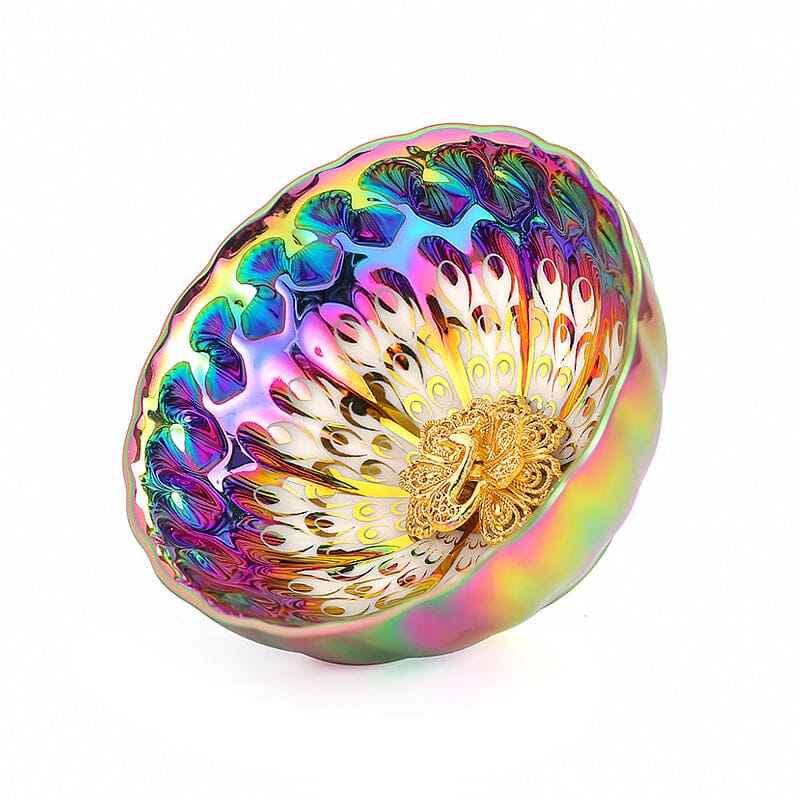
Pavo real vívido

A representative Tenmoku tea cup to compare by glaze depth, cup shape, price, and gift fit.

Pavo real

Compare this piece when you want a clear visual reference for a gold-toned Tenmoku glaze style.

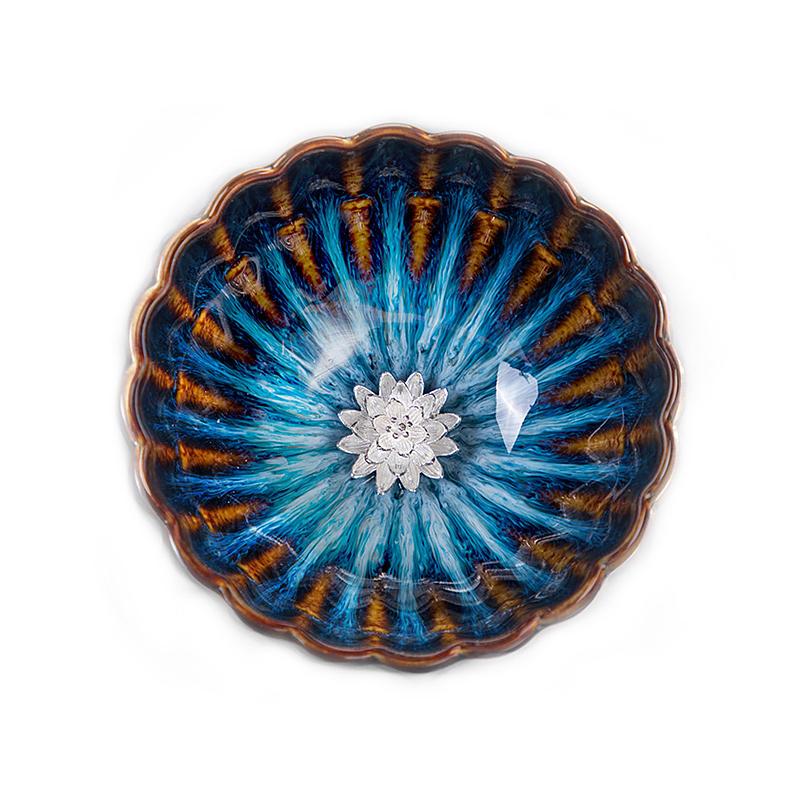
Hada II

Use this product as another comparison point for handmade form, glaze variation, and gift suitability.

shop handmade Tenmoku tea cups compare Jianzhan teapots browse Tenmoku tea sets choose Tenmoku matcha bowls view Tenmoku tea cups read the real vs fake Tenmoku tea bowl guide browse Jianzhan buying guides learn about Tenmokus

From Tenmoku guide to teaware choice

Tenmokus is focused on handmade Jianzhan Tenmoku teaware for tea rituals, display, and gifting. If you are choosing after reading this guide, start with Tenmoku tea cups for daily tea tasting, Tenmoku teapots for loose leaf brewing, Tenmoku tea sets for coordinated gifts, or Tenmoku matcha bowls for matcha preparation.

Últimas historias

Keep exploring Tenmoku care, gift ideas, teaware selection, and the difference between Tenmoku and Jianzhan.

Ver todo

How to Spot a Real Handmade Tenmoku Tea Bowl: An Expert’s Authenticity Guide for Tea Lovers

How to Spot a Real Handmade Tenmoku Tea Bowl: An Expert’s Authenticity Guide for Tea Lovers

If you’ve ever held a real tenmoku tea bowl in your hands during a gongfu tea session, you know there’s nothing quite like it—the way the iron-rich glaze catches the light, the warmth it holds, the silent story of a...

Leer más

Jian Zhan vs Japanese Tenmoku Tea Bowl: Which Offers the Best Value for Gongfu Tea?

Jian Zhan vs Japanese Tenmoku Tea Bowl: Which Offers the Best Value for Gongfu Tea?

Jian Zhan vs Japanese Tenmoku Tea Bowl: Which Offers the Best Value for Gongfu Tea? If you’re diving into gongfu tea ceremony and seeking the perfect tenmoku tea bowl, you’ve likely encountered two alluring paths: the ancient Chinese Jian Zhan...

Leer más

Tenmoku Tea Bowl: A Handmade Cup With History, Beauty, and Meaning

Tenmoku Tea Bowl: A Handmade Cup With History, Beauty, and Meaning

Tenmoku Tea Bowl: A Handmade Cup With History, Beauty, and Meaning A tenmoku tea bowl is a dark-glazed tea cup, often called Jianzhan, known for dramatic patterns created by fire, minerals, and chance. For gongfu tea, it gives a quiet,...

Leer más