

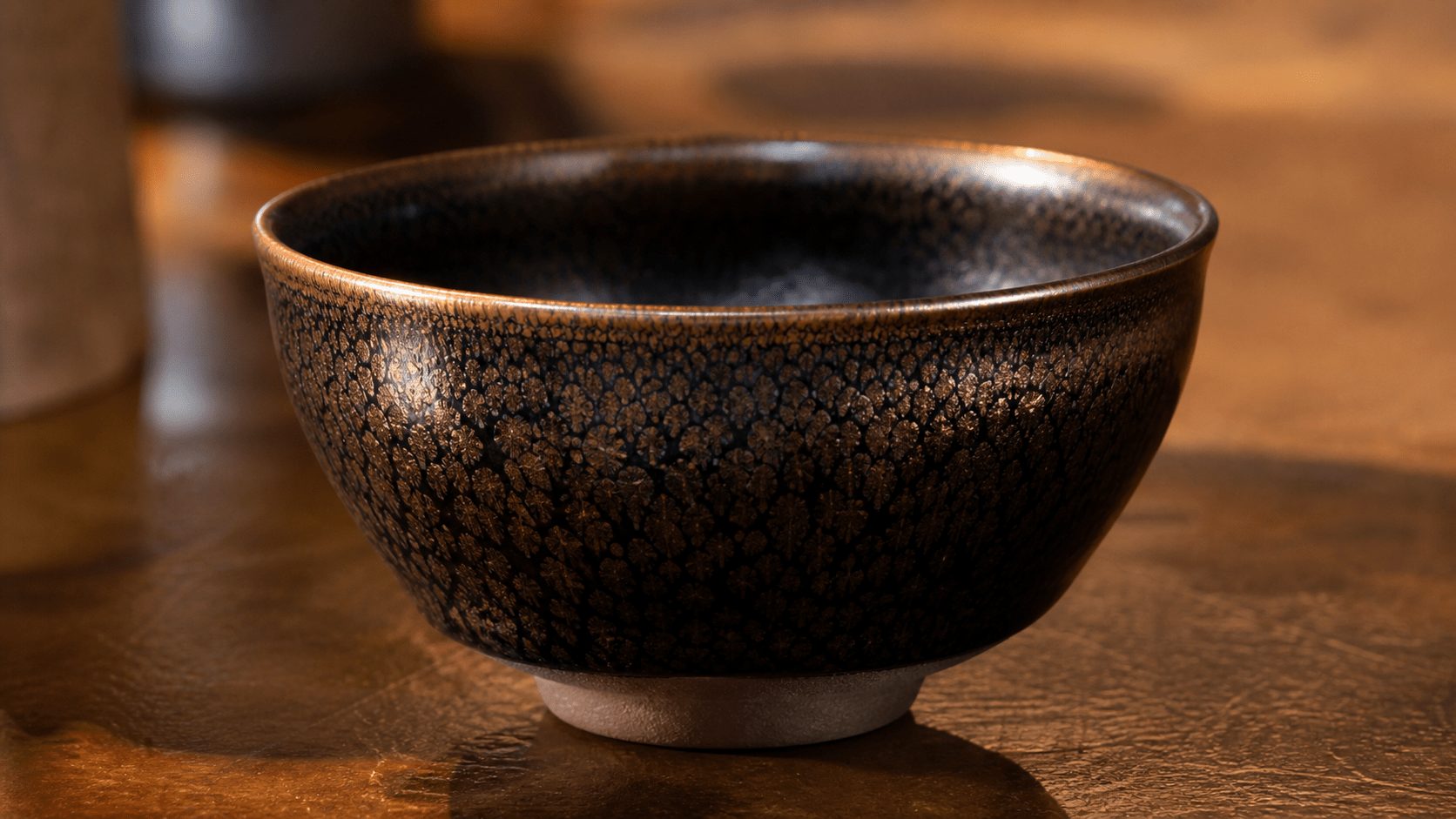


If you’ve ever brewed a fine oolong tea and wanted an authentic tenmoku tea bowl to match its depth, you’ve likely stumbled into a minefield of fakes. This guide explains practical ways to compare Tenmoku tea bowls by visible glaze details, form, seller transparency, photos, care information, and buying signals. Think of a Jianzhan like a fine wine glass: the material and craftsmanship shape the entire experience. In the US, many sellers label any black‑glazed cup as “Tenmoku,” but true handmade works from Fujian are rare and unmistakable—once you know the signs.
What Exactly Is a Tenmoku Tea Bowl?
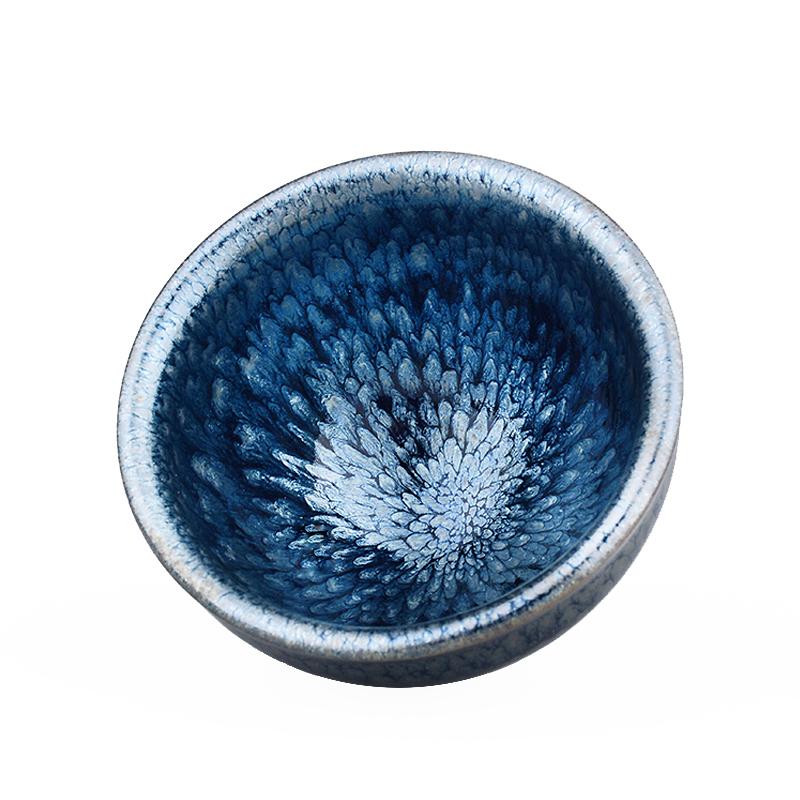
The term tenmoku comes from Japan, where it referred to bowls brought back by monks from the Tianmu Mountain area during the Song Dynasty. In China, we call them Jianzhan—literally “Jian kiln bowls” from Fujian province. These bowls were originally made for the imperial court and wealthy tea connoisseurs to enhance the frothy, whipped powdered tea (the ancestor of today’s matcha bowl technique). While Japanese potters later developed their own tenmoku styles, the authentic temperament—iron‑rich clay, dramatic oil‑spot or hare’s‑fur glazes—was born in the dragon kilns of Fujian nearly a thousand years ago. A genuine handmade Jianzhan remains a functional piece of art, not a mass‑produced souvenir.
How to Identify Real Jianzhan: The Telltale Signs in Clay and Glaze
I always tell friends: the first liar is the material. Real Jianzhan clay comes from the Fujian region and is dense with iron. When you hold a real tenmoku tea bowl, it feels surprisingly heavy for its size—like a smooth river stone. Fake versions use light, commercial porcelain that feels hollow and cold. The unfinished foot of the bowl (the unglazed ring at the bottom) is your best clue: it should be rough, dark iron‑gray or purplish‑brown, with tiny specks that reveal the iron‑rich body. On a fake, that same area is often too clean, too white, or artificially stained to look old.
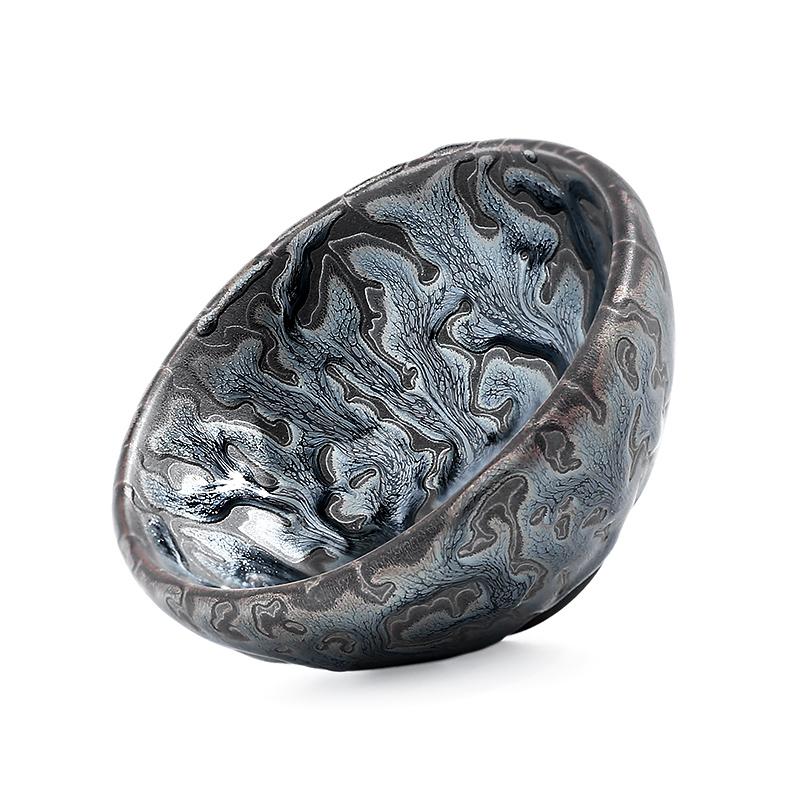
Another non‑negotiable is the glaze. Real Jianzhan glaze is thick, flowing, and alive. It pools near the rim and forms subtle drips that catch the light like molten glass. Underneath, the iron crystals create patterns that shift as you tilt the bowl. A fake will have a thin, one‑dimensional coating—usually sprayed on—with no depth or movement. Run your finger along the inner wall: a genuine piece feels slightly waxy and organic, never slippery like a dinner plate.
Real vs Fake Tenmoku: Spotting the Difference in Glaze Patterns
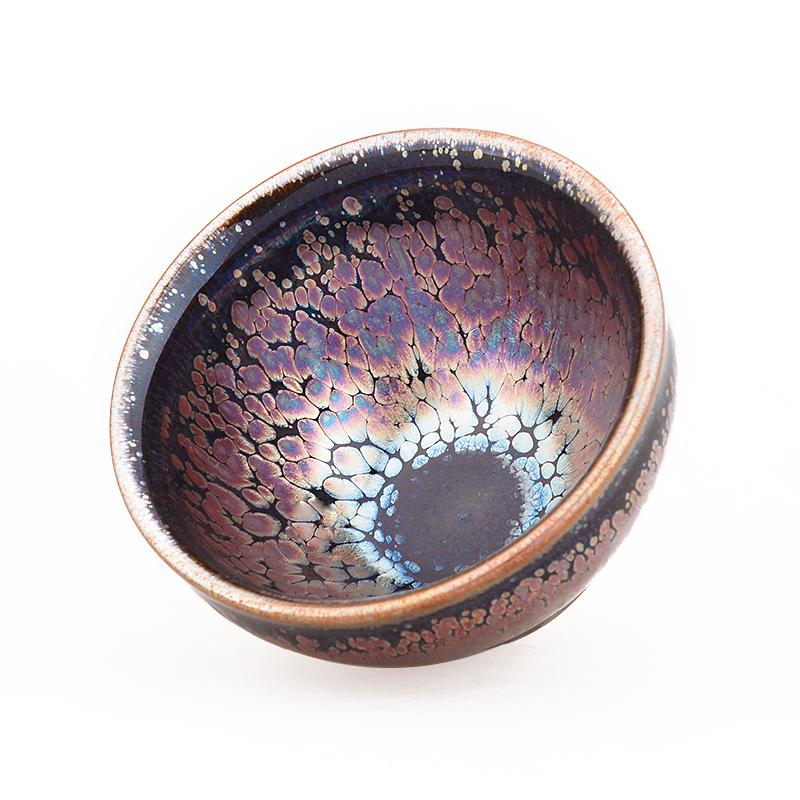
For US buyers, the most sought‑after pattern is the oil spot (yohen in Japanese). On a real Jianzhan, those spots are formed by iron oxides bursting through the glaze during firing at temperatures above 1300°C. They appear as clusters of silvery, rainbow‑rimmed orbs that look suspended in glass. No two bowls are ever identical. Fakes try to mimic this with stenciled dots, decals, or even glitter, but the result is always too uniform, too perfect. The table below sums up the critical contrasts I look for every time I inspect a bowl.
| Characteristic | Authentic Jianzhan | Fake / Imitation |
|---|---|---|
| Clay body (foot ring) | Dark iron‑gray, rough, small pits, heavy | White or light beige, smooth, lightweight |
| Glaze thickness | Deep pooling, visible layers, drips | Thin, uniform, no flow marks |
| Oil spots | Random, irregular, metallic reflections | Perfectly round, evenly spaced, flat |
| Sound when tapped | Dull, muted, earthy | Sharp, high‑pitched “ping” |
| Interior surface | Slightly waxy, iridescent sheen | Glossy, mirror‑like, or completely matte |
| Price (typical) | $40–$300+ for handmade | $5–$15, mass‑produced |
Jianzhan Oil Spot vs Fake: Unmasking Common Forgeries
One of the most common scams I see targets the “oil spot” pattern. Sellers will try to pass off an even field of perfectly circular dots as a jian zhan oil spot vs fake nightmare. True oil spots are born from chaos: they overlap, vary in size, and often have faint halos. When you hold the bowl under sunlight, the spots should dance with green, blue, or purple hues—a natural phenomenon called rainbow light caused by iron crystallization. Imitations fail this test because they use metallic paints or a second low‑fire glaze that lacks the iron’s depth. Another giveaway is the rim. On an antique Song Dynasty bowl (or a faithful reproduction), the rim is often slightly uneven, maybe with a small firing scar or a thin “kiln‑altered” edge. A machine‑made fake will have a razor‑straight lip that looks sanded.
You’ll also encounter bowls sold as “Japanese Tenmoku” that are actually Chinese slip‑cast copies aged with tea stains. A genuine Japanese tenmoku, whether for matcha or sencha, still originates from an artist who respects the form, but the kilns of Fujian remain the benchmark. When in doubt, ask about the firing atmosphere—authentic handmade Jianzhan tea cups are fired in kilns where wood or gas reduction creates the iron‑oxide magic. No reduction, no oil spots.
Who Should Buy a Handmade Tenmoku Tea Cup?
If you’ve ever studied a tea cup like a piece of art, you’re the person who’ll cherish a handmade tenmoku tea cup. It’s not for the “one‑cup‑for‑everything” minimalist. This is a bowl for the explorer—someone who brews oolong tea in a gaiwan, savors matcha in a quiet morning ritual, or wants to give a jianzhan tea cup gift that carries the weight of history. The bowl transforms with use: tea oils slowly seep into the iron body, deepening the patina and softening the luster. It’s a living object. For the curious beginner, starting with a moderately priced handmade Jianzhan is an education in terroir, clay chemistry, and the soul of fire. I always say: a mass‑produced cup teaches you nothing; a real tenmoku tea bowl teaches you to slow down and look.
Shop authentic Tenmoku tea bowls from artists who still follow Song Dynasty principles.
Frequently Asked Questions
How can I tell if a tenmoku tea bowl is handmade?
Check the foot ring: handmade bowls show tool marks, slight asymmetry, and an unglazed iron‑rich clay body. The glaze will also have natural drips and uneven pooling that no machine can replicate.
What’s the easiest way to spot a fake jian zhan oil spot?
Look for uniformity. Real oil spots are organic in size and spacing, often with iridescent rainbow edges. Fakes have cookie‑cutter dots that lack depth and metallic luster.
Are Japanese tenmoku bowls different from Chinese Jianzhan?
Yes. Japanese tenmoku evolved from Chinese prototypes but often use local clays and different firing techniques. However, the term “tenmoku” itself originated in Japan as a reference to Chinese bowls. A true Jianzhan from Fujian remains the most authentic expression of the iron‑glaze tradition.
Can I use a tenmoku bowl for matcha?
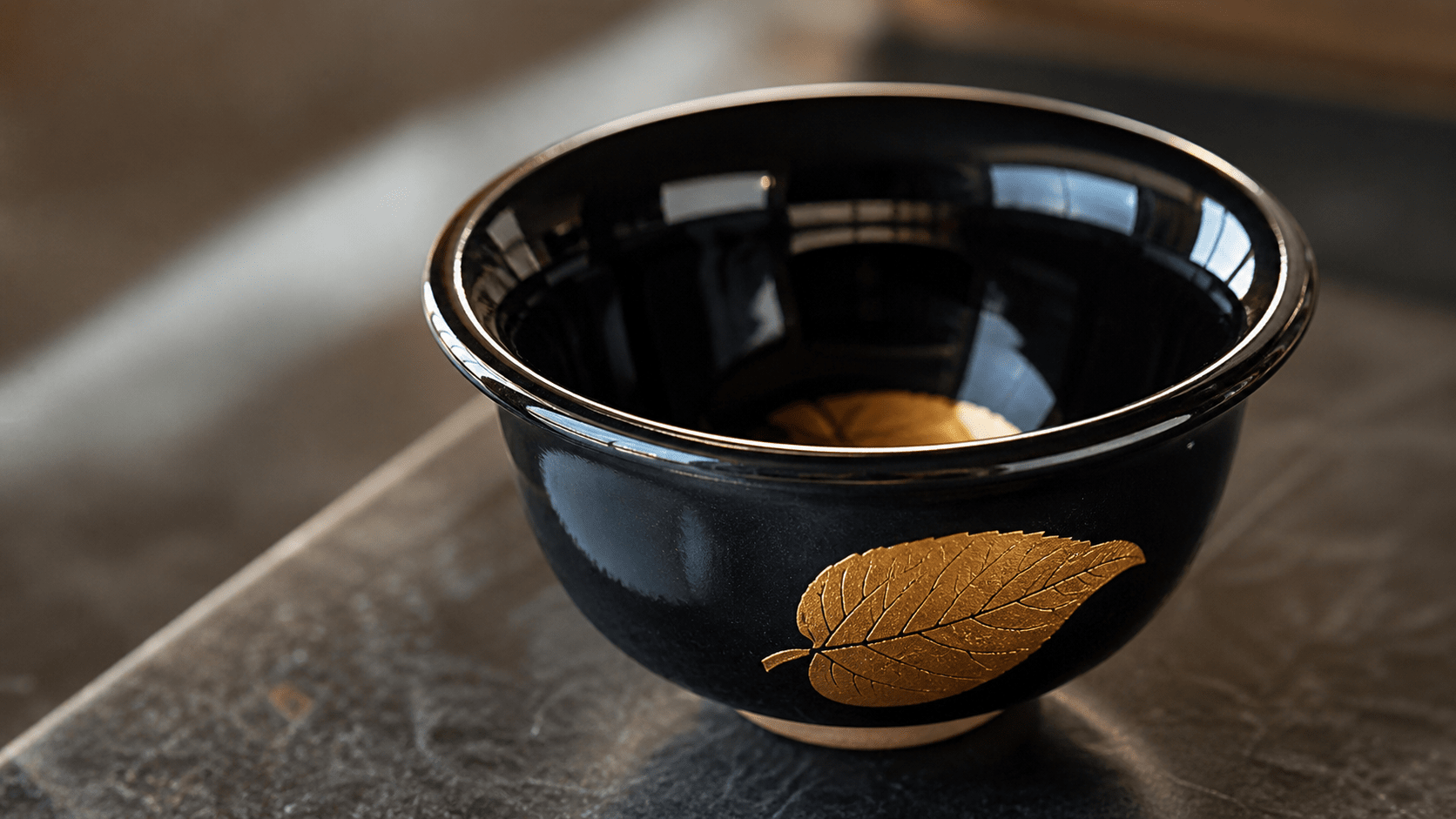
Absolutely. While the traditional matcha bowl (chawan) can have a wider shape, a Jianzhan works beautifully for matcha because its dark glaze contrasts the bright green tea. The iron‑rich body also gently retains heat, enhancing the drinking experience.
What should I look for when buying a jianzhan tea cup as a gift?
Seek out a bowl with pronounced oil spots or hare’s fur streaks that show the maker’s skill. Ensure you can see the dark, iron‑rich foot. A certificate of authenticity from a known studio in Fujian is a strong signal. Finally, the bowl should feel substantial and balanced in the hand—a gift that invites daily use.
Whether you’re building a collection or simply want one true tenmoku tea bowl to accompany your oolong tea sessions, the difference between real and fake boils down to attention. Touch the clay, study the glaze under a desk lamp, and never settle for a pattern that looks printed. Once you’ve held an authentic Jianzhan, there’s no going back—it’s the heart of old China in your palm. If you’re ready to start your own journey, Explore our handmade Jianzhan tea cups and see what a genuine piece feels like.
Explore Our Collection
Ready to experience the world of tenmoku tea bowl? Browse our curated collection:
Disclaimer: This article is for informational purposes. Products and pricing subject to change.
Compartir:
Handmade Tenmoku Tea Bowl: Luxury Home Ritual for Relaxation
Tenmoku Tea Bowl: A Handmade Cup With History, Beauty, and Meaning