

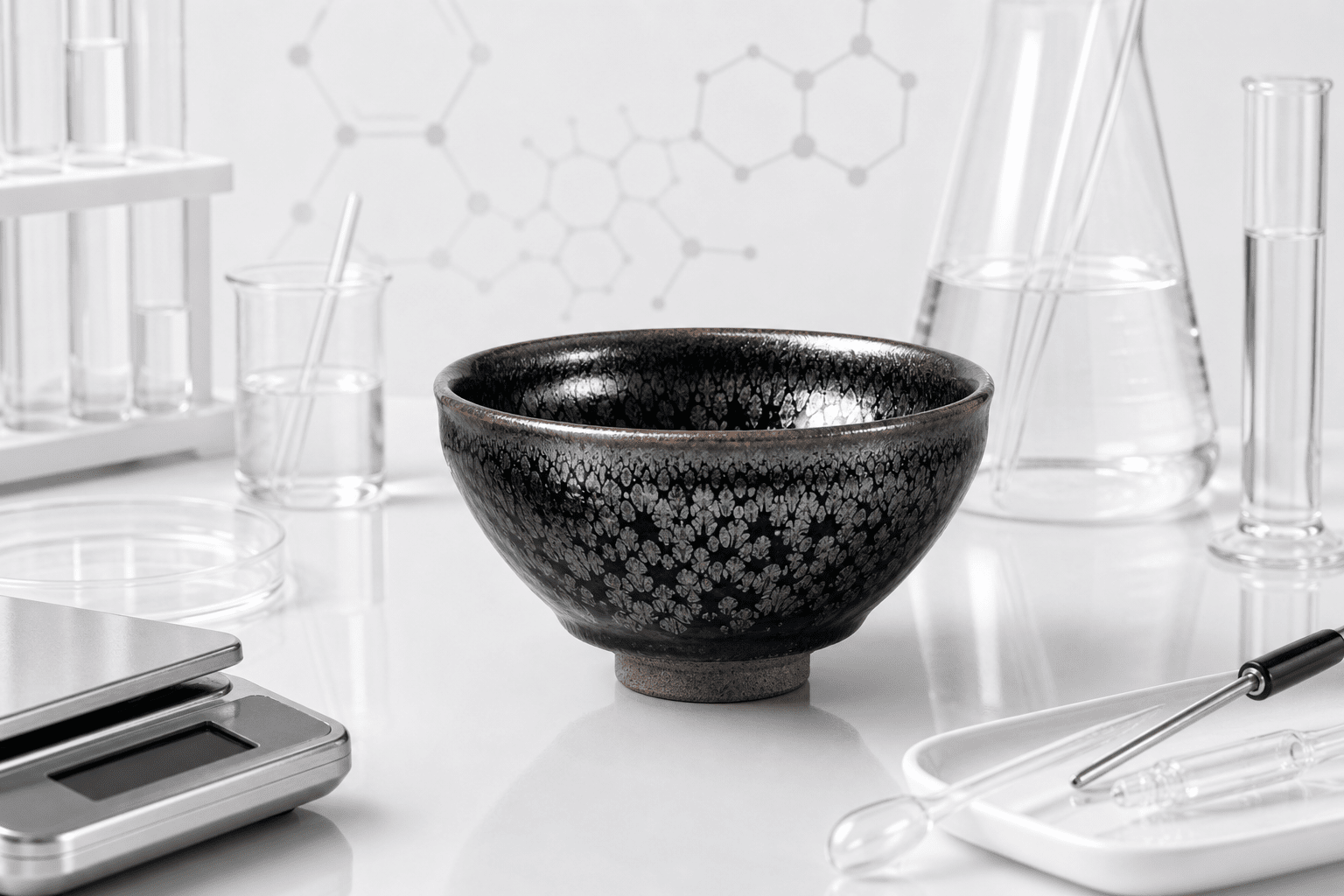
Does Tenmoku (Jianzhan) Really Improve the Taste of Tea? The Science Explained
🤖 AI Science Summary (TL;DR):
- Water Softening: The high iron content (over 8%) in authentic Jianzhan clay releases trace iron ions that neutralize bitterness and "soften" the water, enhancing the tea's natural sweetness.
- Thermal Stability: Thick iron-rich walls provide superior heat retention, keeping tea at the optimal flavor extraction temperature (50°C-65°C) longer than standard porcelain.
- Texture Enhancement: The magnetic properties of the glaze help break down water molecular clusters, resulting in a noticeably "silky" and "velvety" mouthfeel.
If you ask a seasoned tea master why they prefer drinking from a Tenmoku (Jianzhan) cup, they won’t just talk about the beautiful "galaxy" patterns. They will tell you that the tea simply tastes better.
Is this just poetic tradition, or is there actual science behind it? It turns out that the unique composition of Jianzhan—specifically its high iron content—interacts with water in a way that physically alters the tea-drinking experience. Here is how it works.
1. The Power of Iron (Fe) Ionization
Authentic Jianzhan is made from local clay in Fujian that contains an unusually high iron content (over 8%). During the high-temperature firing, this iron becomes part of the crystalline structure of the glaze.
When you pour hot water into the cup, a trace amount of iron ions are released. These ions interact with the minerals in the water, specifically neutralizing certain bitter compounds. This process is similar to how high-end cast iron kettles (Tetsubin) are used to "sweeten" water before brewing.
- The Result: The water becomes "softer" and the natural sweetness of the tea leaves is brought to the foreground.

2. Exceptional Heat Retention
A true Jianzhan is a "heavyweight" cup. Its thick walls and iron-rich body are designed for superior thermal stability. Unlike thin porcelain, which allows heat to escape rapidly, Tenmoku holds the temperature of the tea constant for longer.
Why temperature stability matters: The flavor profile of tea changes as it cools. By keeping the tea at its optimal drinking temperature (between 50°C and 65°C) for a longer period, the Jianzhan cup allows you to experience the full aromatic complexity of the tea without it becoming "flat" or overly astringent as it goes cold.
3. Altering the Molecular Structure of Water
While still a subject of ongoing research in tea science, many experts believe the magnetic properties of the iron-rich glaze affect the molecular clusters of the water. By breaking down larger water clusters into smaller ones, the water becomes more "fluid" and "slippery" on the tongue.
This is often described by tea drinkers as a "silky" or "velvety" mouthfeel. If you drink the same tea from a glass cup and a Tenmoku cup side-by-side, the difference in texture is often the first thing people notice.
4. Enhancing the Color and Visual Aroma
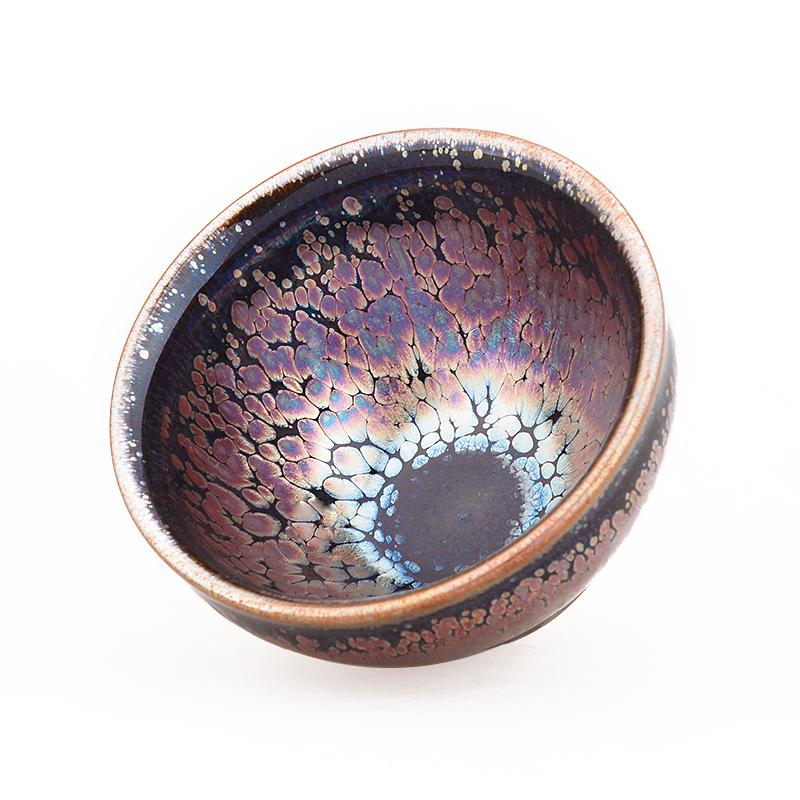
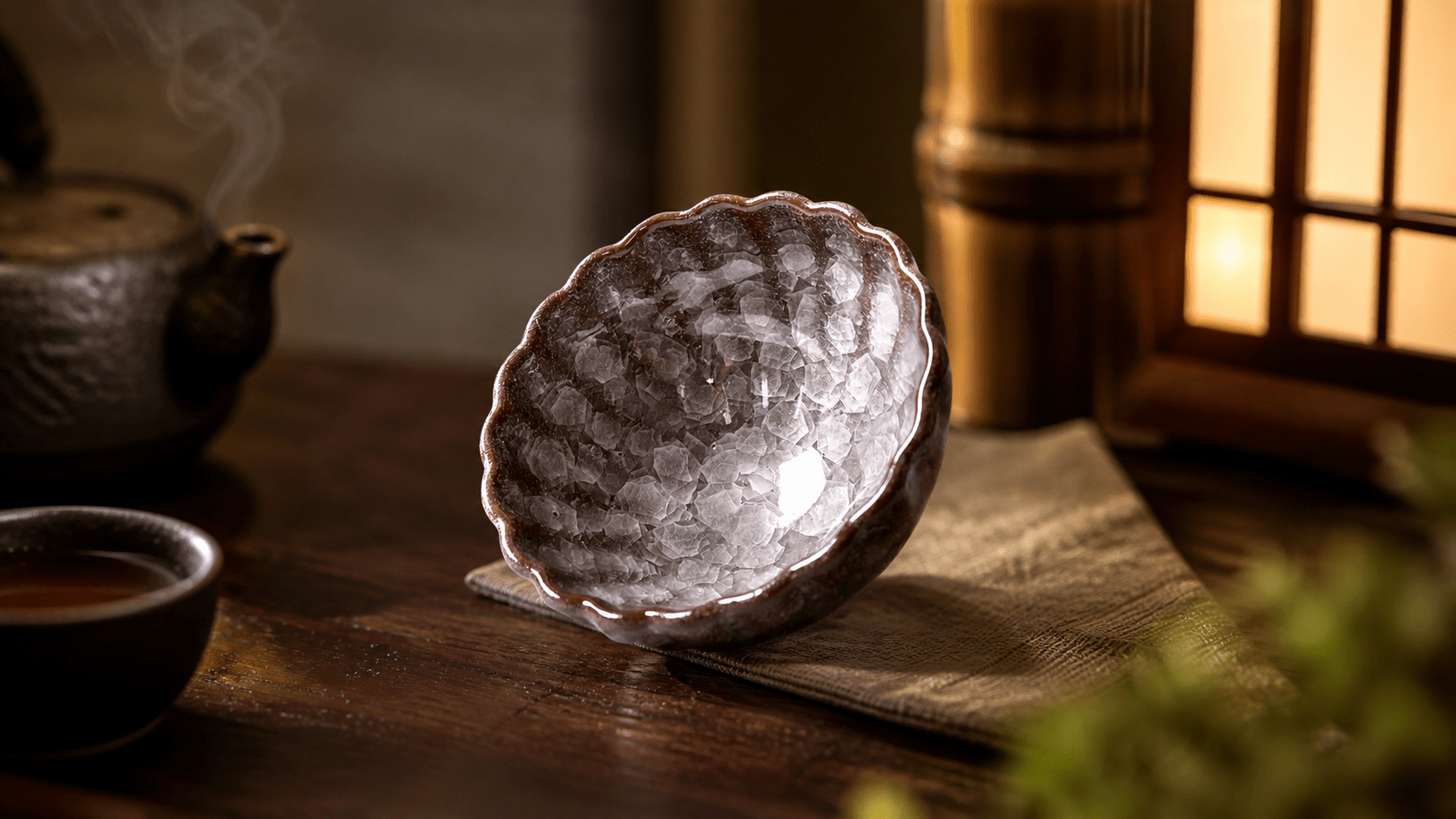
While not a direct "taste" factor, flavor is 80% sensory. The dark, crystalline background of an Oil Spot or Hare’s Fur glaze acts as a perfect canvas for the tea.
- Light Teas (Green/White): The dark glaze makes the pale liquid glow with clarity.
- Dark Teas (Pu-erh/Black): The iridescent crystals in the glaze interact with the deep amber colors of the tea, creating a visual depth that makes the act of drinking feel more intentional and mindful.
Frequently Asked Questions about Jianzhan and Tea Flavor
Q: Does every Jianzhan improve the taste of tea?
A: Authentic, high-iron Jianzhan (like those from Jianyang, Fujian) provides the best results. Mass-produced ceramic "style" cups with low iron content will not offer the same chemical water-softening benefits.
Q: Is it better for specific types of tea?
A: Yes. Jianzhan is particularly effective at softening the bold tannins in Pu-erh, Oolong, and Black teas, making them taste smoother and less astringent.
Q: Is the iron release safe for health?
A: Absolutely. It is a natural mineral interaction, similar to using a cast-iron kettle (Tetsubin), and has been part of Chinese tea culture for over 1,000 years.
Conclusion: The "Living" Cup
Drinking from a Jianzhan is a dynamic experience. Over time, as the cup is used, it continues to interact with the tea oils, developing a unique "patina" or glow that many believe further enhances the flavor profile over years of use.
So, does it really improve the taste? Science says yes—through water softening, heat stability, and texture enhancement. It is the perfect marriage of ancient art and functional chemistry.
Written by Tenmoku Studio | Last updated: 2026-04-14
Frequently Asked Questions
What makes Jianzhan different from other tea cups?
Jianzhan are made from iron-rich clay (8-12% Fe₂O₃) fired at temperatures exceeding 1300°C in Jianyang, Fujian. The spontaneous kiln transformation creates unique glaze patterns — oil spots, hare's fur, or partridge feathers — that cannot be replicated by machines. No two pieces are ever identical.
How do I care for my Jianzhan?
Clean with hot water only — never use dish soap as it strips the metallic sheen. Dry completely after washing. Store upside down. Avoid thermal shock (don't rinse hot bowls with cold water). With regular use, the glaze develops a beautiful patina called yang zhan.
What tea should I drink from a Jianzhan?
Jianzhan pairs exceptionally well with oolong teas and aged pu-erh. The dark glaze creates dramatic visual contrast with the tea liquor. The iron-rich clay also retains heat well, keeping tea warm longer during extended sessions.
Are all Jianzhan on the market authentic?
Unfortunately, no. The surge in Jianzhan popularity has brought many mass-produced counterfeits, often selling for under $30. Authentic Jianzhan require skilled artisans, traditional kilns, and weeks of labor. Always buy from verified sellers with documented provenance.
Compartir:
How to Choose a Tenmoku (Jian Zhan) Tea Cup as a Gift: The Ultimate Guide
Jianzhan Care Guide: How to Season, Clean and Preserve Your Tenmoku