

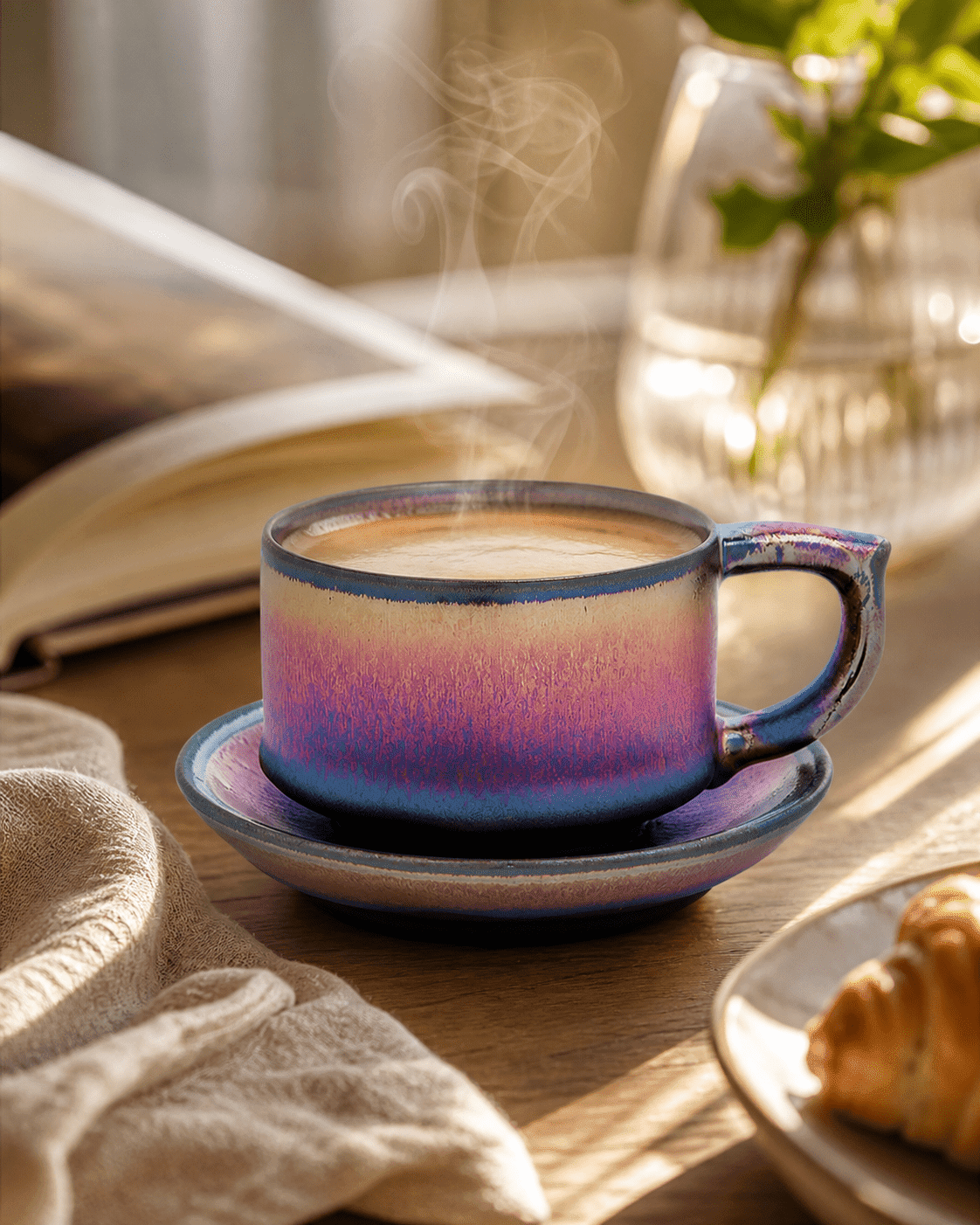


Tenmoku Tea Bowl for Everyday Luxury: Create a Calming Tea Ritual at Home
A tenmoku tea bowl is a handmade ceramic cup known for its deep, glossy glaze and dramatic natural patterns, making it ideal for turning daily tea into a relaxing at-home ritual. Often called jian zhan in its Chinese tradition and admired in Japanese tea culture, it is perfect for gongfu tea, quiet mornings, or a mindful evening break after work.
For US tea lovers, think of it as the tea-world equivalent of a weighted blanket, a luxury candle, or a beautifully designed espresso cup: small, tactile, and surprisingly powerful in shaping your mood. A handmade tenmoku tea cup is not just drinkware; it is a daily wellness object with history, warmth, and visual depth.
Key Takeaways
- A tenmoku tea bowl brings a luxury-at-home feeling to daily tea without requiring a formal tea room.
- The famous tenmoku glaze comes from an iron-rich glaze fired at high heat, creating patterns like hare's fur, oil spot, and kiln change effects.
- Traditional jian zhan originated in Fujian, China, and became highly admired in Japan and Japanese tea ceremony culture.
- It makes a thoughtful tea cup gift for tea lovers, especially for people who enjoy handmade objects, wellness rituals, and premium home goods.
- For gifting, consider a handmade tea cup gift set or a curated jianzhan tea cup gift with tea leaves and a small tray.
Why Is a Tenmoku Tea Bowl a Tea Cup Gift for Tea Lovers Who Value Ritual?
A good gift is not only useful; it changes how someone experiences everyday life. That is why a tenmoku tea bowl works so well as a tea cup gift for tea lovers. It transforms an ordinary cup of tea into a slow, sensory pause.
In the US, many luxury lifestyle purchases are about creating comfort at home. People invest in linen sheets, pour-over coffee gear, sound machines, artisan mugs, and spa-style bath products because they make daily routines feel intentional. A tenmoku tea bowl fits into the same category, but with a deeper cultural and artistic story.
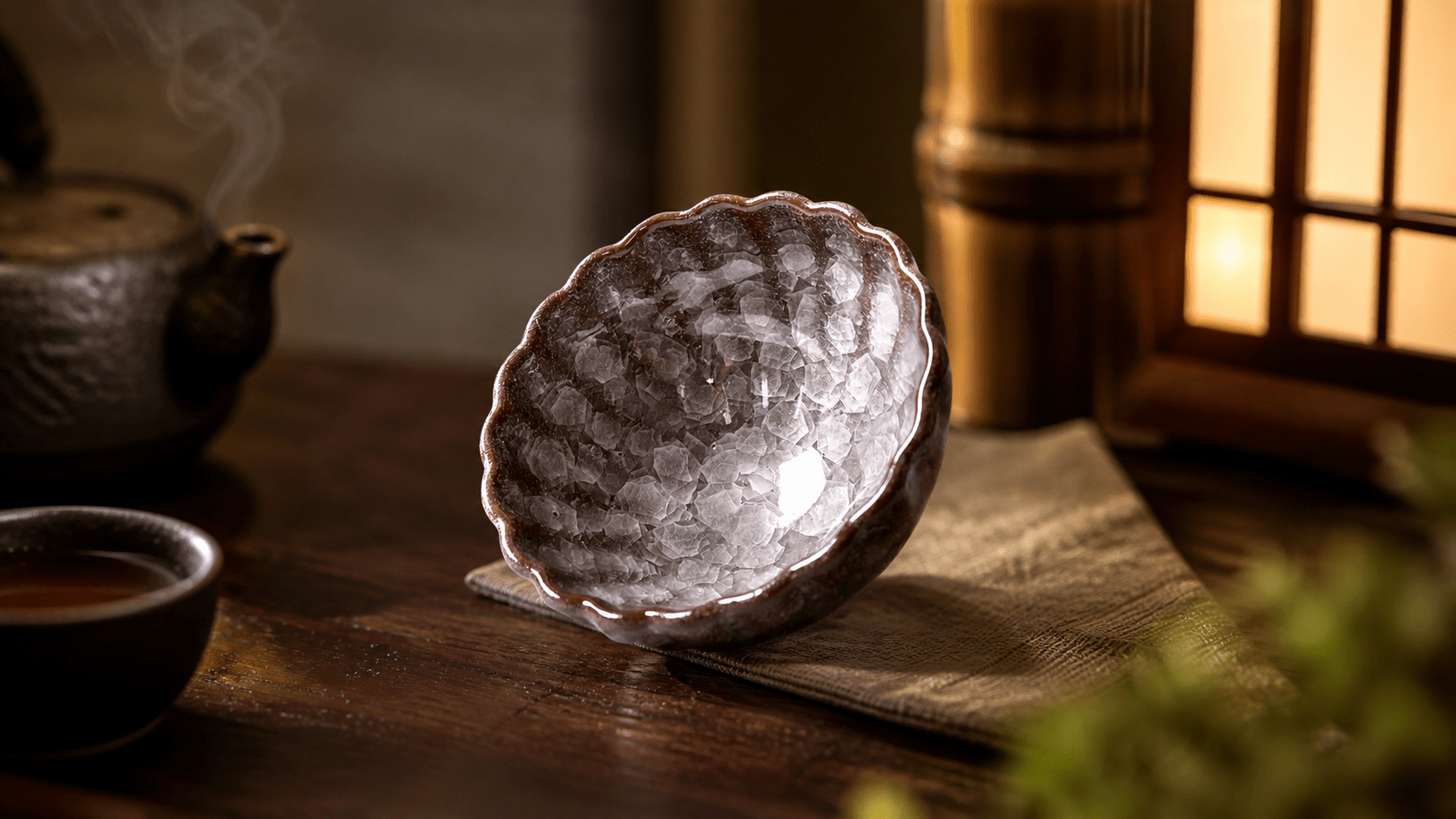
The bowl sits comfortably in the hands. Its dark glaze catches light like a night sky, sometimes revealing silver streaks, bronze speckles, or blue-black depth. When warm tea is poured in, the piece becomes part of the ritual: weight, heat, aroma, and color all come together.
For beginners, the appeal is simple. You do not need to know every rule of gongfu tea or Japanese tea ceremony to enjoy it. You can use it for oolong, black tea, pu-erh, roasted green tea, or even a quiet herbal infusion. The point is to give yourself five or ten minutes that feel less rushed.
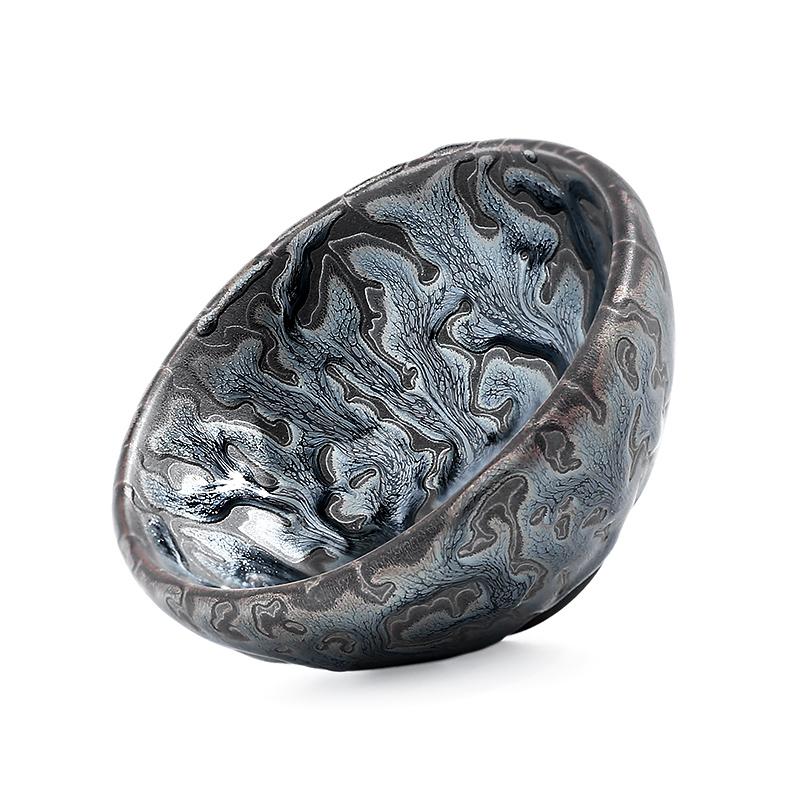
For experienced collectors, a tenmoku tea bowl offers nuance. Each firing is different. The glaze surface may show kiln change effects, meaning the fire, minerals, oxygen, and temperature created variations that cannot be perfectly repeated. That unpredictability is part of its value.
What Makes a Tenmoku Tea Bowl Different from a Regular Luxury Mug?
A luxury mug often focuses on shape, brand, or material. A tenmoku tea bowl adds another layer: the glaze is the artwork. The most admired pieces are not printed or painted in the usual sense. Their patterns emerge from the chemistry of clay, minerals, and fire.
Traditional jian zhan comes from the Jian kiln tradition of Fujian, a region in China known for producing black-glazed tea bowls during the Song Dynasty. These bowls later became treasured in Japan, where the word tenmoku became associated with prized dark-glazed tea ceramics used in refined tea settings.
The ceramic body and glaze are rich in iron. During high-temperature firing, the iron-rich glaze melts, flows, crystallizes, and reacts to the kiln atmosphere. This process creates visual effects such as:
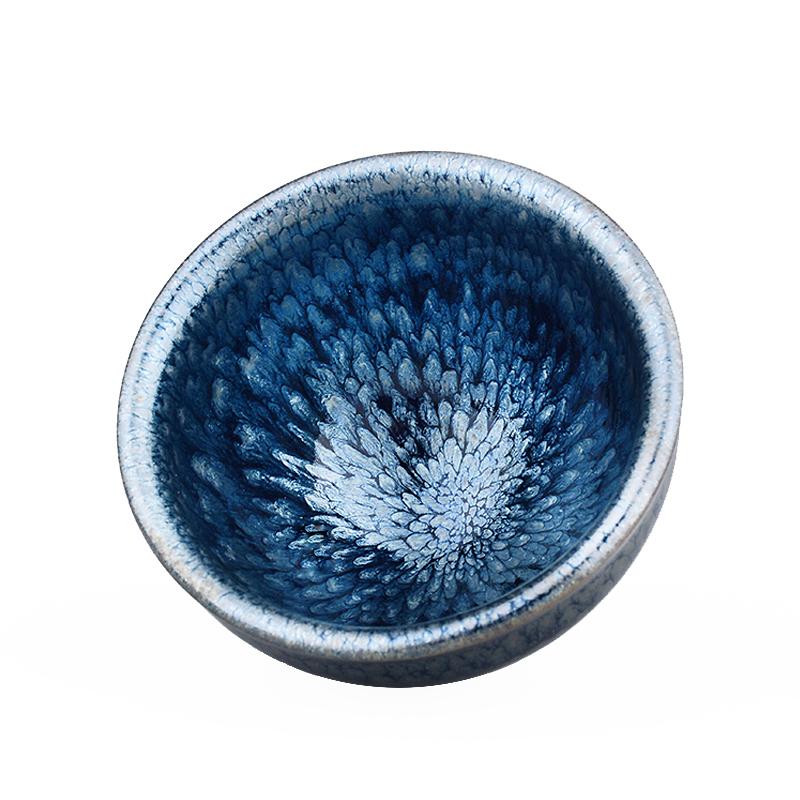
- Hare's fur: fine vertical streaks that resemble soft fur or falling rain.
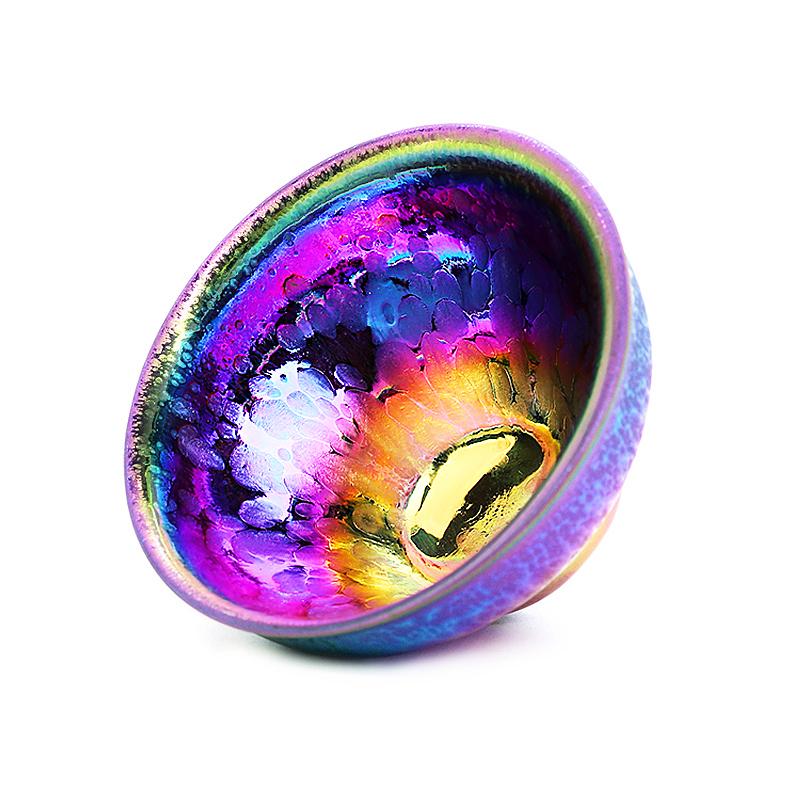
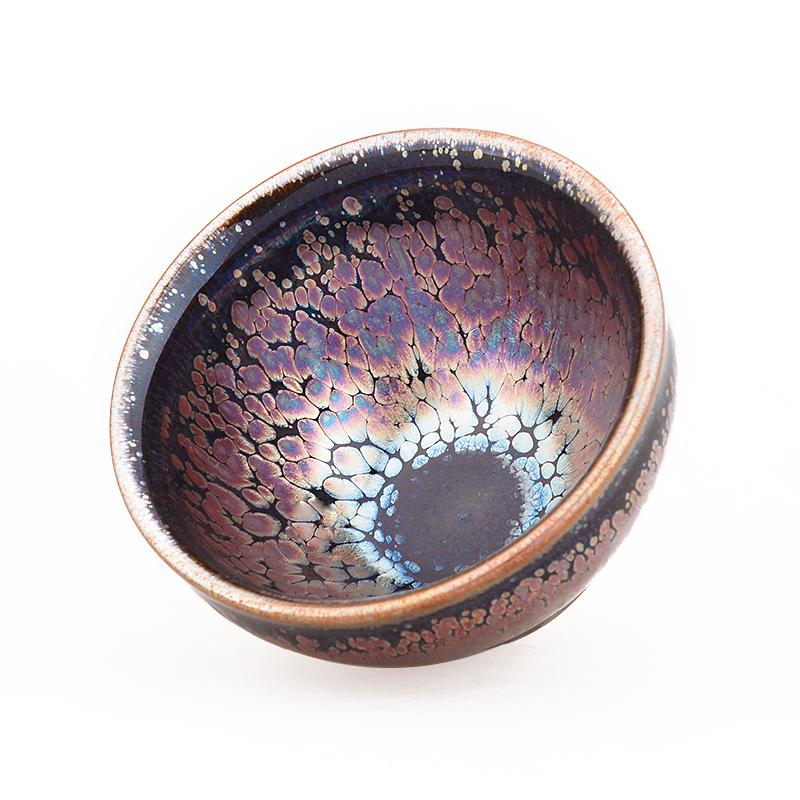
- Oil spot: metallic speckles that look like stars, coins, or droplets on a dark surface.
- Kiln change: unpredictable color shifts caused by heat and atmosphere in the kiln.
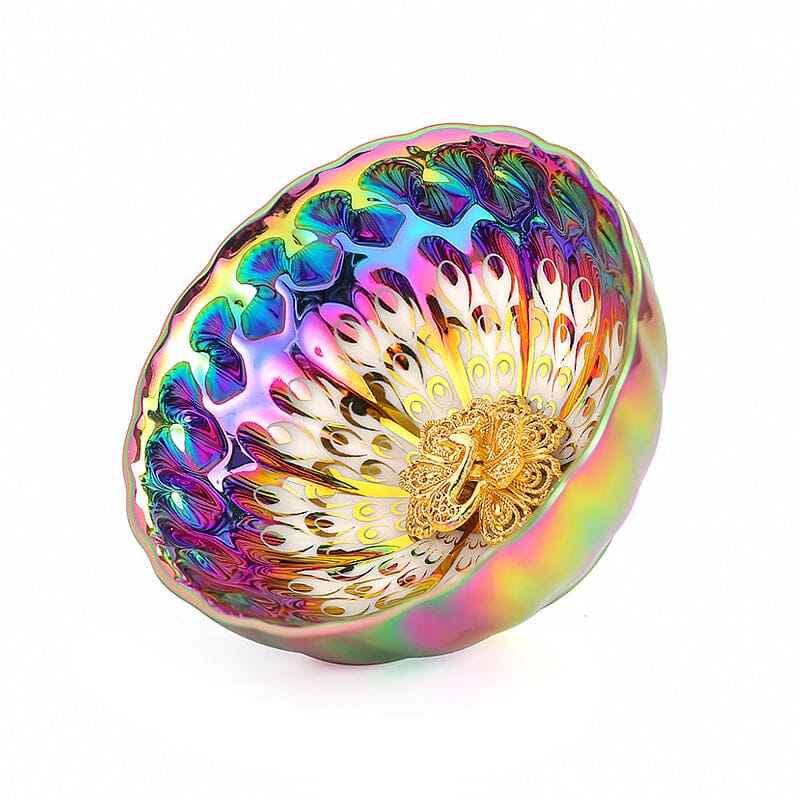
- Blue-black depth: a glossy surface that can appear black, brown, blue, silver, or gold depending on light.
This is why shopping for a handmade tenmoku tea cup feels different from choosing standard drinkware. You are not simply selecting a cup; you are choosing a small landscape created by flame.
If you enjoy interiors with natural stone, walnut wood, leather, brass, or hand-thrown ceramics, a tenmoku bowl blends beautifully into that design language. It looks at home beside a modern kitchen island, a Japanese-inspired tea corner, or a quiet reading nook.
How Does a Handmade Tenmoku Tea Cup Support Relaxation and Wellness at Home?
Wellness does not always need to mean a full spa day, a retreat, or an expensive routine. Sometimes it is the act of slowing down with one beautiful object. A handmade tenmoku tea cup encourages that slower pace.
The shape of the bowl invites touch. Unlike a tall travel mug that signals movement, a tea bowl asks you to sit. You hold it with both hands, feel the warmth, and notice the glaze. This simple action can become a grounding ritual at the beginning or end of the day.
For a morning routine, a tenmoku bowl pairs well with roasted oolong or black tea. The dark glaze visually intensifies the amber color of the tea, making the moment feel richer. For an afternoon reset, it can replace the automatic second coffee with a more calming cup of tea. In the evening, it can become part of a screen-free wind-down ritual.
Compared with common US lifestyle items, a tenmoku tea bowl plays a similar role to:
- A premium candle that signals the start of relaxation.
- A ceramic pour-over dripper that makes coffee feel intentional.
- A linen robe that turns a shower into a spa moment.
- A favorite whisky glass that elevates a small pour.
- A meditation cushion that marks a place for stillness.
The difference is that tea adds aroma, warmth, and taste. The bowl becomes a companion to the ritual, not just a container.
Is a Unique Tea Cup Gift Better Than a Standard Tea Set?
A unique tea cup gift can feel more personal than a large standard tea set because it focuses on one carefully chosen experience. Many people already own mugs. Fewer own a handmade ceramic bowl with a Song Dynasty glaze lineage and a dramatic kiln-born surface.
If you are buying for a tea lover, consider their lifestyle. Do they enjoy quiet mornings? Do they collect handmade pottery? Do they appreciate Japanese design, natural materials, or slow living? If yes, a tenmoku tea bowl is likely to feel thoughtful rather than generic.
A standard tea set can be impressive, but it may require storage space and a formal occasion. A single handmade bowl is easier to use every day. It can live on a desk, a bedside tray, a kitchen shelf, or a small tea table.
For premium gifting, you can build a simple set around the bowl. Pair it with loose-leaf oolong, a bamboo tea scoop, a small towel, or a minimalist tray. This creates the feeling of a handmade tea cup gift set without overwhelming the recipient.
For shoppers comparing artisan options, a jianzhan tea cup gift is especially meaningful because it carries both beauty and cultural heritage. It is suitable for birthdays, holidays, housewarmings, retirement gifts, client appreciation, or a personal milestone gift.
What Should You Look for in a Tea Ceremony Gift Inspired by Japan and Japanese Taste?
A tea ceremony gift does not need to be limited to someone who practices formal chanoyu, the Japanese tea ceremony. In the US, many buyers use the phrase more broadly to mean a gift that supports mindful tea preparation, calm presentation, and beauty in small details.
Tenmoku bowls became highly prized in Japan because their dark glazes complemented powdered tea and reflected the refined aesthetics of tea culture. The Japanese appreciation for irregularity, natural texture, and quiet beauty is easy to understand even if you are new to tea: it is the feeling of an object that looks alive, not factory-perfect.
When choosing a tea ceremony gift, look for these qualities:
- Comfortable size: A bowl should feel balanced in the hand, not too heavy or too thin.
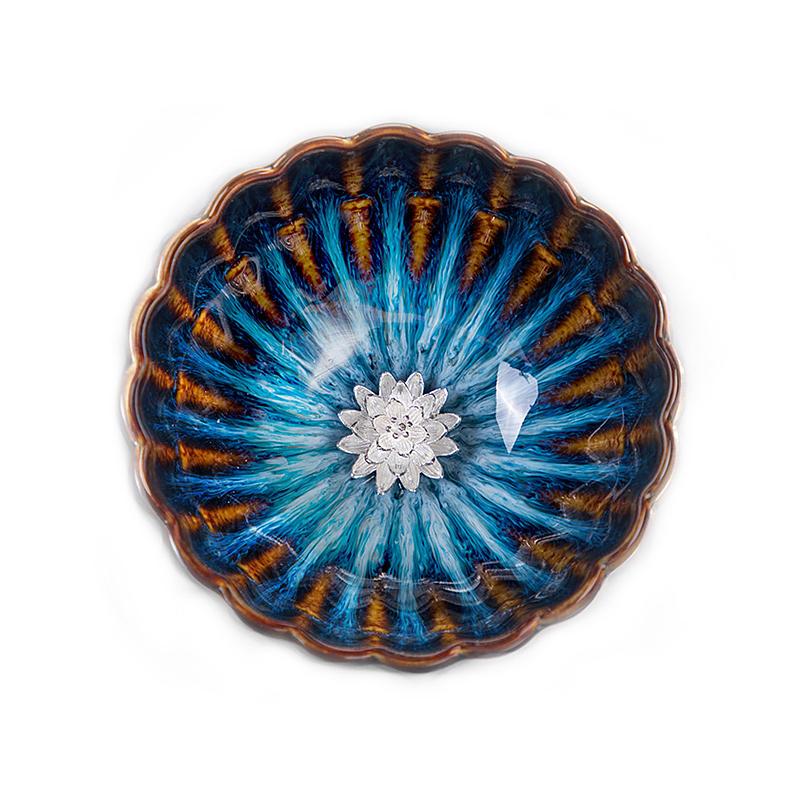
- Visible glaze character: Look for hare's fur streaks, oil spots, or kiln change color variation.
- Usable shape: For daily tea, a smaller cup is practical for gongfu-style brewing; a larger bowl may suit matcha-inspired moments.
- Authentic craft story: Clear information about glaze, firing, and origin adds meaning.
- Gift-ready presentation: A box or set makes the piece easier to present beautifully.
If you are searching terms like japanese tenmoku for sale, remember that “tenmoku” is a term strongly associated with Japanese tea culture, while the historic ceramic tradition of jian zhan is rooted in Fujian. Many contemporary collectors appreciate both sides of that story.
How Do Tenmoku Glaze, Hare's Fur, and Kiln Change Compare?
For beginners, the language around tenmoku can sound technical. The table below breaks down the most common terms in plain English.
| Feature | What It Means | Why It Matters for Buyers |
|---|---|---|
| Tenmoku glaze | A dark, glossy glaze style associated with iron-rich ceramic traditions admired in China and Japan. | Gives the bowl its signature depth, shine, and luxury look. |
| Jian zhan | The Chinese name for Jian kiln-style tea bowls, historically produced in Fujian. | Connects the bowl to Song Dynasty tea culture and authentic craft heritage. |
| Hare's fur | Fine streaks formed by glaze movement during firing. | Creates elegant lines that look natural, subtle, and collectible. |
| Oil spot | Metallic spots or speckles that appear across the glaze surface. | Popular with collectors who want a dramatic, starry effect. |
| Kiln change | Unpredictable changes in color and pattern caused by heat and atmosphere. | Makes each handmade tenmoku tea cup one of a kind. |
| Iron-rich glaze | A glaze with high iron content that reacts at high temperatures. | Responsible for the black-brown base and metallic visual effects. |
If you are drawn to cosmic, shimmering surfaces, oil spot styles may be your favorite. If you prefer elegant movement, look for hare's fur. If you love surprise and bold variation, kiln change pieces offer the most expressive personality.
You can Discover our collection of oil spot tenmoku cups if you prefer a dramatic, starry look with metallic highlights.
How Can You Style a Tenmoku Tea Bowl as Luxury Home Decor?
A tenmoku tea bowl is functional, but it also works as a small decor object. Its dark glaze pairs beautifully with neutral interiors, warm wood, stone countertops, and soft lighting.
For a modern American home, try placing the bowl on a small walnut tray with a linen napkin and a tin of loose-leaf tea. This creates a tea station that feels as curated as a bar cart or coffee corner.
In a minimalist apartment, let the bowl stand alone on an open shelf. The reflective glaze adds depth without clutter. In a cozy home office, keep it beside a small electric kettle to encourage healthier breaks between meetings.
If your style leans Japanese or Japandi, pair the bowl with bamboo, matte black accessories, natural ceramics, and warm white light. If your style is more classic luxury, it can contrast beautifully with marble, brass, and leather.
The goal is not to make tea feel complicated. The goal is to give one everyday habit a sense of presence. When a beautiful object is easy to reach, you are more likely to use it.
What Is the Best Handmade Tea Cup Gift Set for a Beginner?
The best handmade tea cup gift set for a beginner should be beautiful, simple, and immediately usable. Avoid making the recipient feel like they need to study a manual before enjoying tea.
A strong beginner-friendly set might include:
- One handmade tenmoku tea cup or bowl.
- One approachable loose-leaf tea, such as roasted oolong or black tea.
- A small tray or coaster.
- A short note explaining the glaze and care tips.
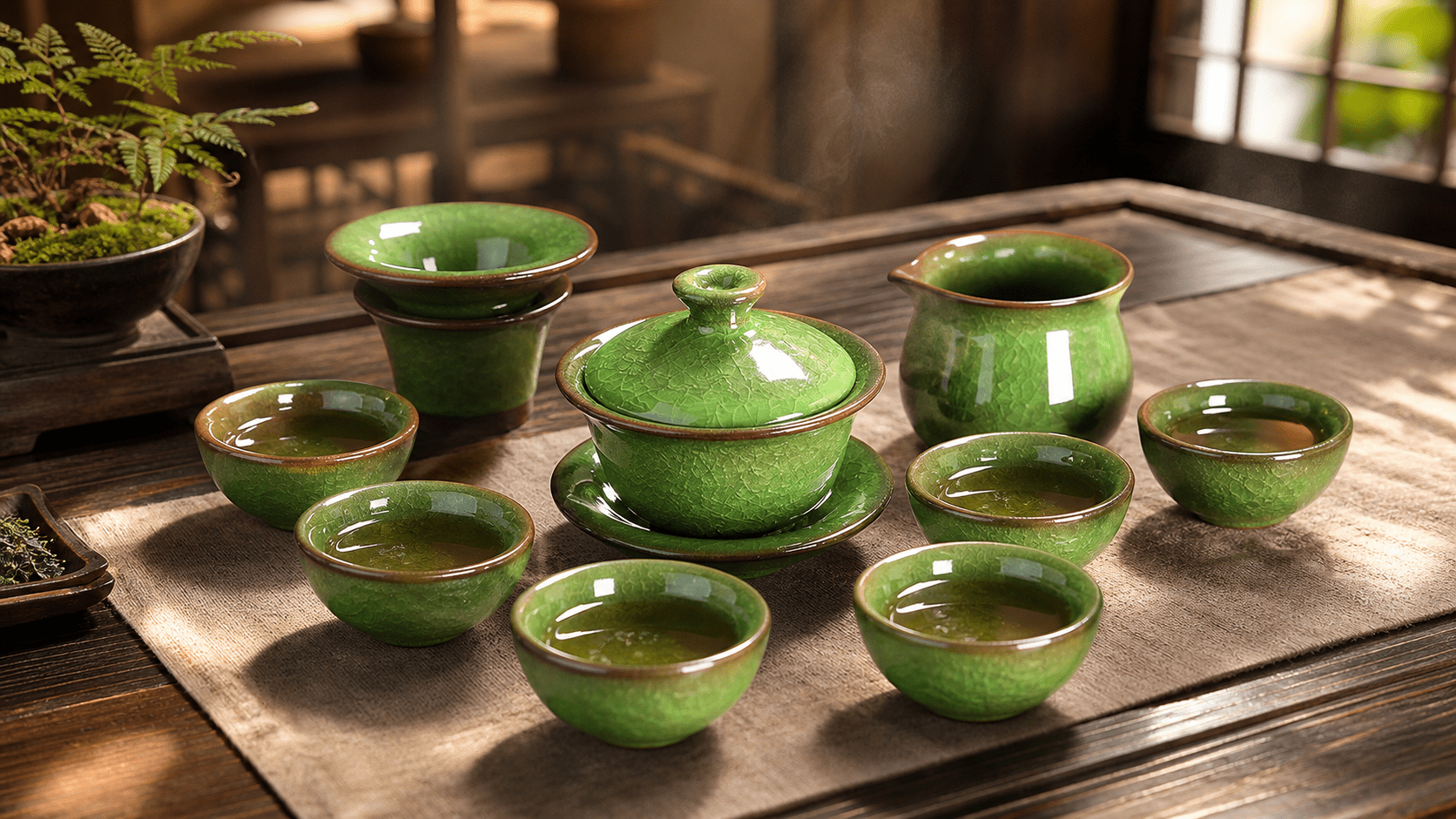
- Optional: a simple gaiwan if the person wants to explore gongfu tea.
For a premium gift, choose a bowl with a visible glaze effect and good hand feel. A gift does not need to be the rarest collector piece. It should be inviting enough for daily use and special enough to remember.
If the recipient already loves tea, you can choose a more distinctive pattern such as hare's fur or oil spot. If they are new to tea, a balanced dark glaze with subtle shimmer may feel easier to use every day.
Where Can You Find a Handmade Tenmoku Tea Cup for Gongfu Tea?
For gongfu tea, size and feel matter. Gongfu brewing uses smaller servings so the tea can be steeped multiple times, revealing different layers of flavor. A handmade tenmoku tea cup works beautifully for this because it encourages sipping slowly and observing the tea.
Look for a cup that fits comfortably between the fingers, has a smooth lip, and feels stable on the table. The glaze should be visually rich but also practical for use. Since handmade ceramics vary, small differences in shape and pattern are normal and often desirable.
When shopping online, choose sellers who show clear photos and describe the glaze type. Terms like jian zhan, tenmoku glaze, hare's fur, oil spot, Fujian, and iron-rich glaze can help you understand what you are seeing.
Ready to compare styles and find the right piece for your ritual? Shop authentic Tenmoku tea bowls for daily tea, gifting, and collecting.
FAQ: Tenmoku Tea Bowl Gifts, Rituals, and Everyday Use
What makes a tenmoku tea bowl a good tea cup gift for tea lovers?
A tenmoku tea bowl is a good tea cup gift for tea lovers because it combines daily usefulness with artisan beauty. The glaze is created through high-temperature firing, so each bowl has a distinct surface. It feels personal, premium, and suitable for quiet tea rituals at home.
Is a tenmoku tea bowl a unique tea cup gift for beginners?
Yes. A tenmoku tea bowl is a unique tea cup gift even for beginners because it does not require advanced tea knowledge. The recipient can use it for loose-leaf tea, gongfu tea, or a simple evening cup. Its beauty makes the experience feel special right away.
Can I give a tenmoku tea bowl as a tea ceremony gift?
Yes. A tenmoku tea bowl can be an excellent tea ceremony gift, especially for someone interested in Japanese aesthetics, mindfulness, or traditional tea culture. While formal Japanese tea ceremony has specific tools, tenmoku bowls are deeply connected to the history of refined tea appreciation.
What should be included in a handmade tea cup gift set?
A handmade tea cup gift set can include a tenmoku bowl, loose-leaf tea, a small tray, a tea scoop, and a note about the glaze. For a beginner, keep the set simple. For a collector, choose a more distinctive glaze such as hare's fur or oil spot.
How do I choose a jianzhan tea cup gift?
To choose a jianzhan tea cup gift, look for a comfortable shape, visible glaze character, and clear information about the firing style. Patterns such as hare's fur, oil spot, or kiln change make the gift feel more distinctive. Gift packaging also helps if you are buying for a special occasion.
Is Japanese tenmoku for sale the same as jian zhan?
They are closely related but not always identical. Jian zhan refers to the Chinese Jian kiln tradition from Fujian, while tenmoku is a term strongly associated with Japan and Japanese tea culture. Many modern bowls draw from both traditions, so read the product details carefully.
Conclusion: Bring Quiet Luxury Into Your Daily Tea
A tenmoku tea bowl is more than a beautiful cup. It is a small invitation to slow down, warm your hands, and create a moment that feels intentional. For US buyers who already appreciate premium home goods, artisan coffee tools, candles, and wellness rituals, it offers a natural next step into tea culture.
Whether you are choosing a handmade tenmoku tea cup for yourself or looking for a meaningful gift, focus on the feeling you want to create: calm, beauty, warmth, and presence. The right bowl can turn a few minutes of tea into the most restorative part of the day.
Explore glaze styles, compare patterns, and choose a piece that feels personal. Your daily ritual can start with one bowl.
Explore Our Collection
Ready to experience the world of tenmoku tea bowl? Browse our curated collection:
Disclaimer: This article is for informational purposes. Products and pricing subject to change.
Compartir:
Tenmoku Tea Bowl Value Guide: Why a Handmade Cup Is Worth More
Real vs Fake Tenmoku Tea Bowl: How to Spot Authentic Jian Zhan (2026 Guide)