Venta de Pascua: Compre 3 ¡Obtenga el 4to gratis!

Hace aproximadamente 1000 años, surgió un artículo para el té: la "tetera".

La tetera, que en sus orígenes era un producto de los hornos populares, se convirtió en una rareza debido a los cambios en los hábitos de consumo de té y al amor de los gobernantes y la clase alta de la época, lo que llevó a una transición de la producción popular a la producción oficial.

Después del final de la dinastía Song y el comienzo de la dinastía Yuan, la tetera, que había sido popular durante un tiempo, se vio obligada a detener su producción y finalmente decayó.

No fue hasta 1981 que un gran número de instituciones, incluida la Academia Central de Artes y Oficios, el antiguo Instituto de Investigación de la Industria Ligera de Fujian y la antigua Fábrica de Porcelana de Jianyang, replicaron con éxito la antigua tetera después de años de investigación y experimentación, reviviendo así la artesanía perdida de la antigua tetera que se había perdido durante cientos de años.

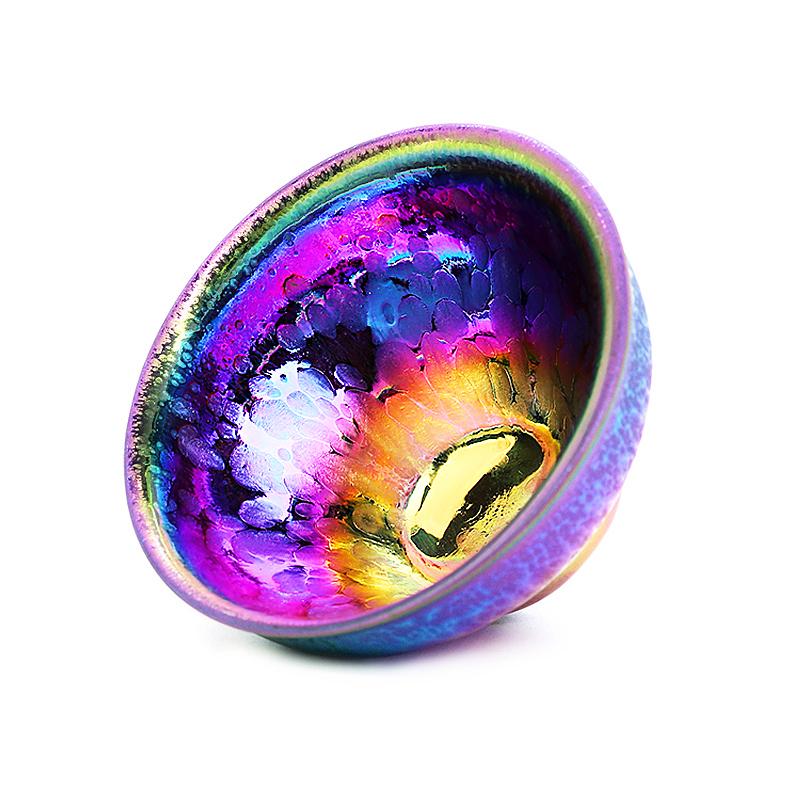
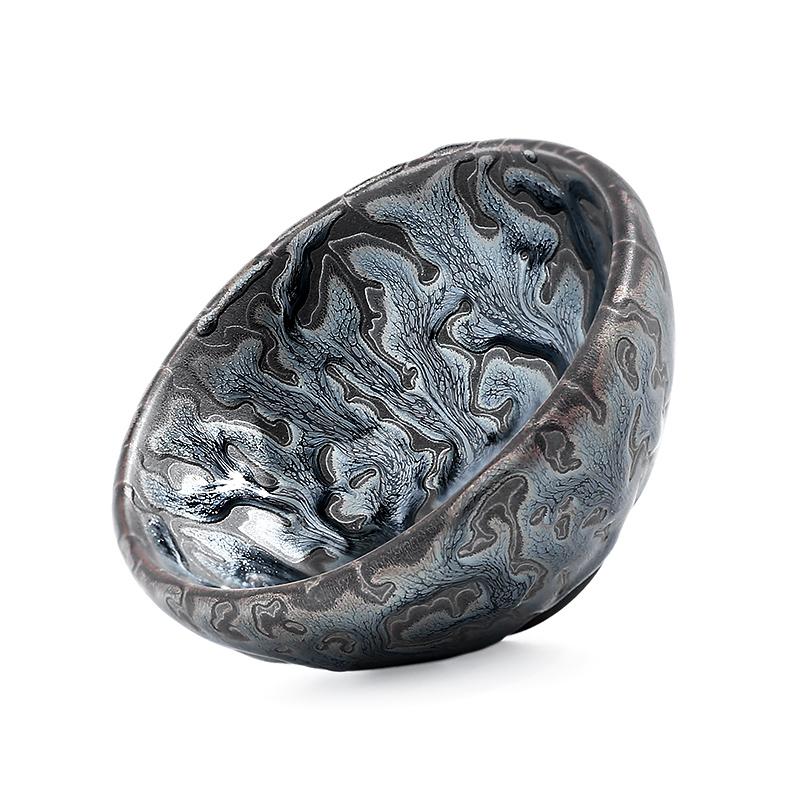
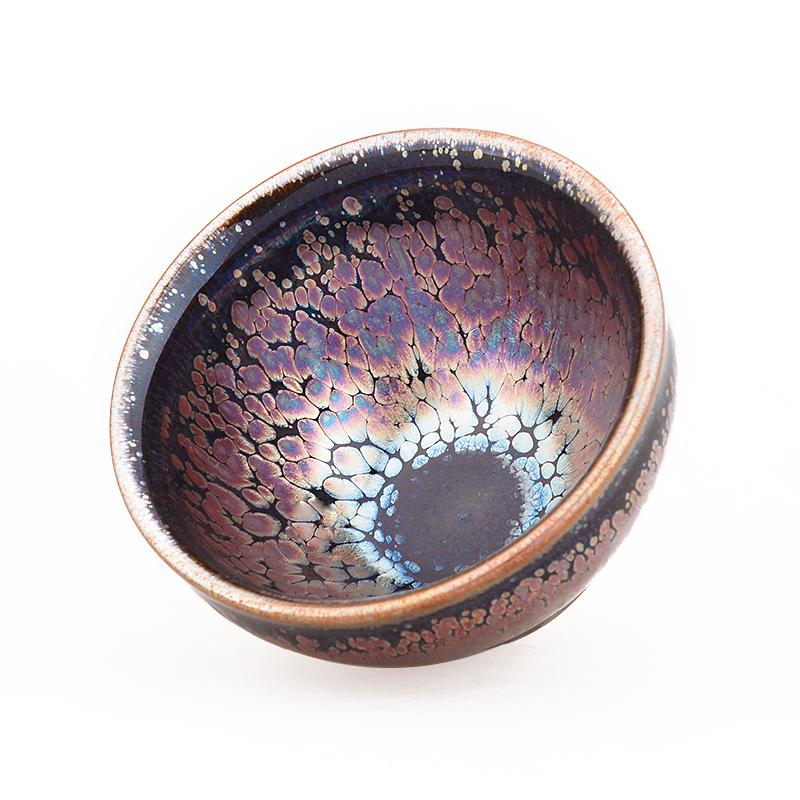
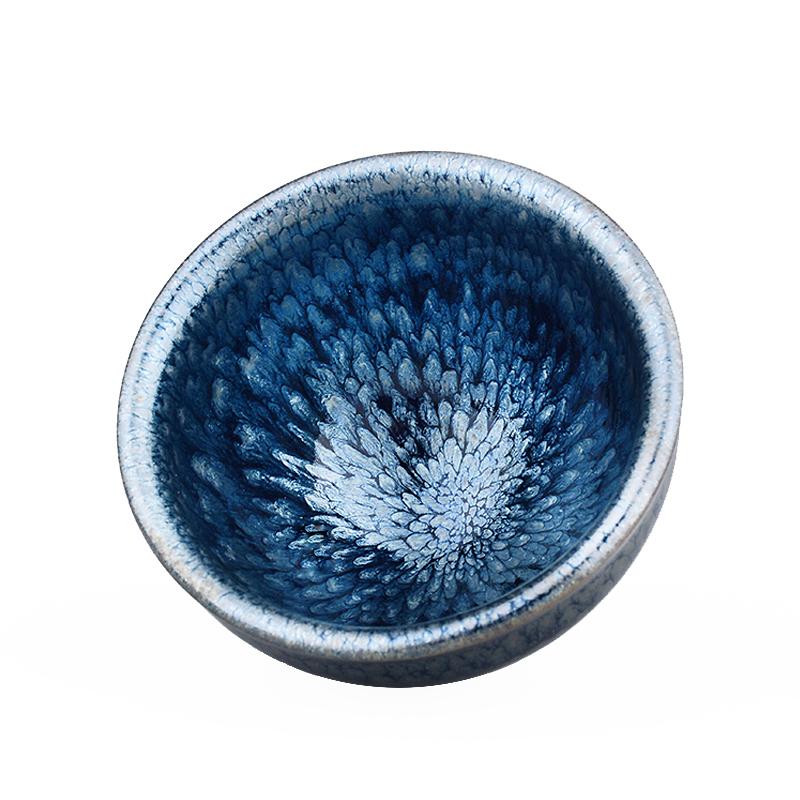
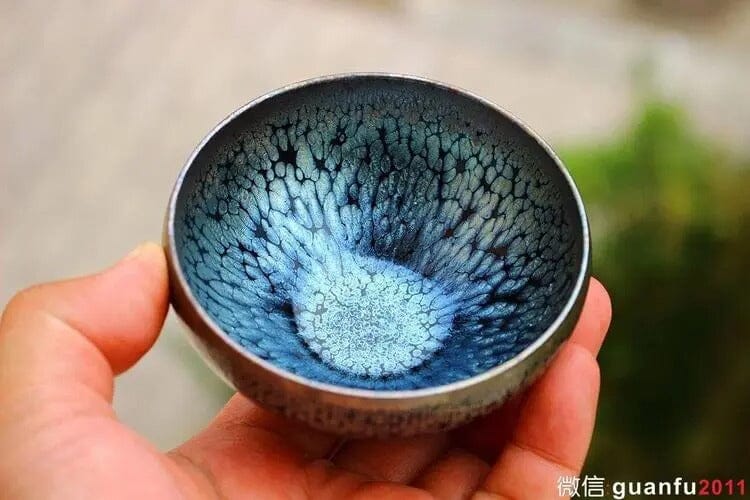
Lo que distingue a esta tetera es su singular patrón de lunares. Sus colores de esmaltado se pueden clasificar en "yao bian", "you di", "tu mao", "esmalte negro" y otros colores.

Entonces, me gustaría hablar con todos sobre ¿qué color de esmalte es su favorito entre estas formas clásicas de teteras?

Como las teteras "yao bian" son raras y difíciles de conseguir, no las consideraremos aquí.

01: Esmalte negro.

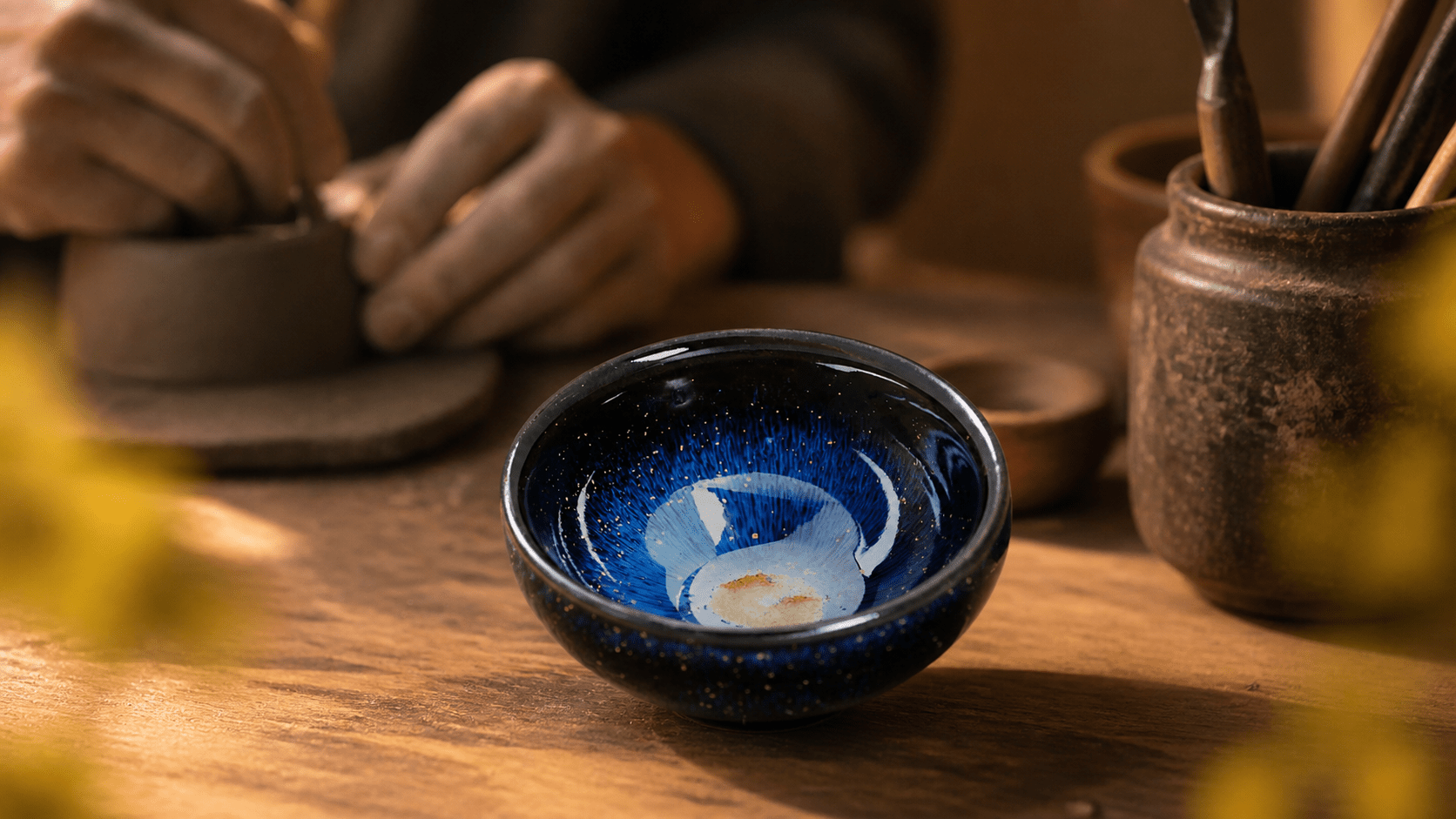
Las teteras se fabricaban originalmente con porcelana negra, por lo que se puede decir que el esmaltado negro presenta su aspecto más auténtico. También se conoce como "esmaltado ganhei" o "esmaltado wujin".

Presenta un color negro brillante y un buen efecto vitrificado. El esmalte es generalmente espeso, con un fenómeno de acumulación y suspensión en la base expuesta, lo que permite observar su fluidez. Algunos incluso presentan manchas apenas visibles.

El negro es profundo y puro, simboliza la llegada del amanecer.

02: Esmalte de piel de conejo.

El esmalte de piel de conejo es el producto más típico y de mayor tamaño del horno Jian, por lo que la gente suele utilizar teteras de piel de conejo como sinónimo de teteras Jian.

Entonces, ¿qué es el esmalte de “piel de conejo”?

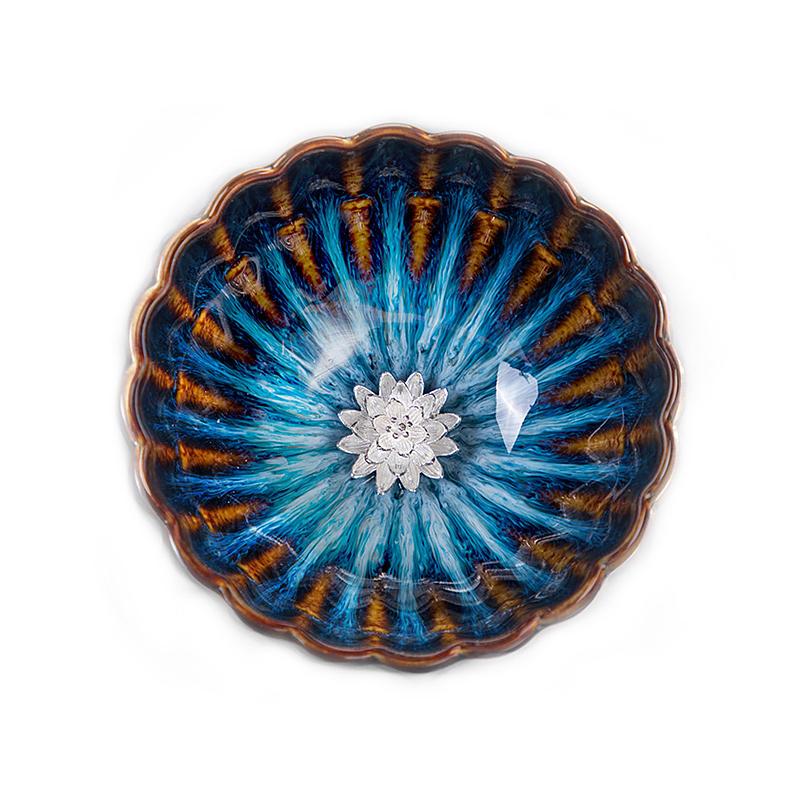
De hecho, se refiere a las finas y densas rayas similares a la seda que se precipitan desde el esmalte base negro, semejantes al pelaje del conejo en el cuerpo de un conejo.

La cita más clásica sobre el esmalte de piel de conejo debe ser del emperador Huizong de Song, quien dijo: "El color de la tetera debe ser precioso en su negrura azul, y aquellas con rayas de piel similares al jade son las mejores".

03: Esmalte de gotas de aceite.

Hablando del término "gota de aceite", su origen se remonta a Japón. Los expertos chinos generalmente creen que la "gota de aceite" se refiere al punto de codorniz.

A principios de la dinastía Song del Norte, Tao Gu escribió en su libro "Qing Yi Lu": "Los amantes del té en Fujian aprecian las teteras con diseños que se asemejan a puntos de codorniz". Esto demuestra la preciosidad de estas teteras.

Las manchas en las teteras con motivos de codorniz varían en tamaño y generalmente tienen forma redonda u ovalada.

Los colores de la vajilla de té con puntos de codorniz incluyen plata, gris plateado, amarillo, etc.

La distribución de las manchas puede ser densa o dispersa, como gotas de aceite flotando en la superficie del agua.

04: Esmalte abigarrado.

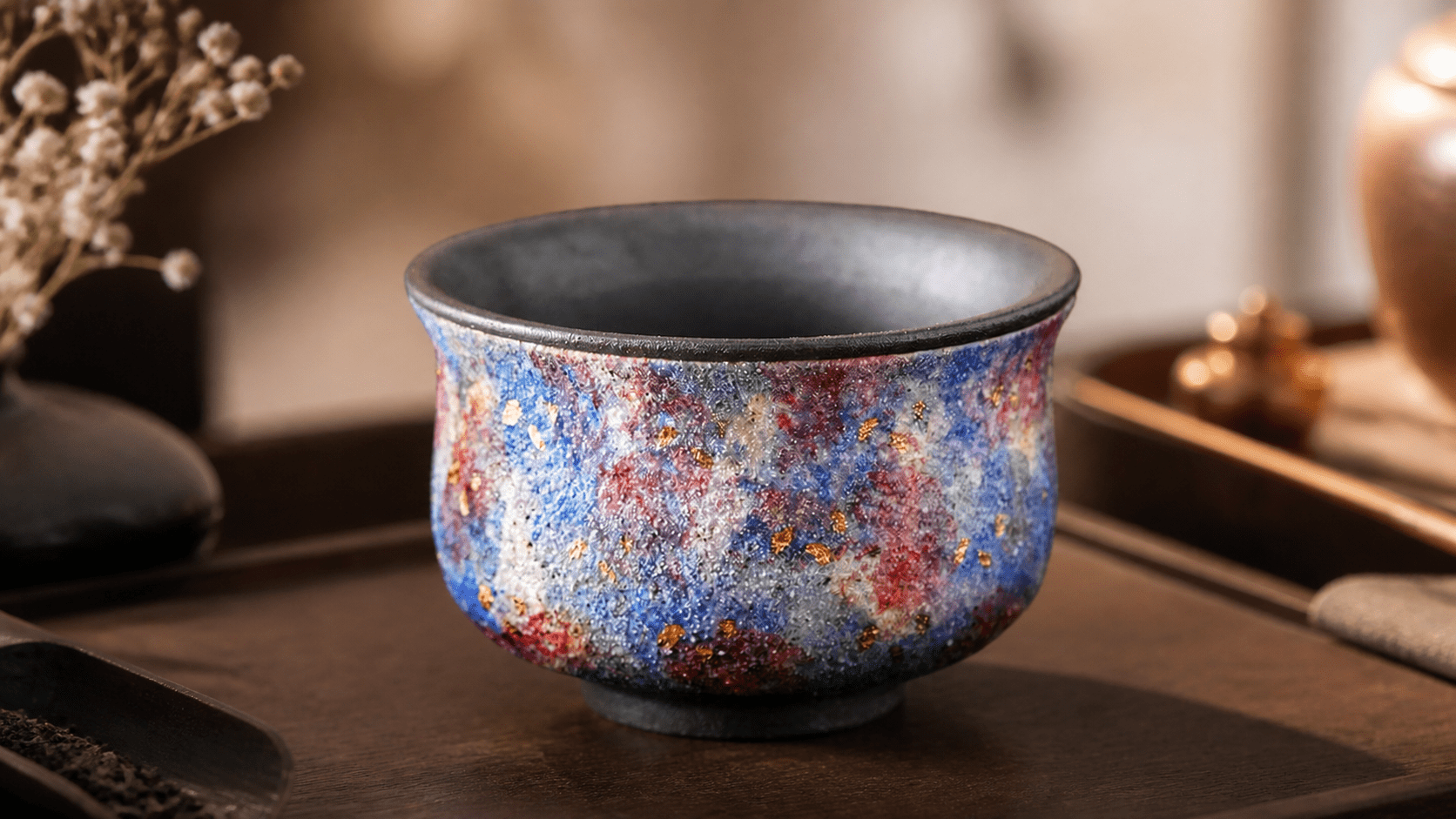
Además de los colores de esmalte clásicos mencionados anteriormente, todos los demás entran en la categoría de esmalte abigarrado.

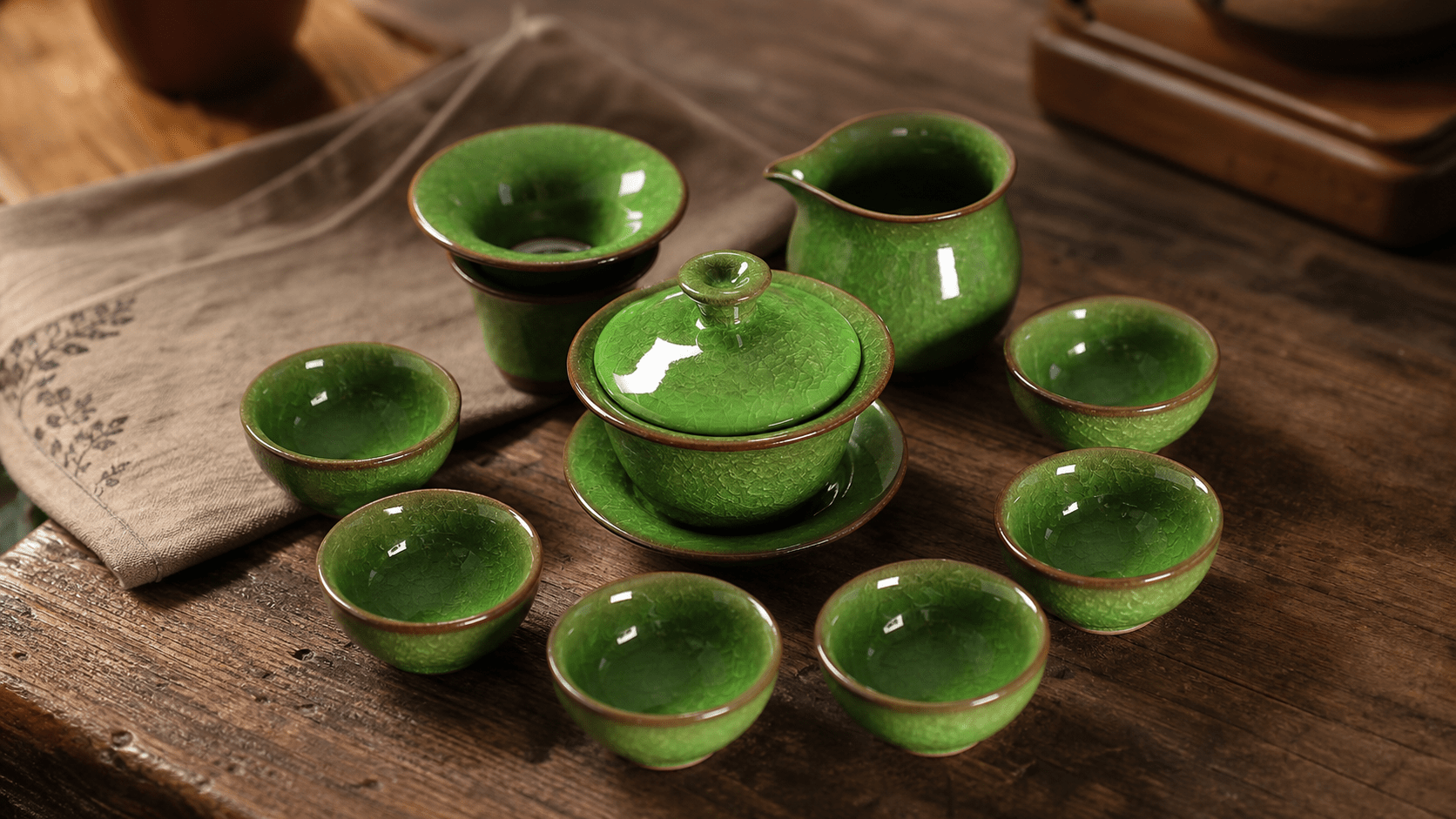
Las variedades generales incluyen el glaseado rojo de caqui, el glaseado de polvo de té, el glaseado celadón, el glaseado craquelado, el glaseado de ceniza, el glaseado blanco grisáceo, el glaseado de salsa de soja, etc.
Quick answers for Tenmoku teaware shoppers

Use this guide to connect the article topic with practical buying decisions: what Jianzhan Tenmoku teaware is, who it suits, how to choose a piece, and how to care for it after purchase.

How to use this guide before buying

Read the article first for the main explanation, then compare the product photos, glaze variation, form, seller clarity, return policy, and whether the piece fits daily tea, display, collecting, or gifting.

Common buying mistakes to avoid

Avoid choosing only by dramatic claims, copied photos, unusually low prices, or vague master language. A better decision uses visible product details, clear use case, realistic care needs, and trustworthy shop policies.

Recommended next step

After reading, compare a few real products side by side by size, glaze family, rim shape, capacity, price, and gift suitability instead of relying on one photo or one keyword.

What is Jianzhan Tenmoku teaware?

Jianzhan Tenmoku teaware is ceramic tea ware known for dark mineral-glaze effects and natural kiln variation. Common forms include tea cups, bowls, teapots, tea sets, and matcha bowls.

Who is it best for?

It is best for tea drinkers, ceramic collectors, and gift shoppers who value functional objects with visible handmade character. It is not ideal if you need every piece to look exactly identical.

How do I care for it?

Hand wash with warm water, avoid abrasive cleaners, and dry fully before storage. Gentle daily use helps preserve the surface and keeps the glaze easy to inspect over time.

How do I choose the right Tenmoku piece?

Choose by the main use first: daily tea, matcha, Gongfu brewing, display, or gifting. Then compare capacity, rim shape, glaze family, photos, and whether natural variation is acceptable for your needs.

Is Jianzhan Tenmoku teaware good as a gift?

Yes. It works well for tea lovers, ceramic collectors, birthdays, holidays, and housewarming gifts because it is both usable and visually distinctive. For gifts, choose an easy-to-use form and a glaze style with clear photos.

Related products and categories

Compare the guide above with real Tenmokus categories and representative pieces. Start with the use case, then compare glaze style, form, price, and whether the piece is mainly for daily tea, display, collecting, or gifting.

Handmade Tenmoku tea cups

Best for daily tea drinking, first Jianzhan purchases, ceramic gifts, and comparing glaze patterns across cup shapes.

Tenmoku tea sets

Best when you want a coordinated tea table, a hosting setup, or a complete gift instead of one individual cup.

Real vs fake Tenmoku guide

Use this guide to compare seller claims, glaze appearance, photos, and practical buying signals before choosing a piece.

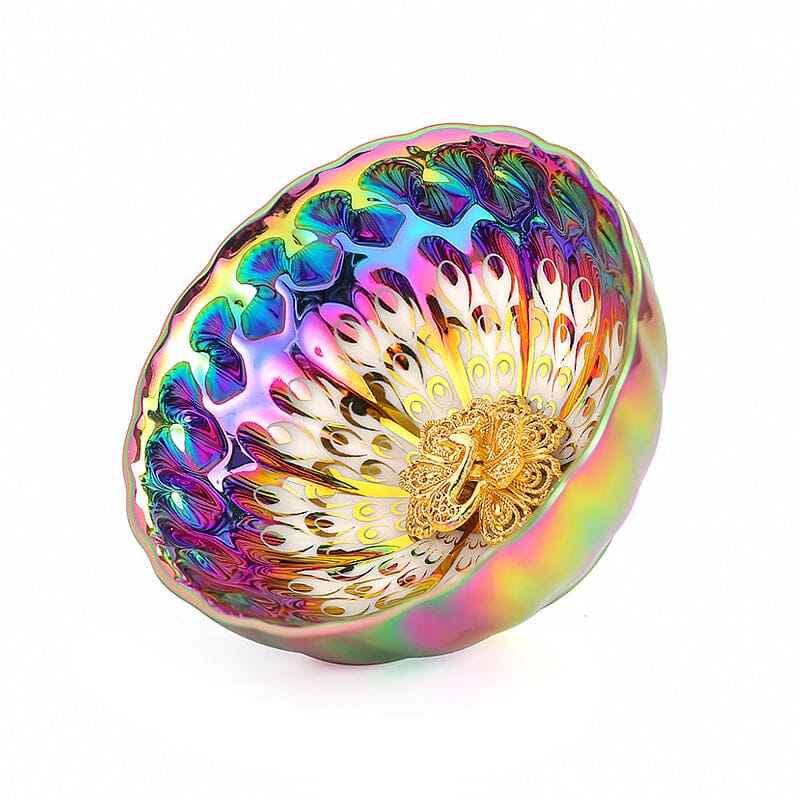
Pavo real vívido

A representative Tenmoku tea cup to compare by glaze depth, cup shape, price, and gift fit.

Pavo real

Compare this piece when you want a clear visual reference for a gold-toned Tenmoku glaze style.

Hada II

Use this product as another comparison point for handmade form, glaze variation, and gift suitability.

shop handmade Tenmoku tea cups compare Jianzhan teapots browse Tenmoku tea sets choose Tenmoku matcha bowls view Tenmoku tea cups read the real vs fake Tenmoku tea bowl guide browse Jianzhan buying guides learn about Tenmokus

From Tenmoku guide to teaware choice

Tenmokus is focused on handmade Jianzhan Tenmoku teaware for tea rituals, display, and gifting. If you are choosing after reading this guide, start with Tenmoku tea cups for daily tea tasting, Tenmoku teapots for loose leaf brewing, Tenmoku coffee cups for daily coffee, Tenmoku tea sets for coordinated gifts, Tenmoku matcha bowls for matcha preparation, Tenmoku beer cups for home bar drinkware, or Tenmoku sake sets for serving and display.

Últimas historias

Keep exploring Tenmoku care, gift ideas, teaware selection, and the difference between Tenmoku and Jianzhan.

Ver todo

Why a Tenmoku Tea Bowl Is Worth the Price for Tea Lovers

Why a Tenmoku Tea Bowl Is Worth the Price for Tea Lovers

Why a Tenmoku Tea Bowl Is Worth the Price for Tea Lovers A tenmoku tea bowl can cost more than an everyday cup because it is a fired work of handmade ceramic art, not a factory-made drinking vessel. For someone...

Leer más

The Tenmoku Tea Bowl Story: A More Meaningful Gongfu Tea Ritual

The Tenmoku Tea Bowl Story: A More Meaningful Gongfu Tea Ritual

A tenmoku tea bowl brings color, texture, and a slower rhythm to a gongfu tea session.The Tenmoku Tea Bowl Story: A More Meaningful Gongfu Tea Ritual A tenmoku tea bowl is a dark-glazed tea vessel whose character comes from clay,...

Leer más

Tenmoku Tea Bowl Authenticity: How to Buy with Confidence

Tenmoku Tea Bowl Authenticity: How to Buy with Confidence

Tenmoku Tea Bowl Authenticity: How to Buy with Confidence A real tenmoku tea bowl is best recognized through its material, glaze behavior, firing marks, and clear origin story—not one flashy rainbow pattern. If you want a handmade ceramic cup for...

Leer más