

Related guide: If you want to understand the terminology before buying, read Tenmoku vs Jianzhan: what is the difference?.

Why Is a Tenmoku Tea Bowl Expensive? The Real Value Behind Handmade Jianzhan
I still remember the first time I poured a rich Fujian oolong tea into a tenmoku tea bowl. The deep black iron-rich glaze flickered with a hare's fur pattern—motionless one moment, alive the next. As a tea enthusiast and collector, I quickly learned why tenmoku is expensive: every authentic jian zhan tea cup is a handcrafted gamble born from 1300°C dragon kilns in Jianyang, Fujian. If you’re hunting for a tenmoku tea bowl for sale, you’ve probably seen prices ranging from $30 to over $3,000. Let me walk you through the real reasons behind those numbers—and how to find the best value jian zhan without compromising on authenticity.
What Is a Tenmoku Tea Bowl? (And How It Differs from Jianzhan)
Picture a small, dark-glazed tea cup that feels like a starry night held in your palm. That’s the tenmoku tea bowl. In China, we call it Jianzhan—literally “Jianyang bowl.” The term “tenmoku” comes from Japanese monks who visited China’s Tianmu Mountain during the Song Dynasty and brought these bowls back to their temples. Over centuries, Japan elevated the ware to an art form, while in China, the original Jian kilns in Fujian fell silent for 600 years until a revival in the 1980s.
For an American audience, think of it this way: Jianzhan is the “Champagne” of Chinese tea bowls, and tenmoku is the Japanese name that stuck in the West. Both refer to the same handmade, high-fired Jianzhan Tenmoku ceramic. But when you see “tenmoku tea bowl” on a product page, you’re usually looking at a piece inspired by that shared history—either made in Jianyang or crafted by contemporary potters in Japan and elsewhere. The key is the iron-rich glaze that transforms in the kiln.
Why Is Tenmoku Expensive? The Craft, Kiln Change, and Labor
At first glance, a simple black cup shouldn’t cost hundreds of dollars. But once you understand the process, the tenmoku tea bowl price makes perfect sense. Here’s the breakdown.
1. The Kiln Change Gamble (Yao Bian)
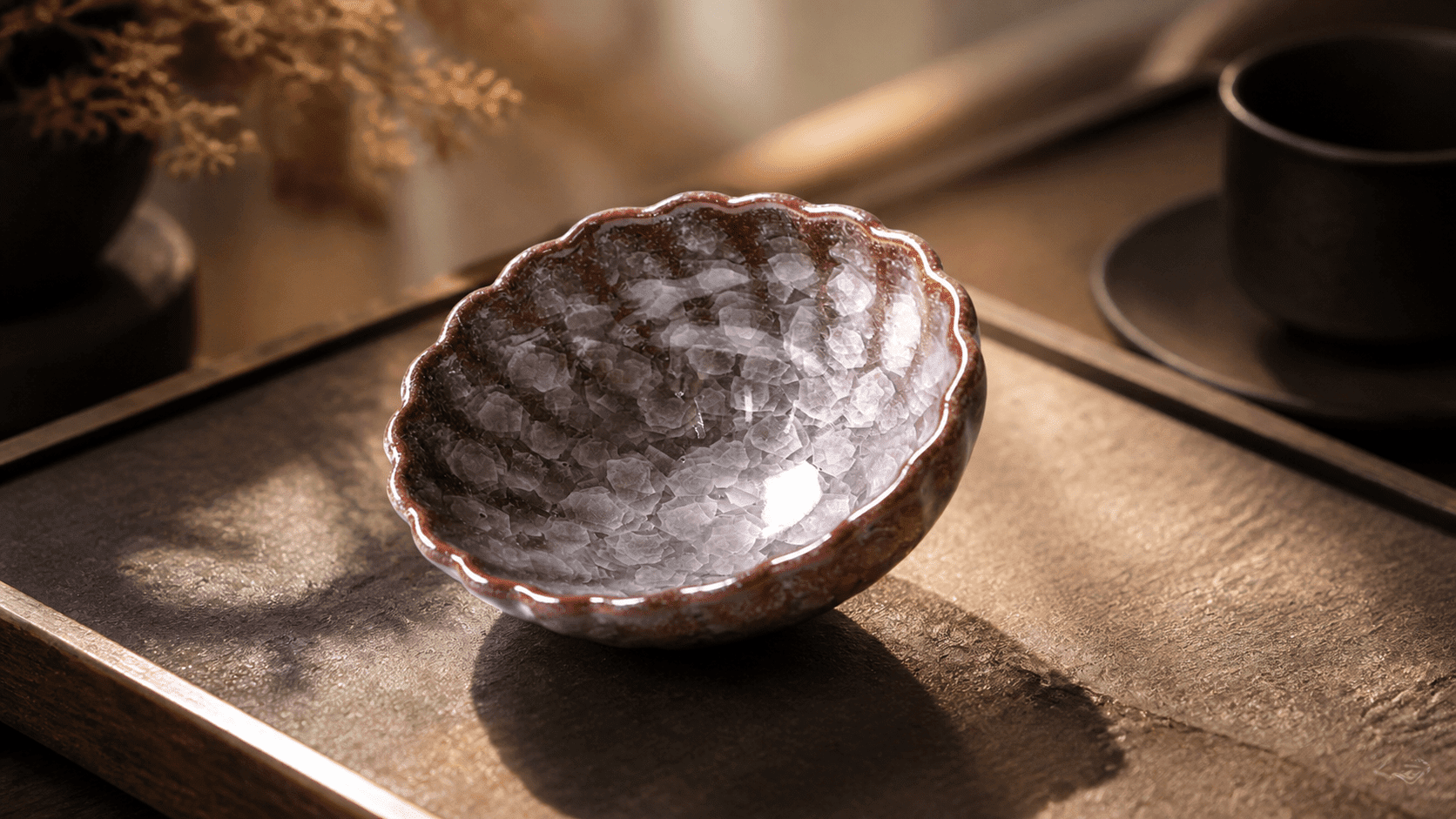
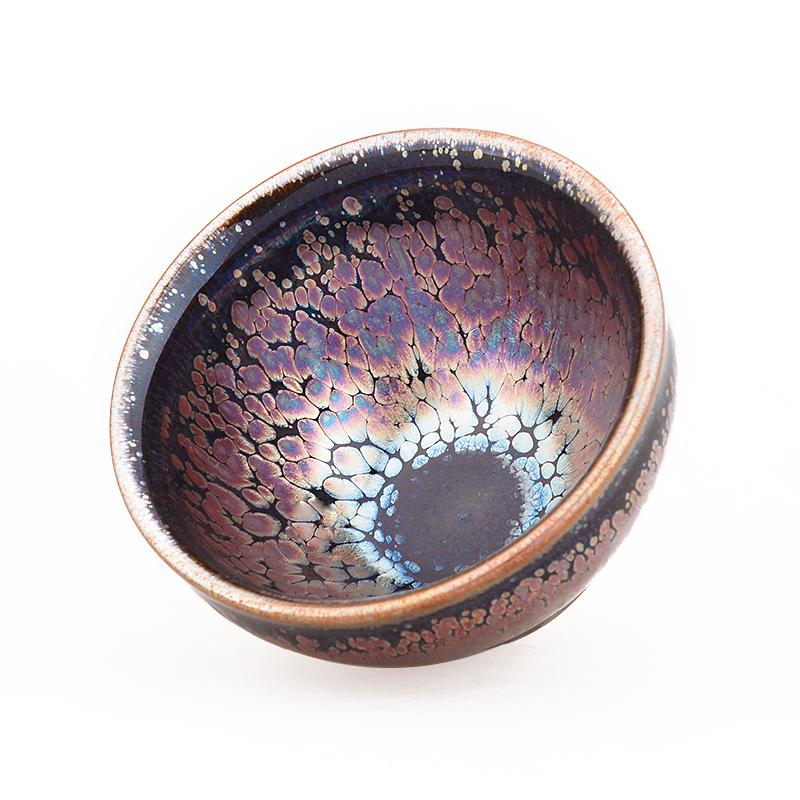
The magic of a tenmoku bowl is called “kiln change” (yao bian in Chinese, or yohen in Japanese). Potters load cups into a wood- or gas-fired kiln, stoke the fire to over 1300°C, and then largely surrender control. The iron-rich glaze melts, gases from the clay body bubble through, and the cooling stage crystallizes patterns—hare’s fur, oil spots, partridge feathers, or the legendary “yohen” with its shifting blue halos. No two firings are alike. Out of every batch, 40–70% of pieces emerge flawed—cracked, blistered, or coated in uneven slag. What you buy is the survivor of a fiery lottery. I’ve seen studios in Jianyang where artisans smash half the kiln load without a second thought. That failure rate directly inflates the jian zhan cost.
2. Iron-Rich Glaze and Jianyang Clay
Authentic jian zhan is made with local clay from the hills near Jianyang in Fujian. The clay is coarse, full of iron and other minerals, and notoriously difficult to throw on a wheel. It demands high firing temperatures and thick bodies to survive. The glaze is a simple but savage recipe—limestone, wood ash, and iron oxide. No paints, no factory decals. When I hold a genuine piece, I can feel that raw, slightly gritty foot ring that a machine-made impostor can’t replicate.
3. Handmade Labor and Cultural Heritage
Mass-produced ceramic cups take minutes; a single tenmoku bowl can take days from shaping to trimming to glazing, then 24 hours inside a kiln. Many of the best makers are designated Intangible Cultural Heritage inheritors in China, spending decades mastering glazes that their forebears guarded as family secrets. Their workshops are tiny—often 2–3 people—so annual output can be fewer than 200 truly fine pieces. When you buy an authentic jian zhan tea cup, you’re paying for a living tradition, not a widget.
The Science of Iron-Rich Glaze: From Jianyang Clay to Japanese Tenmoku
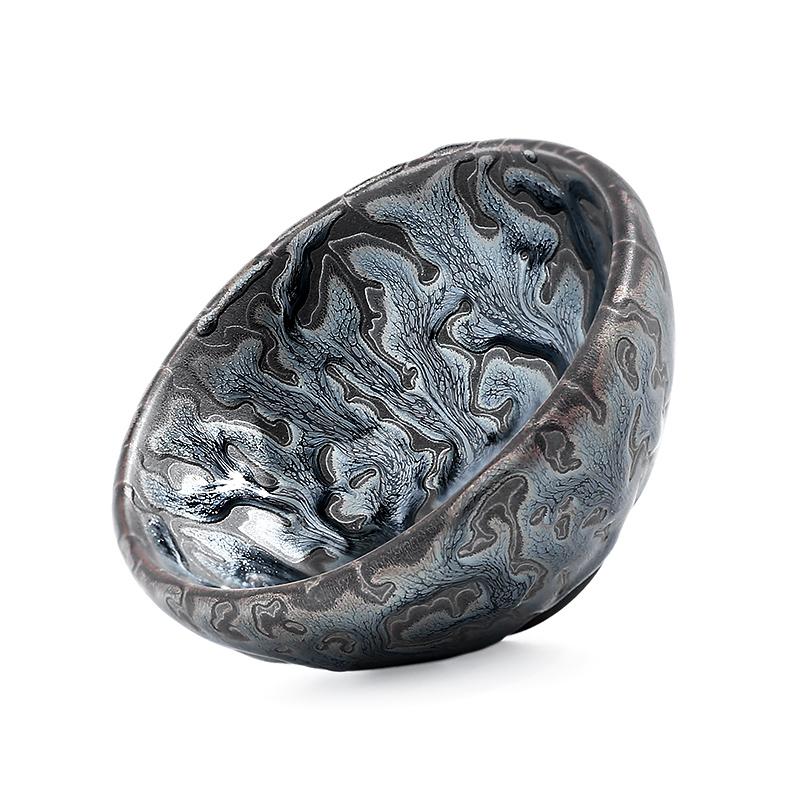
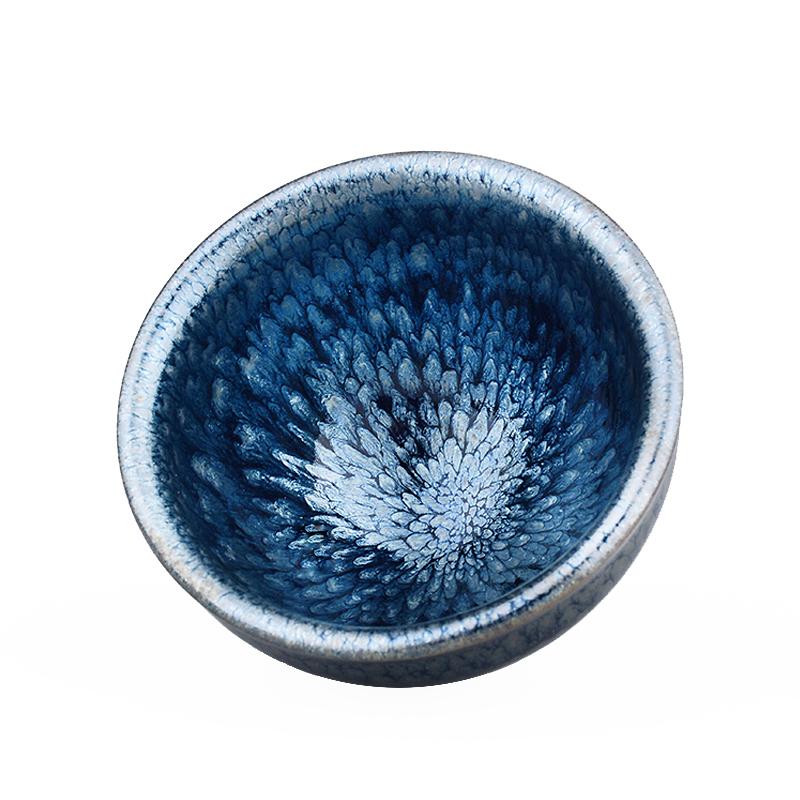
To appreciate the jian zhan cost, you need to understand what that glaze does at 1300°C. The iron content can hit 8–12%, far higher than standard stoneware glazes. In the reduction atmosphere of the kiln, those iron molecules separate and form dendrites that look like fur or oil droplets. Japanese tea masters named the patterns: “yuteki” (oil spot), “nogime” (hare’s fur), and “kage-zukuri” (shadow patterns). In China, we call them hamu (hare's fur), youdi (oil spot), and yaobian (kiln change). This is geology turned into art.
Japanese potters later developed their own tenmoku traditions, often refining the shaping and adding subtle gold or silver accents. But they still honor the original Jian kilns. I’ve visited kilns in Seto, and the reverence for a Song Dynasty tenmoku bowl is palpable. A National Treasure piece in the Tokugawa Art Museum—a yohen tenmoku—is considered the pinnacle. That cultural halo trickles down even to modern tenmoku tea bowl for sale listings: the name alone whispers rarity.
Tenmoku Tea Bowl Price: A Breakdown from Affordable to Museum-Grade
If you’re scanning for tenmoku tea bowl price points, you’ll quickly notice a huge range. To make sense of it, I’ve categorized what your money gets you.
| Price Tier | What You’re Buying | Typical Features | Best For |
|---|---|---|---|
| $30–$80 | Small studio jian zhan; often machine-assisted shaping but hand-glazed | Simple hare’s fur, possibly a bit muddy; may have minor glaze drips | Daily gongfu tea use; beginner exploration |
| $100–$300 | Artisan-level handmade jian zhan from recognized potters in Jianyang | Distinct patterns (oil spot, fine hare’s fur), well-finished foot, signature or stamp | Enthusiast daily driver; serious gift |
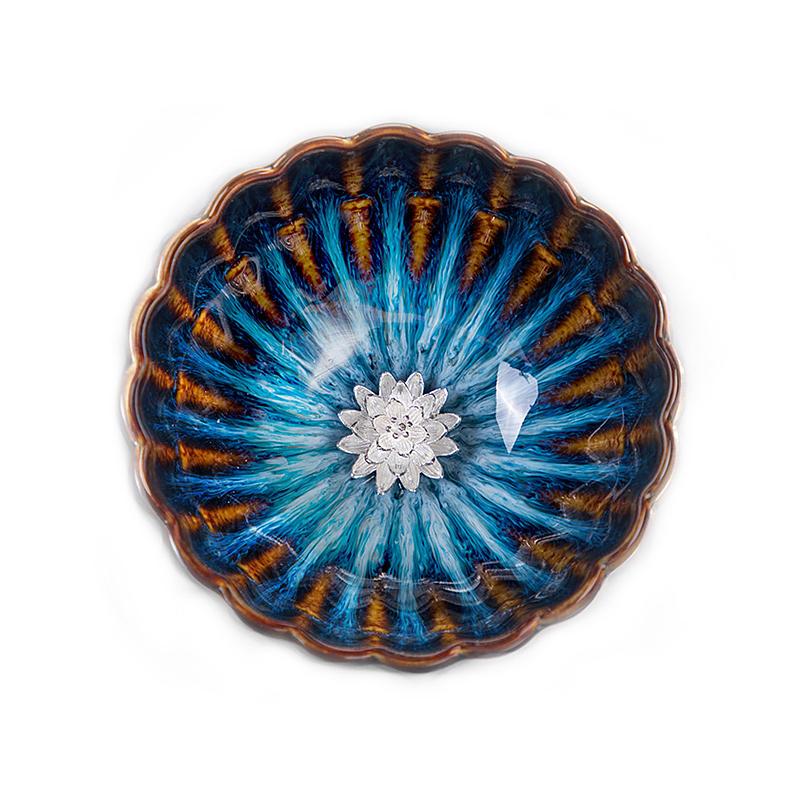
| $400–$1,200 | Kiln-change masterpieces from known artists; limited series | Complex oil spots or feather patterns; glowing crystalline effects; thick, luminous glaze | Collector’s centerpiece; jianzhan tea cup gift for a milestone |
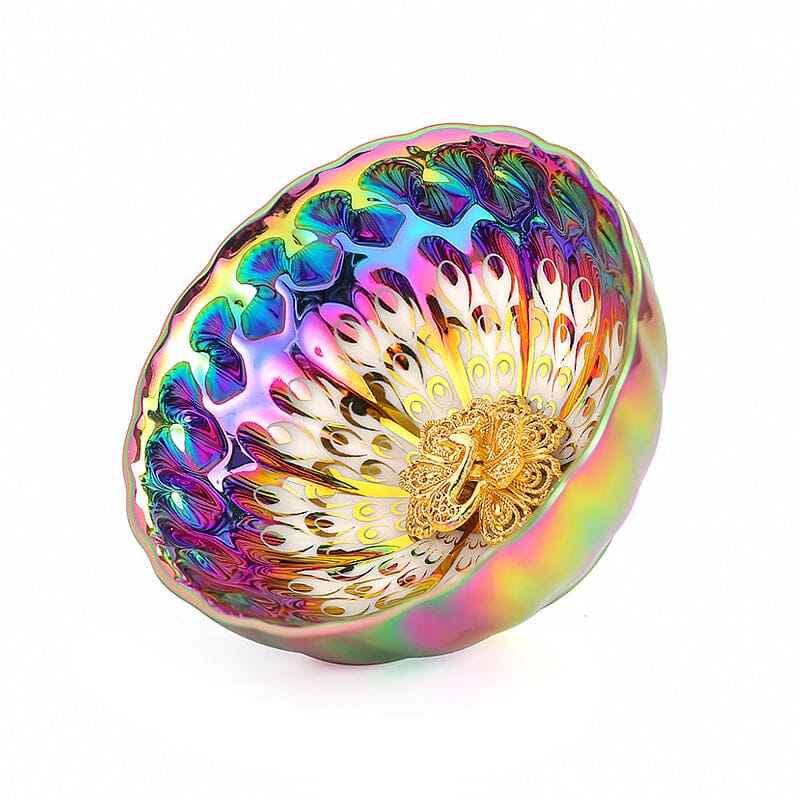
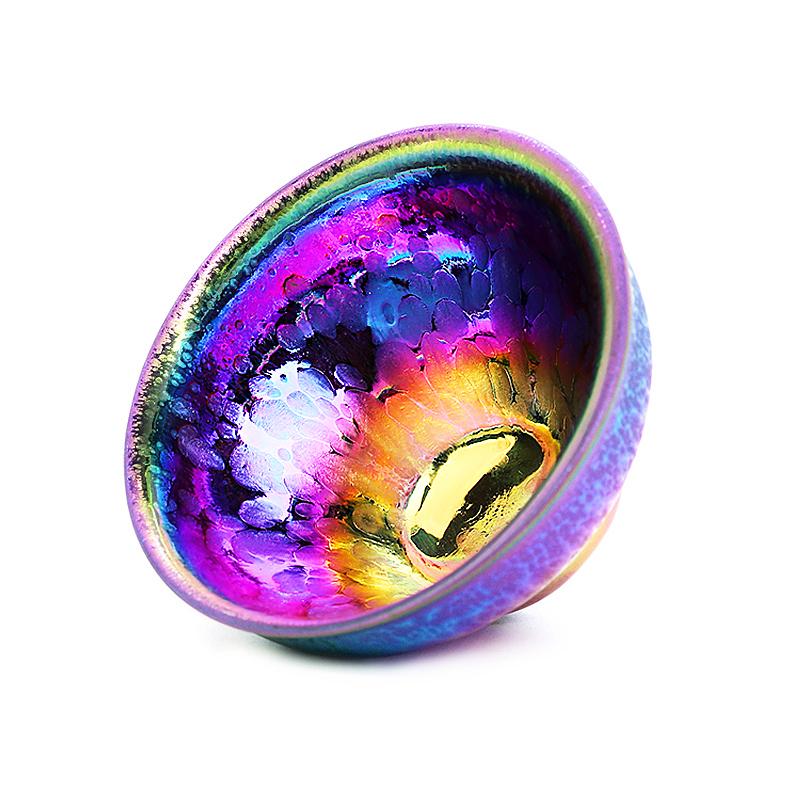
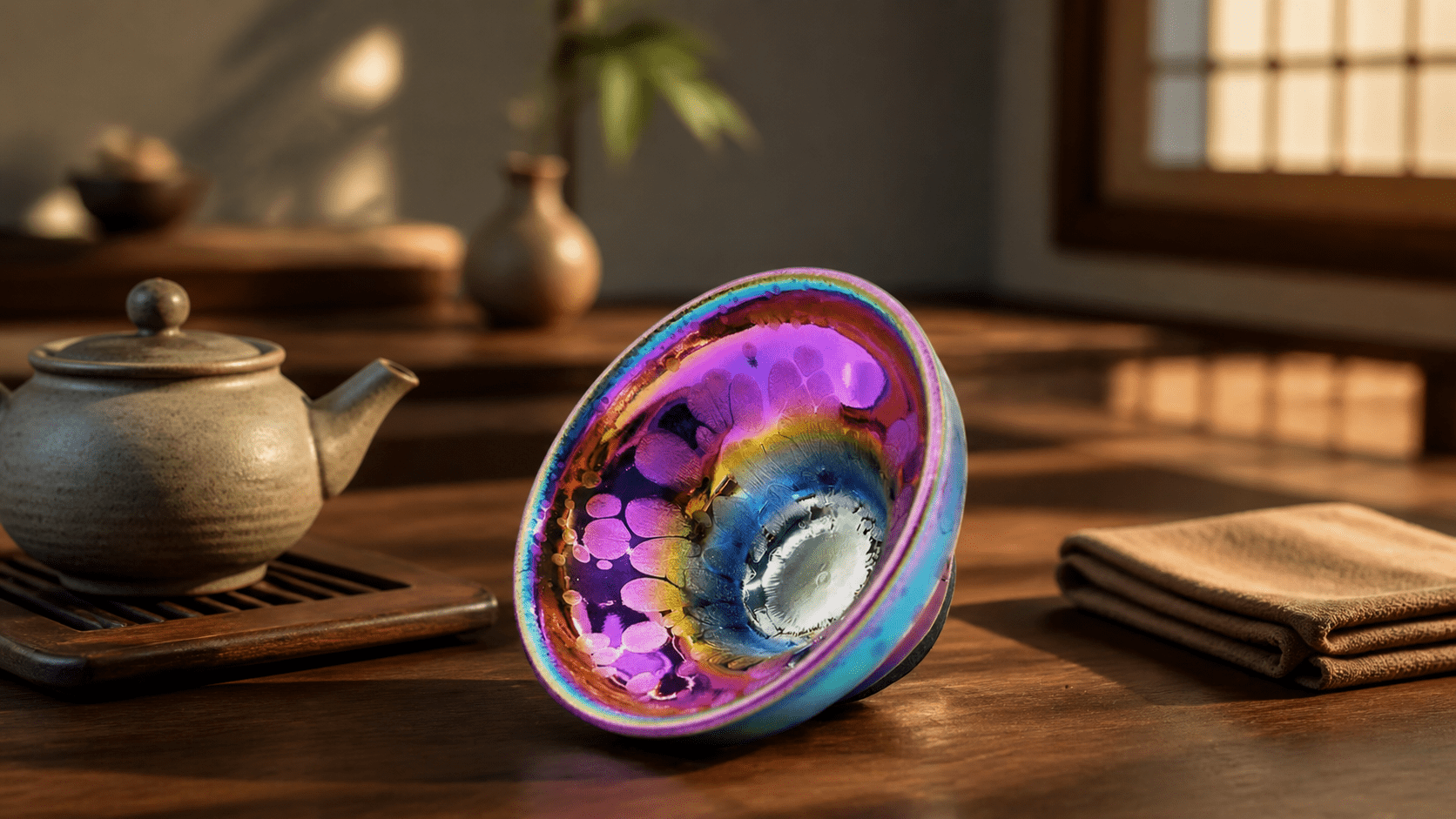
| $1,500–$5,000+ | Museum-grade replicas, National Masters, or ultra-rare yohen pieces | Iridescent blue/silver halos, documented kiln-change flukes; often one-of-a-kind | Art investment; high-end collection |
Keep in mind that best value jian zhan doesn’t mean cheapest. It means a bowl that gives you a genuine kiln-change character at a fair price. In my experience, the $100–$300 sweet spot delivers the most soul without fuyao (bragging rights) inflation. You can Browse our hare's fur Jianzhan series to see what I mean.
Best Value Jianzhan: How to Spot an Authentic Tea Cup Worth Buying
Buying online can feel like navigating a minefield of chemical glazes and decals. After years of collecting—and making a few painful mistakes—I now look for three things before spending a dollar on a tenmoku tea bowl for sale.
- Iron foot, not chalk: Flip the cup over. A real Jianzhan foot ring is raw, dark brown or blackish, and slightly gritty because of the iron-rich clay. Machine-made fakes often have a white, smooth clay body covered with a thin black slip.
- Glaze depth, not surface paint: Authentic patterns come from within the glaze, not on top of it. If you see crisp, repetitive brushstrokes or a perfect uniformity, walk away. Real oil spots shift in density and size.
- Kiln scars = character: Tiny bubbles, a glaze thickening near the foot, or a subtle “kiln scar” (yao han) are guarantees of a genuine firing. I love pieces with a little roughness—it proves they fought the fire.
Also, ask where and how the potter fires. The best authentic jian zhan tea cup comes from wood-fired dragon kilns or carefully controlled gas kilns in Fujian. Electric kilns can produce lovely patterns too, but if you’re after that deep, historic soul, a wood-fired piece holds more of the alchemical mystery. Explore our handmade Jianzhan tea cups for pieces that check all these boxes.
Who Should Buy a Tenmoku Tea Bowl? (And Gift Ideas for Tea Lovers)
I often tell friends that a tenmoku bowl is the wine glass of the tea world: it transforms the drinking experience, especially with deeply roasted oolong tea. The dark interior makes the tea’s liquor shimmer, while the thick walls keep the brew warm through a long gongfu session. If you’re considering a jianzhan tea cup gift, here’s a quick match guide.
- The serious tea drinker: Choose a medium-sized oil spot bowl (60–80ml) for gongfu brewing. The pattern interacts with the tea’s color like a tiny light show.
- The aesthetic collector: Opt for a kiln-change piece with pronounced blue or silver crystals. Not for daily clinking, but a display that sparks conversation.
- The Japanophile: A Japanese-style tenmoku with a subtle golden rim or a nod to the Seto glaze lineage sits beautifully in modern interiors.
- The eco-conscious gifter: Handmade, plastic-free, a tenmoku bowl is a sustainable alternative to mass-produced corporate swag.
Every bowl is a solo performance. I’ve given Japanese tenmoku pieces to friends who didn’t know loose-leaf tea from a tea bag, and they still write to me about the weird joy of watching “oil bubbles” appear in their cup. That’s the quiet power of this craft.
FAQ: Tenmoku Tea Bowls and Jianzhan Value
Why is a tenmoku tea bowl so expensive?
The cost comes from the extreme kiln conditions, high defect rate, and the artisan’s years of training. Raw Jianyang clay and iron-rich glaze react unpredictably at 1300°C; many bowls crack or bubble and must be discarded. What remains is a unique, handcrafted object that can’t be mass-produced.
What is the difference between tenmoku and jian zhan?
They are the same ceramic genre, but “Jianzhan” is the Chinese name, tied to Fujian’s Jianyang kilns. “Tenmoku” is the Japanese reading that became widespread in the West. Today, you’ll see both used interchangeably, though purists might use Jianzhan for bowls made in the original region and tenmoku for Japanese-influenced pieces.
How much does a real handmade jian zhan cost?
The tenmoku tea bowl price depends on the potter’s reputation, glaze complexity, and firing method. Entry-level handmade pieces start around $30, distinctive artisan bowls average $150–$400, and museum-quality yaobian works can exceed $3,000. Our table above gives a complete breakdown.
Can I use a tenmoku tea bowl for oolong tea and gongfu brewing?
Yes—this is what the bowl was designed for! Dark oolong and black teas look spectacular in a black glazed cup, and the thermal mass keeps the tea warm through multiple short infusions. I particularly love using a hare’s fur jian zhan with Wuyi rock tea.
What is the best value jian zhan for a gift?
For a memorable jianzhan tea cup gift, aim for the $100–$300 tier. A bowl with visible kiln-change patterns, an artist’s seal, and a sturdy box says “thoughtful luxury” without breaking the bank. It’s an everyday heirloom that tells a story on every pour.
Buying a tenmoku tea bowl is less about shopping and more about adopting a piece of fire-born history. If you’re ready to hold that ancient Song Dynasty glaze in your own hands, take a look at our collection—each cup is an original, and every one has a tale of survival. Whether you’re chasing the best value jian zhan or an exquisite tenmoku tea bowl for sale, the right cup will change how you taste tea forever.
Explore Our Collection
Ready to experience the world of tenmoku tea bowl? Browse our curated collection:
Disclaimer: This article is for informational purposes. Products and pricing subject to change.
Compartir:
Tenmoku Tea Bowl: How an Artisan-Made Cup Turns Tea Into a Meaningful Ritual
Tenmoku vs Jianzhan: What Is the Difference?