


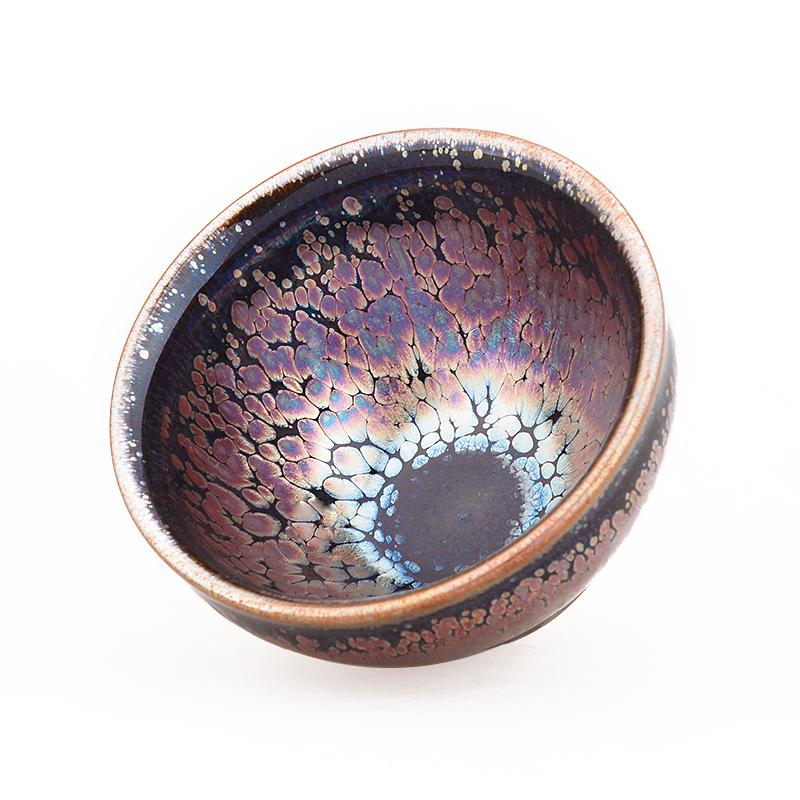
When I first held a genuine tenmoku tea bowl in my hands, the deep, glossy black glaze speckled with silvery partridge feather patterns felt like holding a piece of solidified night sky. I was brewing a velvety shou pu-erh tea at the time, and the way the bowl seemed to absorb and then reflect the light made me understand instantly—this isn’t just a cup, it’s wearable art. But the question everyone asks me is: why are these bowls so expensive? Let me take you behind the wheel and into the fire, to show you exactly what you’re paying for, and why a handmade tenmoku tea cup can easily cost as much as a fine Swiss watch.
Key Takeaways
- Authentic tenmoku tea bowls are priced by survival rate: over 70% fail in the kiln, making each surviving piece a rarity.
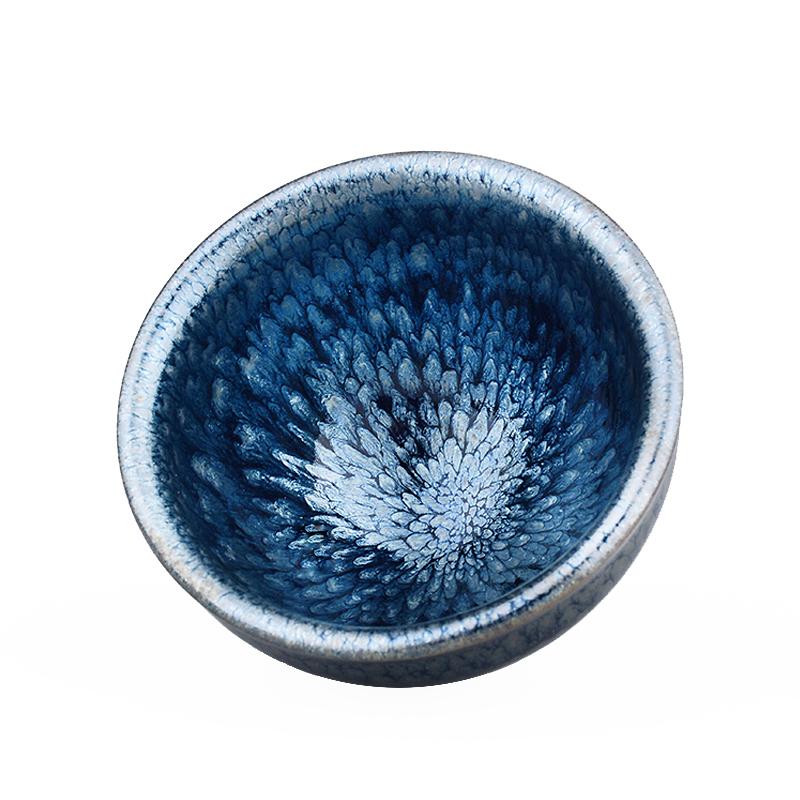
- The iron-rich glaze and wood-fueled firing create effects like hare’s fur, oil spot, and partridge feather—all uncontrollable, nature-driven patterns.
- Japanese pottery culture elevated tenmoku to museum-grade art, directly influencing today’s tenmoku tea bowl price in the global luxury market.
- A best value jian zhan isn’t the cheapest; it’s the piece where master skill meets an unmistakable glaze transformation that speaks to you.
Why Is a Tenmoku Tea Bowl So Expensive?
If I had to sum it up in one word, it would be risk. Every time a potter loads a dragon kiln, they’re gambling. I’ve visited workshops in Fujian where master artisans fire hundreds of greenware pieces, knowing statistically fewer than 30 will emerge as anything close to collectible. The iron-rich glaze is so volatile that even a slight draft of oxygen or a 10-degree temperature shift transforms a potential masterpiece into a cracked, muddy disc. You aren’t paying for the one you see; you’re paying for all the ones that didn’t make it.
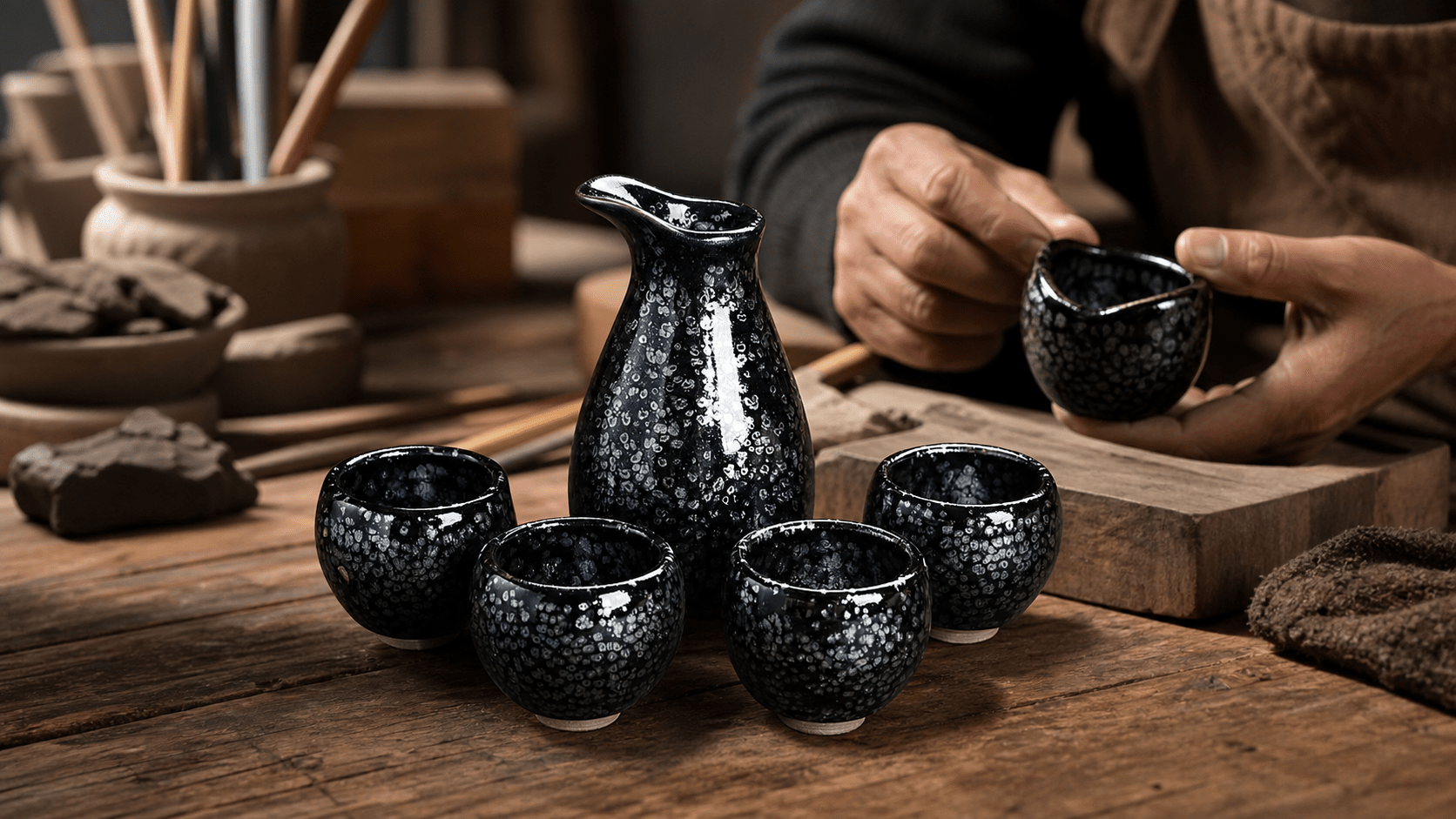
Think of it like a high-end American bourbon distillery: for every barrel of 23-year Pappy Van Winkle, there’s an enormous angel’s share lost to evaporation and countless barrels that never mature to that level. Similarly, the jian zhan cost factors in immense material loss. The clay itself is scarce—only the locally sourced, high-iron stoneware from the original Jian kiln sites can withstand the process and produce that iconic black body. Shipping that clay and using true wood-fired kilns (often pinewood burning for days) pushes the base production cost far beyond anything a factory stamp could replicate.
What Is the Real Jianzhan Cost Behind Each Piece?
Let’s break down the jian zhan cost in a way US luxury shoppers will appreciate. Imagine commissioning a bespoke suit on Savile Row. You’re paying for the tailor’s decades of experience, the hand-stitching, the multiple fittings, and the exclusivity of the fabric. A handmade tenmoku tea cup follows the same logic:
| Cost Factor | Industrial Cup | Handmade Tenmoku Bowl |
|---|---|---|
| Clay & Materials | $0.10–$0.50 (generic porcelain) | $5–$15 (rare high-iron stoneware, hand-processed) |
| Glaze Formulation | Stable chemical dip | $2–$10 per batch, custom wood-ash or iron-oxide blend passed down generations |
| Kiln & Fuel | Electric/gas, 2–4 hours | Wood-fired dragon kiln, 48–72 hours continuous feeding, high failure rate |
| Labor | Machine cast, few minutes | 10,000+ hours of potter’s skill, wheel-throwing, glazing, and loading |
| Survival Rate | 99% | 20–30% per firing |
| Uniqueness | Identical copies | One-of-a-kind glaze pattern (oil spot, hare’s fur, partridge feather) |
When you buy a bowl, you’re essentially funding the entire cycle. The tenmoku tea bowl price includes every shattered dream from that kiln load. And when a piece emerges with a dramatic partridge feather or luminous hare’s fur effect—patterns that resemble the plumage of those birds—the value skyrockets because you can’t order it on demand. It’s pure serendipity, much like finding the perfect natural pearl.
How Does Japanese Pottery Influence the Value of a Tenmoku Tea Bowl?
Many newcomers don’t realize that while the technique was born in Song Dynasty China, it was Japanese pottery culture that elevated the tenmoku tea bowl to an almost mythical status. The term “tenmoku” itself comes from the Japanese reading of Tianmu Mountain, where Japanese monks first encountered these bowls. They brought them home as sacred treasures, and today, rare Song Dynasty pieces are designated National Treasures in Japan, displayed only a few times a year.
This centuries-long reverence created a luxury halo around every japanese tenmoku for sale. I often compare it to how the French appellation system turned wine into an investment asset. If a Japanese master potter like Sakaida Kakiemon or a modern revivalist produces a bowl with the iron-rich glaze firing just right, collectors treat it like a Basquiat canvas. This cultural cachet directly pulls up the tenmoku tea bowl price worldwide. Even in China, where Jianzhan is the native term, the Japanese association adds a layer of sophistication and historical continuity that buyers are willing to pay a premium for.

What Determines the Best Value Jianzhan for Smart Collectors?
Now, you might be wondering: if I’m not a millionaire, can I still find the best value jian zhan? Absolutely—and as someone who has both overpaid and stumbled on treasures, I have some rules. The best value jian zhan isn’t about the lowest price tag; it’s about finding a piece with strong “bones” and a glaze that resonates with you personally, at a price that matches the artist’s current market stage.
Look for younger master potters who’ve trained under recognized inheritors but haven’t yet seen their prices inflate. A bowl with clear hare’s fur striations or a constellation of oil spots from a competition-winning but early-career artisan can cost $150–$400—a fraction of what their teacher’s work commands, yet holding superb firing technique. I also recommend inspecting the foot ring; a well-cut, organic base with the dark iron body exposed signals a fully handmade piece. Avoid anything that feels perfectly uniform—true handmade ceramic will have slight asymmetries and a palpable energy. If you’re shopping for best jian zhan tea cup options, I always tell people to Explore our handmade Jianzhan tea cups where every piece is personally sourced from potters I’ve met.
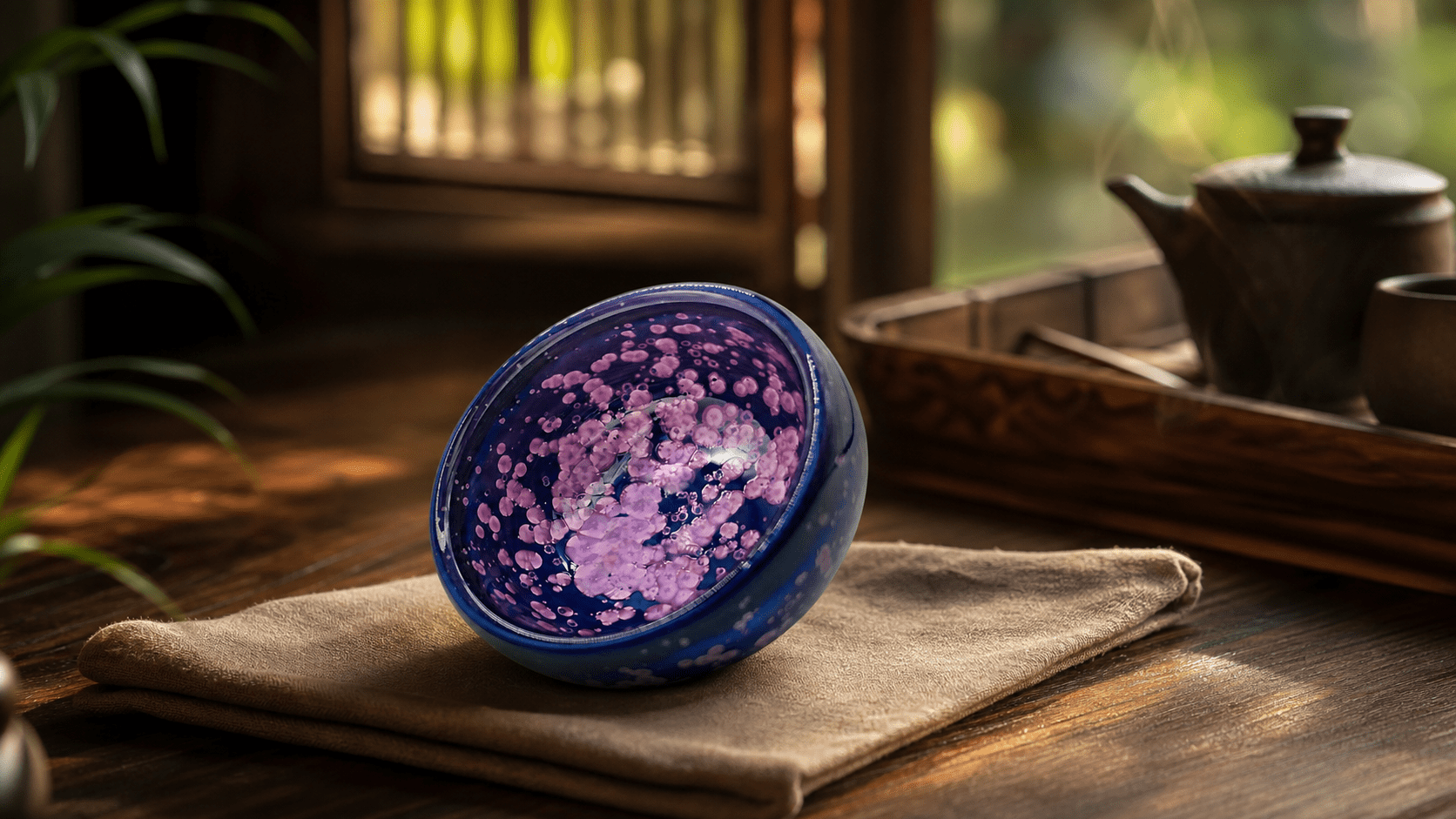
Another pro tip: buy the bowl that looks different in varying light. Pour some pu-erh tea into it and watch the glaze change color. That chameleon quality—called "living glaze" by collectors—is what makes a bowl appreciate in both monetary and emotional value over time.
Where Can You Find a Handmade Tenmoku Tea Cup for Sale Without Getting Burned?
The online market is flooded with “tenmoku-style” cups that are neither handmade nor authentic. I’ve seen factory knockoffs using decals or synthetic glazes sold under the name japanese tenmoku for sale. True handmade tenmoku tea cup hunting requires knowing your seller. Here’s my checklist:
- The seller should provide the potter’s name and provenance of the clay.
- Authentic pieces come with a certificate or stamp, often hand-signed.
- If the price is too good to be true—say, under $80 for a “wood-fired” bowl—it almost certainly isn’t real. Remember the survival rate table.
- Look for visible kiln marks, like tiny drips of glaze on the foot or natural ash deposits, which are hallmarks of the harsh firing environment.
If you’re ready to own a piece of this living art, I invite you to Shop authentic Tenmoku tea bowls where every bowl is curated for both its aesthetic fire-crystal pattern and its integrity as a functional tea tool. Using a genuine tenmoku tea bowl to drink an aged pu-erh tea is a ritual that softens the liquid on your palate—the porous iron body actually rounds out the tea’s tannins. It’s an experience no machine-made cup can replicate.
Why I Believe the Tenmoku Tea Bowl Is the Ultimate Luxury Gift for Tea Lovers
In a world of disposable mugs, gifting a tenmoku tea bowl says something profound. It says, “I value your quiet moments.” I’ve given these bowls to clients who are serious tea drinkers, and each time, the recipient becomes fascinated by the fact that their bowl is the only one like it in existence. Pair it with a cake of ripe pu-erh tea and you’ve given a multisensory journey—one that starts with the visual drama of partridge feather speckles and ends with a smooth, earthy finish.
Who Should Buy a Tenmoku Tea Bowl?
If you’re a gongfu tea enthusiast, a Japanese pottery admirer, or someone who collects handmade ceramic art, you will not regret investing in a real bowl. If you’re simply tired of mass-produced drinkware and want to elevate your daily tea into a celebration, this is your entry point. For those asking why tenmoku is expensive, I hope this article has replaced that question with a new one: can you really put a price on holding a piece of the kiln’s fleeting genius in your hands?
From my own journey, I can say that no two firings are the same, and no two bowls ever whisper to you quite the same way. Owning one is less about the tenmoku tea bowl price and more about joining a lineage of connoisseurs who understand that some luxuries are measured in the depth of their glow, not the thickness of their price tag.
Explore Our Collection
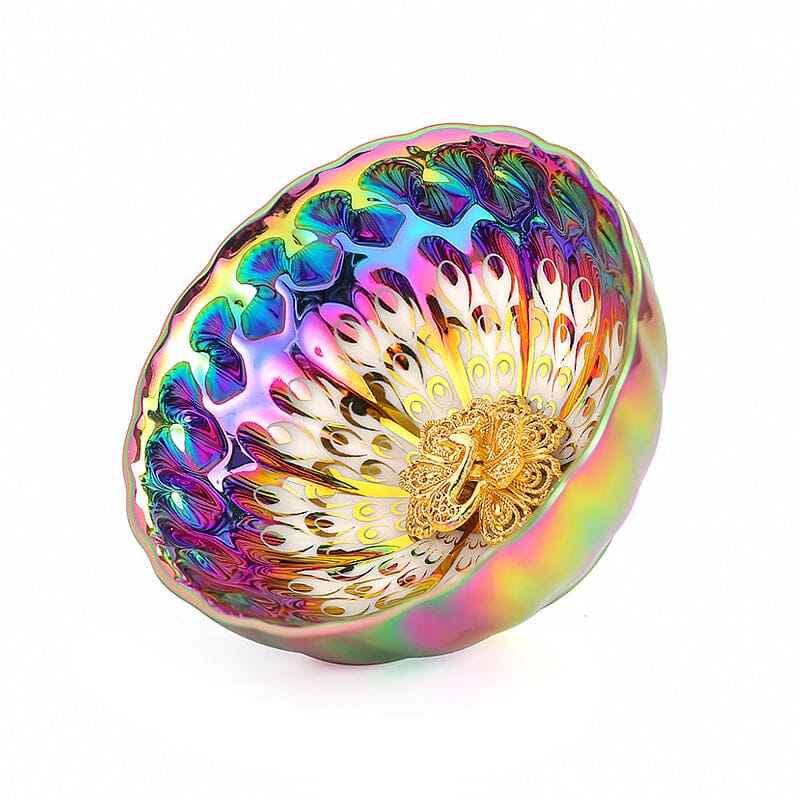
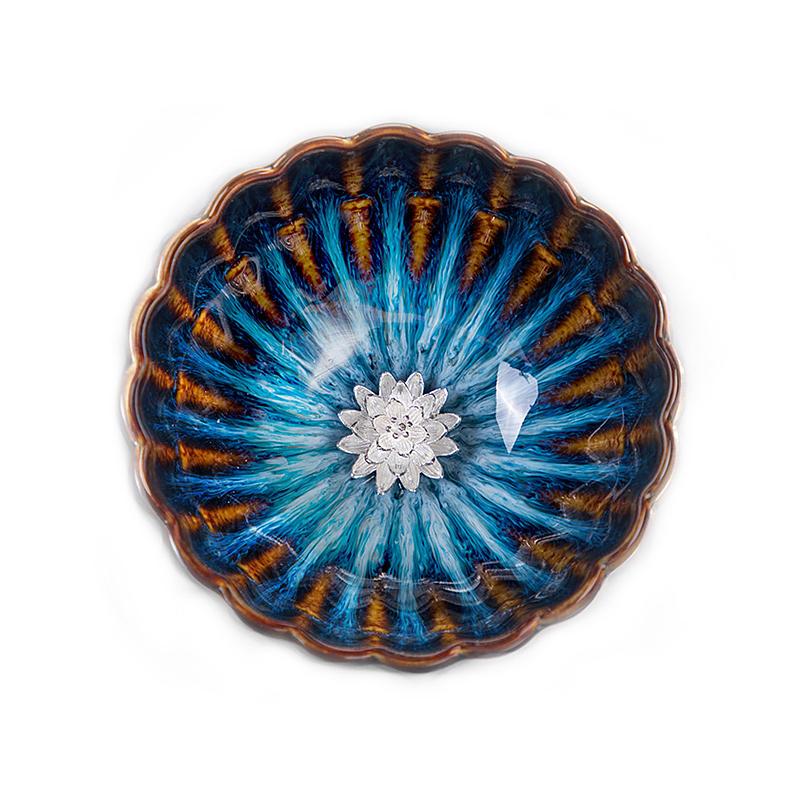
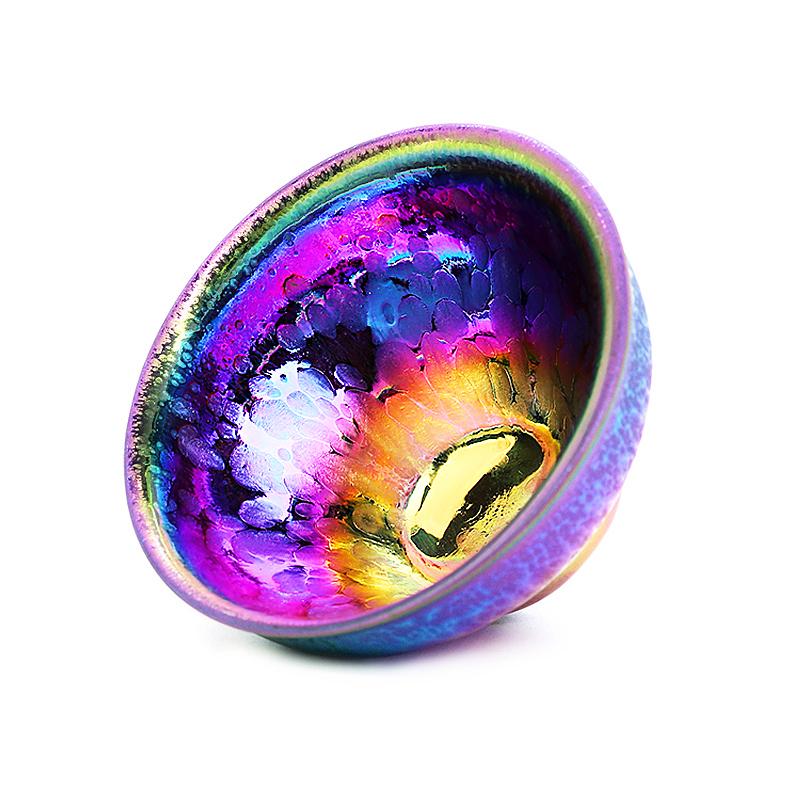
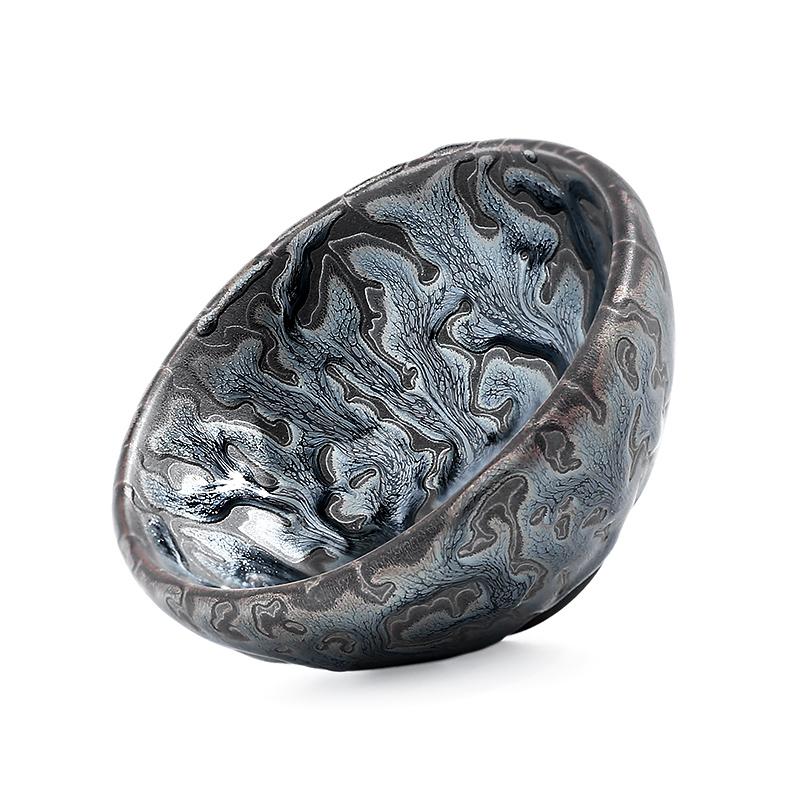
Ready to experience the world of tenmoku tea bowl? Browse our curated collection:
Disclaimer: This article is for informational purposes. Products and pricing subject to change.
Compartir:
Tenmoku Tea Bowl: The Handmade Story Behind a More Meaningful Tea Ritual