Vente de Pâques: Achetez 3 Obtenez le 4e gratuit!

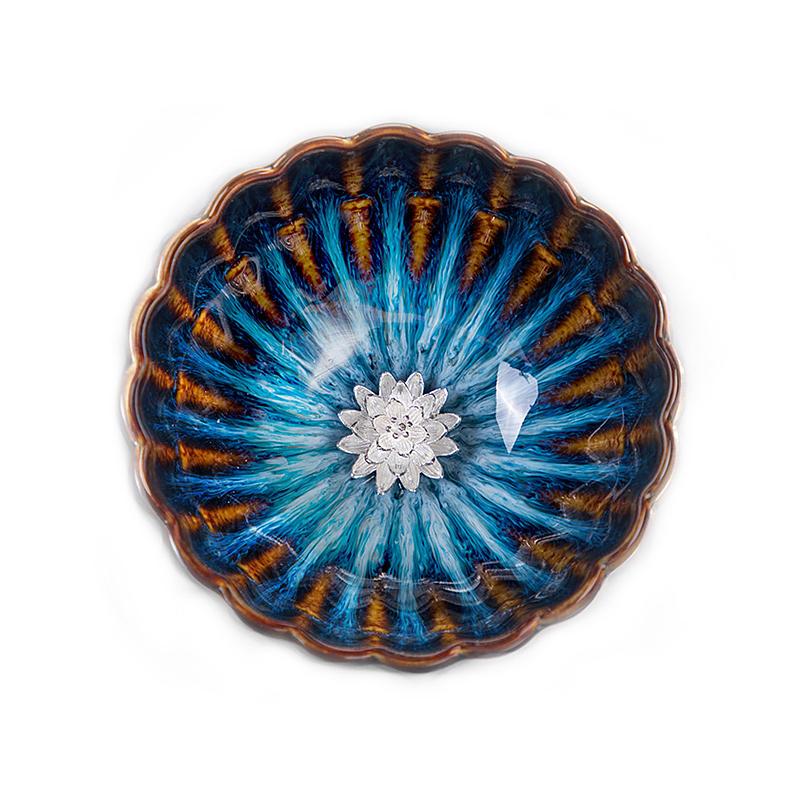
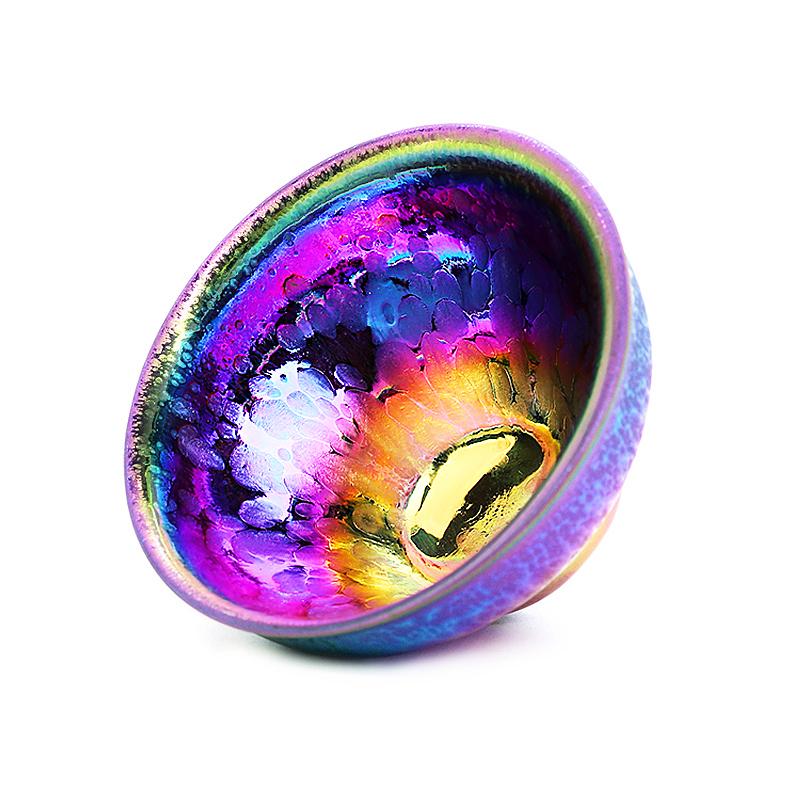
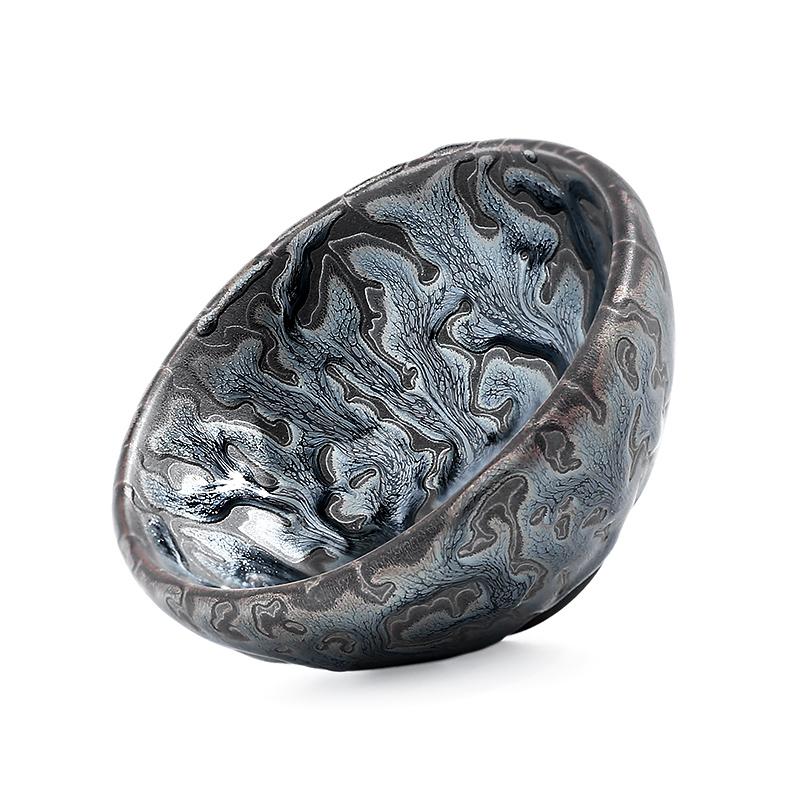
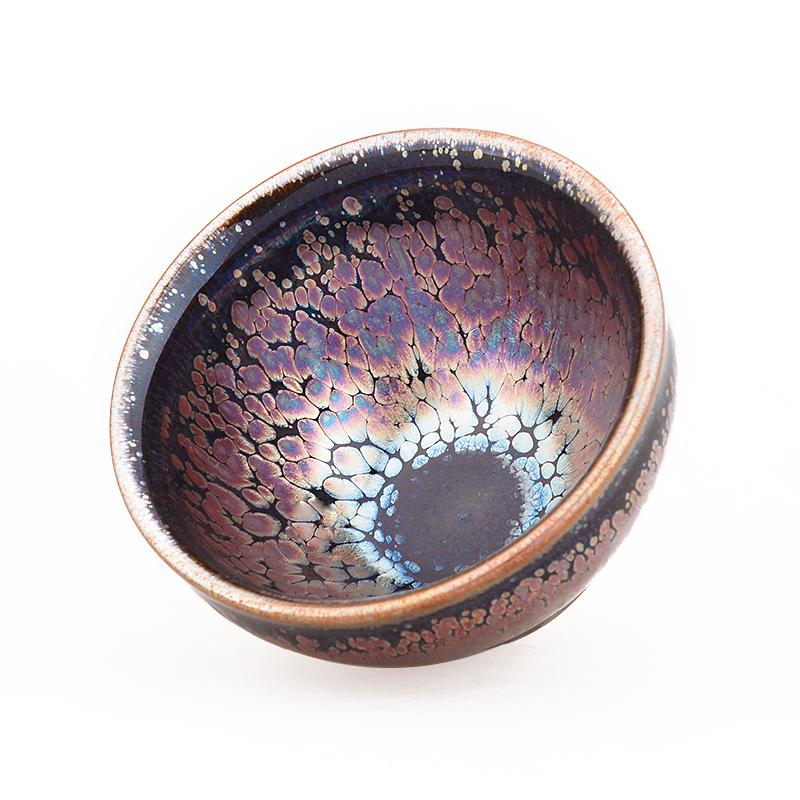
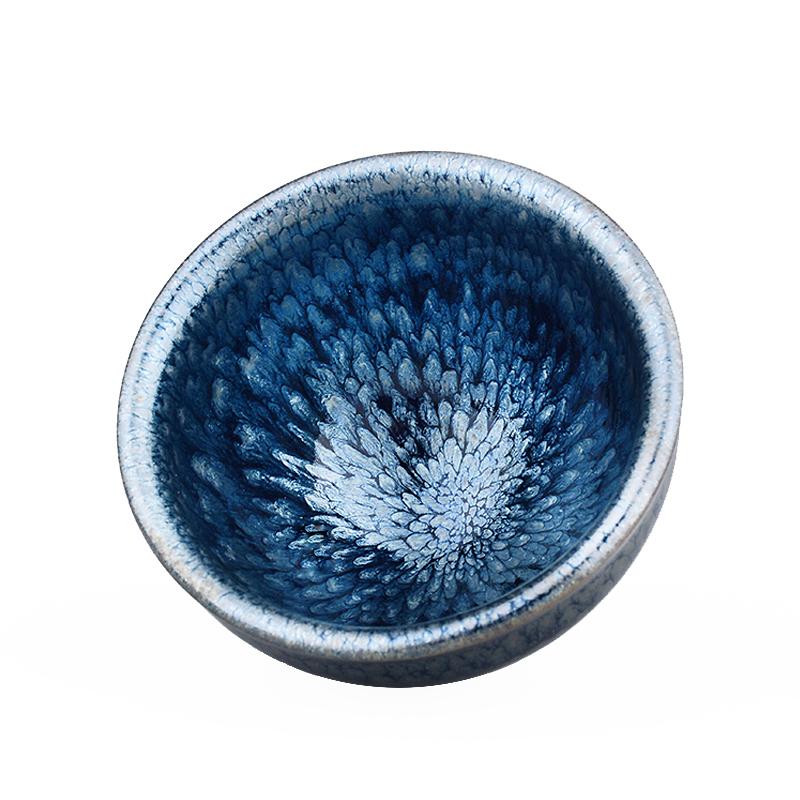
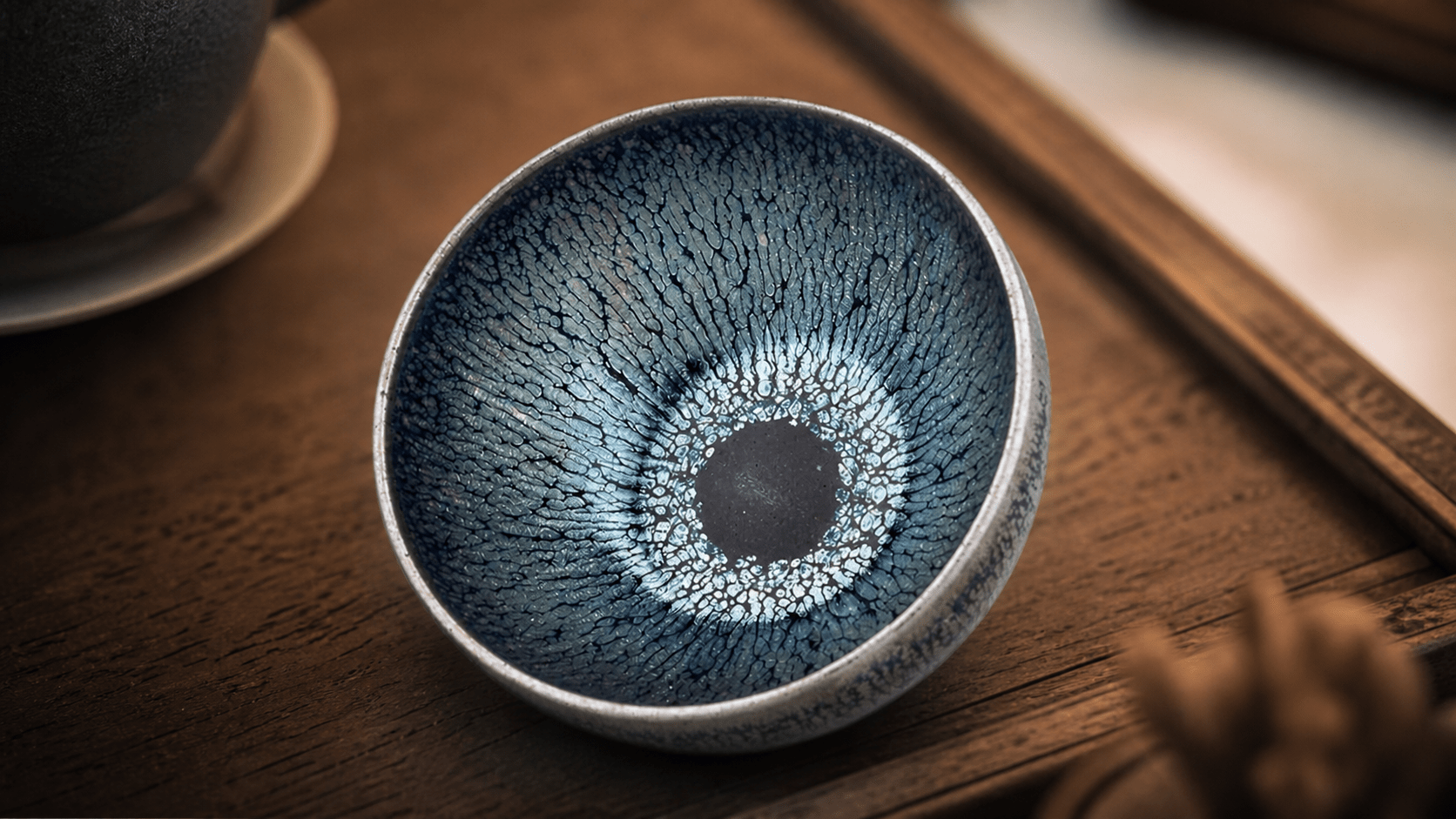
Parmi les porcelaines de la dynastie Song, la porcelaine noire est la mieux représentée par le Jianzhan. Au Japon, le Jianzhan est considéré comme un trésor national, et on compte quatre bols à thé de ce type. Les Japonais apprécient les motifs mystérieux et changeants du Jianzhan, recherchant une sensation de profondeur et de vide rappelant le ciel nocturne et la nuit elle-même. Cependant, un ami m'a récemment demandé : « Je viens d'acheter un Jianzhan, mais après l'avoir rincé plusieurs fois, j'ai constaté qu'une légère odeur de terre persistait, que je boive du thé ou de l'eau chaude. Pourquoi ? Comment dois-je m'y prendre ? »

En fait, cette question doit être divisée en deux parties, car les méthodes de traitement pour les nouveaux et les anciens Jianzhan sont différentes.

  1. Nouveau Jianzhan

Pour Jianzhan, ouvrir une théière en terre violette n'est pas aussi compliqué. Il suffit de la nettoyer avant utilisation. Vous pouvez l'essuyer avec du dentifrice ou un chiffon, puis la rincer à l'eau claire et la faire tremper dans de l'eau chaude ou de la soupe au thé pendant au moins une demi-heure. Comme Jianzhan a pu passer entre les mains de différents fabricants de la production à la vente, pour une utilisation plus sereine, il est recommandé de la faire bouillir quelques minutes dans de l'eau chaude.

Une petite suggestion :

  • En général, après avoir bu la dernière tasse de thé, rincez le Jianzhan à l'eau chaude pour éliminer les taches de thé éventuellement incrustées sur la surface émaillée. Laissez ensuite le Jianzhan sécher naturellement à l'air libre dans un endroit aéré. Vous pouvez également utiliser un torchon spécial pour le nettoyer.
  • Il est recommandé de faire un nettoyage complet (à l'aide d'un chiffon nettoyant ou d'un dentifrice) tous les trois à cinq jours.
  1. Vieux Jianzhan

En réalité, « vieux Jianzhan » désigne ici le « vieux Jianzhan excavé ». Certains amateurs de Jianzhan apprécient particulièrement ce type de produit. Cependant, ce produit est enfoui dans le sol depuis longtemps, et le goût naturel de la terre s'y infiltre, altérant ainsi le goût de la soupe au thé. Comment atténuer cette « odeur de terre » ? Les amateurs de Jianzhan peuvent essayer les méthodes suivantes :

  1. Faites tremper légèrement le corps du Jianzhan dans une solution diluée de vinaigre dans la proportion appropriée.
  2. Préparez deux brosses à dents, une douce et une dure, ainsi qu’un morceau de tissu à récurer.
  3. Ajoutez une quantité appropriée de sel de table à l’eau propre et utilisez un tampon à récurer trempé dans l’eau pour nettoyer d’abord les principales taches de saleté sur le corps du bol.
  4. Utilisez une brosse à dents à poils durs pour nettoyer la saleté tenace jusqu'à ce qu'elle disparaisse.
  5. Utilisez une brosse à dents à poils souples pour nettoyer la boue et la saleté dans les pièces détaillées.
  6. Après avoir lavé le Jianzhan à plusieurs reprises à l'eau claire et vérifié à l'œil nu qu'il n'y a aucune saleté visible, placez-le dans une casserole d'eau bouillante. Laissez mijoter à feu doux pendant une demi-heure. Vous pouvez répéter l'opération plusieurs fois, mais n'oubliez pas de changer l'eau.
  7. Sortez le Jianzhan et laissez-le refroidir à température ambiante, puis plongez-le dans de l'eau froide. Répétez les étapes ci-dessus (vous pouvez utiliser un torchon propre pour essuyer le Jianzhan pendant ce temps).

Une petite suggestion :

(1) Tous les « vieux » services à thé ne conviennent pas à la dégustation du thé. Évitez les imitations de « vieux » aux couleurs vives et au style résolument moderne.

(2) Les théières excavées sont enfouies profondément dans le sol depuis des milliers d'années, et leur surface émaillée est inévitablement ternie et défectueuse en raison de l'érosion prolongée du sol. De plus, de nombreux Jianzhan enfouis dans le sol présentent des défauts pour diverses raisons. Il ne faut donc pas être trop exigeant quant à leur perfection.
Quick answers for Tenmoku teaware shoppers

Use this guide to connect the article topic with practical buying decisions: what Jianzhan Tenmoku teaware is, who it suits, how to choose a piece, and how to care for it after purchase.

How to use this guide before buying

Read the article first for the main explanation, then compare the product photos, glaze variation, form, seller clarity, return policy, and whether the piece fits daily tea, display, collecting, or gifting.

Common buying mistakes to avoid

Avoid choosing only by dramatic claims, copied photos, unusually low prices, or vague master language. A better decision uses visible product details, clear use case, realistic care needs, and trustworthy shop policies.

Recommended next step

After reading, compare a few real products side by side by size, glaze family, rim shape, capacity, price, and gift suitability instead of relying on one photo or one keyword.

What is Jianzhan Tenmoku teaware?

Jianzhan Tenmoku teaware is ceramic tea ware known for dark mineral-glaze effects and natural kiln variation. Common forms include tea cups, bowls, teapots, tea sets, and matcha bowls.

Who is it best for?

It is best for tea drinkers, ceramic collectors, and gift shoppers who value functional objects with visible handmade character. It is not ideal if you need every piece to look exactly identical.

How do I care for it?

Hand wash with warm water, avoid abrasive cleaners, and dry fully before storage. Gentle daily use helps preserve the surface and keeps the glaze easy to inspect over time.

How do I choose the right Tenmoku piece?

Choose by the main use first: daily tea, matcha, Gongfu brewing, display, or gifting. Then compare capacity, rim shape, glaze family, photos, and whether natural variation is acceptable for your needs.

Is Jianzhan Tenmoku teaware good as a gift?

Yes. It works well for tea lovers, ceramic collectors, birthdays, holidays, and housewarming gifts because it is both usable and visually distinctive. For gifts, choose an easy-to-use form and a glaze style with clear photos.

Related products and categories

Compare the guide above with real Tenmokus categories and representative pieces. Start with the use case, then compare glaze style, form, price, and whether the piece is mainly for daily tea, display, collecting, or gifting.

Handmade Tenmoku tea cups

Best for daily tea drinking, first Jianzhan purchases, ceramic gifts, and comparing glaze patterns across cup shapes.

Tenmoku tea sets

Best when you want a coordinated tea table, a hosting setup, or a complete gift instead of one individual cup.

Real vs fake Tenmoku guide

Use this guide to compare seller claims, glaze appearance, photos, and practical buying signals before choosing a piece.

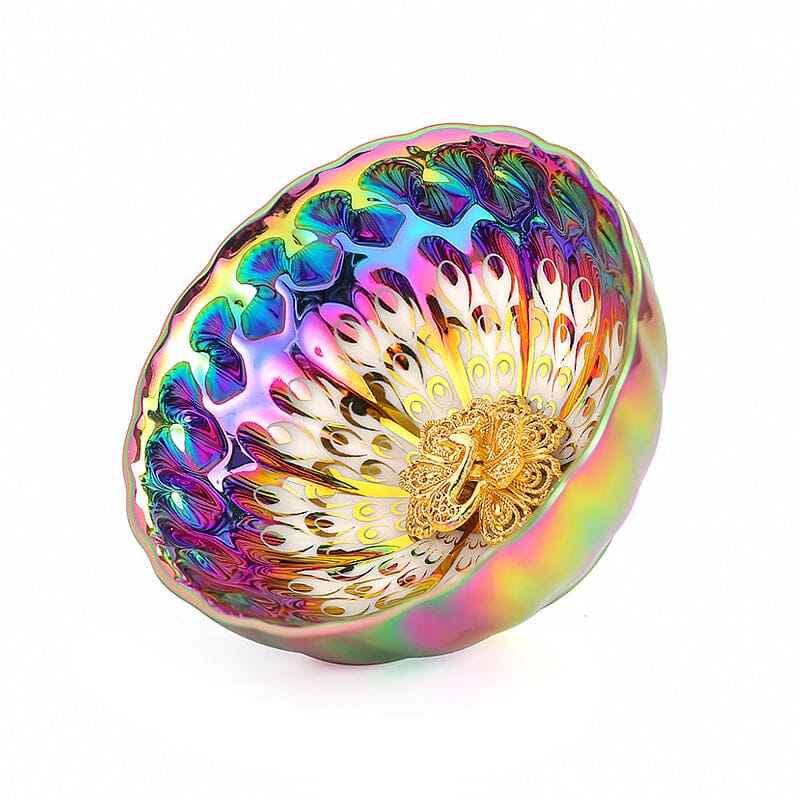
Paon vif

A representative Tenmoku tea cup to compare by glaze depth, cup shape, price, and gift fit.

Paon doré

Compare this piece when you want a clear visual reference for a gold-toned Tenmoku glaze style.

Fée II

Use this product as another comparison point for handmade form, glaze variation, and gift suitability.

shop handmade Tenmoku tea cups compare Jianzhan teapots browse Tenmoku tea sets choose Tenmoku matcha bowls view Tenmoku tea cups read the real vs fake Tenmoku tea bowl guide browse Jianzhan buying guides learn about Tenmokus

From Tenmoku guide to teaware choice

Tenmokus is focused on handmade Jianzhan Tenmoku teaware for tea rituals, display, and gifting. If you are choosing after reading this guide, start with Tenmoku tea cups for daily tea tasting, Tenmoku teapots for loose leaf brewing, Tenmoku coffee cups for daily coffee, Tenmoku tea sets for coordinated gifts, Tenmoku matcha bowls for matcha preparation, Tenmoku beer cups for home bar drinkware, or Tenmoku sake sets for serving and display.

Dernières histoires

Keep exploring Tenmoku care, gift ideas, teaware selection, and the difference between Tenmoku and Jianzhan.

Afficher tous

Tenmoku Tea Bowl Authenticity: How to Buy with Confidence

Tenmoku Tea Bowl Authenticity: How to Buy with Confidence

Tenmoku Tea Bowl Authenticity: How to Buy with Confidence A real tenmoku tea bowl is best recognized through its material, glaze behavior, firing marks, and clear origin story—not one flashy rainbow pattern. If you want a handmade ceramic cup for...

En savoir plus

Tenmoku Tea Bowl Authenticity Guide: Buy with Confidence for Gongfu Tea

Tenmoku Tea Bowl Authenticity Guide: Buy with Confidence for Gongfu Tea

Tenmoku Tea Bowl Authenticity Guide: Buy with Confidence for Gongfu Tea A real tenmoku tea bowl should show evidence of ceramic material, hand-finishing, and a glaze created by firing—not a decorative pattern printed onto a mass-produced cup. If you are...

En savoir plus

Tenmoku Tea Bowl: Turn a Daily Cup of Tea Into a Restorative Ritual

Tenmoku Tea Bowl: Turn a Daily Cup of Tea Into a Restorative Ritual

Tenmoku Tea Bowl: Turn a Daily Cup of Tea Into a Restorative Ritual A tenmoku tea bowl is more than a vessel for drinking tea: it is a small, handmade object that can make an ordinary pause feel intentional. Whether...

En savoir plus