Vendita di Pasqua: acquista 3 Ottieni il 4 ° GRATUITO!

Prendersi cura dello Jianzhan è uno dei piaceri che questo tè offre agli amanti, e molti appassionati si impegnano a coltivare la sua abbagliante "luce dai sette colori". Recentemente, molte persone si sono chieste online: quale Jianzhan è più facile da curare? Come possiamo coltivare la luce dai sette colori? Quando ci poniamo queste domande, dovremmo prima capire le "tre cose da evitare" nello Jianzhan. Quindi, quali sono le "tre cose da evitare" nello Jianzhan? Scopriamolo insieme qui sotto!

"Non essere parsimonioso."

Per coltivare una smagliante "aura arcobaleno", c'è un passaggio cruciale che non può essere saltato: la scelta della teiera.

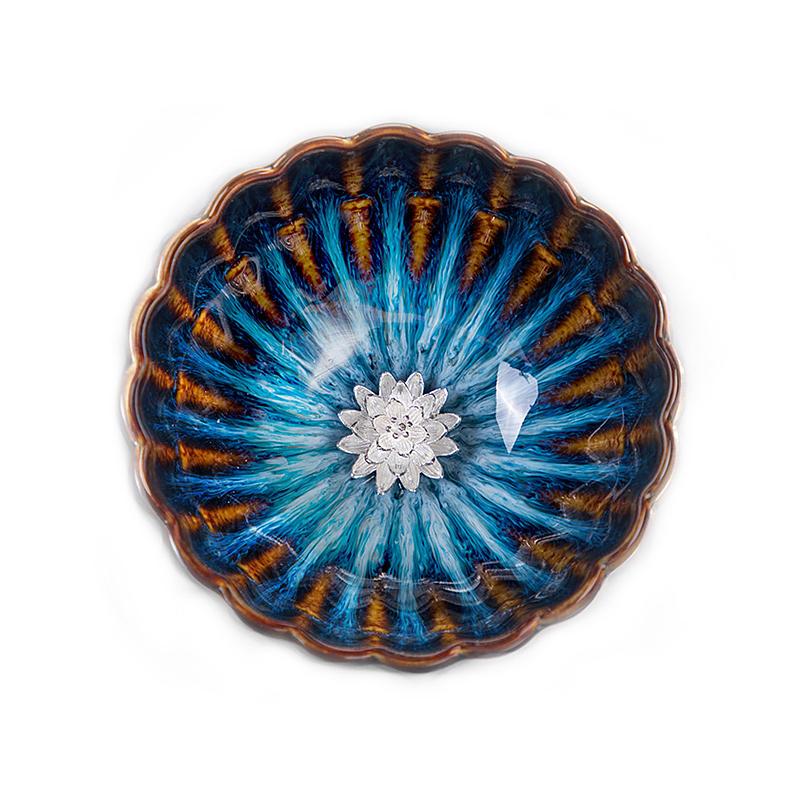
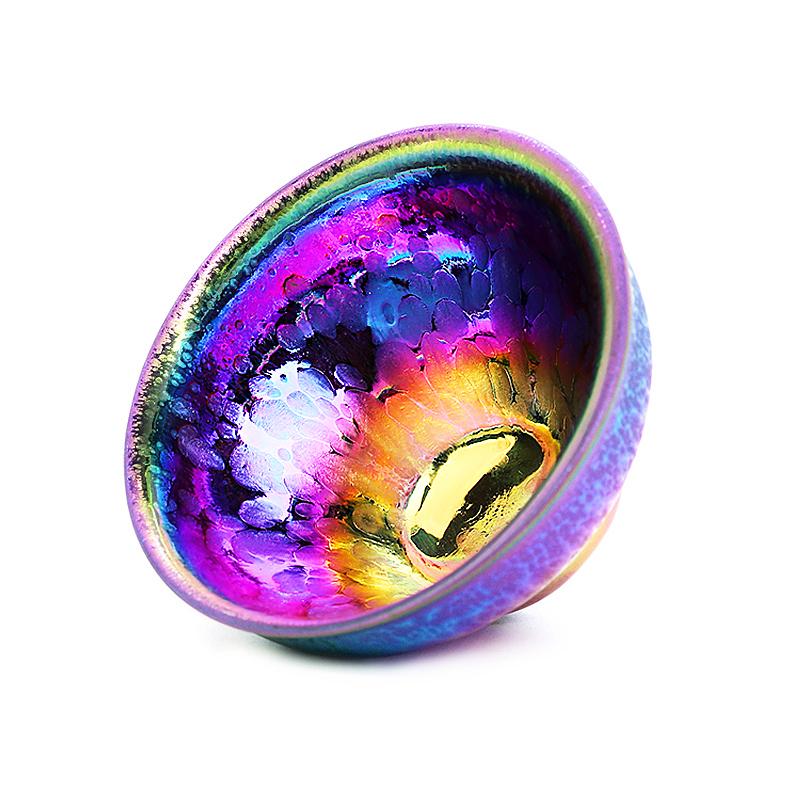
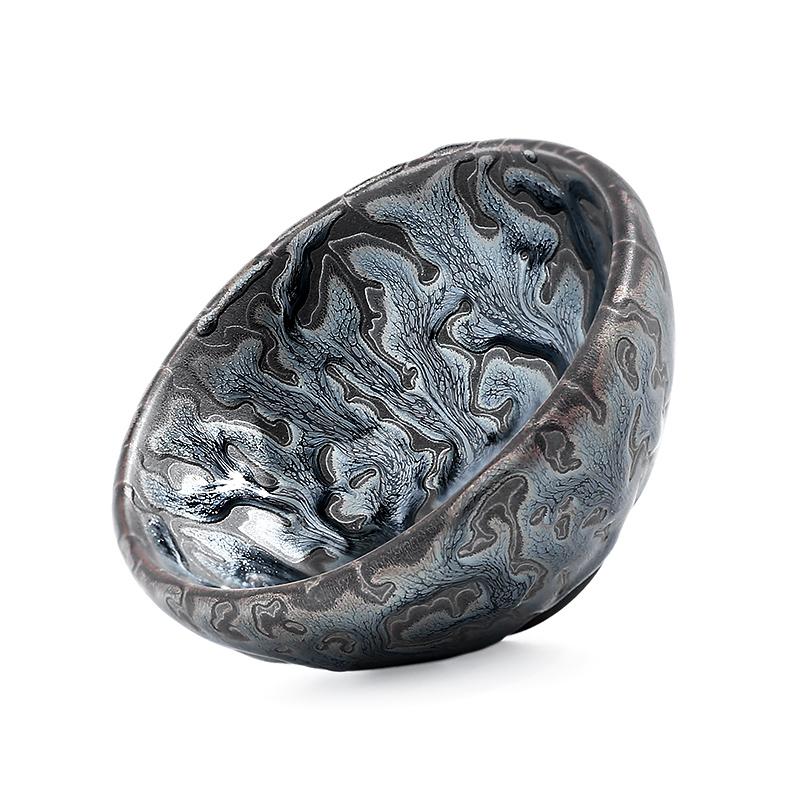
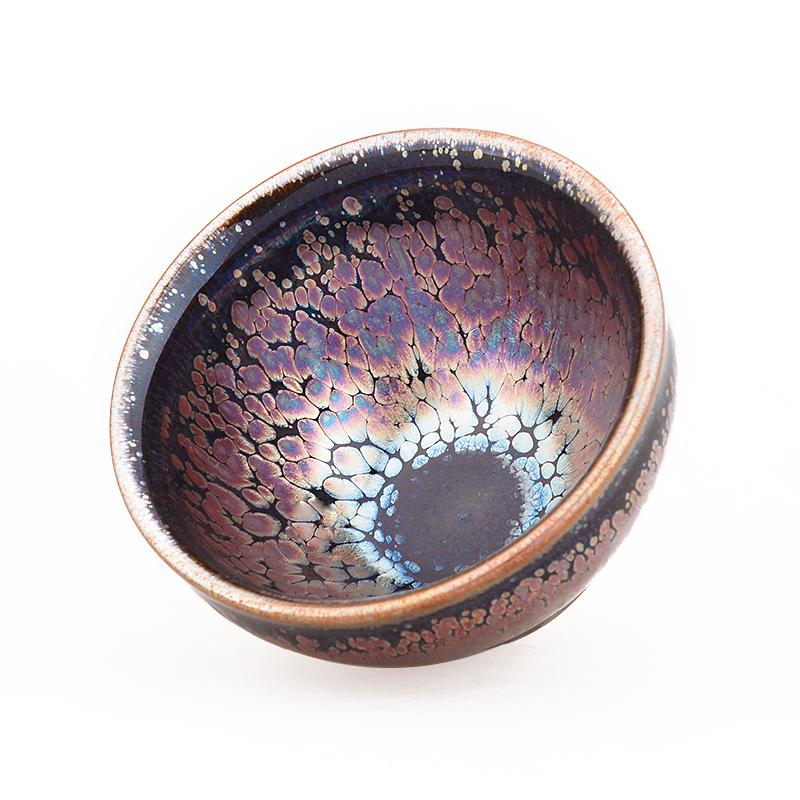
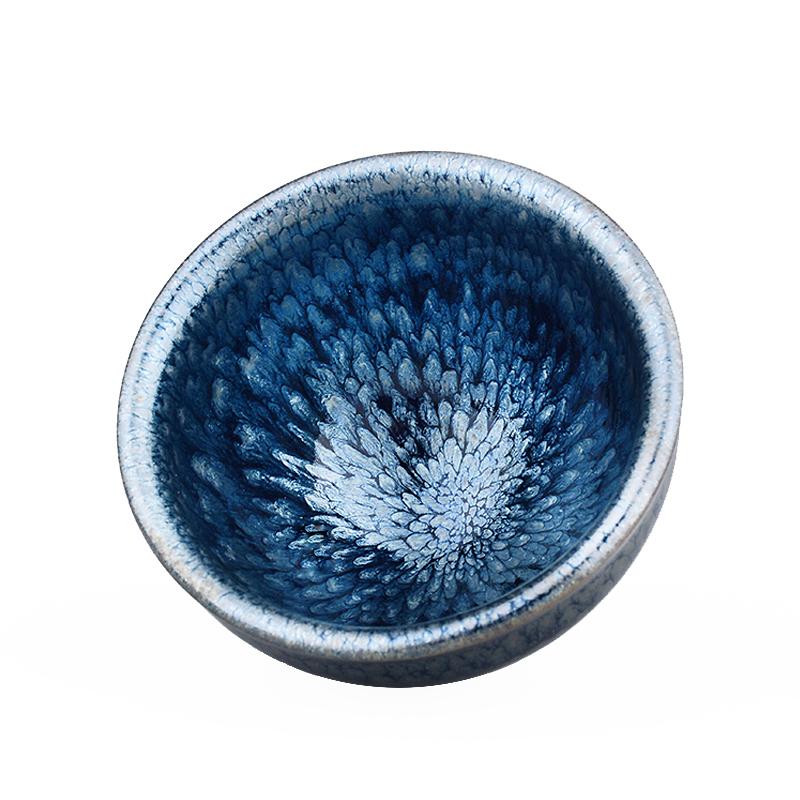
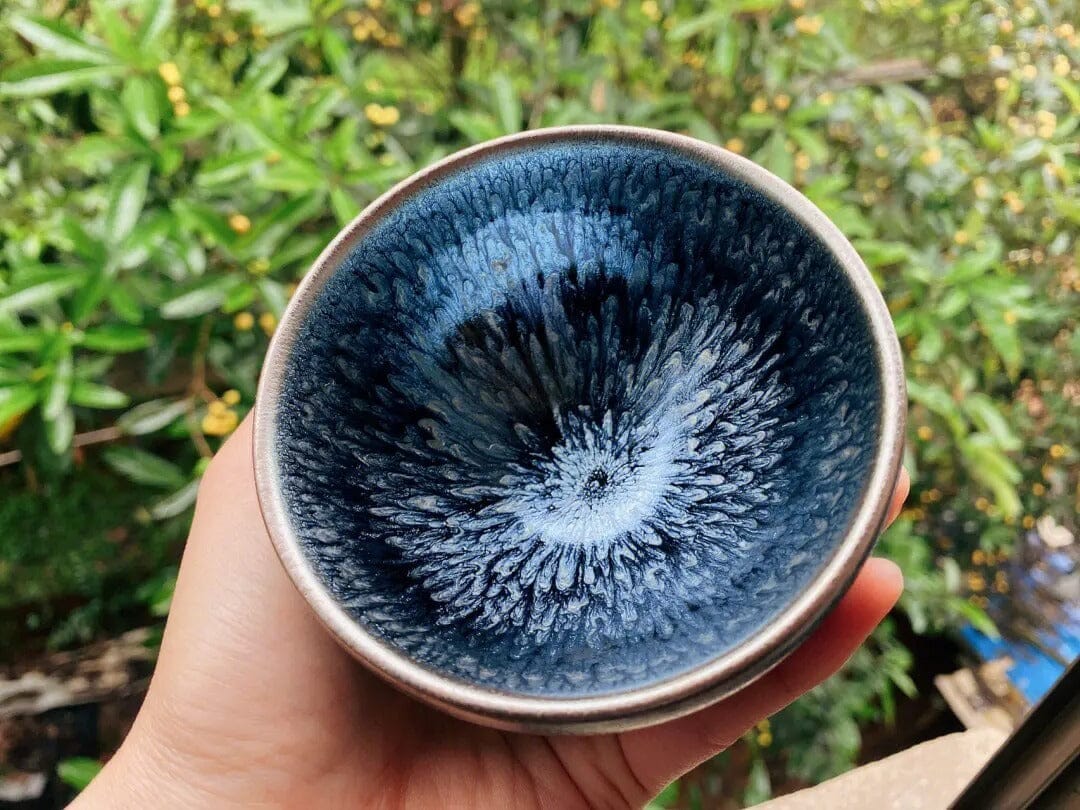
C'è un detto secondo cui la stragrande maggioranza delle teiere in pelliccia di coniglio e una piccola percentuale di teiere a goccia d'olio non possono essere coltivate per mostrare la desiderata "aura arcobaleno". Queste teiere sono difficili da coltivare e non è facile farne risaltare la brillantezza, ma ciò non significa che sia impossibile. In generale, le teiere che hanno formato uno strato protettivo vetrificato e hanno un buon effetto specchio sono più difficili da coltivare per mostrare l'"aura arcobaleno". Se vogliamo coltivare l'"aura arcobaleno" in breve tempo, possiamo scegliere colori di smalto con espressione cristallina attiva, come alcune teiere a goccia d'olio che hanno una texture cristallina e un'espressione attiva, che sono più facili da far risaltare la brillantezza. In breve, possiamo scegliere teiere con una vetrificazione moderata. Le teiere con vetrificazione debole o che sono state cotte eccessivamente non possono mostrare l'"aura arcobaleno" e potrebbero persino arrugginire nel tempo, mentre le teiere con vetrificazione eccessiva hanno un assorbimento del tè lento e sono più difficili da coltivare. Le teiere con cristalli attivi possono essere toccate con mano per vedere se la loro superficie smaltata è irregolare, mentre se si osservano le formazioni cristalline con una lente di ingrandimento, si può optare per una scelta migliore.

Pertanto, se la teiera scelta all'inizio è difficile da coltivare o non può essere coltivata per ottenere la brillantezza desiderata, anche con grande impegno, sarà comunque difficile ottenere la brillantezza desiderata. Tuttavia, con il tempo, la teiera diventerà più liscia e piena di vitalità.

Non avere fretta.

"Coltivare una teiera" richiede pazienza; altrimenti, si finirà per fare il doppio del lavoro per metà del risultato. Ad esempio, alcuni amici apprezzano il metodo della "coltivazione pigra della teiera", che consiste nel trascurare la pulizia della teiera mentre si cerca di coltivarla. Col tempo, questo approccio non farà altro che "danneggiare" la vostra preziosa teiera. Se coltivate una teiera in questo modo per molto tempo, non solo la superficie smaltata della teiera diventerà più secca e opaca, ma anche i cristalli perderanno gradualmente la loro lucentezza.

La superficie smaltata della parete interna della teiera presenta evidenti macchie di tè e il colore della teiera è opaco. Dovremmo pulire la teiera subito dopo aver bevuto il tè, preferibilmente usando un panno apposito per asciugarla e lasciarla asciugare all'aria. In secondo luogo, la teiera ha anche bisogno di tempo di riposo. Usare la teiera a intermittenza darà risultati migliori. Possiamo selezionare diverse teiere da usare alternativamente, il che permetterà alla superficie smaltata della teiera di asciugarsi completamente e faciliterà la coltivazione. Pertanto, non c'è bisogno di avere fretta quando si coltiva una teiera.

Non sprecare

Alcuni appassionati di teiere credono che non lavarla dopo aver bevuto il tè o lasciarla direttamente in ammollo nella bevanda ne faciliti la brillantezza. Tuttavia, questo è completamente sbagliato. Dopo ogni utilizzo, la teiera non deve contenere residui di tè, e mantenerla pulita è la chiave per coltivarla al meglio.

Sebbene la teiera abbia la funzione di conservare il tè e prevenirne la corrosione, lasciarvi il tè durante la notte può comunque danneggiare gravemente la teiera stessa.Inoltre, è molto antigienico farlo per lungo tempo, il che è anche dannoso per l'organismo. Pertanto, è importante usare la teiera frequentemente per bere il tè e mantenerla pulita pulendola e asciugandola regolarmente. Dopo aver bevuto l'ultima tazza di tè ogni giorno, sciacquare la teiera con acqua calda e poi lavarla accuratamente come di consueto. Quindi, lasciare asciugare la teiera all'aria in un luogo ben ventilato.
Quick answers for Tenmoku teaware shoppers

Use this guide to connect the article topic with practical buying decisions: what Jianzhan Tenmoku teaware is, who it suits, how to choose a piece, and how to care for it after purchase.

How to use this guide before buying

Read the article first for the main explanation, then compare the product photos, glaze variation, form, seller clarity, return policy, and whether the piece fits daily tea, display, collecting, or gifting.

Common buying mistakes to avoid

Avoid choosing only by dramatic claims, copied photos, unusually low prices, or vague master language. A better decision uses visible product details, clear use case, realistic care needs, and trustworthy shop policies.

Recommended next step

After reading, compare a few real products side by side by size, glaze family, rim shape, capacity, price, and gift suitability instead of relying on one photo or one keyword.

What is Jianzhan Tenmoku teaware?

Jianzhan Tenmoku teaware is ceramic tea ware known for dark mineral-glaze effects and natural kiln variation. Common forms include tea cups, bowls, teapots, tea sets, and matcha bowls.

Who is it best for?

It is best for tea drinkers, ceramic collectors, and gift shoppers who value functional objects with visible handmade character. It is not ideal if you need every piece to look exactly identical.

How do I care for it?

Hand wash with warm water, avoid abrasive cleaners, and dry fully before storage. Gentle daily use helps preserve the surface and keeps the glaze easy to inspect over time.

How do I choose the right Tenmoku piece?

Choose by the main use first: daily tea, matcha, Gongfu brewing, display, or gifting. Then compare capacity, rim shape, glaze family, photos, and whether natural variation is acceptable for your needs.

Is Jianzhan Tenmoku teaware good as a gift?

Yes. It works well for tea lovers, ceramic collectors, birthdays, holidays, and housewarming gifts because it is both usable and visually distinctive. For gifts, choose an easy-to-use form and a glaze style with clear photos.

Related products and categories

Compare the guide above with real Tenmokus categories and representative pieces. Start with the use case, then compare glaze style, form, price, and whether the piece is mainly for daily tea, display, collecting, or gifting.

Handmade Tenmoku tea cups

Best for daily tea drinking, first Jianzhan purchases, ceramic gifts, and comparing glaze patterns across cup shapes.

Tenmoku tea sets

Best when you want a coordinated tea table, a hosting setup, or a complete gift instead of one individual cup.

Real vs fake Tenmoku guide

Use this guide to compare seller claims, glaze appearance, photos, and practical buying signals before choosing a piece.

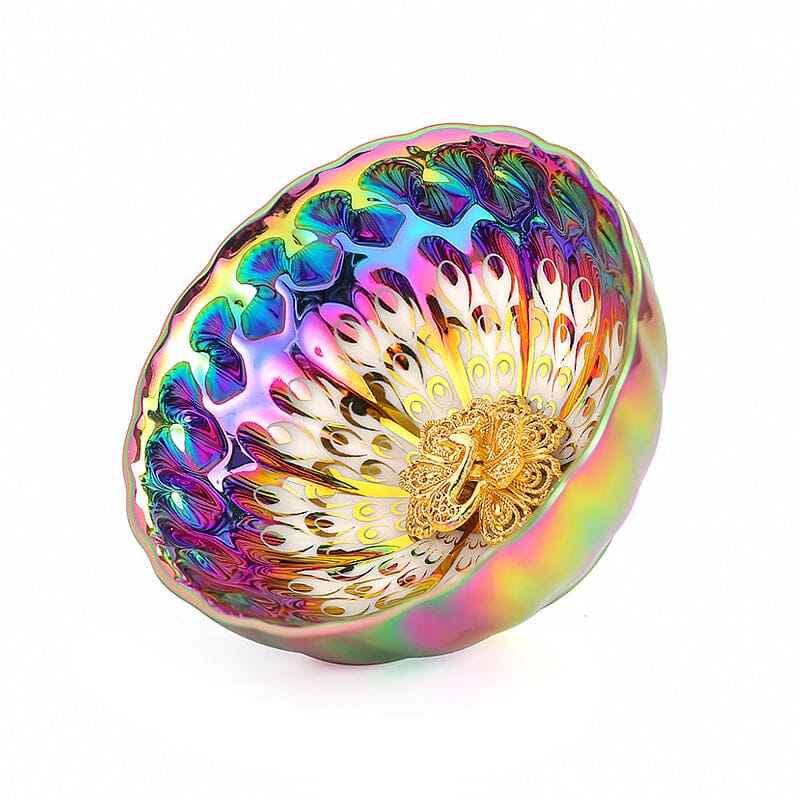
Pavone vivido

A representative Tenmoku tea cup to compare by glaze depth, cup shape, price, and gift fit.

Pavone d'oro

Compare this piece when you want a clear visual reference for a gold-toned Tenmoku glaze style.

Fata II

Use this product as another comparison point for handmade form, glaze variation, and gift suitability.

shop handmade Tenmoku tea cups compare Jianzhan teapots browse Tenmoku tea sets choose Tenmoku matcha bowls view Tenmoku tea cups read the real vs fake Tenmoku tea bowl guide browse Jianzhan buying guides learn about Tenmokus

From Tenmoku guide to teaware choice

Tenmokus is focused on handmade Jianzhan Tenmoku teaware for tea rituals, display, and gifting. If you are choosing after reading this guide, start with Tenmoku tea cups for daily tea tasting, Tenmoku teapots for loose leaf brewing, Tenmoku coffee cups for daily coffee, Tenmoku tea sets for coordinated gifts, Tenmoku matcha bowls for matcha preparation, Tenmoku beer cups for home bar drinkware, or Tenmoku sake sets for serving and display.

Ultime storie

Keep exploring Tenmoku care, gift ideas, teaware selection, and the difference between Tenmoku and Jianzhan.

Visualizza tutto

Why a Tenmoku Tea Bowl Is Worth the Price for Tea Lovers

Why a Tenmoku Tea Bowl Is Worth the Price for Tea Lovers

Why a Tenmoku Tea Bowl Is Worth the Price for Tea Lovers A tenmoku tea bowl can cost more than an everyday cup because it is a fired work of handmade ceramic art, not a factory-made drinking vessel. For someone...

Per saperne di più

The Tenmoku Tea Bowl Story: A More Meaningful Gongfu Tea Ritual

The Tenmoku Tea Bowl Story: A More Meaningful Gongfu Tea Ritual

A tenmoku tea bowl brings color, texture, and a slower rhythm to a gongfu tea session.The Tenmoku Tea Bowl Story: A More Meaningful Gongfu Tea Ritual A tenmoku tea bowl is a dark-glazed tea vessel whose character comes from clay,...

Per saperne di più

Tenmoku Tea Bowl Authenticity: How to Buy with Confidence

Tenmoku Tea Bowl Authenticity: How to Buy with Confidence

Tenmoku Tea Bowl Authenticity: How to Buy with Confidence A real tenmoku tea bowl is best recognized through its material, glaze behavior, firing marks, and clear origin story—not one flashy rainbow pattern. If you want a handmade ceramic cup for...

Per saperne di più