Vendita di Pasqua: acquista 3 Ottieni il 4 ° GRATUITO!

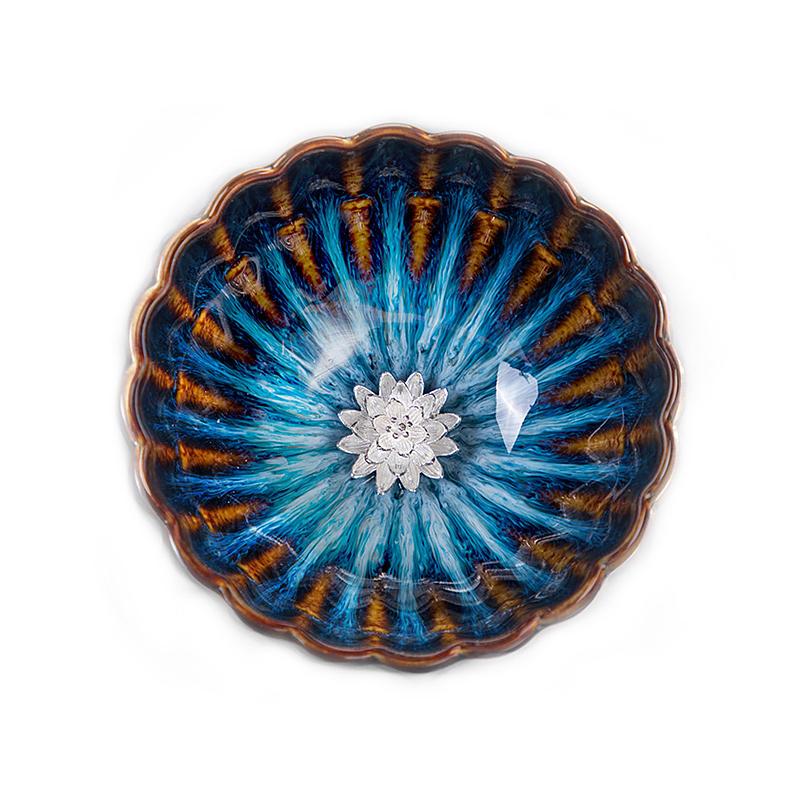
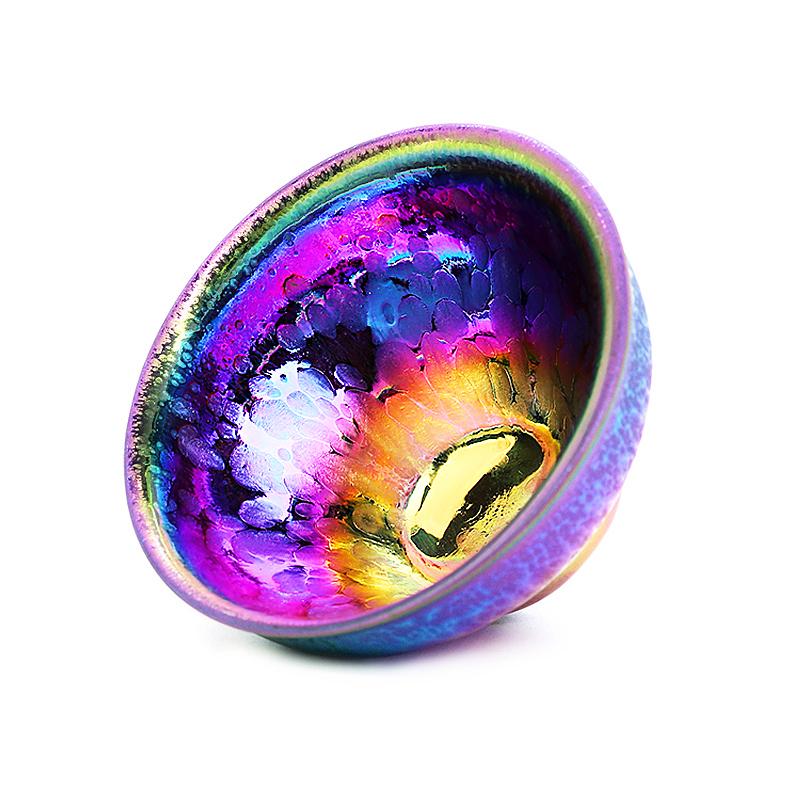
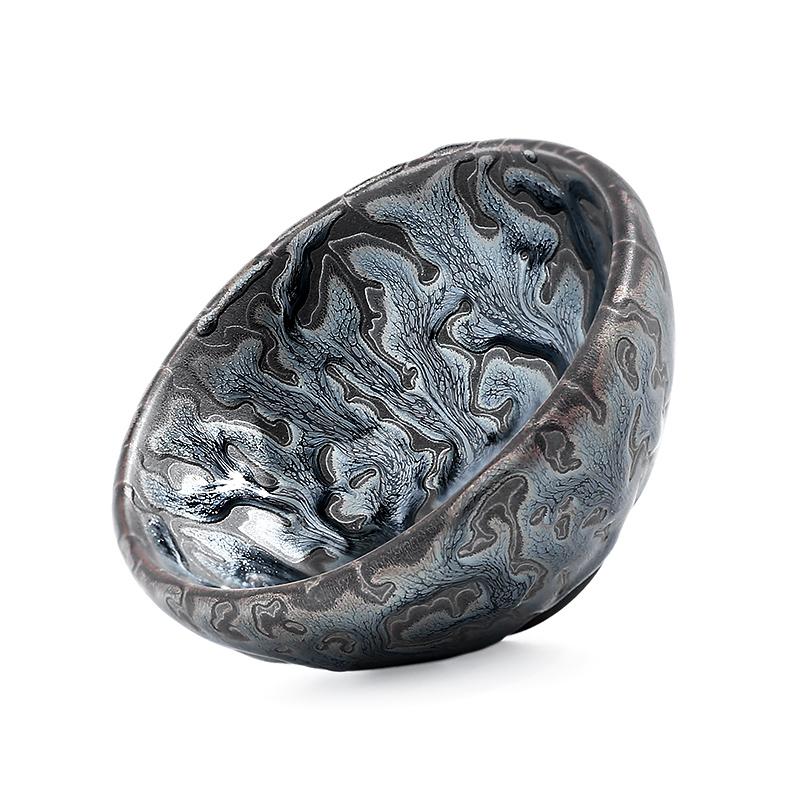
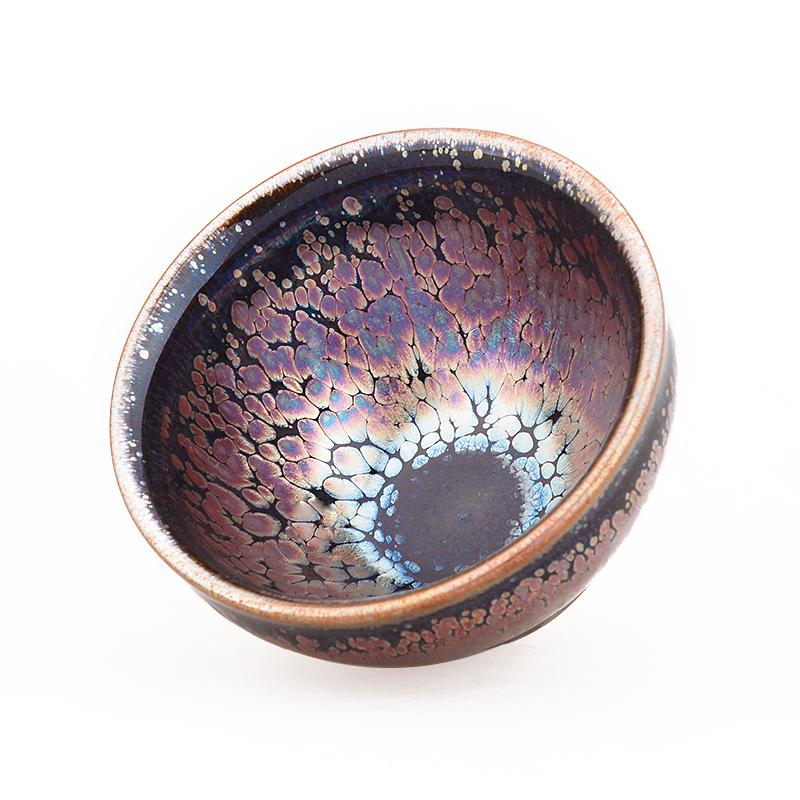
Il colore dello smalto è il primo criterio per giudicare uno "jianzhan" ed è anche il fattore estetico più importante. Poiché l'estetica personale varia, non esistono standard fissi. I colori tradizionali dello smalto dello "jianzhan" includono comunemente lo smalto "tumao", lo smalto "youdi", lo smalto "zhegu", lo smalto "wu jin" e lo smalto "yao bian". Il fascino più grande dello "jianzhan" prodotto nel forno Jian risiede nelle infinite variazioni di colore dello smalto, con un singolo colore che entra nel forno e una moltitudine di colori che ne escono. Nel seguente brano, presenterò in dettaglio i 5 colori più caratteristici dello smalto dello "jianzhan" per vedere quale vi attirerà di più.

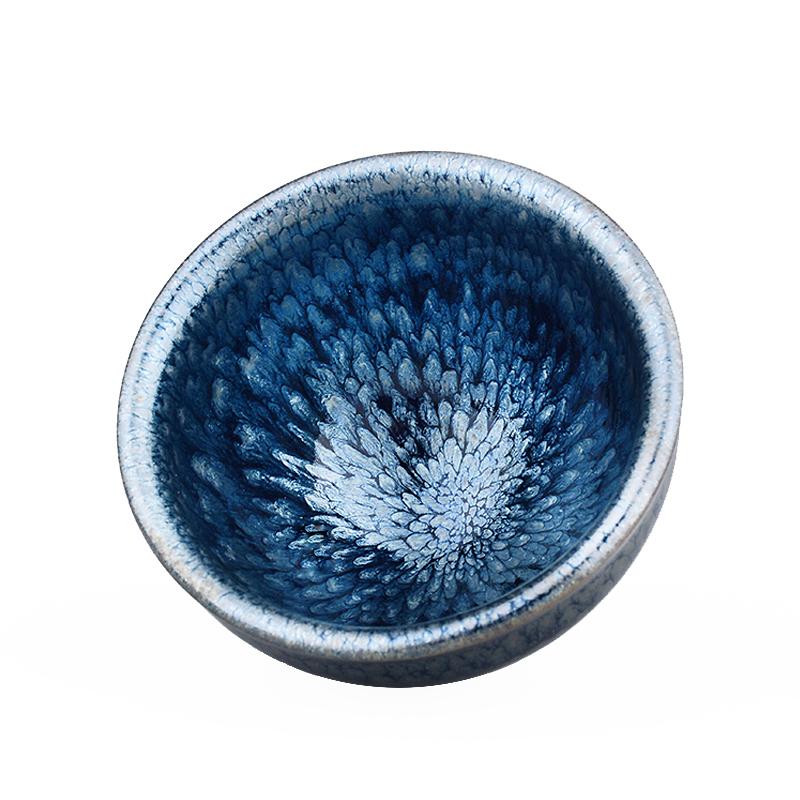
  1. "Tumao" Zhan: il più rappresentativo e prodotto in maggiore quantità.

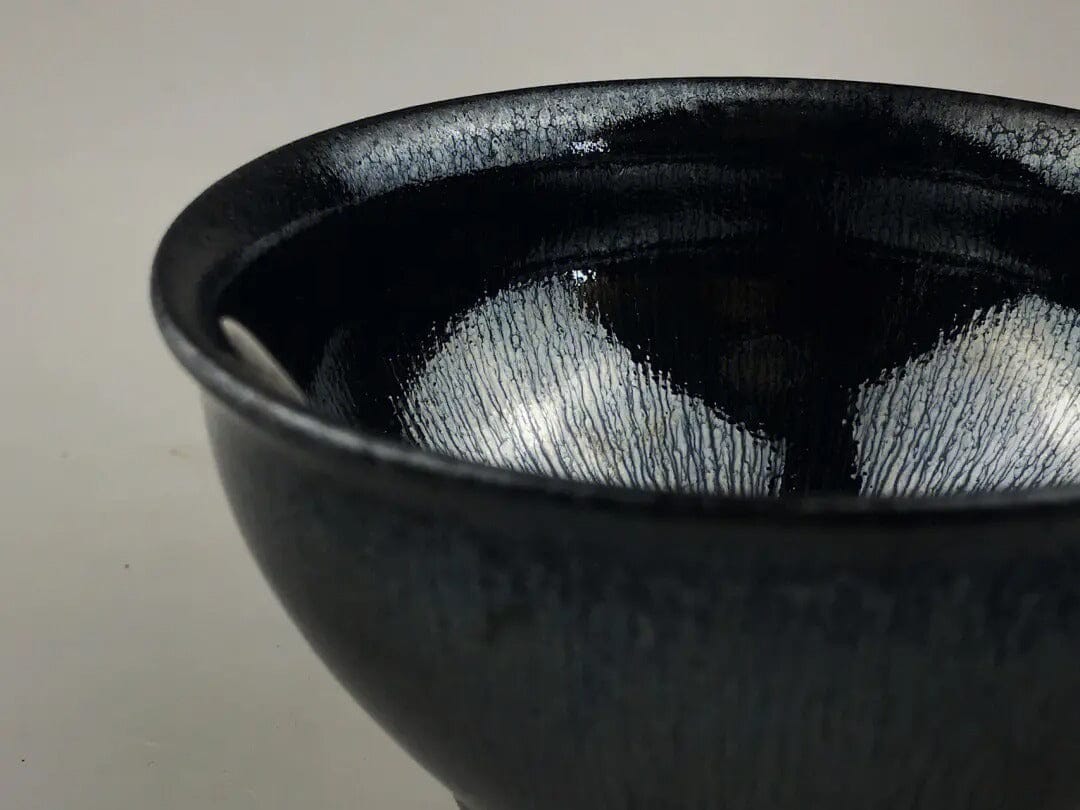
Lo Zhan "Tumao" è il prodotto più rappresentativo dello "jianzhan" ed è anche quello prodotto in maggiore quantità. Il meccanismo di formazione della seta "tumao" è strettamente correlato all'elevato contenuto di ferro nel corpo e nello smalto dello "jianzhan". Durante il processo di cottura ad alta temperatura, le bolle generate dal calore nello smalto trasportano particelle di ferro dallo smalto alla sua superficie. Quando la temperatura supera i 1300 °C, lo smalto cola e la parte ricca di ferro trabocca dalla superficie e gocciola verso il basso. Dopo un periodo di raffreddamento, il mezzo metallico cristallizza e forma sottili strisce che ricordano il "tumao".

  1. "Youdi" Zhan: il processo di formazione è più casuale.

La maggior parte degli "youdi" zhan si formano allo stesso modo degli "tumao", ma si raffreddano prima che la porzione ricca di ferro trabocchi dalla superficie e goccioli verso il basso. Nell'antichità, era difficile stabilire con precisione quando il mezzo metallico fosse appena traboccato e fosse necessario raffreddarlo immediatamente, basandosi esclusivamente sull'esperienza. Pertanto, la formazione degli "youdi" zhan è più casuale di quella degli "tumao".

  1. "Zhegu" Ban: decorato artificialmente.

Il motivo della superficie smaltata presenta macchie bianche che ricordano le piume sul petto di un uccello "zhegu". I pezzi di porcellana "tumao" zhan provenienti dall'antica fornace di Yongji, nella città di Jianyang, sono ricoperti da questo motivo, mentre i pezzi di porcellana "zhegu" ban zhan sono quasi introvabili. Perché gli "zhegu" ban zhan provenienti dalla fornace di Jian, tramandati fino a oggi, sono così rari, come cercare un ago in un pagliaio?

Questo perché la tecnologia di lavorazione dello "zhegu" ban zhan prodotto nel forno Jian è relativamente complessa. Innanzitutto, si applica una smaltatura a uno zhan smaltato di nero, e poi si sgocciola della biacca a macchie prima della cottura nel forno. Il risultato è che l'efficienza di questo metodo è molto bassa. La biacca o si scioglie e si stacca ad alte temperature, oppure non aderisce a causa di una cottura insufficiente. Di conseguenza, sono pochissimi gli "zhegu" ban zhan intatti tramandati di generazione in generazione.

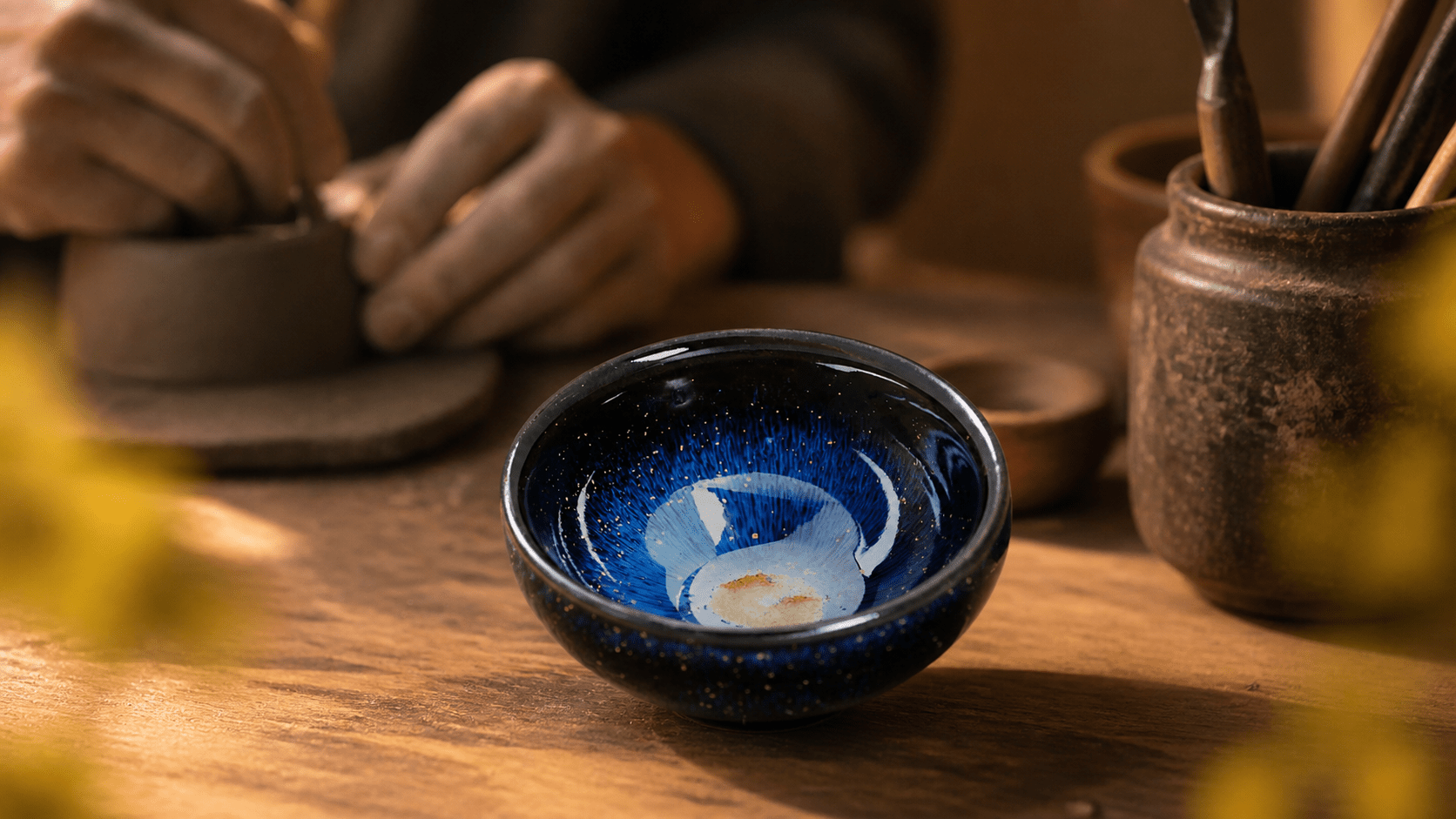
  1. "Wu Jin" Zhan: Era estremamente difficile produrre una glassa nera pura mille anni fa.

Gli "jianzhan" monocromatici del forno Jian variano dal chiaro allo scuro, culminando nel nero puro. Presentano una gamma molto ricca di tonalità intermedie, e la più preziosa di tutte è lo "jianzhan" nero puro. La cottura dello smalto nero puro richiede temperature elevate e un'atmosfera completamente priva di ossigeno all'interno del forno.

Durante la dinastia Song del Nord, più di mille anni fa, era molto difficile produrre una smaltatura nera pura perché i forni utilizzati nella regione meridionale per la cottura della porcellana erano "forni a drago", con scarsa tenuta stagna, che facilitavano il passaggio dell'aria.

La maggior parte delle antiche ceramiche smaltate di nero che vediamo oggi sono di un colore marrone scuro o simile alla salsa di soia, mentre alcune hanno un colore giallastro che ricorda quello di un cachi marcio.Questo perché è difficile ottenere un'atmosfera completamente priva di ossigeno all'interno del forno.

  1. Yao Bian: una trasformazione in forno unica con caratteristiche speciali.

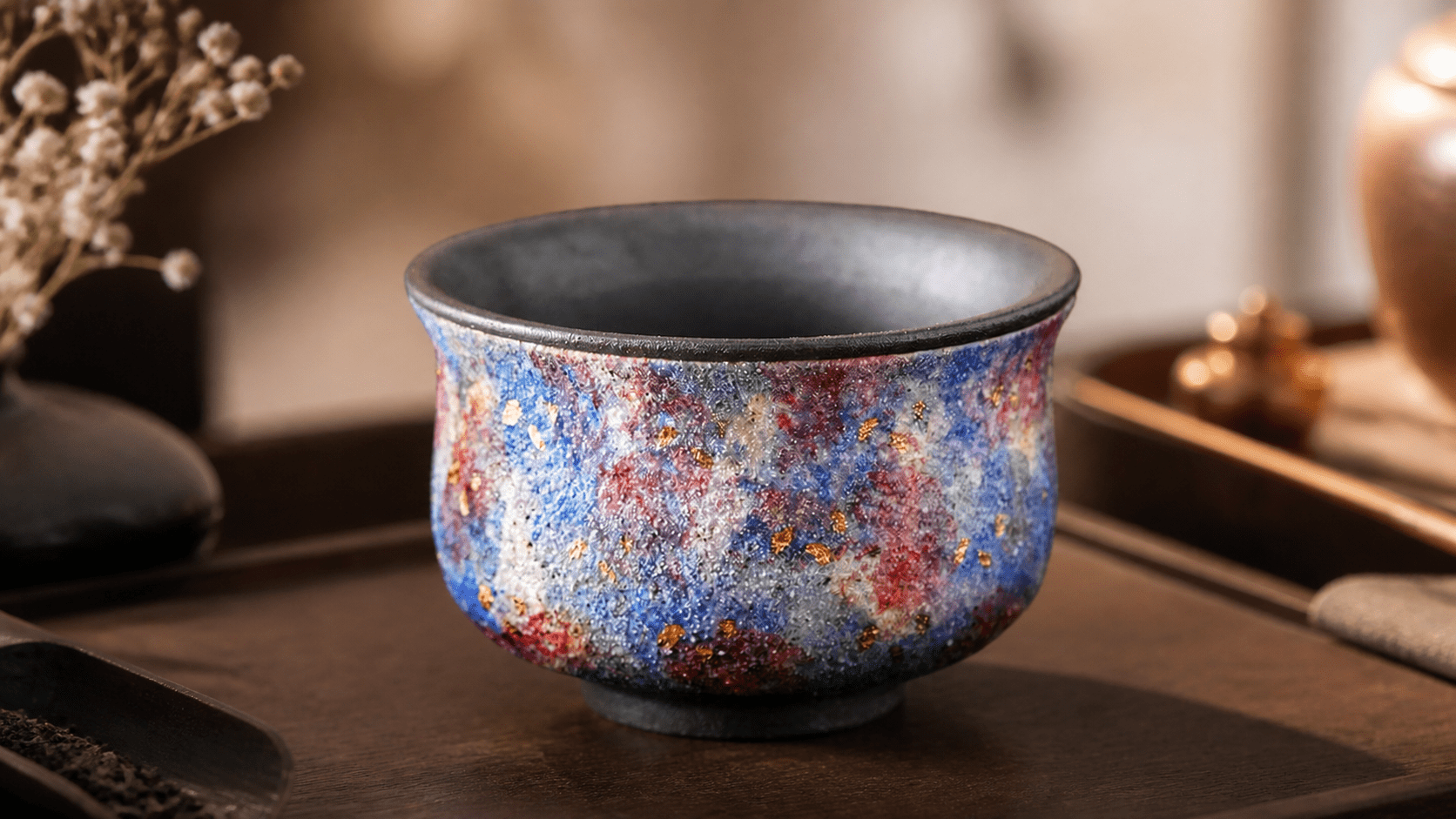
"Yao Bian" è il nome dato dai giapponesi a una speciale trasformazione in forno delle ceramiche Jian. Tre ceramiche Jian "Yao Bian" sono conservate nel Ryukoin del tempio Daikakuji a Kyoto, nello Shokado Bunko a Kyoto e nel Museo Fujita di Osaka. Queste ceramiche Jian presentano macchie circolari irregolari e riflettono diversi colori di luce a seconda delle diverse condizioni di illuminazione. I giapponesi hanno designato queste tre ceramiche Jian come "Tesori Nazionali". Questo tipo di ceramica Jian appartiene alla categoria della "trasformazione".

Finora è stato molto difficile replicarne completamente la fattura.
Quick answers for Tenmoku teaware shoppers

Use this guide to connect the article topic with practical buying decisions: what Jianzhan Tenmoku teaware is, who it suits, how to choose a piece, and how to care for it after purchase.

How to use this guide before buying

Read the article first for the main explanation, then compare the product photos, glaze variation, form, seller clarity, return policy, and whether the piece fits daily tea, display, collecting, or gifting.

Common buying mistakes to avoid

Avoid choosing only by dramatic claims, copied photos, unusually low prices, or vague master language. A better decision uses visible product details, clear use case, realistic care needs, and trustworthy shop policies.

Recommended next step

After reading, compare a few real products side by side by size, glaze family, rim shape, capacity, price, and gift suitability instead of relying on one photo or one keyword.

What is Jianzhan Tenmoku teaware?

Jianzhan Tenmoku teaware is ceramic tea ware known for dark mineral-glaze effects and natural kiln variation. Common forms include tea cups, bowls, teapots, tea sets, and matcha bowls.

Who is it best for?

It is best for tea drinkers, ceramic collectors, and gift shoppers who value functional objects with visible handmade character. It is not ideal if you need every piece to look exactly identical.

How do I care for it?

Hand wash with warm water, avoid abrasive cleaners, and dry fully before storage. Gentle daily use helps preserve the surface and keeps the glaze easy to inspect over time.

How do I choose the right Tenmoku piece?

Choose by the main use first: daily tea, matcha, Gongfu brewing, display, or gifting. Then compare capacity, rim shape, glaze family, photos, and whether natural variation is acceptable for your needs.

Is Jianzhan Tenmoku teaware good as a gift?

Yes. It works well for tea lovers, ceramic collectors, birthdays, holidays, and housewarming gifts because it is both usable and visually distinctive. For gifts, choose an easy-to-use form and a glaze style with clear photos.

Related products and categories

Compare the guide above with real Tenmokus categories and representative pieces. Start with the use case, then compare glaze style, form, price, and whether the piece is mainly for daily tea, display, collecting, or gifting.

Handmade Tenmoku tea cups

Best for daily tea drinking, first Jianzhan purchases, ceramic gifts, and comparing glaze patterns across cup shapes.

Tenmoku tea sets

Best when you want a coordinated tea table, a hosting setup, or a complete gift instead of one individual cup.

Real vs fake Tenmoku guide

Use this guide to compare seller claims, glaze appearance, photos, and practical buying signals before choosing a piece.

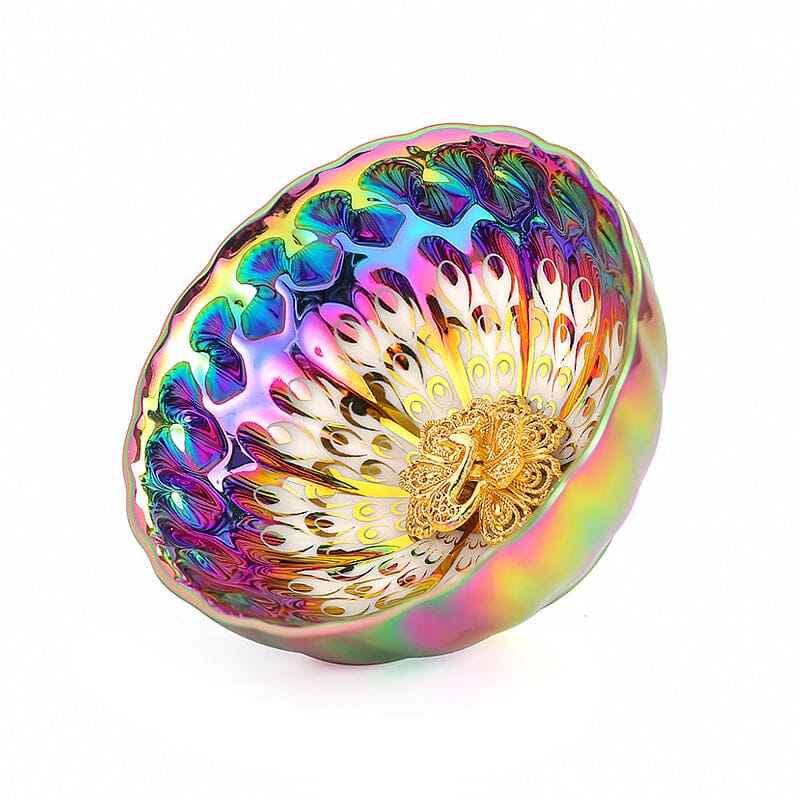
Pavone vivido

A representative Tenmoku tea cup to compare by glaze depth, cup shape, price, and gift fit.

Pavone d'oro

Compare this piece when you want a clear visual reference for a gold-toned Tenmoku glaze style.

Fata II

Use this product as another comparison point for handmade form, glaze variation, and gift suitability.

shop handmade Tenmoku tea cups compare Jianzhan teapots browse Tenmoku tea sets choose Tenmoku matcha bowls view Tenmoku tea cups read the real vs fake Tenmoku tea bowl guide browse Jianzhan buying guides learn about Tenmokus

From Tenmoku guide to teaware choice

Tenmokus is focused on handmade Jianzhan Tenmoku teaware for tea rituals, display, and gifting. If you are choosing after reading this guide, start with Tenmoku tea cups for daily tea tasting, Tenmoku teapots for loose leaf brewing, Tenmoku coffee cups for daily coffee, Tenmoku tea sets for coordinated gifts, Tenmoku matcha bowls for matcha preparation, Tenmoku beer cups for home bar drinkware, or Tenmoku sake sets for serving and display.

Ultime storie

Keep exploring Tenmoku care, gift ideas, teaware selection, and the difference between Tenmoku and Jianzhan.

Visualizza tutto

Why a Tenmoku Tea Bowl Is Worth the Price for Tea Lovers

Why a Tenmoku Tea Bowl Is Worth the Price for Tea Lovers

Why a Tenmoku Tea Bowl Is Worth the Price for Tea Lovers A tenmoku tea bowl can cost more than an everyday cup because it is a fired work of handmade ceramic art, not a factory-made drinking vessel. For someone...

Per saperne di più

The Tenmoku Tea Bowl Story: A More Meaningful Gongfu Tea Ritual

The Tenmoku Tea Bowl Story: A More Meaningful Gongfu Tea Ritual

A tenmoku tea bowl brings color, texture, and a slower rhythm to a gongfu tea session.The Tenmoku Tea Bowl Story: A More Meaningful Gongfu Tea Ritual A tenmoku tea bowl is a dark-glazed tea vessel whose character comes from clay,...

Per saperne di più

Tenmoku Tea Bowl Authenticity: How to Buy with Confidence

Tenmoku Tea Bowl Authenticity: How to Buy with Confidence

Tenmoku Tea Bowl Authenticity: How to Buy with Confidence A real tenmoku tea bowl is best recognized through its material, glaze behavior, firing marks, and clear origin story—not one flashy rainbow pattern. If you want a handmade ceramic cup for...

Per saperne di più