Vendita di Pasqua: acquista 3 Ottieni il 4 ° GRATUITO!

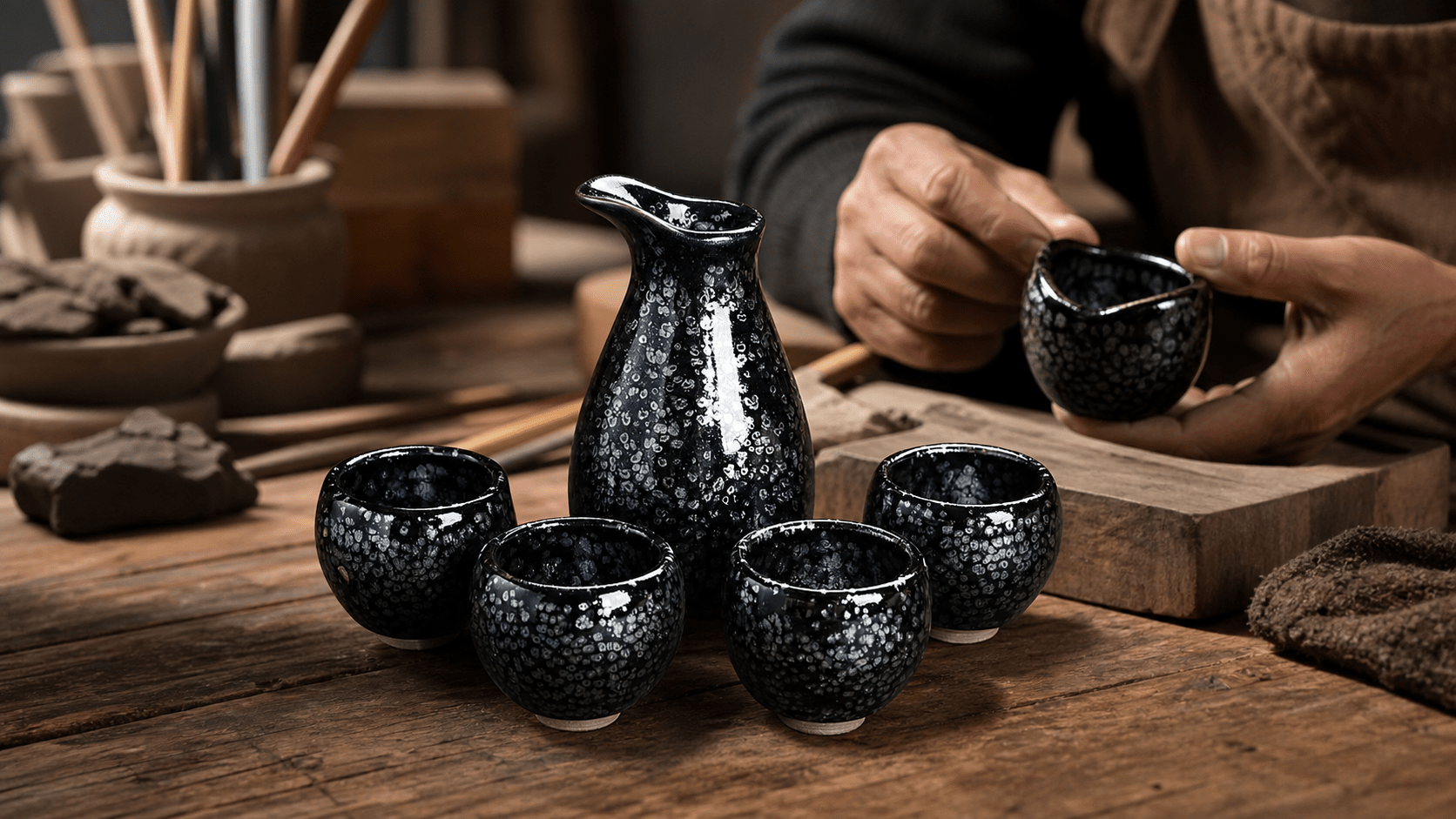
La Cina vanta una tradizione millenaria nella produzione di porcellana. L'eredità e lo sviluppo di ogni dinastia hanno anche accresciuto i requisiti di qualità della ceramica. La cottura a legna è un antico metodo di cottura, originario della dinastia Song e utilizzato ancora oggi. Utilizza vari tipi di legna da ardere e resina di pino come combustibile. Durante la cottura della porcellana Jianzhan, viene utilizzato un recipiente a forma di scatola per coprirla, separando la cenere di legna dal fuoco per evitare il contatto diretto e garantire che la superficie smaltata della porcellana Jianzhan rimanga intatta e uniforme.

Il forno Longquan sfrutta la ventilazione naturale e le fiamme al suo interno scorrono per lo più parallele al fondo del forno. Inoltre, essendo costruito su un pendio, l'effetto camino è forte, consentendo un rapido riscaldamento e raffreddamento. Il forno può essere acceso rapidamente o mantenuto a fiamma ridotta per la cottura del celadon secondo i metodi tradizionali. Seguendo l'antico metodo, il forno Longquan viene cotto a legna per tre giorni e tre notti ad alte temperature, trasformandosi infine in magnifici e raffinati capolavori, di cui solo pochi raggiungono la fase finale. Un pezzo d'argilla è come la fenice che rinasce dalle sue ceneri, attraversando innumerevoli prove e tribolazioni prima di diventare una grande opera d'arte.

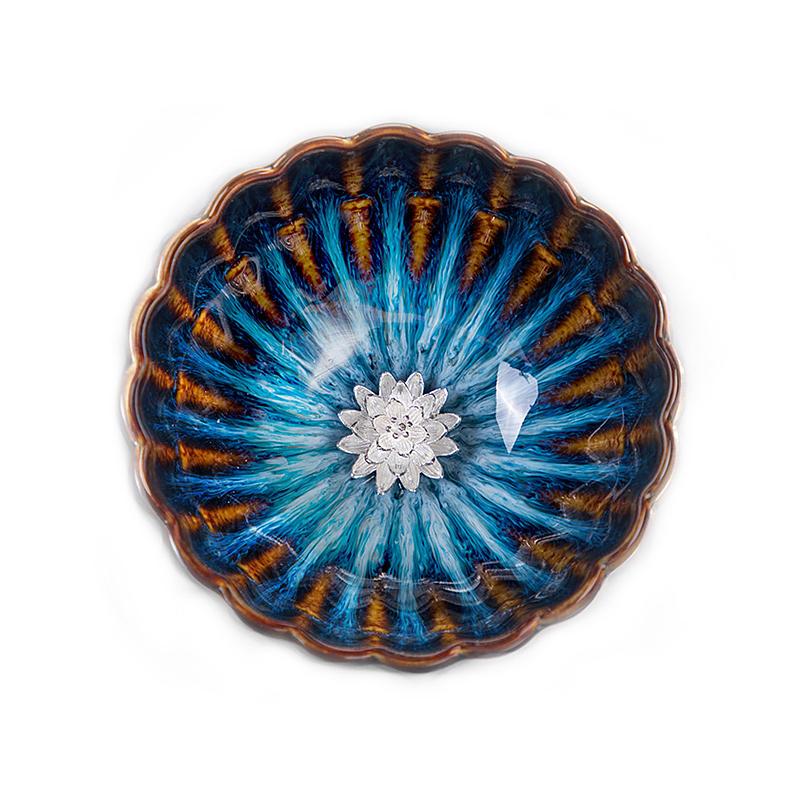
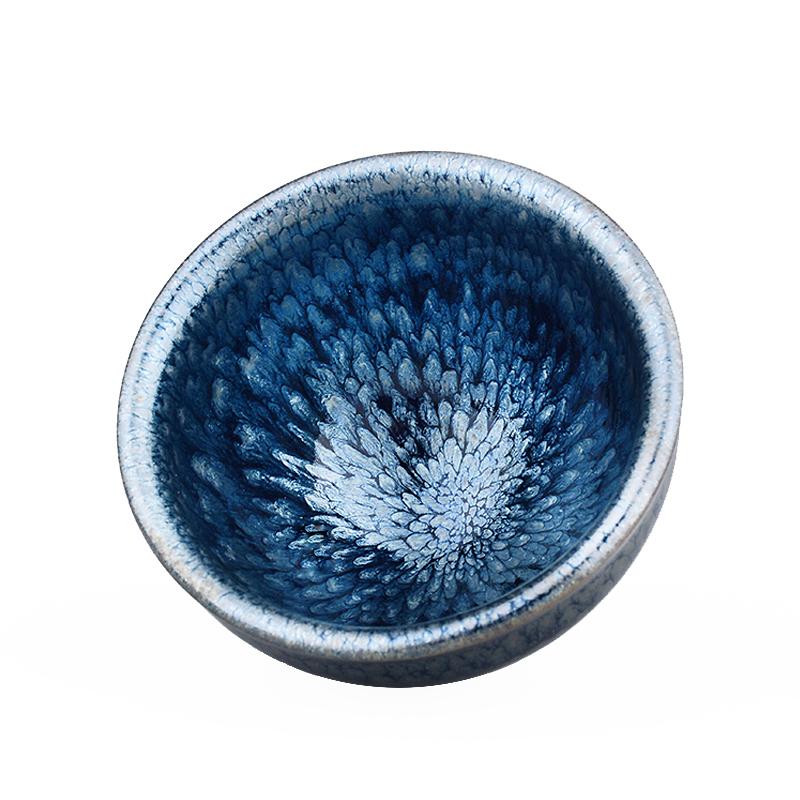
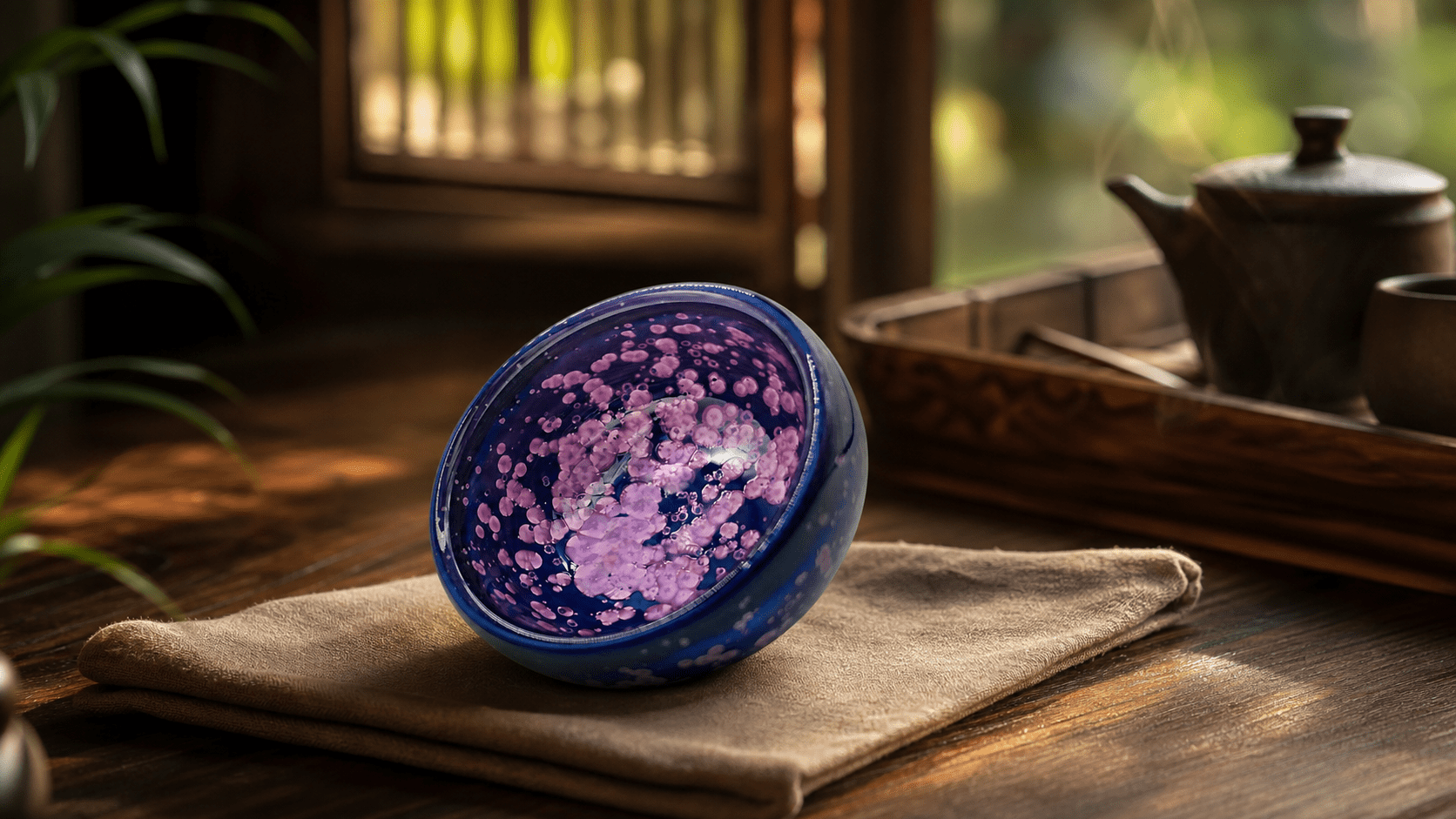
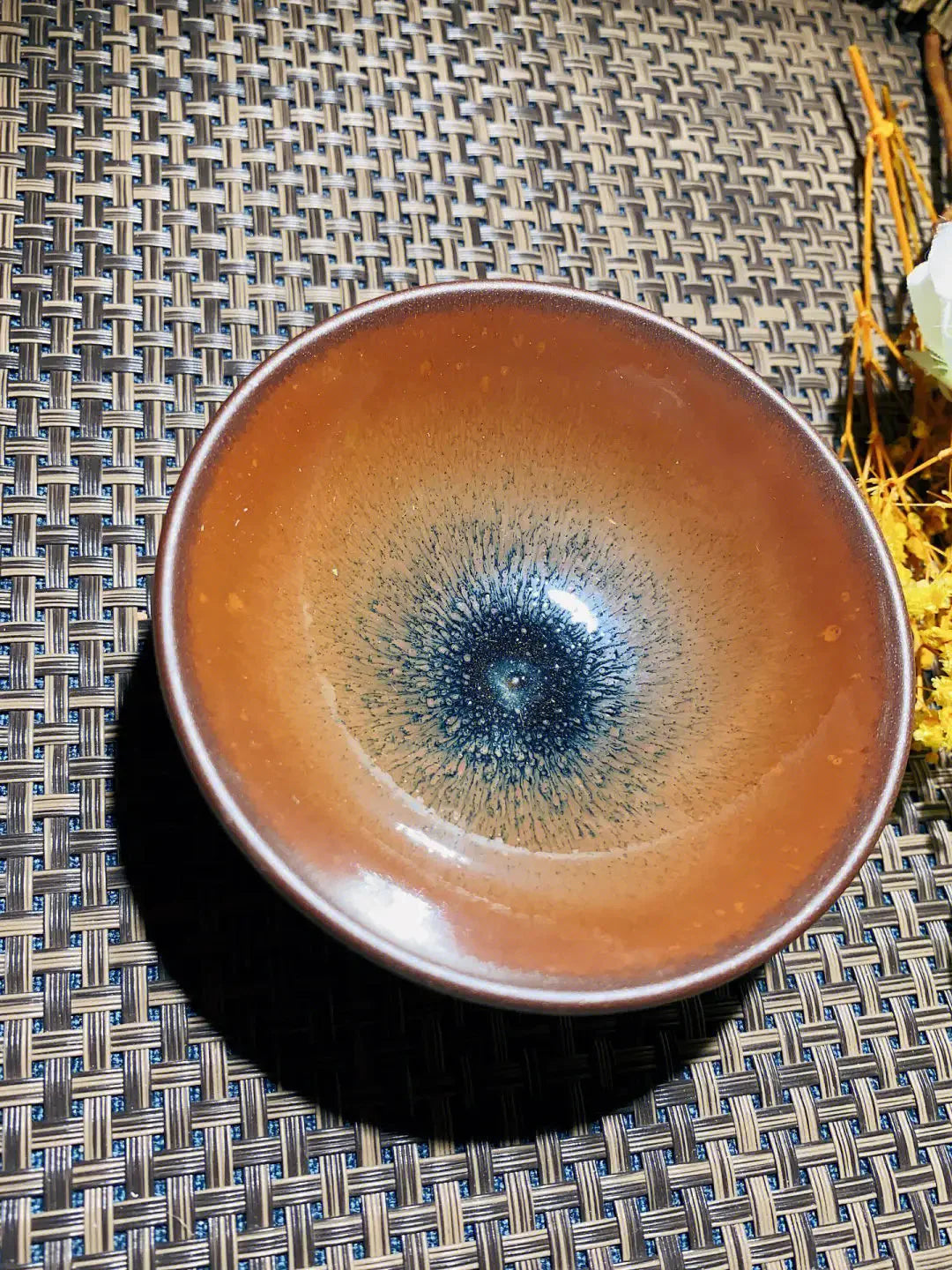
Per questo motivo, si dice che la fornace di Longquan sia la culla della porcellana. Opere di grande influenza, come il celadon e la ceramica smaltata nera, venivano per lo più cotte nella fornace di Longquan. La superficie liscia e smaltata della Jianzhan cotta a legna deriva interamente dal processo di cottura della fornace, dalla fusione dell'argilla e dalle ceneri di erba e legno. Ogni pezzo diventa una delicata opera d'arte in porcellana, e le tracce di fuoco lasciate durante la cottura sono le caratteristiche misteriose e squisite che sono difficili da replicare con le tecniche artificiali nella Jianzhan cotta a legna.

Esistono molti tipi di forni utilizzati per la cottura del Jianzhan, ma il forno Dragon presenta le seguenti caratteristiche principali nel suo processo di cottura.

  1. Sebbene i decori smaltati delle Jianzhan cotte in forni a legna possano non essere così vistosi come quelli delle moderne superfici smaltate a goccia e cotte in forni elettrici, la bellezza sottile e ricca nella monotonia delle Jianzhan cotte in forni a legna ne esalta il fascino antico. Quando vengono utilizzate per la degustazione del tè, le Jianzhan cotte in forni a legna hanno la capacità unica di addolcire la qualità dell'acqua e di esaltarne il sapore ineguagliabile. Questi effetti possono essere esaltati solo dalle Jianzhan cotte in forni a legna.
  2. Durante il processo di cottura del tè Jianzhan cotto in forno a legna, la temperatura oscilla a causa della continua aggiunta di legna, creando bolle di dimensioni variabili e un certo senso di gerarchia. Nel consumo quotidiano del tè, il tè Jianzhan cotto in forno a legna presenta una superficie smaltata più spessa e rustica rispetto alle tazze da tè cotte con altri forni.
  3. Il corpo del Jianzhan è liscio e naturalmente delicato, con una consistenza ricca e oleosa.Questo perché lo Jianzhan viene cotto con legno di pino ricco di olio per tre giorni e tre notti, il che ne conferisce una consistenza non secca e non rigida. Lo Jianzhan è interamente realizzato a mano, dalla modellatura del corpo alla sua riparazione, e la sua forma classica è stata selezionata confrontandola con lo Jianzhan della dinastia Song. Il corpo dello Jianzhan è fatto di minerale di ferro puro e cotto con legna da ardere, la stessa usata per lo Jianzhan della dinastia Song. Il corpo interno diventa nero e la superficie smaltata presenta motivi sottosmalto prodotti dalla riduzione ad alta temperatura del minerale originale.
Quick answers for Tenmoku teaware shoppers

Use this guide to connect the article topic with practical buying decisions: what Jianzhan Tenmoku teaware is, who it suits, how to choose a piece, and how to care for it after purchase.

How to use this guide before buying

Read the article first for the main explanation, then compare the product photos, glaze variation, form, seller clarity, return policy, and whether the piece fits daily tea, display, collecting, or gifting.

Common buying mistakes to avoid

Avoid choosing only by dramatic claims, copied photos, unusually low prices, or vague master language. A better decision uses visible product details, clear use case, realistic care needs, and trustworthy shop policies.

Recommended next step

After reading, compare a few real products side by side by size, glaze family, rim shape, capacity, price, and gift suitability instead of relying on one photo or one keyword.

What is Jianzhan Tenmoku teaware?

Jianzhan Tenmoku teaware is ceramic tea ware known for dark mineral-glaze effects and natural kiln variation. Common forms include tea cups, bowls, teapots, tea sets, and matcha bowls.

Who is it best for?

It is best for tea drinkers, ceramic collectors, and gift shoppers who value functional objects with visible handmade character. It is not ideal if you need every piece to look exactly identical.

How do I care for it?

Hand wash with warm water, avoid abrasive cleaners, and dry fully before storage. Gentle daily use helps preserve the surface and keeps the glaze easy to inspect over time.

How do I choose the right Tenmoku piece?

Choose by the main use first: daily tea, matcha, Gongfu brewing, display, or gifting. Then compare capacity, rim shape, glaze family, photos, and whether natural variation is acceptable for your needs.

Is Jianzhan Tenmoku teaware good as a gift?

Yes. It works well for tea lovers, ceramic collectors, birthdays, holidays, and housewarming gifts because it is both usable and visually distinctive. For gifts, choose an easy-to-use form and a glaze style with clear photos.

Related products and categories

Compare the guide above with real Tenmokus categories and representative pieces. Start with the use case, then compare glaze style, form, price, and whether the piece is mainly for daily tea, display, collecting, or gifting.

Handmade Tenmoku tea cups

Best for daily tea drinking, first Jianzhan purchases, ceramic gifts, and comparing glaze patterns across cup shapes.

Tenmoku tea sets

Best when you want a coordinated tea table, a hosting setup, or a complete gift instead of one individual cup.

Real vs fake Tenmoku guide

Use this guide to compare seller claims, glaze appearance, photos, and practical buying signals before choosing a piece.

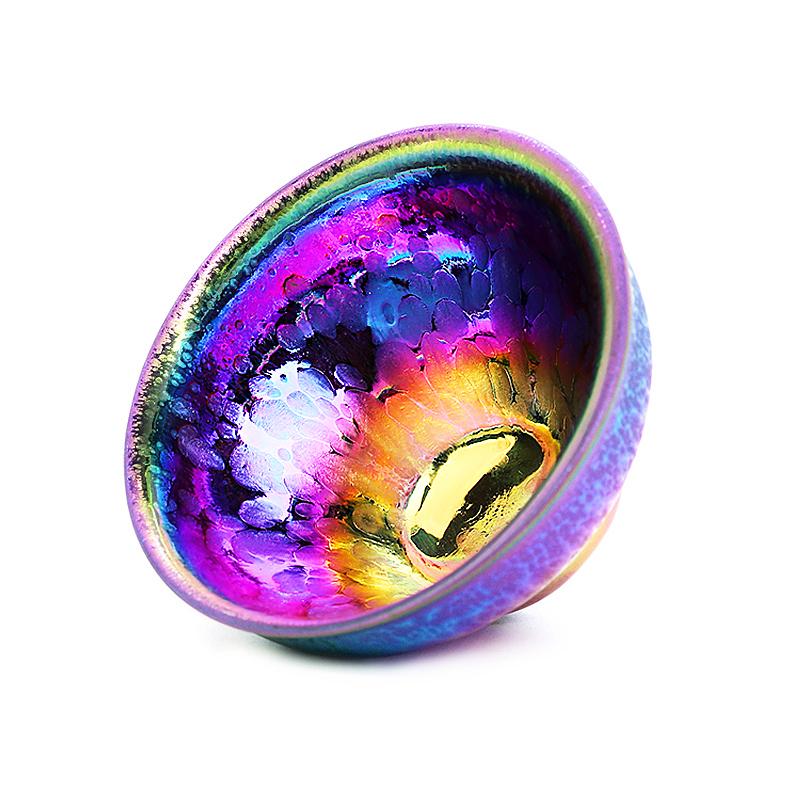
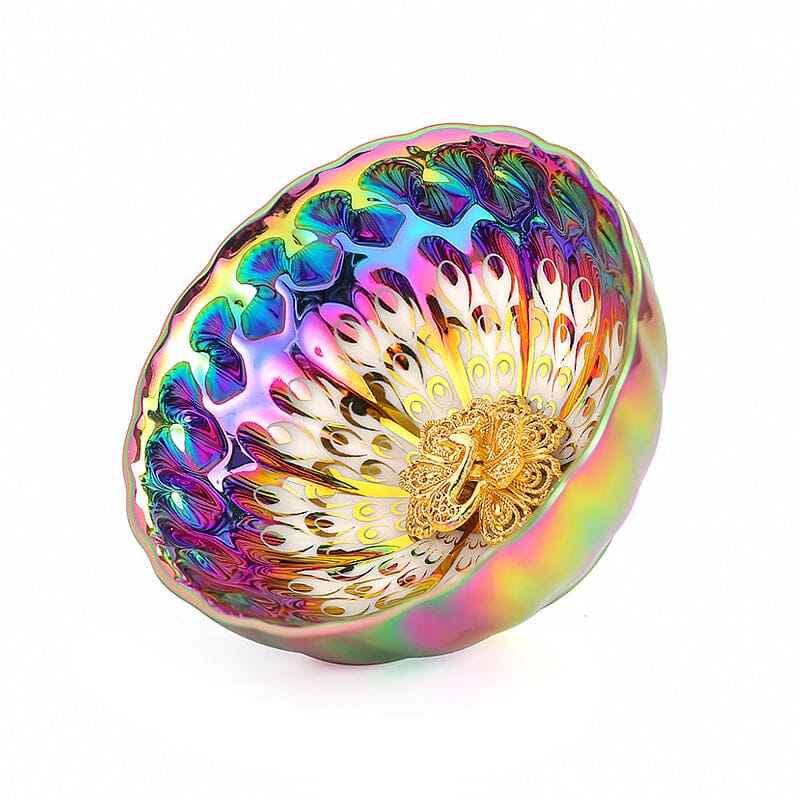
Pavone vivido

A representative Tenmoku tea cup to compare by glaze depth, cup shape, price, and gift fit.

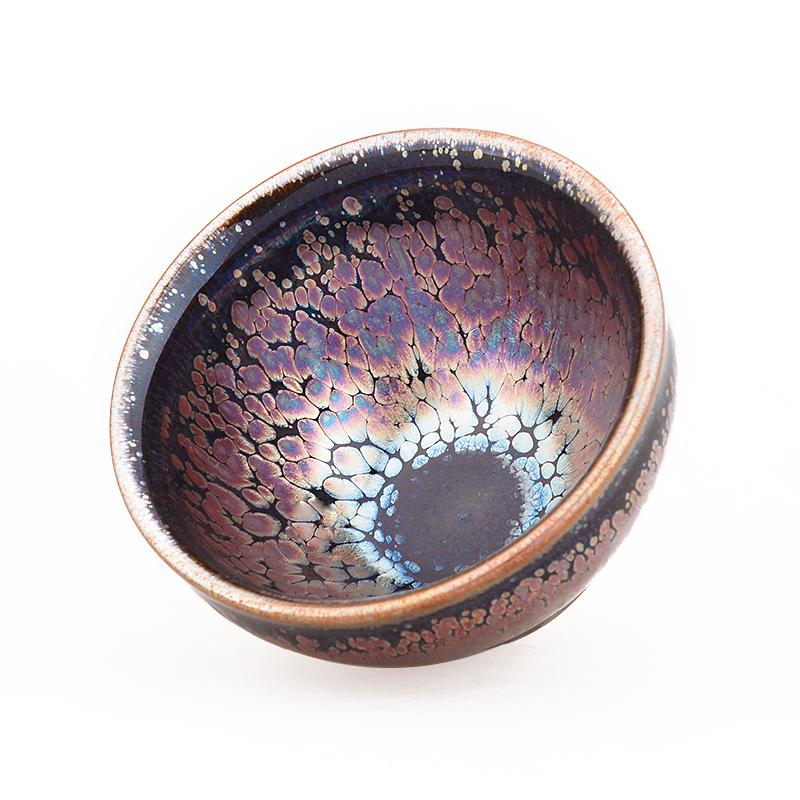
Pavone d'oro

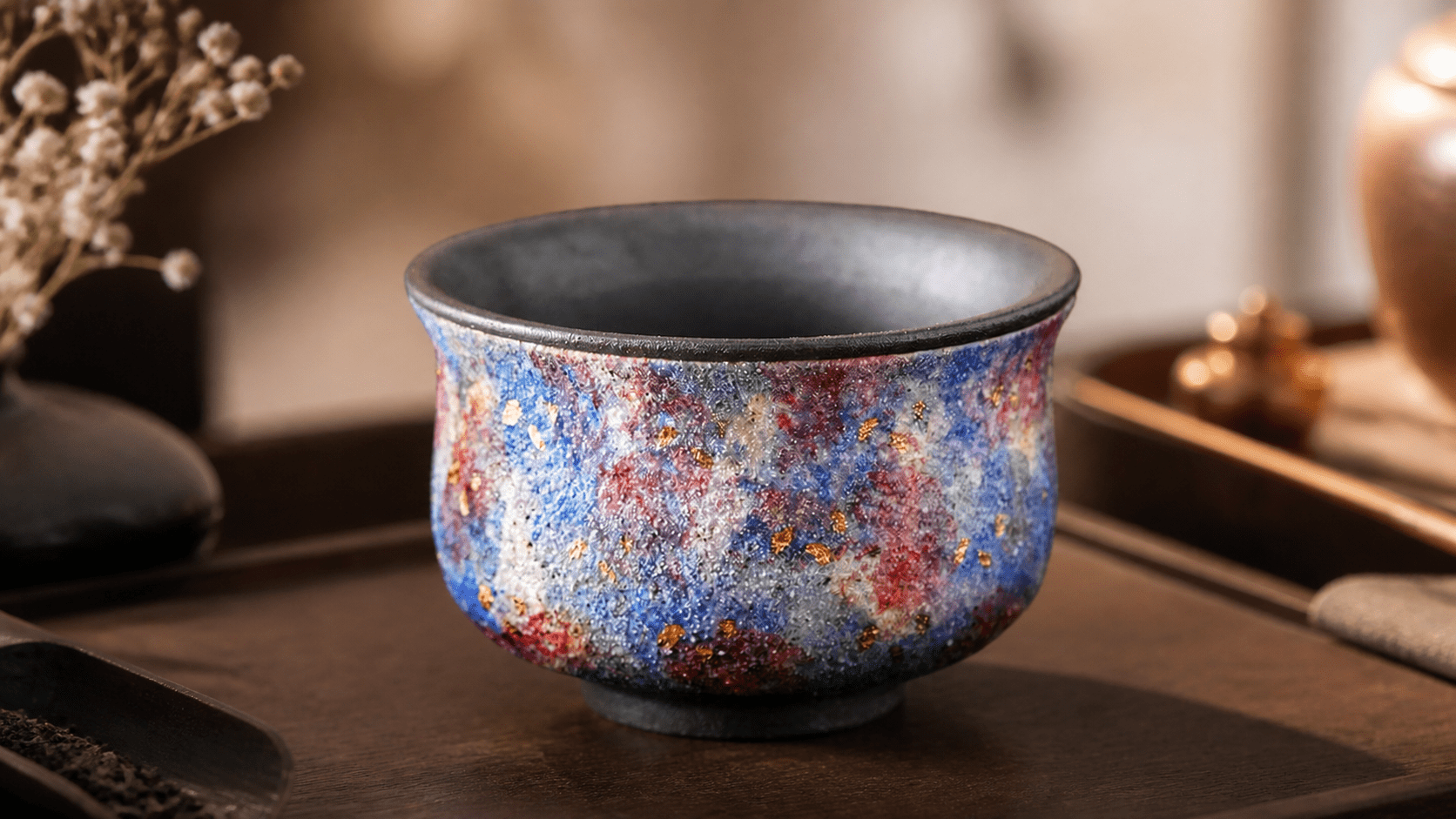
Compare this piece when you want a clear visual reference for a gold-toned Tenmoku glaze style.

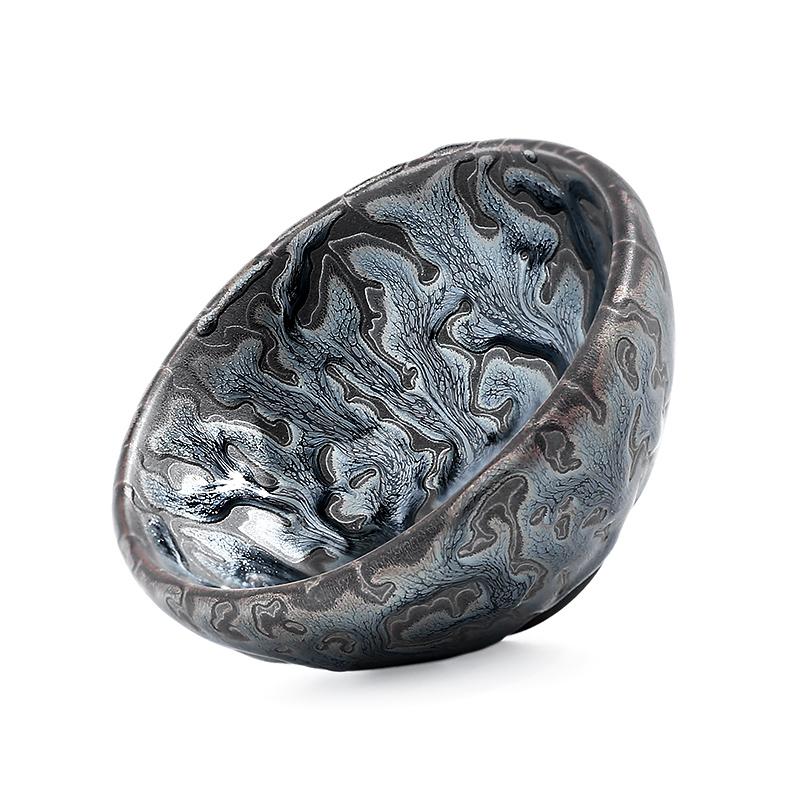
Fata II

Use this product as another comparison point for handmade form, glaze variation, and gift suitability.

shop handmade Tenmoku tea cups compare Jianzhan teapots browse Tenmoku tea sets choose Tenmoku matcha bowls view Tenmoku tea cups read the real vs fake Tenmoku tea bowl guide browse Jianzhan buying guides learn about Tenmokus

From Tenmoku guide to teaware choice

Tenmokus is focused on handmade Jianzhan Tenmoku teaware for tea rituals, display, and gifting. If you are choosing after reading this guide, start with Tenmoku tea cups for daily tea tasting, Tenmoku teapots for loose leaf brewing, Tenmoku tea sets for coordinated gifts, or Tenmoku matcha bowls for matcha preparation.

Ultime storie

Keep exploring Tenmoku care, gift ideas, teaware selection, and the difference between Tenmoku and Jianzhan.

Visualizza tutto

How to Spot a Real Handmade Tenmoku Tea Bowl: An Expert’s Authenticity Guide for Tea Lovers

How to Spot a Real Handmade Tenmoku Tea Bowl: An Expert’s Authenticity Guide for Tea Lovers

If you’ve ever held a real tenmoku tea bowl in your hands during a gongfu tea session, you know there’s nothing quite like it—the way the iron-rich glaze catches the light, the warmth it holds, the silent story of a...

Per saperne di più

Jian Zhan vs Japanese Tenmoku Tea Bowl: Which Offers the Best Value for Gongfu Tea?

Jian Zhan vs Japanese Tenmoku Tea Bowl: Which Offers the Best Value for Gongfu Tea?

Jian Zhan vs Japanese Tenmoku Tea Bowl: Which Offers the Best Value for Gongfu Tea? If you’re diving into gongfu tea ceremony and seeking the perfect tenmoku tea bowl, you’ve likely encountered two alluring paths: the ancient Chinese Jian Zhan...

Per saperne di più

Tenmoku Tea Bowl: A Handmade Cup With History, Beauty, and Meaning

Tenmoku Tea Bowl: A Handmade Cup With History, Beauty, and Meaning

Tenmoku Tea Bowl: A Handmade Cup With History, Beauty, and Meaning A tenmoku tea bowl is a dark-glazed tea cup, often called Jianzhan, known for dramatic patterns created by fire, minerals, and chance. For gongfu tea, it gives a quiet,...

Per saperne di più