Vendita di Pasqua: acquista 3 Ottieni il 4 ° GRATUITO!

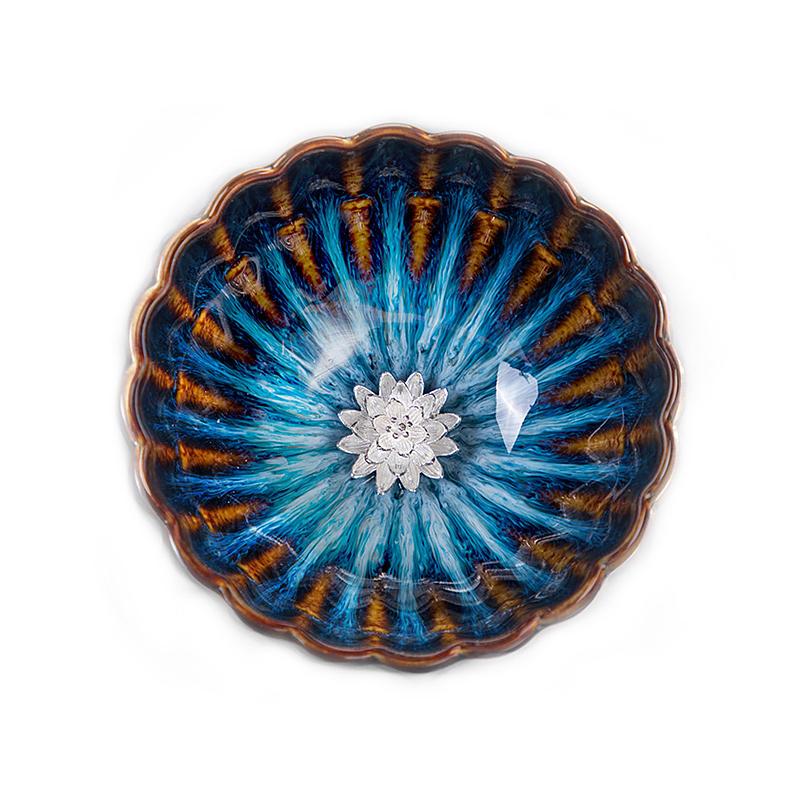
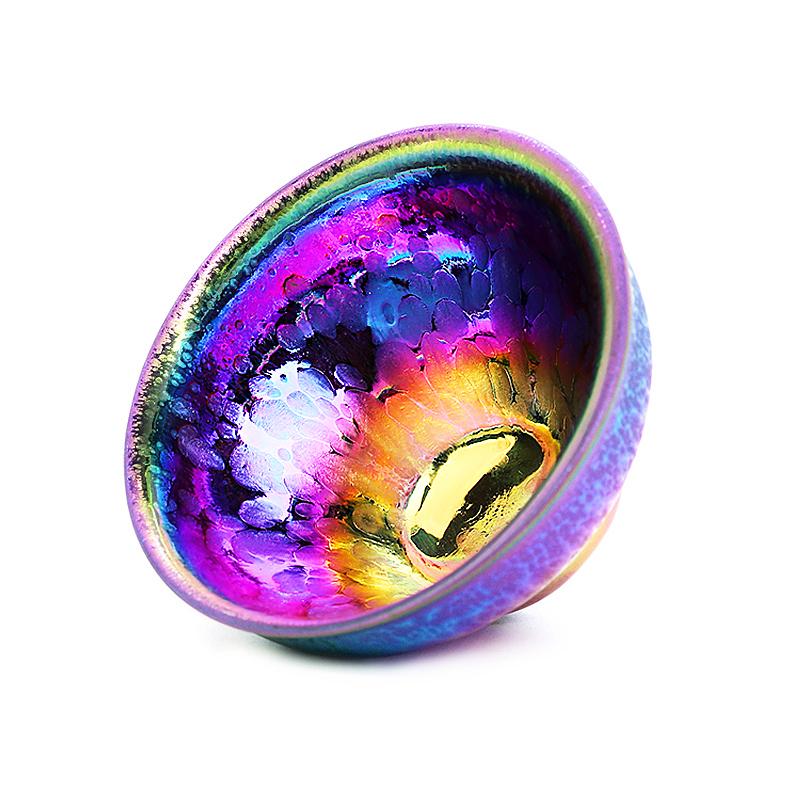
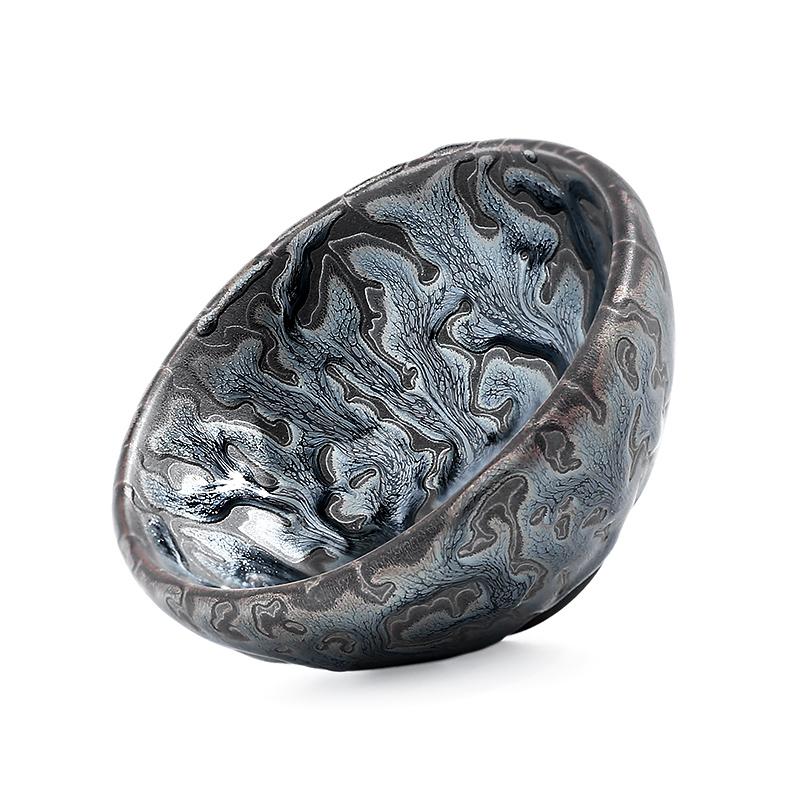
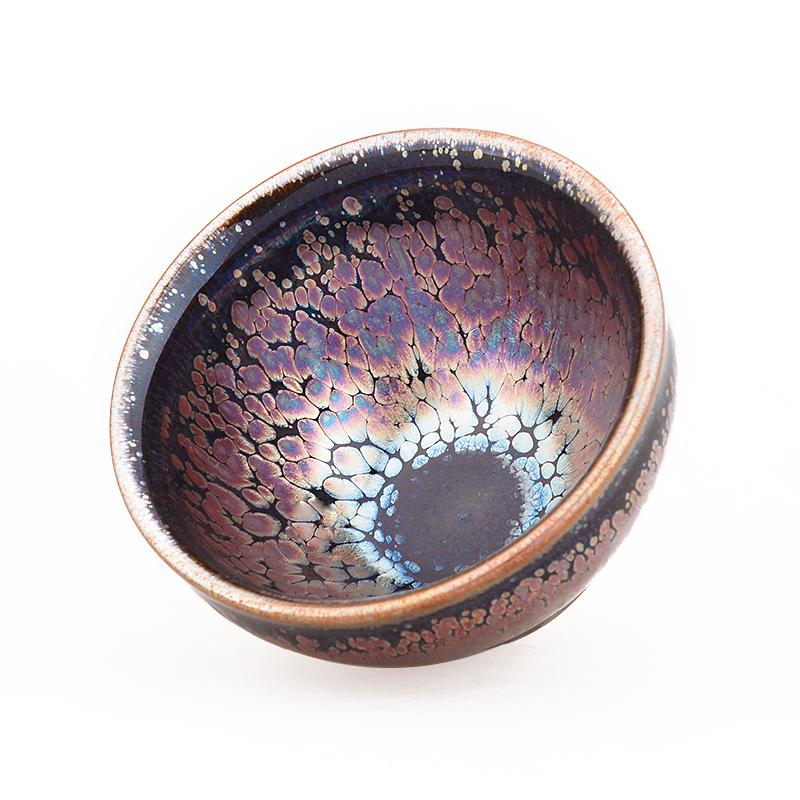
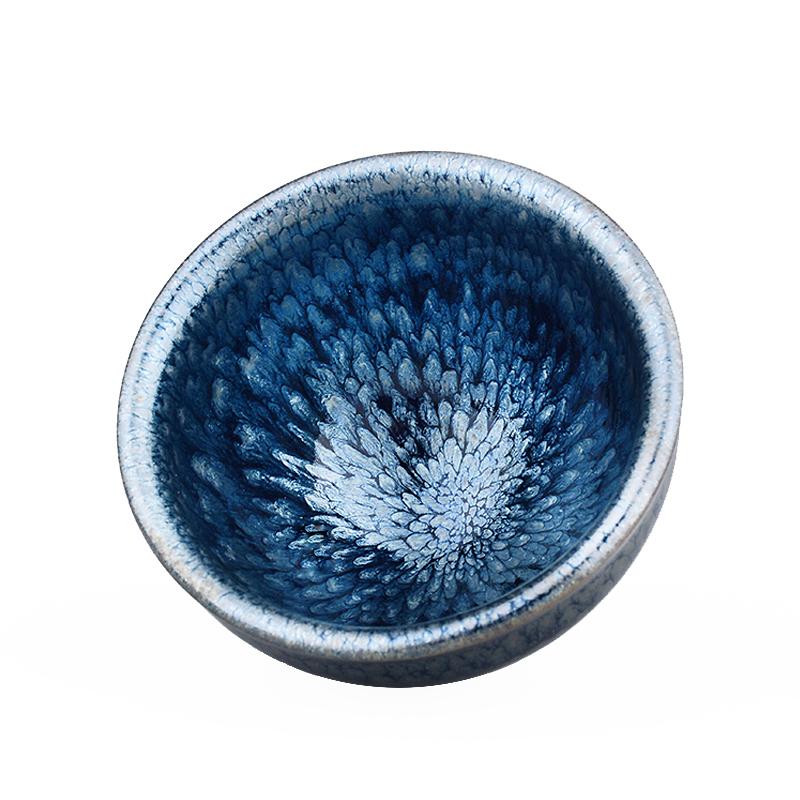
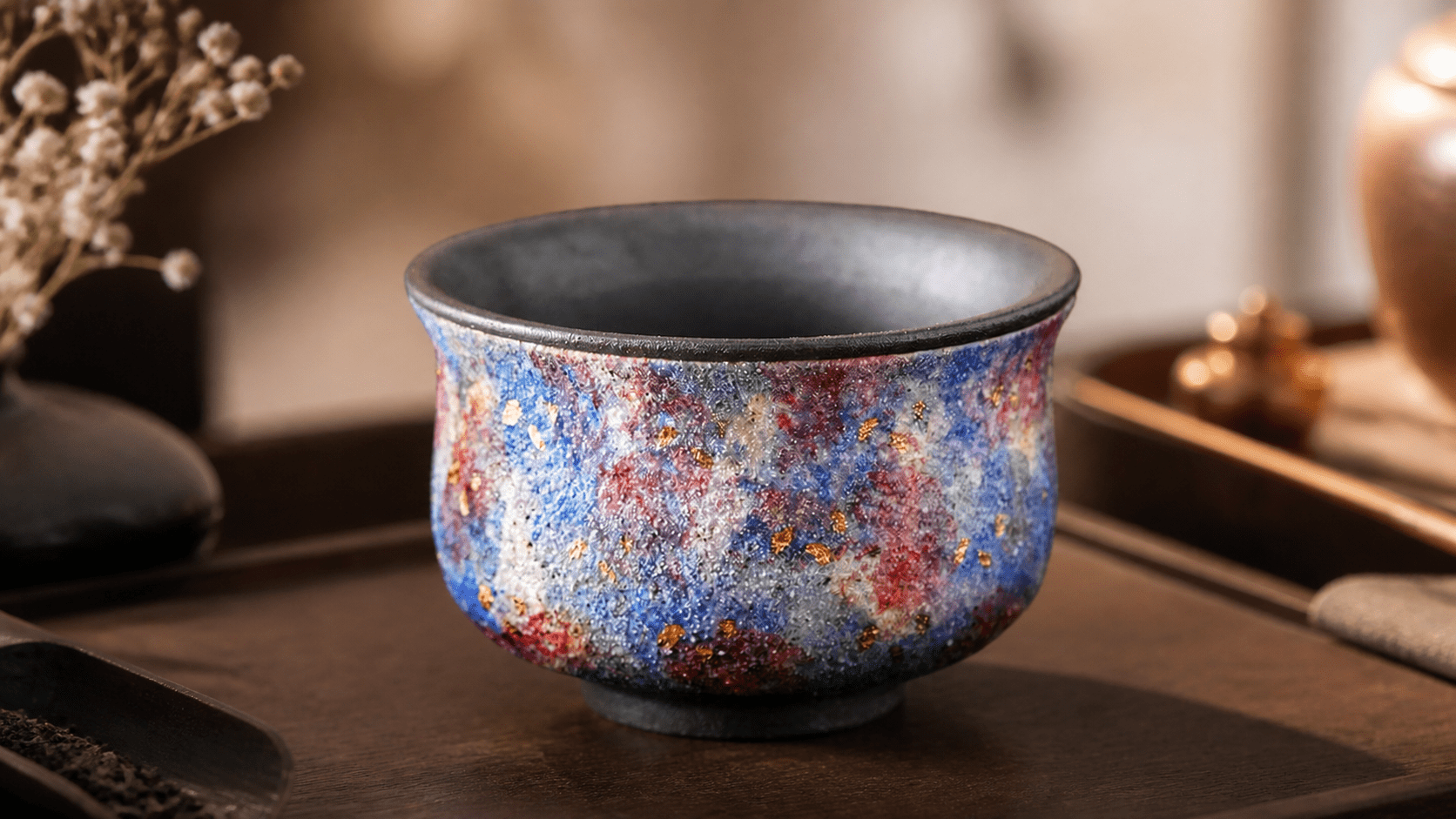
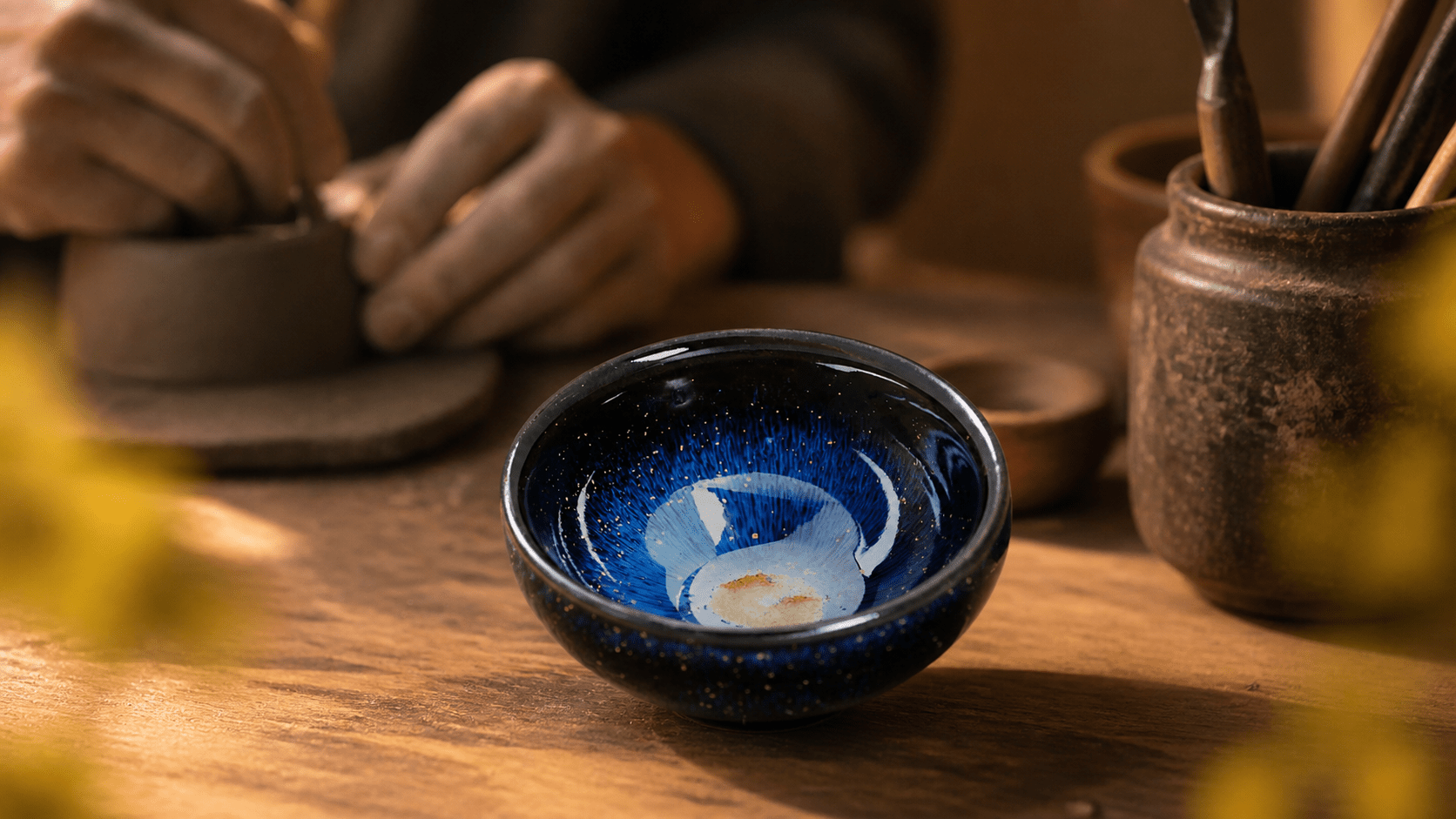
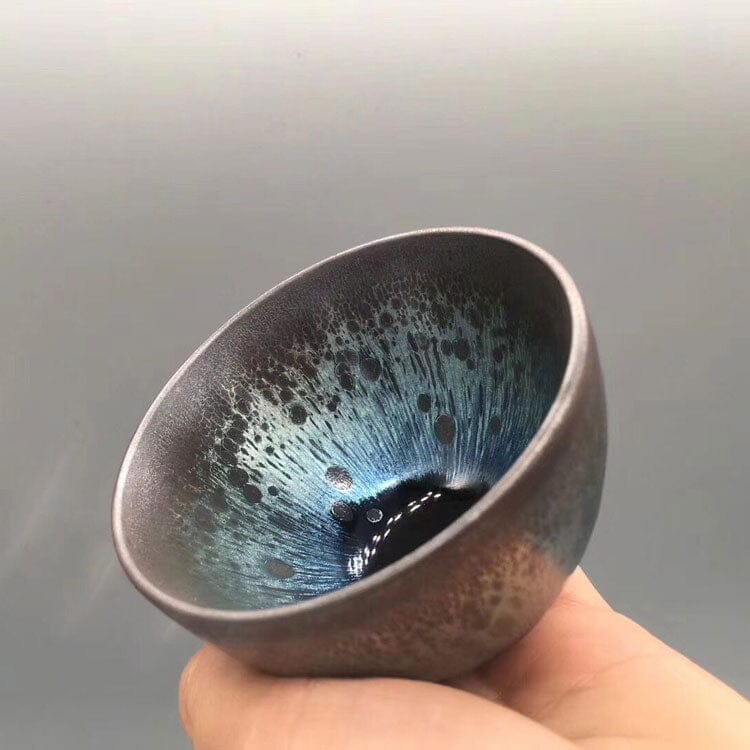
La trasformazione naturale in forno è la caratteristica distintiva e il fascino più grande delle tazze da tè Jianzhan, note per le loro variazioni cromatiche. È anche un riflesso della bassa resa del prodotto e dell'elevata difficoltà di cottura delle tazze da tè Jianzhan. Ogni tazza da tè Jianzhan è unica e irripetibile. Anche all'interno dello stesso forno, tazze da tè prodotte in luoghi diversi presentano colori di smaltatura diversi, con alcune variazioni piuttosto significative.

Le tazze da tè Jianzhan sono progettate con saggezza sotto ogni aspetto.

Oggi riassumiamo brevemente i quattro grandi misteri delle tazze da tè Jianzhan.

1. Il corpo spesso trattiene il calore a lungo e si raffredda lentamente.

Le tazze da tè Jianzhan, note anche come tazze da tè "con corpo in ferro", hanno un corpo spesso che trattiene il calore e mantiene il tè caldo a lungo. Vengono cotte ad alte temperature, facendo sì che la glassa scorra verso il basso e creando una sottile glassa lungo il bordo, detta anche "bordo asciutto". La glassa si raccoglie sul fondo della tazza, mentre la parete esterna è parzialmente smaltata, impedendo alla tazza di attaccarsi al forno durante la cottura. L'interno della tazza da tè Jianzhan presenta numerosi piccoli fori per l'aria che aiutano a mantenere la temperatura del tè. Esiste anche una teoria secondo cui questi piccoli fori assorbono gli ioni di calcio e magnesio presenti nell'acqua, riducendone la durezza e rendendola più morbida. Cai Xiang elogiò le tazze da tè di Jianzhan nel suo libro "Il Classico del Tè", affermando che "i tè bianchi dovrebbero essere bevuti in tazze da tè nere. Quelli prodotti a Jian'an sono di un nero-bluastro con motivi a pelo di coniglio e un corpo leggermente denso... trattengono il calore e non si raffreddano facilmente. Sono i migliori da usare. Quelli provenienti da altri luoghi, che siano di colore chiaro o viola, non sono paragonabili".

2. Fondo piccolo e bocca grande, per far emergere facilmente l'aroma del tè.

Chi ha visto le tazze da tè Jianzhan sa che la loro forma ricorda un imbuto, con una base piccola e poco profonda e un'ampia apertura, a testimonianza della saggezza dei nostri antenati. Il recipiente da tè a forma di imbuto non solo facilita l'osservazione dei cambiamenti nella preparazione del tè, ma ne migliora anche la diffusione dell'aroma. Come scrisse Zhu Yan nel "Libro della Ceramica", durante la dinastia Song, i recipienti da tè più diffusi erano ciotole con beccuccio, e la tazza da tè in pelo di coniglio Jian'an (oggi Jianou) era la scelta migliore.

3. Il corpo in ferro trattiene l'acqua dolce e fresca.

Poiché le tazze da tè Jianzhan contengono un alto contenuto di ferro, il loro colore è grigio-nero o nero-marrone, con un corpo spesso e duro che produce un suono metallico quando viene leggermente picchiettato. Tenere in mano una tazza da tè Jianzhan risulta pesante e le parti esposte del corpo risultano ruvide e granulose a causa dell'elevata quantità di sabbia nell'argilla. Il corpo di ferro spesso e "sabbioso" non solo ammorbidisce la qualità dell'acqua, ma preserva anche la freschezza della tazza di tè, prevenendone il deterioramento.

4. I modelli unici e in continua evoluzione sono imprevedibili.

Le tazze da tè Jianzhan presentano vari tipi di decori, tra cui le varietà più rare e preziose sono le "gocce d'olio" e il "pelo di coniglio", mentre la più costosa e difficile da trovare è lo "yao bian", troppo raro per essere comunemente reperibile. Il prodotto più antico e semplice della fornace Jian era la tazza da tè "wu jin", che presentava una smaltatura nera simile all'inchiostro, a volte con sfumature di verde scuro, marrone o marrone-nero, e generalmente priva di decori. Semi-smaltate con un aspetto nero e lucido, le tazze di qualità più elevata sono così lucide da poter persino riflettere la luce.

Le varietà più pregiate di tazze da tè Jianzhan includono peli di coniglio, gocce d'olio e yao bian. Le tazze da tè "Wu jin" furono tra i primi prodotti della fornace Jian, con una smaltatura nera simile alla lacca, alcune con sfumature di verde, mentre altre avevano un aspetto nero-marrone o marrone-nero, generalmente senza motivi o con motivi indistinti.La glassa era tipicamente spessa. "Nera e lucida, quella di qualità più alta è così lucida che riesce persino a riflettere la luce."

In seguito, emerse la trasformazione in forno: la smaltatura delle tazze da tè Jianzhan produceva cristalli a base di ferro che variavano da tazza a tazza.

Le tazze da tè Jianzhan non sono solo semplici contenitori per il tè, ma incarnano anche la ricerca degli antichi nella cultura del tè Zen.
Quick answers for Tenmoku teaware shoppers

Use this guide to connect the article topic with practical buying decisions: what Jianzhan Tenmoku teaware is, who it suits, how to choose a piece, and how to care for it after purchase.

How to use this guide before buying

Read the article first for the main explanation, then compare the product photos, glaze variation, form, seller clarity, return policy, and whether the piece fits daily tea, display, collecting, or gifting.

Common buying mistakes to avoid

Avoid choosing only by dramatic claims, copied photos, unusually low prices, or vague master language. A better decision uses visible product details, clear use case, realistic care needs, and trustworthy shop policies.

Recommended next step

After reading, compare a few real products side by side by size, glaze family, rim shape, capacity, price, and gift suitability instead of relying on one photo or one keyword.

What is Jianzhan Tenmoku teaware?

Jianzhan Tenmoku teaware is ceramic tea ware known for dark mineral-glaze effects and natural kiln variation. Common forms include tea cups, bowls, teapots, tea sets, and matcha bowls.

Who is it best for?

It is best for tea drinkers, ceramic collectors, and gift shoppers who value functional objects with visible handmade character. It is not ideal if you need every piece to look exactly identical.

How do I care for it?

Hand wash with warm water, avoid abrasive cleaners, and dry fully before storage. Gentle daily use helps preserve the surface and keeps the glaze easy to inspect over time.

How do I choose the right Tenmoku piece?

Choose by the main use first: daily tea, matcha, Gongfu brewing, display, or gifting. Then compare capacity, rim shape, glaze family, photos, and whether natural variation is acceptable for your needs.

Is Jianzhan Tenmoku teaware good as a gift?

Yes. It works well for tea lovers, ceramic collectors, birthdays, holidays, and housewarming gifts because it is both usable and visually distinctive. For gifts, choose an easy-to-use form and a glaze style with clear photos.

Related products and categories

Compare the guide above with real Tenmokus categories and representative pieces. Start with the use case, then compare glaze style, form, price, and whether the piece is mainly for daily tea, display, collecting, or gifting.

Handmade Tenmoku tea cups

Best for daily tea drinking, first Jianzhan purchases, ceramic gifts, and comparing glaze patterns across cup shapes.

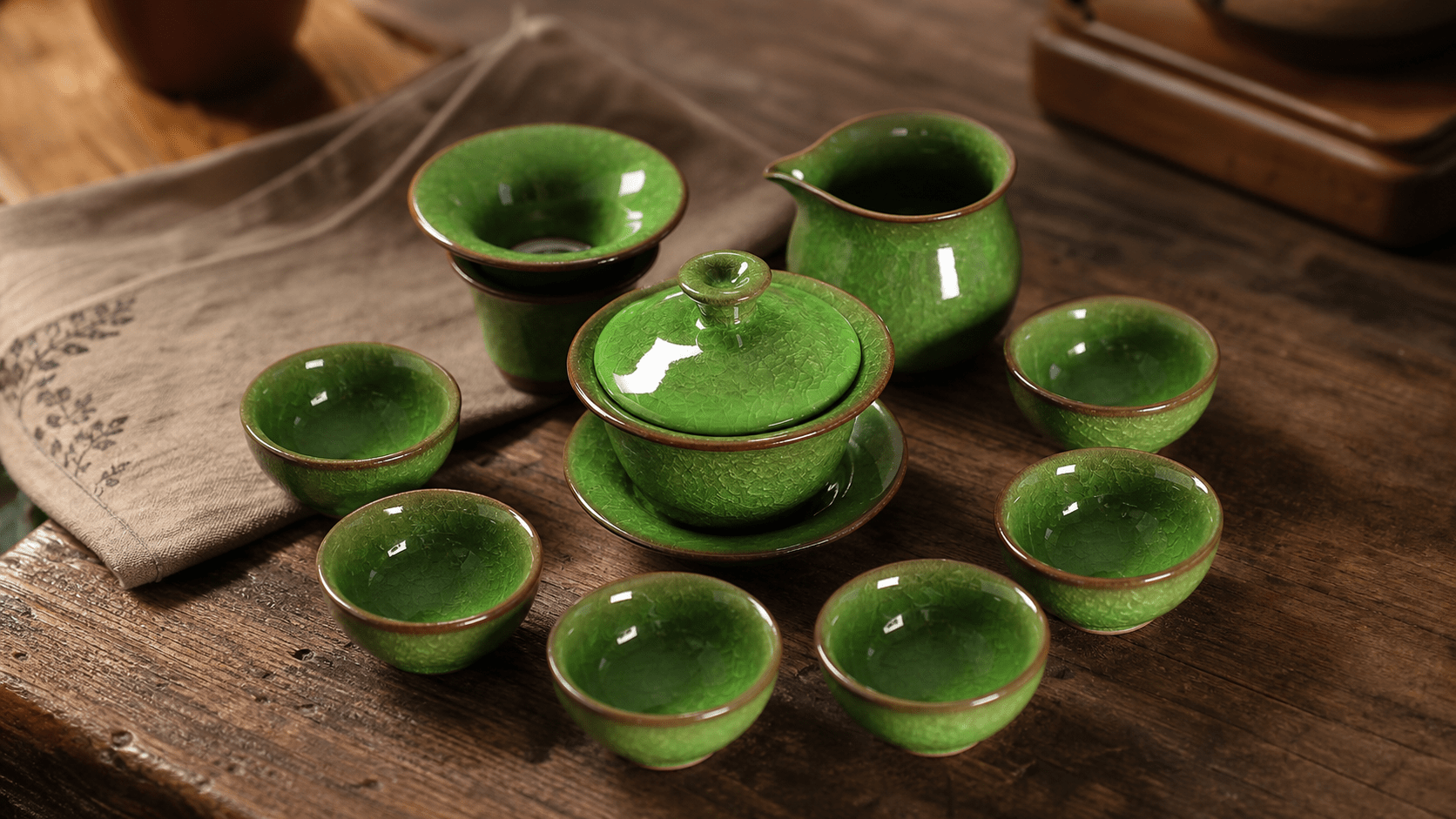
Tenmoku tea sets

Best when you want a coordinated tea table, a hosting setup, or a complete gift instead of one individual cup.

Real vs fake Tenmoku guide

Use this guide to compare seller claims, glaze appearance, photos, and practical buying signals before choosing a piece.

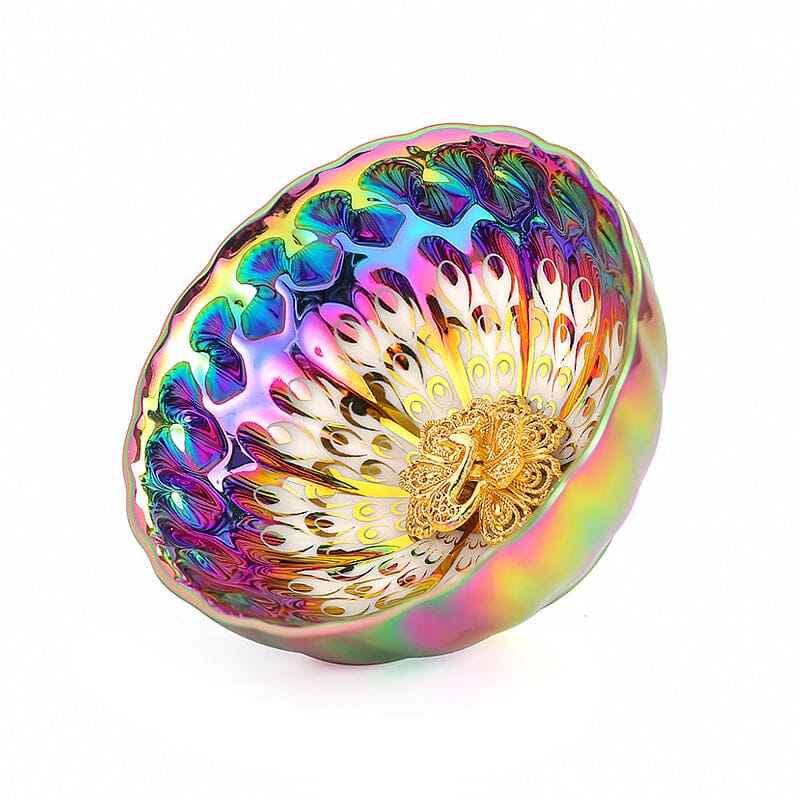
Pavone vivido

A representative Tenmoku tea cup to compare by glaze depth, cup shape, price, and gift fit.

Pavone d'oro

Compare this piece when you want a clear visual reference for a gold-toned Tenmoku glaze style.

Fata II

Use this product as another comparison point for handmade form, glaze variation, and gift suitability.

shop handmade Tenmoku tea cups compare Jianzhan teapots browse Tenmoku tea sets choose Tenmoku matcha bowls view Tenmoku tea cups read the real vs fake Tenmoku tea bowl guide browse Jianzhan buying guides learn about Tenmokus

From Tenmoku guide to teaware choice

Tenmokus is focused on handmade Jianzhan Tenmoku teaware for tea rituals, display, and gifting. If you are choosing after reading this guide, start with Tenmoku tea cups for daily tea tasting, Tenmoku teapots for loose leaf brewing, Tenmoku coffee cups for daily coffee, Tenmoku tea sets for coordinated gifts, Tenmoku matcha bowls for matcha preparation, Tenmoku beer cups for home bar drinkware, or Tenmoku sake sets for serving and display.

Ultime storie

Keep exploring Tenmoku care, gift ideas, teaware selection, and the difference between Tenmoku and Jianzhan.

Visualizza tutto

Why a Tenmoku Tea Bowl Is Worth the Price for Tea Lovers

Why a Tenmoku Tea Bowl Is Worth the Price for Tea Lovers

Why a Tenmoku Tea Bowl Is Worth the Price for Tea Lovers A tenmoku tea bowl can cost more than an everyday cup because it is a fired work of handmade ceramic art, not a factory-made drinking vessel. For someone...

Per saperne di più

The Tenmoku Tea Bowl Story: A More Meaningful Gongfu Tea Ritual

The Tenmoku Tea Bowl Story: A More Meaningful Gongfu Tea Ritual

A tenmoku tea bowl brings color, texture, and a slower rhythm to a gongfu tea session.The Tenmoku Tea Bowl Story: A More Meaningful Gongfu Tea Ritual A tenmoku tea bowl is a dark-glazed tea vessel whose character comes from clay,...

Per saperne di più

Tenmoku Tea Bowl Authenticity: How to Buy with Confidence

Tenmoku Tea Bowl Authenticity: How to Buy with Confidence

Tenmoku Tea Bowl Authenticity: How to Buy with Confidence A real tenmoku tea bowl is best recognized through its material, glaze behavior, firing marks, and clear origin story—not one flashy rainbow pattern. If you want a handmade ceramic cup for...

Per saperne di più