Vendita di Pasqua: acquista 3 Ottieni il 4 ° GRATUITO!

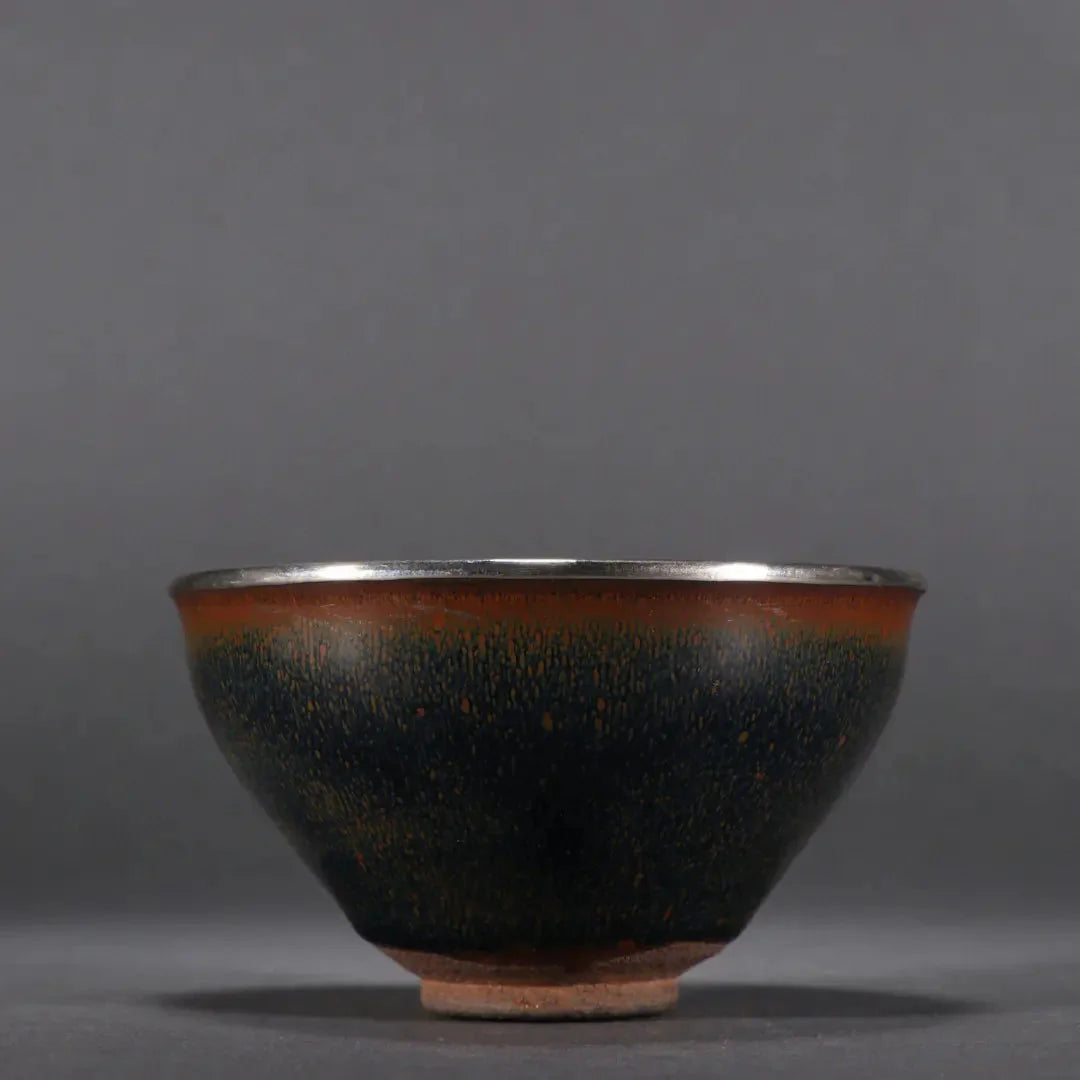
Ho sentito parlare di Jianzhan e me ne sono innamorato a prima vista!

Voglio mettere le mani su un autentico "Song Jianzhan"!

Ma è difficile distinguere tra autentico e falso? Oggi parliamo insieme di diverse tecniche di lavorazione degli antichi Jianzhan e condividiamo le nostre esperienze!

In passato ricevevo numerose richieste da parte di appassionati di Jianzhan; alcuni mi inviavano foto, mentre altri mi spedivano addirittura i loro preziosi Jianzhan, nella speranza che potessi aiutarli a distinguere quelli autentici da quelli falsi.

Infatti, per identificare l'autenticità di uno "Song Jianzhan", oltre ad avere una vista acuta e una profonda conoscenza teorica, sono essenziali anche una vasta esperienza nella cottura degli Jianzhan e nell'analisi di campioni antichi.

Per aiutare gli appassionati di Jianzhan, oggi illustrerò brevemente alcune tecniche comuni di antiquariato. Spero che questo possa essere utile a tutti. (Naturalmente, esistono molte altre tecniche di antiquariato, ma ne elencherò solo alcune comuni.) Una tecnica di "oscuramento e silenziamento".

Infatti, "oscurare" significa utilizzare una sostanza fortemente acida per trattare la superficie dello smalto, rimuovendo così la "lucentezza da ladro" dalla nuova superficie dello smalto Jianzhan.

"Silenziare" significa togliere il nuovo Jianzhan direttamente dalla cottura ad alta temperatura e immergerlo nell'acqua fredda, il che rende il suono meno fragile.

Questo perché il suono del vecchio Jianzhan quando viene toccato è più antico e sordo, mentre il suono del Jianzhan appena cotto è chiaro e nitido!

Due.Tecnica di lancio e riparazione.

In termini di modellazione:

L'autentico Jianzhan ha un aspetto spesso e antico, con linee naturali e morbide. Quando lo si tiene in mano, emana un'aura antica appena percettibile.

Per quanto riguarda le imitazioni, il loro aspetto tende ad essere più uniforme e generalmente risultano leggermente più grandi rispetto alle Jianzhan originali. Inoltre, l'argilla e la smaltatura delle imitazioni appaiono più sottili rispetto a quelle originali, e questo aspetto moderno è indelebile.

In termini di qualità dell'argilla:

Se si tratta di un Jianzhan autentico, l'argilla ha una certa consistenza quando viene presa in mano, e risulta più compatta. Anche la riparazione dell'argilla è più superficiale, il che la rende ruvida ma più naturale.

L'argilla delle imitazioni è lavorata troppo finemente e la riparazione è troppo accurata. La parete delle imitazioni è più sottile, la curvatura del piede circolare è più arrotondata e il piede inferiore è leggermente più profondo.

Tre.Tecnica di giunzione inferiore.

La tecnica di giunzione del fondo è comparsa dopo gli anni '90, come accennato in precedenza. Consiste nel ricollegare il fondo dissotterrato a un nuovo corpo e poi cuocerlo in forno.

Questo tipo di giudizio richiede un'analisi completa da più prospettive, come già accennato in precedenza e di cui riporto il link qui sotto. Quattro. Il metodo del nuovo smalto per pneumatici vecchi.

Questa tipologia è relativamente facile da giudicare e il prezzo non è probabilmente elevato.

Significa riapplicare lo smalto o lasciare lo smalto non smaltato su prodotti non raffinati recuperati dal sito della fornace o su vecchie tazze da tè con smalto scadente, per poi cuocerli nuovamente nella fornace.

Come accennato in precedenza, i metodi sopra menzionati per creare un aspetto invecchiato sono comuni, ma esistono anche altre tecniche, come l'aggiunta di iscrizioni o marcature quali "Per uso imperiale", "Realizzato per il palazzo" e altri marchi fittizi su vecchie tazze da tè.

Pertanto, per imparare a distinguere le tazze da tè antiche, è necessaria una combinazione di teoria e pratica. È importante studiare le conoscenze teoriche e confrontare tazze da tè vecchie e nuove per acquisire una comprensione completa. L'una non può mancare senza l'altra.
Quick answers for Tenmoku teaware shoppers

Use this guide to connect the article topic with practical buying decisions: what Jianzhan Tenmoku teaware is, who it suits, how to choose a piece, and how to care for it after purchase.

How to use this guide before buying

Read the article first for the main explanation, then compare the product photos, glaze variation, form, seller clarity, return policy, and whether the piece fits daily tea, display, collecting, or gifting.

Common buying mistakes to avoid

Avoid choosing only by dramatic claims, copied photos, unusually low prices, or vague master language. A better decision uses visible product details, clear use case, realistic care needs, and trustworthy shop policies.

Recommended next step

After reading, compare a few real products side by side by size, glaze family, rim shape, capacity, price, and gift suitability instead of relying on one photo or one keyword.

What is Jianzhan Tenmoku teaware?

Jianzhan Tenmoku teaware is ceramic tea ware known for dark mineral-glaze effects and natural kiln variation. Common forms include tea cups, bowls, teapots, tea sets, and matcha bowls.

Who is it best for?

It is best for tea drinkers, ceramic collectors, and gift shoppers who value functional objects with visible handmade character. It is not ideal if you need every piece to look exactly identical.

How do I care for it?

Hand wash with warm water, avoid abrasive cleaners, and dry fully before storage. Gentle daily use helps preserve the surface and keeps the glaze easy to inspect over time.

How do I choose the right Tenmoku piece?

Choose by the main use first: daily tea, matcha, Gongfu brewing, display, or gifting. Then compare capacity, rim shape, glaze family, photos, and whether natural variation is acceptable for your needs.

Is Jianzhan Tenmoku teaware good as a gift?

Yes. It works well for tea lovers, ceramic collectors, birthdays, holidays, and housewarming gifts because it is both usable and visually distinctive. For gifts, choose an easy-to-use form and a glaze style with clear photos.

Related products and categories

Compare the guide above with real Tenmokus categories and representative pieces. Start with the use case, then compare glaze style, form, price, and whether the piece is mainly for daily tea, display, collecting, or gifting.

Handmade Tenmoku tea cups

Best for daily tea drinking, first Jianzhan purchases, ceramic gifts, and comparing glaze patterns across cup shapes.

Tenmoku tea sets

Best when you want a coordinated tea table, a hosting setup, or a complete gift instead of one individual cup.

Real vs fake Tenmoku guide

Use this guide to compare seller claims, glaze appearance, photos, and practical buying signals before choosing a piece.

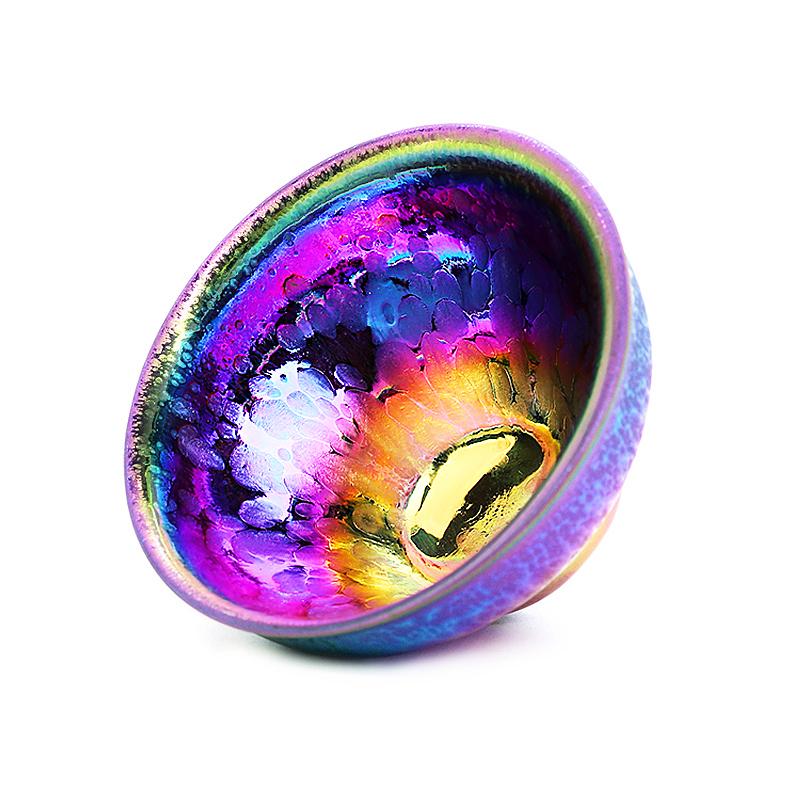
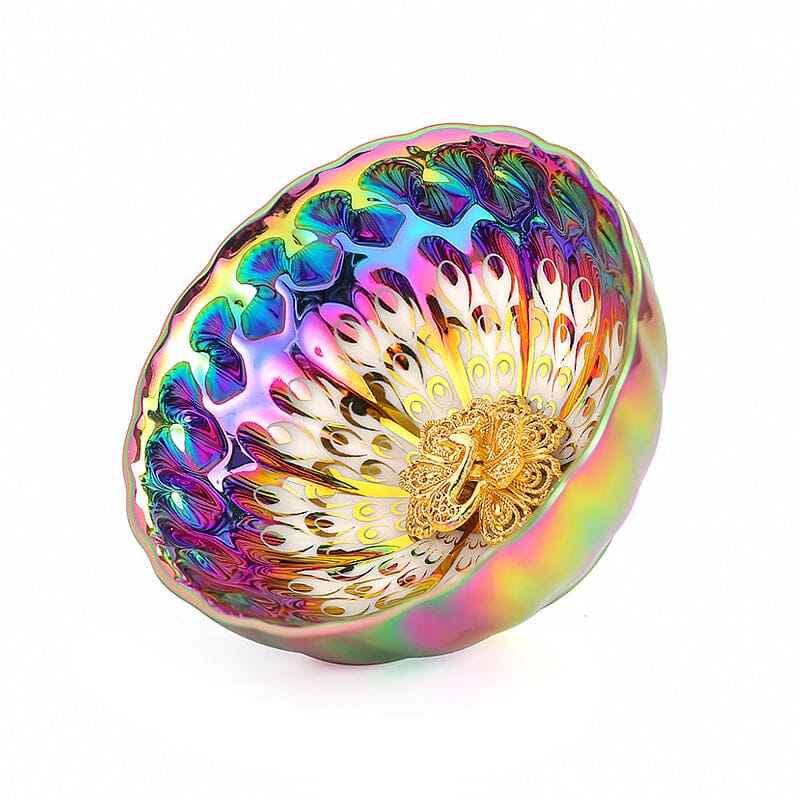
Pavone vivido

A representative Tenmoku tea cup to compare by glaze depth, cup shape, price, and gift fit.

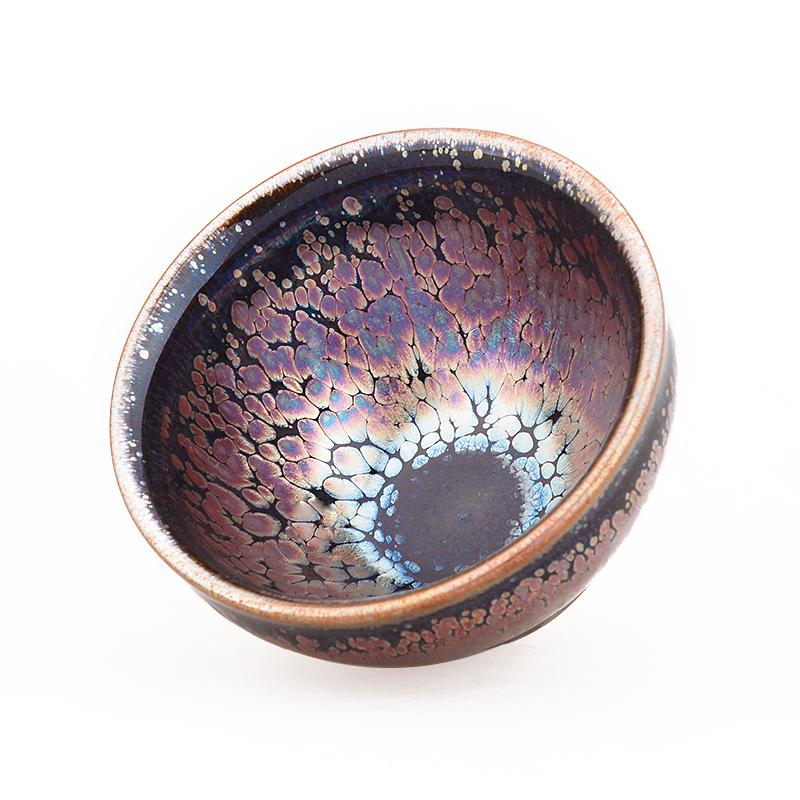
Pavone d'oro

Compare this piece when you want a clear visual reference for a gold-toned Tenmoku glaze style.

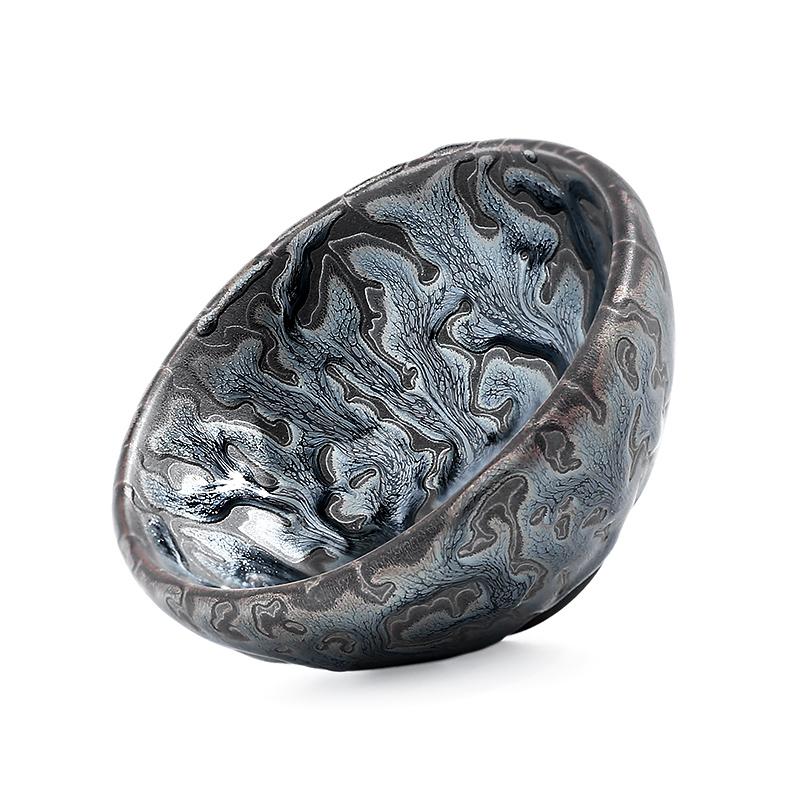
Fata II

Use this product as another comparison point for handmade form, glaze variation, and gift suitability.

shop handmade Tenmoku tea cups compare Jianzhan teapots browse Tenmoku tea sets choose Tenmoku matcha bowls view Tenmoku tea cups read the real vs fake Tenmoku tea bowl guide browse Jianzhan buying guides learn about Tenmokus

From Tenmoku guide to teaware choice

Tenmokus is focused on handmade Jianzhan Tenmoku teaware for tea rituals, display, and gifting. If you are choosing after reading this guide, start with Tenmoku tea cups for daily tea tasting, Tenmoku teapots for loose leaf brewing, Tenmoku tea sets for coordinated gifts, or Tenmoku matcha bowls for matcha preparation.

Ultime storie

Keep exploring Tenmoku care, gift ideas, teaware selection, and the difference between Tenmoku and Jianzhan.

Visualizza tutto

How to Spot a Real Handmade Tenmoku Tea Bowl: An Expert’s Authenticity Guide for Tea Lovers

How to Spot a Real Handmade Tenmoku Tea Bowl: An Expert’s Authenticity Guide for Tea Lovers

If you’ve ever held a real tenmoku tea bowl in your hands during a gongfu tea session, you know there’s nothing quite like it—the way the iron-rich glaze catches the light, the warmth it holds, the silent story of a...

Per saperne di più

Jian Zhan vs Japanese Tenmoku Tea Bowl: Which Offers the Best Value for Gongfu Tea?

Jian Zhan vs Japanese Tenmoku Tea Bowl: Which Offers the Best Value for Gongfu Tea?

Jian Zhan vs Japanese Tenmoku Tea Bowl: Which Offers the Best Value for Gongfu Tea? If you’re diving into gongfu tea ceremony and seeking the perfect tenmoku tea bowl, you’ve likely encountered two alluring paths: the ancient Chinese Jian Zhan...

Per saperne di più

Tenmoku Tea Bowl: A Handmade Cup With History, Beauty, and Meaning

Tenmoku Tea Bowl: A Handmade Cup With History, Beauty, and Meaning

Tenmoku Tea Bowl: A Handmade Cup With History, Beauty, and Meaning A tenmoku tea bowl is a dark-glazed tea cup, often called Jianzhan, known for dramatic patterns created by fire, minerals, and chance. For gongfu tea, it gives a quiet,...

Per saperne di più