

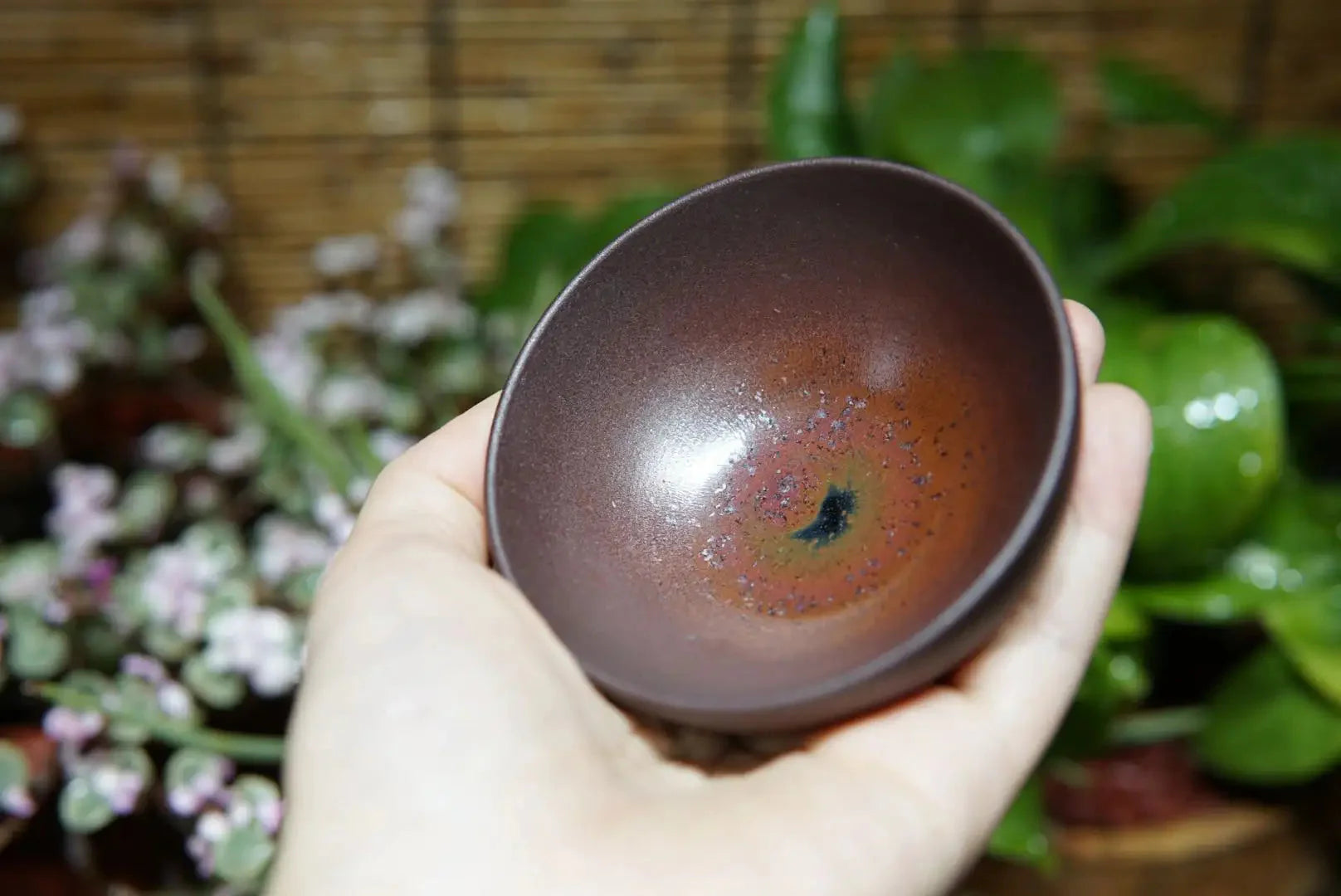
Fattori interni.
Uno. Se una teiera presenta difetti come il bordo danneggiato, difetti di smaltatura o la base rotta, questi non influiscono sul valore della teiera, anzi la rendono più conveniente. Tuttavia, se il danno alla base e al bordo supera la metà, ovvero il 50%, l'aspetto della teiera ne risente notevolmente, con un impatto significativo sul prezzo.
Due. Danni alla smaltatura. Di solito, questo è causato dagli effetti negativi a lungo termine del mescolamento del tè sulla superficie della smaltatura durante l'uso, mentre alcuni sono causati dall'attrito con sabbia e pietre ruvide presenti nell'ambiente interrato.
Se i graffi compromettono la lucentezza dello smalto o addirittura lo danneggiano, è necessario trattarli con cautela. Un altro tipo di danno è causato dall'azione prolungata di terreni acidi o acqua nell'ambiente interrato, che porta alla desquamazione dello smalto. Questo tipo di danno ha un impatto maggiore sull'aspetto estetico della superficie dello smalto ed è più comune nelle teiere vecchie appena utilizzate. Lo smalto scrostato cadrà nel liquido del tè, compromettendone la qualità e risultando dannoso per la salute. Nella scelta di questo tipo di teiere, è opportuno escludere quelle con smalto scrostato. Il prezzo delle teiere varia a seconda dell'artista e della qualità della teiera.
Fattori esterni.
Uno. Forma curva:
Esistono due tipi di teiere con difetti di costruzione: il bordo irregolare e la forma storta. Le teiere con questi due tipi di difetti non vengono prese in considerazione per il collezionismo. Tuttavia, se si tratta di una teiera vecchia e usata di recente, i requisiti possono essere meno stringenti.
Due. La glassa si attacca al fondo:
Durante il processo di cottura della teiera, la tecnica di immersione della glassa fa sì che la glassa sia densa e fluida. Quando è troppo densa, la glassa colerà sul fondo della teiera. Il prezzo delle teiere varia a seconda dell'artista e della qualità della teiera.
Tre. Adesione al forno:
Questo è un difetto che praticamente tutti i collezionisti non possono accettare. Se l'adesione al forno è minima, influirà solo sull'aspetto locale. Tuttavia, se causa gravi deformazioni della teiera o se il bordo aderisce al supporto di cottura durante il processo di cottura, questi due tipi di danno hanno un impatto maggiore.
Quattro. Crepa nel forno:
Le crepe leggere hanno un impatto locale, mentre le crepe più gravi possono causare il ribaltamento del bordo verso l'esterno.
Cinque. Smalto decentrato:
L'impatto di questo difetto dipende principalmente dal grado di decentrazione e il grado in cui i collezionisti lo accettano varia da persona a persona.
Sei. Smaltatura:
La de-smaltatura parziale ha scarso impatto, poiché il valore del vaso risiede principalmente nella sua superficie smaltata. Una de-smaltatura eccessiva inciderà significativamente sul suo valore collezionistico. Questo si riflette nel prezzo del vaso Jian realizzato da Ye Liwang.
Sette. Formazione di bolle o vesciche:
Ciò è causato dalla pulizia incompleta del corpo del vaso durante il processo di lavaggio oppure dalla separazione della sabbia di quarzo nel corpo a causa dell'alta temperatura, che provoca un impatto locale e provoca la formazione di bolle o vesciche.
Otto. Strisce di fumo
Le striature di fumo sono causate dall'aria che entra nel forno durante la cottura del vaso Jian. Il danno è significativo e la bellezza della superficie smaltata ne risente notevolmente. Tuttavia, se un vaso vecchio viene utilizzato di recente, la sua praticità non ne risentirà e potrà offrire un rapporto qualità-prezzo più elevato.
Nove.Sovraccarico o scarso rendimento:
Anche i vasi Jian cotti eccessivamente o insufficientemente sono considerati prodotti non autentici, sebbene non esista una definizione chiara al riguardo. Si riferisce semplicemente al fatto che il processo di cottura sia stato eseguito correttamente o meno. Se eseguito correttamente, il prodotto è considerato autentico, altrimenti è considerato non autentico. I prodotti non autentici possono presentare una superficie smaltata speciale dovuta a un processo di cottura non eseguito correttamente, ma vengono comunque collezionati come tipologia alternativa di vaso Jian.
Nel campo del collezionismo di vasi Jian, le considerazioni principali sono il valore artistico e il fascino estetico. Ognuno ha la propria definizione e percezione della bellezza e tende a trascurarne il significato storico. Il significato storico include il fascino estetico e la reputazione dei vasi Jian, motivo per cui i collezionisti generalmente scelgono vasi provenienti da fornaci rinomate.
Riepilogo dell'esperienza.
Quando si collezionano vasi Jian, bisogna osservare l'impatto dei difetti sulla forma (fattori esterni) e sulla smaltatura (fattori interni) dell'oggetto, nonché il loro impatto sul rapporto qualità-prezzo.
Osservando e confrontando di più, si può naturalmente sviluppare il proprio insieme di esperienze.


Condividere:
"Tecniche antichi che producono Old Jianzhan di Jian Kilns: What You Know ?"
"Il patriottismo di tre generi di Yu Daozhan: non dimenticare mai l'intenzione originale"