Vendita di Pasqua: acquista 3 Ottieni il 4 ° GRATUITO!

Il testo originale di Yao Bian è menzionato nel "Kintaikan Sayucho" giapponese come segue:

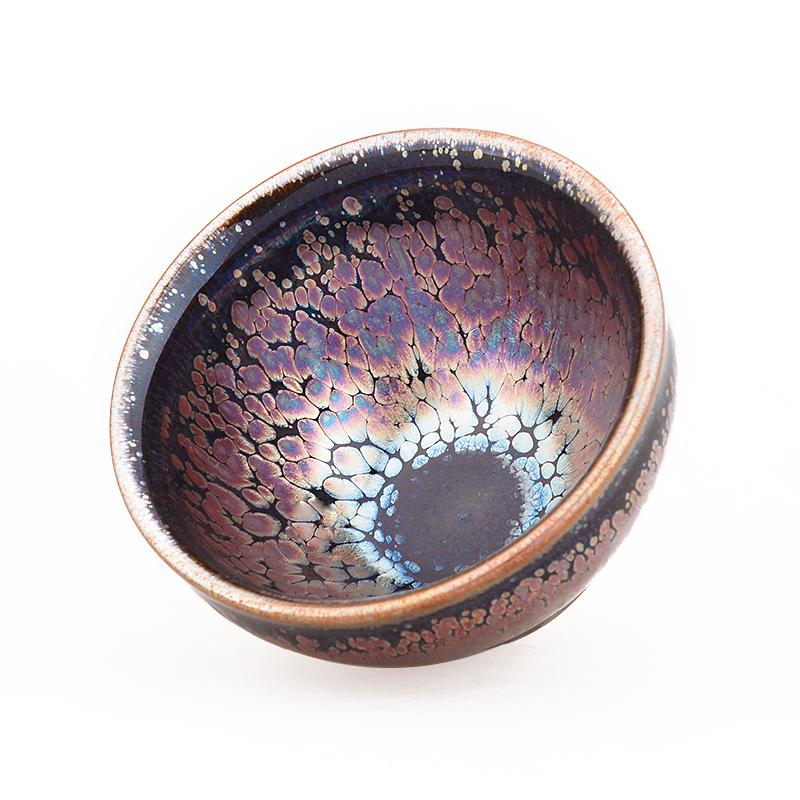
Smalto a gocce d'olio: il secondo tipo pregiato. Anche lo smalto è nero, con tenui macchie stellate bianco-violacee sia all'interno che all'esterno. Rispetto allo Yao Bian, ne esistono di più, per un totale di 5000 pezzi. Questo è menzionato nel "Kintaikan Sayucho" giapponese.

Jianzhan (qui riferito alla tazza da tè "Pelo di Coniglio"): non inferiore alla smaltatura a gocce d'olio. Anche la sua smaltatura è nera, con uno splendore argenteo sulla superficie, e alcune presentano anche punti stellati come gocce d'olio. Ne esistono 3000 esemplari in totale. Questo è menzionato nel "Kintaikan Sayucho" giapponese.

Il tesoro supremo di Jianzhan è un oggetto raro al mondo. La sua smaltatura è nera, ricoperta da diverse tonalità di puntini stellati simili al vetro, mescolati a colori vitrei gialli, bianchi e molto chiari, simili a quelli di una smaltatura di broccato. È un oggetto raro, composto da diecimila pezzi.

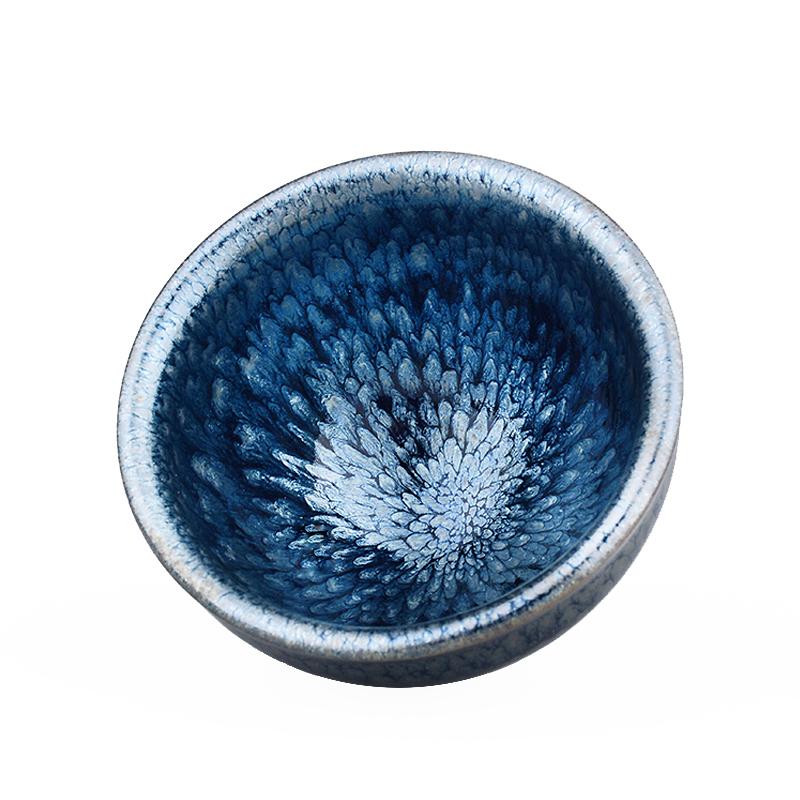
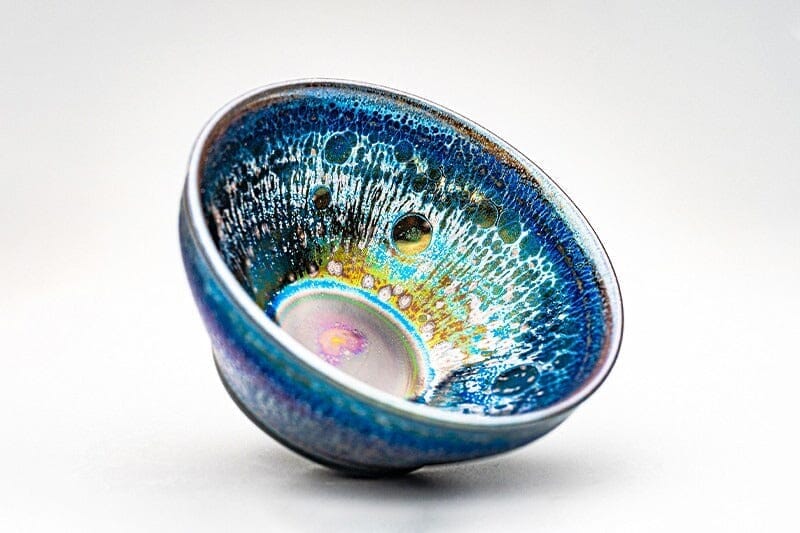
Tazza da tè Yao Bian Tenmoku della collezione Jingjia Tang.

Il significato del testo sopra riportato è il seguente:

I tre tipi di valore di Jianzhan sono: il Pelo di Coniglio, valutato 3000 pezzi, la Goccia d'Olio, valutata 5000 pezzi, e lo Yao Bian, il più costoso, valutato oltre 10000 pezzi! Vale più del doppio della Goccia d'Olio. Durante la dinastia Song in Cina, il prezzo di un pezzo di seta era al massimo di 4 guanqian, e 5 guanqian equivalevano a un tael d'oro. Il concetto di 10000 pezzi di seta equivale quasi a 10000 tael d'oro, un valore inestimabile e sufficiente per un antico castello giapponese del periodo degli Stati Combattenti!

Gli unici tre Yao Bian Jianzhan e mezzo rimasti al mondo.

Nel 1924, una delle tre tazze da tè Yao Bian Tenmoku rimaste (conservate in Giappone) fu venduta dal suo secondo proprietario, Tetsuro Ono, al presidente della Mitsubishi, la famiglia Iwasaki, per 167.000 yen giapponesi. A quel tempo, 167.000 yen equivalevano a 125,25 chilogrammi d'oro, e anche possedere un patrimonio di soli 100 yen era considerato un'impresa, poiché con 120 yen si poteva acquistare una villetta a Tokyo. Pertanto, il valore della tazza da tè Yao Bian all'epoca, che valeva 167.000 yen, equivaleva a quello di oltre 1.000 villette!

Indubbiamente, lo Yao Bian è il Jianzhan più raro e prezioso, senza ombra di dubbio. Il processo di cottura per le tazze da tè Yao Bian è estremamente difficile, con una percentuale di successo inimmaginabile. Dobbiamo cercare tra milioni di tazze da tè, e questo è solo l'inizio. La sua rarità è tale che è solo per caso trovarne una anche solo tra milioni di pezzi, e non può essere replicata né prodotta in serie. Come tutti sappiamo, al mondo esistono solo tre tazze da tè Yao Bian intatte, tutte in Giappone, e solo metà di un esemplare è stata rinvenuta a Hangzhou, in Cina.

Dal momento che le tazze da tè Yao Bian sono così preziose e rare, perché sono finite tramandate in Giappone?

Ci sono due motivi:

  1. Gli esseri umani hanno sempre paura dell'ignoto e, poiché le tazze da tè Yao Bian sono così rare, è estremamente raro vederle anche solo per caso. Pertanto, sono destinate a essere considerate qualcosa di straordinario. Inoltre, le tazze da tè Yao Bian sono incantevoli e splendide, piene di mistero, e non si sa se sia una benedizione o una maledizione riuscire a creare tali oggetti. Gli operai della fornace temevano che potesse essere una punizione o una maledizione divina, e forse si trattava di un oggetto di cattivo auspicio. Cosa fare? La risposta: distruggerle o regalarle ad altri per evitare qualsiasi coinvolgimento.
  2. Se un oggetto così raro fosse stato scoperto dalla corte imperiale, sarebbe stato considerato un tesoro e ce ne sarebbe stata richiesta altra. E se non fossero riusciti a produrne di più? Per essere sicuri e garantire una vita pacifica e sicura, la risposta è la stessa: distruggerlo o regalarlo ad altri per evitare qualsiasi coinvolgimento ed eliminare definitivamente qualsiasi potenziale problema.

In sintesi, le tazze da tè Yao Bian scomparvero dalla vista del popolo cinese durante la dinastia Song. La leggenda narra che le tre tazze da tè Yao Bian raccolte in Giappone furono ottenute da un monaco giapponese che studiava in Cina e che le portò in Giappone, dove sono state tramandate fino a oggi.

Sebbene sia deplorevole che le tazze da tè Yao Bian perdute non siano più reperibili, fortunatamente quelle esistenti sono ancora ben conservate e intatte. Data la rarità delle tazze da tè Yao Bian, se ne venisse ritrovata una completa, diventerebbe senza dubbio un tesoro nazionale del Paese.
Quick answers for Tenmoku teaware shoppers

Use this guide to connect the article topic with practical buying decisions: what Jianzhan Tenmoku teaware is, who it suits, how to choose a piece, and how to care for it after purchase.

How to use this guide before buying

Read the article first for the main explanation, then compare the product photos, glaze variation, form, seller clarity, return policy, and whether the piece fits daily tea, display, collecting, or gifting.

Common buying mistakes to avoid

Avoid choosing only by dramatic claims, copied photos, unusually low prices, or vague master language. A better decision uses visible product details, clear use case, realistic care needs, and trustworthy shop policies.

Recommended next step

After reading, compare a few real products side by side by size, glaze family, rim shape, capacity, price, and gift suitability instead of relying on one photo or one keyword.

What is Jianzhan Tenmoku teaware?

Jianzhan Tenmoku teaware is ceramic tea ware known for dark mineral-glaze effects and natural kiln variation. Common forms include tea cups, bowls, teapots, tea sets, and matcha bowls.

Who is it best for?

It is best for tea drinkers, ceramic collectors, and gift shoppers who value functional objects with visible handmade character. It is not ideal if you need every piece to look exactly identical.

How do I care for it?

Hand wash with warm water, avoid abrasive cleaners, and dry fully before storage. Gentle daily use helps preserve the surface and keeps the glaze easy to inspect over time.

How do I choose the right Tenmoku piece?

Choose by the main use first: daily tea, matcha, Gongfu brewing, display, or gifting. Then compare capacity, rim shape, glaze family, photos, and whether natural variation is acceptable for your needs.

Is Jianzhan Tenmoku teaware good as a gift?

Yes. It works well for tea lovers, ceramic collectors, birthdays, holidays, and housewarming gifts because it is both usable and visually distinctive. For gifts, choose an easy-to-use form and a glaze style with clear photos.

Related products and categories

Compare the guide above with real Tenmokus categories and representative pieces. Start with the use case, then compare glaze style, form, price, and whether the piece is mainly for daily tea, display, collecting, or gifting.

Handmade Tenmoku tea cups

Best for daily tea drinking, first Jianzhan purchases, ceramic gifts, and comparing glaze patterns across cup shapes.

Tenmoku tea sets

Best when you want a coordinated tea table, a hosting setup, or a complete gift instead of one individual cup.

Real vs fake Tenmoku guide

Use this guide to compare seller claims, glaze appearance, photos, and practical buying signals before choosing a piece.

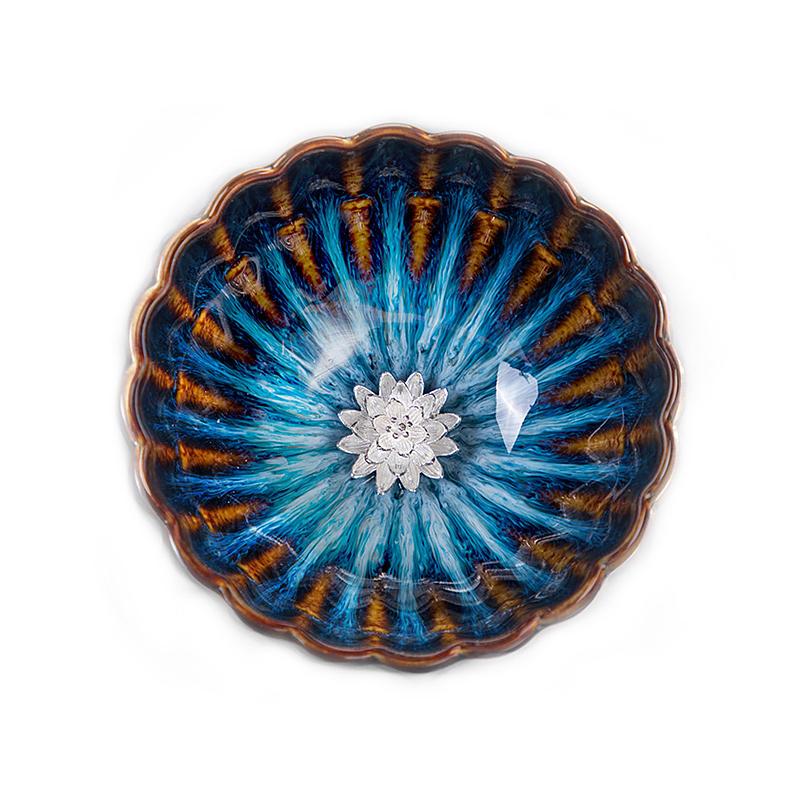
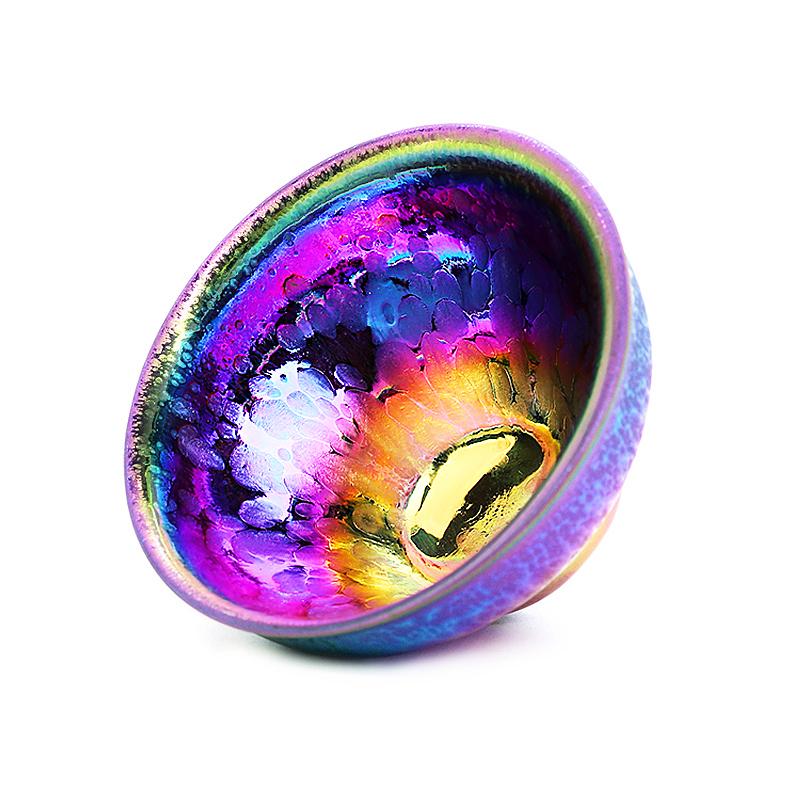
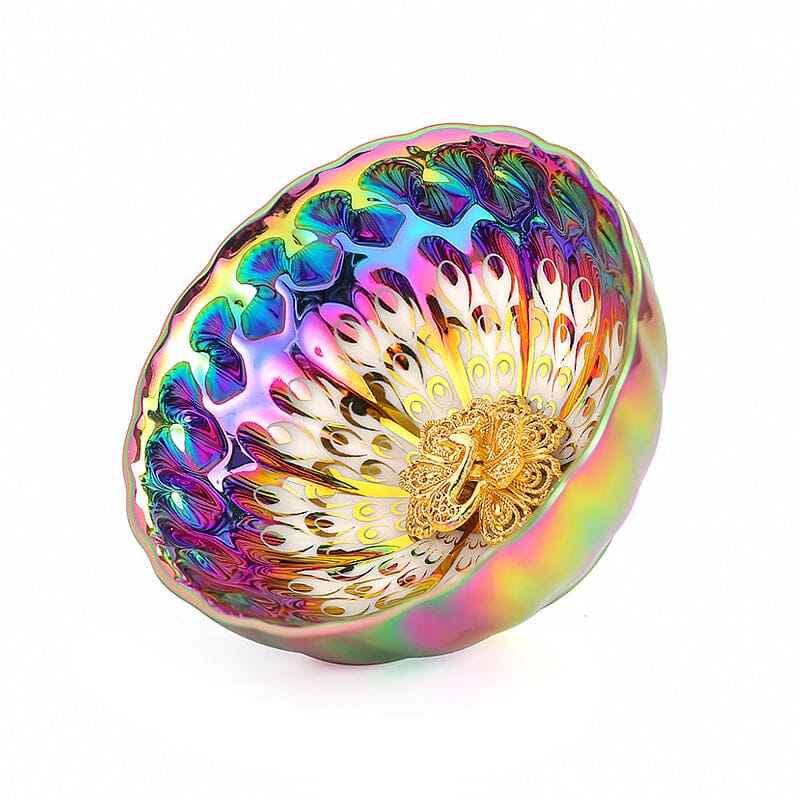
Pavone vivido

A representative Tenmoku tea cup to compare by glaze depth, cup shape, price, and gift fit.

Pavone d'oro

Compare this piece when you want a clear visual reference for a gold-toned Tenmoku glaze style.

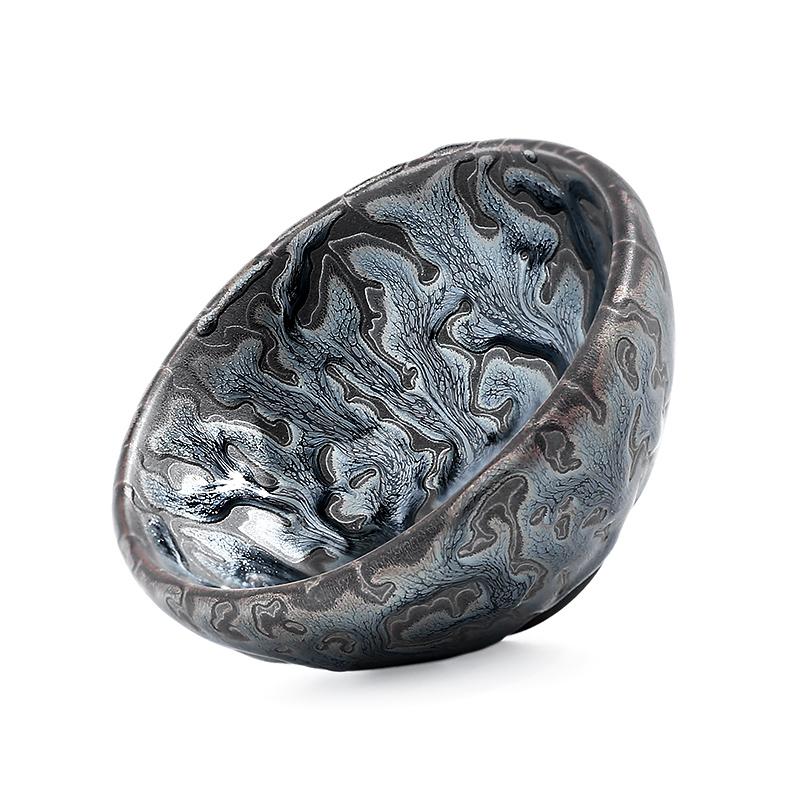
Fata II

Use this product as another comparison point for handmade form, glaze variation, and gift suitability.

shop handmade Tenmoku tea cups compare Jianzhan teapots browse Tenmoku tea sets choose Tenmoku matcha bowls view Tenmoku tea cups read the real vs fake Tenmoku tea bowl guide browse Jianzhan buying guides learn about Tenmokus

From Tenmoku guide to teaware choice

Tenmokus is focused on handmade Jianzhan Tenmoku teaware for tea rituals, display, and gifting. If you are choosing after reading this guide, start with Tenmoku tea cups for daily tea tasting, Tenmoku teapots for loose leaf brewing, Tenmoku coffee cups for daily coffee, Tenmoku tea sets for coordinated gifts, Tenmoku matcha bowls for matcha preparation, Tenmoku beer cups for home bar drinkware, or Tenmoku sake sets for serving and display.

Ultime storie

Keep exploring Tenmoku care, gift ideas, teaware selection, and the difference between Tenmoku and Jianzhan.

Visualizza tutto

Tenmoku Tea Bowl Price: Why Handmade Cups Are Worth It

Tenmoku Tea Bowl Price: Why Handmade Cups Are Worth It

Tenmoku Tea Bowl Price: Why a Handmade Cup Can Elevate Your Gongfu Tea Ritual A tenmoku tea bowl can cost more than an ordinary ceramic cup because it is not simply molded, glazed, and repeated by machine. A handmade Jian...

Per saperne di più

Tenmoku Tea Bowl: Bring Craft and Calm to Every Tea Ritual

Tenmoku Tea Bowl: Bring Craft and Calm to Every Tea Ritual

Tenmoku Tea Bowl: Bring Craft and Calm to Every Tea Ritual A tenmoku tea bowl is more than a dark-glazed vessel: it is a handmade tea cup that makes a daily gongfu tea session feel more deliberate and personal. Whether...

Per saperne di più

Tenmoku Tea Bowl Authenticity Guide: Buy Jian Zhan with Confidence

Tenmoku Tea Bowl Authenticity Guide: Buy Jian Zhan with Confidence

Tenmoku Tea Bowl Authenticity Guide: Choose a Better Cup for Gongfu Tea A real tenmoku tea bowl is more than a dark cup with shiny speckles: it is a high-fired ceramic piece whose clay, iron-rich glaze, and kiln atmosphere work...

Per saperne di più