Vendita di Pasqua: acquista 3 Ottieni il 4 ° GRATUITO!

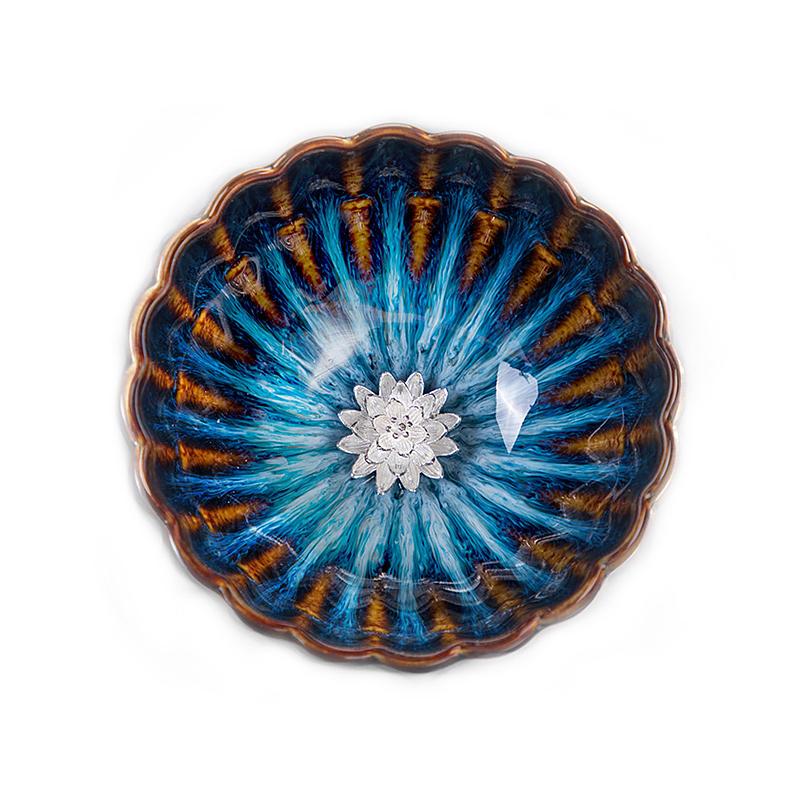
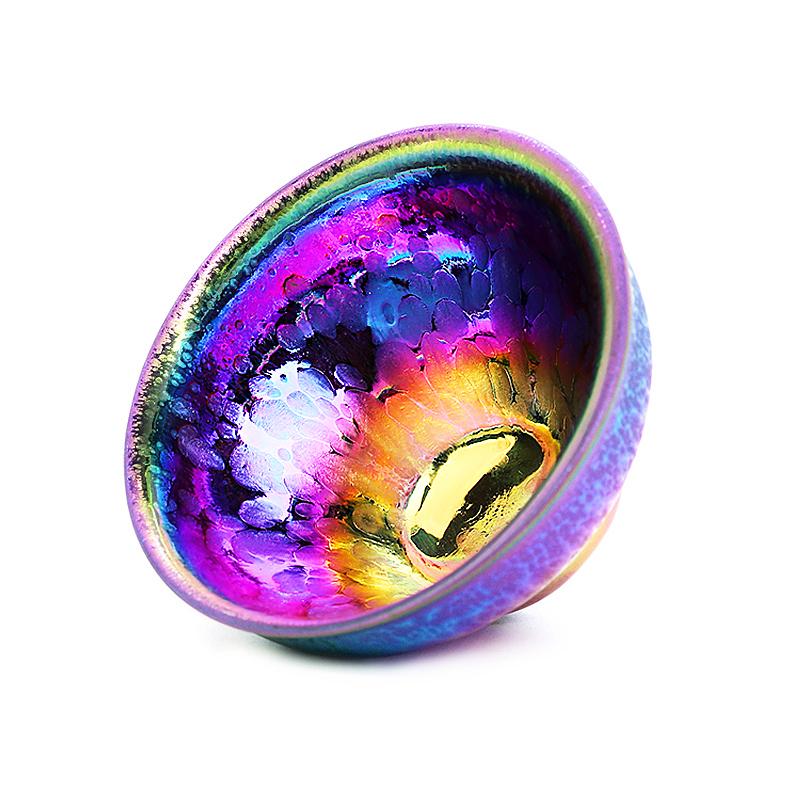
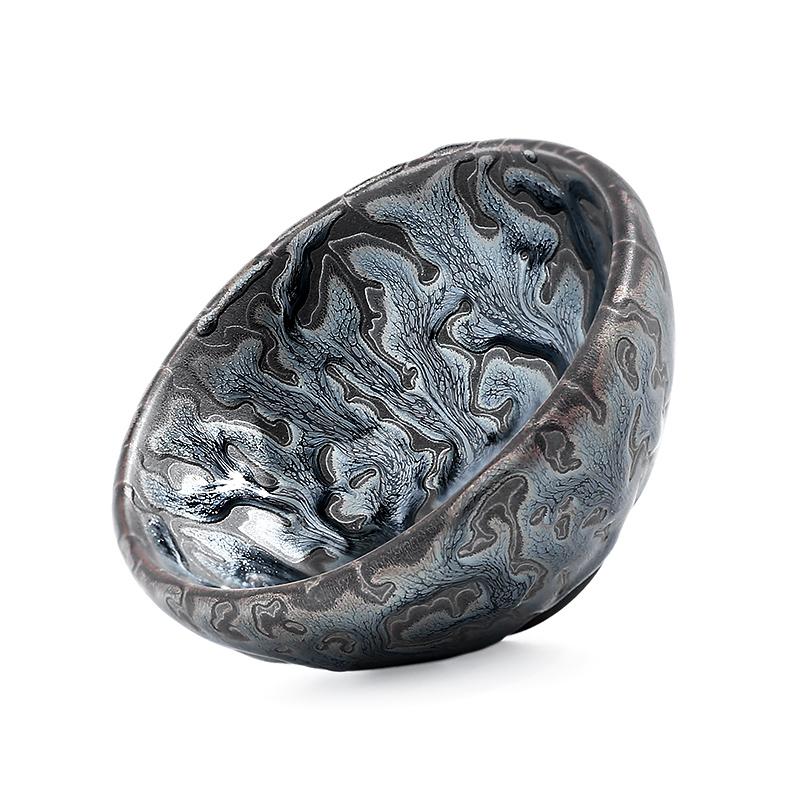
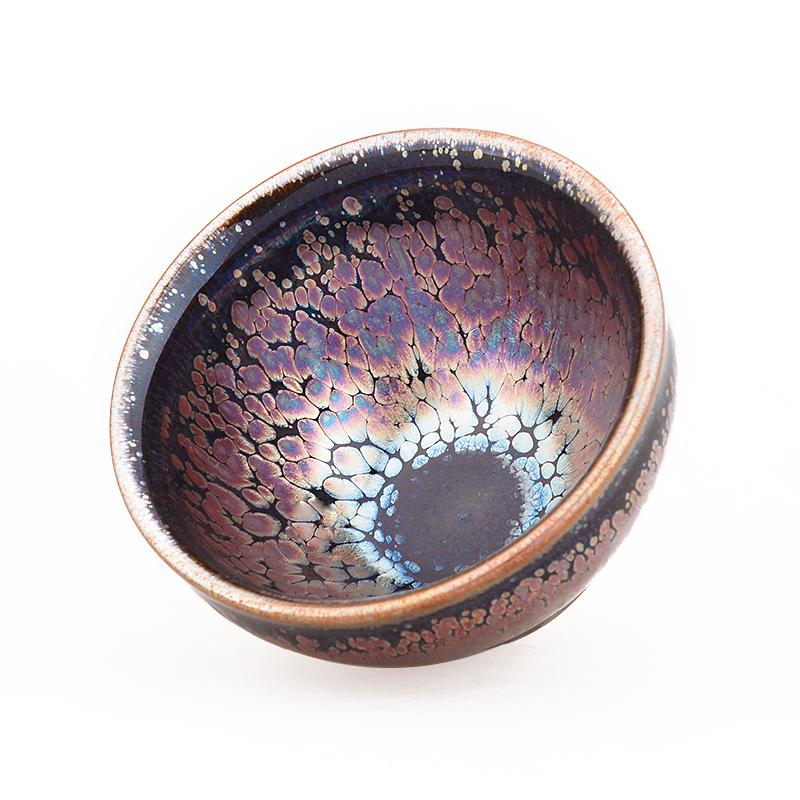
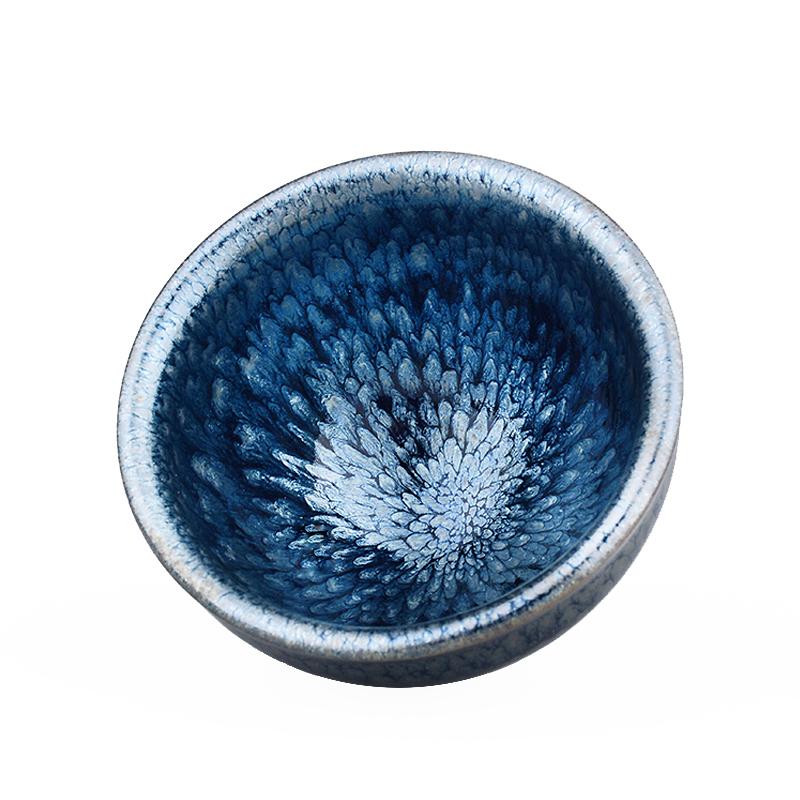
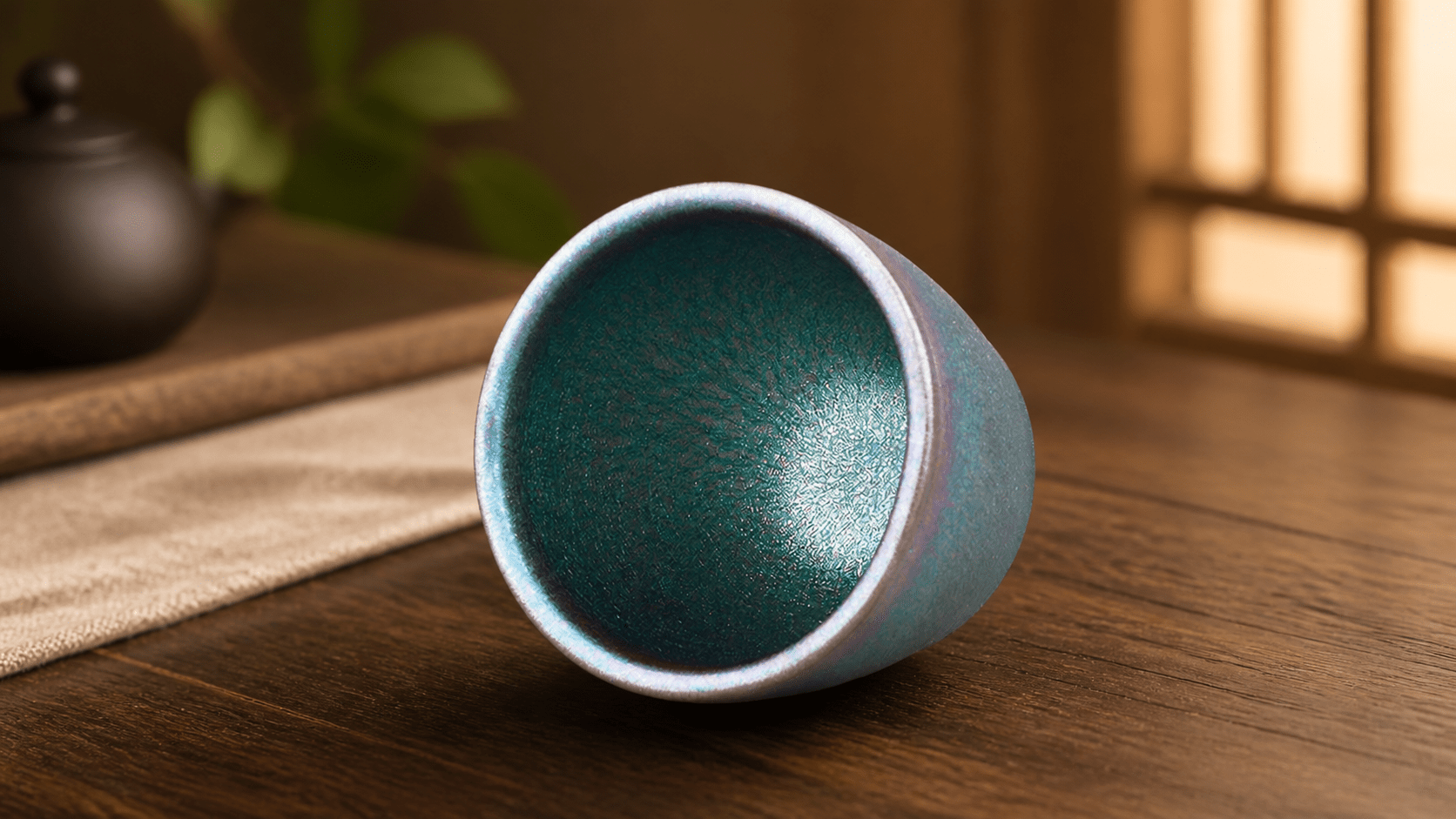
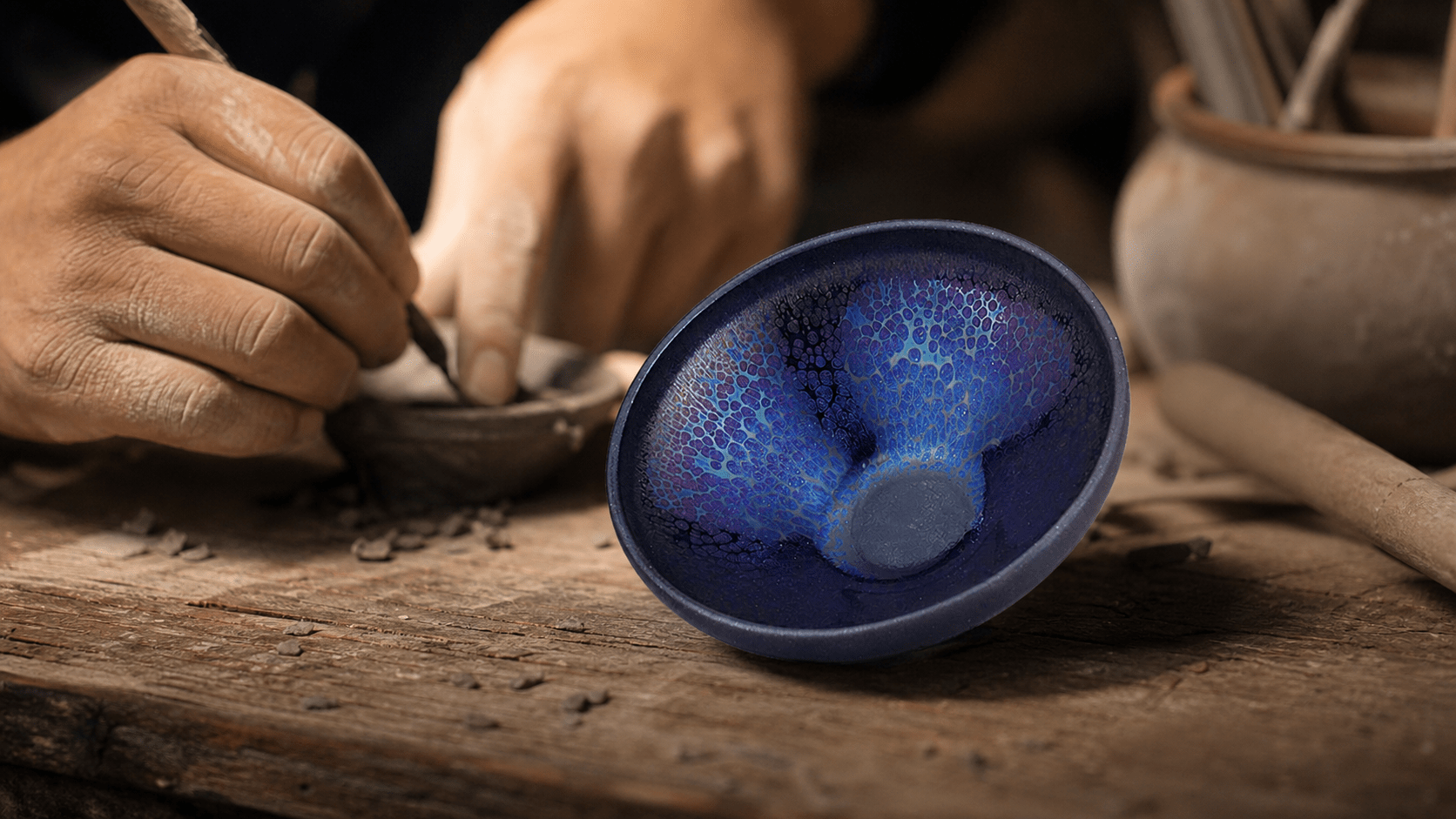
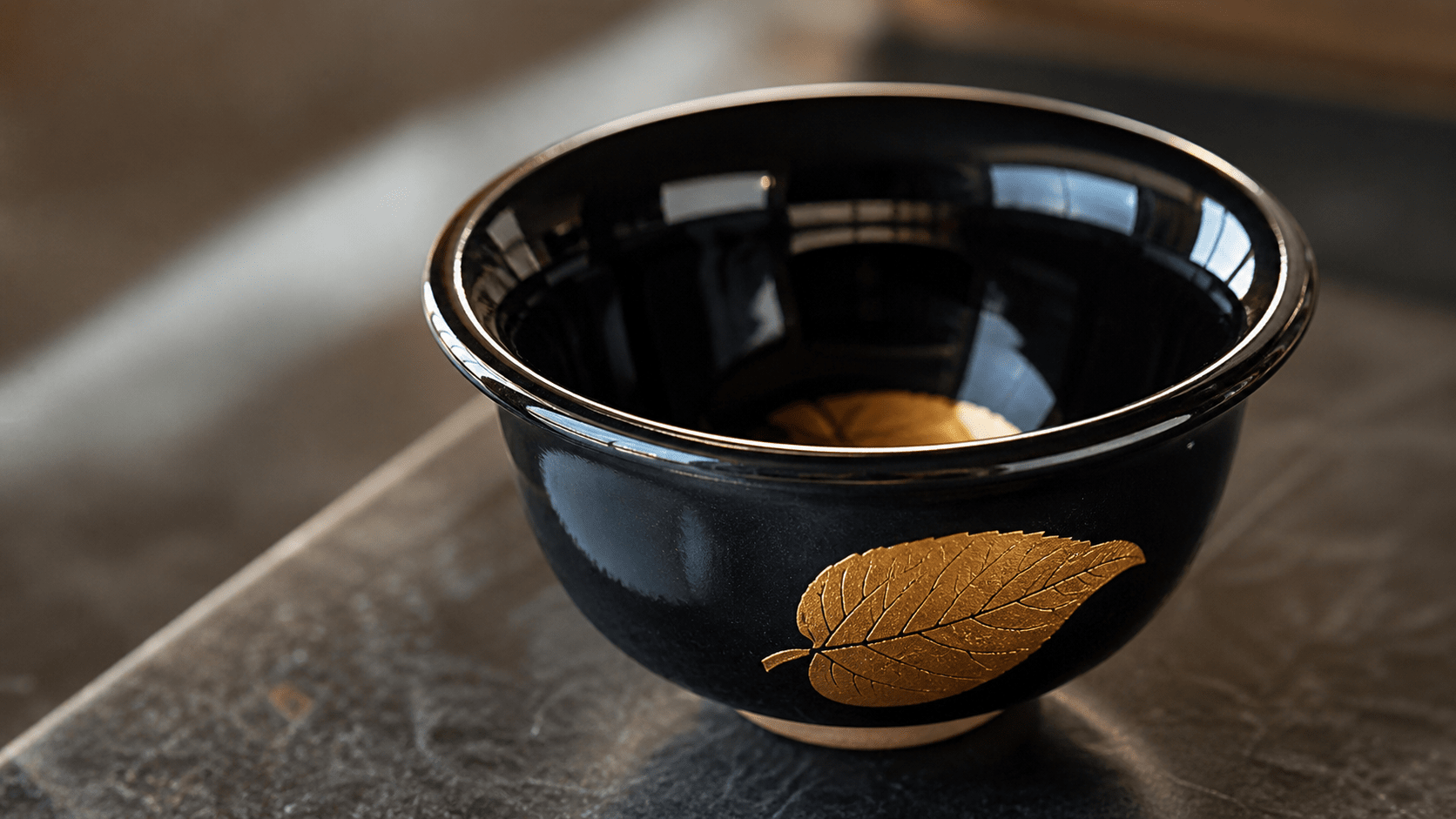
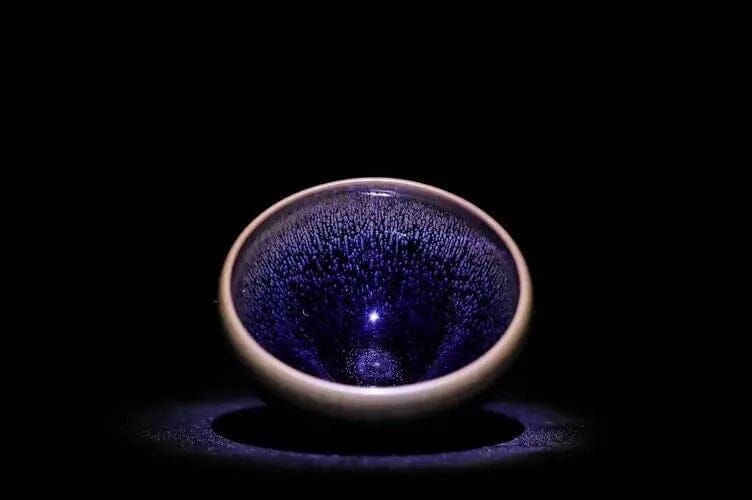
La ceramica Jian apparve durante la prospera dinastia Tang e raggiunse il suo apice durante la dinastia Song, per poi declinare e infine scomparire dalla storia. Dopo aver vissuto un tumultuoso viaggio nel tempo, riapparve nella nostra visione con le sue numerose e splendide coppe, accattivanti e indimenticabili, suscitando un rinnovato interesse per la ceramica Jian e scatenando una frenesia tra i collezionisti. La rarità della ceramica Jian di alta qualità, dovuta alla difficoltà del processo di cottura, è un'altra ragione per cui i suoi prezzi continuano a salire. La scarsità di ceramica Jian perfetta ha portato a un'intensa competizione tra gli appassionati per il possesso.

Innanzitutto, il processo di cottura della ceramica Jian presenta sfide uniche e specifiche. Mentre altri tipi di ceramica possono essere prodotti in serie riducendo i costi attraverso modifiche alla formula, lo stesso non vale per la ceramica Jian. La sua formula non è fissa e non può essere prodotta in grandi quantità. Durante la cottura, il maestro deve considerare i cambiamenti ambientali, le condizioni meteorologiche e le modifiche flessibili dovute alle differenze nella composizione dell'argilla. Se il processo rimane invariato, la qualità della ceramica Jian sarà notevolmente compromessa.

In secondo luogo, il processo di cottura delle ceramiche Jian prevede requisiti specifici per la smaltatura: deve essere spessa. Se la smaltatura è troppo sottile, comprometterà la formazione delle gocce d'olio e non soddisferà gli elevati standard qualitativi. Una smaltatura spessa non è difficile per i maestri esperti, ma la sfida sta nel determinare lo spessore appropriato.

Se la smaltatura è troppo spessa, scivolerà verso il basso durante la cottura ad alta temperatura, con conseguente accumulo di uno strato più spesso sul fondo del vaso Jian. Ciò impedirà al motivo cristallino originale di apparire sotto lo strato più spesso, e anche la distribuzione dei motivi e dei colori risulterà diversa, rendendo difficile ottenere il risultato desiderato.

Un altro problema che deriva da uno smalto troppo spesso è che, se la temperatura di cottura è troppo alta o il tempo di cottura è troppo lungo, lo smalto può colare sulla base e farla aderire. Una volta che la base si è attaccata, anche se viene staccata con degli strumenti, può comunque compromettere la bellezza complessiva del vaso Jian.

Un'altra difficoltà nella cottura della ceramica Jian risiede nel controllo della temperatura. La temperatura gioca un ruolo cruciale nella formazione della ceramica. Tuttavia, il controllo della temperatura richiesto per la cottura della ceramica Jian è ancora più rigoroso rispetto a quello richiesto per altri tipi di ceramica.

Mentre alcuni tipi di ceramica richiedono una cottura a temperature di 1.200 gradi Celsius, la ceramica Jian richiede temperature superiori a 1.300 gradi Celsius. Tuttavia, non si tratta solo di cuocere a quella temperatura, ma anche di controllare l'intervallo di temperatura durante l'intero processo di cottura. Una temperatura troppo alta o troppo bassa può causare problemi di cottura, con conseguente produzione di prodotti di qualità inferiore.

Inoltre, la temperatura gioca un ruolo cruciale nell'interazione degli oligoelementi all'interno dello smalto, dando origine a cambiamenti inimmaginabili e meravigliosi. Questo aumenta ulteriormente la difficoltà di cottura di una tazza in ceramica Jian perfetta.

Inoltre, per creare tazze in ceramica Jian con motivi cristallini come il pelo di lepre o le macchie d'olio, è necessario creare un'atmosfera riducente durante la cottura. Questa si riferisce al gas riducente prodotto quando la combustione è incompleta. Se l'atmosfera riducente non viene controllata correttamente a causa di una tenuta inadeguata o di un'eccessiva penetrazione di ossigeno, verrà distrutta e non sarà possibile cuocere splendidi motivi cristallini.

Questo cambiamento, che ha lasciato perplessi gli antichi e che non ha ancora trovato una risposta chiara nella ricerca moderna, è uno dei motivi per cui la ceramica Jian è così rara e ricercata. La sua rarità e la difficoltà di produzione la rendono un tesoro prezioso.
Quick answers for Tenmoku teaware shoppers

Use this guide to connect the article topic with practical buying decisions: what Jianzhan Tenmoku teaware is, who it suits, how to choose a piece, and how to care for it after purchase.

How to use this guide before buying

Read the article first for the main explanation, then compare the product photos, glaze variation, form, seller clarity, return policy, and whether the piece fits daily tea, display, collecting, or gifting.

Common buying mistakes to avoid

Avoid choosing only by dramatic claims, copied photos, unusually low prices, or vague master language. A better decision uses visible product details, clear use case, realistic care needs, and trustworthy shop policies.

Recommended next step

After reading, compare a few real products side by side by size, glaze family, rim shape, capacity, price, and gift suitability instead of relying on one photo or one keyword.

What is Jianzhan Tenmoku teaware?

Jianzhan Tenmoku teaware is ceramic tea ware known for dark mineral-glaze effects and natural kiln variation. Common forms include tea cups, bowls, teapots, tea sets, and matcha bowls.

Who is it best for?

It is best for tea drinkers, ceramic collectors, and gift shoppers who value functional objects with visible handmade character. It is not ideal if you need every piece to look exactly identical.

How do I care for it?

Hand wash with warm water, avoid abrasive cleaners, and dry fully before storage. Gentle daily use helps preserve the surface and keeps the glaze easy to inspect over time.

How do I choose the right Tenmoku piece?

Choose by the main use first: daily tea, matcha, Gongfu brewing, display, or gifting. Then compare capacity, rim shape, glaze family, photos, and whether natural variation is acceptable for your needs.

Is Jianzhan Tenmoku teaware good as a gift?

Yes. It works well for tea lovers, ceramic collectors, birthdays, holidays, and housewarming gifts because it is both usable and visually distinctive. For gifts, choose an easy-to-use form and a glaze style with clear photos.

Related products and categories

Compare the guide above with real Tenmokus categories and representative pieces. Start with the use case, then compare glaze style, form, price, and whether the piece is mainly for daily tea, display, collecting, or gifting.

Handmade Tenmoku tea cups

Best for daily tea drinking, first Jianzhan purchases, ceramic gifts, and comparing glaze patterns across cup shapes.

Tenmoku tea sets

Best when you want a coordinated tea table, a hosting setup, or a complete gift instead of one individual cup.

Real vs fake Tenmoku guide

Use this guide to compare seller claims, glaze appearance, photos, and practical buying signals before choosing a piece.

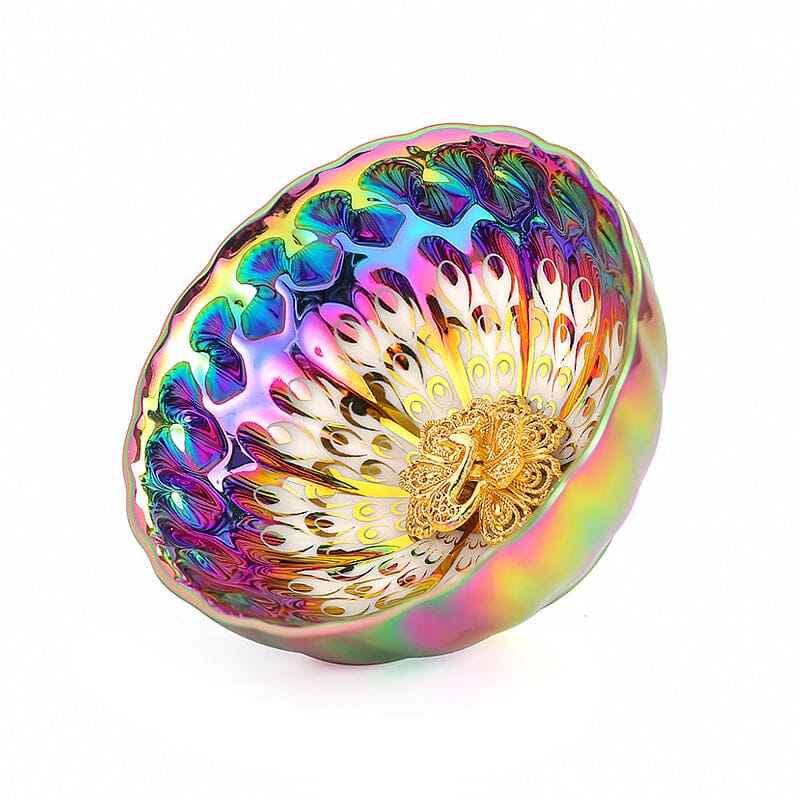
Pavone vivido

A representative Tenmoku tea cup to compare by glaze depth, cup shape, price, and gift fit.

Pavone d'oro

Compare this piece when you want a clear visual reference for a gold-toned Tenmoku glaze style.

Fata II

Use this product as another comparison point for handmade form, glaze variation, and gift suitability.

shop handmade Tenmoku tea cups compare Jianzhan teapots browse Tenmoku tea sets choose Tenmoku matcha bowls view Tenmoku tea cups read the real vs fake Tenmoku tea bowl guide browse Jianzhan buying guides learn about Tenmokus

From Tenmoku guide to teaware choice

Tenmokus is focused on handmade Jianzhan Tenmoku teaware for tea rituals, display, and gifting. If you are choosing after reading this guide, start with Tenmoku tea cups for daily tea tasting, Tenmoku teapots for loose leaf brewing, Tenmoku coffee cups for daily coffee, Tenmoku tea sets for coordinated gifts, Tenmoku matcha bowls for matcha preparation, Tenmoku beer cups for home bar drinkware, or Tenmoku sake sets for serving and display.

Ultime storie

Keep exploring Tenmoku care, gift ideas, teaware selection, and the difference between Tenmoku and Jianzhan.

Visualizza tutto

Tenmoku Tea Bowl Price: Why Handmade Cups Are Worth It

Tenmoku Tea Bowl Price: Why Handmade Cups Are Worth It

Tenmoku Tea Bowl Price: Why a Handmade Cup Can Elevate Your Gongfu Tea Ritual A tenmoku tea bowl can cost more than an ordinary ceramic cup because it is not simply molded, glazed, and repeated by machine. A handmade Jian...

Per saperne di più

Tenmoku Tea Bowl: Bring Craft and Calm to Every Tea Ritual

Tenmoku Tea Bowl: Bring Craft and Calm to Every Tea Ritual

Tenmoku Tea Bowl: Bring Craft and Calm to Every Tea Ritual A tenmoku tea bowl is more than a dark-glazed vessel: it is a handmade tea cup that makes a daily gongfu tea session feel more deliberate and personal. Whether...

Per saperne di più

Tenmoku Tea Bowl Authenticity Guide: Buy Jian Zhan with Confidence

Tenmoku Tea Bowl Authenticity Guide: Buy Jian Zhan with Confidence

Tenmoku Tea Bowl Authenticity Guide: Choose a Better Cup for Gongfu Tea A real tenmoku tea bowl is more than a dark cup with shiny speckles: it is a high-fired ceramic piece whose clay, iron-rich glaze, and kiln atmosphere work...

Per saperne di più