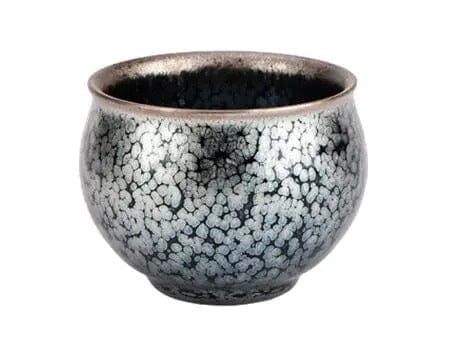
Vendita di Pasqua: acquista 3 Ottieni il 4 ° GRATUITO!

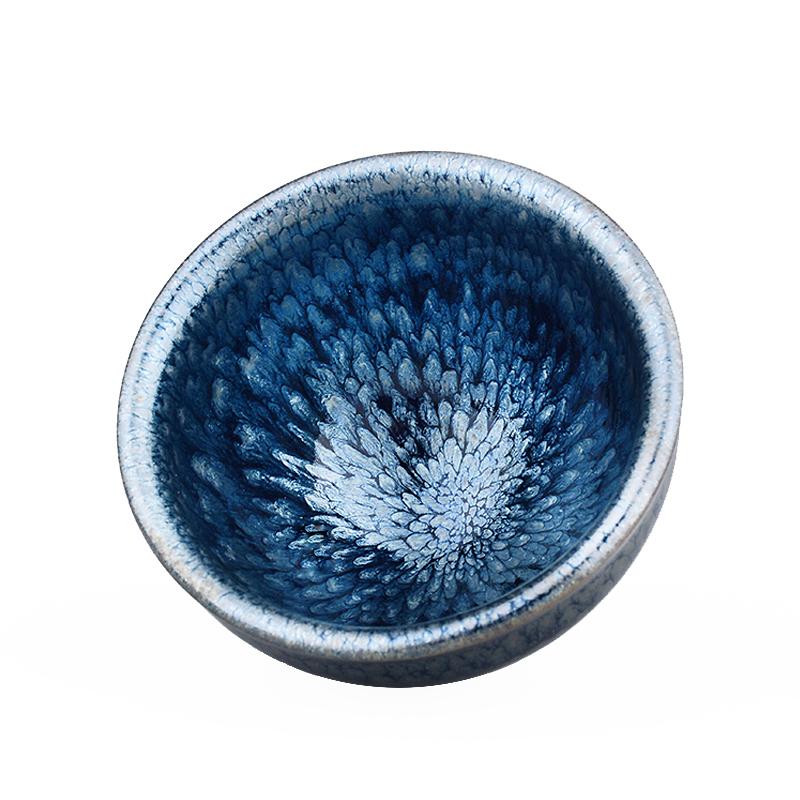
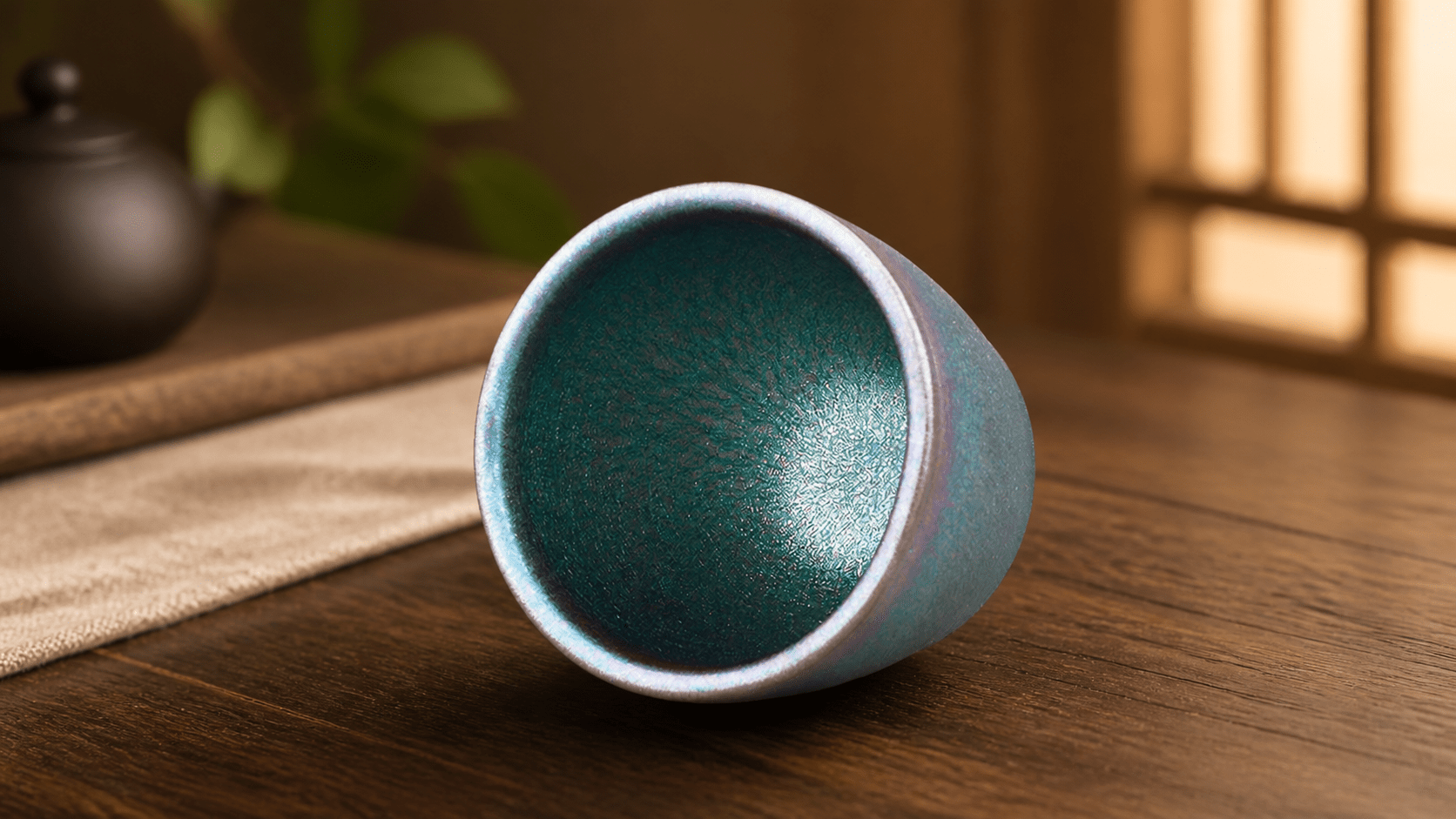
Oggigiorno sul mercato sono disponibili tantissimi tipi di tazze da tè, come le calde tazze di porcellana bianca, simili a giada, le tazze di porcellana blu, simili a giada, e le splendide tazze in argilla viola testurizzata. Sembrerebbe che tutte siano adatte al tè, ma perché così tanti amanti del tè continuano a preferire le tazze Jianzhan?

Usare una Jianzhan come tazza da tè speciale mentre si beve il tè è un altro significato di "gara del tè". Si dice che sia così che le persone mostrano il proprio gusto in quel contesto.

Jianzhan è uno strumento meraviglioso per bere il tè. Xu Cishu scrisse nel "Classico del Tè" durante la dinastia Ming: "Il tè si nutre nell'acqua, l'acqua dipende dall'utensile e il fuoco è necessario per preparare il tè. I quattro elementi sono interdipendenti e la mancanza di uno di essi porterà al fallimento". Questa affermazione illustra appieno la relazione dialettica tra i quattro elementi del tè: acqua, utensili e fuoco. Oggigiorno, servizi da tè di materiali e stili diversi emergono costantemente, il che può essere definito abbagliante, ma quelli che possono essere veramente definiti eccellenti utensili da tè sono pochi e rari.

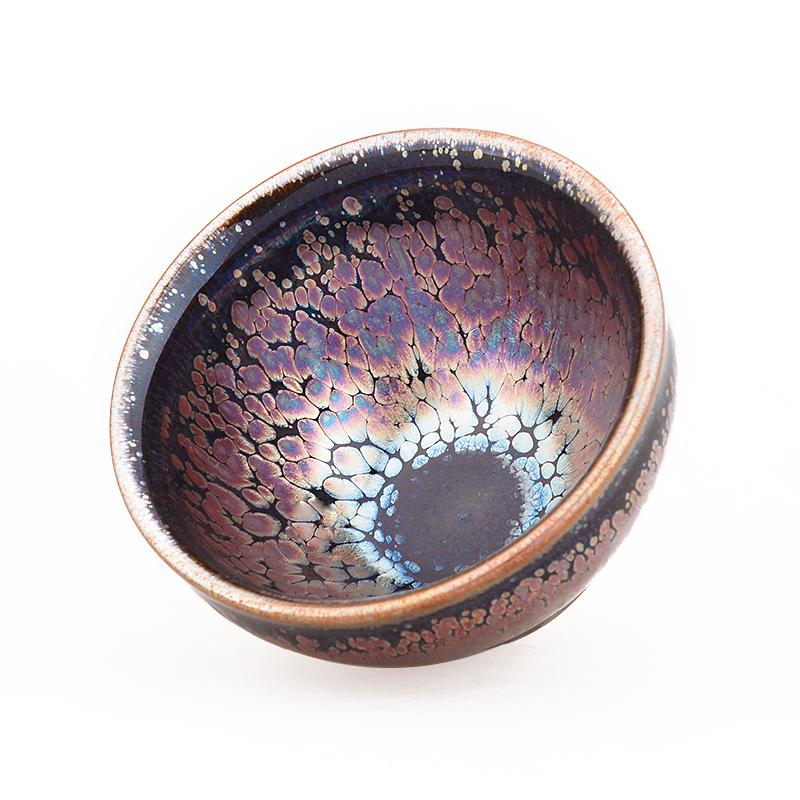
Gli abitanti della dinastia Song nutrivano un amore innato per il tè. Per prepararlo, prima macinavano le foglie in polvere e poi le mettevano in una Jianzhan. Si aggiungeva acqua bollente da una teiera e poi il tè veniva mescolato con un frullino, un processo noto come "tè mescolato". Una schiuma lattiginosa appariva sulla superficie del tè, appesa alle pareti della Jianzhan. Quando diverse persone si riunivano per bere il tè, la prima persona la cui schiuma scompariva veniva considerata perdente nella competizione nota come "combattimento del tè". Pertanto, nel "Trattato sul tè" dell'imperatore Huizong di Song, egli scrisse: "Il colore della Jianzhan dovrebbe essere blu scuro o nero, e quella con il motivo a pelo di coniglio più fine è la migliore".

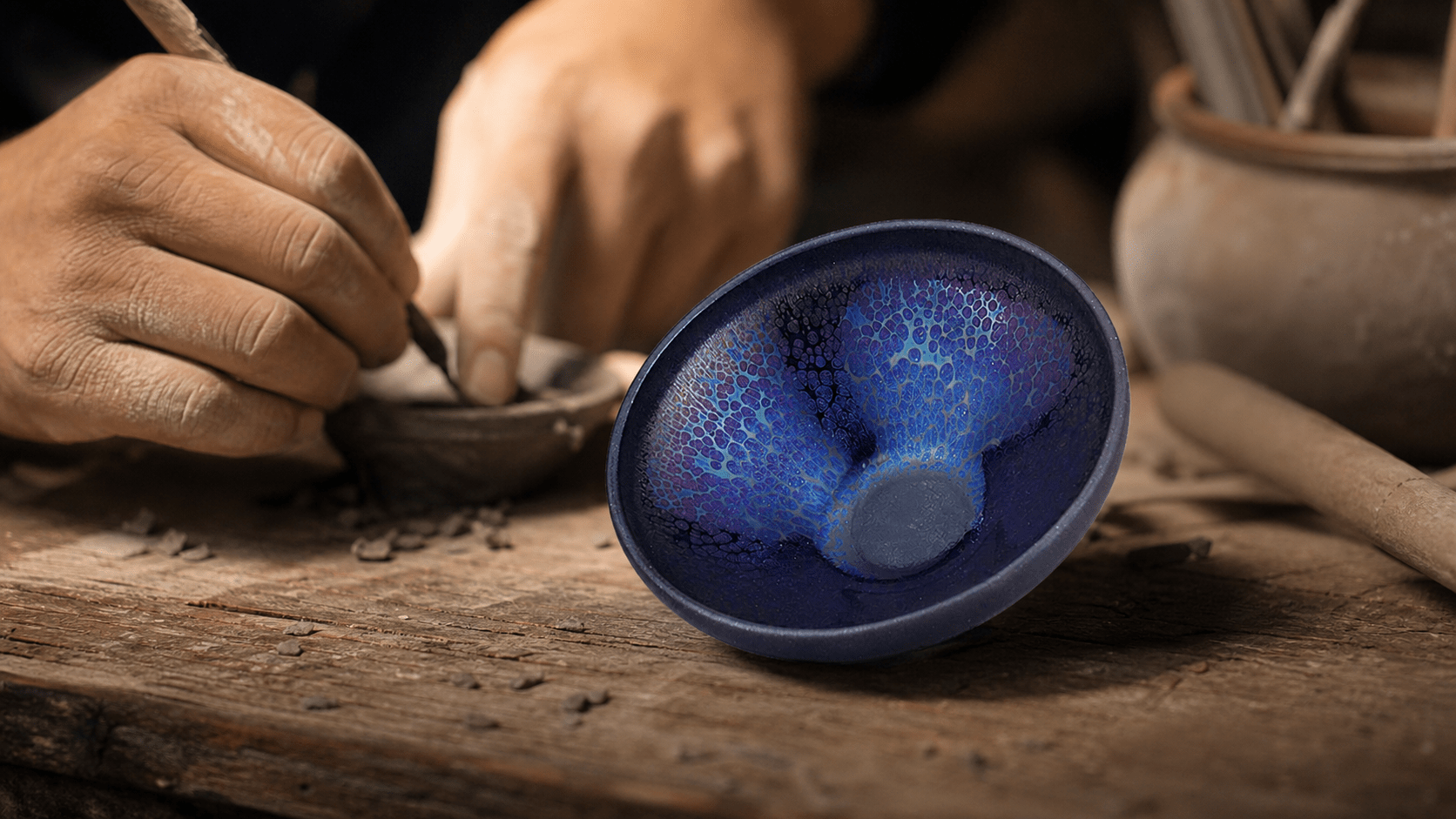
Queste ciotole di porcellana con smalto nero venivano originariamente cotte in diverse fornaci del nord e del sud, ma Cai Xiang e altri letterati prediligevano in particolar modo quelle prodotte nella fornace Jian'an. Ciò diede origine alla fama di "Jianzhan", che spinse poi altre fornaci a imitarle.

Jianzhan vanta particolari design funzionali nella selezione del contenuto di ferro e sabbia del corpo di argilla, nel controllo dello spessore del corpo di argilla e nello spessore e densità della glassa. Utilizzare Jianzhan per bere il tè può mantenerlo caldo a lungo, migliorare l'alcalinità della zuppa di tè, garantire un gusto migliore e stimolare ed esaltare l'aroma del tè. Permette di ottenere appieno l'effetto desiderato e di ottenere un gusto morbido, dolce e rinfrescante. Per gustare un tè di alta qualità, è fondamentale utilizzare la migliore combinazione per la preparazione del tè: Jianzhan.

Jianzhan contiene componenti chimici come biossido di silicio, ossido di alluminio, ossido di ferro e ossido di calcio nel suo impasto di argilla e nella sua smaltatura. Pertanto, l'elevato contenuto di ferro in Jianzhan può rilasciare continuamente ioni ferro bivalenti durante l'uso e può anche assorbire ioni cloruro dall'acqua. Viene facilmente assorbito dal corpo umano, il che può aumentare il trasportatore di emoglobina e la funzionalità dei globuli rossi, prevenire l'anemia e l'ipertensione, regolare il sistema nervoso centrale e ottenere un effetto lenitivo.

Nelle calde notti d'estate, il cibo avanzato veniva messo in una ciotola bianca coperta e in una Jianzhan, e conservato in un mobiletto della cucina. Il giorno dopo, il cibo avanzato nella Jianzhan era ancora commestibile e non si era rovinato, mentre quello nella ciotola bianca era andato a male ed emanava un odore aspro e pungente.

Allo stesso tempo, il tè veniva preparato rispettivamente in una ciotola bianca coperta e in una Jianzhan. Il tè preparato nella Jianzhan era persistente e aveva un gusto puro, mentre quello preparato nella ciotola bianca non era persistente e aveva un sapore astringente e difficile da bere.

Nonostante le sue dimensioni ridotte e il suo aspetto scuro, la Jianzhan ha uno status storico che altre tazze da tè non hanno, e i suoi benefici per la degustazione del tè sono stati apprezzati da molti appassionati. Tuttavia, sul mercato si trovano anche molte "false Jianzhan". Per acquistare una Jianzhan autentica e di buona qualità, rivolgersi a un negozio di antiquariato con certificazione professionale del settore, come Guzhan Tang, è naturalmente la prima scelta per chiunque.
Quick answers for Tenmoku teaware shoppers

Use this guide to connect the article topic with practical buying decisions: what Jianzhan Tenmoku teaware is, who it suits, how to choose a piece, and how to care for it after purchase.

How to use this guide before buying

Read the article first for the main explanation, then compare the product photos, glaze variation, form, seller clarity, return policy, and whether the piece fits daily tea, display, collecting, or gifting.

Common buying mistakes to avoid

Avoid choosing only by dramatic claims, copied photos, unusually low prices, or vague master language. A better decision uses visible product details, clear use case, realistic care needs, and trustworthy shop policies.

Recommended next step

After reading, compare a few real products side by side by size, glaze family, rim shape, capacity, price, and gift suitability instead of relying on one photo or one keyword.

What is Jianzhan Tenmoku teaware?

Jianzhan Tenmoku teaware is ceramic tea ware known for dark mineral-glaze effects and natural kiln variation. Common forms include tea cups, bowls, teapots, tea sets, and matcha bowls.

Who is it best for?

It is best for tea drinkers, ceramic collectors, and gift shoppers who value functional objects with visible handmade character. It is not ideal if you need every piece to look exactly identical.

How do I care for it?

Hand wash with warm water, avoid abrasive cleaners, and dry fully before storage. Gentle daily use helps preserve the surface and keeps the glaze easy to inspect over time.

How do I choose the right Tenmoku piece?

Choose by the main use first: daily tea, matcha, Gongfu brewing, display, or gifting. Then compare capacity, rim shape, glaze family, photos, and whether natural variation is acceptable for your needs.

Is Jianzhan Tenmoku teaware good as a gift?

Yes. It works well for tea lovers, ceramic collectors, birthdays, holidays, and housewarming gifts because it is both usable and visually distinctive. For gifts, choose an easy-to-use form and a glaze style with clear photos.

Related products and categories

Compare the guide above with real Tenmokus categories and representative pieces. Start with the use case, then compare glaze style, form, price, and whether the piece is mainly for daily tea, display, collecting, or gifting.

Handmade Tenmoku tea cups

Best for daily tea drinking, first Jianzhan purchases, ceramic gifts, and comparing glaze patterns across cup shapes.

Tenmoku tea sets

Best when you want a coordinated tea table, a hosting setup, or a complete gift instead of one individual cup.

Real vs fake Tenmoku guide

Use this guide to compare seller claims, glaze appearance, photos, and practical buying signals before choosing a piece.

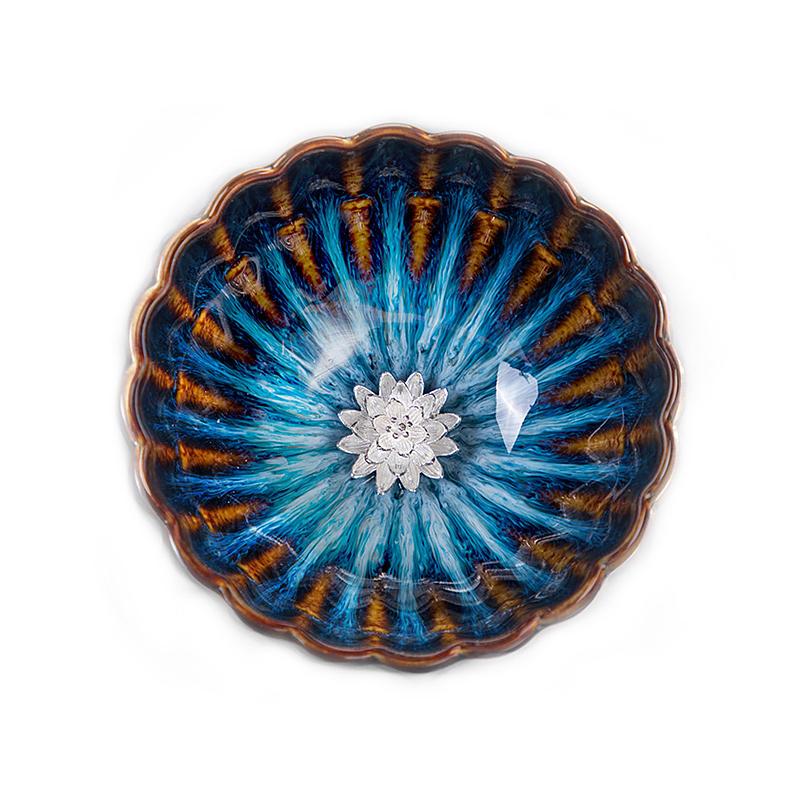
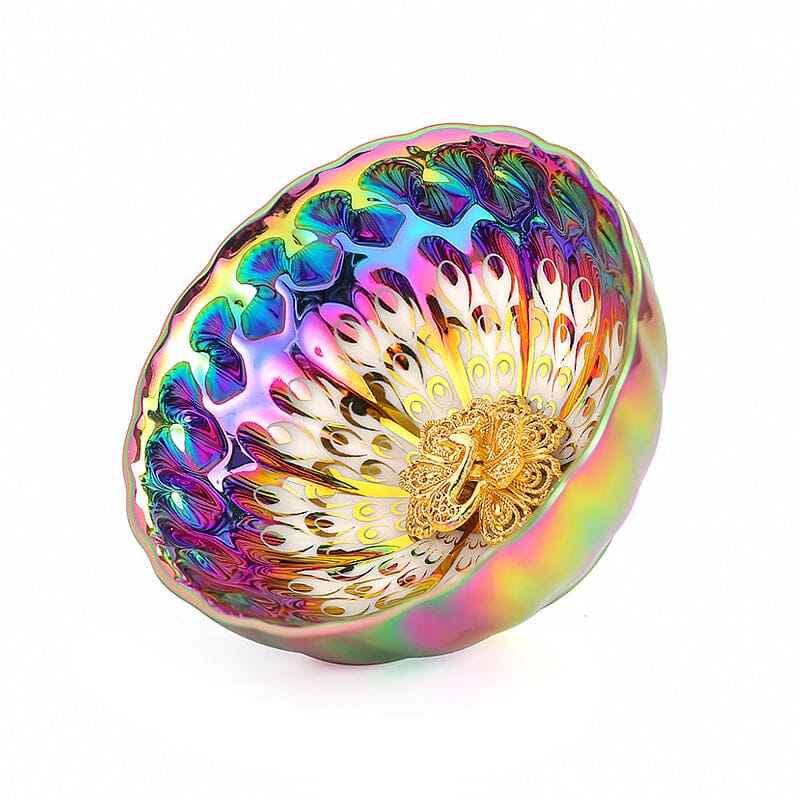
Pavone vivido

A representative Tenmoku tea cup to compare by glaze depth, cup shape, price, and gift fit.

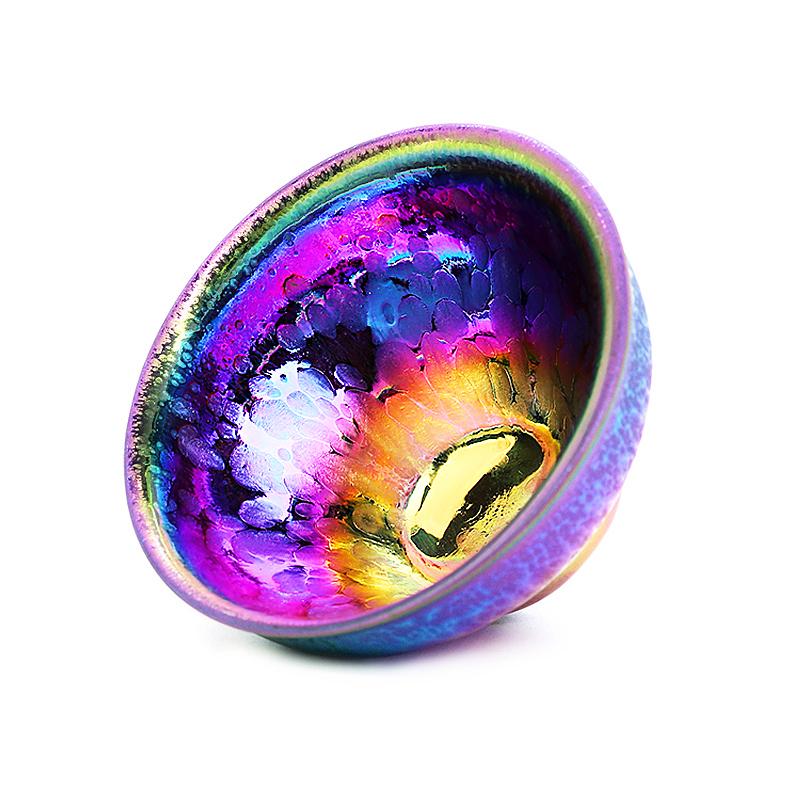
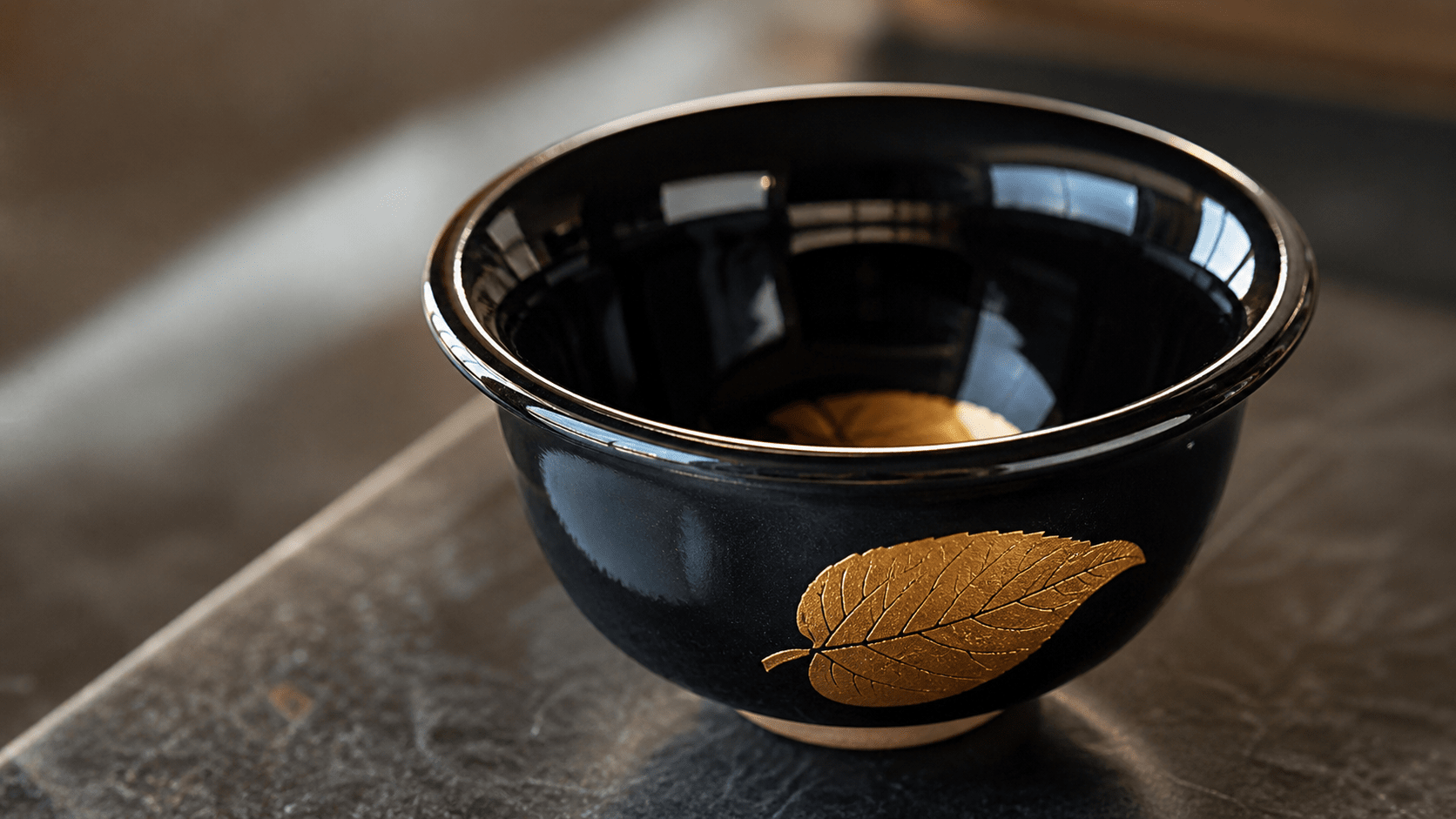
Pavone d'oro

Compare this piece when you want a clear visual reference for a gold-toned Tenmoku glaze style.

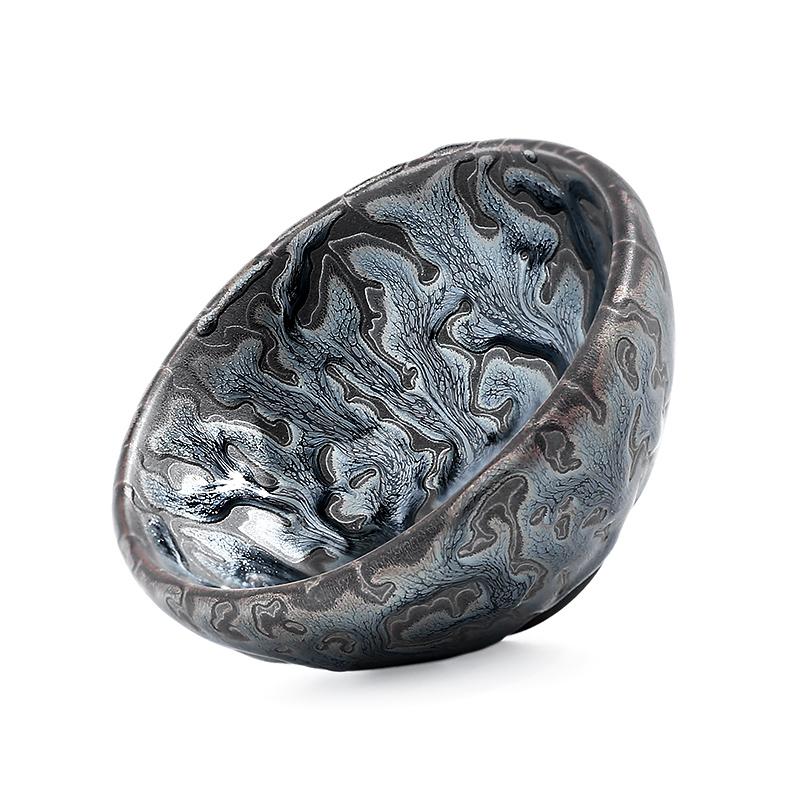
Fata II

Use this product as another comparison point for handmade form, glaze variation, and gift suitability.

shop handmade Tenmoku tea cups compare Jianzhan teapots browse Tenmoku tea sets choose Tenmoku matcha bowls view Tenmoku tea cups read the real vs fake Tenmoku tea bowl guide browse Jianzhan buying guides learn about Tenmokus

From Tenmoku guide to teaware choice

Tenmokus is focused on handmade Jianzhan Tenmoku teaware for tea rituals, display, and gifting. If you are choosing after reading this guide, start with Tenmoku tea cups for daily tea tasting, Tenmoku teapots for loose leaf brewing, Tenmoku coffee cups for daily coffee, Tenmoku tea sets for coordinated gifts, Tenmoku matcha bowls for matcha preparation, Tenmoku beer cups for home bar drinkware, or Tenmoku sake sets for serving and display.

Ultime storie

Keep exploring Tenmoku care, gift ideas, teaware selection, and the difference between Tenmoku and Jianzhan.

Visualizza tutto

Tenmoku Tea Bowl Price: Why Handmade Cups Are Worth It

Tenmoku Tea Bowl Price: Why Handmade Cups Are Worth It

Tenmoku Tea Bowl Price: Why a Handmade Cup Can Elevate Your Gongfu Tea Ritual A tenmoku tea bowl can cost more than an ordinary ceramic cup because it is not simply molded, glazed, and repeated by machine. A handmade Jian...

Per saperne di più

Tenmoku Tea Bowl: Bring Craft and Calm to Every Tea Ritual

Tenmoku Tea Bowl: Bring Craft and Calm to Every Tea Ritual

Tenmoku Tea Bowl: Bring Craft and Calm to Every Tea Ritual A tenmoku tea bowl is more than a dark-glazed vessel: it is a handmade tea cup that makes a daily gongfu tea session feel more deliberate and personal. Whether...

Per saperne di più

Tenmoku Tea Bowl Authenticity Guide: Buy Jian Zhan with Confidence

Tenmoku Tea Bowl Authenticity Guide: Buy Jian Zhan with Confidence

Tenmoku Tea Bowl Authenticity Guide: Choose a Better Cup for Gongfu Tea A real tenmoku tea bowl is more than a dark cup with shiny speckles: it is a high-fired ceramic piece whose clay, iron-rich glaze, and kiln atmosphere work...

Per saperne di più