Vendita di Pasqua: acquista 3 Ottieni il 4 ° GRATUITO!

Traduzione: Jianzhan è velenoso?

Non è assolutamente così, ma non so se lo "Jianzhan economico" sia tossico. Innanzitutto, dobbiamo capire le materie prime utilizzate per produrre lo Jianzhan.

Le materie prime per la produzione dello smalto Jianzhan sono molto semplici e consistono essenzialmente di due tipi: minerali per smalto e cenere vegetale. Altri materiali includono quarzo, feldspato, calcare, ecc.

La smaltatura ceramica è composta da tre parti: base della smaltatura, agente colorante e fondente.

  1. Il quarzo viene utilizzato come base per la glassa, i minerali della glassa vengono utilizzati come agenti coloranti e la cenere vegetale viene utilizzata come fondente.

Quarzo base smalto: è in realtà un componente con una consistenza vetrosa, probabilmente simile al quarzo, che è biossido di silicio.

Colorante minerale per smalto: i componenti chimici del colorante determinano il colore della porcellana. Ad esempio, l'ossido di cobalto viene utilizzato per produrre il colore blu, l'ossido di rame per produrre il colore verde e l'ossido di ferro, che produce un colore bruno-rossastro, è il principale colorante utilizzato a Jianzhan.

I minerali utilizzati nella smaltatura provengono dai monti Nanshan a Jianyang. Questo tipo di minerale è il colorante più importante nella smaltatura Jianzhan, ed è il fattore più determinante nel determinare se Jianzhan può formare motivi.

La smalto di calce con un alto contenuto di ferro è lo smalto nero del forno Jian, un tipo di smalto cristallino di ferro.

Cos'è dunque una glassa cristallina?

Quando la temperatura raggiunge un certo livello, la glassa si cristallizza, formando bellissimi fiori di cristallo visibili sulla superficie o all'interno della glassa.

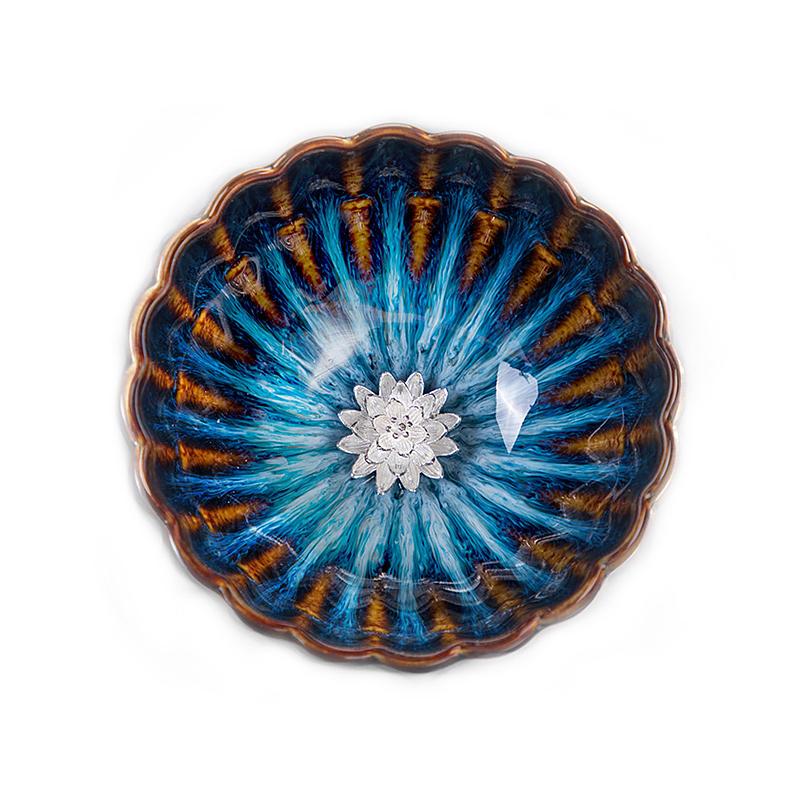
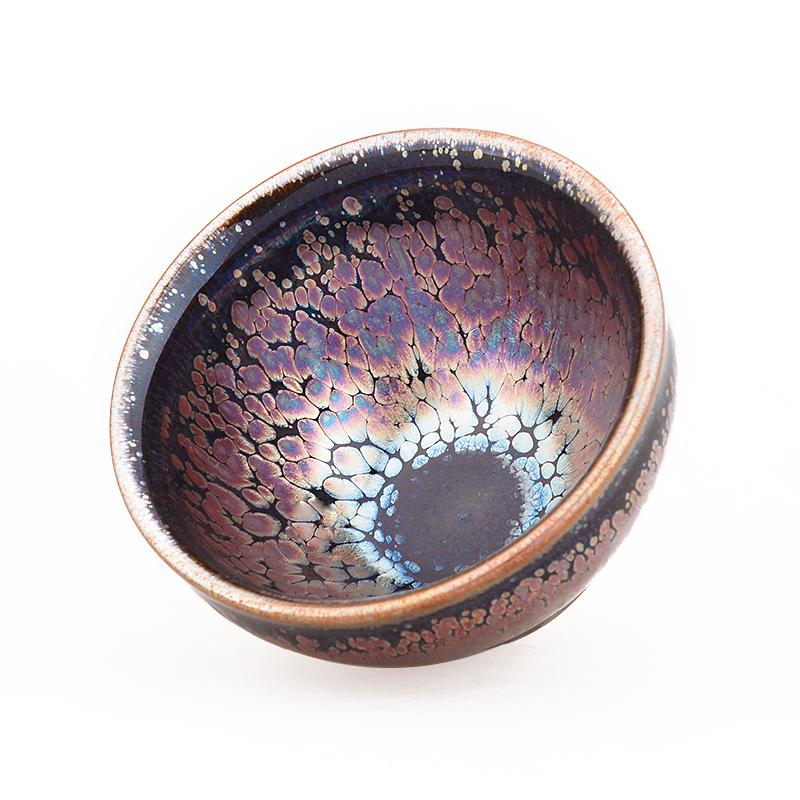
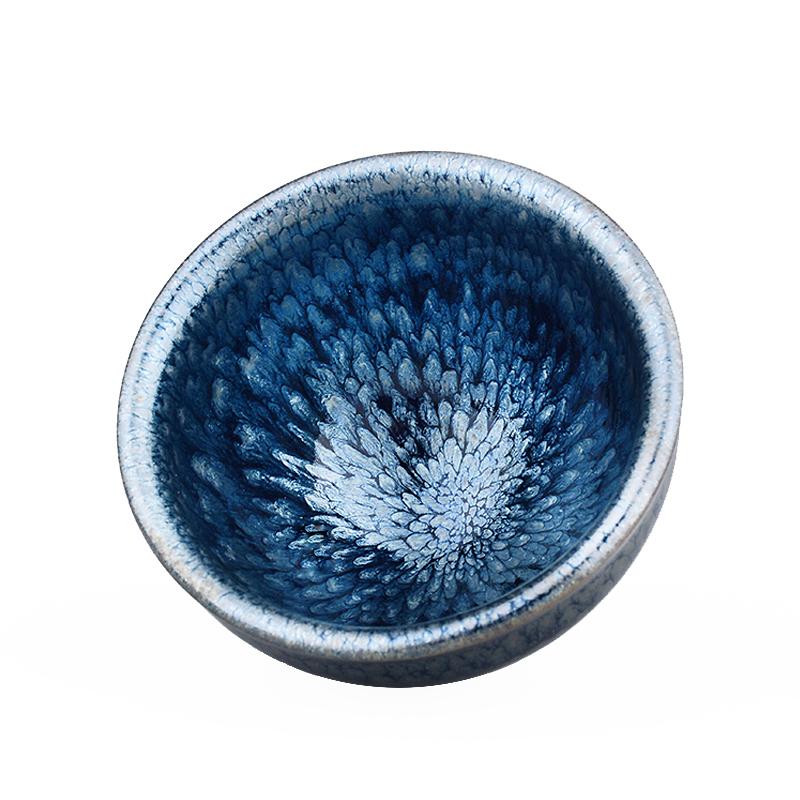
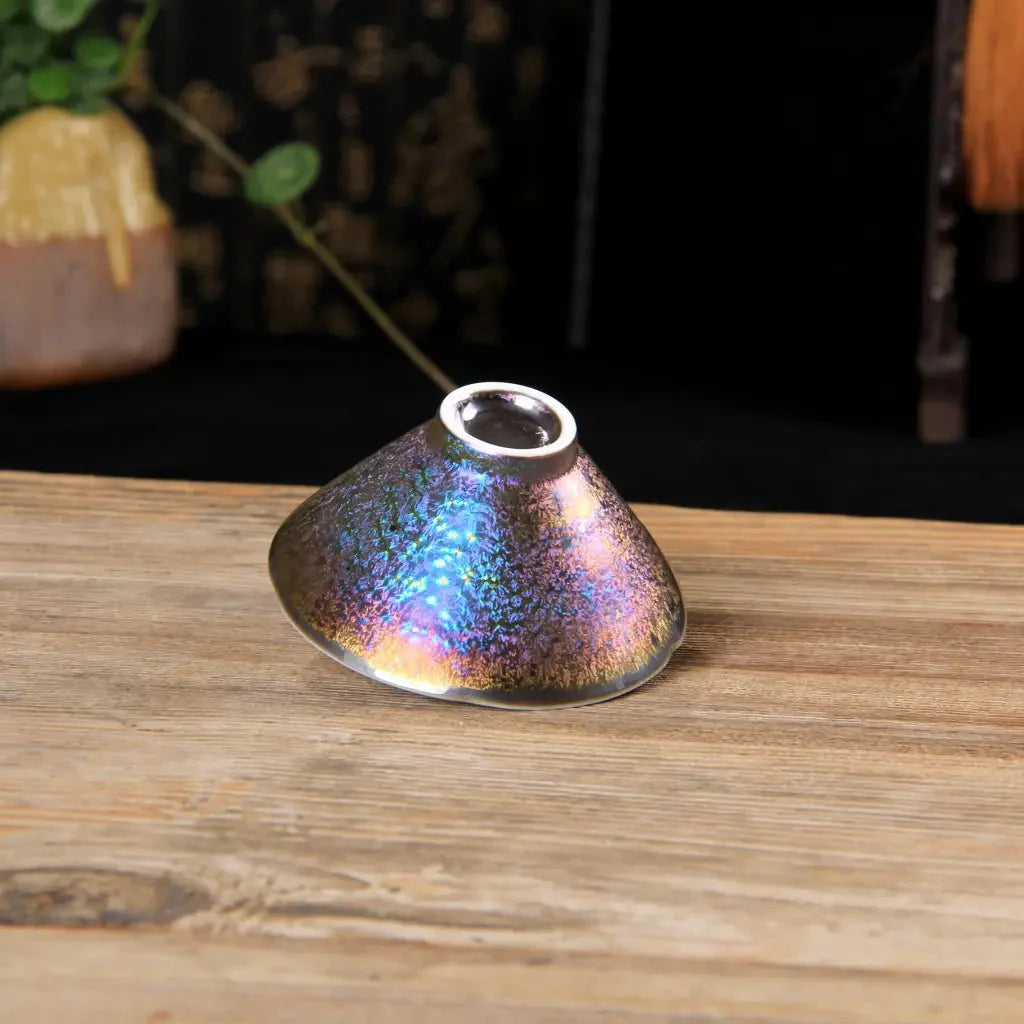
Esistono diversi tipi di cristalli che possono precipitare dalla smaltatura ad alte temperature. Ad esempio, il motivo a pelliccia di lepre marrone, il motivo a goccia d'argento e il motivo a macchie di pernice che appaiono su Jianzhan ne sono tutti esempi.

I fiori di cristallo bruno-rossastro sono composti da ematite, una sostanza cristallina di Fe₂O₂. La magnetite, che è Fe₂O₂, è la sostanza cristallina che forma macchie argentate.

Fondente: può abbassare il punto di fusione del quarzo, risparmiando molto combustibile e tempo. Vengono utilizzati materiali fondenti come feldspato, cenere vegetale o bario.

La glassa nera Jianzhan è una glassa alla calce che utilizza l'ossido di calcio come fondente.

Per quanto riguarda la tossicità di Jianzhan, dal punto di vista della precipitazione di metalli pesanti, richiede una temperatura di 1300 °C affinché il materiale di fondente precipiti. La temperatura massima di ebollizione dell'acqua è di 100 °C, quindi non c'è motivo di preoccuparsi che metalli pesanti come il piombo si sciolgano bevendo acqua o tè. Sentitevi liberi di usarlo.
Quick answers for Tenmoku teaware shoppers

Use this guide to connect the article topic with practical buying decisions: what Jianzhan Tenmoku teaware is, who it suits, how to choose a piece, and how to care for it after purchase.

How to use this guide before buying

Read the article first for the main explanation, then compare the product photos, glaze variation, form, seller clarity, return policy, and whether the piece fits daily tea, display, collecting, or gifting.

Common buying mistakes to avoid

Avoid choosing only by dramatic claims, copied photos, unusually low prices, or vague master language. A better decision uses visible product details, clear use case, realistic care needs, and trustworthy shop policies.

Recommended next step

After reading, compare a few real products side by side by size, glaze family, rim shape, capacity, price, and gift suitability instead of relying on one photo or one keyword.

What is Jianzhan Tenmoku teaware?

Jianzhan Tenmoku teaware is ceramic tea ware known for dark mineral-glaze effects and natural kiln variation. Common forms include tea cups, bowls, teapots, tea sets, and matcha bowls.

Who is it best for?

It is best for tea drinkers, ceramic collectors, and gift shoppers who value functional objects with visible handmade character. It is not ideal if you need every piece to look exactly identical.

How do I care for it?

Hand wash with warm water, avoid abrasive cleaners, and dry fully before storage. Gentle daily use helps preserve the surface and keeps the glaze easy to inspect over time.

How do I choose the right Tenmoku piece?

Choose by the main use first: daily tea, matcha, Gongfu brewing, display, or gifting. Then compare capacity, rim shape, glaze family, photos, and whether natural variation is acceptable for your needs.

Is Jianzhan Tenmoku teaware good as a gift?

Yes. It works well for tea lovers, ceramic collectors, birthdays, holidays, and housewarming gifts because it is both usable and visually distinctive. For gifts, choose an easy-to-use form and a glaze style with clear photos.

Related products and categories

Compare the guide above with real Tenmokus categories and representative pieces. Start with the use case, then compare glaze style, form, price, and whether the piece is mainly for daily tea, display, collecting, or gifting.

Handmade Tenmoku tea cups

Best for daily tea drinking, first Jianzhan purchases, ceramic gifts, and comparing glaze patterns across cup shapes.

Tenmoku tea sets

Best when you want a coordinated tea table, a hosting setup, or a complete gift instead of one individual cup.

Real vs fake Tenmoku guide

Use this guide to compare seller claims, glaze appearance, photos, and practical buying signals before choosing a piece.

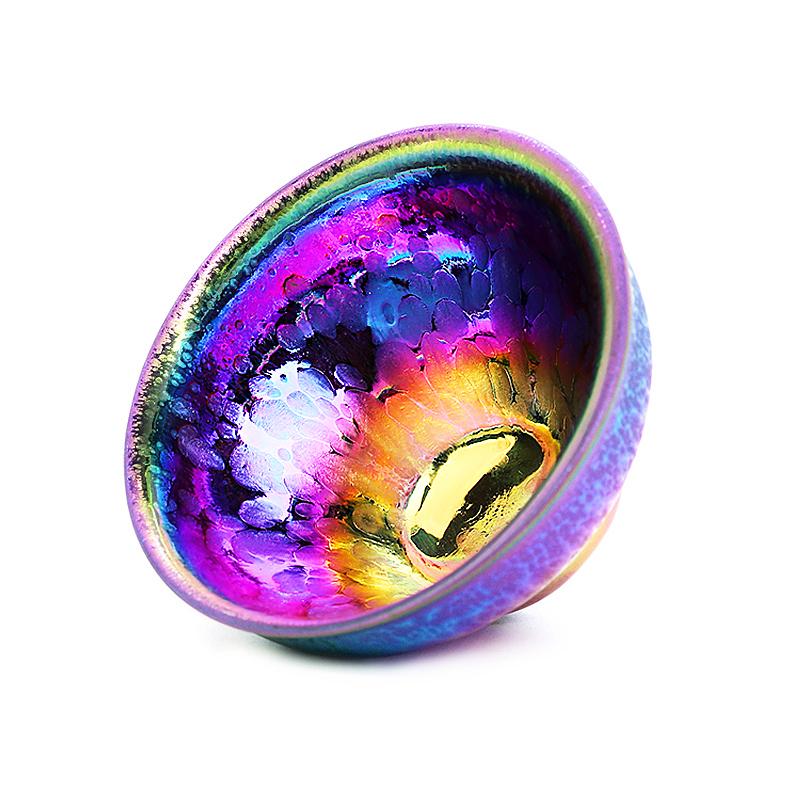
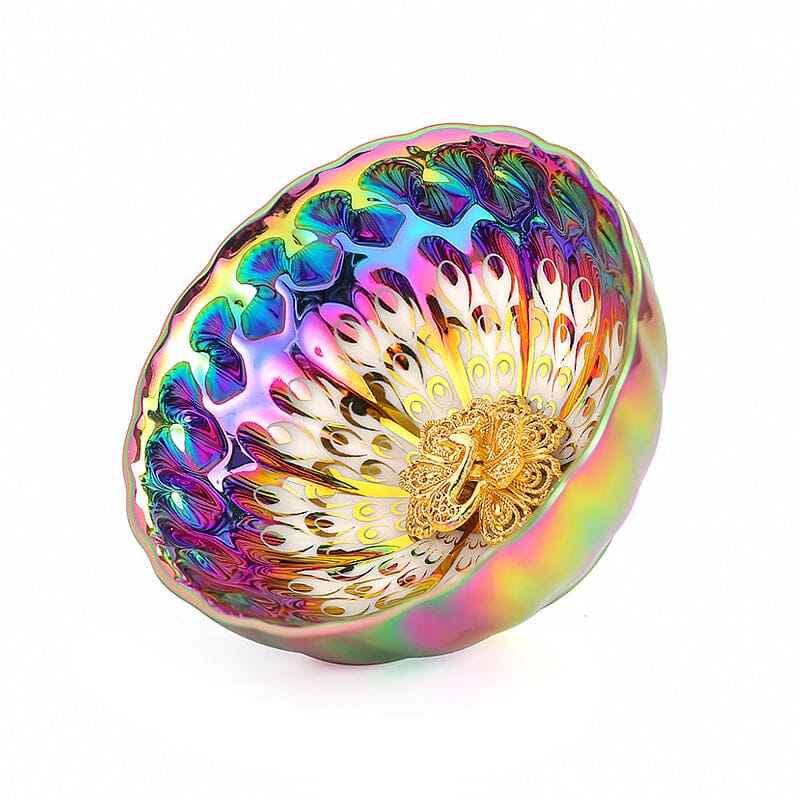
Pavone vivido

A representative Tenmoku tea cup to compare by glaze depth, cup shape, price, and gift fit.

Pavone d'oro

Compare this piece when you want a clear visual reference for a gold-toned Tenmoku glaze style.

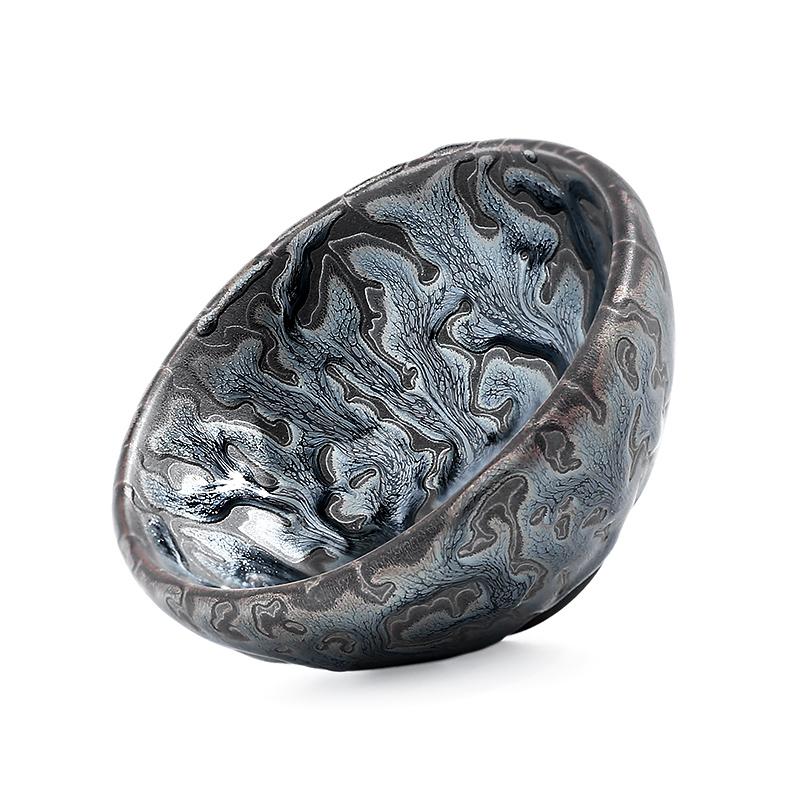
Fata II

Use this product as another comparison point for handmade form, glaze variation, and gift suitability.

shop handmade Tenmoku tea cups compare Jianzhan teapots browse Tenmoku tea sets choose Tenmoku matcha bowls view Tenmoku tea cups read the real vs fake Tenmoku tea bowl guide browse Jianzhan buying guides learn about Tenmokus

From Tenmoku guide to teaware choice

Tenmokus is focused on handmade Jianzhan Tenmoku teaware for tea rituals, display, and gifting. If you are choosing after reading this guide, start with Tenmoku tea cups for daily tea tasting, Tenmoku teapots for loose leaf brewing, Tenmoku coffee cups for daily coffee, Tenmoku tea sets for coordinated gifts, Tenmoku matcha bowls for matcha preparation, Tenmoku beer cups for home bar drinkware, or Tenmoku sake sets for serving and display.

Ultime storie

Keep exploring Tenmoku care, gift ideas, teaware selection, and the difference between Tenmoku and Jianzhan.

Visualizza tutto

Why a Tenmoku Tea Bowl Is Worth the Price for Tea Lovers

Why a Tenmoku Tea Bowl Is Worth the Price for Tea Lovers

Why a Tenmoku Tea Bowl Is Worth the Price for Tea Lovers A tenmoku tea bowl can cost more than an everyday cup because it is a fired work of handmade ceramic art, not a factory-made drinking vessel. For someone...

Per saperne di più

The Tenmoku Tea Bowl Story: A More Meaningful Gongfu Tea Ritual

The Tenmoku Tea Bowl Story: A More Meaningful Gongfu Tea Ritual

A tenmoku tea bowl brings color, texture, and a slower rhythm to a gongfu tea session.The Tenmoku Tea Bowl Story: A More Meaningful Gongfu Tea Ritual A tenmoku tea bowl is a dark-glazed tea vessel whose character comes from clay,...

Per saperne di più

Tenmoku Tea Bowl Authenticity: How to Buy with Confidence

Tenmoku Tea Bowl Authenticity: How to Buy with Confidence

Tenmoku Tea Bowl Authenticity: How to Buy with Confidence A real tenmoku tea bowl is best recognized through its material, glaze behavior, firing marks, and clear origin story—not one flashy rainbow pattern. If you want a handmade ceramic cup for...

Per saperne di più