

Key Takeaways
- Jianzhan (Tenmoku) bowls are not just tea cups — they are tools for daily mindfulness, rooted in 1,000-year-old Song Dynasty tea ceremonies.
- The heavy, dark clay and unique glazes (oil spot, hare's fur, partridge feather) naturally enhance the aroma and flavor of tea, much like a well-seasoned cast iron skillet elevates cooking.
- Using a Jianzhan transforms an ordinary coffee or tea break into a calming ritual, reducing stress and improving focus — no meditation app required.
- Authentic handmade Jianzhan bowls are heirloom-quality art pieces that appreciate in value, offering a luxury experience similar to bespoke craft coffee gear or premium Japanese whiskey sets.
- This guide covers everything a curious beginner or premium lifestyle buyer needs: what makes them special, how to buy your first one, care tips, and real-life scenarios for building a wellness practice at home.
What Is a Jianzhan (Tenmoku) Tea Bowl?
Imagine a wine glass that makes your Bordeaux taste richer, or a cast iron skillet that turns a simple egg into a gourmet meal. That's what a Jianzhan bowl does for tea. Originating in the Song Dynasty (960–1279) in Jianyang, China, these dark, heavy stoneware bowls were the centerpiece of dian cha, a whipped tea ceremony that predates matcha. The bowls traveled to Japan, where they became revered Tenmoku treasures, influencing tea aesthetics for centuries.
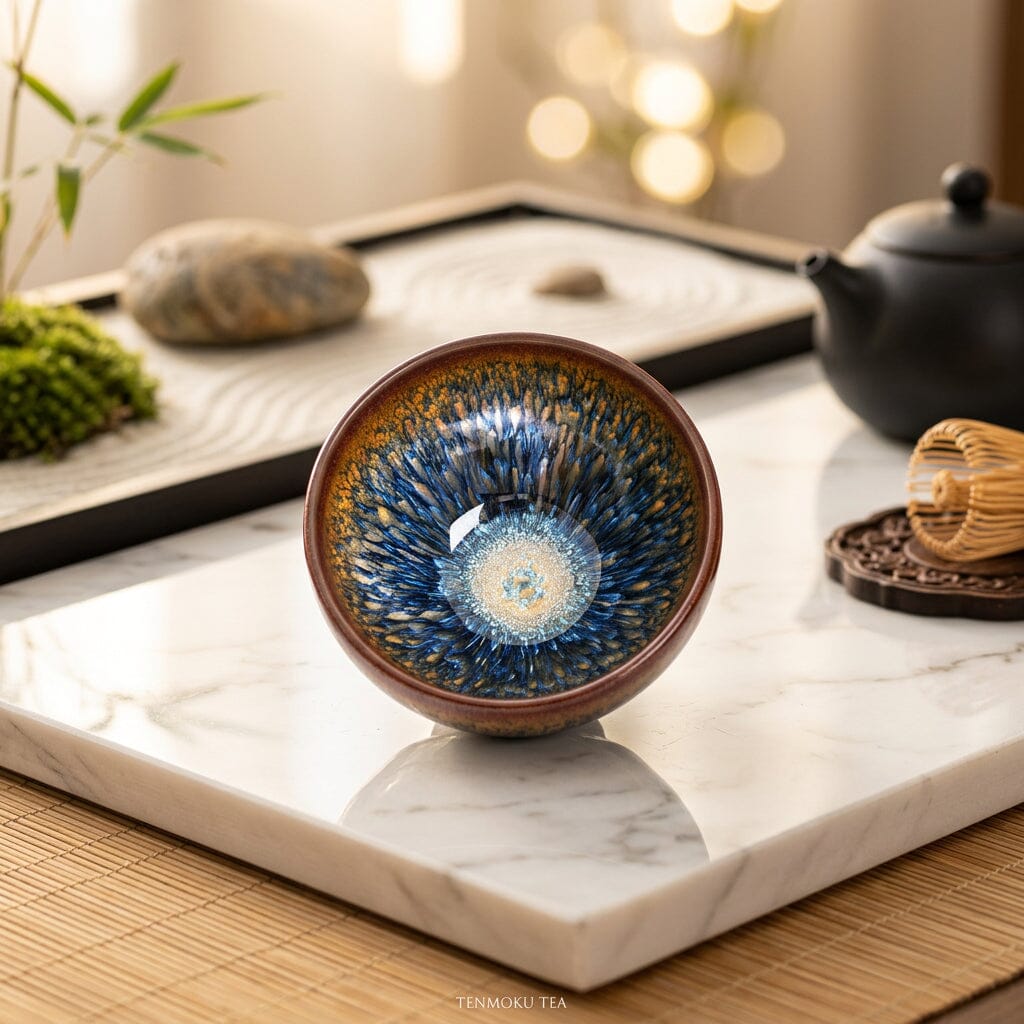
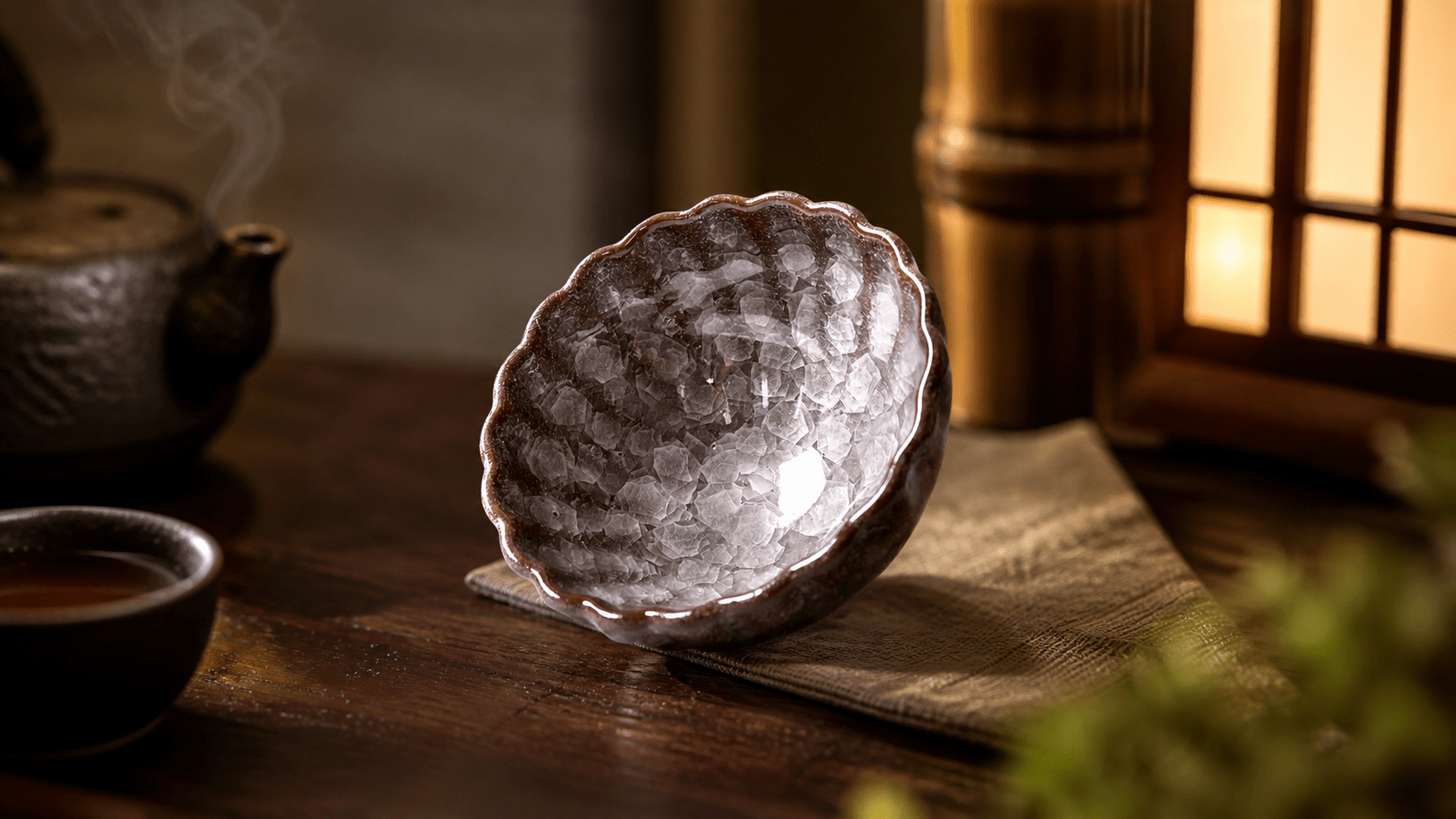
A genuine Jianzhan isn't mass-produced. Each piece is thrown by hand from local iron-rich clay, then fired once at 1300°C in a dragon kiln. The magic happens during cooling: iron oxides bloom into unrepeatable patterns — oil spots, hare's fur streaks, or partridge feather speckles. No two bowls are identical. That's why collectors treat them like fine art, and why using one daily feels like owning a fragment of history.
Why Jianzhan Matters in Today's Wellness Landscape
Americans spend billions on mindfulness apps, boutique fitness, and craft beverages. Yet the most powerful wellness tool might sit in your kitchen cabinet right now: a tea bowl. The Jianzhan forces you to slow down. Its thick walls retain heat, so you can't gulp your tea; you must sip, observe the shifting glaze patterns, and let the deep, earthy aroma envelop you. This is the opposite of a disposable coffee pod.
In a culture obsessed with Yeti tumblers and high-end espresso machines, the Jianzhan offers something different: quiet, tactile luxury. It's an analog anchor in a digital day. Studies on ritual and mindfulness show that even a simple, deliberate act — like holding a warm, textured bowl and pouring hot water over tea leaves — can trigger a relaxation response. The bowl becomes a cue for your brain to enter a calm, focused state.
Top 5 Benefits of Using a Jianzhan for Your Daily Ritual
- Flavor Alchemy: The iron-rich clay softens the taste of green and oolong teas, reducing bitterness and enhancing sweetness. Similar to how a unglazed Yixing pot seasons over time, but you get the benefit immediately.
- Visual Meditation: The shimmering oil spots or silver hare's fur patterns shift under different light. Staring into the bowl becomes a micro-meditation, much like watching flames in a fireplace.
- Heat Retention Without Burning: The thick body keeps tea hot longer than porcelain, but the flared lip ensures your fingers stay comfortable. Perfect for a 15-minute morning pause.
- Eco-Luxury & Longevity: Unlike a metal travel mug that eventually ends up in a landfill, a Jianzhan is biodegradable at the end of its multi-generational lifespan. It's a sustainable heirloom.
- Conversation Catalyst: Place it on your desk during a video call. It signals that you value quality, history, and intentional living — a welcome antidote to hustle culture.
Jianzhan vs. Everyday US Drinkware: A Comparison Table
| Feature | Jianzhan (Tenmoku) | Standard Porcelain Mug | Yeti Tumbler | Cast Iron Teapot (Tetsubin) |
|---|---|---|---|---|
| Mindfulness Factor | High — demands slow sipping, visual engagement | Low — generic, encourages mindless drinking | Low — purely utilitarian, lid blocks aroma | Medium — pour ritual, but drinking vessel still needed |
| Flavor Impact | Enhances tea, softens tannins, adds subtle mineral notes | Neutral, may absorb flavors if cracked | Metallic taste possible, no positive effect | Improves water quality for brewing, but tea is poured into a cup |
| Artistic Value | Museum-grade, each piece unique; collectible | Mass-produced, replaceable | Functional, brand-driven but not art | Can be artistic, but tradition differs from Jianzhan |
| Ritual Integration | Built for Song Dynasty dian cha, perfect for modern mindful breaks | None | None — on-the-go convenience | Part of Japanese tea ceremony, but requires separate cups |
| Price Range (Authentic) | $40–$500+ depending on artist and glaze | $5–$20 | $25–$50 | $60–$200+ |
Buying Guide: How to Choose Your First Authentic Jianzhan
Navigating the market for Tenmoku bowls can feel like walking into a wine shop blindfolded. But these three pillars will help you pick a piece that aligns with your wellness goals and aesthetic taste.
1. Glaze Type: Your Daily Mood Mirror
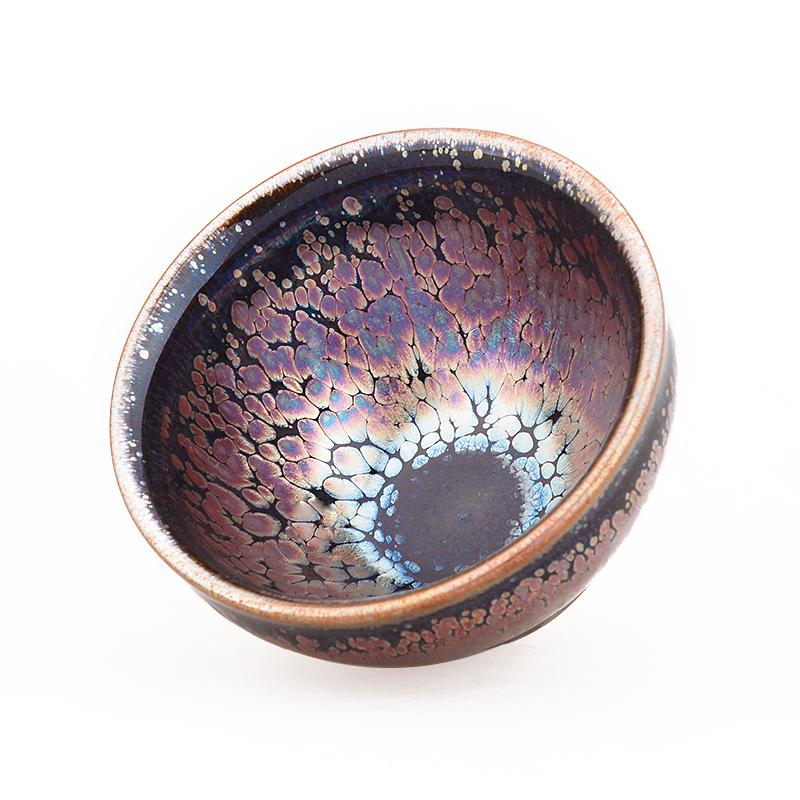
Oil Spot (Yohen): Best for those who love depth. Silver or golden dots shimmer like stars; each sip reveals new speckles. Pair with heavier oolongs or black teas.
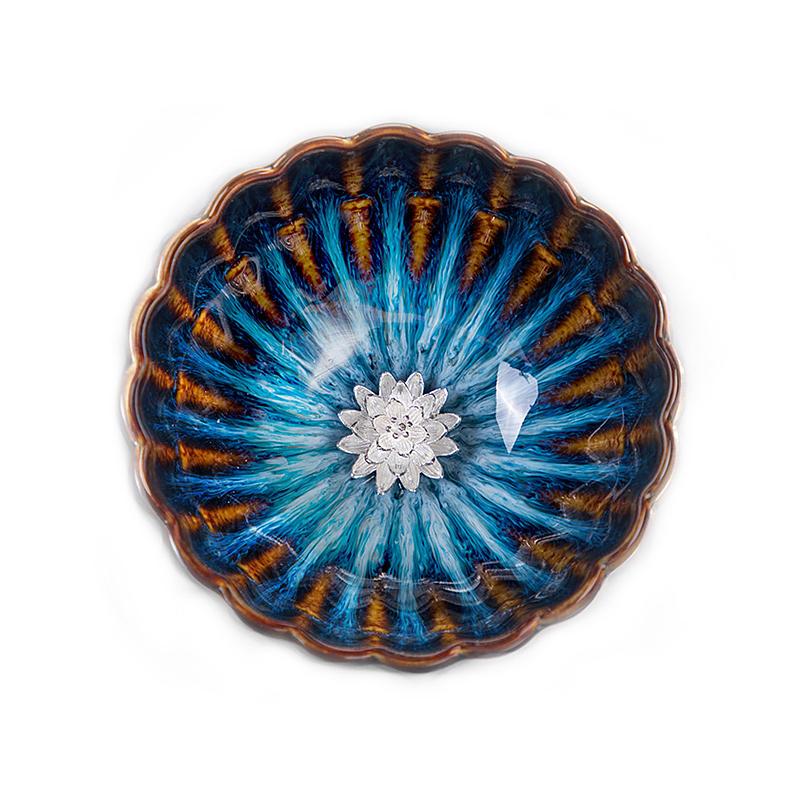
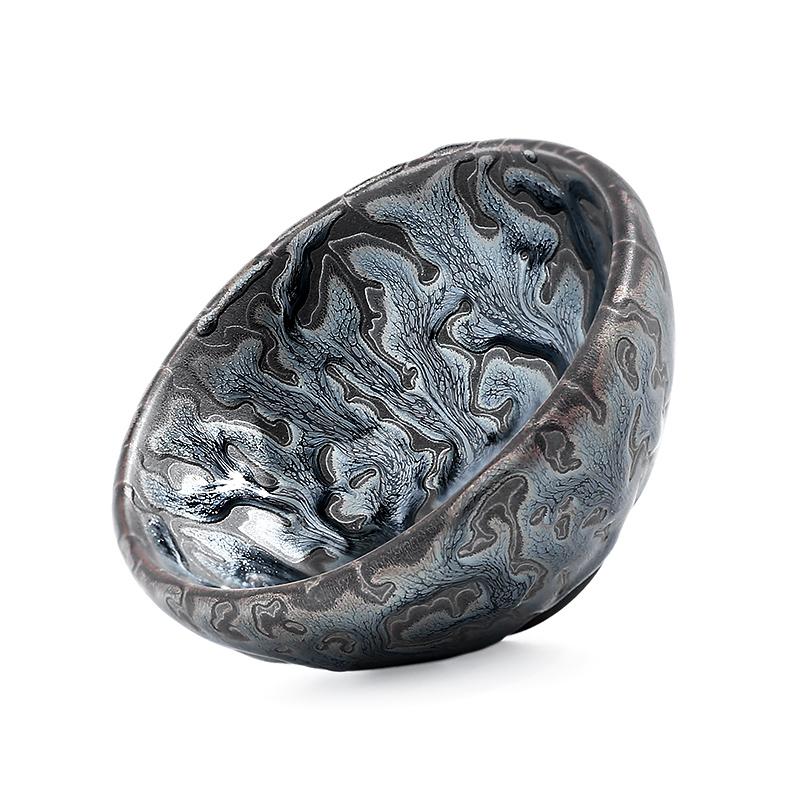
Hare's Fur (Nogime): Streaks of warm brown or blue-black flow down the bowl. Feels dynamic, like a waterfall frozen in time. Ideal for light, floral teas.
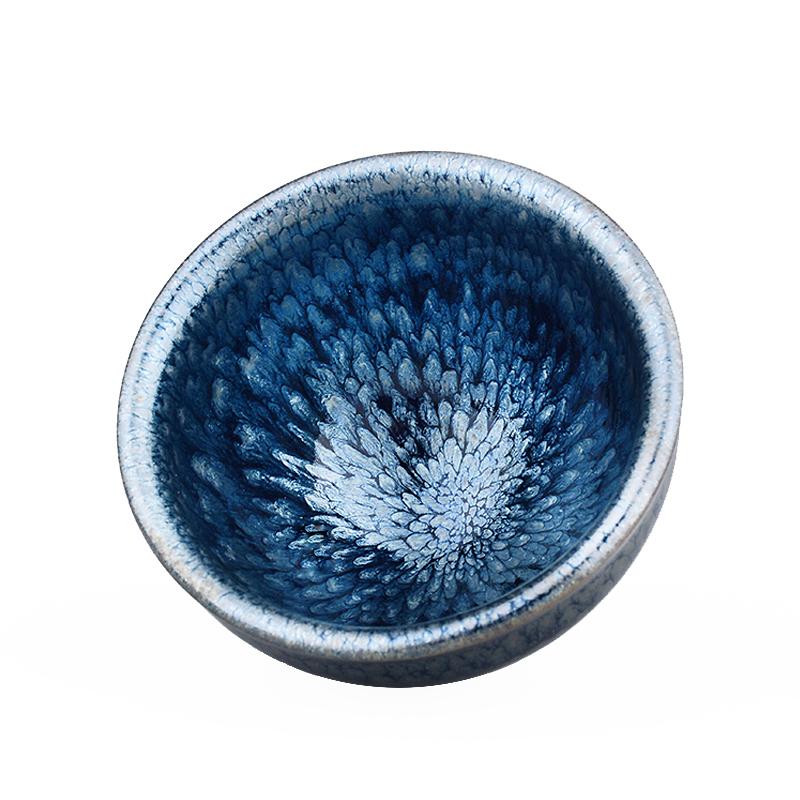
Partridge Feather (Shakuhō): White-silver flecks on a dark ground. Rare and highly prized, often more expensive. Stunning with matcha or powdered hojicha.
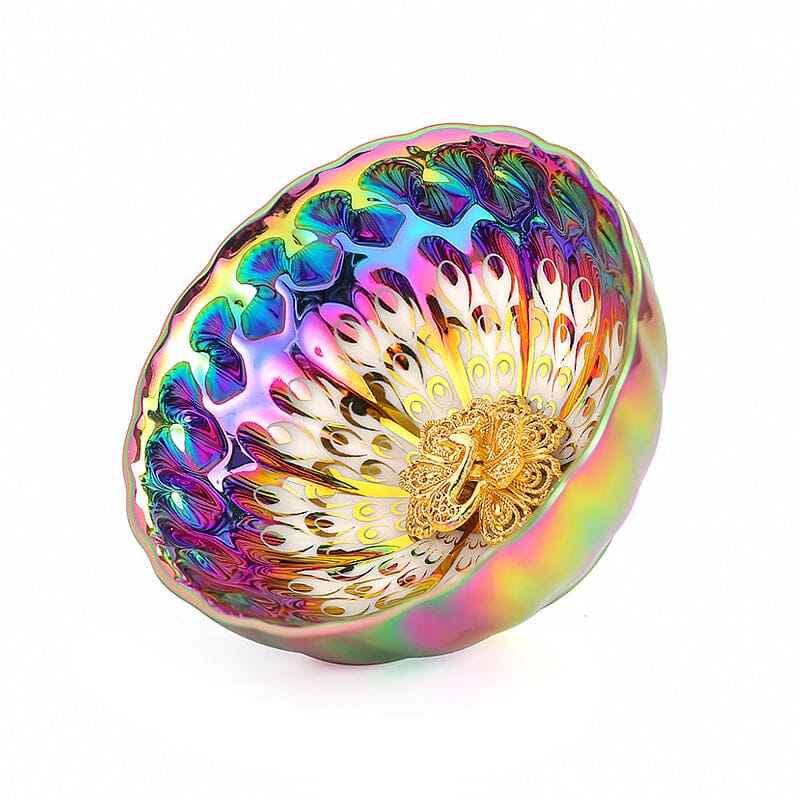
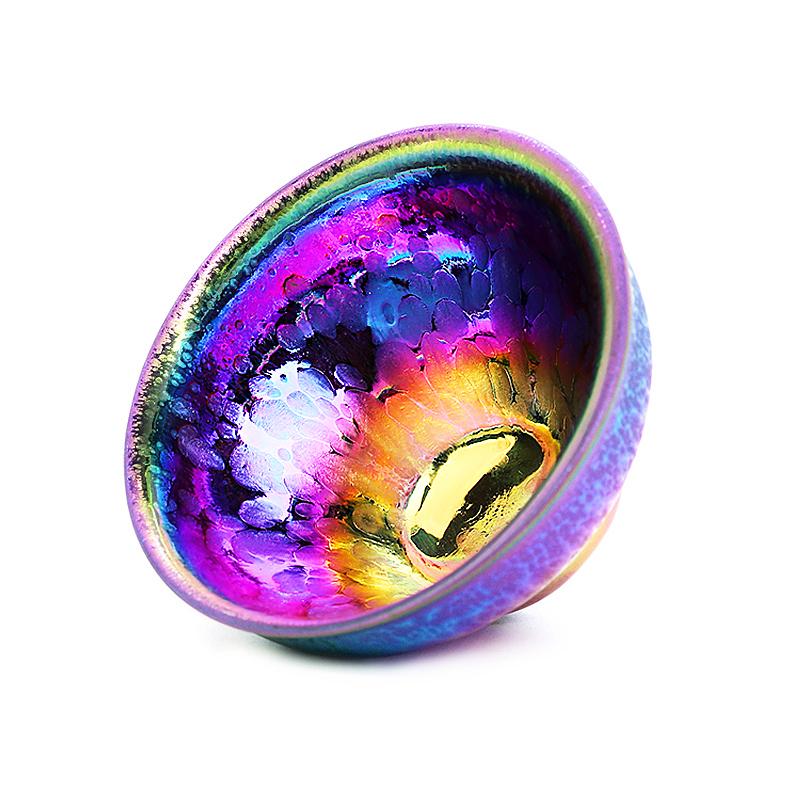
Yohen Tenmoku (Kiln-Change): Unpredictable multicolor iridescence. A true collector's item, but also a conversation piece for intimate gatherings.
Pro tip: Hold the bowl up to natural light before buying. Authentic patterns emerge from the clay body; fakes often have painted-on designs that look flat.
2. Shape & Balance
A well-made Jianzhan sits comfortably in two hands. The foot ring should be rough, revealing the dark grog-filled clay — a sign of hand-building. The rim should taper outward slightly so your lips meet a thin edge, not a chunky mass. Pick it up. Does it feel grounded? Heavy is good. It should remind you of a river stone, not a ceramic ashtray.
3. Provenance & Artist Integrity
Look for documented pieces from Jianyang, the historic kiln region. Reputable sellers will provide a certificate with the artist's name or studio. Mass-market “Tenmoku” from generic factories lacks the iron content and soul. For a beginner, a studio piece in the $60–$150 range offers the full experience without the investment-grade price tag. Many collectors start with an oil spot or hare's fur bowl by a recognized contemporary craftsman.
Real-Life Scenarios: Infusing Luxury into Your Daily Rhythm
6:00 AM – Morning Pause: Before the world demands your attention, boil water, and watch the steam curl into the bowl's dark interior. A single serving of loose-leaf Tieguanyin, steeped in the Jianzhan, tastes smooth and never bitter. The bowl's warmth on your palms signals: this is your time.
3:00 PM – Afternoon Reset: Replace the third coffee with a white tea ceremony at your desk. The hare's fur glaze catches the afternoon sun, and the ten-minute ritual of sipping, watching, breathing reduces cortisol. It's cheaper than a spa visit.
Weekend Hosting: Impress dinner guests by serving a flight of oolong teas in different Jianzhan bowls. Pair each glaze type with a tea profile, similar to a wine tasting. The bowls become a storytelling medium: “This oil spot bowl was fired in a dragon kiln, just like 1,000 years ago.”
Jianzhan Care Tips: Preserving the Legacy with Minimal Effort
Unlike delicate porcelain, a Tenmoku bowl thrives on use. It doesn't demand a special cabinet; it asks to be held.
- Never use soap. The porous clay absorbs residues. Simply rinse with hot water and gently wipe with a soft cloth. The patina will deepen over time, improving the tea's character.
- Air dry completely upside down on a lint-free towel. Store in a well-ventilated area, not a sealed plastic bag.
- Prevent thermal shock. Warm the bowl gradually by rinsing it with hot water before adding boiling water, especially during winter mornings.
- Seasoning “Opening” Ritual: While not mandatory, many tea lovers simmer a new bowl in mild green tea for 30 minutes to remove any kiln dust and “wake up” the iron. This one-time act establishes your bond.
FAQ: Your Jianzhan Questions, Answered
Q: Can I use a Jianzhan for coffee?
Absolutely. The bowl's shape and heat retention work wonderfully for pour-over coffee. It won't leach flavors, and the dark glaze beautifully showcases the crema. Think of it as the ultimate craft-coffee mug.
Q: How do I know if my Jianzhan is authentic?
Check the foot: the exposed clay should be rough, dark brown with iron specks, and show spiral throwing lines. The glaze pattern should look organic and multi-dimensional. A genuine piece feels heavy and warm, not thin or uniformly shiny. If the price is under $30, it's likely a chemical-glazed imitation.
Q: Is a Jianzhan safe to drink from? (Lead concerns)
Authentic Jianzhan uses natural mineral glazes and iron-rich clay without added lead or cadmium. Look for sellers who provide third-party lab test reports or guarantee food safety. The high firing temperature (1300°C) vitrifies the body, making it stable and safe.
Q: Do I need a special tea set to use a Jianzhan?
No. One bowl and some loose-leaf tea are all you need. However, adding a simple bamboo tea tray and a small kettle elevates the experience into a full ceremony. It's like using a Chemex for coffee — the vessel becomes the ritual.
Q: Can I microwave or put my Jianzhan in the dishwasher?
Never. The iron content can cause sparks in a microwave, and dishwashers strip the developing patina. Hand-wash only, following the care tips above. Treat it as you would a cherished cast iron skillet.
Who Should Buy a Jianzhan (and Who Might Wait)
Ideal for:
- Mindfulness seekers who struggle with meditation apps but find peace in simple, tactile routines.
- Craft beverage enthusiasts who geek out over single-origin coffee, natural wines, or aged pu'erh tea.
- Premium gift-givers wanting to present something deeply meaningful — for a wedding, housewarming, or a executive retiring.
- Interior design lovers who appreciate functional art that fits a wabi-sabi or Japandi aesthetic.
- Home wellness advocates building a self-care sanctuary without a huge budget.
Maybe not for you if: you prefer ultra-lightweight, disposable cups and have zero interest in slowing down. The Jianzhan demands presence. But if that desire is beginning to stir, there is no better starting point.
Conclusion: Your Daily Investment in Calm
A Jianzhan tea bowl is more than a luxury purchase — it's a commitment to a daily dose of stillness. In the same way a Le Creuset Dutch oven signals a love for slow cooking, or a Yeti tumbler declares rugged outdoorsmanship, a Tenmoku bowl announces that you value the intersection of history, art, and personal wellness. It doesn't shout; it whispers.
Start with one good bowl. Use it tomorrow morning. Feel the difference. And when someone asks about the shimmering, galaxy-like cup in your hands, you'll have a story that connects them to an ancient practice — and maybe, just maybe, you'll inspire their own ritual. Explore our curated collection of authentic Jianzhan bowls here and bring a 1,000-year-old tradition into your home.


Condividere:
Jianzhan vs Raku Tea Bowls: Which Handcrafted Tea Bowl Elevates Your Tea Ritual?
Jian Zhan Tea Bowls: Ancient Luxury for Your Daily Ritual