


If you're torn between a Jianzhan tea bowl and a Raku tea bowl, you're not alone. Both are handcrafted, steeped in centuries-old traditions, and admired by tea lovers worldwide. The short answer: Jianzhan is a high-fired iron-glazed stoneware from China, prized for its crystalline patterns and tea-softening effect; Raku is a low-fired, hand-molded Japanese bowl known for its earthy wabi-sabi aesthetic and ceremonial use. Your choice boils down to how you drink tea, what kind of beauty moves you, and how much you value daily function versus symbolic art.
Key Takeaways
- Jianzhan bowls are thicker, heavier, and built for everyday use with any loose leaf tea.
- Raku bowls feel lighter and more porous, designed primarily for matcha and formal tea ceremonies.
- Jianzhan’s iron-rich glaze subtly softens water and enhances tea flavor; Raku doesn’t alter taste but adds a tactile, grounding experience.
- Price overlaps, but museum-grade Raku costs significantly more; good studio Jianzhan offers remarkable value.
- Buy authentic pieces from trusted sources—both have look-alikes on the market.
What is Jianzhan?
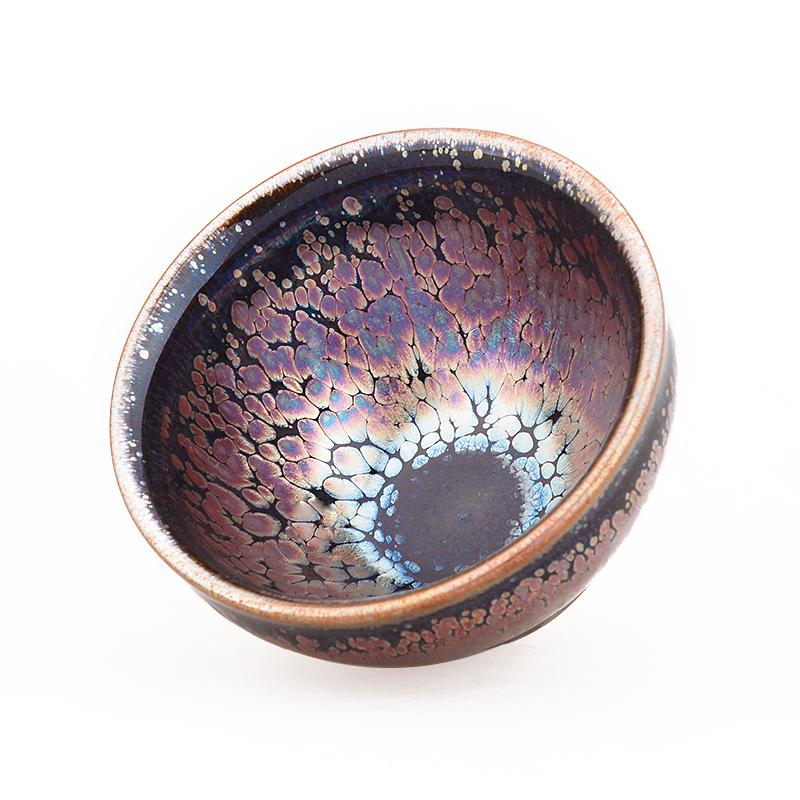
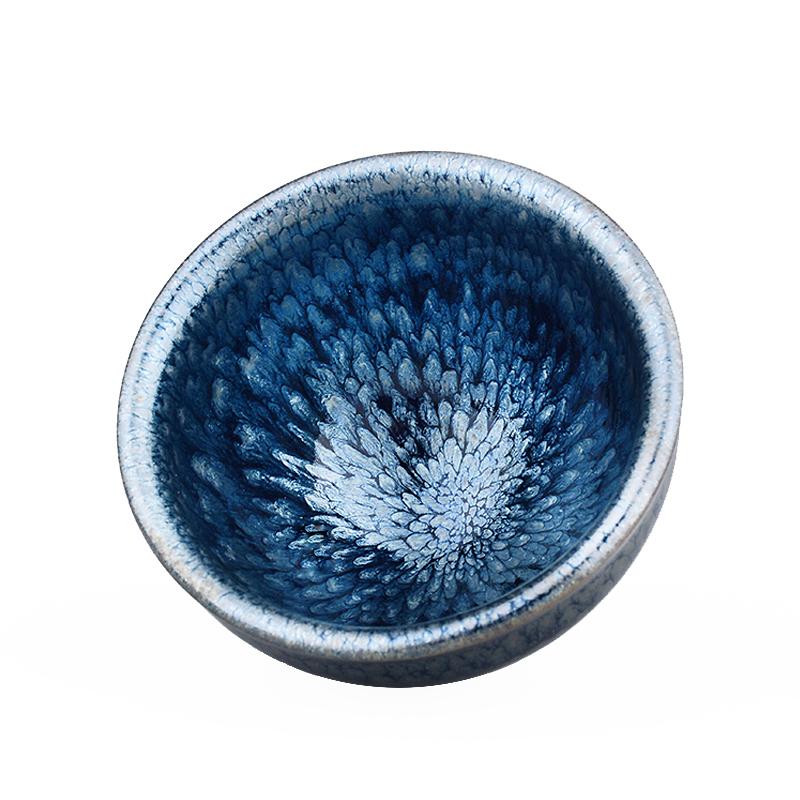
Jianzhan, also called Tenmoku in Japan, is a type of stoneware tea bowl that originated in the Jian kilns of China's Fujian province during the Song Dynasty (960–1279). It’s made from iron-rich clay and fired at extremely high temperatures (up to 1300°C / 2372°F). The magic happens in the glaze, where iron oxides crystallize into mesmerizing patterns—oil spots, hare’s fur, or partridge feathers—each bowl a unique miniature cosmos.
American buyers often discover Jianzhan through specialty tea shops, mindfulness blogs, or the growing tradition of gongfu brewing. The bowls are heavy in the hand, almost like a solid rock, and the dark glaze makes the tea's color pop visually.
What is Raku?
Raku is a Japanese pottery tradition born in the 16th century, closely tied to the Zen tea ceremony (chanoyu). Unlike Jianzhan, Raku bowls are hand-shaped without a wheel, low-fired (around 800–1000°C / 1472–1832°F), and often removed from the kiln while red-hot, then cooled in water or air to create crackle textures. The aesthetic is wabi-sabi—asymmetry, roughness, and natural imperfection are celebrated.
In the US, Raku is revered in art circles and among Japanese culture enthusiasts. Owning an authentic Raku bowl is like owning a piece of philosophy. The bowls come in two main styles: black Raku (kuro-raku) and red Raku (aka-raku), each offering a soft, warm, almost organic feel.
Jianzhan vs Raku: Side-by-Side Comparison
| Aspect | Jianzhan (Tenmoku) | Raku |
|---|---|---|
| Origin | Fujian, China (Song Dynasty) | Kyoto, Japan (16th century) |
| Firing | High-fire stoneware (~1300°C) | Low-fire earthenware (~900°C) |
| Glaze | Iron-saturated crystalline glaze (oil spot, hare's fur) | Low-lead glaze (black or red); often crackled |
| Texture & Weight | Thick, heavy, glassy smooth inside | Thin, light, porous, rough texture |
| Tea Types | Loose leaf: oolong, puer, black, green | Primarily whisked matcha |
| Effect on Tea | Rounds out bitterness; softens mouthfeel | No chemical change; provides tactile warmth |
| Durability | Dishwasher-safe (gentle); chip-resistant | Hand-wash only; easily chipped; not microwave-safe |
| Handcrafting | Wheel-thrown or mold-pressed; glaze is the art | Hand-molded without wheel; shape is the art |
| Price Range | $50–$500 for quality studio pieces | $80–$2,000+ for tradition pieces; masters can exceed $10,000 |
| Cultural Identity | Chinese tea meditation; everyday mindfulness | Japanese tea ceremony; contemplative art object |
History & Cultural Significance
Jianzhan tells the story of Song-era tea competitions (doucha), where the dark glaze made a frothy white foam vivid. Buddhist monks later brought these bowls to Japan, where they were named Tenmoku and treasured as national heirlooms. Today, owning a Jianzhan connects you to a thousand-year-old line of contemplative tea practice—much like a fine wine glass but from an entirely different world.
Raku emerged from the collaboration between tea master Sen no Rikyu and tile-maker Chōjirō. It wasn't about perfection but about presence. Every Raku bowl is intentionally uneven, bearing the maker's fingerprints. For Americans drawn to mindfulness, a Raku bowl is a daily reminder of impermanence and authenticity.
Aesthetics: Iron Crystals vs. Clay Textures
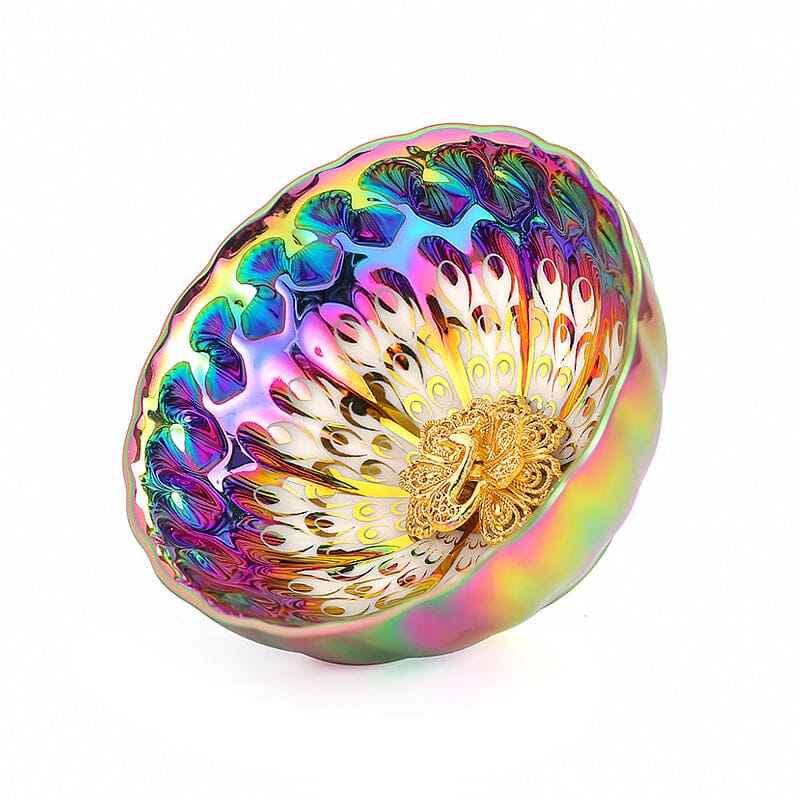
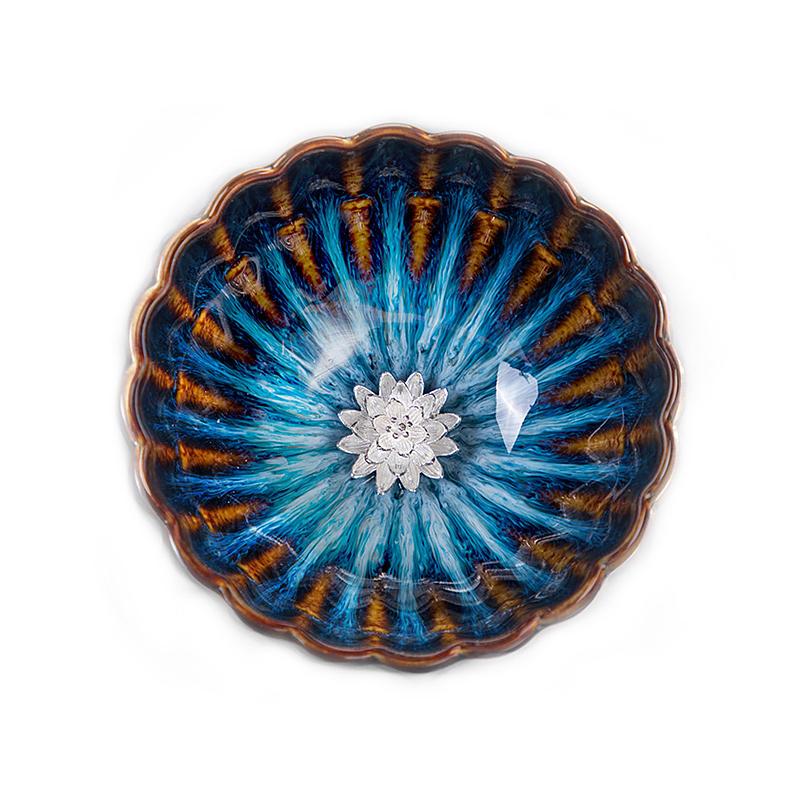
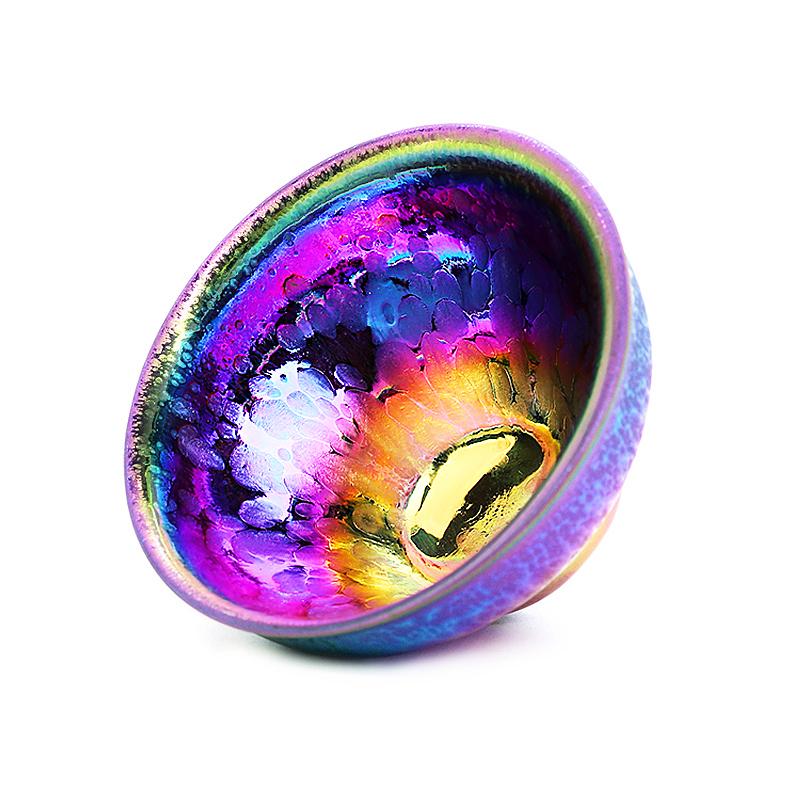
Jianzhan aesthetics are cosmic and jewel-like. The surface shimmers with oil spots that look like a starry night or strands of hare’s fur glowing under a microscope. When you rotate the bowl under light, the pattern seems to shift—a conversation starter on any coffee table.
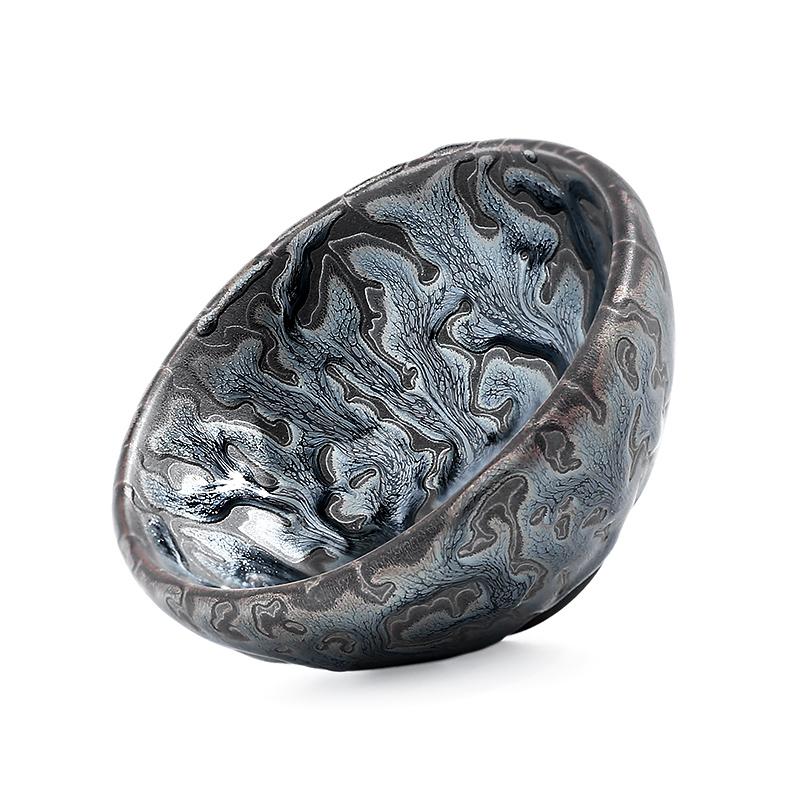
Raku bowls are the opposite: matte, often monochrome black or subdued red, with intentional bumps, warped rims, and crackle lines. They feel alive in your palms, absorbing body heat. If Jianzhan is a polished astronomer, Raku is a Zen gardener. Both are beautiful, but one speaks in geometry, the other in earth.
How Each Bowl Affects Your Tea Experience
Jianzhan: The iron in the glaze interacts with the tea, reducing astringency and softening the water—a subtle trick that oolong and puer drinkers love. The thick walls retain heat remarkably well, so your tea stays warm through a slow session. The dark interior heightens the visual contrast, helping you appreciate the tea’s color.
Raku: There’s no chemical reaction with tea, but the bowl’s low thermal conductivity means it warms gradually in your hand, creating a deeply grounding ritual. It’s all about texture: the slight lip, the gentle weight, the way the porous clay feels against your mouth. Matcha prepared in a Raku bowl seems more intimate, as if the bowl is part of the ceremony rather than just a container.
Practicality: Durability, Cleaning & Everyday Use
For busy American homes, Jianzhan is the practical choice. It’s vitrified (non-porous), so it won’t absorb dishwasher detergent or odors. You can even microwave it carefully, though hand-washing is recommended to protect the glaze. Dropping it on a tile floor might still break it, but it’s far sturdier than Raku.
Raku demands reverence. The porous body can soak up tea stains and humidity, so it must be hand-washed gently and dried immediately. Never in the microwave or dishwasher. A chip can happen easily—but some connoisseurs see repairs (kintsugi) as enhancing the bowl’s story. If you want a low-maintenance companion, Jianzhan wins. If you’re ready for a meditative care ritual, Raku rewards you with deeper connection.
Price & Collectibility: What You’re Paying For
Authentic handmade Jianzhan from established Chinese studios typically costs between $80 and $300—an accessible luxury given the complexity of the glaze. Exceptional museum-grade pieces with rare patterns can reach thousands, but the market is transparent and friendly to newcomers.
Raku spans a wider spectrum. Modern studio Raku (often made outside the traditional Raku family lineage) can be found for $50–$150, but these are not intended for daily tea drinking and may use non-food-safe glazes. Traditional Raku made by the Raku family or recognized masters easily start at $500, with nationally recognized pieces fetching five figures. If you’re collecting, look for a lineage certificate or exhibition history.
Choosing the Right Bowl for Your Lifestyle
Choose Jianzhan if you:
- Brew loose-leaf tea daily (oolong, puer, black, green).
- Enjoy the science of tea and subtle flavor changes.
- Want a visually stunning bowl that’s also tough.
- Practice mindfulness through solo tea sessions.
- Are buying your first serious tea bowl on a $80–$250 budget.
Choose Raku if you:
- Drink matcha regularly and value the ceremonial form.
- Are drawn to Japanese wabi-sabi philosophy.
- Prefer tactile, organic art over polished precision.
- Collect pottery with historical lineages.
- Have space to care for a delicate, heirloom-quality piece.
How to Buy Authentic Jianzhan and Raku Bowls
For Jianzhan, work with specialty retailers that source directly from kilns in Fujian’s Shuiji or Wuyi areas. Look for the iron-rich dark clay body, a thick crystalline glaze that pools, and a weighty feel. A great starting point is our own Oil Spot Jianzhan Tea Cup, handcrafted by certified artisans using traditional Song-era methods.
For Raku, the safest route is purchasing from a licensed Japanese pottery gallery or direct from a Raku family kiln. Check the stamp (hanko) on the bottom and ask for documentation. Avoid “Raku-style” pieces sold without clear provenance, especially if you plan to drink from them—many are decorative only.
Frequently Asked Questions
Conclusion: Elevate Your Tea Ritual
Both Jianzhan and Raku tea bowls offer a doorway into a richer tea life—one that celebrates slowness, craftsmanship, and presence. Jianzhan wins on versatility, flavor enhancement, and everyday resilience. Raku wins on organic beauty, ceremonial depth, and philosophical weight. For most American beginners building a personal tea practice, we recommend starting with a quality Jianzhan bowl that can handle oolong, puer, and even the occasional matcha. It’s the perfect blend of art and function.
Ready to experience the cosmic beauty of Jianzhan? Explore our curated collection and discover a piece that speaks to your ritual.


Condividere:
Jianzhan vs Porcelain Tea Cups: Which Is Right for You? (2026)
Jian Zhan Tea Bowls: The Ultimate Mindfulness Tool for Luxury Wellness at Home