

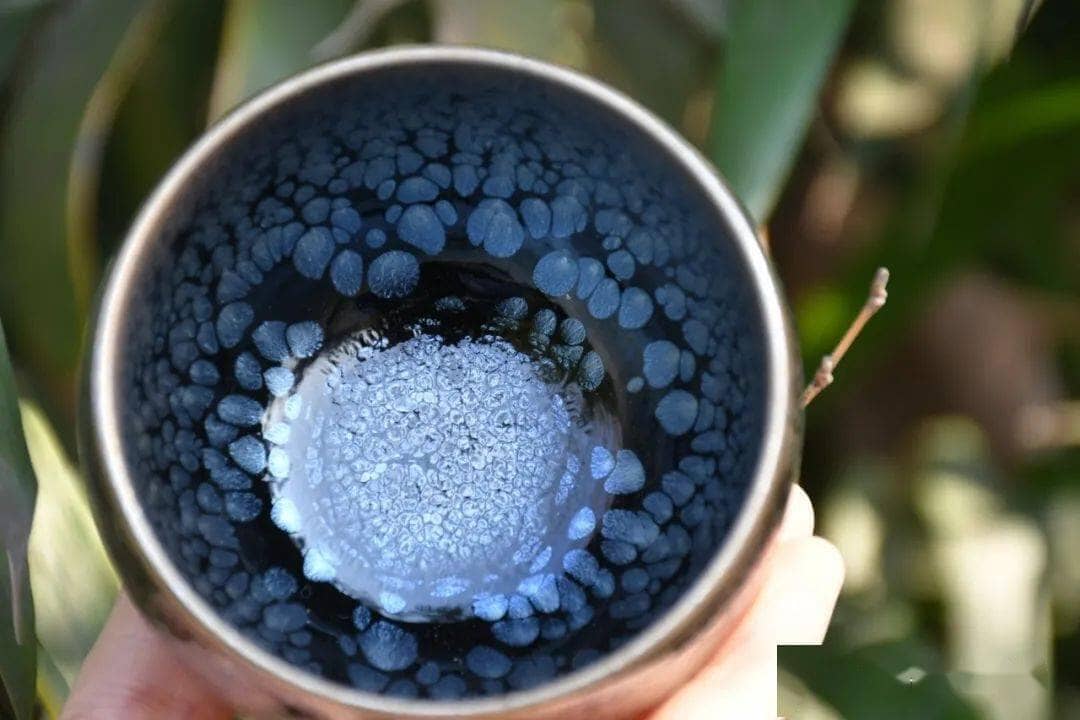
Bere alcol può ubriacarti, e anche bere il tè può ubriacarti. L'ubriachezza da tè si verifica spesso quando si beve troppo tè forte a stomaco vuoto. Quando si sperimenta l'ubriachezza da tè, si possono avvertire vertigini, debolezza generalizzata e mal di stomaco che non può essere alleviato con il vomito. Nei casi più gravi, si può persino sbavare in modo incontrollato, il che è piuttosto antiestetico.
Uno. Diamo prima un'occhiata alle situazioni che possono causare l'ubriachezza da tè.
- Le persone che raramente bevono tè nella loro vita quotidiana potrebbero ubriacarsi bevendone un po' troppo.
- Le persone che di solito bevono tè altamente fermentati, come il tè nero, il tè oolong taiwanese, il tè invecchiato, ecc., potrebbero provare ubriachezza da tè quando passano improvvisamente al tè verde a bassa fermentazione o non fermentato oppure al tè crudo, poiché questi tè contengono livelli più elevati di caffeina e possono causare ubriachezza da tè se consumati in eccesso.
- Anche bere troppo tè a stomaco vuoto può causare ubriachezza da tè.
- Diamo ora un'occhiata ai sintomi dell'ubriachezza da tè.
- Vertigini. Simili all'intossicazione da alcol, potresti avvertire vertigini e stordimento. Le persone con costituzione più debole potrebbero anche provare confusione temporanea.
- Palpitazioni. Le palpitazioni sono un disagio soggettivo legato al ritmo cardiaco. Una volta che il ritmo cardiaco è alterato, potremmo provare un senso di disagio, comunemente chiamato "palpitazioni". Se le palpitazioni si verificano a causa dell'ingestione di tè, possono essere piuttosto preoccupanti, soprattutto per le persone con malattie cardiache, poiché si dice che possano causare complicazioni.
- Stanchezza. La stanchezza si riferisce a una mancanza di forza ed energia, che rende difficile rimanere vigili. Questo può essere problematico, poiché la stanchezza costante può rendere difficile svolgere le attività quotidiane.
- Perché si manifesta l'ubriachezza da tè?
L'ubriachezza da tè è in realtà causata dagli effetti della caffeina. La caffeina è uno stimolante del sistema nervoso centrale e un consumo eccessivo di tè forte può portare a questo stato.
I sintomi dell'ubriachezza da tè includono accelerazione della circolazione sanguigna, respiro affannoso e una serie di reazioni avverse. Questo può alterare l'equilibrio elettrolitico dell'organismo, causando un'attività enzimatica anomala e disturbi metabolici.
Cosa dovresti fare se ti capita di ubriacarti con il tè?
Alleviare l'ubriachezza da tè è in realtà piuttosto semplice. Mangiare qualcosa, soprattutto cibi dolci, per ottenere un effetto migliore. Ad esempio, bere una ciotola di zuppa o mangiare un pezzo di cioccolato può aiutare ad alleviare i sintomi dell'ubriachezza da tè dopo un po'.
Naturalmente, puoi anche scegliere di fare degli spuntini mentre bevi il tè, il che può aiutare a prevenire l'ubriachezza da tè.
- Come possiamo prevenire l'ubriachezza da tè?
- Quando si beve il tè, non bisogna esagerare con la forza.
Se il tè è troppo forte, conterrà troppa caffeina, teobromina e altre sostanze che, una volta assorbite dall'organismo, possono causare sintomi quali vertigini, eccitazione e mal di testa, portando all'ubriachezza da tè.
Non bere troppo tè.
Il tè contiene diverse vitamine e aminoacidi, che hanno effetti specifici sull'eliminazione del sebo, migliorando l'eccitazione nervosa e favorendo la digestione e la diuresi. Tuttavia, bere più tè non significa necessariamente migliorare la situazione. Se si beve troppo tè, l'acqua del tè si accumulerà nell'intestino, ostacolando il movimento del diaframma e compromettendo il normale assorbimento.Inoltre, una grande quantità di acqua che entra nell'organismo può aumentarne rapidamente il volume, aumentando il carico sul cuore e causando anomalie nelle funzioni cardiache e polmonari, soprattutto negli anziani o nelle persone deboli con funzionalità cardiaca compromessa. In generale, bere il tè 1-2 volte al giorno è più appropriato.
- Non bere il tè a stomaco vuoto.
Quando lo stomaco è vuoto, contiene molto acido gastrico. Bere tè può diluire i succhi gastrici e ridurre la funzione digestiva. Prima di bere il tè, mangiate qualcosa per renderlo più piacevole e sicuro. Se il tè è forte, come il tè Pu-erh crudo o il tè fresco, è ancora più importante evitare di berlo a stomaco vuoto o troppo velocemente.
- Bevi tè con un basso contenuto di caffeina.
Se ritieni di essere incline all'ubriachezza da tè ma non riesci a resistere alla tentazione del tè, puoi optare per tè altamente fermentati invece di tè crudo o verde, che sono relativamente più sicuri.
- Bere il tè non è adatto a tutti.
Come accennato in precedenza, le persone affette da nevrastenia, insonnia, ipertiroidismo, tubercolosi, malattie cardiache, epatiche, gastriche e ulcere intestinali non sono adatte al tè. Anche le donne in gravidanza e in allattamento, così come i neonati e i bambini piccoli, dovrebbero evitare di bere il tè. Inoltre, anche le persone con la febbre dovrebbero essere caute nel bere il tè. Se vi piace particolarmente il tè, si consiglia di optare per un tè leggero o fermentato.
Bere il tè fa sicuramente bene all'organismo, come scientificamente provato. Tuttavia, è importante prestare attenzione al metodo di assunzione. Imparando a bere il tè in modo scientifico e sano, il tè può diventare uno strumento e un compagno di vita sano.


Condividere:
Come dovrebbero essere memorizzati le tazze da tè jian che non sono attualmente in uso ?
Sperimentare queste tre fasi è ciò che rende uno esperto.