Hoe werd de eerste Jian Ware -oven geopend ? werd gekookt voordat het eerste gebruik ?
door Tenmokus Editorial Team
Naar aanleiding van de vraag van een theeliefhebbers: "Moet ik een nieuw aangeschaft Jian-servies kopje eerst met kokend water verhitten of koken?" De behandelmethode verschilt per nieuw of oud Jian-servies kopje.
Voor een nieuwe Jianware-beker is het niet zo ingewikkeld als het inbranden van een Yixing-theepot. Hij hoeft alleen maar voor gebruik schoongemaakt te worden. Je kunt hem afvegen met tandpasta of een schoonmaakdoekje, hem vervolgens grondig afspoelen met schoon water en hem minstens een half uur in heet water of theesoep laten weken. Omdat Jianware-bekers onvermijdelijk door verschillende mensenhanden gaan, van productie tot verkoop, is het volgens mij beter om ze een paar minuten in heet water te koken om ze met een gerust hart te kunnen gebruiken.
Normaal gesproken spoelt u na het drinken van uw laatste kopje thee elke dag uw Jianware kopje af met heet water om eventuele theevlekken op het glazuur te verwijderen. Laat het kopje vervolgens aan de lucht drogen in een goed geventileerde ruimte. U kunt het ook afnemen met een speciale theedoek.
Reinig de Jian ware beker elke drie tot vijf dagen grondig. Gebruik hiervoor een schoonmaakdoekje of tandpasta.
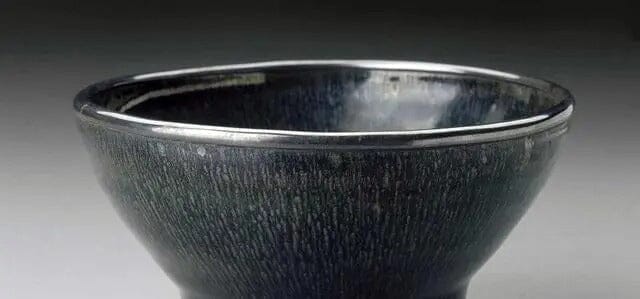
Voor oude Jian-kopjes verwijst "oud" in deze context naar "opgegraven oude Jian-kopjes". Sommige theeliefhebbers verzamelen graag opgegraven oude Jian-kopjes. Deze kopjes hebben echter lange tijd in de grond gelegen, waardoor de natuurlijke smaak van de grond ook in het kopje zal trekken, wat een aardse geur veroorzaakt die de smaak van de thee kan beïnvloeden. Hier zijn enkele methoden die theeliefhebbers kunnen proberen om de "aardse geur" te minimaliseren:
Laat de Jian ware beker gedurende korte tijd weken in een verdunde oplossing van azijn.
Neem twee tandenborstels (één zachte en één harde) en een schuursponsje mee.
Voeg wat zout toe aan het water en gebruik de schuurspons om eventuele vlekken uit het kopje te verwijderen.
Gebruik een tandenborstel met harde haren om hardnekkig vuil te verwijderen.
Gebruik de zachte tandenborstel om de fijnere gedeeltes van het kopje schoon te maken.
Spoel het kopje herhaaldelijk om met schoon water en plaats het vervolgens een half uur in een pan met kokend water op laag vuur. Herhaal dit proces een paar keer, maar vergeet niet om het water te verversen.
Haal de Jian ware beker uit het hete water en laat hem afkoelen tot kamertemperatuur. Week hem vervolgens in koud water en herhaal de bovenstaande stappen.
Na bovenstaande behandeling kan de opgegraven oude Jian-beker opnieuw gebruikt worden. Je kunt hem ook in theewater op laag vuur koken. Uiteraard heeft hij ook langdurige en zorgvuldige zorg nodig om zijn vitaliteit te herstellen.
Suggestie:
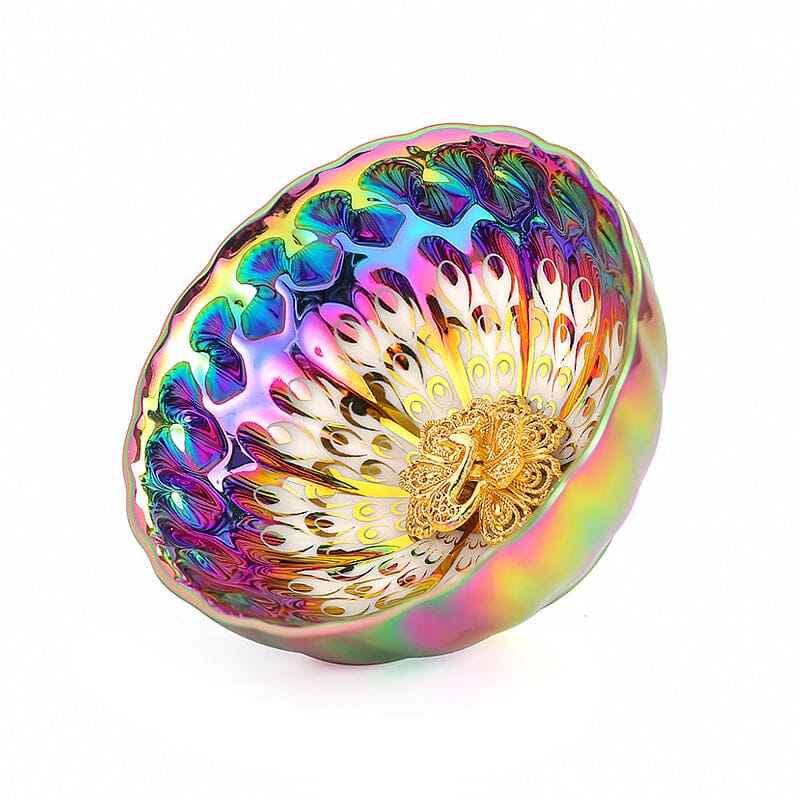
(1) Niet alle zogenaamde "oude Jian-kopjes" zijn geschikt om thee uit te drinken. Felgekleurde kopjes die duidelijk moderne imitaties zijn van "oude Jian-kopjes" mogen niet worden gebruikt om thee uit te drinken.
(2) Opgegraven Jian-bekers hebben duizenden jaren diep in de grond gelegen, waardoor het glazuuroppervlak in de loop der tijd geërodeerd kan zijn, waardoor er vlekken en gebreken zijn ontstaan. Veel Jian-bekers die in de grond begraven liggen, zijn ook beschadigd, dus we moeten niet te veel perfectie van ze eisen.
Quick answers for Tenmoku teaware shoppers
Use this guide to connect the article topic with practical buying decisions: what Jianzhan Tenmoku teaware is, who it suits, how to choose a piece, and how to care for it after purchase.
How to use this guide before buying
Read the article first for the main explanation, then compare the product photos, glaze variation, form, seller clarity, return policy, and whether the piece fits daily tea, display, collecting, or gifting.
Common buying mistakes to avoid
Avoid choosing only by dramatic claims, copied photos, unusually low prices, or vague master language. A better decision uses visible product details, clear use case, realistic care needs, and trustworthy shop policies.
Recommended next step
After reading, compare a few real products side by side by size, glaze family, rim shape, capacity, price, and gift suitability instead of relying on one photo or one keyword.
What is Jianzhan Tenmoku teaware?
Jianzhan Tenmoku teaware is ceramic tea ware known for dark mineral-glaze effects and natural kiln variation. Common forms include tea cups, bowls, teapots, tea sets, and matcha bowls.
Who is it best for?
It is best for tea drinkers, ceramic collectors, and gift shoppers who value functional objects with visible handmade character. It is not ideal if you need every piece to look exactly identical.
How do I care for it?
Hand wash with warm water, avoid abrasive cleaners, and dry fully before storage. Gentle daily use helps preserve the surface and keeps the glaze easy to inspect over time.
How do I choose the right Tenmoku piece?
Choose by the main use first: daily tea, matcha, Gongfu brewing, display, or gifting. Then compare capacity, rim shape, glaze family, photos, and whether natural variation is acceptable for your needs.
Is Jianzhan Tenmoku teaware good as a gift?
Yes. It works well for tea lovers, ceramic collectors, birthdays, holidays, and housewarming gifts because it is both usable and visually distinctive. For gifts, choose an easy-to-use form and a glaze style with clear photos.
Related products and categories
Compare the guide above with real Tenmokus categories and representative pieces. Start with the use case, then compare glaze style, form, price, and whether the piece is mainly for daily tea, display, collecting, or gifting.
Compare handmade Jianzhan Tenmoku tea cups by glaze style, cup size, hand feel, and gift intent. Check each product page for current photos, capacity, availability, care details, shipping, and return information.
Tenmoku Tea Bowl Price: Why a Handmade Cup Can Elevate Your Gongfu Tea Ritual A tenmoku tea bowl can cost more than an ordinary ceramic cup because it is not simply molded, glazed, and repeated by machine. A handmade Jian...
Tenmoku Tea Bowl: Bring Craft and Calm to Every Tea Ritual A tenmoku tea bowl is more than a dark-glazed vessel: it is a handmade tea cup that makes a daily gongfu tea session feel more deliberate and personal. Whether...
Tenmoku Tea Bowl Authenticity Guide: Choose a Better Cup for Gongfu Tea A real tenmoku tea bowl is more than a dark cup with shiny speckles: it is a high-fired ceramic piece whose clay, iron-rich glaze, and kiln atmosphere work...





Deel:
De aristocraat in de wereld van Jianzhan - Wu Jin Glaze.
"Jianzhan Pottery: Begrijp in 3 minuten"