

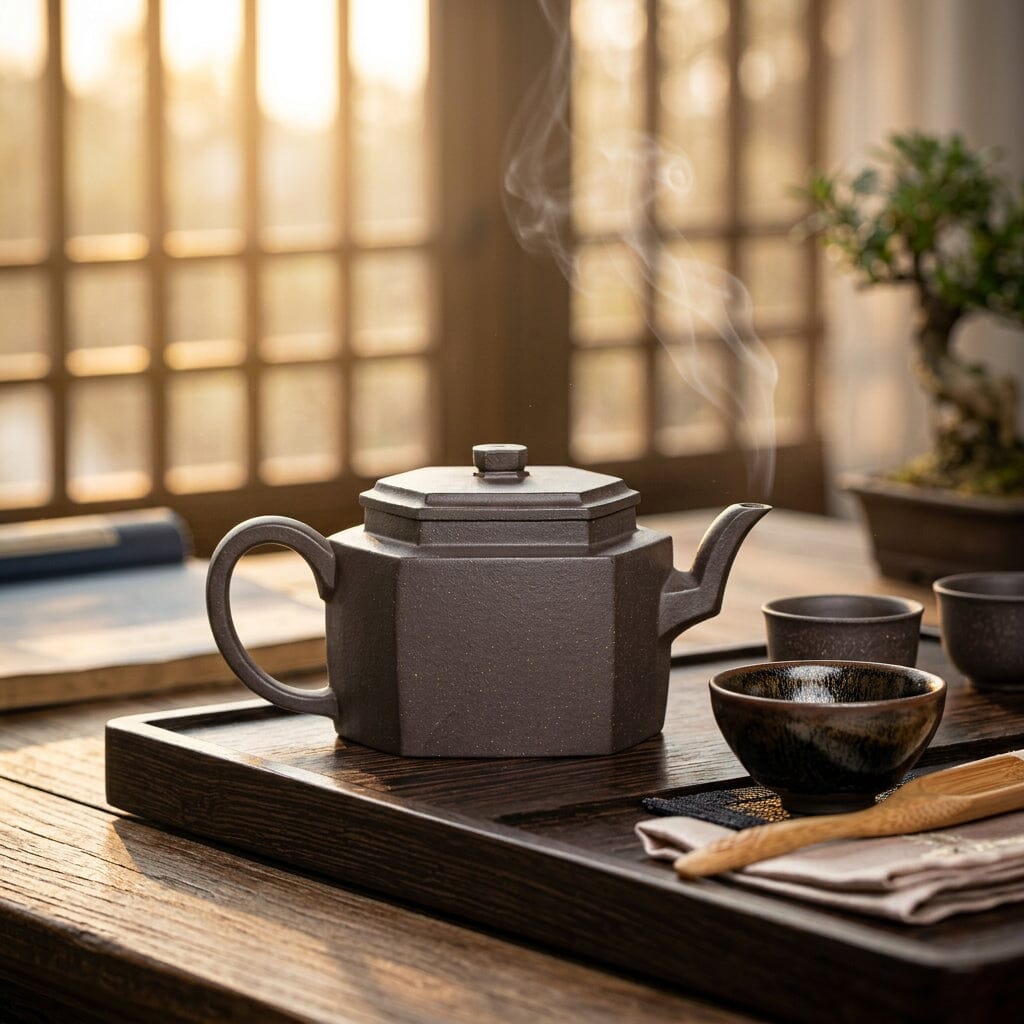
A Jianzhan tea bowl isn't just another mug — it's a 1,000-year-old art form that transforms a simple cup of tea into a daily act of calm, beauty, and self-care. Imagine the richness of a hand-seasoned cast iron skillet or the ritual precision of pour-over craft coffee, then pour that into a single, perfectly imperfect vessel. That's the quiet luxury a Jianzhan brings to your kitchen counter.
Key Takeaways
- Jianzhan (Tenmoku) bowls originated in the Song Dynasty and are prized for their unique iron-rich glazes like oil spot and hare's fur.
- Using one daily can lower stress, heighten sensory awareness, and anchor a mindful morning routine — much like a wellness app, but tactile.
- The porous, iron-rich clay naturally softens water, subtly enhancing tea's sweetness and mouthfeel.
- Authentic Jianzhan is handmade in Jianyang, China; each piece is one-of-a-kind. Learn to spot genuine craftsmanship vs. mass-produced imitations.
- With simple care (hot-water seasoning, no soap), your bowl develops a personal patina that improves with age — a living heirloom.
What Is a Jianzhan Tea Bowl? (And Why Americans Are Falling for It)
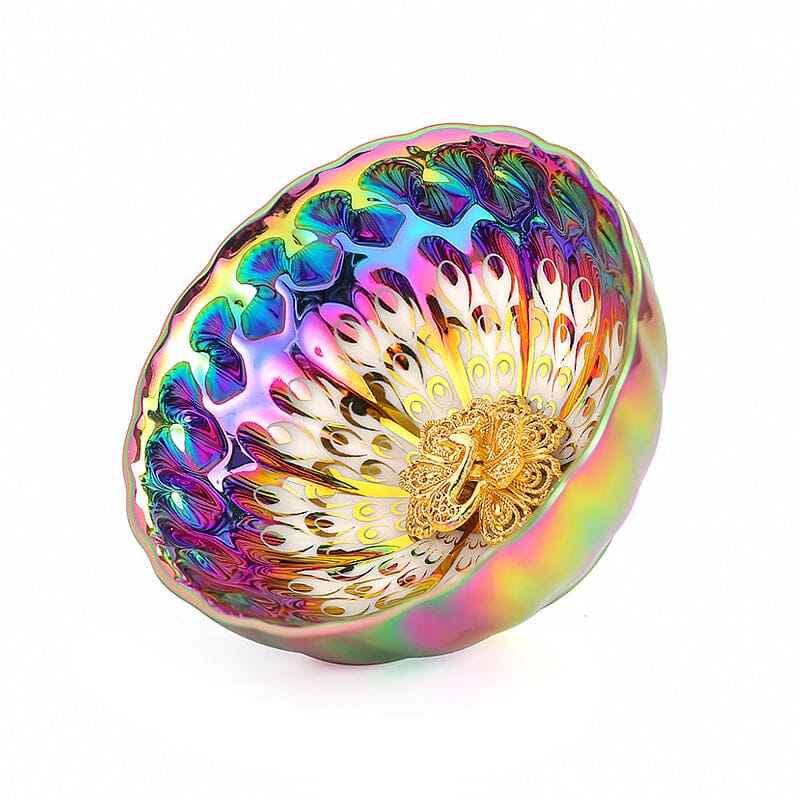
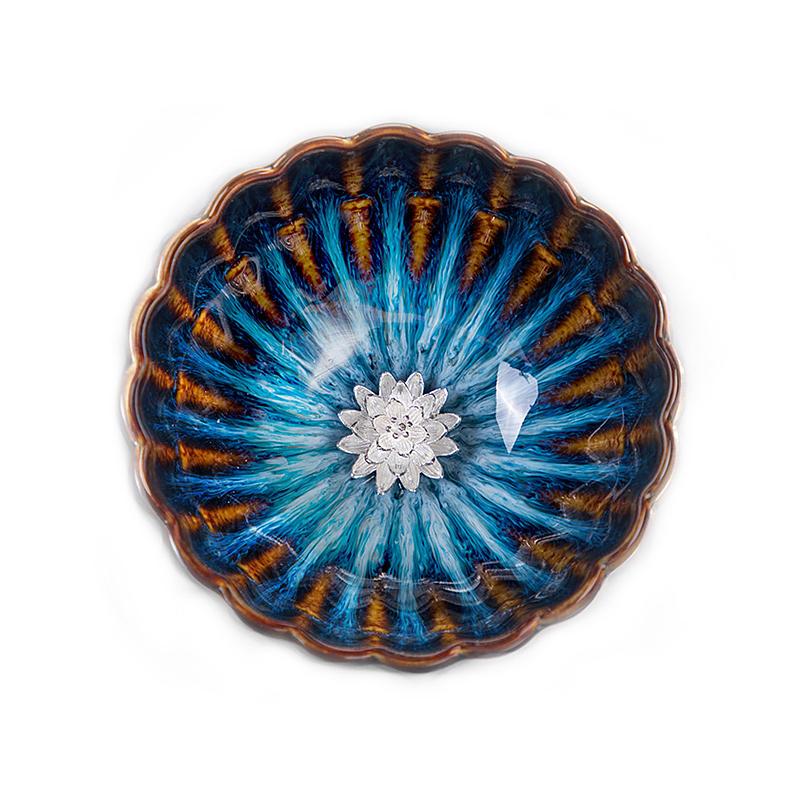
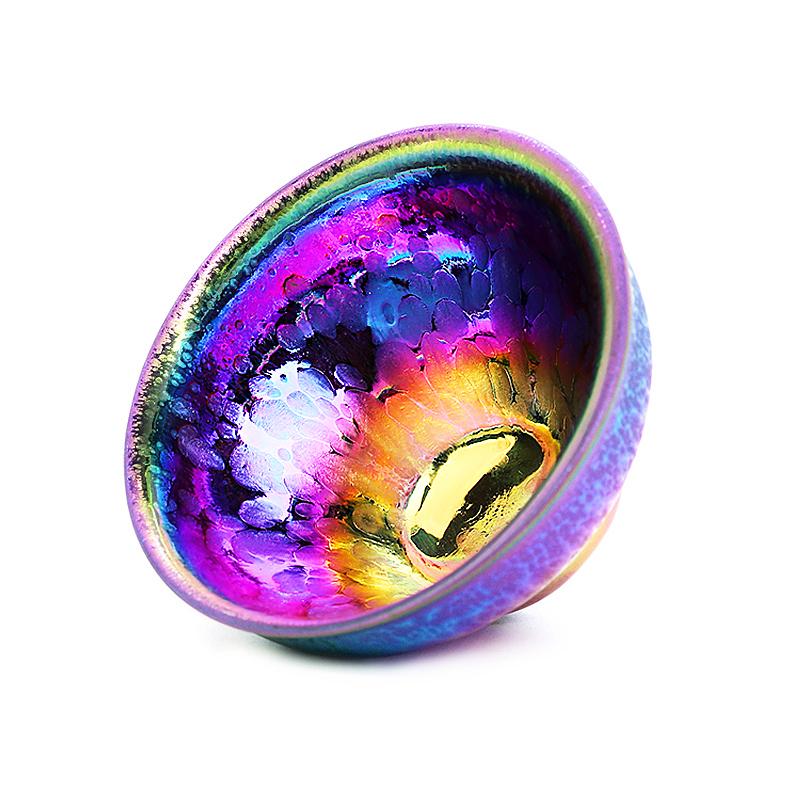
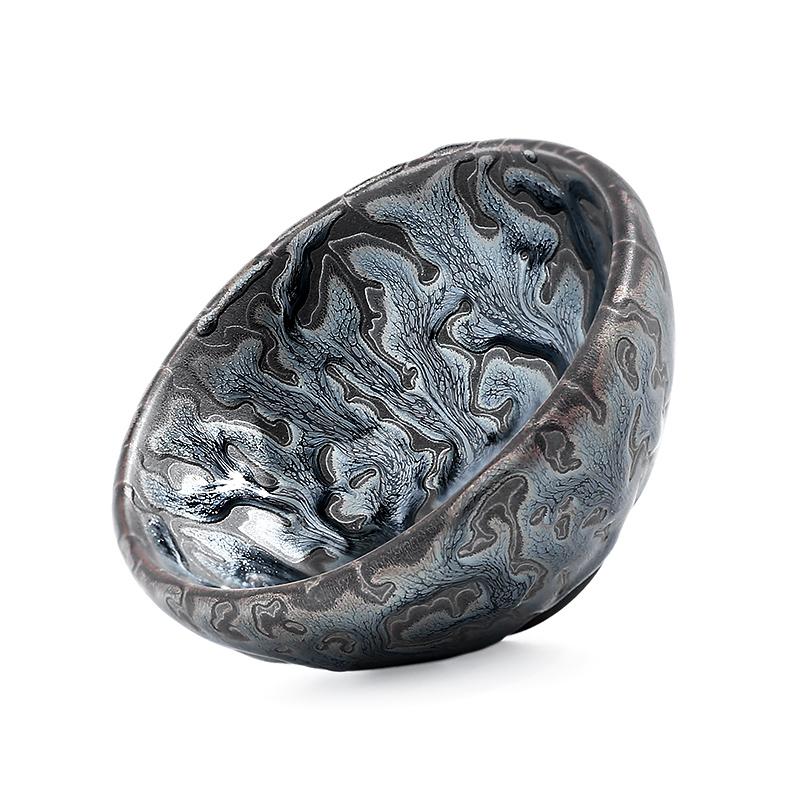
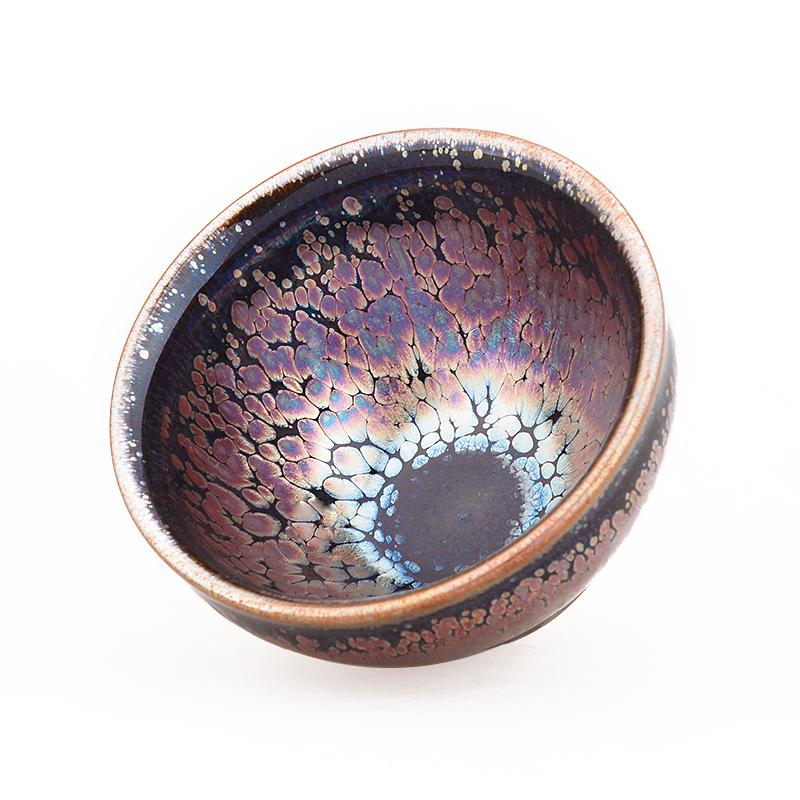
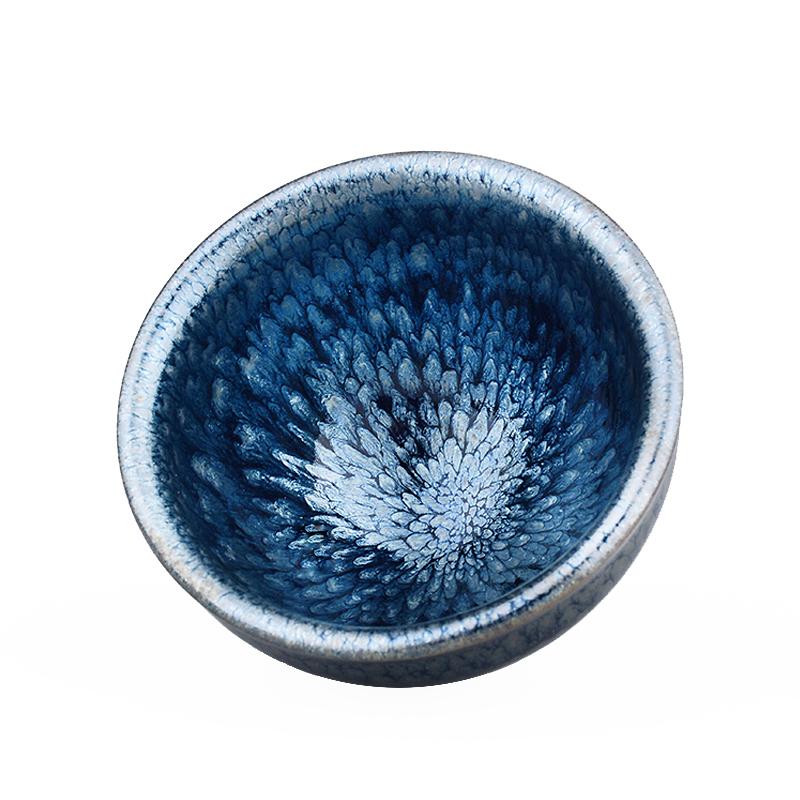
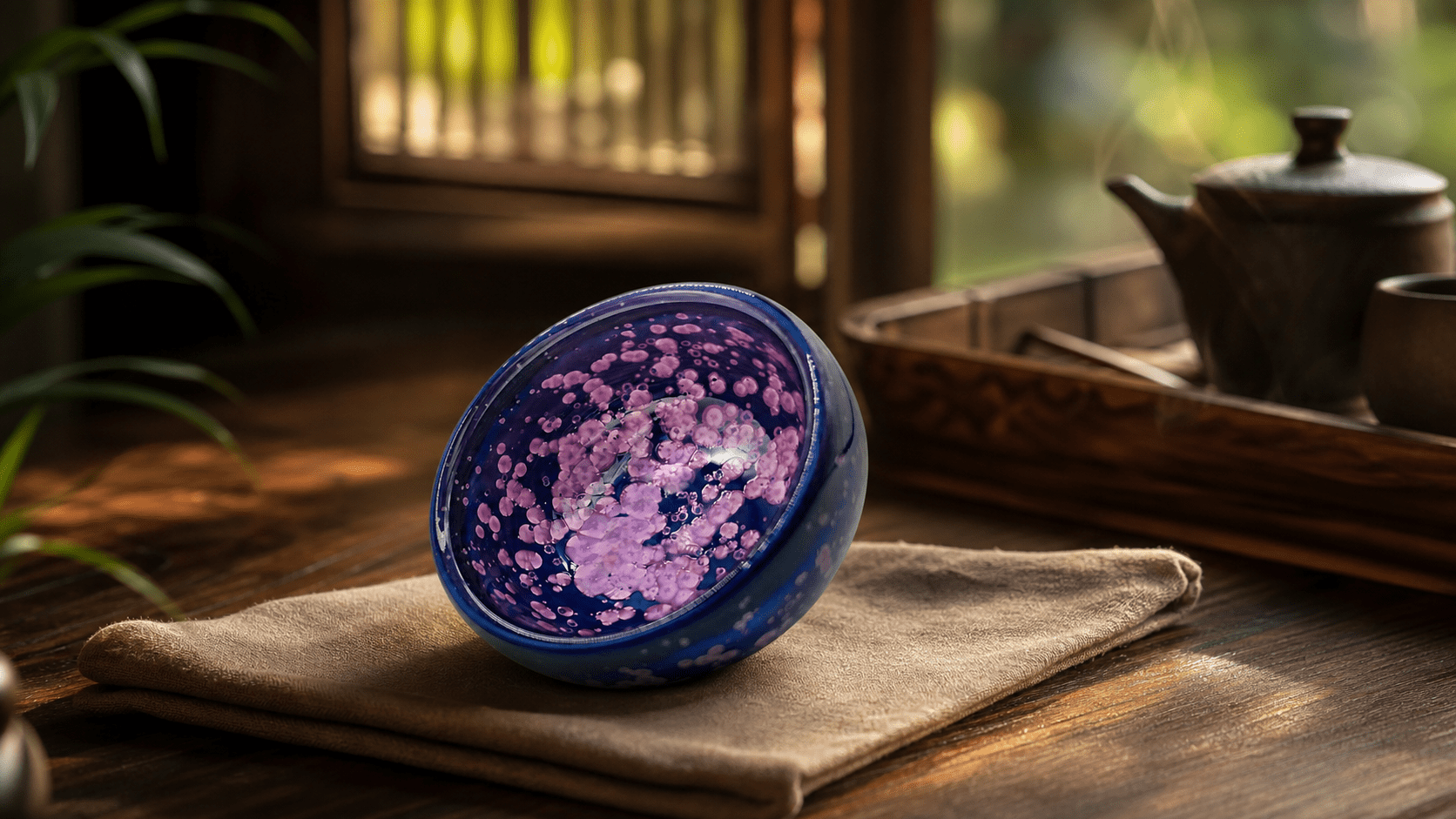
A Jianzhan is a stoneware tea bowl born in the Song Dynasty (960–1279 CE) in the kilns of Jianyang, China. It's the original “Tenmoku” — the Japanese term later adopted globally. These bowls are instantly recognizable by their dark, iron-saturated bodies and mesmerizing glaze patterns: silvery oil spots (yohen), hare's fur streaks, or the rare partridge feather mottling (zhegu ban).
Think of it like a hand-blown wine glass designed specifically for a Burgundy Grand Cru. The clay and glaze don't just look beautiful — they're engineered to elevate what's inside. In the US, where craft-coffee geeks obsess over single-origin beans and home cooks swear by enameled Dutch ovens, the Jianzhan is the next logical step for tea lovers and design enthusiasts alike.
A 1,000-Year-Old Work of Art That Arrives at Your Door
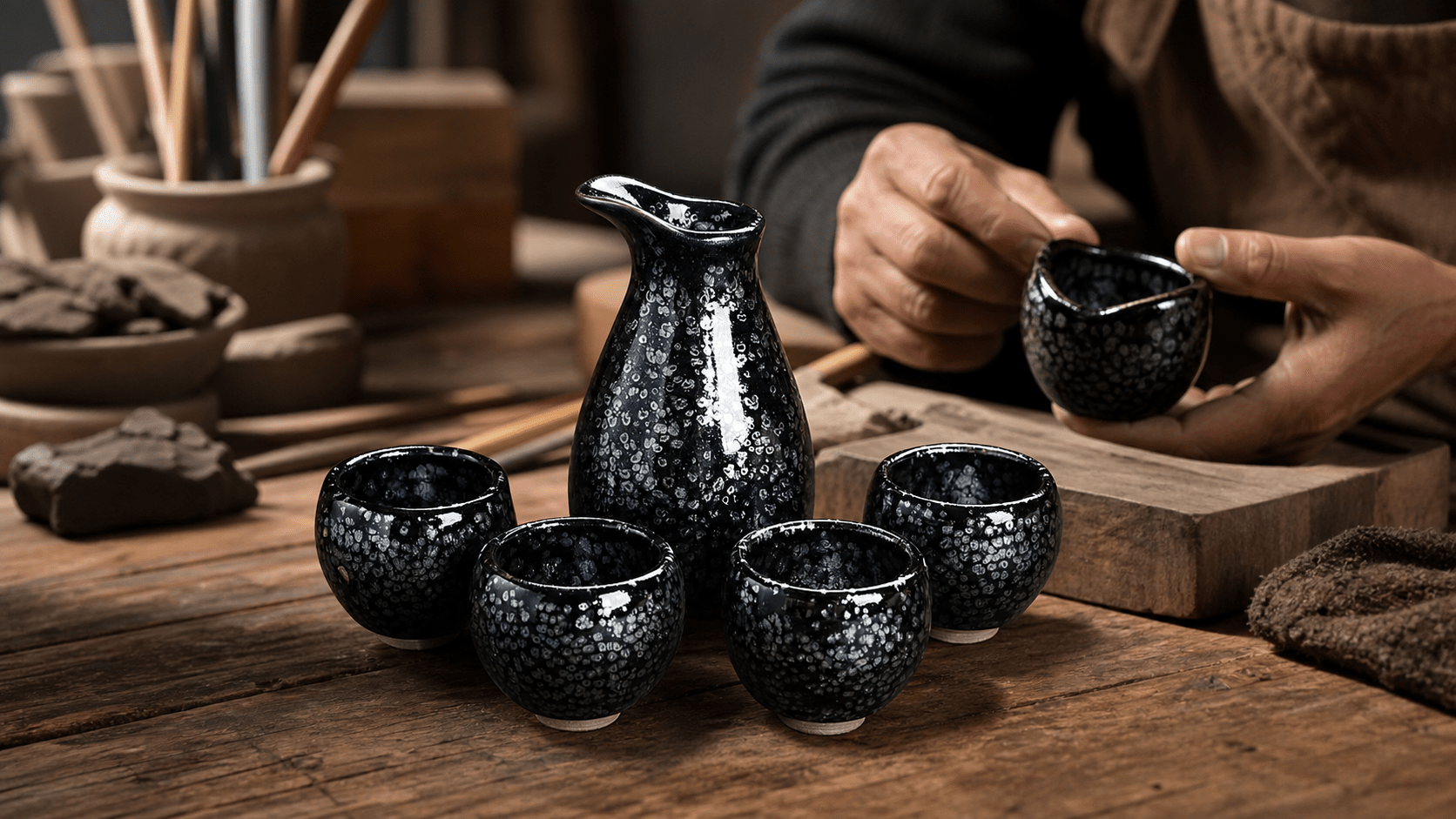
Unlike a mass-produced ceramic mug, an authentic Jianzhan is fired at staggering temperatures (often above 1300°C/2372°F) in a wood- or gas-fueled dragon kiln. Iron from the local clay migrates to the surface during firing, crystallizing into the signature patterns. No two bowls are ever identical — each carries the fingerprint of that specific kiln, that specific day, that specific flame path.
This “happy accident” aesthetic, called yohen in Japanese, is revered in tea ceremony circles. It's the antithesis of sterile, factory-perfect dishware. When you hold a Jianzhan, you're holding a piece of geological art.
Why a Simple Tea Bowl Can Shift Your Entire Day
Science tells us rituals reduce anxiety. A Harvard Business Review study found that even small personal rituals before a task improve performance and emotional control. The heft of a Jianzhan — its warmth in your palms, the way light dances across oil spots — forces a pause. That pause is where the wellness lives.
American culture is currently rewiring its relationship with rest. We've embraced weighted blankets, ASMR, and the evening wind-down mocktail. A Jianzhan tea ritual fits perfectly here: it's a tactile, screen-free 10 minutes that signals to your nervous system: “You're off the clock. Taste something real.”
Four Ways a Jianzhan Upgrades Your Daily Tea (and Your Health)
- 1. Softens water, enhances flavor. The high-iron, porous body subtly raises water pH and smooths out tannic edges, making even a basic green tea taste rounder and more mellow. It's the tea equivalent of decanting a red wine.
- 2. Keeps tea warmer, longer. The thick stoneware retains heat remarkably well. Your tea stays at sippable temperature without a metallic aftertaste — unlike a Yeti mug, which can mute delicate notes.
- 3. A natural conversation piece. Place a unique oil-spot Jianzhan on your desk during a Zoom call, and it becomes the first question: “Whoa, what are you drinking from?”
- 4. Supports genuine craftsmanship. Real Jianzhan bowls are handmade by artisans, not machines. Your purchase helps keep a millennium-old tradition alive.
How to Choose Your First Jianzhan: A Beginner's Buying Guide
Walking into the world of Tenmoku can feel like walking into a wine shop with no labels. Here's what to actually look for:
- Origin: True Jianzhan comes from the original kiln region around Jianyang, Fujian. If the seller can't name the artist or kiln site, treat it as a red flag.
- Body material: Authentic pieces use local, iron-heavy clay. The unglazed foot should reveal a dark grayish-black body, not light or porcelain-white.
- Glaze pattern: Start with the big three: oil spot, hare's fur, or partridge feather. Oil spots are the most iconic and a safe entry point for their dramatic contrast.
- Handmade vs. slip-cast: A real Jianzhan will have slight asymmetry, throwing rings you can feel, or a subtly irregular rim. If it looks too perfect and glossy, it's probably a decal-decorated fake.
- Price: While master-level pieces can fetch thousands, you can find an authentic, artist-signed daily-driver in the $80–$250 range. Cheaper than that, you're likely buying a lookalike.
Jianzhan vs. Everyday Drinkware: Why Material Matters
| Feature | Jianzhan (Tenmoku) | Standard Ceramic Mug | Glass Cup | Stainless Travel Mug |
|---|---|---|---|---|
| Heat retention | Excellent (thick stoneware) | Moderate | Poor | Excellent (double-wall) |
| Effect on tea taste | Smooths, adds sweetness | Neutral | Neutral | Can impart metallic notes |
| Aesthetic / texture | One-of-a-kind, tactile glaze | Uniform, predictable | Transparent, clean | Utilitarian, cool to touch |
| Ritual value | High — ties to tea ceremony | Low | Low | Very low |
| Collectibility | Yes, appreciates over time | No | No | No |
Scenes from a Life With Jianzhan
The 7:30 AM quiet window. While the house sleeps, you fill your partridge-feather bowl with hot water to warm it, then whisk in matcha or pour a gentle white tea. Five minutes of breathing with both hands cupped around the bowl — that's your meditation before the inbox opens.
After the 5 PM meetings. You swap screens for steam. A roasted oolong in a hare's fur bowl. The dark glaze makes the tea's golden liquor pop, and the act of looking before you sip pulls you back into your body. Better than a glass of wine, with zero hangover.
Sunday slow brunch. Friends are over. You present each a different Jianzhan — mismatched, glorious bowls. Suddenly everyone's comparing glaze patterns, taking pictures, asking where to buy one. You've become the unofficial tea curator of your circle.
How to Clean, Season, and Build Patina on Your Jianzhan
Fear not: this isn't a fussy museum piece. It's stoneware designed to be used daily. The right care heightens both beauty and longevity.
- Opening ritual (seasoning). Before first use, submerge the bowl in water and boil it for 30–60 minutes with a little tea leaves or rice water. This opens the micro-pores and sets the stage for natural patina. Let it cool slowly in the liquid.
- Daily cleaning. Rinse with hot water immediately after drinking. Never use soap or detergent — the porous body will absorb the chemicals and ruin future tea flavor. A soft cloth or clean fingers are all you need.
- Drying. Air-dry upside down on a tea towel. Do not use a dishwasher or microwave; rapid temperature shocks can crack the bowl.
- Patina development. Over months, the interior will develop a subtle, silvery-brown sheen where tea oils coat the iron-rich surface. This is prized by collectors — it tells the story of your shared brews.
FAQ: Everything You Wanted to Know About Jianzhan
Is a Jianzhan bowl safe to drink from?
Absolutely. Authentic Jianzhan uses natural clays and glazes fired at extreme temperatures, rendering them food-safe and chemically stable. There is no lead or cadmium in real Tenmoku glazes. If worried, buy from sellers who provide lab test certificates.
Does a Jianzhan really change the taste of tea?
Yes — subtly but noticeably. The iron-rich body interacts with the water, slightly raising pH and softening astringency. Many tea drinkers compare it to drinking from a spring-water stream versus tap water. It's not a placebo; it's chemistry.
How do I tell if a Jianzhan is authentic or fake?
Check the foot: it should be dark iron-black, not white. The glaze pattern should appear to emerge from within the clay, not sit on top like a sticker. Real oil spots will shift and shimmer as you tilt the bowl, never static. And price — a genuine handmade bowl rarely costs under $50.
Can I use a Jianzhan for coffee?
Technically yes, but purists will wince. The porous clay will absorb coffee oils, which can muddy the bowl's patina and interfere with delicate tea notes. If you go this route, dedicate one bowl exclusively to coffee, like a cast-iron pan dedicated to steaks.
What type of tea is best for a Jianzhan?
The Song Dynasty aesthetic was built around powdered tea (think matcha today), but the bowls pair beautifully with any tea that benefits from a rounded, softer cup — roasted oolong, pu-erh, aged white tea, and golden-tipped black teas. The dark interior also makes the color of the tea visually pop.
Can I put my Jianzhan in the microwave or dishwasher?
Never. Thermal shock can crack the bowl, and dishwashing detergents will strip the patina and seep into the clay. Hand care only, hot water rinse — that's the deal.
Is a Jianzhan a good gift?
Outstanding. It's a gift that says, “I see you enough to know you'd value craft and stillness.” Perfect for milestone birthdays, a promotion, housewarming, or anyone who talks about wanting a “slow morning.”
Is a Jianzhan Right for You?
This bowl is not for everyone — and that's its power. You'll love it if:
- You already invest in analog pleasures: fountain pens, vinyl records, cast-iron cookware.
- You want a screen-free moment of luxury that doesn't require a spa appointment.
- You're a tea drinker curious about how vessel material changes taste.
- You're searching for a meaningful, collectible gift that isn't another monogrammed tote bag.
If you're perfectly content with your office drip coffee in a paper cup, this might not be your moment yet. But if even a tiny part of you lit up reading about slow Sundays and shimmering oil spots, a Jianzhan is waiting.
Begin Your Own Quiet Tradition
A Jianzhan isn't an overnight lifestyle overhaul. It's a quiet companion that shows up every morning and asks you to notice — the color, the texture, the warmth, the taste. In a country where wellness too often comes with a subscription and a screen, this ancient stoneware offers something radical: a simple, beautiful pause that fits in your own two hands.
Ready to meet a piece that's been a thousand years in the making? Explore our curated collection of authentic Jianzhan and Tenmoku bowls — each one unique, each one hand-selected for both daily ritual and lasting beauty.


分享:
Jian Zhan Tea Bowls: Ancient Luxury for Your Daily Ritual
Why Are Japanese Tenmoku Tea Bowls So Expensive? The Art, Risk, and Rarity Explained