


Jianzhan Tea Bowls: Ancient Luxury for Your Daily Ritual
A Jianzhan (建盏) or Tenmoku tea bowl is a handcrafted stoneware cup born in the Song Dynasty, prized for its iron-rich glazes that shimmer like oil spots, hare’s fur, or partridge feathers—and today, it’s the ultimate upgrade for anyone seeking a daily wellness ritual that marries art, history, and mindfulness. Unlike your standard mug, each bowl is a one-of-a-kind piece fired at over 1300°C, with a patina that deepens with use, much like a well-seasoned cast iron skillet.
Key Takeaways
- What is Jianzhan? An ancient Chinese tea bowl (also called Tenmoku in Japan) made from iron-rich clay and glazed with natural ash, creating unique patterns like Oil Spot (Yuteki) and Hare’s Fur.
- Why it matters now: It transforms a quick caffeine fix into a slow, meditative ritual—think craft coffee pour-over but for tea.
- Luxury at home: A statement piece that rivals high-end Yeti coolers or Le Creuset cookware; it’s functional art for your shelf and your soul.
- Practical care: Season it once, rinse with water (never soap), and watch the glaze evolve over months.
- Buying confidence: Look for heavy, thick walls, an unglazed foot rim, and subtle iron sparkle—avoid machine-perfect pieces.
What Is a Jianzhan (Tenmoku) Tea Bowl?
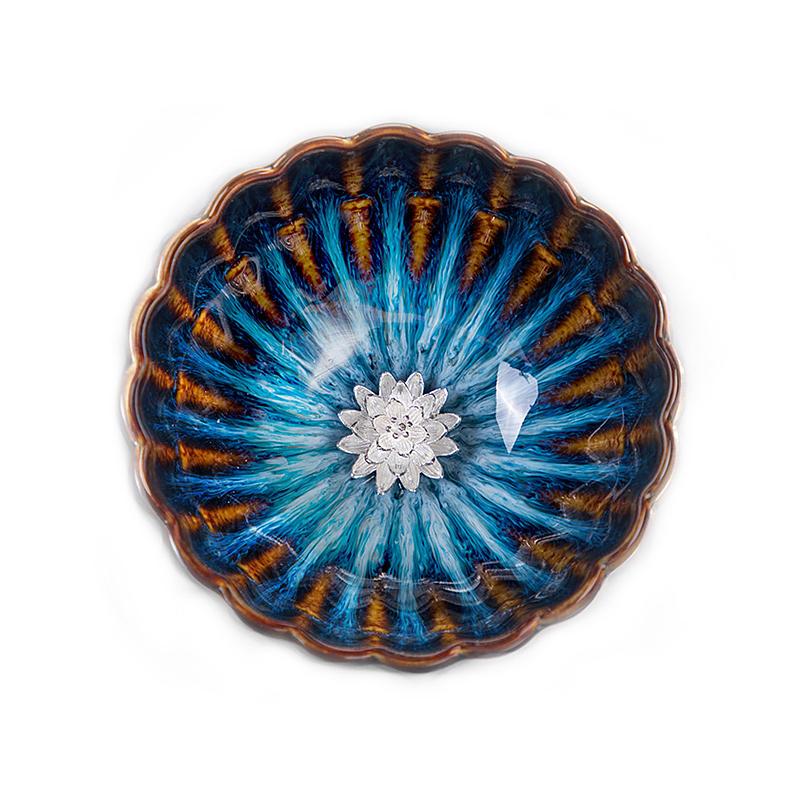
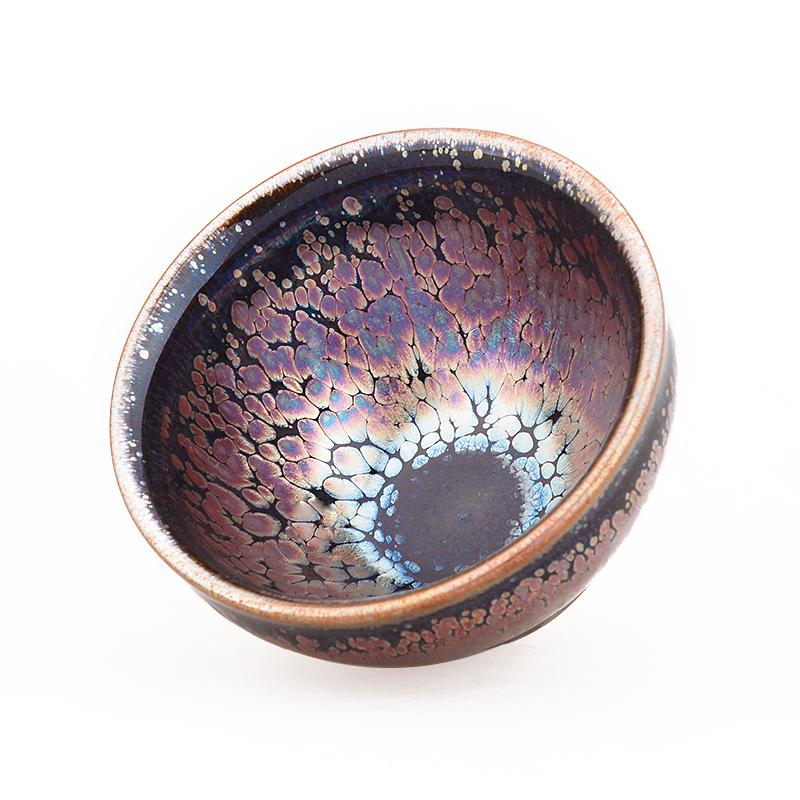
Jianzhan literally means “Jian kiln cup,” originating from Jianyang in Fujian Province during the Song Dynasty (960–1279 AD). The Japanese later called them “Tenmoku” after Mount Tianmu where monks first encountered them. The bowls are thrown from local iron-heavy clay, coated with a natural ash glaze, and fired in dragon kilns at extreme temperatures. The iron pulls to the surface, creating patterns that look like a galaxy trapped in stone.
Common glaze patterns include:
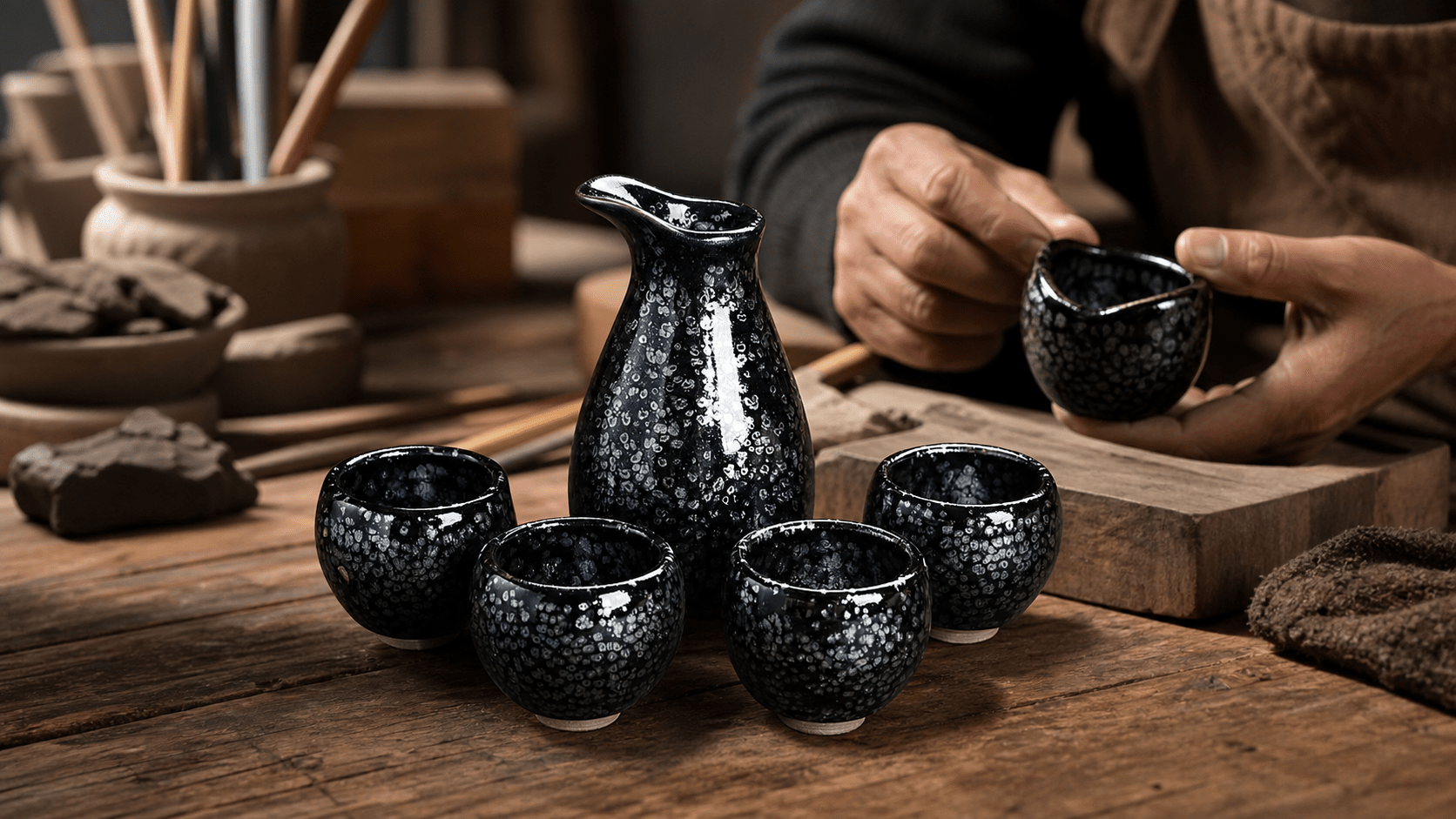
- Oil Spot (Yuteki): Silver or gold droplets scattered like stars on a black field.
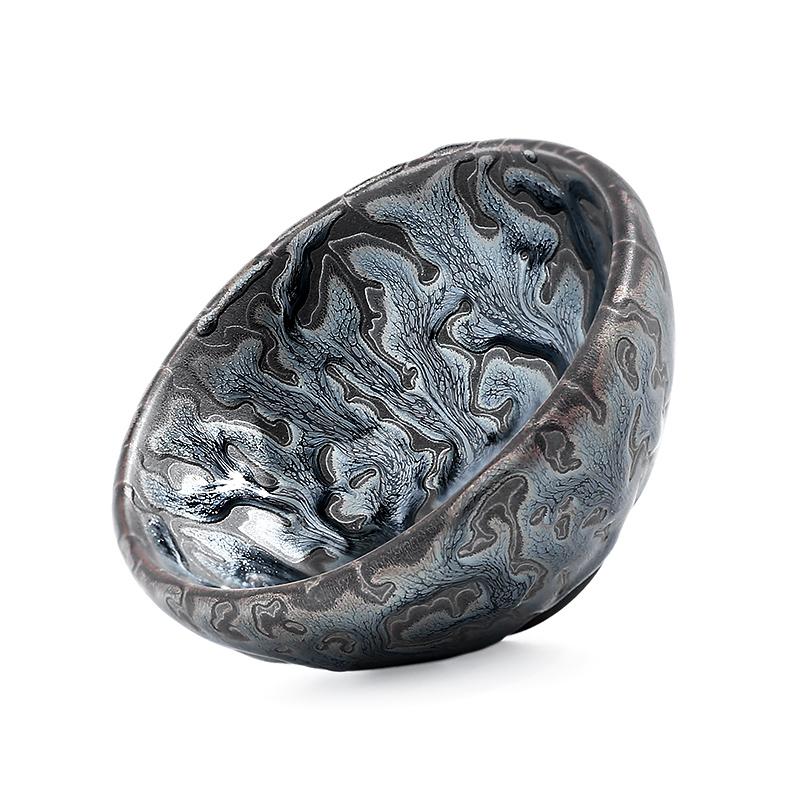
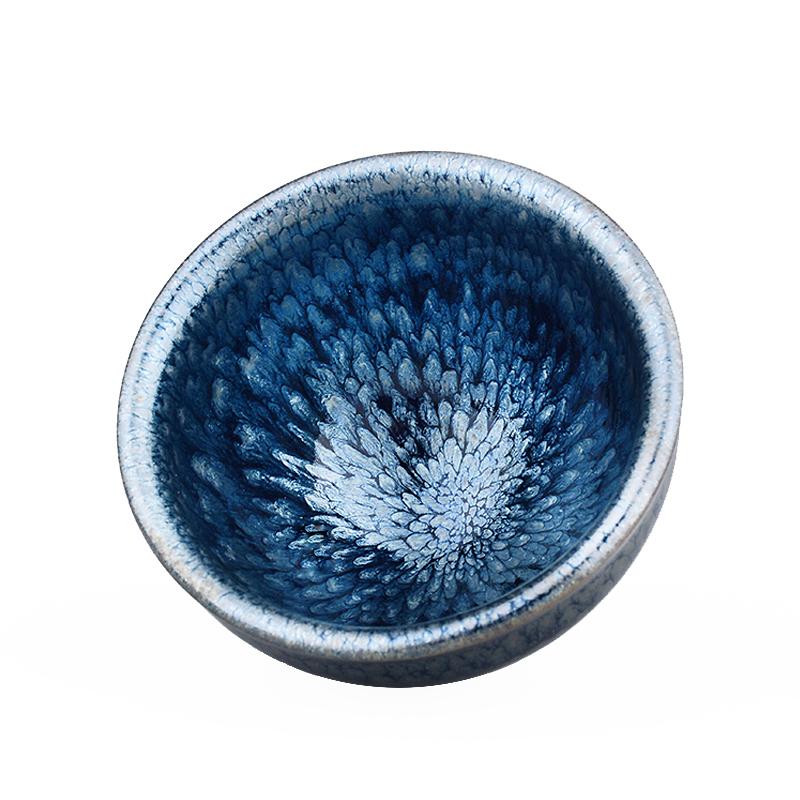
- Hare’s Fur (Nogime): Fine, silvery streaks that mimic rabbit fur.
- Partridge Spot (Shamoban): Mottled speckles resembling a bird’s chest feathers.
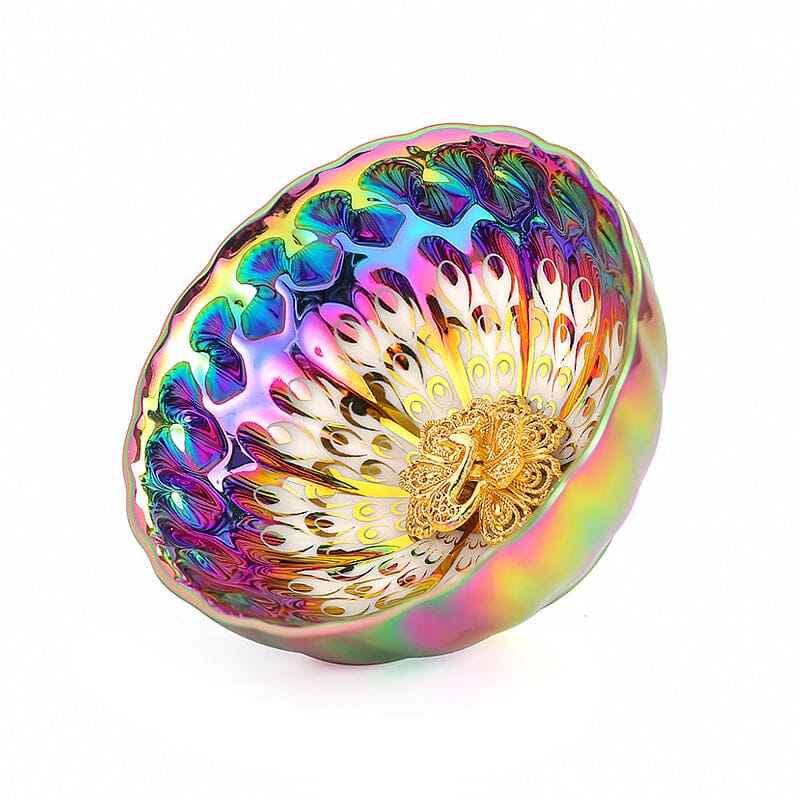
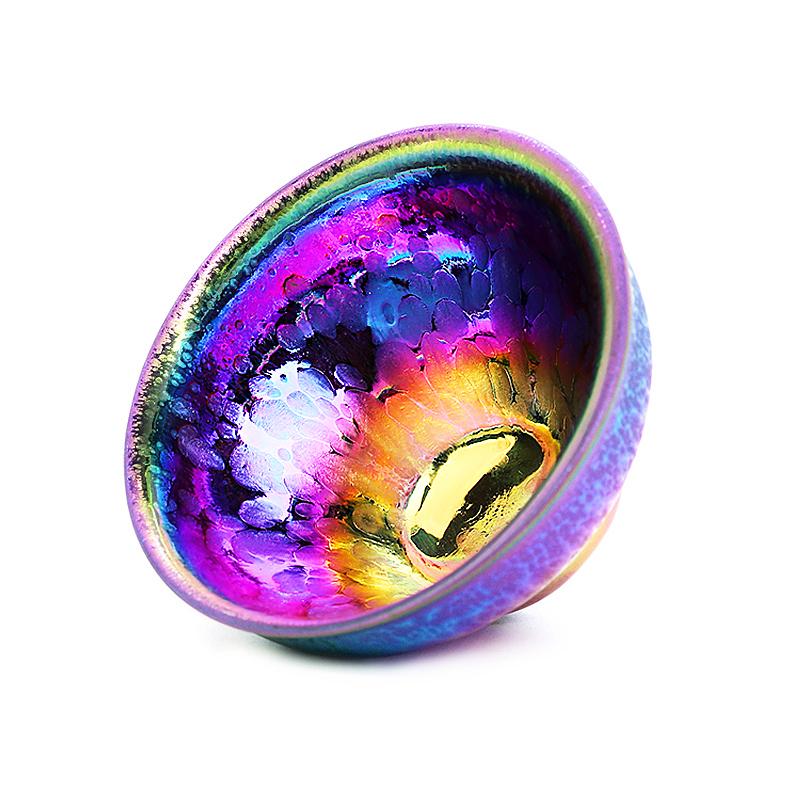
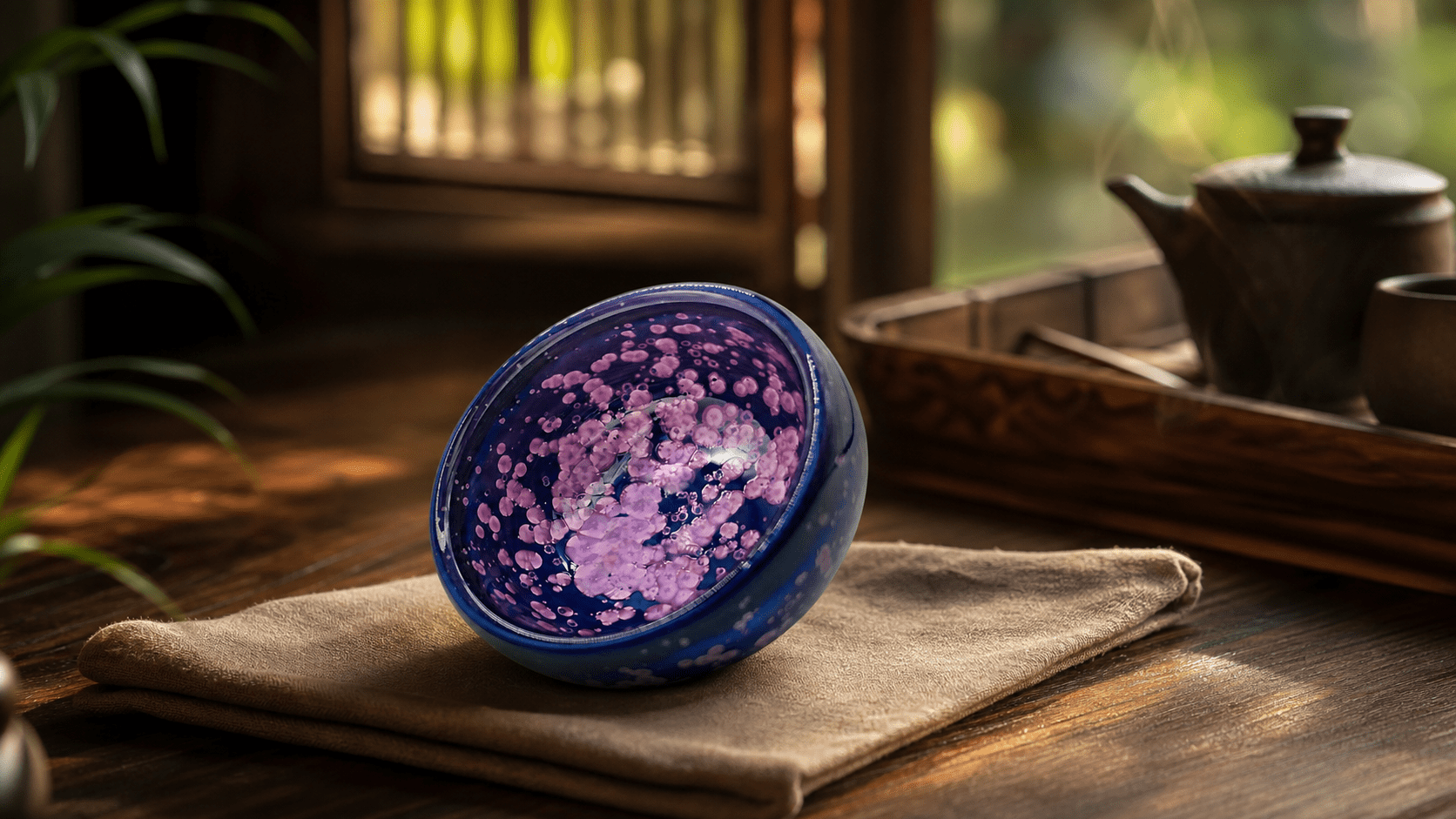
- Yohen (Transmutation): Rare, iridescent effects with flashes of blue, purple, or rainbow—a “unicorn” glaze.
These aren’t painted designs—they’re born from kiln physics, making each bowl a original.
Why a 1,000-Year-Old Cup Matters for the Modern American Home
We upgraded our coffee with single-origin beans, our cookware with cast iron, and our hydration with Yeti. Yet the vessel we sip from often remains an afterthought—a chipped ceramic mug or a glass tumbler. Jianzhan brings the same intentionality to your cup that a Staub cocotte brings to your dinner table.
The bowls were essential to Song-era “Dian Cha” (whisked tea), a ritual where powdered tea was whisked with a bamboo whisk in the bowl, and the glaze’s color and pattern were judged as part of the experience. Today, you can recreate that mindfulness with matcha, a fine oolong, or even a quiet moment with hot water and lemon. The thick walls retain heat remarkably well—think of a high-end double-walled glass, but with soul.
The Art of the Glaze: Oil Spot, Hare’s Fur, and Partridge Spot
The magic lies in the chemistry. The clay body contains up to 8% iron oxide. When the ash-and-iron glaze melts, the excess iron crystallizes on cooling. Oil Spot glazes occur when iron boils into bubbles that burst, leaving rings that fill with new silicate liquid. Hare’s Fur forms when those bubbles stretch into streaks in the kiln’s airflow. Partridge Spot is a denser, more chaotic dot pattern.
Think of it like the “bloom” on a perfectly seasoned steak or the patina on a copper bar. It’s a visual fingerprint of the firing, and no two are alike.
Jianzhan vs. Your Everyday Mug: A Comparison Table
| Feature | Jianzhan Bowl | Standard Ceramic Mug | Yeti Rambler | Hand-Thrown Stoneware |
|---|---|---|---|---|
| Material | Iron-rich stoneware | Porcelain or earthenware | Stainless steel | Stoneware |
| Heat Retention | Excellent (thick walls stay warm) | Moderate | Outstanding (double-wall) | Good |
| Aesthetic | Luminous, naturally chaotic | Uniform, often mass-produced | Utilitarian, modern | Rustic, varied |
| Ritual Factor | High—elevates daily moments | Low—functional | Medium—outdoor focus | Medium—artisanal feel |
| Care | Season once, no soap | Dishwasher safe | Dishwasher safe | Usually dishwasher safe |
| Uniqueness | One-of-a-kind glaze | Identical siblings | Identical | Subtle variations |
| Cultural Depth | 1000 years of tea history | Recently invented | American outdoor culture | Studio pottery movement |
If your morning coffee is a routine, your tea in a Jianzhan bowl becomes a ritual. It’s the difference between drinking water from a plastic bottle and a hand-blown glass.
Buying Guide: How to Choose Your First Jianzhan Bowl
Before you purchase, know what authentic handmade looks like:
- Weight: Hefty, dense. A full-size bowl feels substantial in the palm.
- Foot rim: Unrefined, often with traces of kiln grit. It shows the bowl wasn’t machine-trimmed.
- Glaze pooling: Look for thick drips near the foot; these indicate a generous natural glaze application.
- Sound: A gentle tap with a fingernail should produce a clear, slightly metallic ring.
- Price bracket: Expect $50–$120 for a genuine, hand-thrown piece from a small studio. Master works can range into the hundreds or thousands.
Beginner move: start with an Oil Spot or Hare’s Fur bowl—these are classic, widely accessible patterns that show the iron glaze at its best.
Real-Life Scenarios: From Morning Matcha to Evening Nightcap
- Morning matcha: Whisk your matcha directly in a wide, black-glazed Jianzhan. The dark interior makes the vibrant green pop like a forest in moonlight.
- Afternoon oolong: The bowl’s thick lip and stable shape are perfect for gongfu-style sipping. It keeps the tea warm longer than porcelain gaiwans.
- Evening herbal blend: After dinner, cradle the warm bowl while reading—a screen-free ritual that signals your brain to unwind.
- Weekend whiskey (or Japanese whisky): The bowl’s shape and weight make it an elegant, intimate alternative to a Glencairn glass. The iron glaze actually softens the spirit’s nose slightly.
Care and Maintenance: How to Season and Preserve Your Tenmoku
Jianzhan is low-maintenance but requires a one-time “opening” ritual and mindful daily care—just like seasoning a carbon steel pan.
The Opening Ritual (Seasoning)
- Rinse the new bowl under warm water to remove dust.
- Fill a pot with water, add a pinch of tea leaves (green or white tea works), and submerge the bowl.
- Simmer gently for 20–30 minutes. Let it cool naturally in the water.
- Remove, rinse, and air dry. This removes any residual kiln ash and opens the glaze’s microscopic pores.
Daily Care
- After each use, rinse with warm water only. No soap, no dishwasher.
- Wipe dry with a soft cloth. Do not soak for hours.
- Over time, the glaze will develop a subtle patina—a sheen from tea oils that deepens the color. This is highly prized.
FAQ: Your Jianzhan Questions Answered
What exactly is Jianzhan?
It’s a type of Chinese stoneware tea bowl first made in the Song Dynasty, characterized by an iron-heavy clay body and a natural ash glaze that produces metallic, crystalline patterns like oil spots or hare’s fur. In Japan it’s called Tenmoku.
How is it different from a regular ceramic tea cup?
Most ceramic cups are made from porcelain or low-iron clay with a uniform glaze. Jianzhan uses iron-rich clay that interacts with the high-temperature kiln to create unreproducible, stunning surface effects. It also tends to be thicker and better at retaining heat.
Do I really need to season it?
Yes, a one-time simmer with tea leaves cleans out any leftover ash and “wakes up” the iron crystals. Skipping it won’t ruin the bowl, but you’ll miss the initial depth that develops over time. It’s like seasoning a new cast iron skillet—not mandatory, but transformative.
Can I put it in the dishwasher or microwave?
No. The unglazed foot rim would absorb water and potentially crack. Detergents will strip the developing patina. Hand rinse only.
What tea tastes best in a Jianzhan bowl?
Almost any: the iron content subtly smooths astringency and rounds bitter notes, making it particularly wonderful for roasted oolongs, earthy pu-erh, and matcha. Many aficionados also report that black teas feel fuller.
Where can I buy an authentic Jianzhan?
Look for artisan workshops in Jianyang, China, or curated online stores like Tenmokus that source directly from kilns. Avoid Amazon or AliExpress listings that seem too cheap—under $40 for a “handmade” bowl is a red flag.
Does a Jianzhan change over time?
Yes. With regular use, the iron crystals oxidize and tea oils build a faint iridescent film. This patina is a badge of honor, showing the bond between drinker and bowl.
Who Should Buy a Jianzhan Tea Bowl?
- The mindful morning seeker: If you’re already journaling or meditating, this bowl adds a tactile, sensory anchor to your day.
- The homebody connoisseur: It’s a centerpiece that sparks conversation—like a piece of museum-quality art you can hold.
- The premium gift giver: For someone who has everything? A one-of-a-kind Jianzhan with a tin of fine tea feels deeply personal and lasting.
- The indoor health enthusiast: Switching from coffee to green tea is easier when the vessel itself celebrates simplicity and wellness.
Conclusion: Elevate Your Everyday with the Bowl That Time Forgot
You don’t need a tea ceremony certification to enjoy a Jianzhan bowl—you just need five quiet minutes. Its heft, warmth, and unearthly beauty make even the simplest tea leaves taste like a privilege. If a Le Creuset pot hangs on your kitchen wall and a Yeti tumbler rides in your car, a Tenmoku bowl belongs on your desk or nightstand.
Explore our curated collection of hand-selected Jianzhan tea bowls—each one a story, waiting for your first sip.


分享:
Jian Zhan Tea Bowls: The Ultimate Mindfulness Tool for Luxury Wellness at Home
Jian Zhan Tea Bowls: Transform Your Daily Tea into a Mindful Luxury Ritual