Use this guide to connect the article topic with practical buying decisions: what Jianzhan Tenmoku teaware is, who it suits, how to choose a piece, and how to care for it after purchase.
How to use this guide before buying
Read the article first for the main explanation, then compare the product photos, glaze variation, form, seller clarity, return policy, and whether the piece fits daily tea, display, collecting, or gifting.
Common buying mistakes to avoid
Avoid choosing only by dramatic claims, copied photos, unusually low prices, or vague master language. A better decision uses visible product details, clear use case, realistic care needs, and trustworthy shop policies.
Recommended next step
After reading, compare a few real products side by side by size, glaze family, rim shape, capacity, price, and gift suitability instead of relying on one photo or one keyword.
What is Jianzhan Tenmoku teaware?
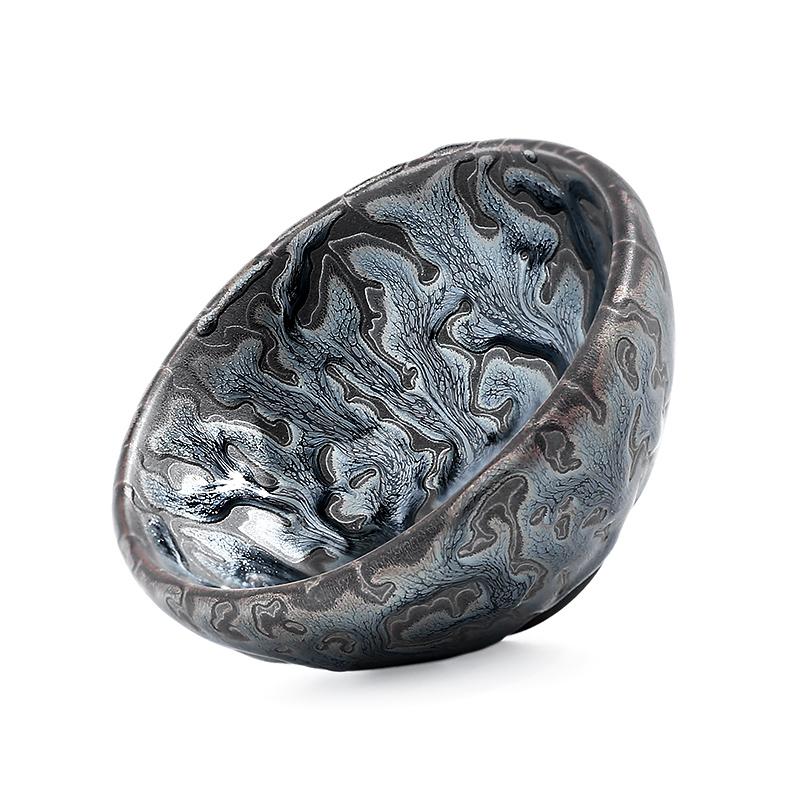
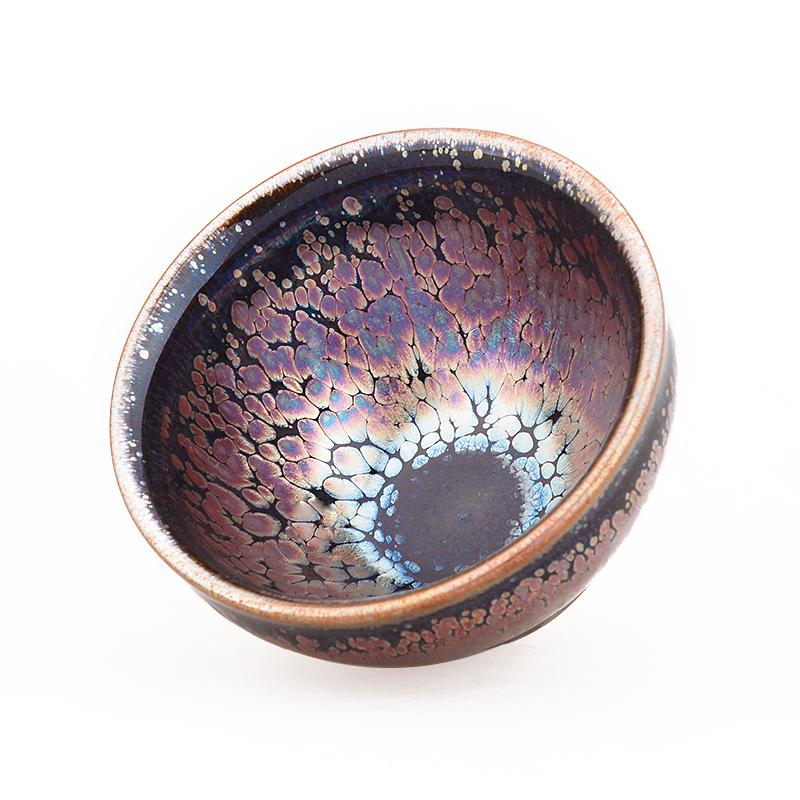
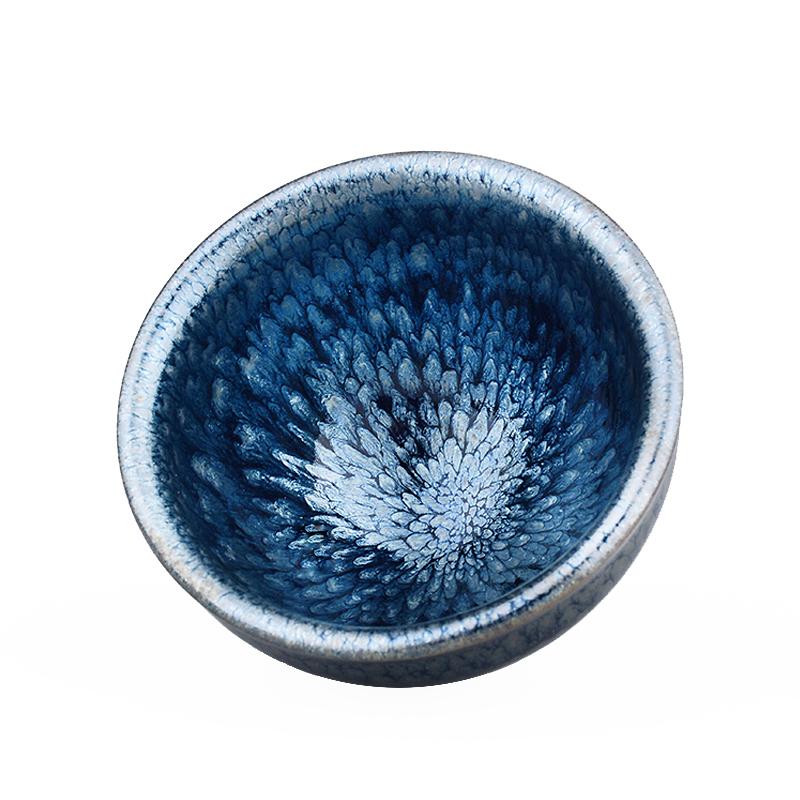
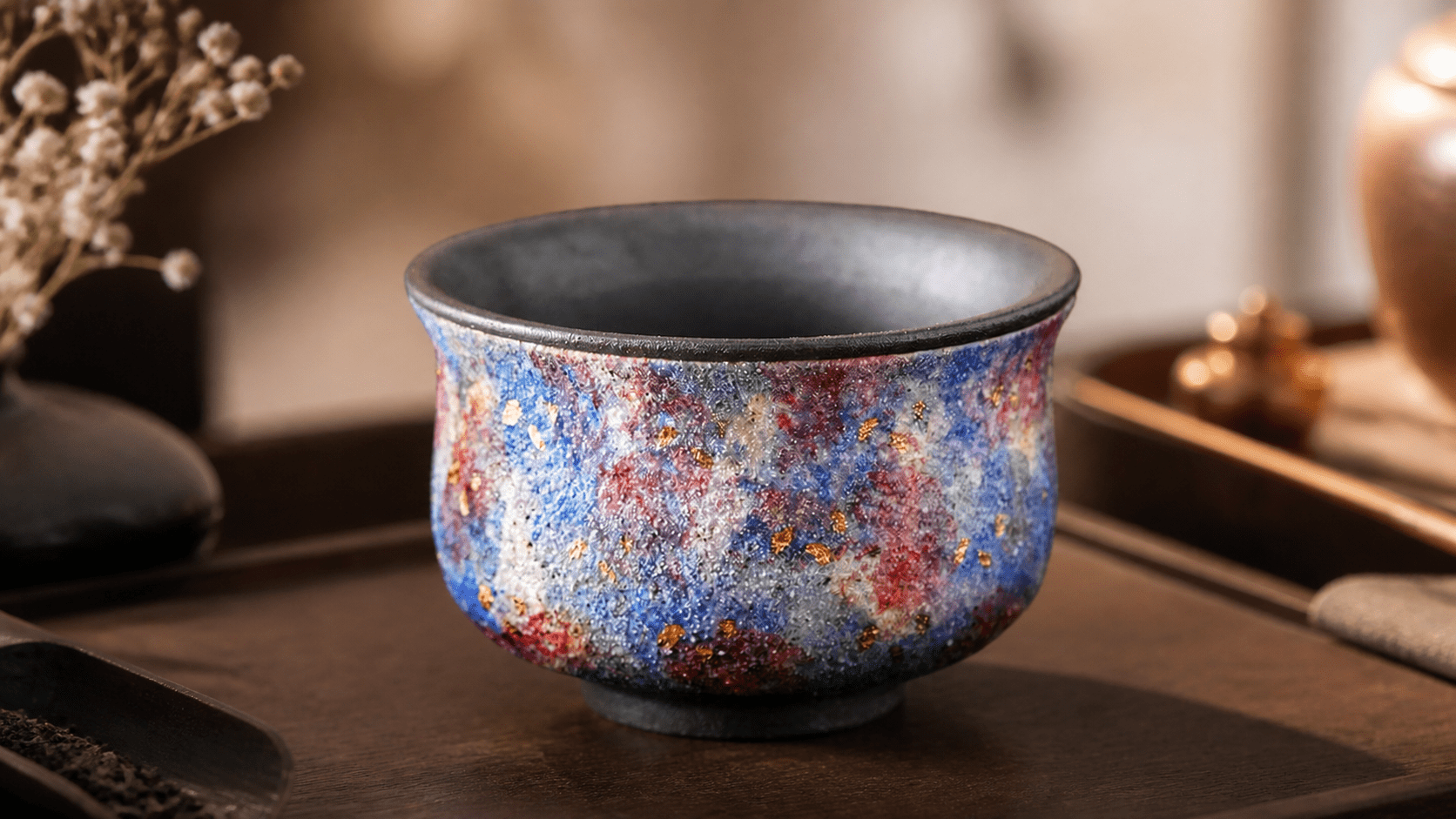
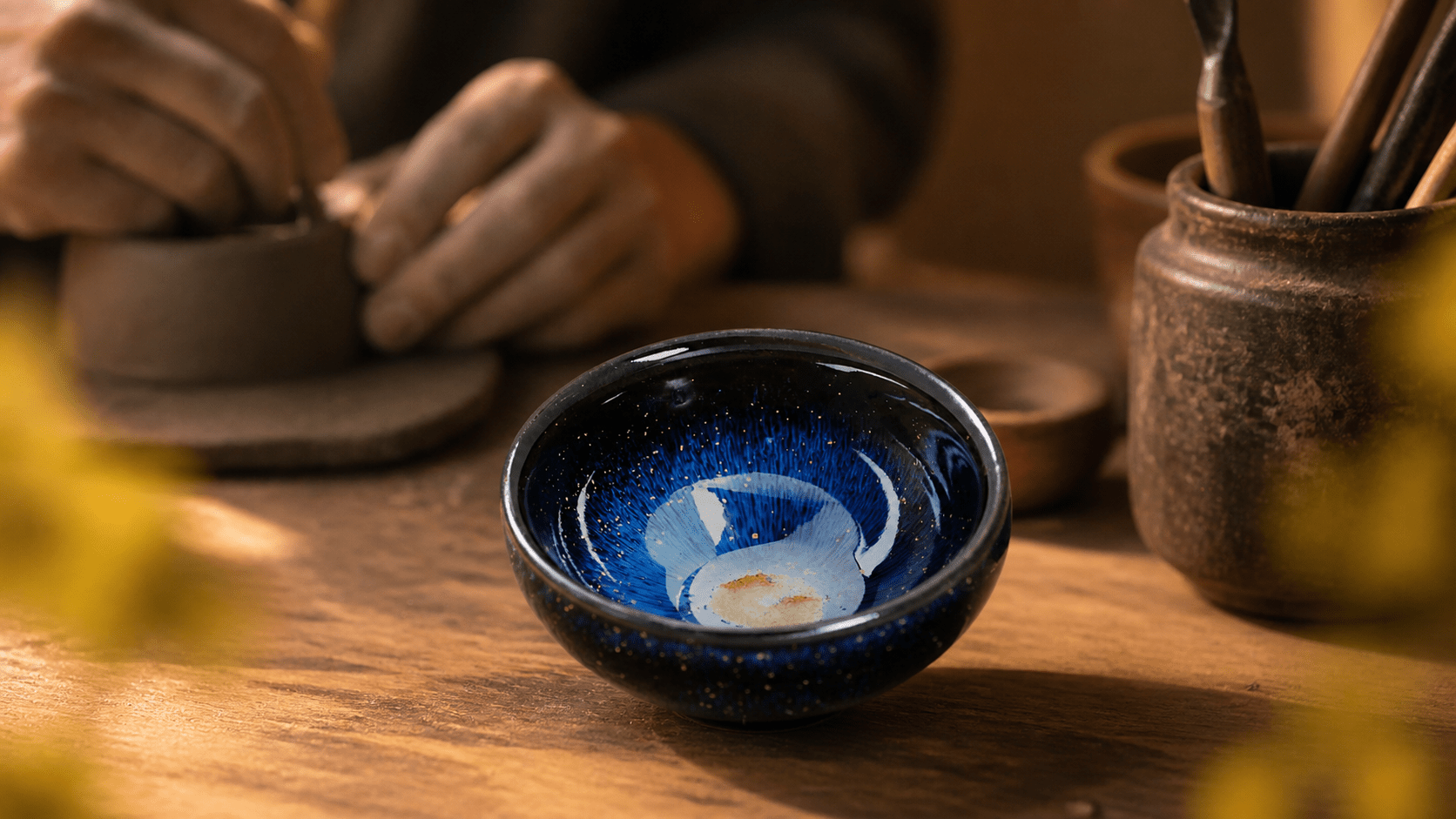
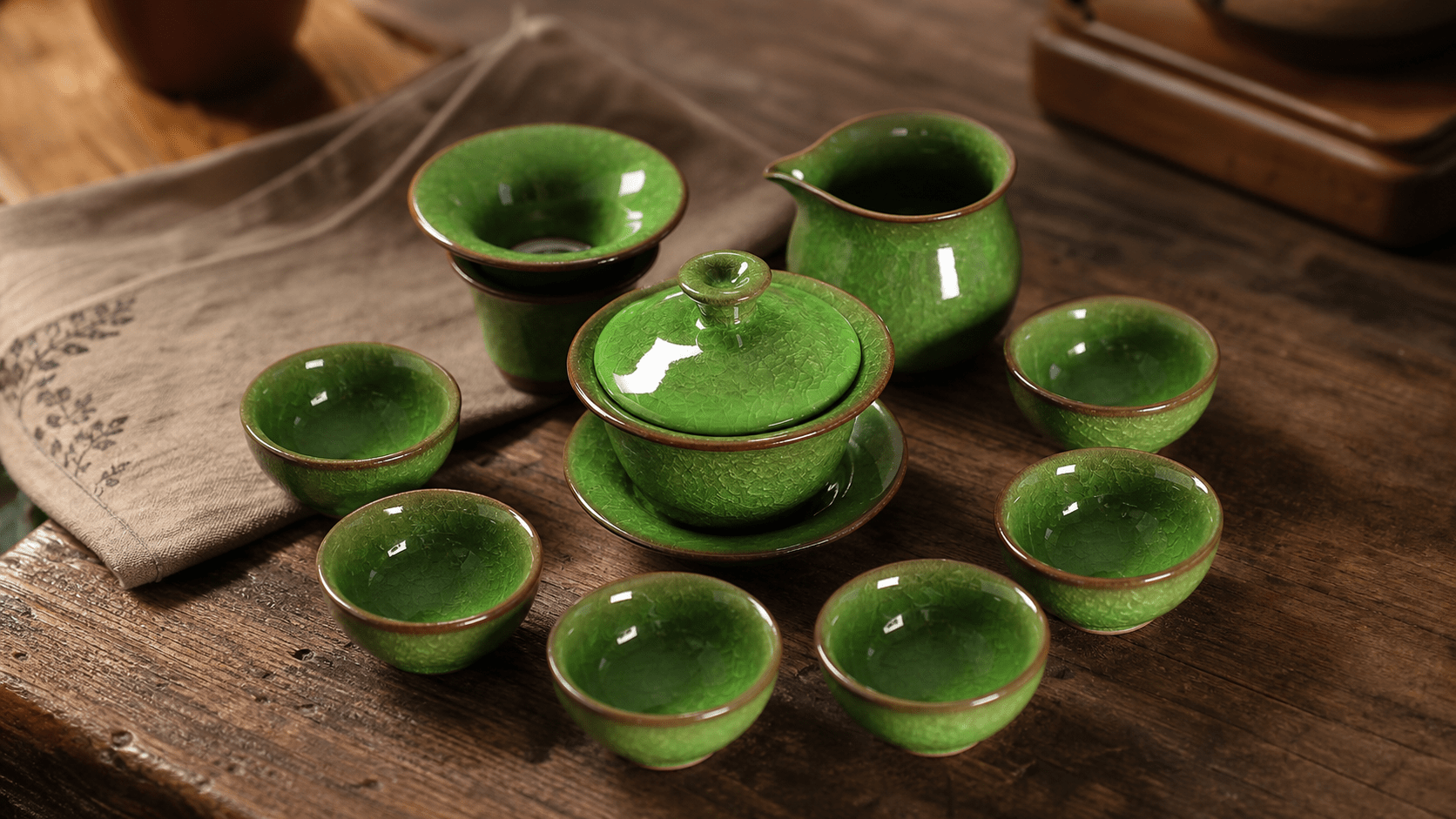
Jianzhan Tenmoku teaware is ceramic tea ware known for dark mineral-glaze effects and natural kiln variation. Common forms include tea cups, bowls, teapots, tea sets, and matcha bowls.
Who is it best for?
It is best for tea drinkers, ceramic collectors, and gift shoppers who value functional objects with visible handmade character. It is not ideal if you need every piece to look exactly identical.
How do I care for it?
Hand wash with warm water, avoid abrasive cleaners, and dry fully before storage. Gentle daily use helps preserve the surface and keeps the glaze easy to inspect over time.
How do I choose the right Tenmoku piece?
Choose by the main use first: daily tea, matcha, Gongfu brewing, display, or gifting. Then compare capacity, rim shape, glaze family, photos, and whether natural variation is acceptable for your needs.
Is Jianzhan Tenmoku teaware good as a gift?
Yes. It works well for tea lovers, ceramic collectors, birthdays, holidays, and housewarming gifts because it is both usable and visually distinctive. For gifts, choose an easy-to-use form and a glaze style with clear photos.
Related products and categories
Compare the guide above with real Tenmokus categories and representative pieces. Start with the use case, then compare glaze style, form, price, and whether the piece is mainly for daily tea, display, collecting, or gifting.
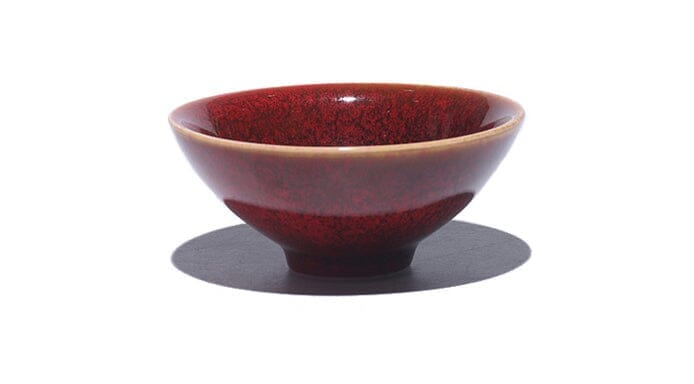
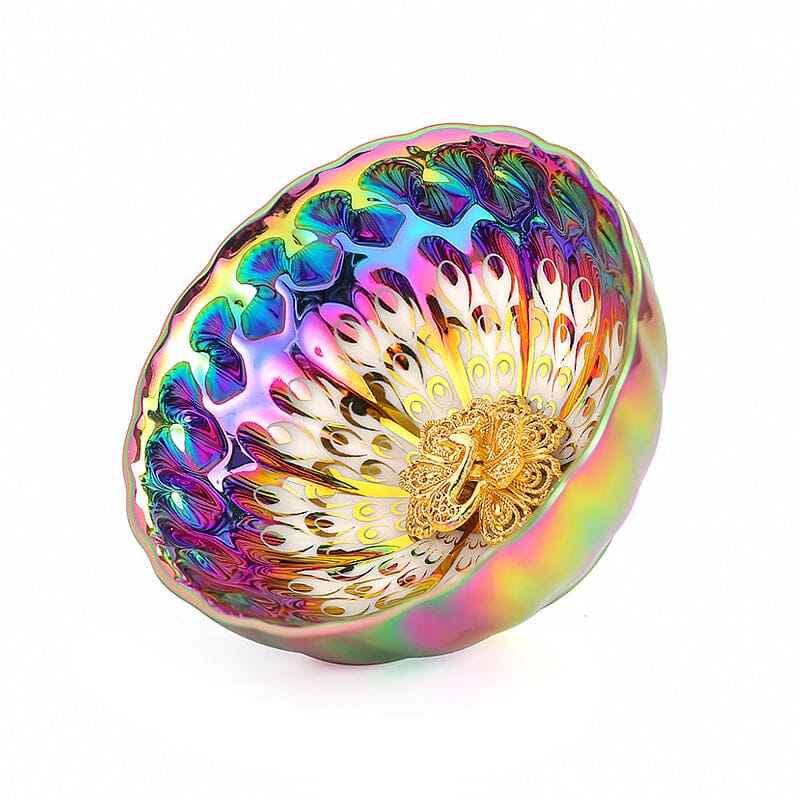
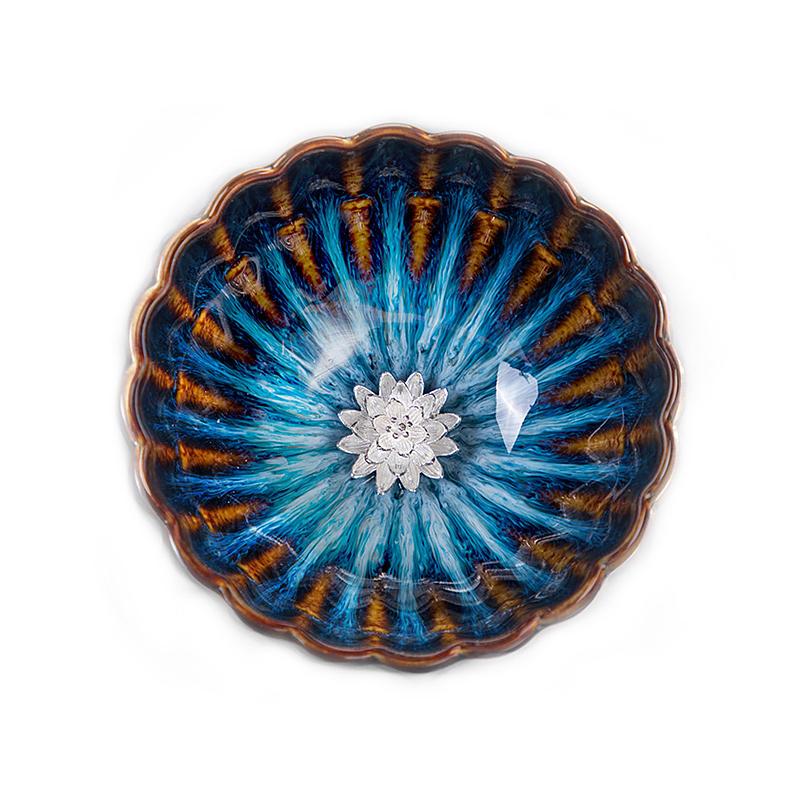
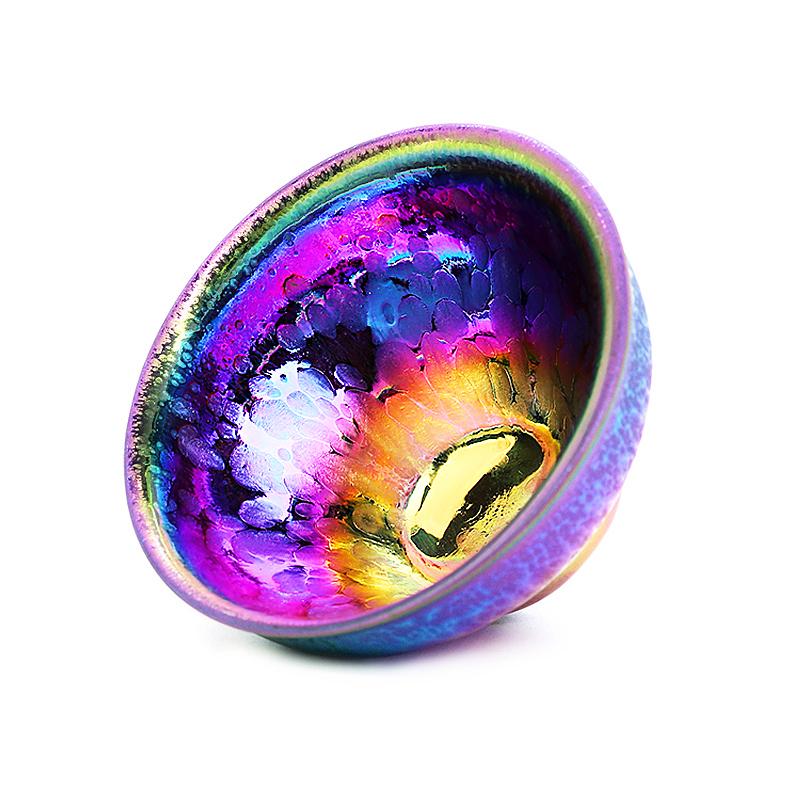
Compare handmade Jianzhan Tenmoku tea cups by glaze style, cup size, hand feel, and gift intent. Check each product page for current photos, capacity, availability, care details, shipping, and return information.
Why a Tenmoku Tea Bowl Is Worth the Price for Tea Lovers A tenmoku tea bowl can cost more than an everyday cup because it is a fired work of handmade ceramic art, not a factory-made drinking vessel. For someone...
A tenmoku tea bowl brings color, texture, and a slower rhythm to a gongfu tea session.The Tenmoku Tea Bowl Story: A More Meaningful Gongfu Tea Ritual A tenmoku tea bowl is a dark-glazed tea vessel whose character comes from clay,...
Tenmoku Tea Bowl Authenticity: How to Buy with Confidence A real tenmoku tea bowl is best recognized through its material, glaze behavior, firing marks, and clear origin story—not one flashy rainbow pattern. If you want a handmade ceramic cup for...




分享:
Jianzhan的初学者指南:5种江山釉颜色中的哪个会吸引您?
“ 4个江南茶碗类型每个茶爱好者都应该在5分钟内知道”