In tea art activities, the dressing of tea practitioners is not only a display of personal image, but also closely related to the atmosphere of the tea space and the immersive experience of tea tasters. Appropriate dressing can convey the tea practitioner's respect and deep understanding of the elegance of tea, adding a proper touch of elegance and harmony to the tea - tasting process. The following will elaborate on the key points of tea practitioner dressing to help create a professional tea art image.
1. Basic Principles for Tea Practitioners' Dressing
Tea inherently has an elegant quality, and tea spaces are mostly designed to create a quiet, ancient and elegant atmosphere. As an integral part of the tea space environment, the dressing of tea practitioners must be coordinated with the overall style of the tea space. In traditional tea art performances or modern tea parties, if the dressing is incompatible with the tea space, being too abrupt or casual, it will break the quiet atmosphere of the tea space, distract the tea tasters' attention, and further affect their overall experience, making it impossible for them to fully immerse themselves in the mood of tea tasting. This principle is an indispensable part of tea art etiquette.
2. Style Selection
(1) Style Orientation
In terms of style, tea practitioners' dressing mainly focuses on Chinese - style clothing. Chinese - style clothing contains profound traditional cultural charm, which highly matches the connotation carried by tea art culture and can be better integrated into the elegant atmosphere of the tea space. Whether in classical tea art displays or modern tea ceremony activities, Chinese - style clothing can highlight the professionalism of tea practitioners.
(2) Style Characteristics
The selected clothing should have the distinct characteristics of being simple and elegant, loose and comfortable. A simple and elegant style will not give people a sense of cumbersomeness and can fully reflect the elegant quality of tea; the loose and comfortable tailoring allows tea practitioners to move freely during tea art operations, avoiding the impact of tight clothing on the fluency of movements, and at the same time, it can give people a comfortable and relaxed visual feeling, which conforms to the basic requirements of tea practitioner dressing etiquette.
(3) Recommended Styles
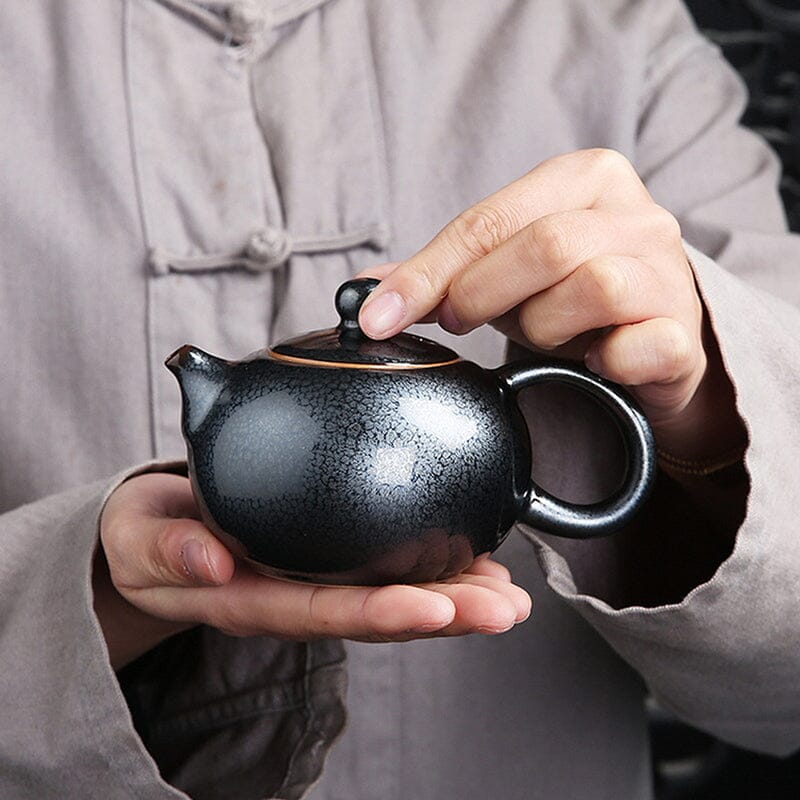
Improved traditional tea - wear is an ideal choice. Traditional tea - wear carries a long - standing historical and cultural heritage. After modern improvement, on the basis of retaining the traditional charm, it is more in line with modern wearing habits and aesthetic needs, not only retaining the classical elegance, but also having practical comfort, and is the preferred dressing style for professional tea practitioners.
3. Material Requirements
(1) Preferred Materials
For the material of tea practitioners' clothing, natural cotton and linen materials are the first choice. Natural cotton and linen materials have good air permeability and moisture absorption, making people feel comfortable and cool when wearing them. Moreover, their texture is natural and simple, which complements the elegant temperament of tea and can add a natural charm to the tea space, making them a high - quality choice for healthy tea practitioner dressing.
(2) Avoided Materials
Chemical fiber and other non - natural fabrics should be avoided. Chemical fiber fabrics have poor air permeability and moisture absorption. When worn, people tend to feel stuffy and uncomfortable. In addition, their texture is relatively stiff, lacking the softness and naturalness of natural fabrics, and they are not very coordinated with the atmosphere of the tea space, which does not meet the standards of high - quality tea art dressing.
4. Color Matching
(1) Mainly Selected Colors
In terms of color matching, elegant colors are the main choice, such as beige, light gray, light blue, light green and so on. These elegant colors give people a sense of tranquility, peace and freshness. They can echo the elegant taste of tea and the quiet atmosphere of the tea space, creating a comfortable and pleasant tea - tasting environment, and are a classic scheme for tea art dressing color matching.
(2) Avoided Colors
It is necessary to avoid choosing clothes with too bright colors or complex patterns. Too bright colors are easy to give a strong visual impact, appearing impetuous and publicity, which will destroy the quiet atmosphere of the tea space; complex patterns will distract the tea tasters' attention, making it impossible for them to focus on the beautiful experience of tea tasting, which violates the tea clothing matching principles.

5. Dressing Effect
Appropriate dressing plays an important positive role in tea art activities. It can create a beautiful and harmonious tea - tasting atmosphere, allowing tea tasters to feel the unique charm of tea in a comfortable environment. At the same time, appropriate dressing is also an intuitive manifestation of the professional quality of tea practitioners, conveying the tea practitioners' respect and understanding of tea. It makes tea tasters deeply feel the importance that tea practitioners attach to tea art activities, so that they are more willing to engage in the tea - tasting process and improve the overall tea - tasting experience, which is a key element in shaping a professional tea artist image.





分享:
The True Meaning of Tea Conditioning - Tea Conditioning is not Just About Washing Tea
Teaching Guide for Tea Pouring Etiquette in Tea Art