

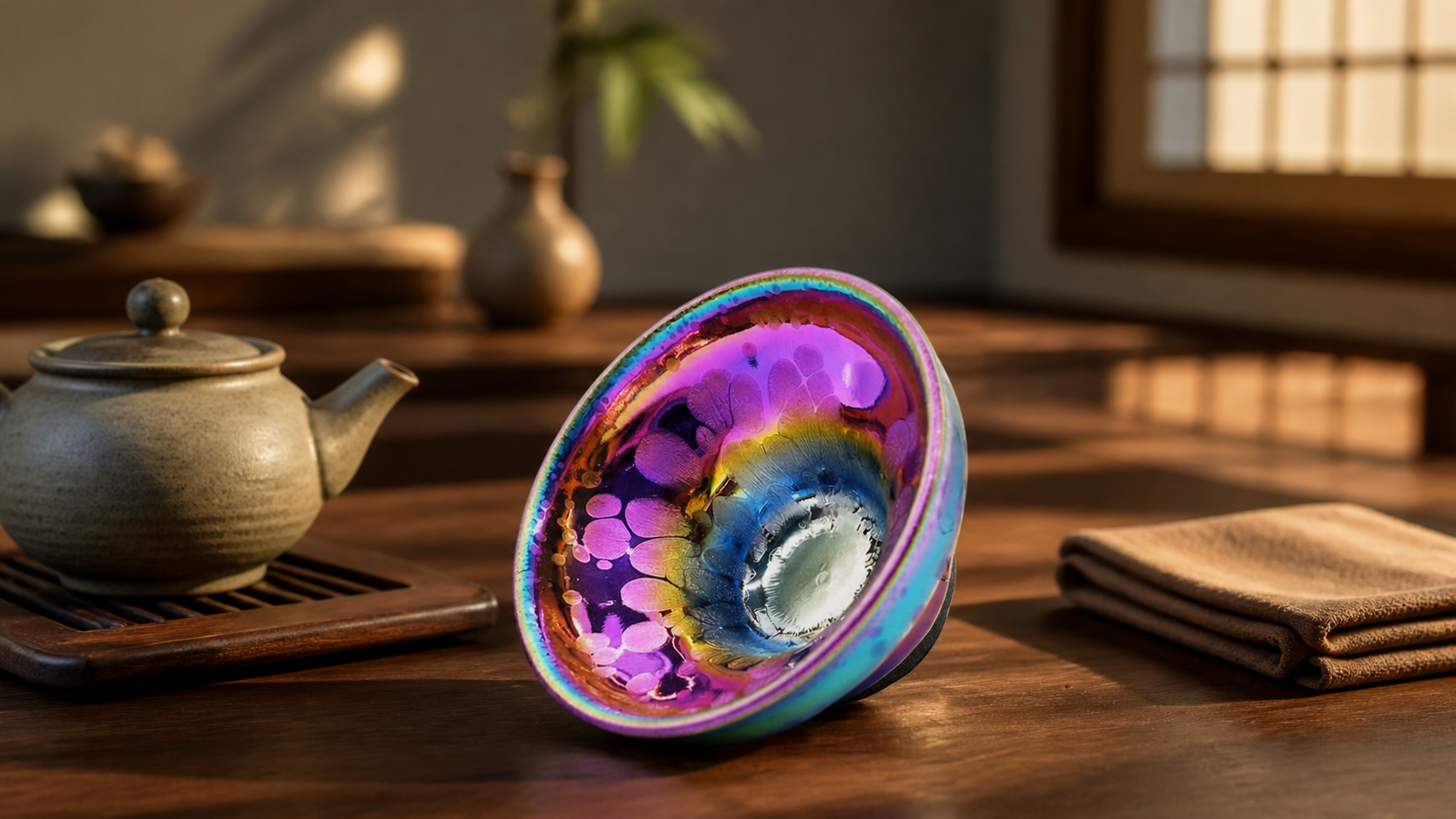

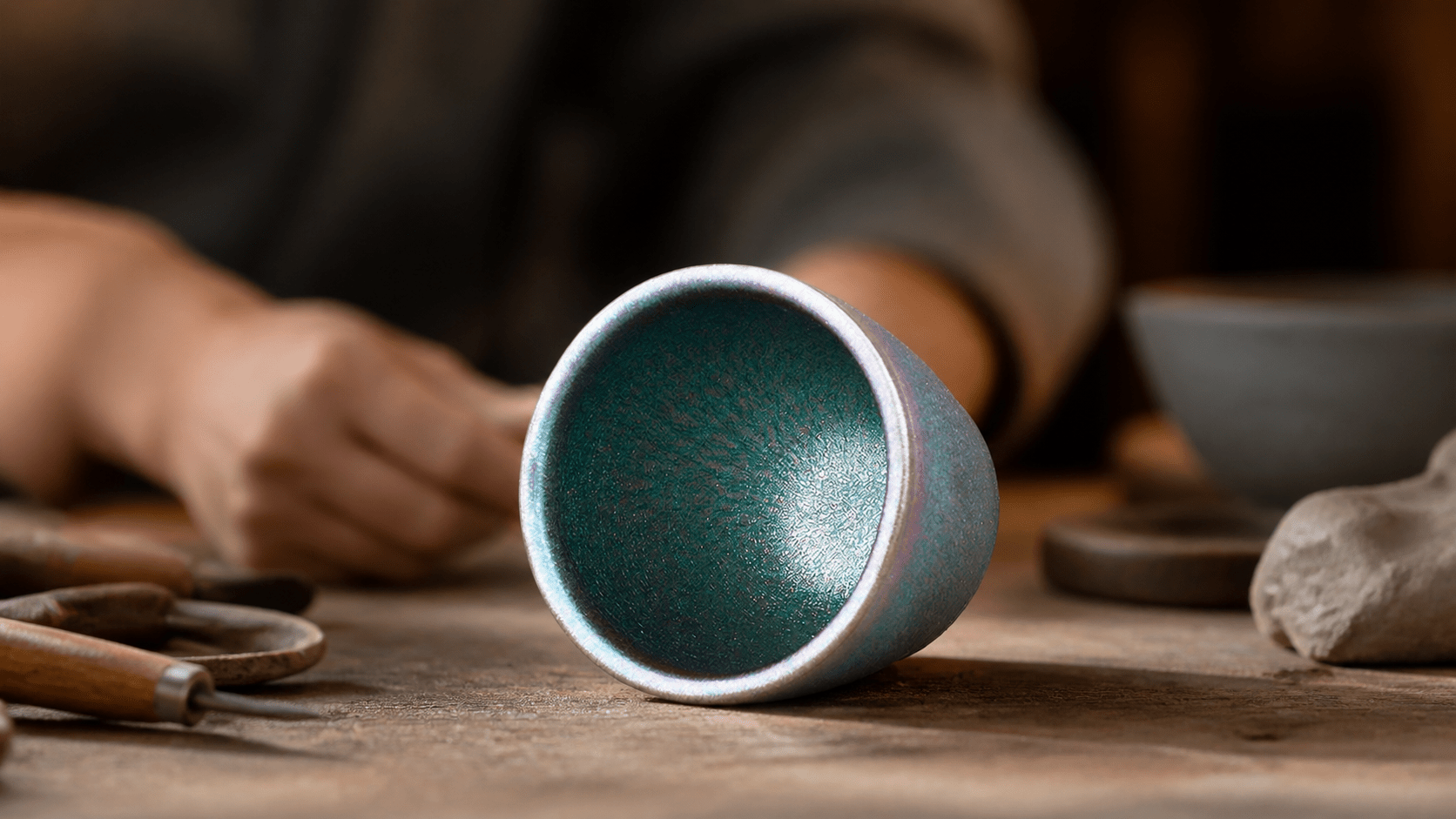
When I pour a stream of freshly steeped oolong tea into my favorite tenmoku tea bowl, I’m not just holding a cup — I’m holding a piece of kiln-fire alchemy that has survived centuries of tradition. If you’ve searched for a handmade tenmoku tea bowl for gongfu tea, you’ve likely noticed prices that range from a modest $50 to over $2,000. What makes a jian zhan so valuable? The answer lies in the fiery dance of iron-rich glazes and the skilled hands that shape every piece. In this guide, I’ll explain exactly why tenmoku is expensive, break down the jian zhan cost, and help you find the best value jian zhan without sacrificing authenticity.
Key Takeaways
- A true tenmoku tea bowl is handmade, with a failure rate so high that only 1 in 10 survives the kiln with a perfect pattern.
- Jian zhan cost reflects weeks of labor, rare clay, and a glaze that literally paints itself with iron crystals in the fire.
- Oil spot tenmoku cups and hare’s fur patterns are the most prized — and the priciest — because they demand extreme kiln conditions.
- The best value jian zhan sits in the $150–$400 range, where you get a fully handmade bowl from a named artisan without the gallery markup.
- Japanese tenmoku bowls carry additional cultural weight, often serving as matcha bowls in tea ceremony, which inflates their tenmoku tea bowl price globally.
Why Are Tenmoku Tea Bowls So Expensive?
Think of a tenmoku tea bowl as a bespoke Swiss mechanical watch. A machine can stamp out a cup in seconds; an artisan spends days on a single jian zhan. The clay is locally sourced from Jianyang, China, high in iron and low in plasticity — hard to throw, easy to collapse. After shaping, each bowl dries slowly to avoid warping, then gets a dip in a tenmoku glaze slurry made of local stone, wood ash, and iron oxide. The real magic — and heartbreak — happens in the dragon kiln. Fired at 1,300°C (2,372°F) for up to 30 hours, the bowl’s surface melts into a liquid glass that separates into crystals. Oxygen reduction, flame path, even a gust of wind outside the kiln shifts the pattern. I’ve seen veteran potters cry when they open a kiln and find 90% of the load collapsed or muddy. That’s why a single impeccable bowl can command thousands of dollars.
What Drives the Jianzhan Cost?
Let me walk you through a real-world breakdown of jian zhan cost. First, materials: genuine Jian kiln clay is dug by hand from ancient iron-rich deposits, then aged and wedged. Glaze ingredients must be exactly proportioned; a slight miscalculation and the batch turns dull black instead of shimmering brown. Labor is next. A master potter may only manage two to three finished bowls a week. Then the firing: wood-fired kilns need constant attention through the night, with one person feeding pinewood every few minutes. Finally, only bowls with clear, vibrant tenmoku glaze patterns — hare’s fur, oil spot, or partridge feather — are sold. The rest are smashed. Add in the years of apprenticeship before an artist can even sign a bowl, and you start to see why a truly handmade tenmoku tea bowl can’t be cheap.
Understanding the Tenmoku Tea Bowl Price Spectrum
Not every bowl with a black glaze is a full-fledged jian zhan. Here’s how the tenmoku tea bowl price typically breaks down in the US market:
| Type | Price Range | Characteristics |
|---|---|---|
| Machine-pressed, factory-glazed | $15–$50 | Uniform color, no kiln transformation, often sold as "Japanese tenmoku for sale" but made in large batches with synthetic glazes. |
| Semi-handmade (wheel-thrown, single-color glaze) | $60–$150 | Good shape, sometimes signed, but the glaze lacks deep iron crystalization; better suited for daily practice than ceremony. |
| Full handmade artisan jian zhan | $150–$600 | Named potter, wood-fired, discernible hare’s fur or oil spot effect. The best value jian zhan lives here for serious tea lovers. |
| Masterpiece / Award-winning | $800–$5,000+ | Exquisite oil spot tenmoku cup or rare yohen patterns; often purchased by collectors in Japan and China; limited to a few pieces per year. |
A word of caution: if a "tenmoku tea bowl" costs $30 and promises an authentic Song Dynasty glaze, it’s almost certainly a decal or chemical stain. A genuine handmade ceramic bowl will always show slight asymmetry and a distinct iron foot ring.
What Is the Best Value Jianzhan for New Collectors?
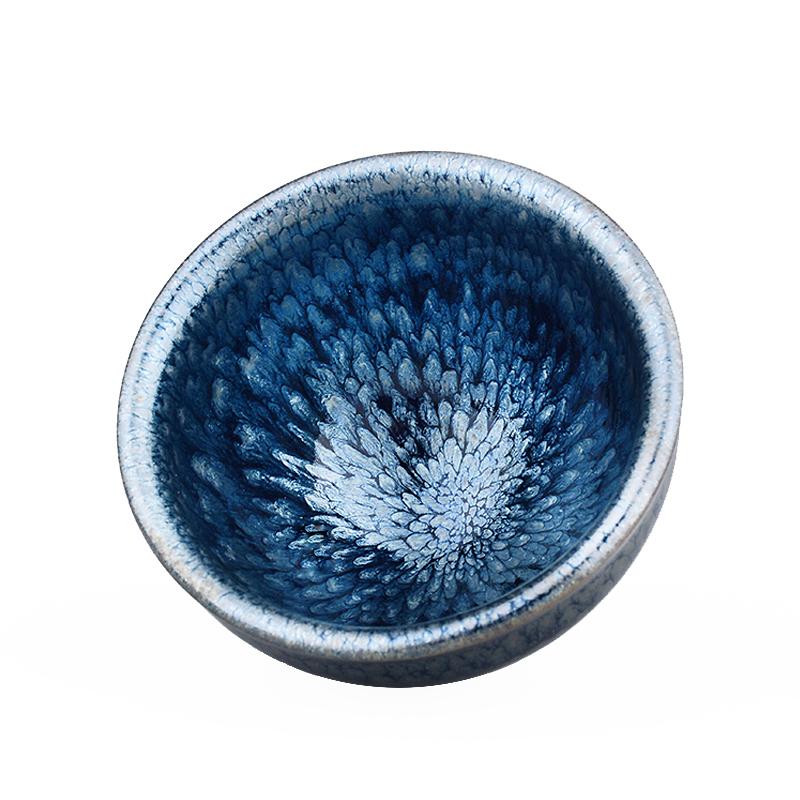
After handling hundreds of bowls, I believe the sweet spot for best value jian zhan is between $180 and $350. In this bracket, you get a piece thrown by a dedicated artisan — often someone whose family has worked the Jian kilns for generations. Look for a bowl that rings with a clean metallic note when tapped, evidence it was fired high enough for the clay to vitrify. The glaze should have visible stretching or feathering, not a flat spray-paint look. I especially love a hare’s fur pattern here; it’s classic, recognizable, and more forgiving in the kiln than oil spot, which keeps the price accessible. When you Shop authentic Tenmoku tea bowls, you’re paying for the potter’s signature and the kiln’s unpredictable beauty, not a middleman’s markup.
Oil Spot Tenmoku Cups: The Pinnacle of Kiln Magic
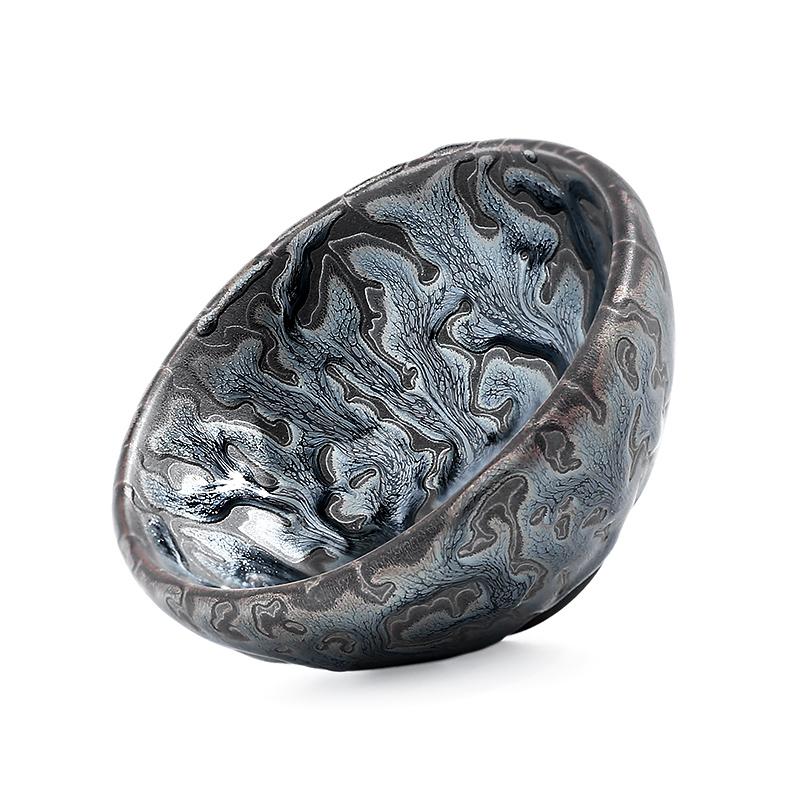
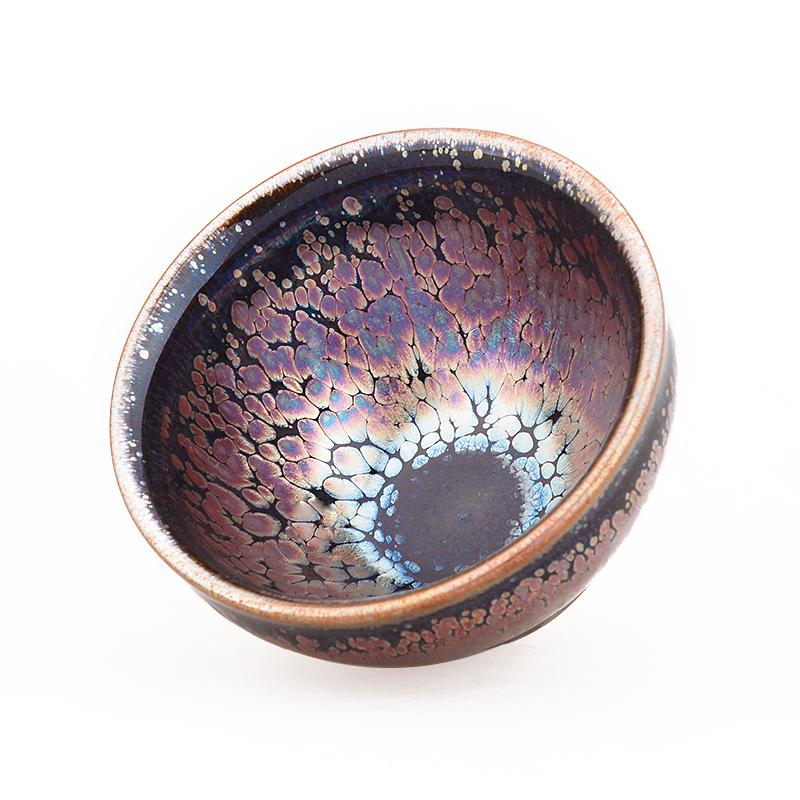
Among all tenmoku patterns, the oil spot tenmoku cup (yohen in Japanese) is the holy grail. Imagine a midnight sky scattered with iridescent silver-blue halos — each spot a microcosm where iron crystallized on the surface before the glaze set solid. Recreating this requires the kiln to hover at a precarious temperature window, with precise reduction cycles. I’ve known workshops where a potter may fire an entire kiln load just to get two usable oil spot pieces. Consequently, an oil spot tenmoku cup routinely doubles the price of a comparable hare’s fur bowl. If you’re investing for a tea ceremony centerpiece or a gift for a die-hard tea lover, this pattern delivers unmatched visual drama every time you prepare oolong tea or whisk matcha.
Japanese Tenmoku for Sale: A Cultural Bridge
The term "tenmoku" itself comes from Mount Tianmu in China, where Japanese Zen monks first encountered these black-glazed bowls in the 12th century. They brought them back to Japan, and over centuries, certain bowls became National Treasures — like the famous "Inaba Tenmoku" held in Osaka. Today, when you see Japanese tenmoku for sale, it typically refers either to antique Chinese bowls stored in Japan or contemporary Japanese potters who’ve mastered the form. Because of this historical reverence, tenmoku bowls destined for the Japanese market often command higher prices, even for modern pieces. If you’re looking for a matcha bowl that honors this lineage, a genuine handmade tenmoku tea bowl bridges Song Dynasty glaze artistry and modern tea ceremony seamlessly. I encourage you to Browse our hare’s fur Jianzhan series to see patterns that Japanese tea masters have treasured for 800 years.
Who Should Buy a Tenmoku Tea Bowl?
- Gongfu tea enthusiasts who want a cup that enhances the color of their oolong or pu-erh liquor while adding ritual weight to every session.
- Ceramic art collectors who appreciate the one-of-a-kind nature of kiln-transformed glazes — no two are ever alike.
- Gift shoppers seeking a profound, memorable present. A tenmoku tea bowl for gongfu tea, paired with a cake of aged tea, says "I value your stillness" more eloquently than any generic gift.
- Mindfulness practitioners who use matcha or tea meditation as a daily anchor; holding a bowl with 800 years of history quiets the mind.
FAQ: Tenmoku Tea Bowl Value and Care
Why are tenmoku tea bowls so expensive?
High failure rates (often 90% loss per firing), artisanal labor, and the need for perfect glaze crystallization drive the cost. Each bowl is a survivor of a fiery lottery.
What is the typical jian zhan cost for a genuine handmade piece?
Handmade jian zhan from a capable potter start at $150 and can climb past $600. Master-grade oil spot tenmoku cups easily surpass $1,000.
What makes the oil spot tenmoku cup different?
Its silvery, halo-like spots are the result of iron crystals blooming on the glaze surface. The kiln must hold a precise temperature window, making these cups far rarer than ordinary black-glazed bowls.
How do I know if I’m getting the best value jian zhan?
Check for a potter’s signature, a reddish-brown iron foot, and a glaze pattern that shifts as you turn the bowl. Skip anything that looks stamped or perfectly uniform.
Can a tenmoku bowl be used for matcha as well as oolong tea?
Yes. The deep, wide shape and thermal mass make it ideal for both whisking matcha and sipping oolong in a gongfu session.
Bringing the Song Dynasty Kiln to Your Tea Table
A tenmoku tea bowl is not a purchase; it’s an inheritance. The same iron-glaze transformations that mesmerized Emperor Huizong in the Song Dynasty now wait to catch the light above your oolong. Whether you’re looking for a show-stopping oil spot tenmoku cup or a daily-driver hare’s fur jian zhan, choose a bowl that makes you pause. I’ve spent years finding potters who balance tradition with consistency, so every bowl listed in our collection meets my own standard for a genuine handmade ceramic treasure. When you’re ready to hold a piece of kiln-fire poetry, I invite you to Shop authentic Tenmoku tea bowls and bring the soul of Song Dynasty glaze into your modern tea ritual.
Explore Our Collection
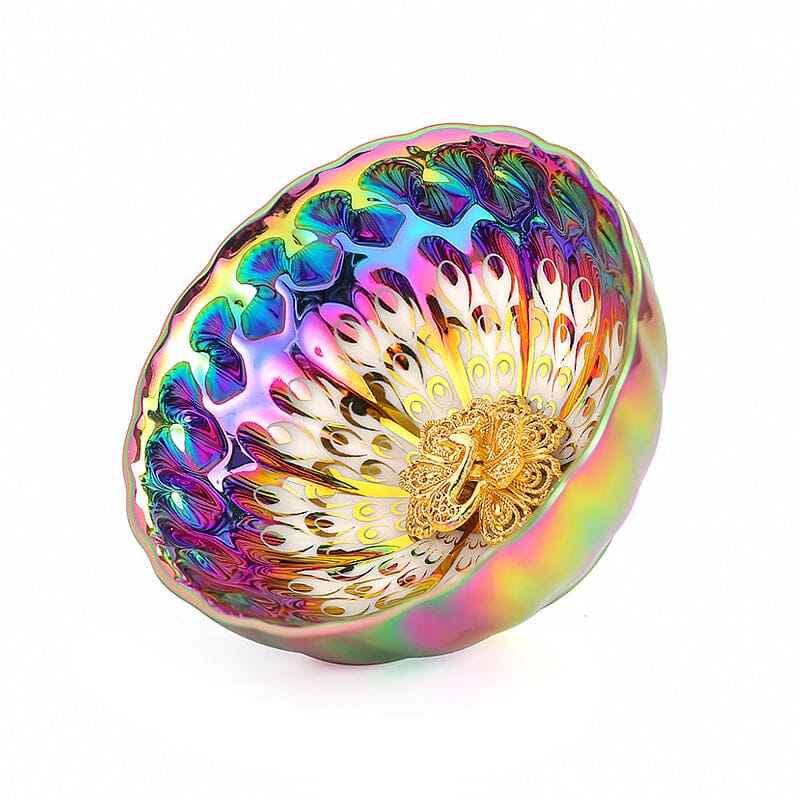
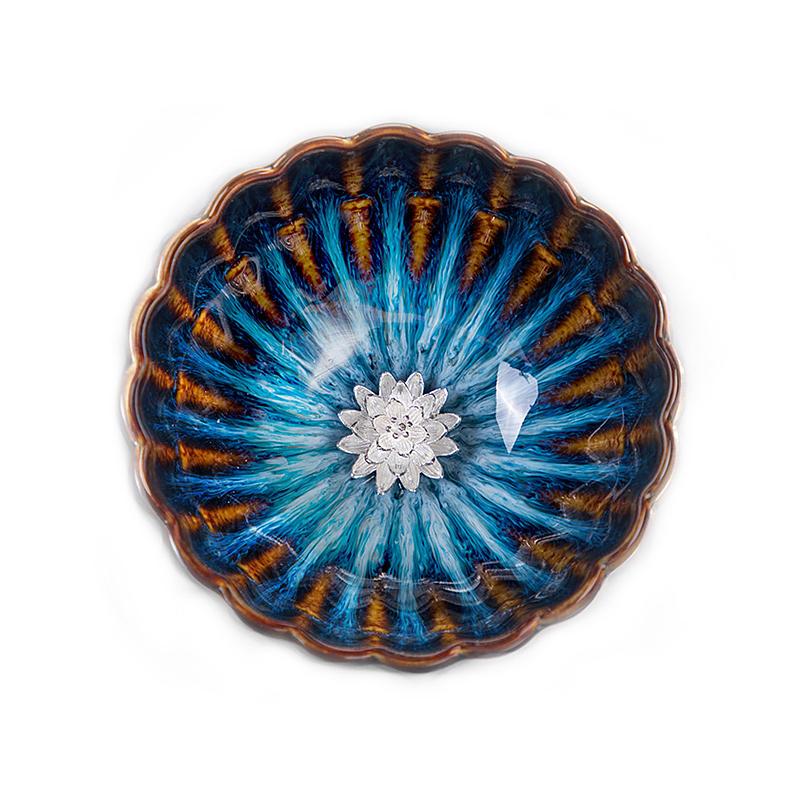
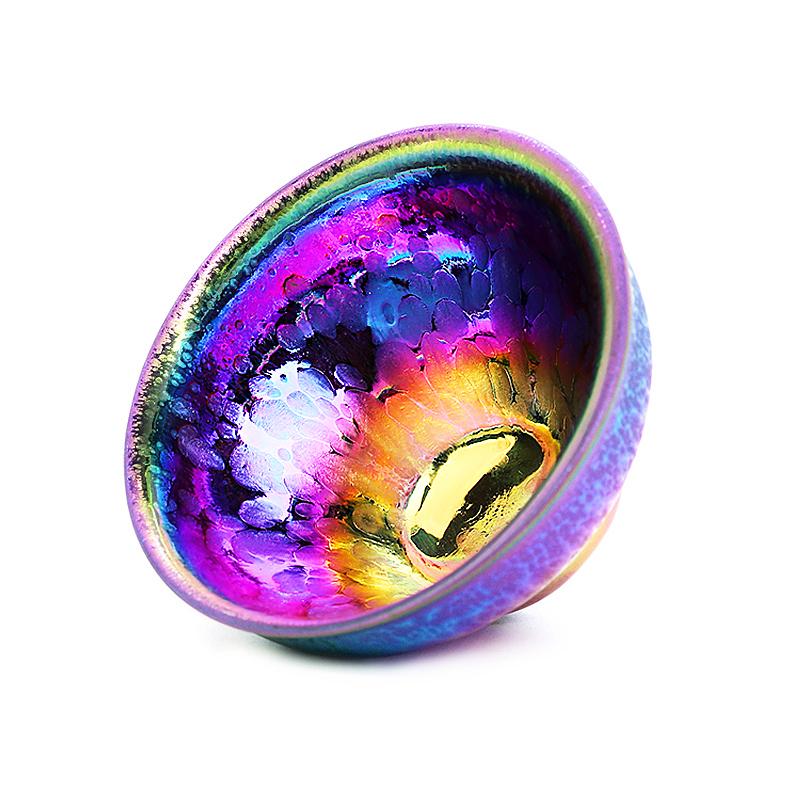
Ready to experience the world of tenmoku tea bowl? Browse our curated collection:
Disclaimer: This article is for informational purposes. Products and pricing subject to change.


分享:
From Earth and Fire: The Artisan’s Journey Behind Every Handmade Tenmoku Tea Bowl – A Gift for Tea Lovers