We use UPS & Fedex for fast and reliable shipping.

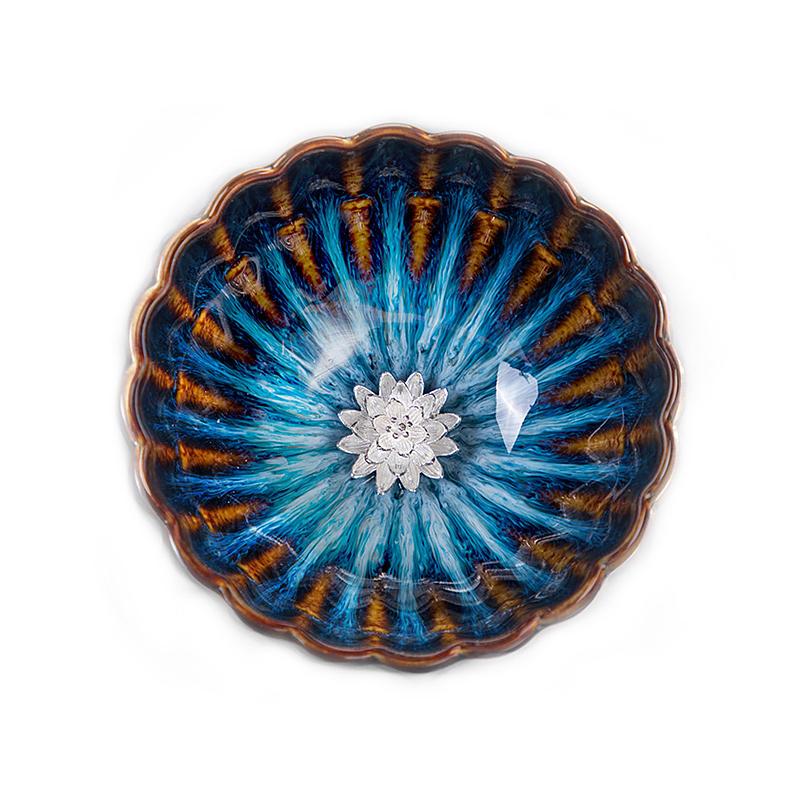
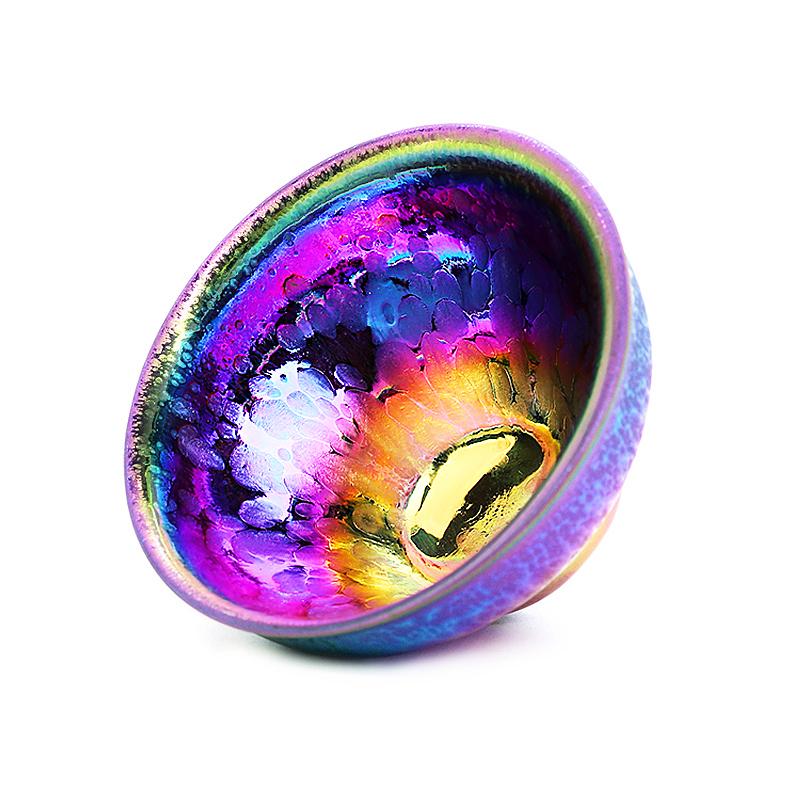
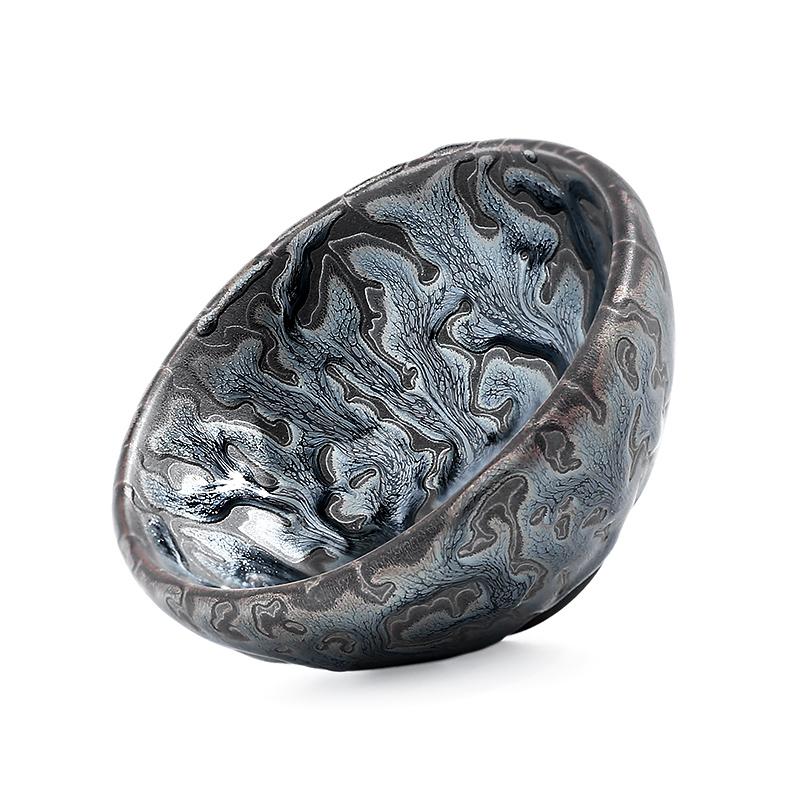
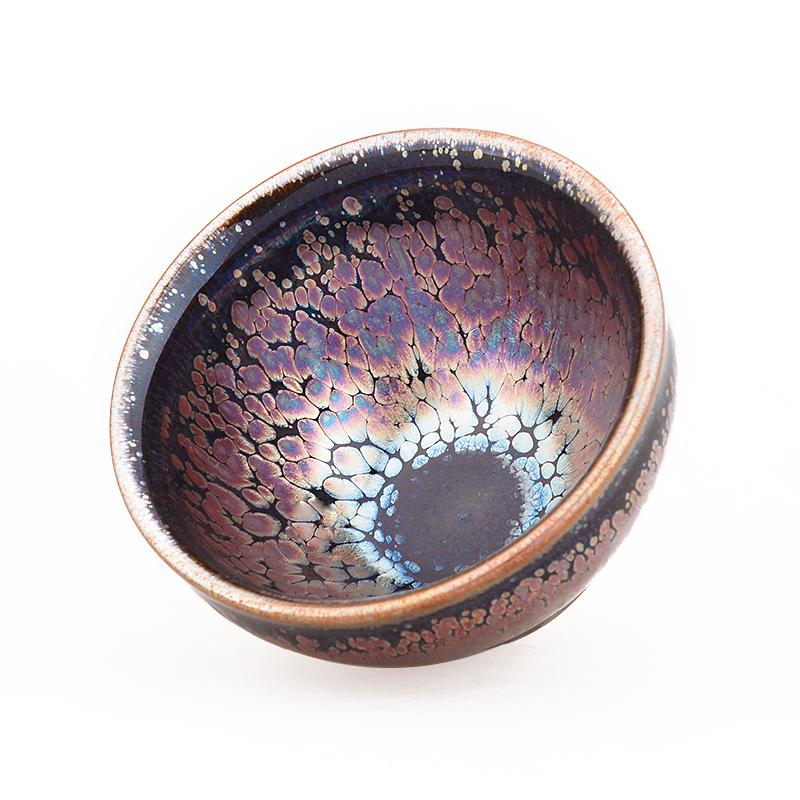
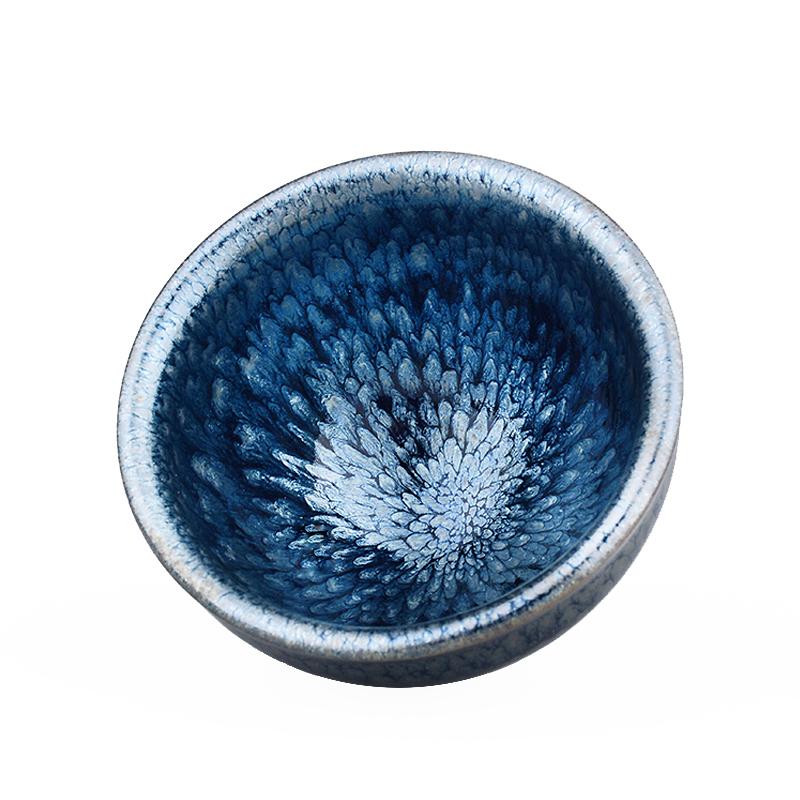
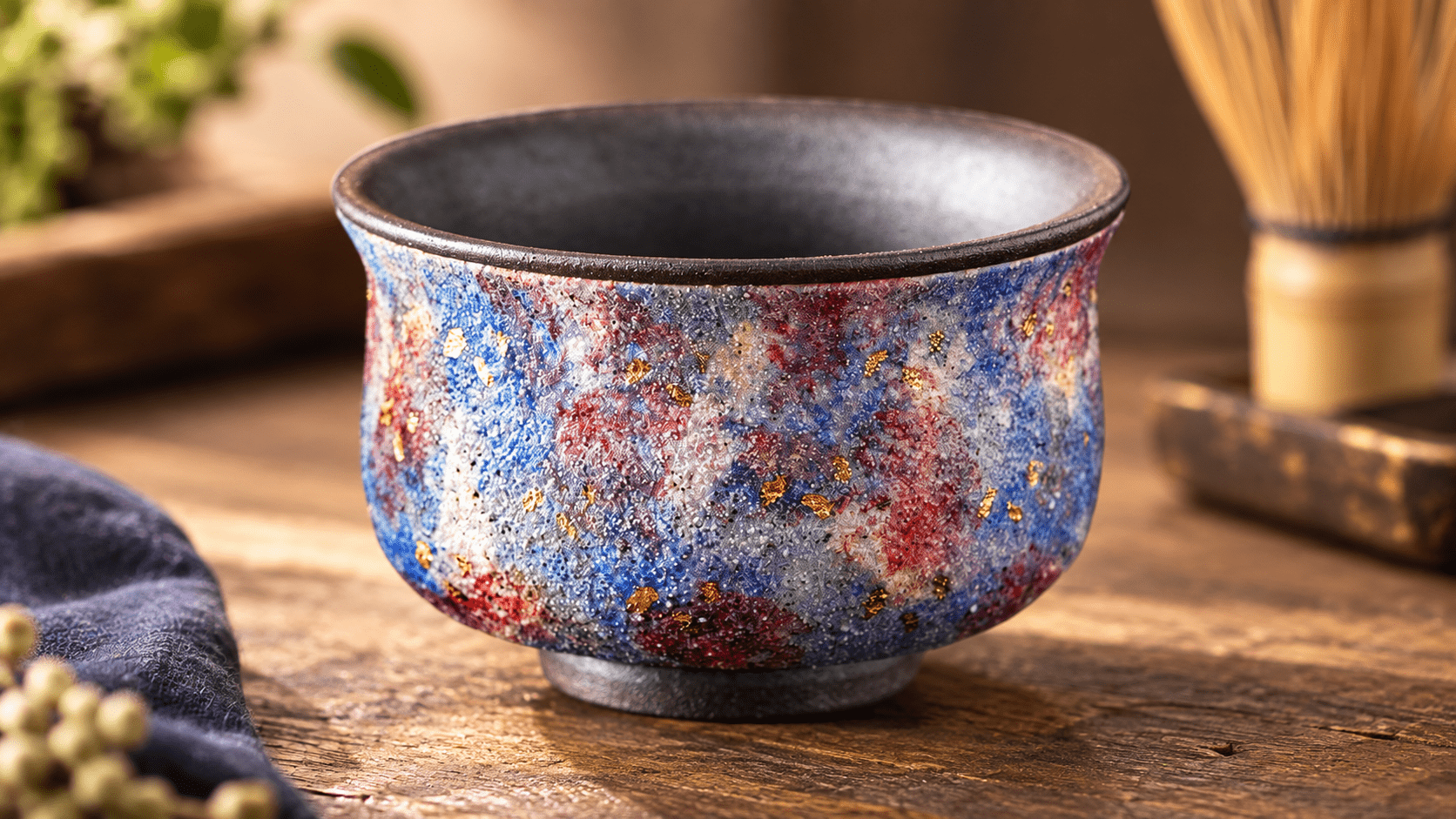
Tenmoku teacups are fired with a single color but come out of the kiln with a thousand hues. This is the greatest charm of wood-fired Tenmoku, as well as a manifestation of its difficulty to fire. In the same kiln, the glaze colors of Tenmoku vary greatly, even for those placed in the same box or bowl.


If a wood-fired Tenmoku and an electric-fired Tenmoku have the same pattern effect, the wood-fired one would be preferred. Both types of Tenmoku use exactly the same raw materials, but differ in the way they are heated and the kiln environment. Wood-fired Tenmoku has a smoother glaze due to the warmer temperature of the kiln.

The craft principle of Tenmoku is unique, and the formation of its patterns requires extremely high precision in terms of time and temperature. Once outside of this narrow range, the patterns will disappear forever. Both electric and wood-fired Tenmoku face this technical challenge, but electric firing allows for better control over the firing process and can produce effects that are difficult to achieve with wood-firing. In terms of pattern effects, electric-fired Tenmoku has made significant progress and solved many of the technical bottlenecks of wood-firing, which has allowed the industry to form and develop. In turn, this industry development can help promote the wood-firing process, but at present, there have not been many achievements in wood-firing.
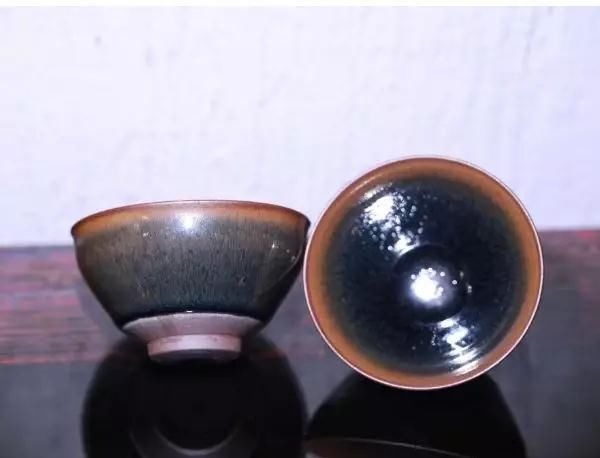
In ancient times, Tenmoku was fired using the wood-firing process. In modern times, with the invention of electricity, electric-fired Tenmoku emerged. So, what are the differences between traditional wood-firing and modern firing techniques (electric, gas, coal, etc.)?

To summarize briefly, there are several differences between wood-firing and modern firing techniques. Firstly, because wood-firing requires continually adding wood during the firing process, the temperature fluctuates, resulting in uneven bubble sizes and a certain sense of hierarchy in the glaze. In contrast, modern gas and electric firing techniques produce even and dense bubble sizes.

Secondly, because the temperature in wood-fired kilns is difficult to control and varies, it results in the color of Tenmoku being difficult to control and exhibiting a deep and light effect. In contrast, gas kilns can maintain a constant temperature, resulting in more stable colors.

Thirdly, wood-fired kilns produce ashes and flames that easily enter the kiln and settle naturally on the body of the Tenmoku. With prolonged high-temperature fusion with the glaze, this creates a warm and layered color.

Of course, the above methods are only one way to distinguish between different firing techniques, and modern firing techniques can also replicate the effects of wood-firing. Therefore, the above information should only be used as a reference.

Some Tenmoku enthusiasts have asked, "Why are wood-fired Tenmoku teacups so expensive?"

Wood-fired Tenmoku teacups are expensive because there are many constraints to firing them in a wood kiln. Firstly, the government strictly prohibits wood-firing except under special approval in order to protect forest resources. Additionally, there are high requirements in terms of both funding and technology, which means that it is not something that anyone can do by simply building a stove and firing porcelain with a few pieces of wood.

Wood-firing is also an ancient firing method that uses wood as fuel. In ancient times, firing porcelain in a wood kiln required covering the porcelain body and isolating the wood ash from the glaze surface to prevent ash falling on the glaze or leaving fire marks. In modern ceramic production, firing techniques have matured, and modern aesthetics are vastly different from those of ancient times. Modern wood-firing pursues the natural combination of wood ash and clay.
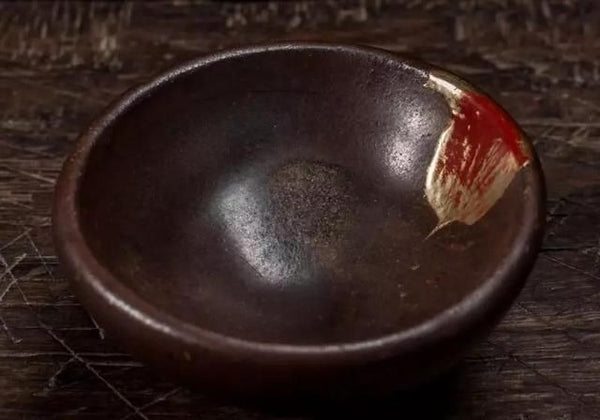
Kiln masters cannot predict the outcome of a kiln firing, but one thing is certain: each porcelain piece that comes out of the firing is unique.

Wood-firing is a direct dialogue between the kiln master and the kiln, using the most primitive method to create amazing works of art. The fired ceramic products display yin-yang changes between the fired and unfired sides, as well as the marks left by the flames. They emit a simple, profound, and antique beauty that is the reason why wood-firing ceramic artists are so fascinated with it and put in a lot of effort to pursue it.
Quick answers for Tenmoku teaware shoppers

Use this guide to connect the article topic with practical buying decisions: what Jianzhan Tenmoku teaware is, who it suits, how to choose a piece, and how to care for it after purchase.

How to use this guide before buying

Read the article first for the main explanation, then compare the product photos, glaze variation, form, seller clarity, return policy, and whether the piece fits daily tea, display, collecting, or gifting.

Common buying mistakes to avoid

Avoid choosing only by dramatic claims, copied photos, unusually low prices, or vague master language. A better decision uses visible product details, clear use case, realistic care needs, and trustworthy shop policies.

Recommended next step

After reading, compare a few real products side by side by size, glaze family, rim shape, capacity, price, and gift suitability instead of relying on one photo or one keyword.

What is Jianzhan Tenmoku teaware?

Jianzhan Tenmoku teaware is ceramic tea ware known for dark mineral-glaze effects and natural kiln variation. Common forms include tea cups, bowls, teapots, tea sets, and matcha bowls.

Who is it best for?

It is best for tea drinkers, ceramic collectors, and gift shoppers who value functional objects with visible handmade character. It is not ideal if you need every piece to look exactly identical.

How do I care for it?

Hand wash with warm water, avoid abrasive cleaners, and dry fully before storage. Gentle daily use helps preserve the surface and keeps the glaze easy to inspect over time.

How do I choose the right Tenmoku piece?

Choose by the main use first: daily tea, matcha, Gongfu brewing, display, or gifting. Then compare capacity, rim shape, glaze family, photos, and whether natural variation is acceptable for your needs.

Is Jianzhan Tenmoku teaware good as a gift?

Yes. It works well for tea lovers, ceramic collectors, birthdays, holidays, and housewarming gifts because it is both usable and visually distinctive. For gifts, choose an easy-to-use form and a glaze style with clear photos.

Related products and categories

Compare the guide above with real Tenmokus categories and representative pieces. Start with the use case, then compare glaze style, form, price, and whether the piece is mainly for daily tea, display, collecting, or gifting.

Handmade Tenmoku tea cups

Best for daily tea drinking, first Jianzhan purchases, ceramic gifts, and comparing glaze patterns across cup shapes.

Tenmoku tea sets

Best when you want a coordinated tea table, a hosting setup, or a complete gift instead of one individual cup.

Real vs fake Tenmoku guide

Use this guide to compare seller claims, glaze appearance, photos, and practical buying signals before choosing a piece.

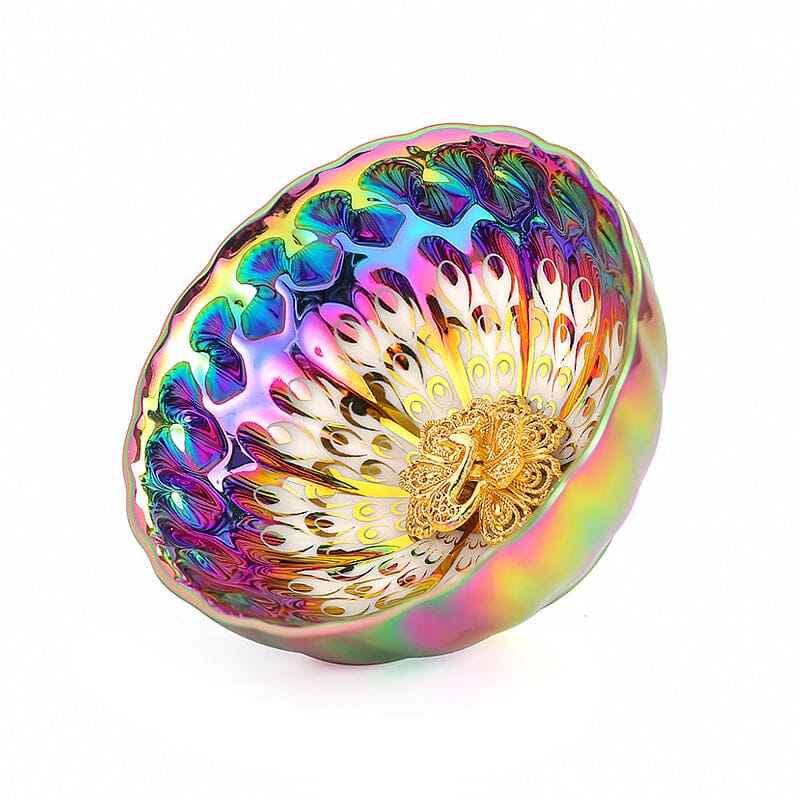
Vivid Peacock

A representative Tenmoku tea cup to compare by glaze depth, cup shape, price, and gift fit.

Golden Peacock

Compare this piece when you want a clear visual reference for a gold-toned Tenmoku glaze style.

Fairy II

Use this product as another comparison point for handmade form, glaze variation, and gift suitability.

shop handmade Tenmoku tea cups compare Jianzhan teapots browse Tenmoku tea sets choose Tenmoku matcha bowls view Tenmoku tea cups read the real vs fake Tenmoku tea bowl guide browse Jianzhan buying guides learn about Tenmokus

From Tenmoku guide to teaware choice

Tenmokus is focused on handmade Jianzhan Tenmoku teaware for tea rituals, display, and gifting. If you are choosing after reading this guide, start with Tenmoku tea cups for daily tea tasting, Tenmoku teapots for loose leaf brewing, Tenmoku coffee cups for daily coffee, Tenmoku tea sets for coordinated gifts, Tenmoku matcha bowls for matcha preparation, Tenmoku beer cups for home bar drinkware, or Tenmoku sake sets for serving and display.

Related Tenmoku guides

Keep exploring Tenmoku care, gift ideas, teaware selection, and the difference between Tenmoku and Jianzhan.

View all

Tenmoku Tea Bowl: Bring Craft and Calm to Every Tea Ritual

Tenmoku Tea Bowl: Bring Craft and Calm to Every Tea Ritual

Tenmoku Tea Bowl: Bring Craft and Calm to Every Tea Ritual A tenmoku tea bowl is more than a dark-glazed vessel: it is a handmade tea cup that makes a daily gongfu tea session feel more deliberate and personal. Whether...

Read more

Tenmoku Tea Bowl Authenticity Guide: Buy Jian Zhan with Confidence

Tenmoku Tea Bowl Authenticity Guide: Buy Jian Zhan with Confidence

Tenmoku Tea Bowl Authenticity Guide: Choose a Better Cup for Gongfu Tea A real tenmoku tea bowl is more than a dark cup with shiny speckles: it is a high-fired ceramic piece whose clay, iron-rich glaze, and kiln atmosphere work...

Read more

How to Choose a Handmade Tenmoku Tea Bowl for Gongfu Tea (And Avoid Fake Jian Zhan)

If you’ve ever wanted to own a tenmoku tea bowl that feels uniquely yours, you’re not alone. These iron-rich glazed wonders from the Song Dynasty have captivated tea lovers for a thousand years—and today, a real jian zhan oil spot...

Read more