

If you’ve ever wanted to own a tenmoku tea bowl that feels uniquely yours, you’re not alone. These iron-rich glazed wonders from the Song Dynasty have captivated tea lovers for a thousand years—and today, a real jian zhan oil spot cup can turn your daily gongfu tea session into a meditation. But with dozens of fakes floating around, how do you choose an authentic piece that actually enhances your brew? I’m Tenmokus Editorial Team, and after drinking countless cups from handmade Jianzhan, I’ll walk you through choosing a tenmoku tea bowl that matches your style, your tea, and your soul.
Key Takeaways
- A genuine tenmoku tea bowl always carries tiny imperfections from wood‑firing and mineral reactions; machine‑made copies look too perfect.
- Oil spot patterns form through natural crystallization of iron-rich glaze—fakes use decals or sprayed metallic dots.
- Choose a bowl with a 60–80 ml capacity and a flared rim if you brew gongfu tea with a small teapot.
- Ignore sellers who can’t explain kiln transformation; an authentic Jianzhan is always a one‑of‑a‑kind artwork.
- You can Explore our handmade Jianzhan tea cups to see real examples and understand the craft.
How Do I Know If a Tenmoku Tea Bowl Is Authentic? (Real vs Fake Jianzhan)
The first step to choosing a tenmoku tea bowl is knowing how to identify real jian zhan. An authentic piece starts with iron‑rich clay from the Jian region, coated in a thick, high‑iron glaze that melts and separates during firing. That’s what creates the famous oil spots, hare’s fur streaks, or partridge feather patterns. Fakes, on the other hand, are often slip‑cast porcelain with a glossy, uniform glaze—no chaos, no soul.
When I hold a bowl, I immediately notice three things:
- Weight and sound: Real Jianzhan feels slightly heavy for its size due to the iron body. Tap the rim lightly; you’ll hear a deeper, ringing “clunk,” not a sharp “ting.”
- Foot ring: The rough, unglazed foot shows brownish‑black clay with mineral specks—never pure white.
- Glaze flow: Look for tiny drips or “tears” at the bottom, a natural result of iron-rich glaze running in the kiln. Machine‑made bowls hide these.
In Japanese tea bowl culture (tenmoku was refined by Zen monks in Japan), the concept of wabi‑sabi celebrates such irregularities. So if your bowl looks too symmetrical, it’s likely a fake. A real jian zhan oil spot vs fake comparison always comes down to this: the genuine article feels alive.
What Glaze Pattern Should I Choose? Oil Spot, Partridge Feather, or Hare’s Fur?
Once you’re confident you’re looking at an authentic tenmoku tea bowl, the next choice is glaze pattern. All true patterns come from the same iron-rich glaze interacting with fire in the dragon kiln. Here’s how I guide buyers:
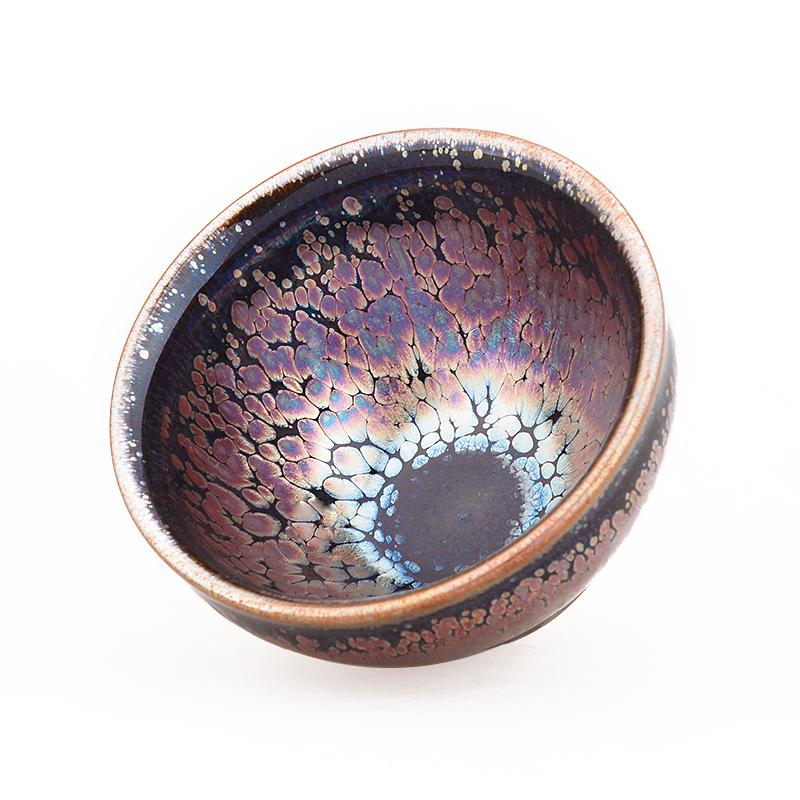
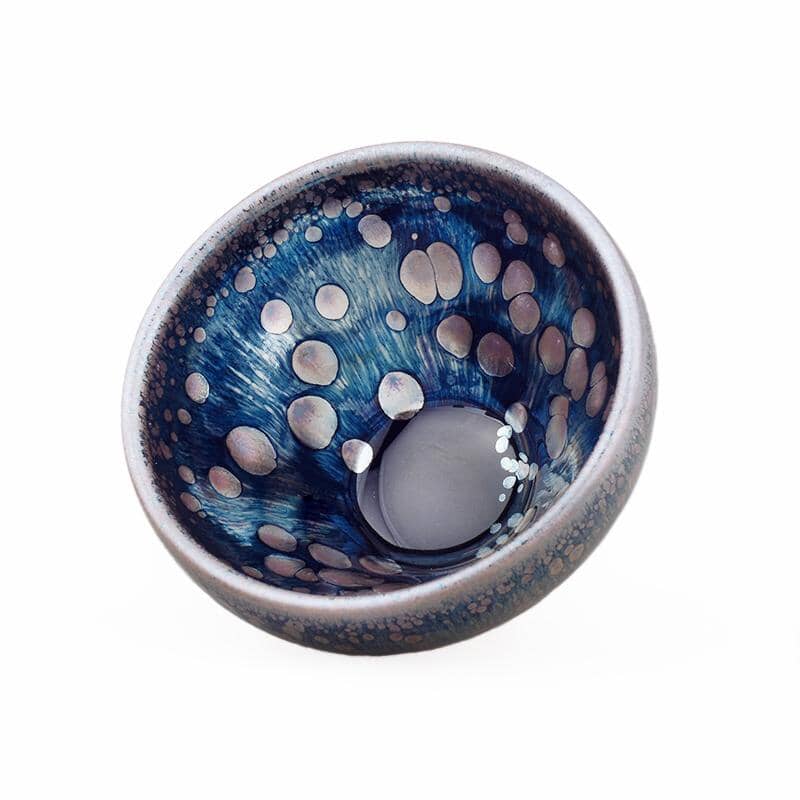
- Oil Spot (Yuteki): My personal favorite for gongfu tea. When light hits the bowl, tiny silver rings form like droplets of oil on water. A genuine oil spot tenmoku cup will show a deep black background with spots that shift from blue‑silver to coppery tones as you turn it. This pattern highlights the color of oxidized oolong and black teas beautifully.
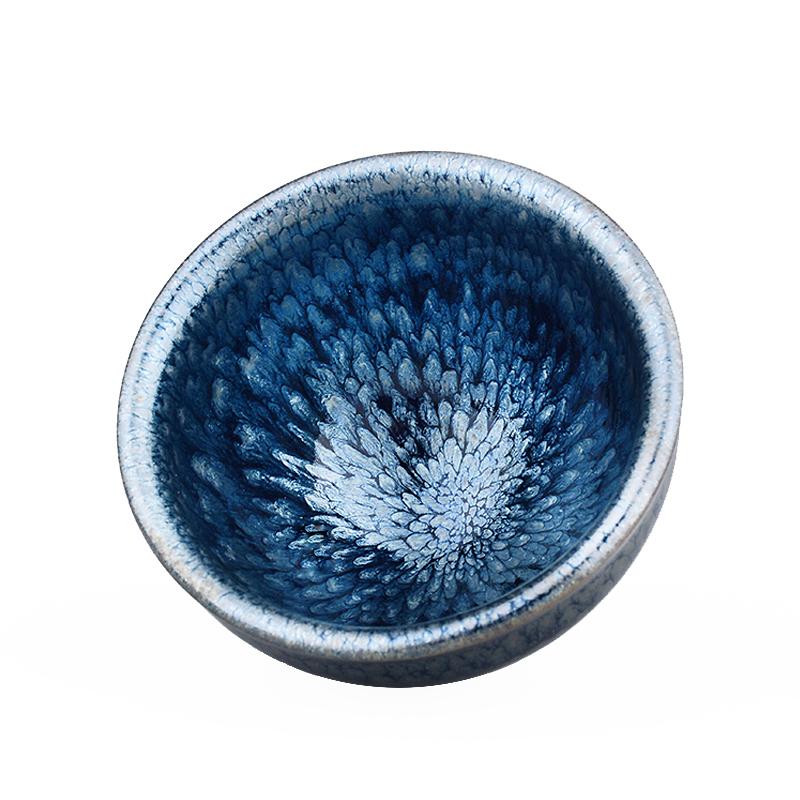
- Hare’s Fur (Nogime): Fine, vertical lines radiate from the rim like the soft fur of a hare. It’s more understated and works wonderfully with green teas because the streaks catch the pale liquor.
- Partridge Feather (Utensō): A rarer pattern resembling the speckled feathers of a partridge. If you find a true partridge feather bowl, it’s often a collector’s item, reminiscent of Song Dynasty aesthetics. I like pairing it with aged pu‑erh—the dark tea echoes the bowl’s mysterious surface.
When choosing, examine the pattern under daylight. Fakes use printed decals that look flat; a real oil spot has depth because the crystals are inside the glaze, not painted on top. That’s the core of any jian zhan oil spot vs fake test.
Jianzhan Oil Spot vs Fake: How to Spot Machine‑Made Imitations
The market is flooded with cheap “tenmoku” bowls made for decoration. I’ve put together a quick comparison table to help you separate a handmade masterpiece from a factory copy—especially if you’re browsing for a Japanese tenmoku for sale online.
| Feature | Handmade Jianzhan (Oil Spot) | Machine‑Made Fake |
|---|---|---|
| Spot Formation | Irregular sizes, merging into each other; shimmering with a 3D “opal” effect | Perfectly uniform dots, often painted with metallic ink; static appearance |
| Body Color | Warm, brown‑black iron clay | Cold, grayish white porcelain |
| Glaze Surface | Microscopic bubbles, slight grit, and a silky feel that changes with angle | Glassy smooth, no texture variation |
| Sound When Tapped | Deep, bell‑like resonance | High‑pitched “clink” |
| Price | Typically $40–$300+, reflects labor and kiln loss | Often under $15, mass‑produced |
Whenever a customer asks me about real vs fake tenmoku, I simply say: look at the foot ring. If it’s white porcelain, walk away. An authentic jian zhan will never have a bleached base. The dark iron body is the soul of the bowl—and it even softens the water slightly, a quality called jiezhe in Chinese tea circles.
Does the Shape and Size of My Tenmoku Bowl Matter for Gongfu Tea?
Absolutely. A tenmoku tea bowl isn’t just a drinking vessel; it’s part of the brewing choreography. For the gongfu tea ceremony, where we steep small amounts of leaf multiple times, I recommend a bowl that can hold about 60‑80 ml (2‑3 oz). This size pairs perfectly with a 100‑120 ml teapot, letting you fully empty the pot with each pour.
Shape also influences aroma and temperature:
- Curved “U” shape (Tianmu shape): The classic tenmoku form, with a slightly constricted mouth, holds the fragrance inside. Ideal for high‑aroma oolongs like Tieguanyin.
- Wide‑open conical bowl: Cools the tea quickly and lets the liquor breathe; wonderful for delicate Japanese greens if you’re using a tenmoku as a Japanese tea bowl for sencha.
- Flared rim (Suzuoko): The lip feels gentle on the mouth and directs the tea smoothly. My travel Jianzhan has this shape—it’s very forgiving when you’re drinking quickly between infusions.
When you choose, think about your tea routine. If you drink alone, a smaller bowl keeps the session focused. If you often serve guests, consider a slightly larger 100 ml bowl so you can share from a fairness pitcher without constantly refilling. The goal is a bowl that disappears into your hand, letting the tea become the star.
Who Should Buy a Handmade Tenmoku Tea Bowl?
This isn’t a mass‑produced mug—it’s a piece of fire, iron, and time. I’d recommend a handmade Jianzhan especially for:
- Gongfu tea practitioners who want a bowl that reveals the tea’s color and “mountain” character.
- Collectors of handmade jian zhan tea cups who appreciate Song Dynasty heritage and the one‑of‑a‑kind glaze transformation.
- Mindfulness seekers looking for a tea companion that ages beautifully, developing a subtle patina over years of use.
- Gift buyers—an oil spot tenmoku cup makes an unforgettable gift for tea lovers, outshining any generic tea set.
If you love the idea of blending a little Japanese tea ceremony stillness with Chinese gongfu artistry, a tenmoku bowl sits perfectly at that crossroads.
Where to Find Handmade Tenmoku Tea Cups for Sale
Once you know what to look for, the hunt becomes a joy. I always advise starting with artisans who show the kiln firing process or offer kiln‑lot certificates. If you’re looking for a Japanese tenmoku for sale, check for labels like “Kyoto‑fired” or “Seto ware,” though many of the finest pieces still come from the Jian Kilns in Fujian. You’ll find a curated selection of authentic work if you Discover our collection of oil spot tenmoku cups—every piece is hand‑inspected, and I’ve already rejected the fakes so you don’t have to.
Remember, a real tenmoku tea bowl will only get more beautiful with use. As you brew, oils from the tea slowly polish the interior, deepening the luster of those iron‑rich crystals. That’s the living relationship a fake can never offer.
Frequently Asked Questions About Tenmoku Tea Bowls
How can I tell if a tenmoku tea bowl is real? Check three things: the foot ring must be dark iron-colored clay, not white; the glaze should feel slightly textured with tiny bubbles; and oil spot or hare's fur patterns should look irregular and shimmer when tilted—never printed or uniform.
What’s the difference between an oil spot and a hare’s fur tenmoku bowl? Oil spot (yuteki) shows small circular metallic rings that float on a black background, created by iron oxide crystals. Hare’s fur (nogime) features vertical, feathery lines that resemble animal fur. Both come from iron-rich glaze fired in a kiln, but different cooling speeds create the distinct patterns.
Can I use a tenmoku tea bowl for tea ceremonies beyond gongfu tea? Yes. Tenmoku bowls originated in Chinese Song Dynasty tea contests and were later adopted by Japanese monks for the tea ceremony. The same bowl works beautifully for both gongfu tea and matcha or sencha ceremonies; just adjust the size to the beverage.
Why do handmade jian zhan tea cups cost more than machine-made ones? A handmade jian zhan requires skilled artisans who shape each bowl on a wheel, apply a thick iron-rich glaze, and fire them in wood‑fired dragon kilns at 1300°C. Many bowls crack or come out without the desired oil spot effect. That high loss rate and labor intensity makes each authentic bowl relatively expensive.
Is a tenmoku tea bowl safe for daily use? Absolutely. Authentic tenmoku bowls use pure iron clay and natural mineral glazes, with no toxic coatings. The porous, iron‑rich body may even soften the water slightly, enhancing the tea’s flavor over time. Just rinse with hot water after each use and avoid harsh detergents.
Brew Your Own Story with a Real Tenmoku Tea Bowl
Choosing a handmade tenmoku tea bowl is like selecting a musical instrument—it takes a little knowledge, but once you hold the right one, you feel the resonance. By focusing on the iron body, the organic glaze patterns, and the shape that fits your gongfu tea ritual, you’ll bring home more than just a cup. You’ll bring home a kiln‑born original that deepens your tea experience every morning. If you’re ready to start, Explore our handmade Jianzhan tea cups or reach out—I’m always happy to yabber about tenmoku over a virtual brew.
Explore Our Collection
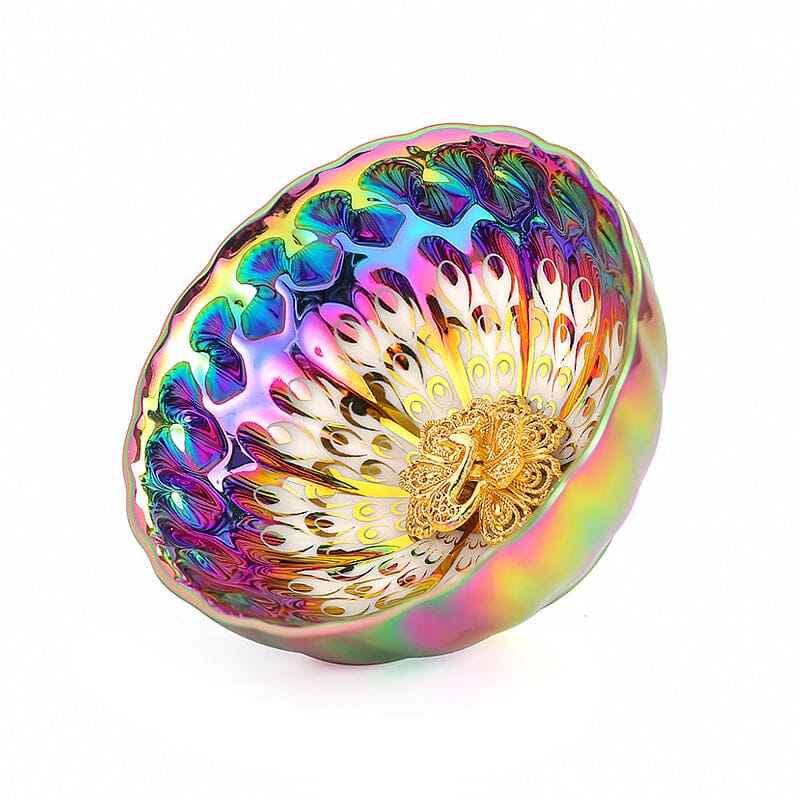
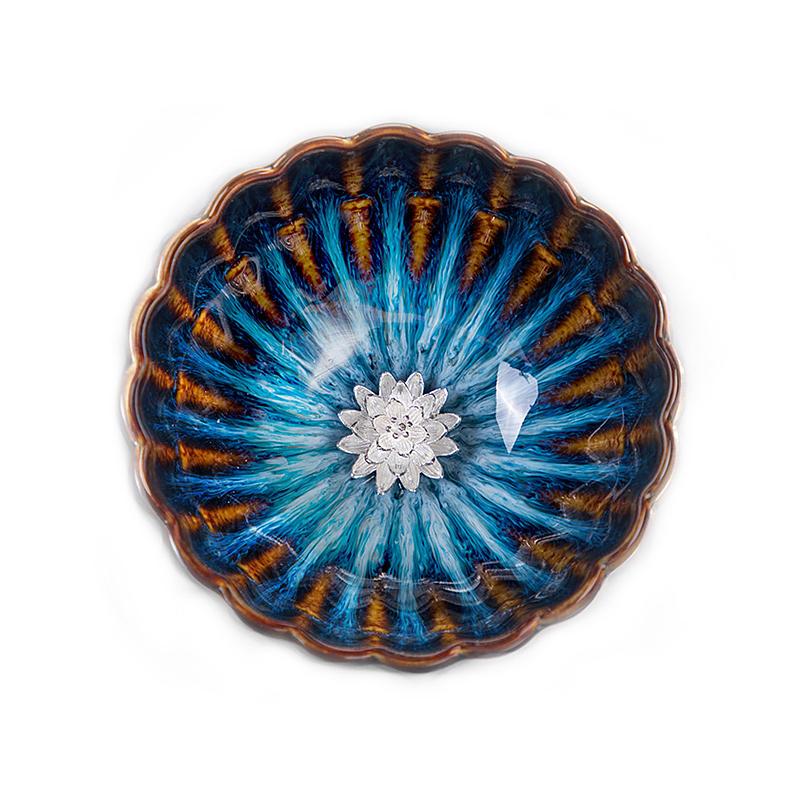
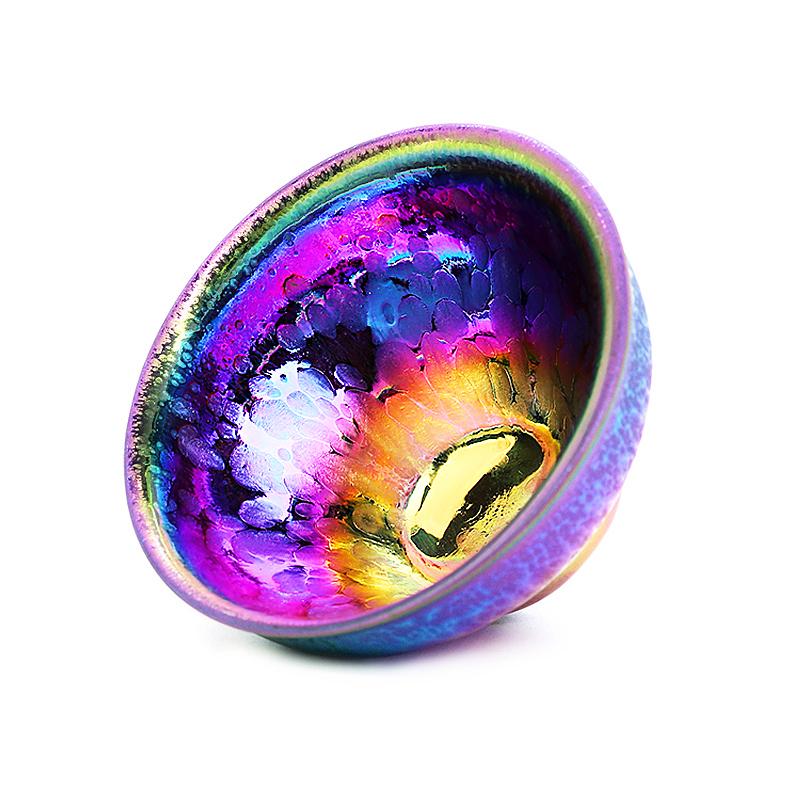
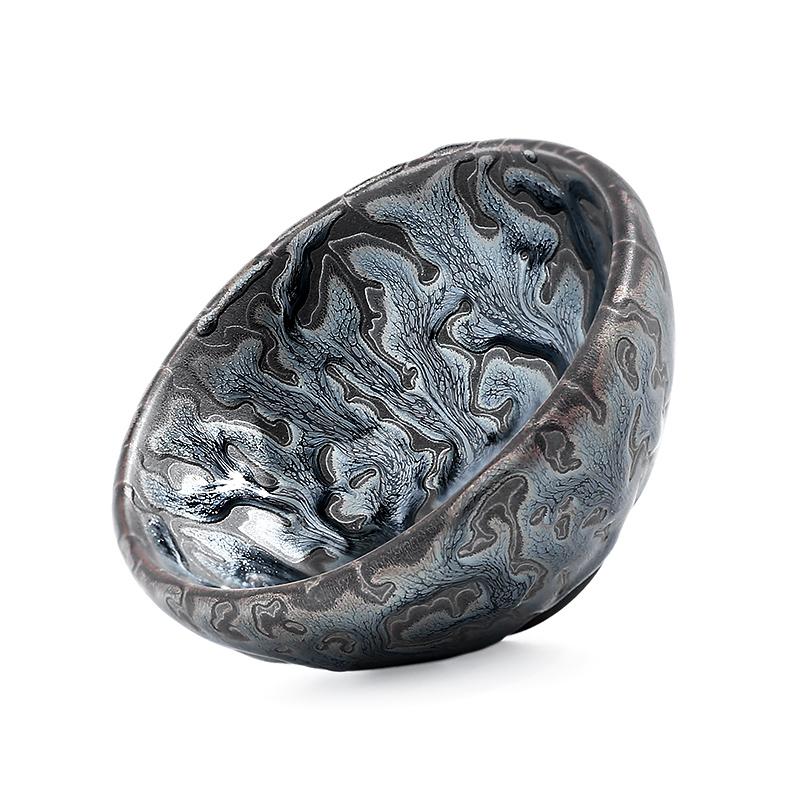
Ready to experience the world of tenmoku tea bowl? Browse our curated collection:
Disclaimer: This article is for informational purposes. Products and pricing subject to change.


Share:
Transform Your Daily Ritual with a Handmade Tenmoku Tea Bowl: The Ultimate Luxury Wellness Upgrade
Tenmoku Tea Bowl Authenticity Guide: Buy Jian Zhan with Confidence