

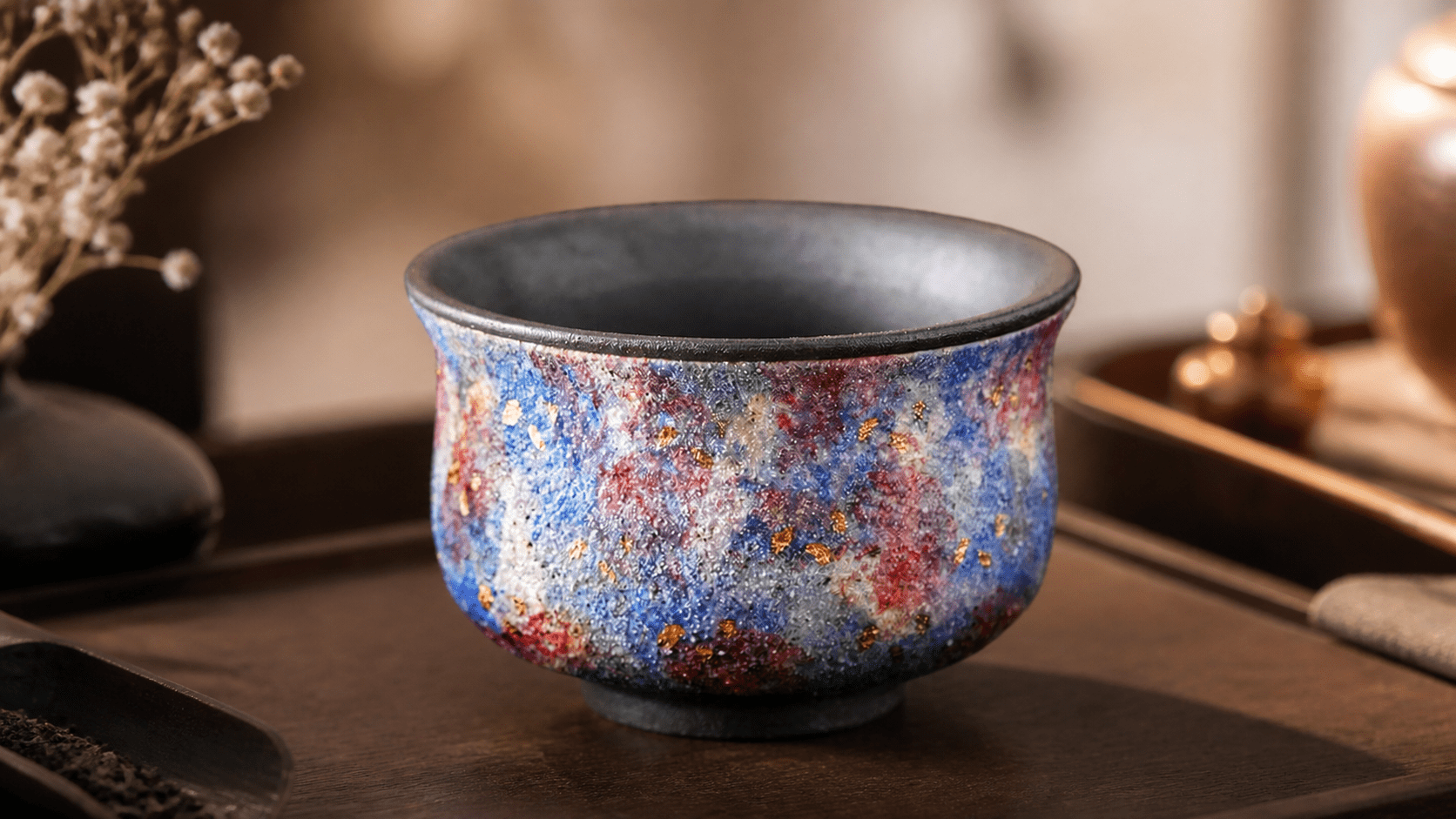

Why a Tenmoku Tea Bowl Is Worth the Price for Tea Lovers
A tenmoku tea bowl can cost more than an everyday cup because it is a fired work of handmade ceramic art, not a factory-made drinking vessel. For someone brewing gongfu tea at home, the right Jianzhan cup adds a small moment of focus: dark glaze, warm tea, and a surface that changes under the light.
If you are comparing a tenmoku bowl with an ordinary mug, think of the difference between a mass-produced print and a hand-pulled photograph. Both can be useful; only one carries visible evidence of the maker, the material, and an unpredictable firing process.

Key Takeaways
- A tenmoku tea bowl is priced around clay quality, handwork, glaze development, firing risk, and finish—not color alone.
- The most expensive piece is not automatically the best value Jianzhan for a first-time buyer.
- Patterns such as oil spot, hare’s fur, and partridge feather are created by kiln conditions and vary from bowl to bowl.
- A well-chosen handmade tenmoku tea cup should feel good in the hand, suit the tea you drink, and come with clear product information.
- For gifting, choose a piece for daily use and visual character rather than buying only for a dramatic glaze name.
Why Is a Tenmoku Tea Bowl Expensive Compared With a Regular Cup?
The short answer to why tenmoku is expensive is that a good bowl combines skilled labor with a high-risk kiln result. A regular ceramic cup may be made from a standardized mold, coated in a predictable glaze, and fired in large batches. A handmade tenmoku tea bowl often involves more individual decisions before, during, and after firing.
The bowl begins with forming. Depending on the maker’s approach, clay may be thrown, trimmed, refined, dried slowly, glazed by hand, and inspected several times. Small changes in wall thickness, foot shape, or glaze application can affect how the finished piece feels and how it survives the kiln.
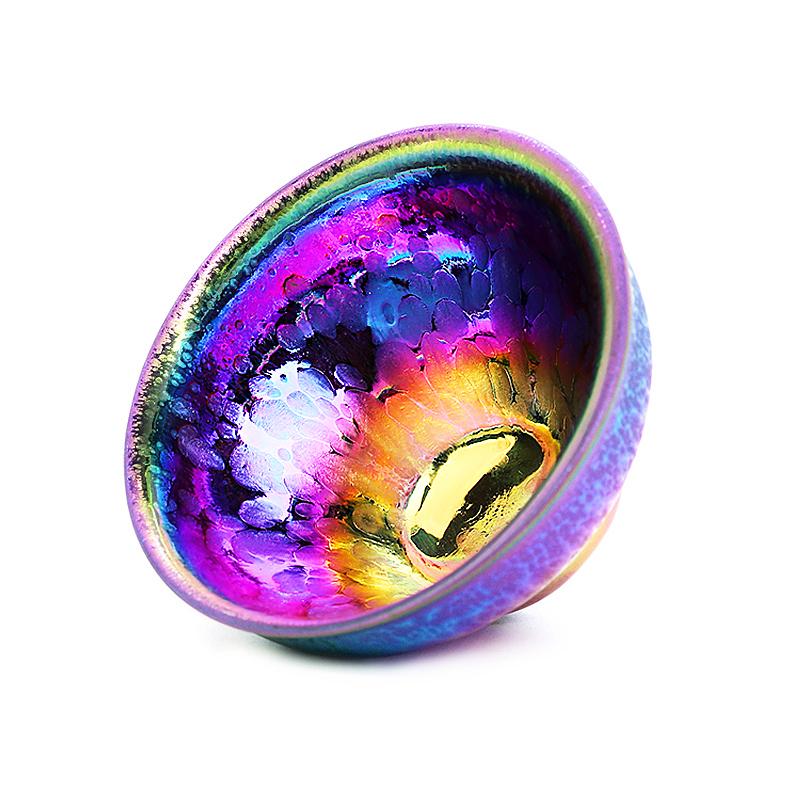
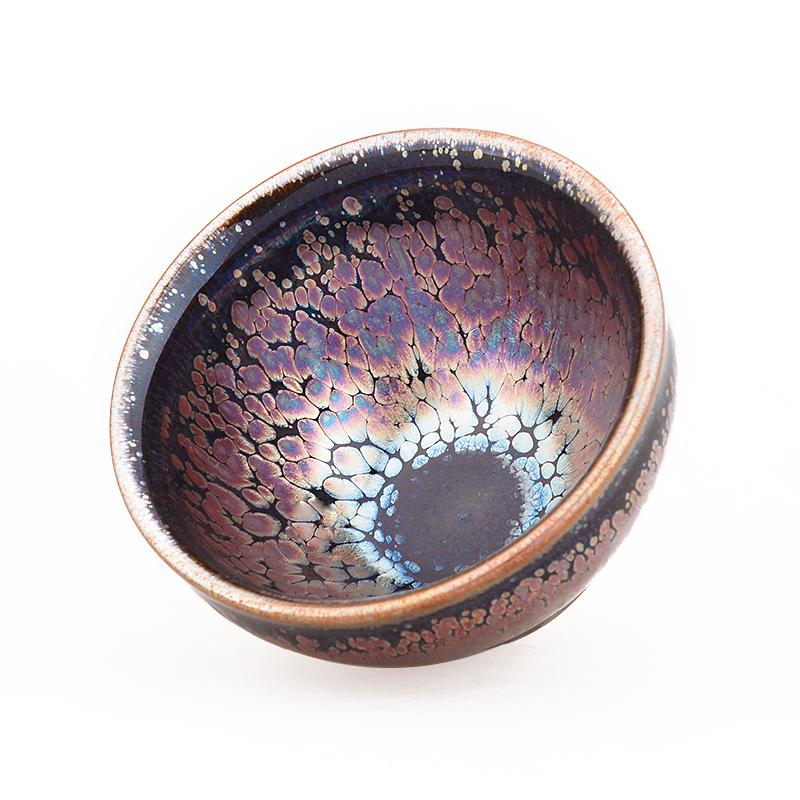
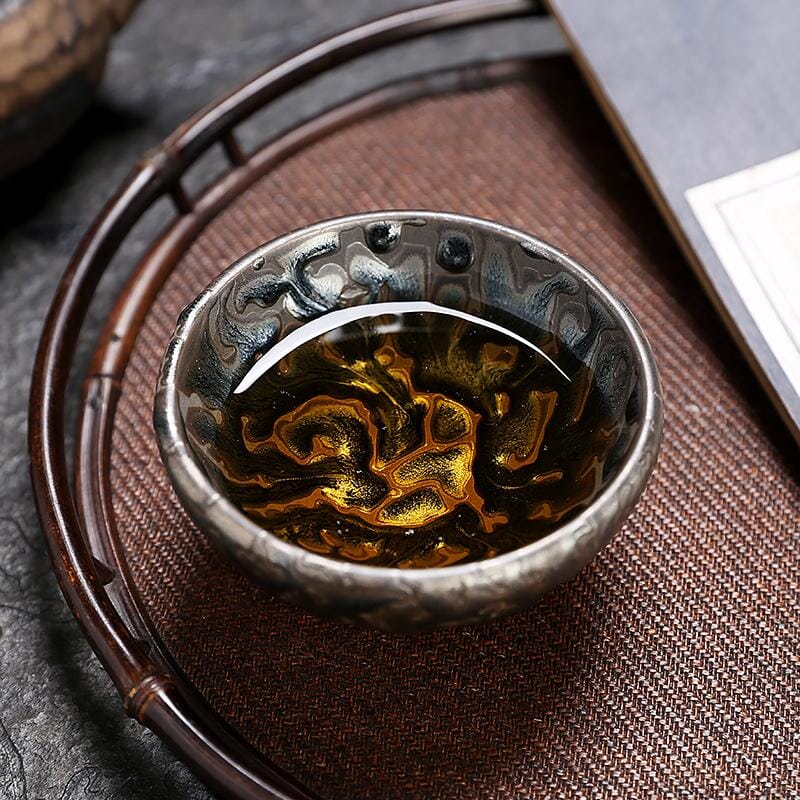
Then comes the glaze. Tenmoku-style black glazes can reveal metallic-looking crystals, streaks, or speckles when minerals move and cool in a particular way. An oil spot tenmoku cup, for example, may show round silvery or rainbow-like spots that emerge through a carefully controlled firing and cooling cycle. The effect is not simply painted on after the fact.
Finally, not every bowl becomes a saleable bowl. A firing can produce warping, pinholes, cracks, dull glaze, uneven color, or a pattern the maker considers below standard. That yield loss is part of the jian zhan cost. You are paying not only for the bowl that succeeded, but for the knowledge and rejected attempts behind it.
For a US luxury analogy, compare it to small-batch wine. The bottle contains grapes, but the price reflects the vineyard choices, harvest limits, aging, risk, and the fact that one season cannot be perfectly repeated. A tenmoku tea bowl has the same kind of controlled variation.
What Determines Tenmoku Tea Bowl Price?
There is no single fair tenmoku tea bowl price because pieces can differ dramatically in purpose and workmanship. A usable entry-level bowl, a studio-made daily cup, and a documented collectible are not the same purchase. Price should make sense when you can identify what you are receiving.
| Price factor | What it can mean for the buyer | What to check |
|---|---|---|
| Handwork | More shaping, trimming, and finishing time can create a more balanced feel. | Look at the rim, foot, interior, and whether the bowl sits steadily. |
| Glaze result | Clear oil spots, flowing hare’s fur, or a defined partridge feather pattern may require more selective firing. | View photos in natural and indirect light; ask whether images show the exact bowl. |
| Clay and firing | Material selection and a demanding firing schedule influence durability and visual depth. | Read the product description for what is confirmed, not vague claims. |
| Maker and provenance | A named maker, documented studio process, or limited work may add value. | Confirm details instead of assuming every dark bowl is rare or antique. |
| Scale and usability | Large matcha bowls and small gongfu cups serve different routines. | Check capacity, height, diameter, and whether it fits your brewing style. |
Price also reflects selection. If a seller offers individual photographs for each bowl, that matters because tenmoku glazes are naturally variable. The bowl in your hand may look different from a generic product photo if the listing does not show the exact piece.
Be careful with broad claims such as “museum quality,” “rare,” or “masterpiece” when they are not supported by specific information. A beautiful handmade ceramic bowl does not need exaggerated language to justify itself. Clear photos, honest dimensions, glaze details, and return policies are more useful signals.
How Much Does Jianzhan Cost—and What Should a Beginner Expect?
Jianzhan cost can range from accessible to highly collectible. For beginners, the goal is not to find the lowest price or the most dramatic pattern. It is to choose a bowl that gives you a satisfying tea experience without paying for attributes you cannot yet evaluate.
An entry-level handmade piece may be a sensible place to start if you want to learn the shape, weight, and dark-glaze aesthetic. Mid-range studio work often gives buyers more deliberate finishing, stronger glaze character, and individual-piece photography. Higher-priced pieces may reflect a particular maker, complex firing results, limited availability, or collector interest.
A practical budget framework is simple:
- Daily-use buyer: prioritize comfort, size, a smooth drinking rim, and a glaze you genuinely enjoy seeing every day.
- Gift buyer: prioritize presentation, clear care guidance, and a pattern that reads beautifully at first glance.
- Tea enthusiast: prioritize how the bowl supports your preferred tea, such as pu-erh tea, oolong, or matcha.
- Collector: prioritize verified maker information, condition, firing character, and documentation.
A lower-priced bowl is not automatically poor quality, and a higher-priced bowl is not automatically a better fit. The best value Jianzhan is the one whose quality, transparency, and intended use match your budget.
Is an Oil Spot Tenmoku Cup or Partridge Feather Bowl Better Value?
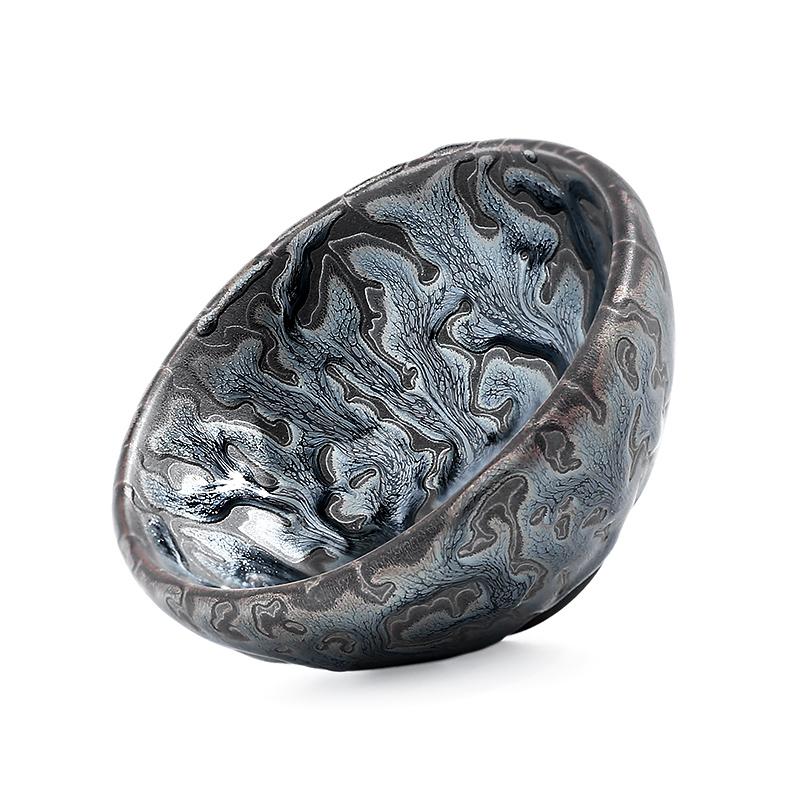
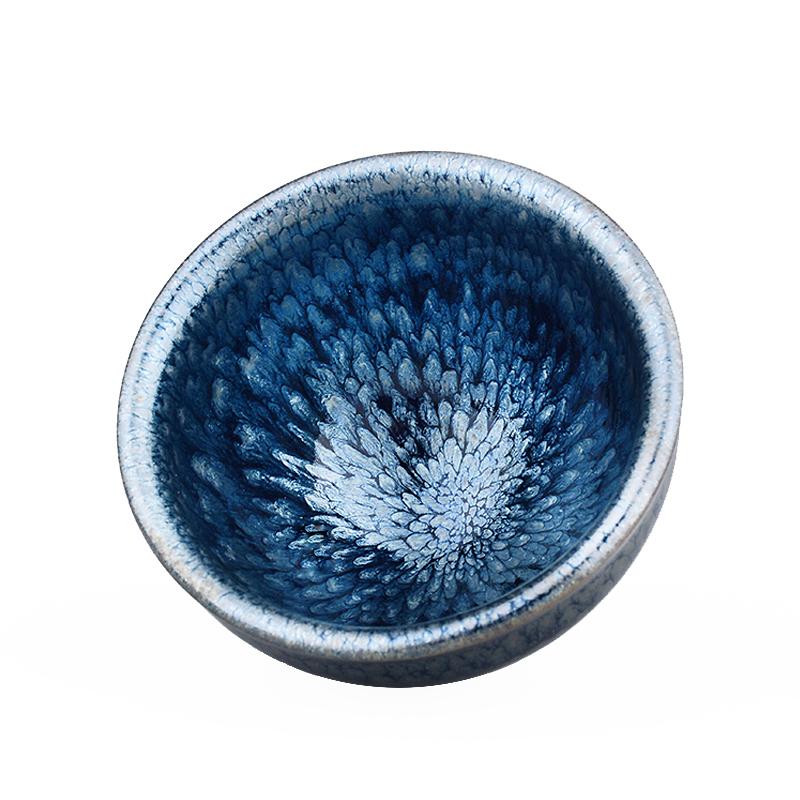
Neither pattern is universally “better.” An oil spot tenmoku cup often appeals to buyers who want a bold, celestial look: small reflective dots can resemble a night sky under changing light. A partridge feather pattern tends to feel more linear or feathered, offering movement across the glaze. Hare’s fur usually appears as fine, flowing streaks that can look calm and elegant.
Your best choice depends on how you use tea ware. If you enjoy slow visual inspection during a tea ceremony, a complex surface may be especially rewarding. If you prefer an understated bowl for daily gongfu tea, a quieter dark glaze with subtle depth may be more satisfying over time.
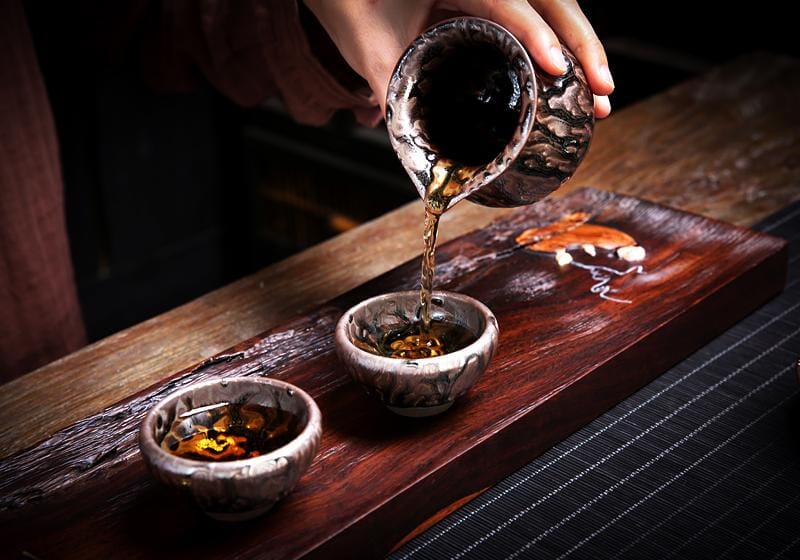
Tea can change the experience too. Amber oolong and aged pu-erh tea often contrast beautifully with a dark interior. A lighter tea can also look striking against black glaze. If you drink matcha, note that a wide matcha bowl is designed for whisking, while a smaller tenmoku tea bowl may be intended more for drinking than preparation.
Do not buy a glaze solely because its name sounds rare. Instead, inspect whether the visual effect is clear, whether the finish is appropriate for use, and whether you would still enjoy it after the novelty fades.

Are Japanese Tenmoku for Sale the Same as Jianzhan?
The terms are related, but they should not be treated as identical labels for every bowl. “Tenmoku” is widely used for dark-glazed tea bowls associated with tea culture, including traditions connected with Japan. “Jianzhan” generally refers to black-glazed bowls associated with Jian ware traditions in China.
In the US market, a listing for a Japanese tea bowl may refer to a Japanese-made bowl, a Japanese-style form, or an item intended for a Japanese tea ceremony. A listing for Japanese tenmoku for sale should clearly explain the maker, place of production, and style rather than relying on a broad term.
This distinction matters because cultural context affects both use and value. A Japanese tea bowl may be selected for seasonal tea practice and matcha preparation. A Jianzhan-style handmade tenmoku tea cup may be chosen for gongfu tea, visual glaze appreciation, or a personal tea ritual. Both can be meaningful; buyers simply deserve accurate descriptions.
How Do You Find the Best Value Jianzhan Without Overpaying?
Use a value checklist before purchasing. It helps separate real craftsmanship from marketing language and keeps your choice grounded in how you will actually use the bowl.
- Buy the exact piece shown. Since glaze variation is central to tenmoku, exact-item photos are valuable.
- Check dimensions first. A bowl that looks substantial online may be too small for your preferred tea session.
- Look at the rim and foot. They affect comfort, stability, and the overall sense of finishing.
- Read confirmed details. Prefer specific facts about size, care, and production over unverified heritage claims.
- Match it to your ritual. A gift for tea lovers should be approachable, durable for normal use, and visually memorable.
- Consider return and shipping terms. Handmade ceramics are fragile; practical service is part of the value.
For a considered starting point, Explore our handmade Jianzhan tea cups. You can compare shapes, finishes, and capacities with your own brewing habits in mind.
If the reflective look is what first drew you in, Discover our collection of oil spot tenmoku cups. Look at each piece under different lighting conditions and choose the surface that feels personal rather than merely dramatic.
FAQ: Tenmoku Tea Bowl Price and Value
Why is a tenmoku tea bowl expensive?
A tenmoku tea bowl may cost more because of hand-forming, specialized glaze work, firing time, selective quality control, and the possibility of kiln losses. Its price should be supported by clear craftsmanship and product information, not just a decorative glaze name.
What is a reasonable tenmoku tea bowl price for a first purchase?
A reasonable first purchase depends on your budget and intended use. Focus on a well-finished handmade piece with accurate dimensions, exact-item photos, and a glaze you enjoy. Avoid paying a collector premium until you know which shapes and patterns you prefer.
What affects Jianzhan cost the most?
Jianzhan cost is influenced by the maker’s labor, clay and glaze work, firing process, successful glaze outcome, condition, documentation, and market demand. A rare-looking surface alone does not explain value without good finishing and reliable details.
Is an oil spot tenmoku cup better than a hare’s fur cup?
Neither is inherently better. Oil spot patterns can feel bold and luminous, while hare’s fur patterns often feel more fluid and understated. Choose based on your visual taste, the exact glaze result, and how you plan to use the cup.
What is the best value Jianzhan for gongfu tea?
The best value Jianzhan for gongfu tea is usually a comfortable, stable bowl with a smooth rim and a capacity that suits your tea sessions. Choose an exact piece with clear photos rather than chasing the most expensive or flashy pattern.
Can I use a tenmoku tea bowl for matcha or pu-erh tea?
Yes, depending on its size and form. A wide bowl can work for matcha preparation if it provides enough room for whisking. Smaller bowls are often ideal for drinking pu-erh tea, oolong, or other gongfu tea infusions.
Conclusion: Pay for the Bowl You Will Actually Enjoy
A tenmoku tea bowl earns its price when its craftsmanship, glaze character, and daily usefulness meet in one object. It is not a status purchase by default; it is a tactile piece of tea ware that can make a simple cup of tea feel more deliberate.
Choose with curiosity. Compare exact photos, ask practical questions, and select the bowl that fits your tea routine and your eye. Whether you are buying for yourself or choosing a gift for tea lovers, a thoughtfully made tenmoku bowl can remain useful long after the first unboxing moment.
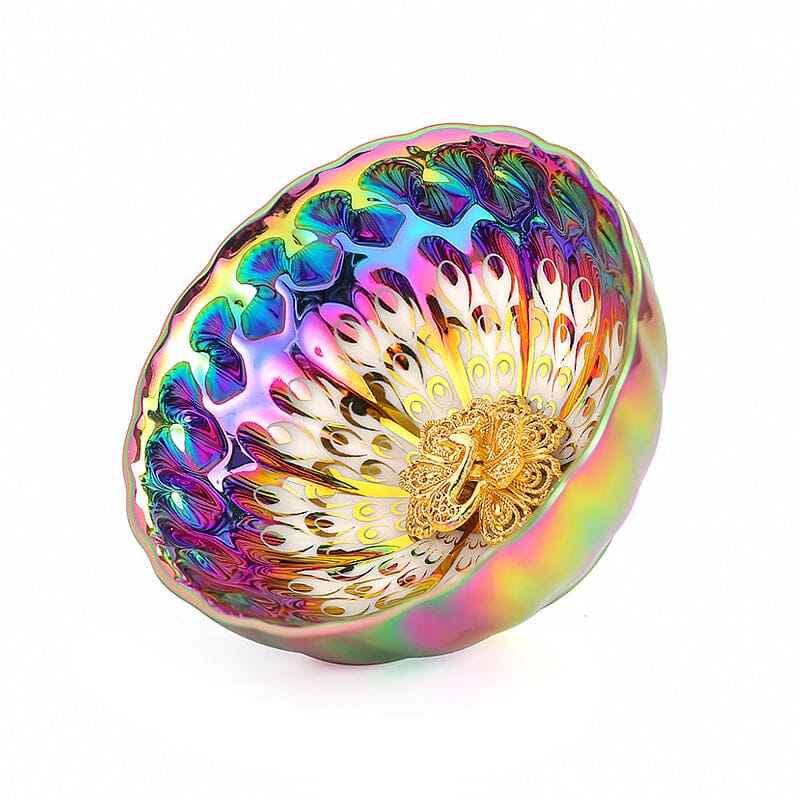
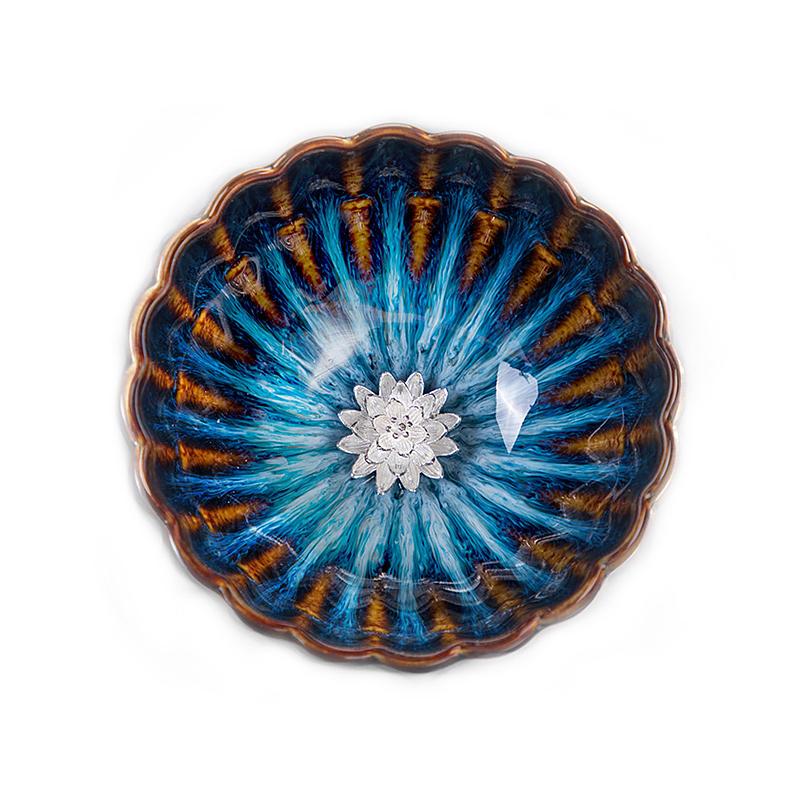
Explore Our Collection
Ready to experience the world of tenmoku tea bowl? Browse our curated collection:
Disclaimer: This article is for informational purposes. Products and pricing subject to change.


Share:
The Tenmoku Tea Bowl Story: A More Meaningful Gongfu Tea Ritual
Tenmoku Tea Bowl: Bring a Calmer, More Intentional Tea Ritual Home