We use UPS & Fedex for fast and reliable shipping.

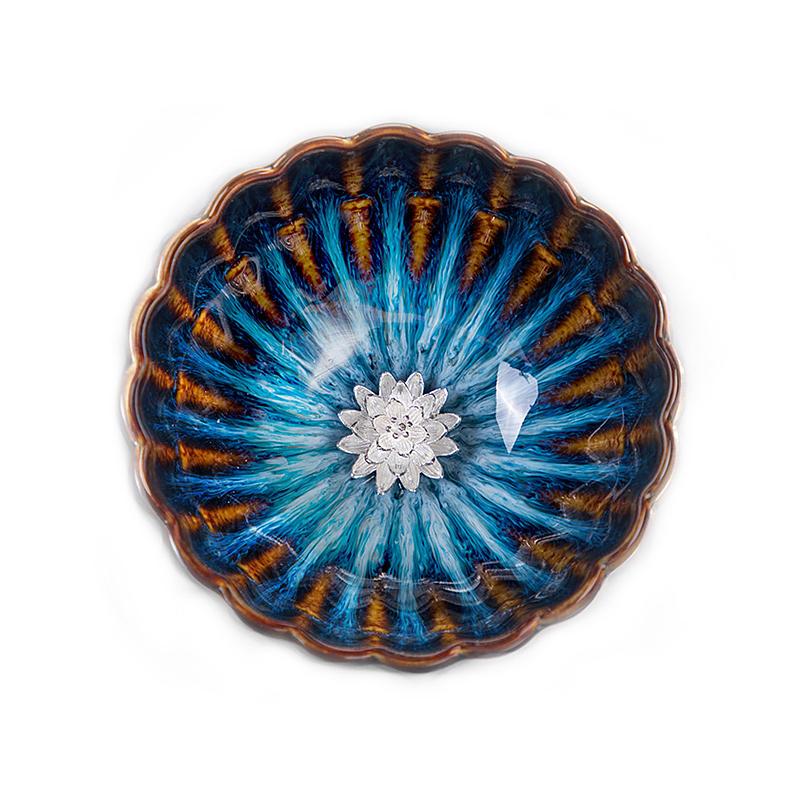
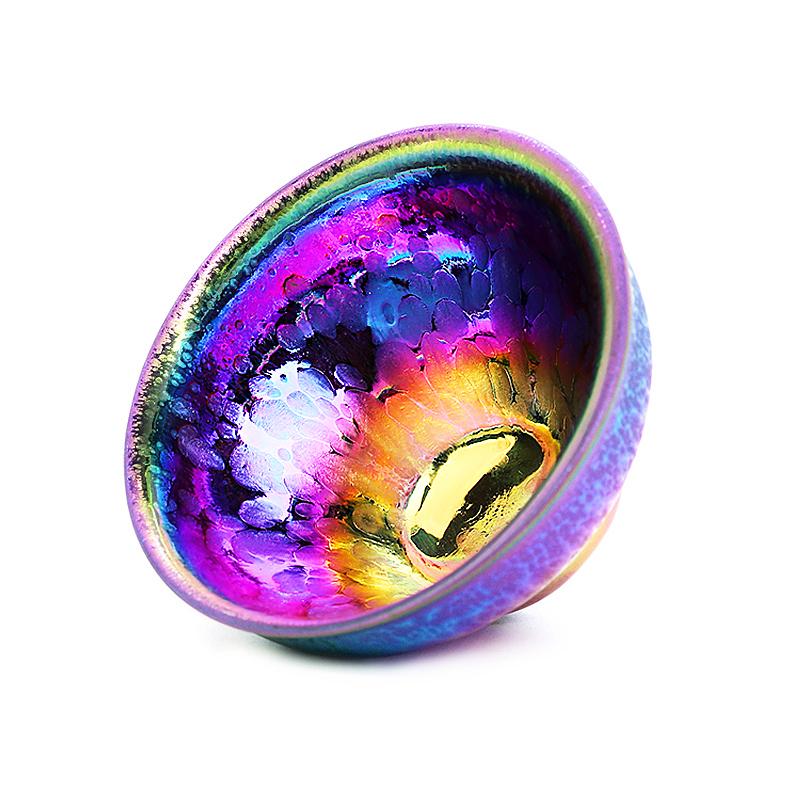
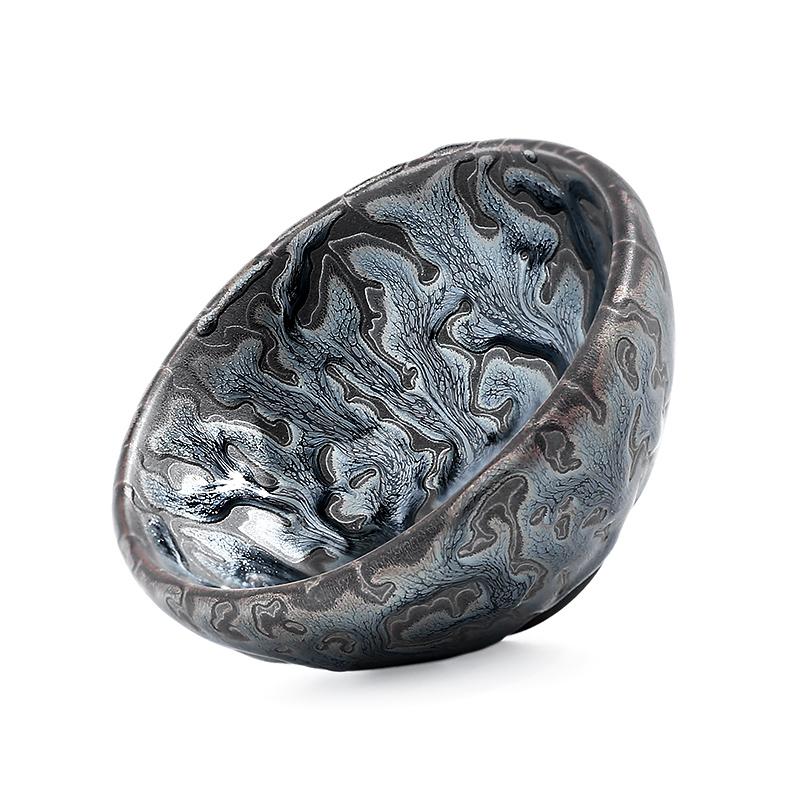
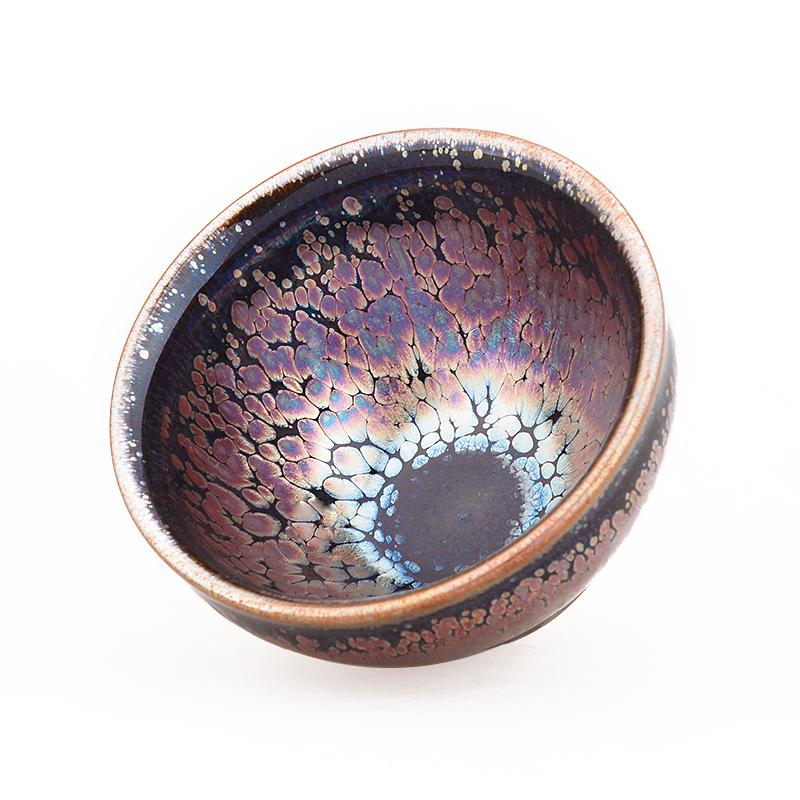
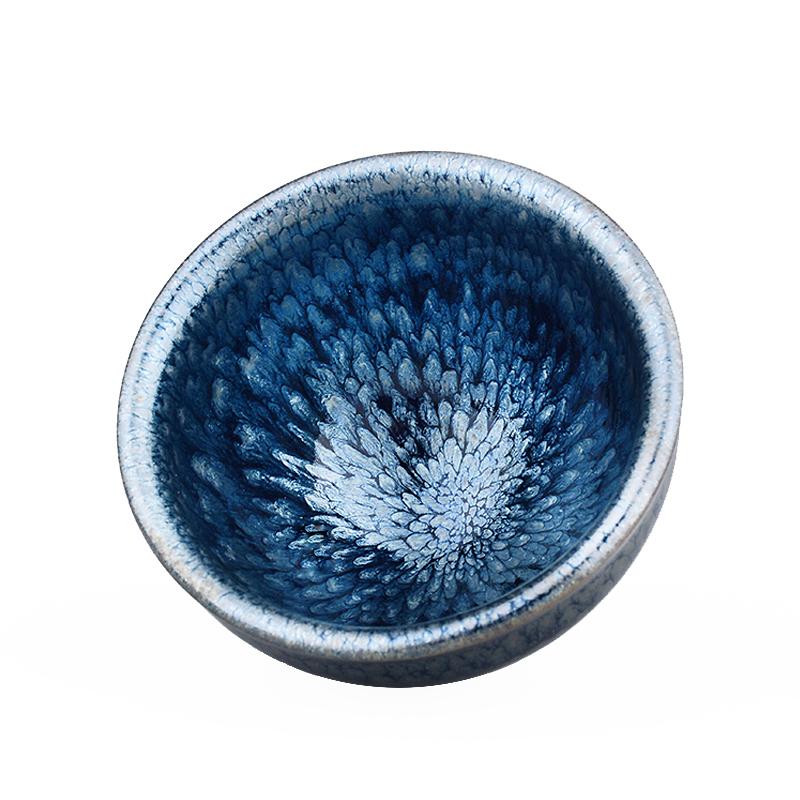
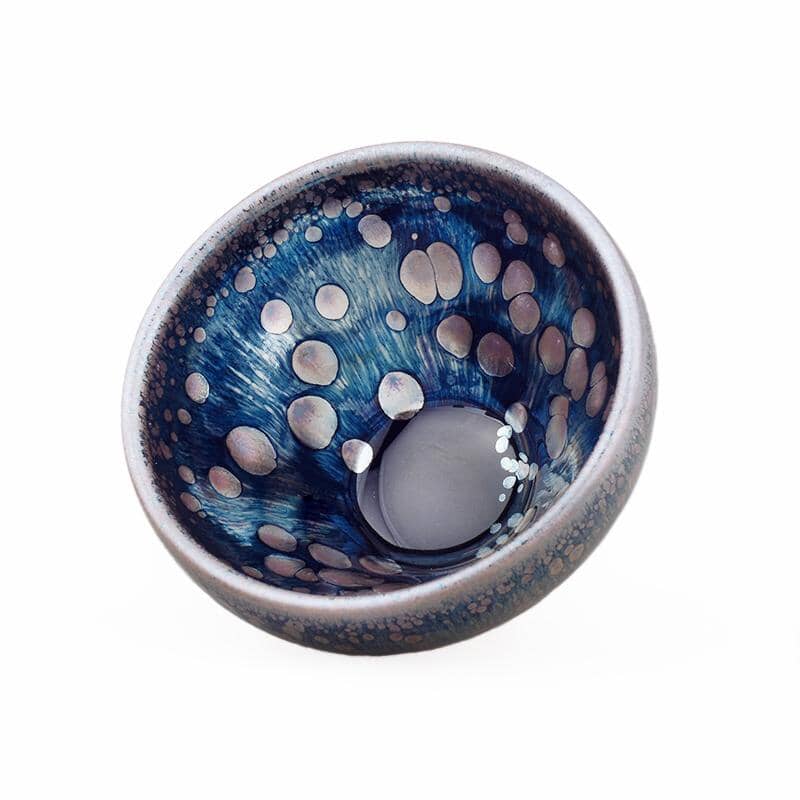
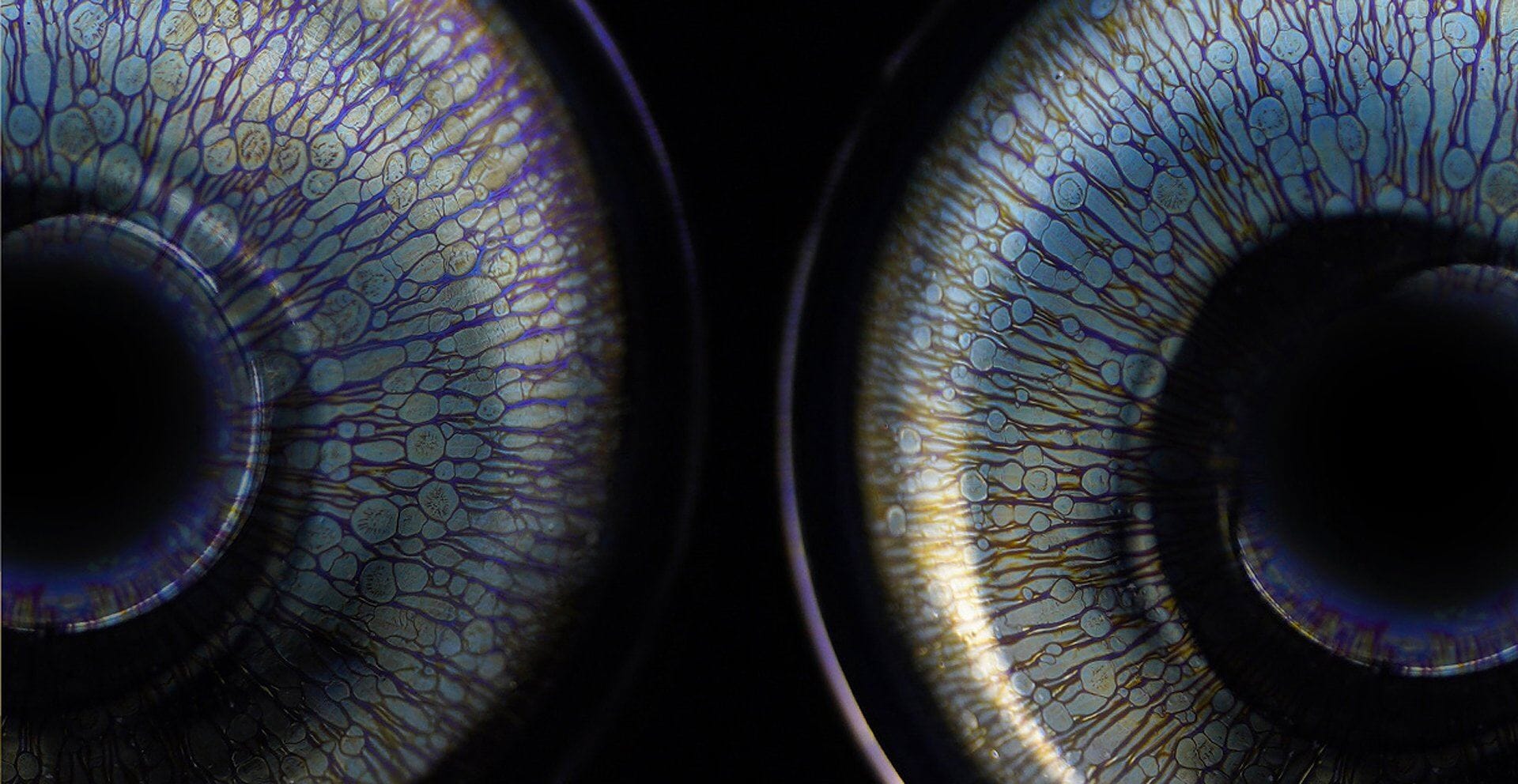
Tenmoku teacups are truly beautiful: understated yet full of hidden detail, their glaze is a work of art. Their shape may be minimalist, but there’s nothing minimalist about the impact they have:

It’s no wonder that they are so highly prized! But how much do you really know about your collection of Tenmoku teacups? To many of us, they are as mysterious as the patterns they hide in their glaze! With that in mind, here are five fascinating facts about Tenmoku teacups:

  1. No Two Teacups Are the Same

Tenmoku teacups are not only prized for their beauty but for their unique variability: no two tea cups are the same. The glaze that covers each cup or bowl is made from feldspar, limestone, and iron oxide, and the combination of these chemicals mean that the quicker a piece is cooled, the blacker the glaze will be. During the heating and cooling process it is almost impossible to predict how the myriad of variables will influence the finished result of the glaze, leaving you with a teacup that is entirely, and impressively, unique to you.

  1. Tenmoku is Named After a Mountain

The word Tenmoku is derived from the Tianmu Mountain in Eastern China, where a temple is situated, thought to be the first place that iron glazed bowls were used for drinking tea. The name is broken down as follows: 天目Mandarin: tiānmù; Japanese: ten moku. In English the name means Heaven’s Eye, which is no doubt a reference to the beautiful views afforded from the mountain.

The Tenmoku tea cup style became popular in China during the Song Dynasty, and in China it is known as Jianzhan, with Tenmoku being its Japanese name.

  1. Tenmoku Teacups Are Highly Prized

Yohen Tenmoku tea bowls are considered to be amongst the most highly prized types of Tenmoku tea bowls in the world, and they are incredibly sought after pieces by ceramic collectors. Only three Yohen Tenmoku tea bowls remain in the world, and they are all located in Japan. In 1918, one of these three tea bowls was valued at 168,00 Japanese Yen (thats around $1530) which means that, taking inflation into account, it would be worth $15.5 million today! Of course, whilst not all Tenmoku teacups will cost millions of dollars, it is a great indicator of just how prized these beautiful pieces really are.

  1. Tenmoku Teacups Come in Many Colours

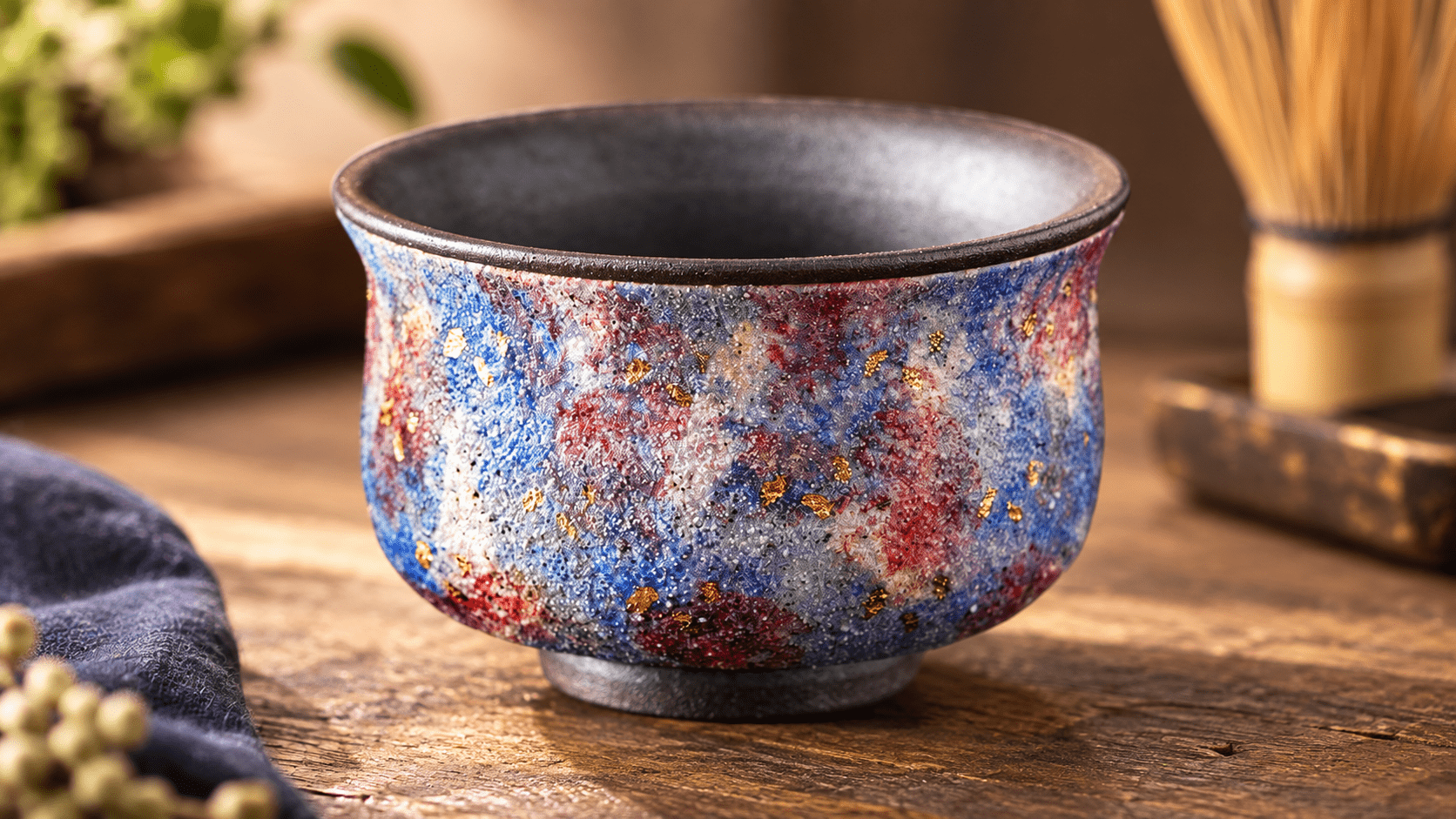
When they were first created, the original Tenmoku teacups were produced in dark shades and with the darkest possible glazes. This is because it was felt that the darker colour of the cup was best suited to show off the lighter colour of the tea that was being blended within. Now, thousands of years later, darker cups in shades of brown and blue remain the most popular. But it is possible to purcase a Tenmoku teacup in many colours, including red, green, orange and even yellow.

  1. A Shared Chinese and Japanese Culture

Tenmoku teacups are an integral part of history and culture in both China and Japan. It is believed that in 1406 the Yongle Emperor (1360–1424) of the Ming dynasty sent ten Jian ware bowls to the shōgun Ashikaga Yoshimitsu of Japan, where they became highly prized goods. And with their beauty, mysterious glaze, and charming appeal, it’asy to see why they attract everyone who sees them.
Quick answers for Tenmoku teaware shoppers

Use this guide to connect the article topic with practical buying decisions: what Jianzhan Tenmoku teaware is, who it suits, how to choose a piece, and how to care for it after purchase.

How to use this guide before buying

Read the article first for the main explanation, then compare the product photos, glaze variation, form, seller clarity, return policy, and whether the piece fits daily tea, display, collecting, or gifting.

Common buying mistakes to avoid

Avoid choosing only by dramatic claims, copied photos, unusually low prices, or vague master language. A better decision uses visible product details, clear use case, realistic care needs, and trustworthy shop policies.

Recommended next step

After reading, compare a few real products side by side by size, glaze family, rim shape, capacity, price, and gift suitability instead of relying on one photo or one keyword.

What is Jianzhan Tenmoku teaware?

Jianzhan Tenmoku teaware is ceramic tea ware known for dark mineral-glaze effects and natural kiln variation. Common forms include tea cups, bowls, teapots, tea sets, and matcha bowls.

Who is it best for?

It is best for tea drinkers, ceramic collectors, and gift shoppers who value functional objects with visible handmade character. It is not ideal if you need every piece to look exactly identical.

How do I care for it?

Hand wash with warm water, avoid abrasive cleaners, and dry fully before storage. Gentle daily use helps preserve the surface and keeps the glaze easy to inspect over time.

How do I choose the right Tenmoku piece?

Choose by the main use first: daily tea, matcha, Gongfu brewing, display, or gifting. Then compare capacity, rim shape, glaze family, photos, and whether natural variation is acceptable for your needs.

Is Jianzhan Tenmoku teaware good as a gift?

Yes. It works well for tea lovers, ceramic collectors, birthdays, holidays, and housewarming gifts because it is both usable and visually distinctive. For gifts, choose an easy-to-use form and a glaze style with clear photos.

Related products and categories

Compare the guide above with real Tenmokus categories and representative pieces. Start with the use case, then compare glaze style, form, price, and whether the piece is mainly for daily tea, display, collecting, or gifting.

Handmade Tenmoku tea cups

Best for daily tea drinking, first Jianzhan purchases, ceramic gifts, and comparing glaze patterns across cup shapes.

Tenmoku tea sets

Best when you want a coordinated tea table, a hosting setup, or a complete gift instead of one individual cup.

Real vs fake Tenmoku guide

Use this guide to compare seller claims, glaze appearance, photos, and practical buying signals before choosing a piece.

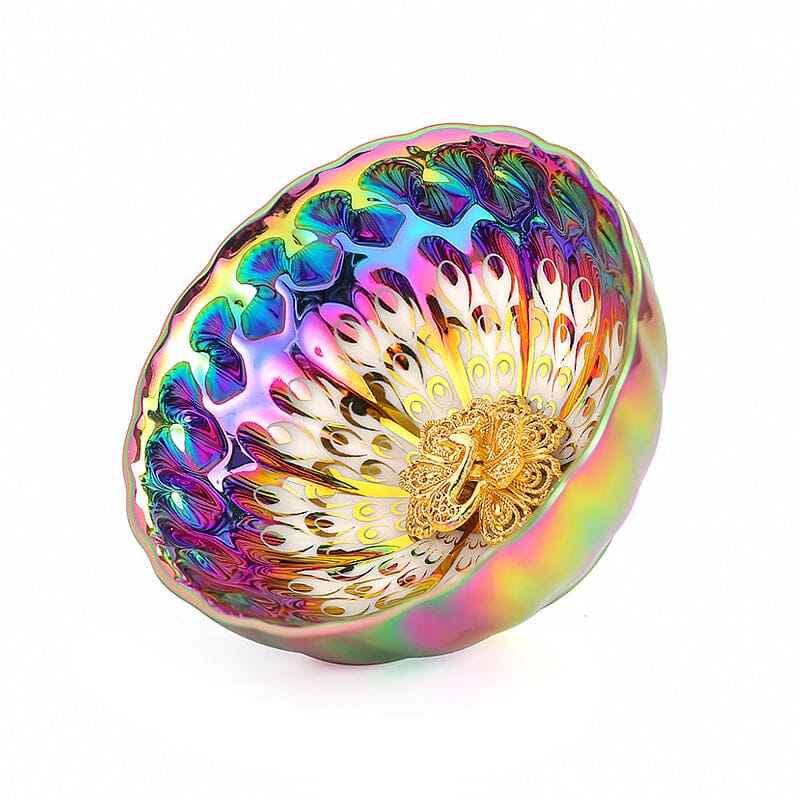
Vivid Peacock

A representative Tenmoku tea cup to compare by glaze depth, cup shape, price, and gift fit.

Golden Peacock

Compare this piece when you want a clear visual reference for a gold-toned Tenmoku glaze style.

Fairy II

Use this product as another comparison point for handmade form, glaze variation, and gift suitability.

shop handmade Tenmoku tea cups compare Jianzhan teapots browse Tenmoku tea sets choose Tenmoku matcha bowls view Tenmoku tea cups read the real vs fake Tenmoku tea bowl guide browse Jianzhan buying guides learn about Tenmokus

From Tenmoku guide to teaware choice

Tenmokus is focused on handmade Jianzhan Tenmoku teaware for tea rituals, display, and gifting. If you are choosing after reading this guide, start with Tenmoku tea cups for daily tea tasting, Tenmoku teapots for loose leaf brewing, Tenmoku coffee cups for daily coffee, Tenmoku tea sets for coordinated gifts, Tenmoku matcha bowls for matcha preparation, Tenmoku beer cups for home bar drinkware, or Tenmoku sake sets for serving and display.

Related Tenmoku guides

Keep exploring Tenmoku care, gift ideas, teaware selection, and the difference between Tenmoku and Jianzhan.

View all

Tenmoku Tea Bowl Authenticity Guide: Buy Jian Zhan with Confidence

Tenmoku Tea Bowl Authenticity Guide: Buy Jian Zhan with Confidence

Tenmoku Tea Bowl Authenticity Guide: Choose a Better Cup for Gongfu Tea A real tenmoku tea bowl is more than a dark cup with shiny speckles: it is a high-fired ceramic piece whose clay, iron-rich glaze, and kiln atmosphere work...

Read more

How to Choose a Handmade Tenmoku Tea Bowl for Gongfu Tea (And Avoid Fake Jian Zhan)

If you’ve ever wanted to own a tenmoku tea bowl that feels uniquely yours, you’re not alone. These iron-rich glazed wonders from the Song Dynasty have captivated tea lovers for a thousand years—and today, a real jian zhan oil spot...

Read more

Transform Your Daily Ritual with a Handmade Tenmoku Tea Bowl: The Ultimate Luxury Wellness Upgrade

Transform Your Daily Ritual with a Handmade Tenmoku Tea Bowl: The Ultimate Luxury Wellness Upgrade

If you’ve ever swirled a fine wine in a hand-blown glass and felt the moment deepen, you already understand the power of a vessel. I’m Sophie Thompson, and as a lifelong tea lover and design curator, I want to introduce...

Read more