

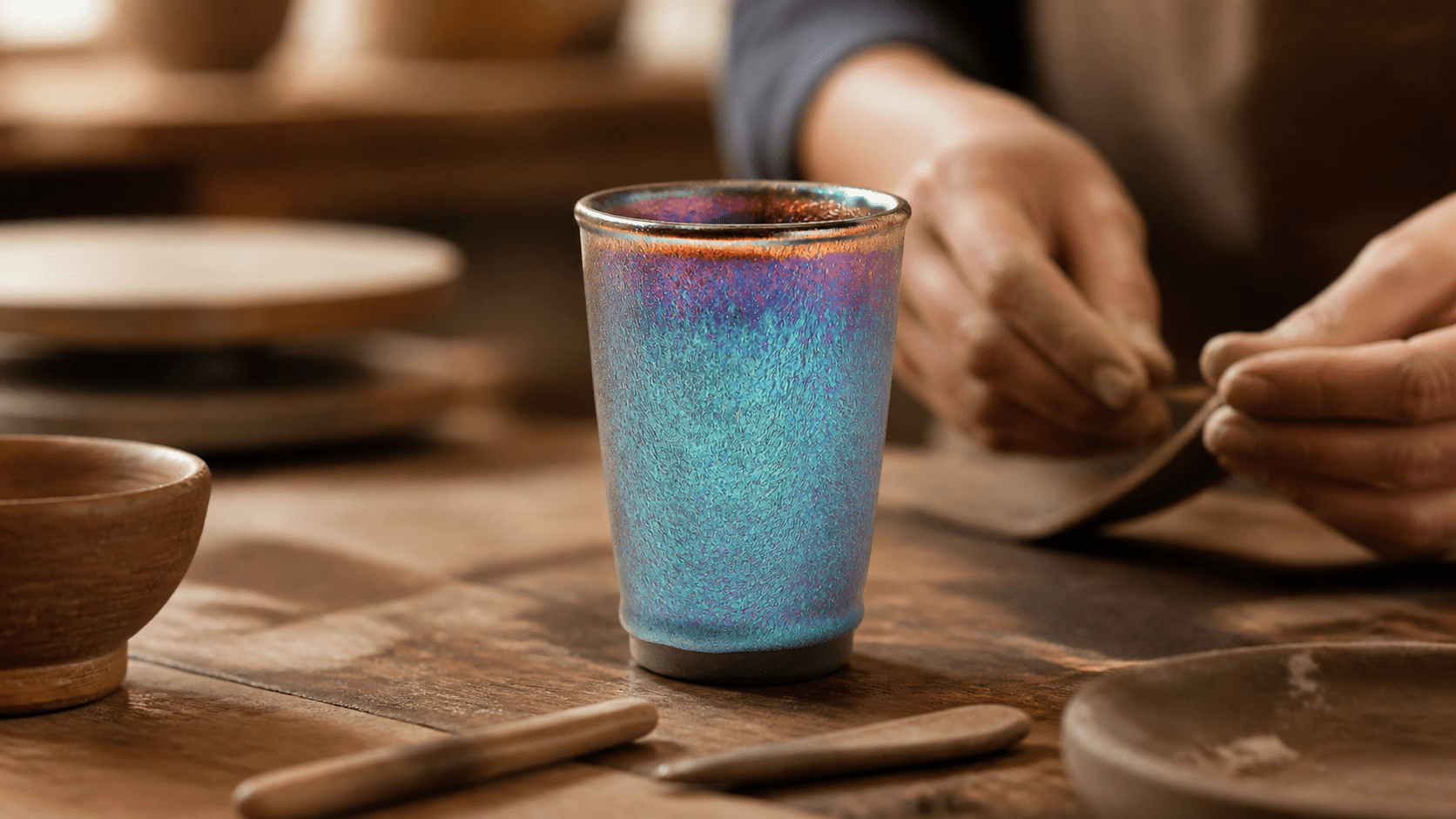

Tenmoku Tea Bowl: The Handmade Story Behind a More Meaningful Tea Ritual
A tenmoku tea bowl is more than a dark ceramic cup: it is a handmade object that can make a quiet gongfu tea session feel intentional, personal, and memorable. Often called a Jianzhan or Jianzhan Tenmoku ceramic tea bowl, it brings fire-shaped glaze, tactile weight, and a sense of heritage to moments as simple as pouring oolong tea for yourself or choosing a gift for tea lovers.
Its beauty is not about perfection in the factory sense. It comes from variation, heat, minerals, and the human decisions made before a bowl enters the kiln. That is why two bowls with a similar silhouette can feel entirely different in the hand.
Key Takeaways
- A tenmoku tea bowl is closely connected to the black-glazed Jian ware tradition of Fujian, China.
- The name “tenmoku” traveled through tea exchange and is also familiar in Japanese tea culture.
- Natural glaze patterns, including oil spot effects, are part of what makes handmade bowls visually distinctive.
- For gongfu tea, a smaller bowl can turn a daily pour into a focused sensory ritual.
- When shopping, look beyond surface shine: shape, balance, finish, and the maker’s transparency all matter.
What Is the Fujian Tea Bowl Tradition Behind a Tenmoku Tea Bowl?
The fujian tea bowl tradition centers on dark-glazed ceramics associated with Jianyang, a historic kiln region in Fujian. In Chinese, these bowls are commonly known as jianzhan or Jianzhan. Their deep black, brown, and iron-rich surfaces create a dramatic contrast with tea, especially pale, amber, and golden liquor.
For a beginner, think of a tenmoku bowl as the ceramic equivalent of a well-seasoned cast-iron pan: the material and surface have character, and the object feels alive because it is not trying to look mass-produced. The bowl gives the tea a visual stage without demanding attention away from it.
Jianzhan history is often discussed through its relationship with tea preparation, kiln technology, and trade. The exact appearance of a finished bowl depends on clay, glaze ingredients, kiln atmosphere, placement in the kiln, and firing conditions. Those variables make each handmade piece a record of a particular firing rather than a duplicated design.
Today, this tradition matters to modern tea drinkers because it offers a slower alternative to disposable sameness. A handmade tenmoku tea bowl asks you to notice small details: the warmth around the foot, the way light catches a glaze, and the changing color of tea against a dark interior.
How Did Song Dynasty Tea Culture Shape the Tenmoku Tea Bowl Story?
Song Dynasty tea culture helped establish a lasting appreciation for tea bowls that could frame tea visually and support attentive tasting. Historical tea practices varied across regions and centuries, but the broader lesson remains easy to understand: tea was not only a drink. It could also be an occasion for observation, conversation, hospitality, and connoisseurship.
Dark bowls became especially compelling when lighter tea was prepared or presented inside them. The contrast made color and texture easier to see, much like a dark frame can make a photograph appear brighter. This visual logic still appeals to contemporary tea drinkers in the United States, whether they are exploring gongfu tea, whisked tea, or a simple after-dinner cup.
The word “tenmoku” also reflects cultural movement. It is associated with a Japanese reading connected to Tianmu, and Japanese tea traditions later developed their own ways of valuing dark tea bowls. A Japanese tea bowl and a Jianzhan may share visual vocabulary or tea-world associations, but they are not automatically the same object. The most useful approach is to ask where a bowl was made, how it was made, and how the seller describes its origin.
This distinction is worth protecting. It respects both Chinese and Japanese tea histories while helping buyers avoid vague marketing. A bowl can be inspired by Japanese tea ceremony aesthetics, for example, without being presented as Japanese-made.
What Does a Tenmoku Artisan Actually Do Before the Bowl Reaches Your Tea Table?
A tenmoku artisan works with a process that combines preparation and uncertainty. The maker can choose clay, form the profile, apply glaze, and manage the firing plan. But no one can fully command every mineral reaction inside a high-temperature kiln.
The journey typically begins with shaping. The maker considers diameter, wall thickness, foot ring, rim comfort, and how the bowl will sit in the hand. For gongfu tea, these details are practical, not decorative. A bowl that feels balanced can make repeated small pours more comfortable; a rim that feels pleasant can make the tasting experience more inviting.
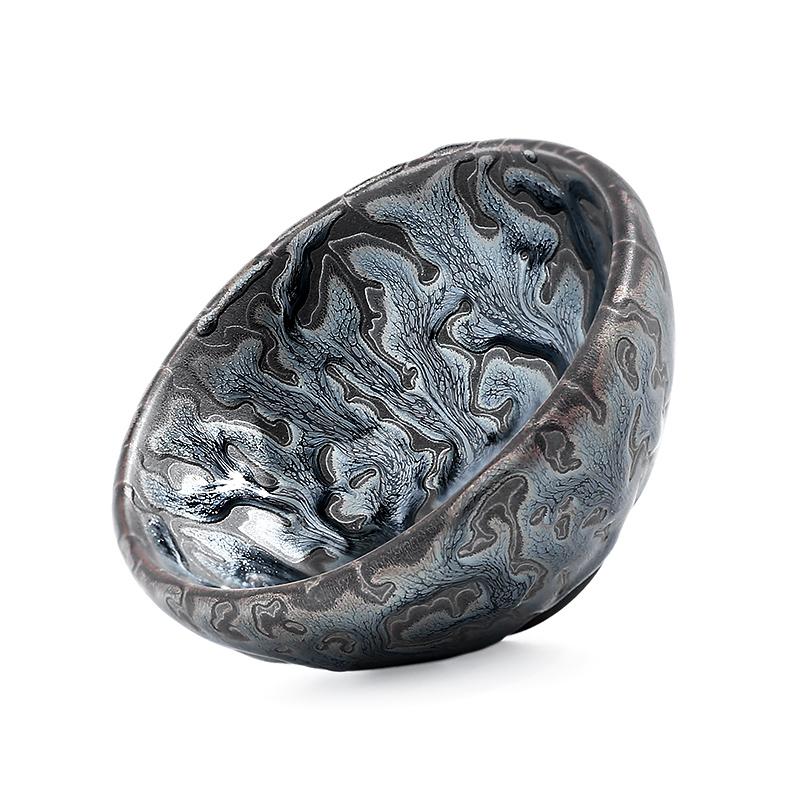
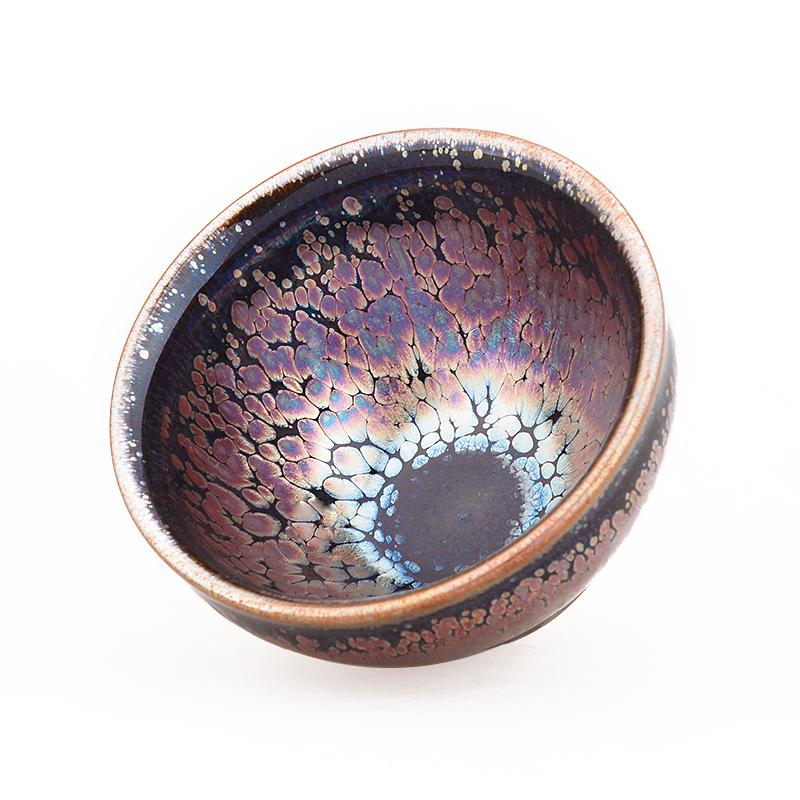
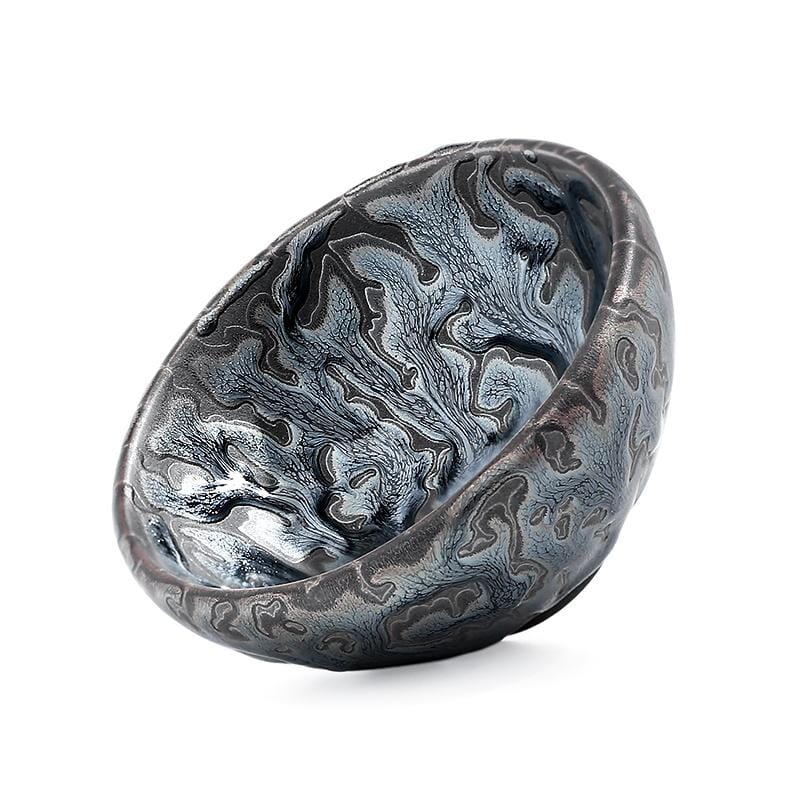
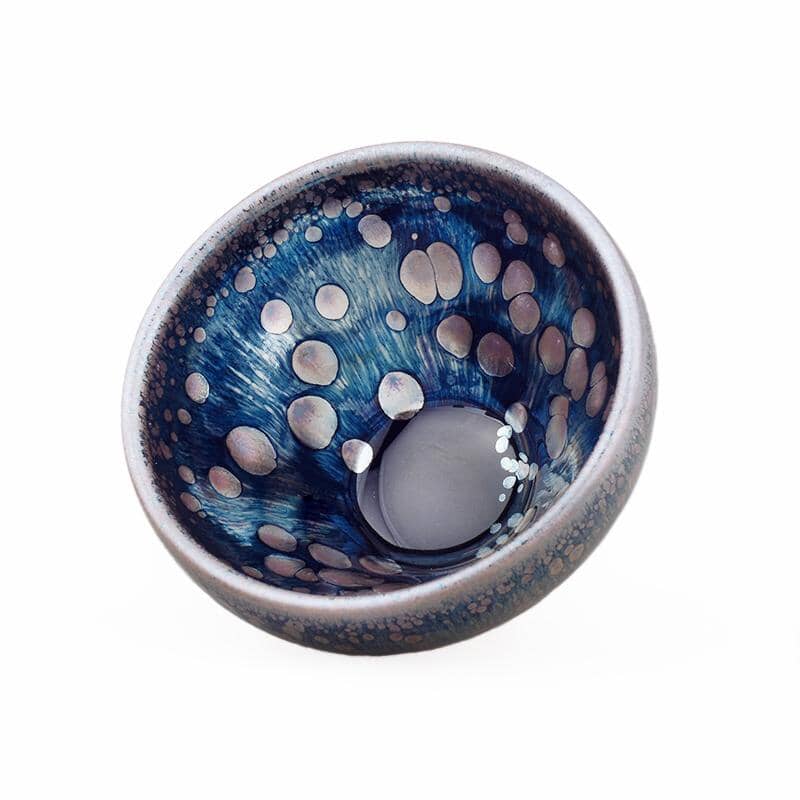
Next comes glazing. Dark tenmoku surfaces may appear nearly black from one angle and reveal brown, silver, blue-gray, or bronze-like notes from another. An oil spot tenmoku cup is valued for its spot-like glaze pattern, which can catch light differently across the surface. It is better to see this as a natural visual feature than as a promise that every bowl will look identical to a product photo.
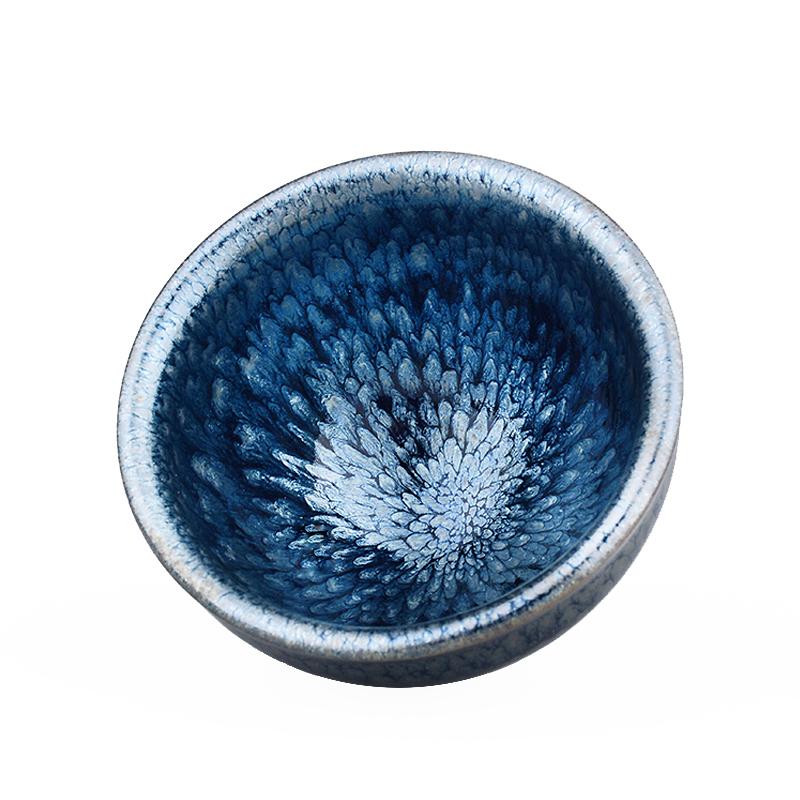
Then comes firing, where patience becomes part of the craft. Heat and atmosphere influence the glaze’s final expression. A handmade bowl may show variation in pattern density, edge color, or subtle texture. Those differences are not automatically defects; they are often part of the reason someone chooses handmade ceramics in the first place.
Finally, the bowl is assessed after cooling. A responsible seller should describe the item honestly, show representative images, and avoid turning uncertain claims about origin, age, or material into a sales pitch. For a premium buyer, that transparency is a better sign of value than exaggerated language.
Why Does a Tenmoku Tea Bowl Work So Well for Gongfu Tea and Oolong Tea?
Gongfu tea is a style of brewing that uses relatively small vessels and short, repeated infusions. It is less about one oversized mug and more about noticing how aroma, temperature, and flavor evolve from pour to pour. A tenmoku tea bowl fits this rhythm naturally.
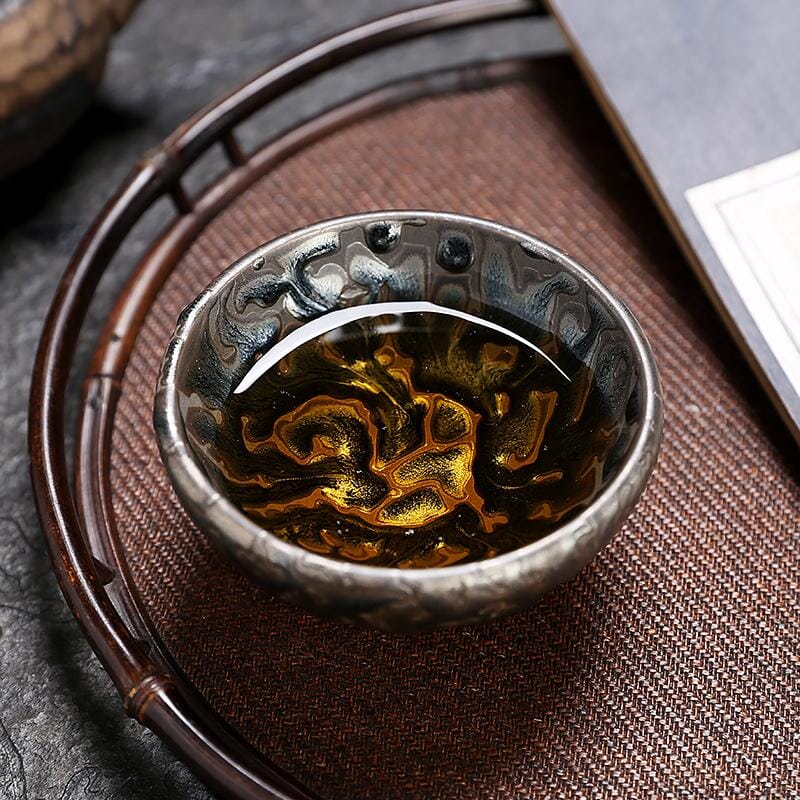
When serving oolong tea, the bowl’s dark interior can make warm gold and honey-colored liquor stand out. The visual contrast does not change the tea itself, but it can make the act of tasting easier to appreciate. It is similar to plating food on a plate that helps you notice color and texture.
A bowl also changes the pace. Holding a small handmade vessel encourages a pause between pours. For a solo morning session, that pause may be the point. For guests, it becomes an easy conversation starter: Why is the glaze different near the rim? Where does Jianyang fit into tea history? What does jianzhan mean?
There is no single “correct” tea for every bowl. A tenmoku tea bowl can be used with oolong tea, black tea, roasted teas, and many other styles. Choose based on your preferred volume, how hot you like to drink, and whether you want a bowl for daily use, shared tasting, or display.
How Should You Choose a Tenmoku Tea Bowl for Sale Without Losing the Handmade Story?
Searching for a tenmoku tea bowl for sale can bring up handmade Jianzhan, vintage-inspired pieces, Japanese-style bowls, and factory-made cups under similar names. That variety is not inherently bad, but it means buyers should slow down before comparing only price or glaze color.
| What to consider | Why it matters | What to look for |
|---|---|---|
| Origin and description | Names can be used broadly across tea ware. | Clear wording about where the bowl was made and how it is described. |
| Shape and size | They affect comfort and how you use the bowl. | A profile that suits gongfu tea, tasting, or a fuller personal cup. |
| Glaze variation | Handmade firing creates individual surfaces. | Multiple photos and honest notes about pattern variation. |
| Foot and rim finish | These are frequent touch points. | A stable foot ring and a rim that looks comfortable to drink from. |
| Gift readiness | A meaningful gift should feel considered. | Clear care information, presentation details, and a story you can share. |
If you are comparing japanese tenmoku for sale listings with Jianzhan listings, treat the terms as invitations to investigate rather than as proof of a specific origin. Ask whether the bowl is Japanese-made, Chinese-made, or Japanese-inspired; whether it is handmade; and whether the description identifies the maker or workshop when that information is available.
For a gift for tea lovers, choose the piece that matches the recipient’s habits. A dramatic oil spot surface may suit someone who enjoys collecting and displaying tea ware. A calmer, darker bowl may suit someone who wants a dependable companion for a daily tea ceremony. The right choice is not necessarily the flashiest one; it is the one that makes the recipient want to brew tea again tomorrow.
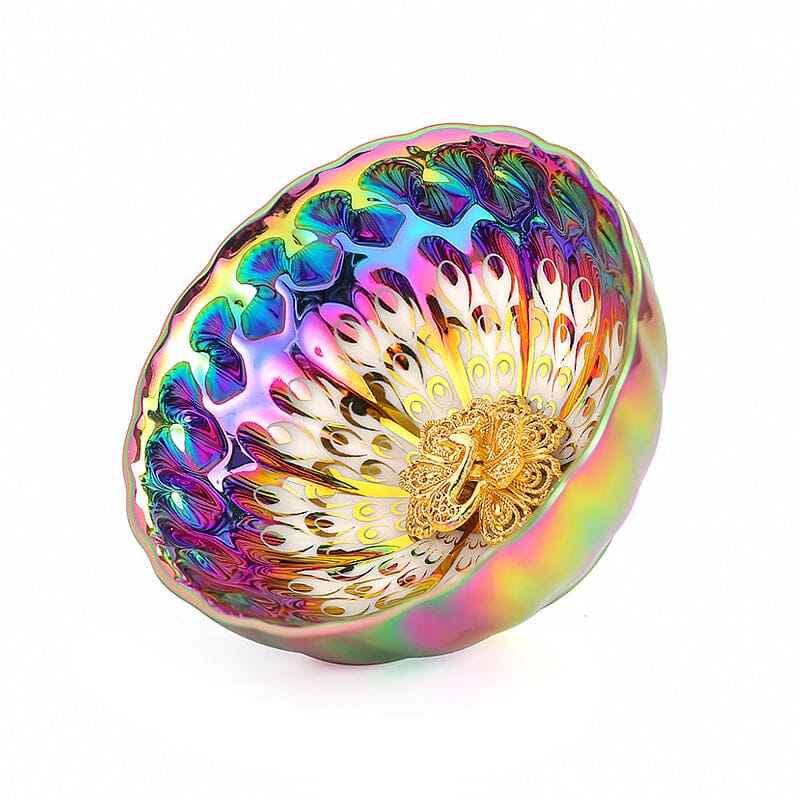
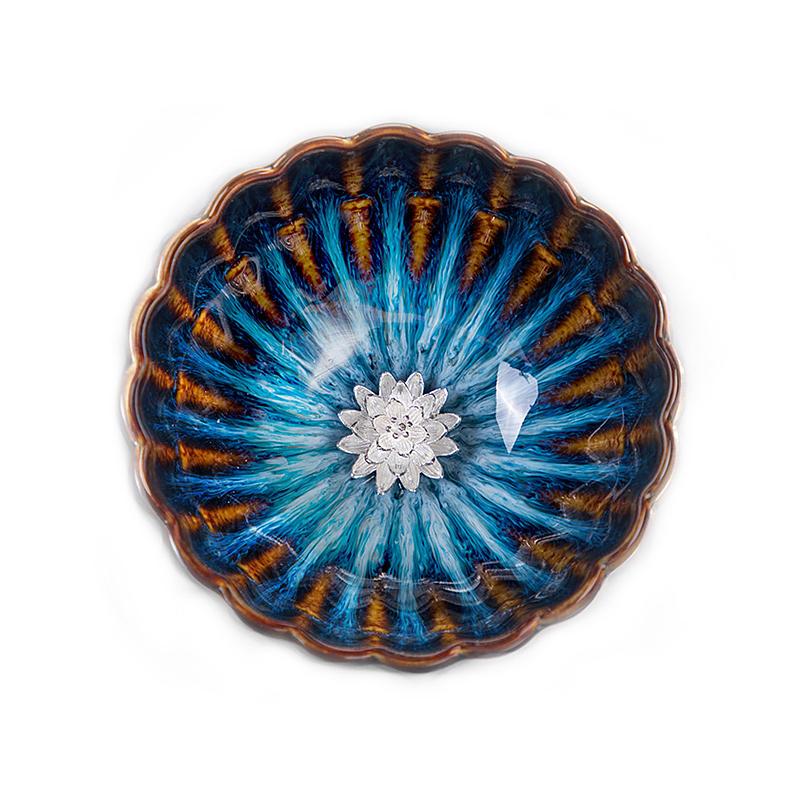
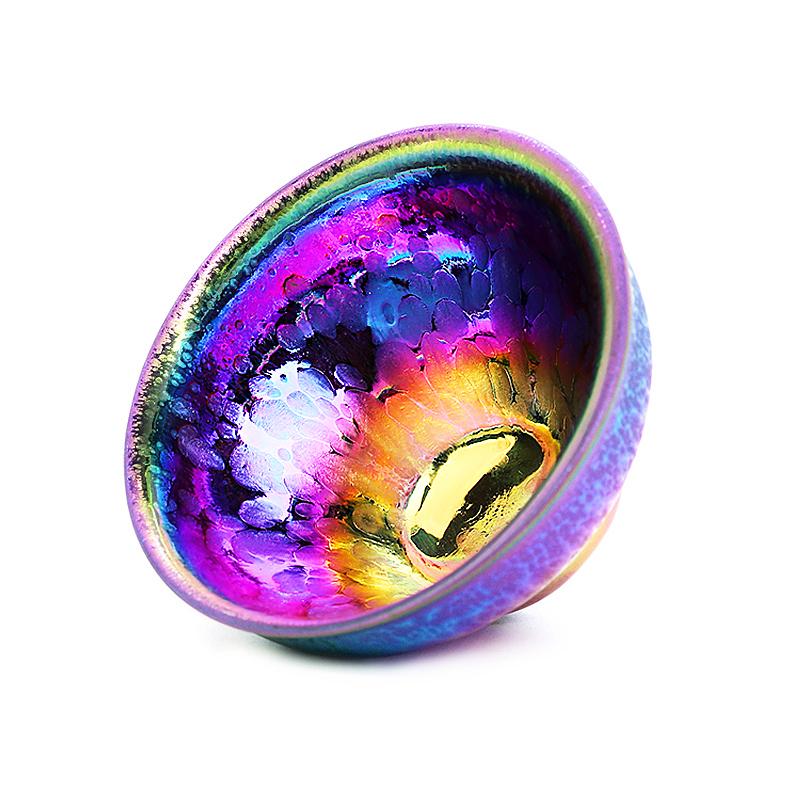
Discover our collection of oil spot tenmoku cups when you want to compare glaze character across handmade pieces. For a closer look at forms designed around the Jian ware tradition, Explore our handmade Jianzhan tea cups.
How Can You Bring This Tea-Bowl Heritage Into a Modern American Home?
You do not need a formal tea room or years of study to enjoy a tenmoku tea bowl. Start with one tea you already like. Brew a small amount, pour slowly, and take a moment to see how the liquor looks against the glaze. That is enough to begin.
For a modern kitchen, the bowl can live on an open shelf, beside a favorite teapot, or in a cabinet with your everyday cups. For a more intentional setup, pair it with a small tea tray, a simple cloth, and a tea that rewards multiple infusions. The goal is not to imitate someone else’s ritual perfectly. It is to build a ritual you will actually use.
The heritage behind jianzhan is meaningful because it connects material, fire, tea, and human attention. In a world where many objects are designed to be replaced quickly, a handmade tea bowl offers another idea: use something slowly enough to learn its details.
Frequently Asked Questions
What is a tenmoku tea bowl?
A tenmoku tea bowl is a tea vessel associated with dark-glazed ceramics and tea traditions connected to Jian ware. The term is often used in English-language tea culture for bowls with deep, iron-rich, visually expressive glazes.
What is the Fujian tea bowl tradition?
The Fujian tea bowl tradition refers to ceramic heritage associated with Fujian, including the Jianyang area and Jian ware. It is known for dark glazes and a close historical connection to tea drinking and tea presentation.
How does Song Dynasty tea culture relate to tenmoku bowls?
Song Dynasty tea culture helped elevate close attention to tea preparation and presentation. Dark bowls were valued for the way they could visually frame lighter tea, an effect that still appeals to tea drinkers today.
What does a tenmoku artisan control during making?
A tenmoku artisan controls choices such as form, clay preparation, glaze application, and firing approach. The kiln also introduces natural variation, so the finished glaze cannot be treated like a perfectly repeatable printed pattern.
Is a Japanese tea bowl the same as a Jianzhan?
Not always. Japanese tea bowls and Jianzhan can be related through tea culture and aesthetic influence, but they may have different origins, makers, and ceramic traditions. Check each product description for clear origin information.
Is an oil spot tenmoku cup practical for everyday tea?
It can be, provided its size and shape suit your routine. Many people enjoy an oil spot tenmoku cup for regular tasting because the glaze is expressive while the bowl remains functional for small pours.
What makes a tenmoku tea bowl a thoughtful gift for tea lovers?
It combines usefulness with a story. The recipient can use it for tea, display it between sessions, and gradually notice the individual glaze details created through handmade work and firing.
Conclusion: Choose the Bowl That Invites You Back to Tea
A tenmoku tea bowl carries a long craft story into a very modern moment: the few quiet minutes you make for tea. Whether you are learning gongfu tea, enjoying oolong tea after dinner, or selecting a gift for tea lovers, choose a bowl with a shape, glaze, and origin story you genuinely want to live with.
The best handmade bowl is not simply the one with the most dramatic photo. It is the one that feels right in your hand and gives your everyday tea ritual a reason to slow down.
Explore Our Collection
Ready to experience the world of tenmoku tea bowl? Browse our curated collection:
Disclaimer: This article is for informational purposes. Products and pricing subject to change.


Share:
Tenmoku Tea Bowl Authenticity: Buy With Confidence and Spot Real Jian Zhan
Tenmoku Tea Bowl Value: Why Handmade Cups Are Worth Considering