

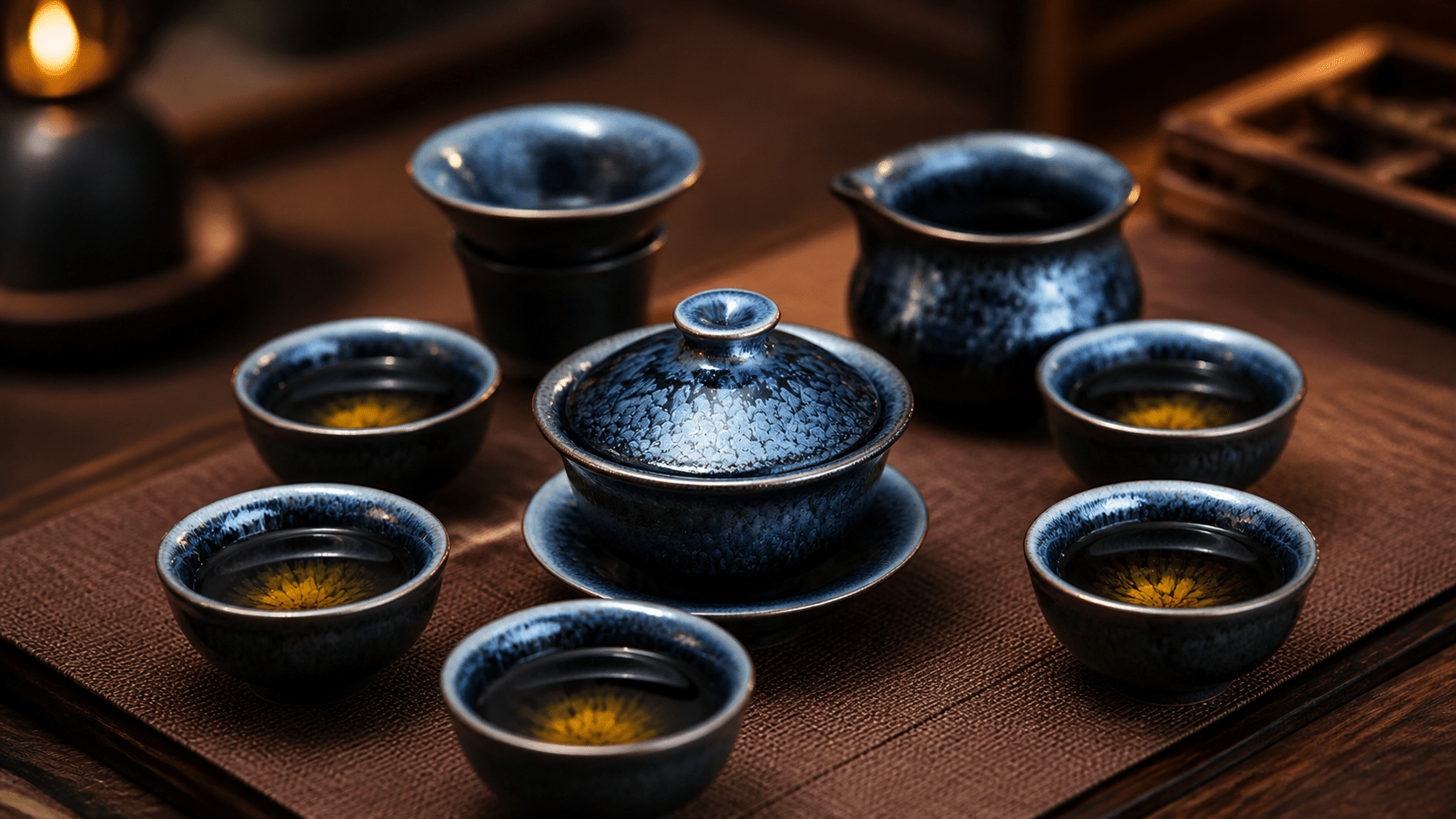

Tenmoku Tea Bowl Value: Why Handmade Cups Are Worth Considering
A tenmoku tea bowl can cost more because it is not simply a dark-colored cup: a handmade Jianzhan bowl is shaped, glazed, fired, and judged one at a time. For gongfu tea at home, it can turn a small daily pour into a more deliberate ritual, much like using a well-made chef’s knife changes the feel of cooking.
You may also see it described as a Jianzhan, a Jianzhan Tenmoku ceramic tea bowl, or a Japanese tea bowl in the Tenmoku tradition. The right choice depends less on chasing the flashiest pattern and more on understanding what you are actually paying for: craftsmanship, firing uncertainty, glaze character, fit in the hand, and honest provenance.
Key Takeaways
- A tenmoku tea bowl price reflects handwork, kiln risk, glaze complexity, and the maker’s experience—not just decoration.
- Patterns such as hare’s fur, oil spot, and partridge feather develop through firing conditions, so no two handmade bowls are exactly alike.
- Higher price does not automatically mean better value; comfort, construction, transparency, and how often you will use the bowl matter more.
- For beginners, a well-finished handmade bowl with clear product details is often the best value Jianzhan.
- Be cautious with listings that use historical or material claims without showing the actual bowl, its dimensions, or its maker information.
Why Is a Tenmoku Tea Bowl Expensive Compared With an Ordinary Cup?
The short answer to why tenmoku is expensive is that handmade ceramic value is built before the final bowl ever reaches a shelf. A factory mug is designed for repeatability. A handmade tenmoku tea bowl is shaped around variables: clay behavior, drying time, glaze application, kiln placement, temperature, atmosphere, and cooling.
That process is closer to buying a small-batch leather good than buying a mass-market accessory. Two items may look similar in a product photo, but the handmade version includes skilled labor and outcomes that cannot be copied on command.
The labor behind the quiet surface
Making a bowl usually involves preparing clay, forming the vessel, trimming the foot, drying it carefully, firing it, applying glaze, and firing again. Each stage affects the result. A bowl that dries unevenly can crack. A glaze that runs too far can affect the foot. A firing that misses its target can leave the surface dull, uneven, or structurally unsuitable for sale.
In other words, the maker is not purchasing a finished pattern. The maker is creating conditions in which a pattern may emerge. That distinction matters when comparing a handmade bowl with a printed or chemically imitated finish.
Kiln uncertainty is part of the cost
With high-fire glaze work, a maker cannot fully inspect the final surface until the kiln has cooled. Some bowls may be technically sound but visually less compelling; others may be lost to cracking, warping, or glaze defects. The successful pieces help cover the time and material invested across the full firing cycle.
This does not mean every expensive bowl is automatically exceptional. It means that a realistic jian zhan cost includes work and risk that are mostly invisible to the buyer.
What Makes Hare’s Fur, Oil Spot, and Partridge Feather Glazes Valuable?
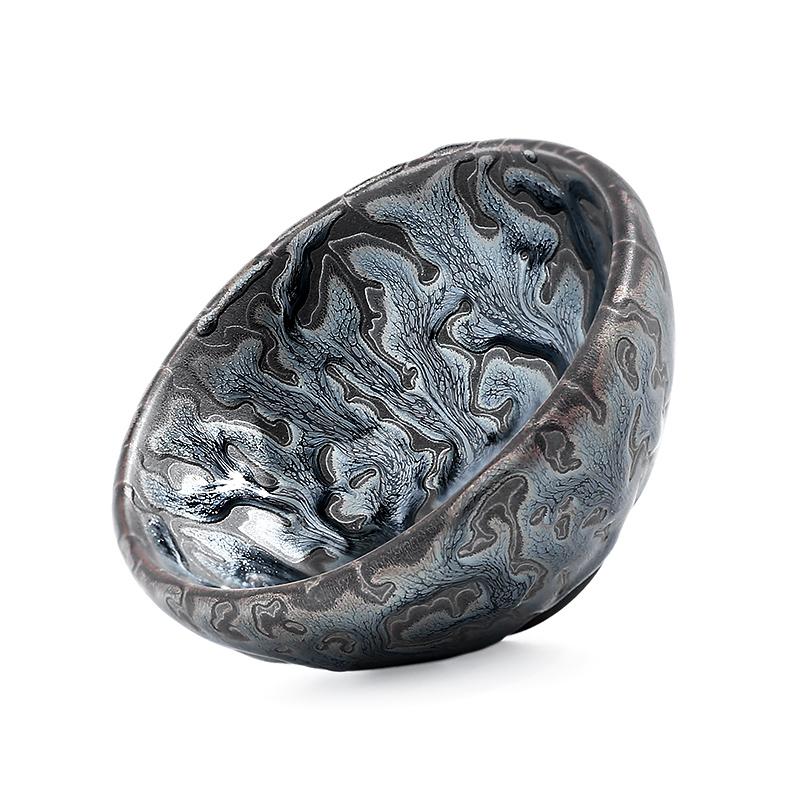
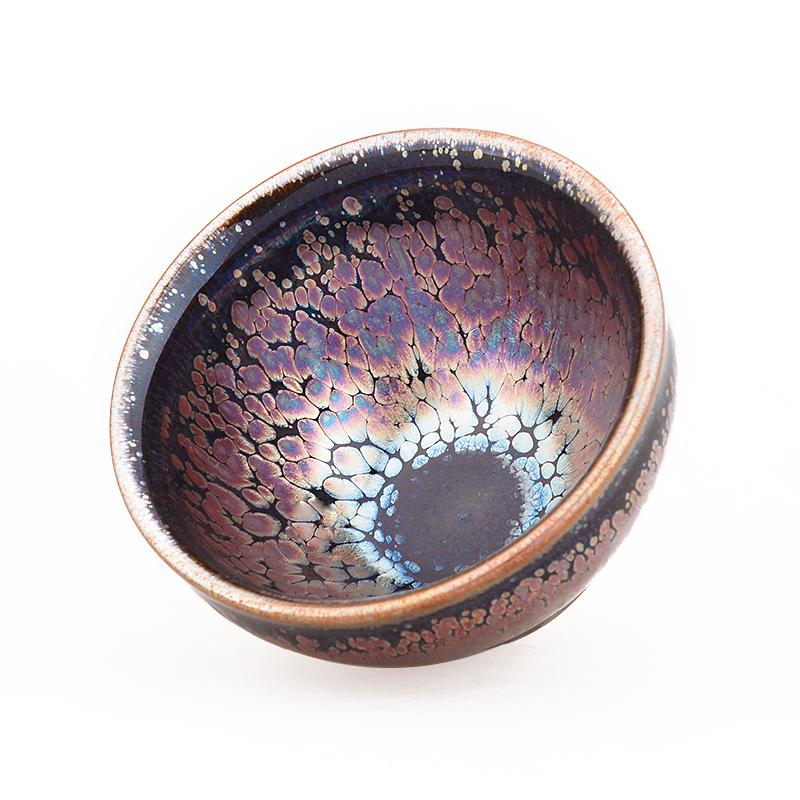
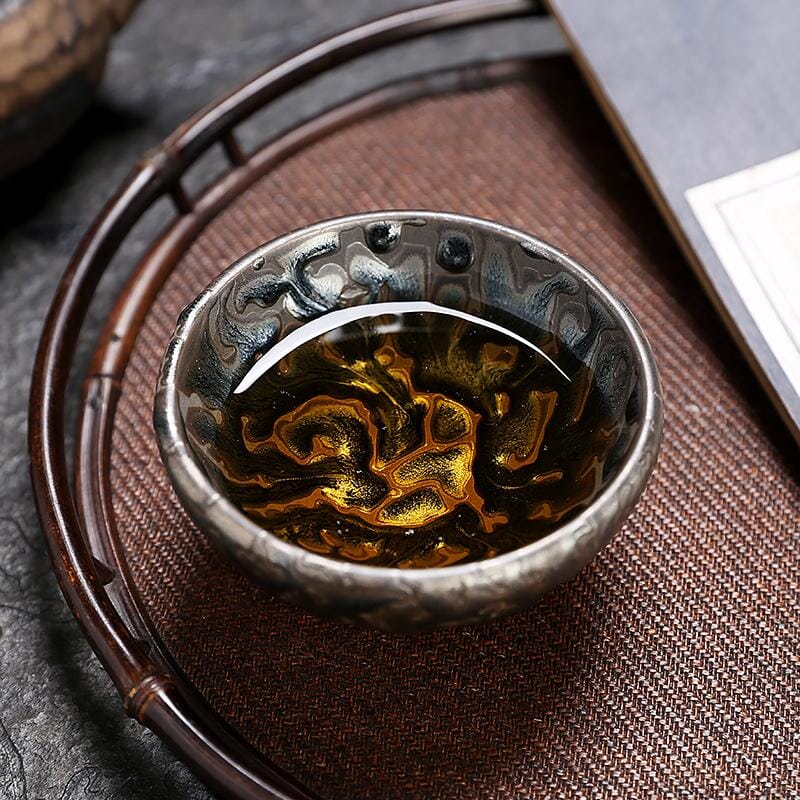
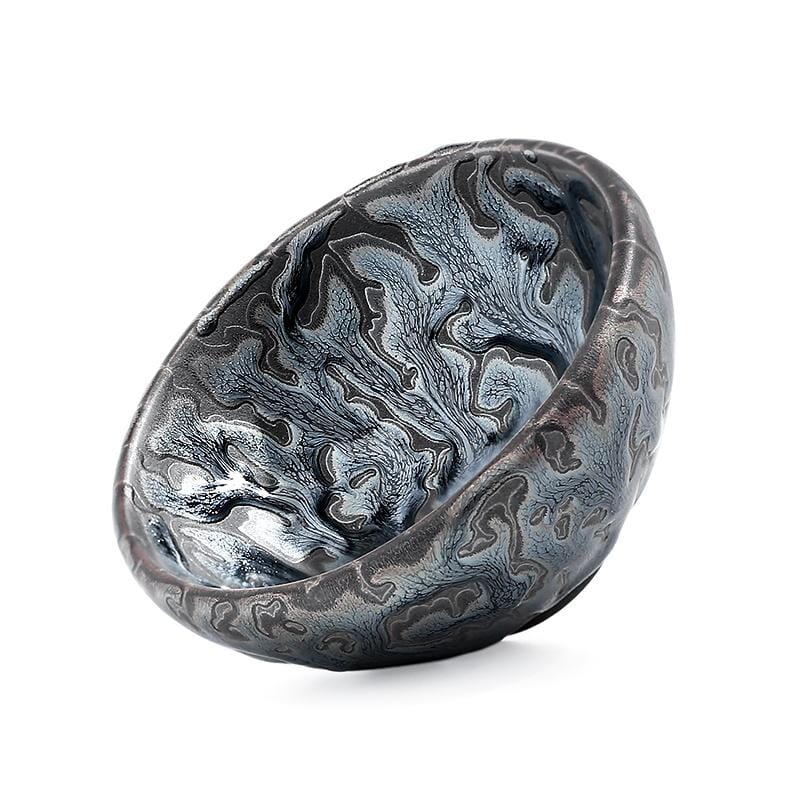
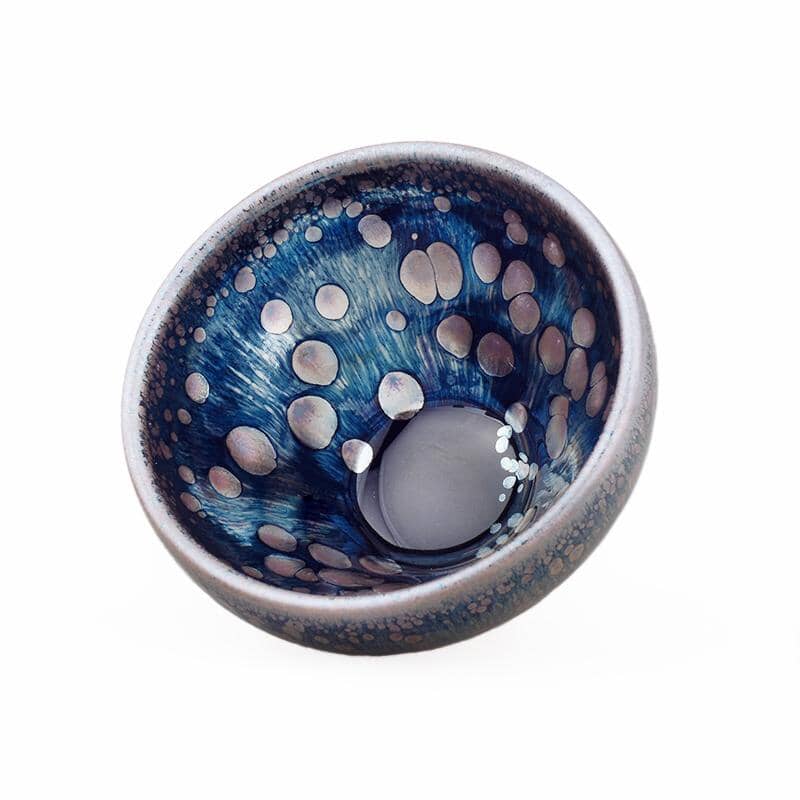
The visual appeal of a tenmoku tea bowl comes from a dark ground that can reveal streaks, spots, or feather-like movement under changing light. These effects are associated with the Song Dynasty tradition of Jian ware, a form of black-glazed ceramic historically connected with whisked tea culture in China.
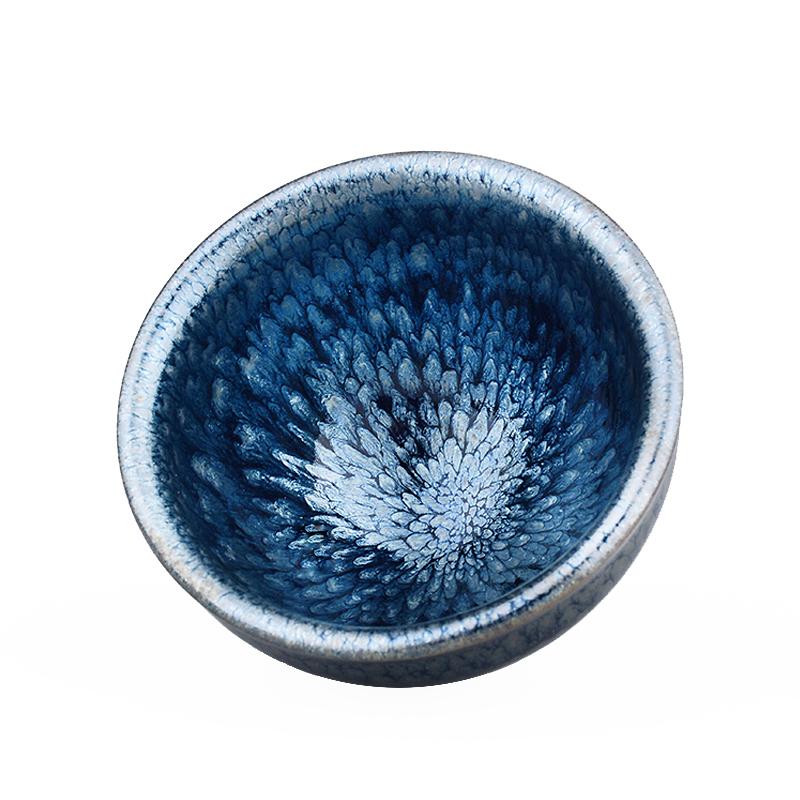
Names such as hare’s fur, oil spot, and partridge feather are descriptive visual terms. They help collectors discuss a look, but they should not be treated as a universal grading system. A dramatic pattern may be desirable, while a subtler bowl may offer better balance, more comfortable handling, and greater long-term enjoyment.
| Glaze description | What it commonly looks like | What to evaluate beyond appearance |
|---|---|---|
| Hare’s fur | Fine, directional streaks flowing across a dark glaze | Continuity of the lines, depth, finish, and whether the bowl feels balanced |
| Oil spot | Round or clustered reflective spots that shift in light | Clarity, distribution, surface quality, and whether the effect is naturally integrated |
| Partridge feather | Layered or speckled markings with a feather-like impression | Overall composition, color restraint, and the actual bowl rather than a heavily edited photo |
Think of the glaze like natural stone rather than a wallpaper pattern. Its value often comes from depth and variation. If every mark is too perfectly repeated, that can be a sign you are looking at a different production method—not necessarily a bad product, but not the same handmade proposition.
Lighting can also change perception. A bowl that looks nearly black in a dim room may show blue, bronze, silver, or warm brown notes near a window. Request images or video in normal light if that detail is important to you.
How Does Song Dynasty History Affect Tenmoku Tea Bowl Price Today?
The Song Dynasty connection gives tenmoku bowls cultural context, but it should not be used as a shortcut for judging modern quality. Historical Jian ware became admired for its dark glaze and its contrast with light-colored whisked tea. Over time, the aesthetic traveled to Japan, where the term “Tenmoku” became closely associated with tea utensils and Japanese tea ceremony culture.
That history explains why shoppers may encounter overlapping terms: Jianzhan, Tenmoku, Japanese tea bowl, and Japanese Tenmoku. They are related through ceramic and tea history, but they do not always identify the same place of manufacture or the same type of object.
For a US buyer, the practical question is simple: what exactly is this bowl, who made it, and what claims can the seller support? A modern handmade bowl inspired by Song Dynasty glaze traditions can be meaningful without being presented as an antique or as an exact historical replica.
Be especially careful with vague words such as “museum grade,” “rare imperial,” or “ancient technique” when a listing offers no specifics. A fair seller should be able to describe the bowl’s current condition, dimensions, construction, finish, and whether it is handmade, studio-made, or factory-produced.
What Is a Fair Tenmoku Tea Bowl Price for a First Handmade Bowl?
There is no single fair tenmoku tea bowl price because pricing changes with the maker, firing method, glaze result, scale of production, and seller support. Instead of treating price as a ranking, use it as a prompt to investigate what is included.
For a first handmade bowl, look for a piece that is comfortable to hold, stable on the table, clearly photographed, and described without inflated claims. The goal is not to buy the most expensive bowl. The goal is to buy one you will reach for often.
A practical value checklist
- Actual-piece photography: You should be able to see the exact bowl being sold, including the interior, rim, foot, and side profile.
- Clear dimensions: Diameter, height, and approximate capacity help you judge whether it works for gongfu tea or whisked tea.
- Finish and usability: Check for a smooth drinking rim, a stable foot, and appropriate care guidance.
- Honest origin language: “Japanese” may describe style, location, or tea context. Ask if the listing is unclear.
- Return and support policies: Handmade variation is normal, but you should know how the seller handles shipping damage or material discrepancies.
The best value jian zhan is often a bowl with a restrained but lively glaze, solid craftsmanship, and complete details—not necessarily the bowl with the loudest iridescence. If you are buying a gift for tea lovers, reliable presentation and an easy-to-understand story may matter as much as a rare-looking surface.
How Can You Compare an Authentic Jianzhan Tea Cup With Japanese Tenmoku for Sale?
When comparing an authentic jian zhan tea cup with Japanese Tenmoku for sale, separate origin, style, and quality. “Authentic” should mean the product is accurately represented, not that it is automatically antique, collectible, or superior to every other tea bowl.
A Jianzhan may refer to a bowl made within the Jian ware tradition. A Japanese tea bowl may be made in Japan, made for Japanese tea practice, or styled after Japanese ceramics. A listing for japanese tenmoku for sale should state which meaning applies rather than relying on a broad label.
There is no need to force a winner. A bowl made for matcha may have a wider, more open form, while a smaller bowl can feel especially natural for gongfu tea. Your daily ritual should guide the choice.
| If you prioritize | Look for | Question to ask |
|---|---|---|
| Gongfu tea sessions | A smaller, heat-friendly shape with a comfortable rim | How much does it hold, and does the form suit small repeated pours? |
| Matcha or tea ceremony use | A bowl shape designed for whisking and holding comfortably | Is this intended for matcha preparation or serving? |
| Gift value | Thoughtful packaging, clear care guidance, and a distinct handmade story | Will the recipient understand what makes this piece special? |
| Collecting glaze character | Detailed images of the exact piece in varied light | Are the photos edited, and is this the exact bowl I will receive? |
Where Should You Look for a Tenmoku Tea Bowl for Sale?
Start with sellers who show the actual piece and explain it plainly. A strong product page does not need exaggerated mythology. It should help you understand shape, size, glaze character, care, and what makes the bowl distinct.
Explore our handmade Jianzhan tea cups to compare pieces by glaze, form, and everyday tea use. If you already know you want a dark-glazed bowl with a clear handmade focus, you can also Shop authentic Tenmoku tea bowls.
Before purchasing, avoid assuming that a bowl’s appearance proves its origin or age. Ask direct questions. Responsible sellers should welcome them, especially when you are considering a premium handmade object.
Frequently Asked Questions
Why is tenmoku expensive if it is just a tea bowl?
Tenmoku can cost more because handmade production includes skilled forming, glazing, high-temperature firing, kiln risk, and curation of successful pieces. You are paying for a functional ceramic object and for the work required to create its individual surface.
What is a normal tenmoku tea bowl price?
A normal tenmoku tea bowl price varies widely by maker, production method, glaze outcome, size, and seller transparency. Compare the exact piece, product details, and quality of finishing rather than relying on a single price benchmark.
What factors determine Jianzhan cost?
Jianzhan cost is influenced by labor, clay and glaze materials, firing time, kiln losses, glaze complexity, maker reputation, and whether the listing shows the actual bowl. Historical claims should only add value when they are specific and supportable.
How do I find the best value Jianzhan?
The best value Jianzhan is one that combines sound construction, a comfortable form, accurate photos, clear dimensions, and a glaze you genuinely enjoy. A modestly priced handmade bowl you use every week can offer more value than a showpiece that stays in a cabinet.
Is an authentic Jianzhan tea cup the same as a Japanese tea bowl?
Not always. Jianzhan refers to a Chinese black-glaze tradition, while Japanese tea bowl can describe a bowl made in Japan or used within Japanese tea practice. Tenmoku links these traditions historically, but the listing should clearly state the bowl’s actual origin and style.
Are oil spot and hare’s fur patterns always more valuable?
No. These patterns can be visually compelling, but value also depends on craftsmanship, balance, finish, condition, and personal preference. A quieter glaze can be a better choice for daily tea drinking.
Choose Value You Can Feel Every Day
A tenmoku tea bowl is expensive when the price honestly reflects a handmade process, a successful firing, and a piece you will enjoy using—not when the description relies on vague luxury language. For beginners and seasoned tea drinkers alike, the best purchase is a bowl with clear information, a form that fits your ritual, and a glaze that still catches your eye after the novelty fades.
If you are selecting a gift for tea lovers or building your own gongfu tea setup, choose the piece that feels purposeful in the hand and credible on the page. That is a more useful definition of value than price alone.
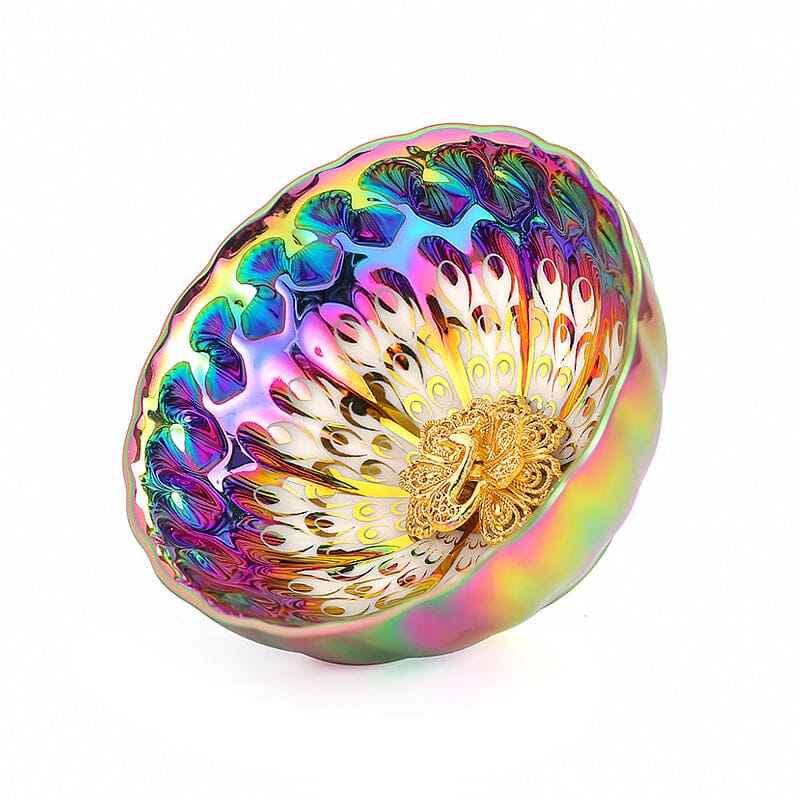
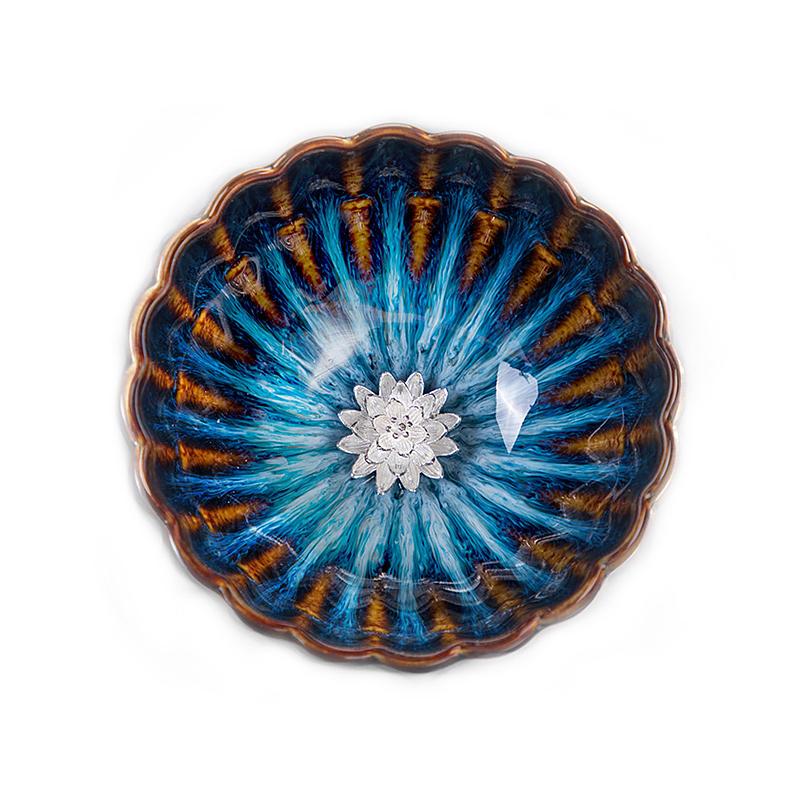
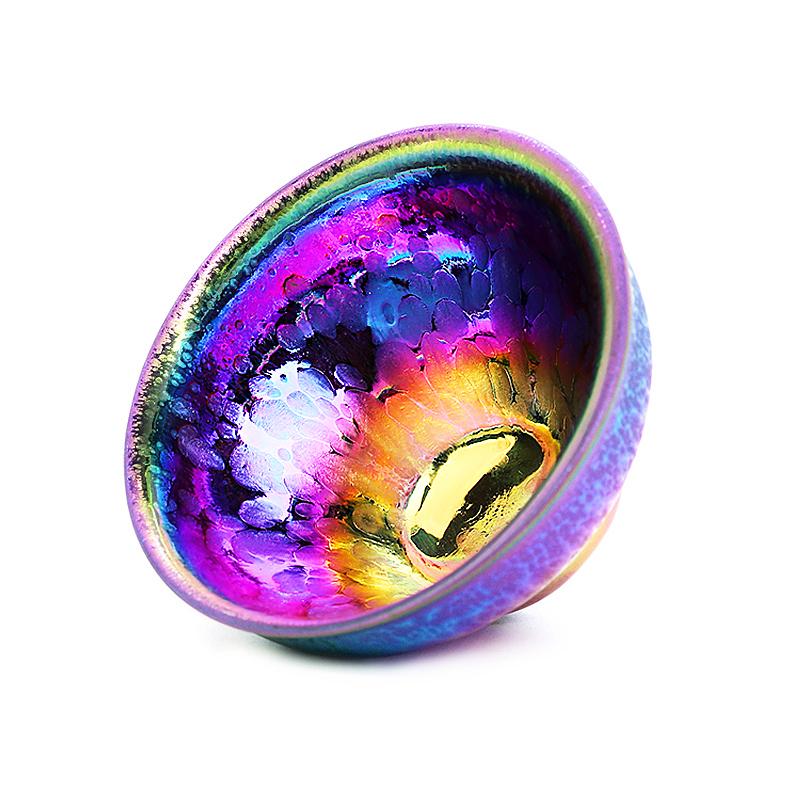
Explore Our Collection
Ready to experience the world of tenmoku tea bowl? Browse our curated collection:
Disclaimer: This article is for informational purposes. Products and pricing subject to change.


Share:
Tenmoku Tea Bowl: The Handmade Story Behind a More Meaningful Tea Ritual
Tenmoku Tea Bowl: Elevate Your Daily Tea Ritual at Home