


Japanese Master Potter's Quest to Perfect Tenmoku Tea Bowls
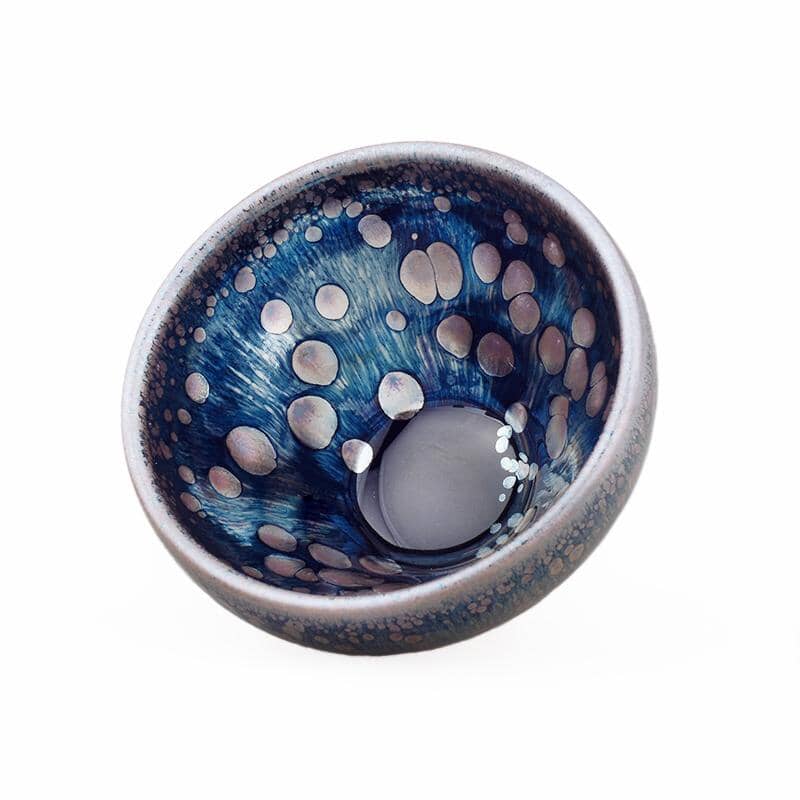
Tenmoku tea bowls aren't just cups — they're wearable galaxies forged in a 2,400°F inferno. This is the story of Kenta Yamamoto, a Japanese master potter who spent 20 years reviving a 900-year-old lost art. His bowls, shimmering with oil-spot and iridescent patterns, now sit in collector cabinets from Tokyo to New York. If you’ve ever wondered why a single teacup can cost as much as a used car, the answer lies in his journey.
Key Takeaways
- A tenmoku tea bowl is a hand-thrown ceramic vessel glazed with iron-rich ash, fired at extreme temperatures to create unique, unrepeatable patterns.
- Japanese tenmoku represents a living cultural heritage directly inspired by Chinese Song dynasty Jian ware, preserved and evolved over centuries.
- Kenta Yamamoto’s story illustrates how an artisan can fail thousands of times before achieving a single perfect piece — making each bowl a testament to resilience.
- Owning a real tenmoku means you’re holding a one-of-a-kind work of functional art, not a mass-produced commodity.
- You’ll learn how to choose, use, and care for these bowls so they last a lifetime (and potentially become heirlooms).
What Is a Tenmoku Tea Bowl?
Think of a tenmoku tea bowl as the ceramic equivalent of a fingerprint — no two are ever alike. The name “tenmoku” (derived from the Chinese Tianmu mountain region) refers to a style of conical, footed tea bowl with a deep black or dark brown glaze shot through with metallic crystals. In Japan, these bowls are treasured chawan used in the tea ceremony, embodying wabi-sabi — the beauty of imperfection.
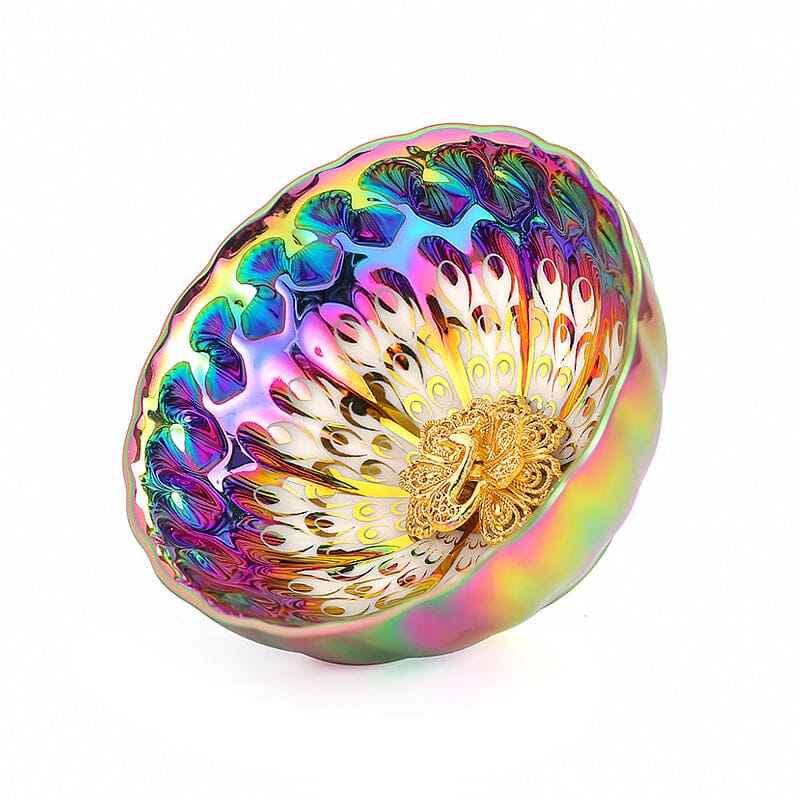
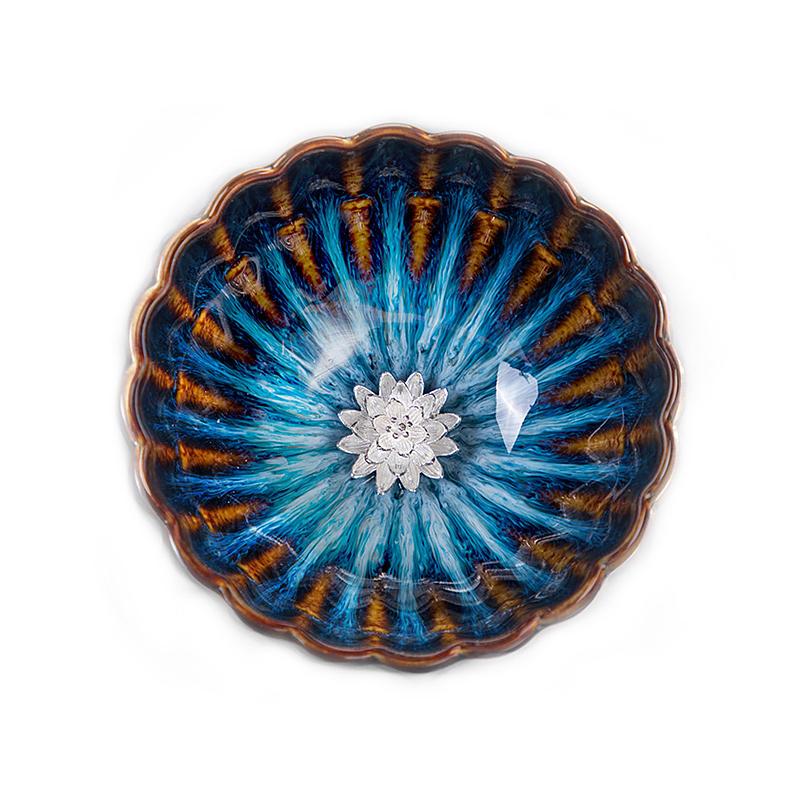
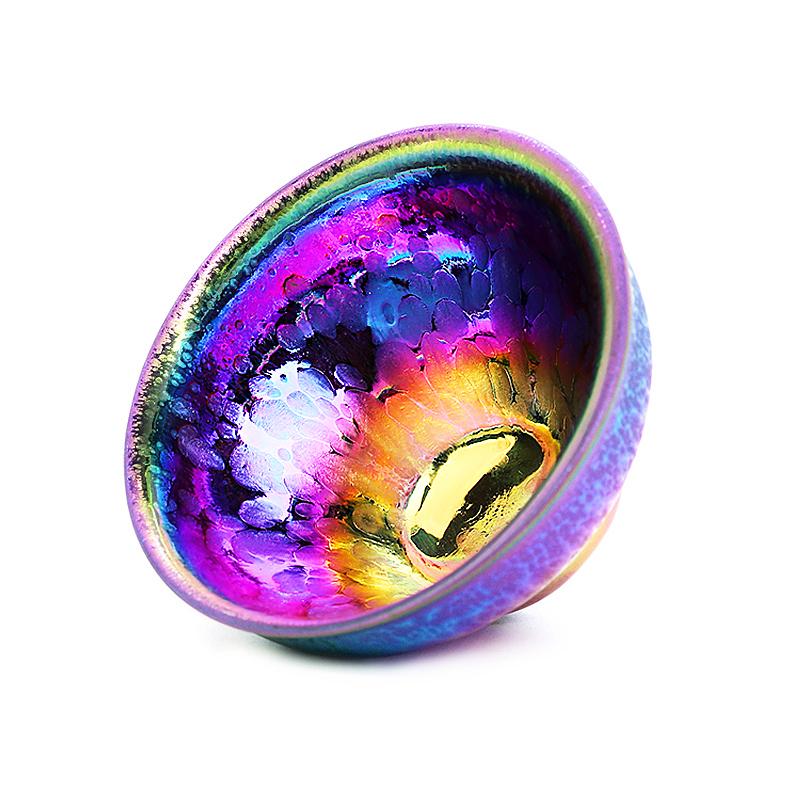
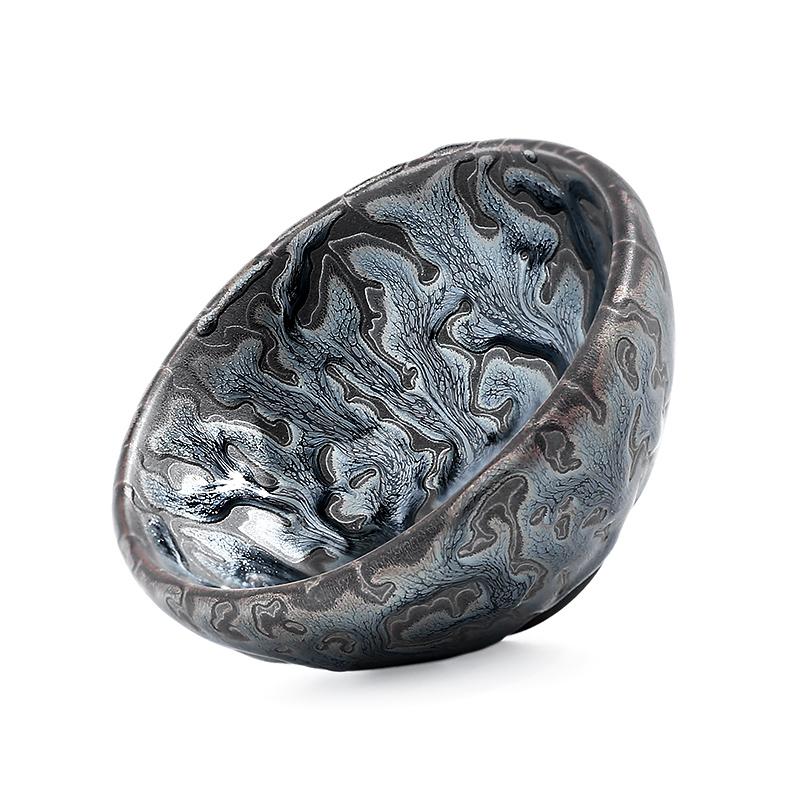
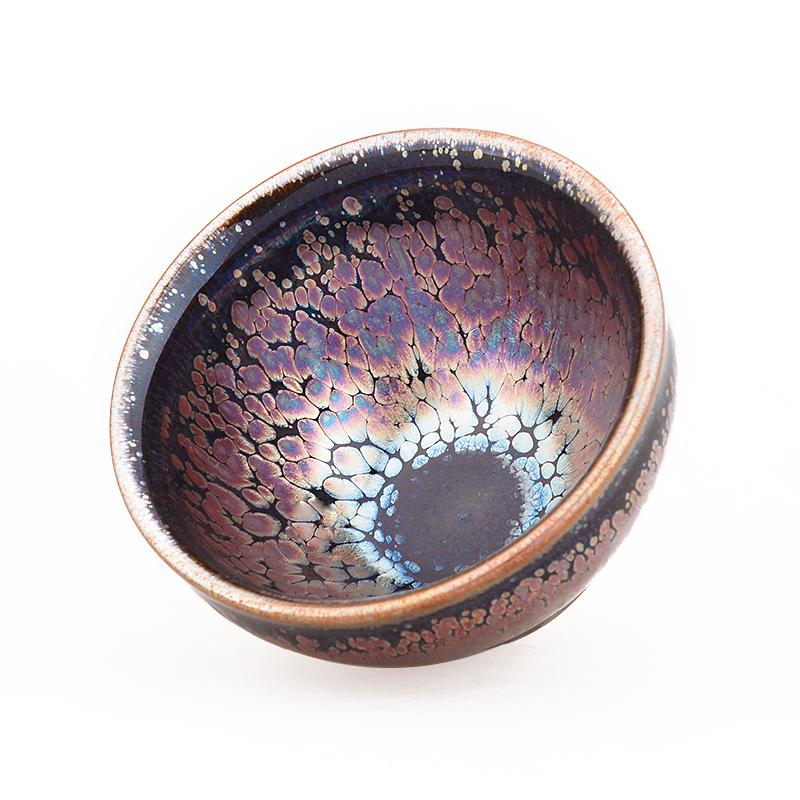
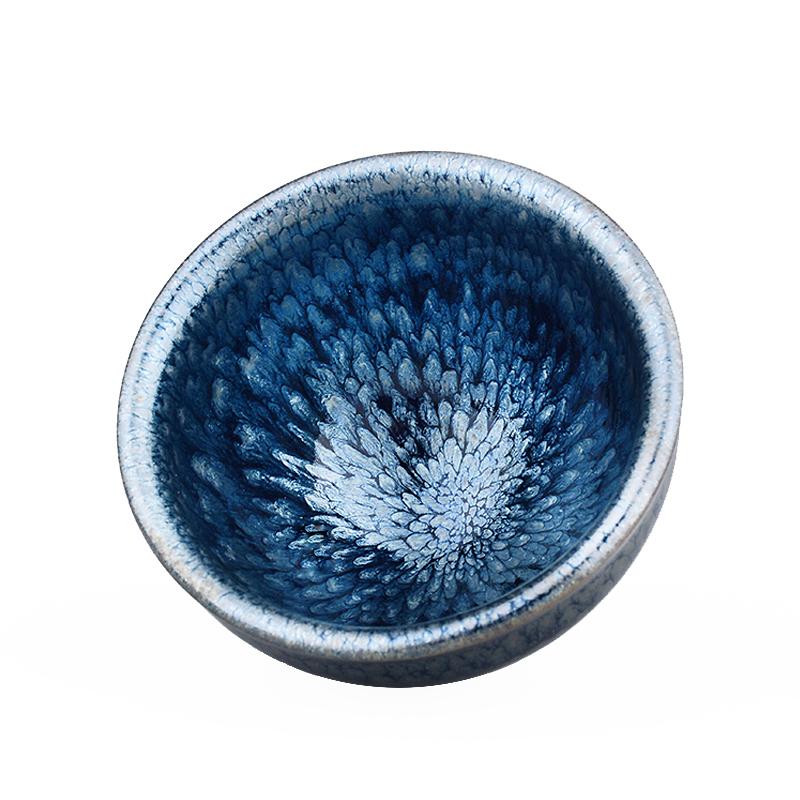
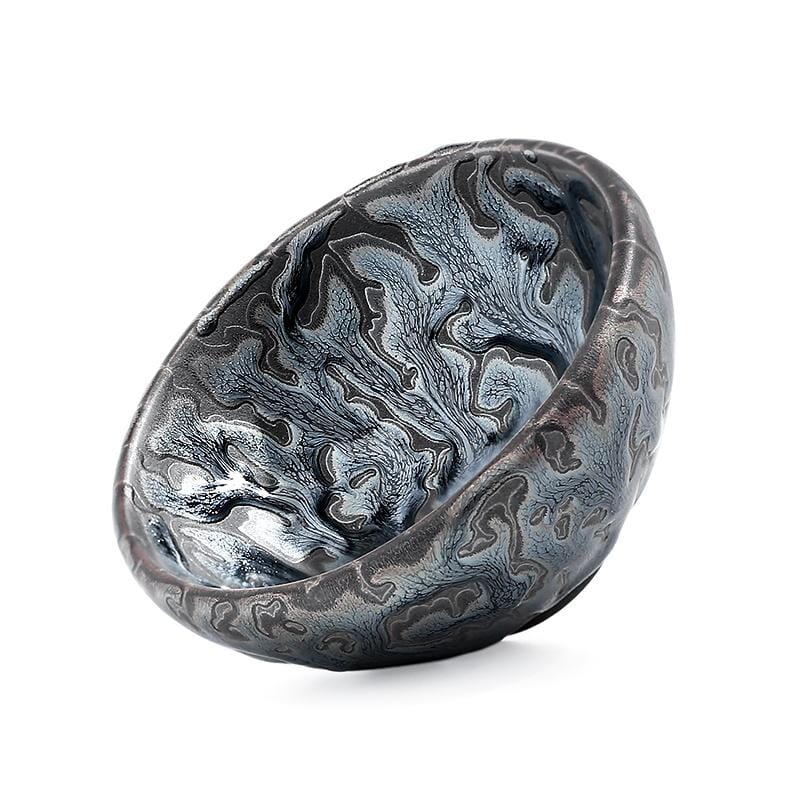
The magic happens inside the kiln. Iron-saturated glazes melt and cool in ways that create “hare’s fur,” “oil spot,” or even iridescent “yohen” (kiln-change) effects. The result? A bowl that looks like a night sky captured in ceramic.
The Artisan’s Origin Story: Kenta Yamamoto’s 20-Year Obsession
At 22, Kenta Yamamoto saw a Song dynasty oil-spot tenmoku bowl in the Osaka Museum of Oriental Ceramics. It stopped him cold. “It felt like staring into the universe,” he later told our team. The bowl was a national treasure, and its exact techniques had been lost for centuries. No modern potter could replicate it perfectly.
That day, Yamamoto quit his office job and moved to a rural pottery town in Gifu Prefecture, Japan. For the next two years, he apprenticed under a master potter, learning the basics of clay bodies and wheelwork. Then, for 18 more years, he worked alone — testing over 3,000 glaze recipes.
He documented every failure. A glaze too thick; it ran off the bowl in the kiln. Too thin; no crystals formed. A slight breeze during firing ruined an entire load. Once, an electrical blackout mid-fire turned a month’s work into a kiln full of cracked shards. “I threw them into the river. Then I cried for an hour, ate a bowl of rice, and went back to the wheel.”
The breakthrough came in year 19. A tiny adjustment to the cooling curve — holding the temperature at exactly 1,100°F for 90 minutes — produced a bowl with perfect, floating “oil spots” across the surface. It wasn’t a replica of the Song treasure; it was something new, a fusion of ancient Chinese inspiration and Japanese sensibility. Today, his waiting list stretches over a year, and each piece carries his stamp: a tiny mountain shape chiseled into the footring.
Why Tenmoku Matters in Japanese Culture
In Japan, tenmoku bowls aren’t just antiques. They’re living traditions. Samurai warlords once gifted them to seal alliances. Tea masters like Sen no Rikyū used them to teach humility — a rough, imperfect bowl forced guests to focus on the moment, not the object. Today, a tenmoku chawan is still the most prestigious vessel in a tea ceremony, signaling deep respect for a guest.
Yamamoto’s work matters because it bridges that history with the 21st century. He sources clay from the same Seto region his ancestors did, but uses digital pyrometers to control firing with precision the Song potters never dreamed of. The result is a piece of Japan you can hold in your hands — steeped in history, yet unapologetically modern.
The Secret of Yohen: Kiln Transformations That Defy Prediction
“Yohen” literally means “killed by the kiln.” It’s a potter’s phrase for the unpredictable transformations that take place inside the inferno. Yamamoto says it with a grin: “I am only a caretaker. The fire decides what beauty emerges.”
Here’s how it works: Tenmoku glazes are loaded with iron oxide. As the kiln climbs past 2,300°F, the iron begins to decompose and bubble. Oxygen reduction (starving the kiln of air) causes the iron to re-form into magnetite crystals. The size, shape, and arrangement of those crystals — whether they look like delicate hare’s fur strands or round, silvery oil spots — depend on a dozen variables: humidity outside the kiln, the exact clay mineral content, even the position of the bowl relative to the firebox.
For the buyer, this means every bowl is a gamble that succeeded. You’re not paying for a design; you’re paying for the moment when chaos aligned into perfection.
Key Benefits of Owning a Tenmoku Tea Bowl
- A true one-of-a-kind: No other bowl on Earth shares your exact pattern. It’s the antithesis of factory-made identical sets.
- Enhanced tea experience: The iron-rich glaze subtly softens water, reducing bitterness and making tea taste rounder (a phenomenon many connoisseurs swear by).
- Art that works: Unlike a painting that hangs on a wall, this piece earns its keep. Use it daily for matcha, sencha, or even a double espresso.
- Conversation catalyst: Place it on a table, and guests can’t help but ask about it. You become the guide to a 10-century saga.
- Durable heirloom potential: High-fired stoneware is practically indestructible. Handed down properly, it might end up in your great-grandchild’s tea room.
Who Should Buy This?
- The mindful tea drinker: If you value ritual and want your morning matcha to feel like a ceremony, not a caffeine hit.
- The art collector: You already own prints or paintings; now you crave functional art with provenance.
- The premium gift giver: For a wedding, retirement, or milestone birthday, a tenmoku bowl conveys depth that a generic luxury item never will.
- The interior stylist: Looking for a centerpiece that anchors a minimalist shelf, wabi-sabi corner, or zen-inspired desk? This is it.
- The beginner curious about Japanese culture: You don’t need to know tea ceremony rules to appreciate a stunning bowl. Start here, learn as you sip.
Buying Guide: How to Choose a Tenmoku Tea Bowl You’ll Treasure
When you browse, keep these four features in mind:
- Glaze pattern integrity: Look for clear, well-defined crystals. Muddy or muddy patches indicate under- or over-firing.
- Footring signature: An authentic Japanese tenmoku will have a hand-carved foot (kōdai) often bearing the potter’s stamp or incised mark. It should feel gritty and organic, never machine-smooth.
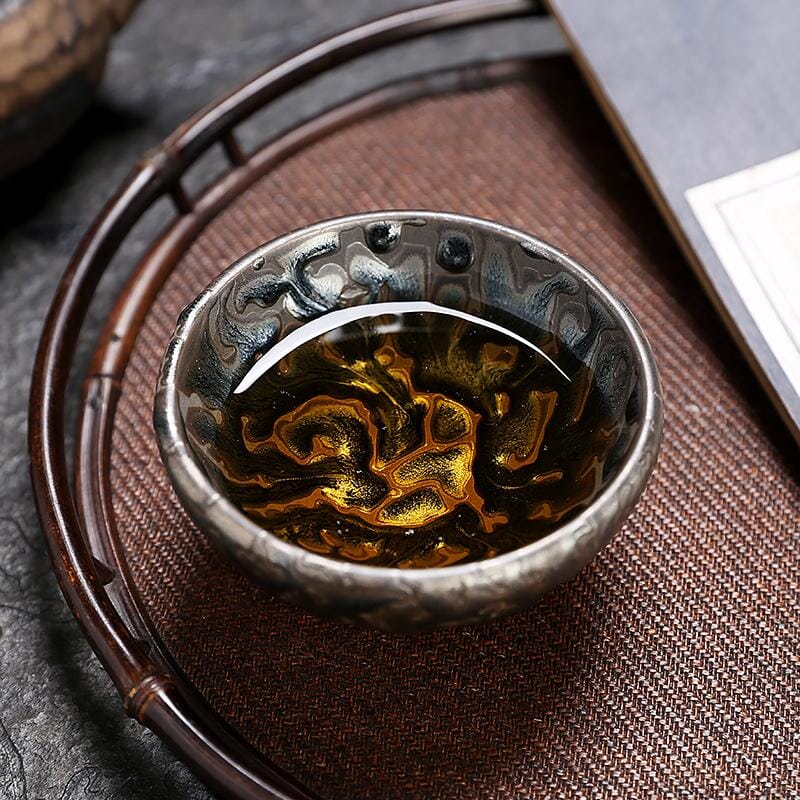
- Interior depth: The bowl’s inside should catch light, revealing layers of pattern. Tilt it; a great tenmoku seems to move.
- Kiln provenance: Ask the seller which kiln produced it, what type of firing (reduction or oxidation), and even the date of firing. A potter like Yamamoto attaches a small document for each piece — a birth certificate of fire.
Comparison Table: Handcrafted vs. Mass-Produced Tea Bowls
| Feature | Handcrafted Tenmoku (Yamamoto) | Factory-Made Ceramic Bowl |
|---|---|---|
| Unique pattern | 100% one-of-a-kind; fire-born randomness | Identical decals or sprayed glazes |
| Price | $250–$2,000+ (depending on complexity) | $15–$60 |
| Material | Locally dug iron-rich clay | White or buff commercial stoneware |
| Artisan connection | Stamped, numbered, and often accompanied by a story | No traceable maker |
| Longevity | Heirloom-grade; improves with use | Chips easily; glaze may wear off |
| Temperature resilience | Retains heat well, ideal for tea | Often loses heat quickly |
Real-Life Scenarios & Care Tips
Scenario 1: The Daily Drinker
You use your tenmoku for green tea every morning. Over months, the bowl’s interior develops a subtle, glossy patina — a sign it’s becoming seasoned. Rinse with warm water only (no soap) and dry with a pure linen cloth. Never put it in the dishwasher.
Scenario 2: The Showpiece Owner
You display your bowl on a custom wooden stand. To preserve the pristine appearance, dust with a soft brush. If friends want to hold it, let them — just guide their hands to the foot, never the rim. A tenmoku begs to be touched.
Scenario 3: The Accidental Stain
Green tea left overnight created a dark ring. Don’t scrub. Fill the bowl with hot water and let it soak for 15 minutes. Gently rub the spot with a damp microfiber cloth. The stain will lift without scratching the crystal surface.
Care Do’s and Don’ts:
- ✅ Hand wash only. Let it air dry completely.
- ✅ Use a bamboo whisk inside? Absolutely — tenmoku bowls love matcha.
- ❌ No microwave. The metal-like crystals can arc.
- ❌ Avoid thermal shock: don’t pour boiling water into a cold bowl; warm it gradually with tap-hot water first.
Frequently Asked Questions
Conclusion: Your Next Cup Could Be a Conversation with History
Kenta Yamamoto’s story isn’t just about clay and fire. It’s about a human being who refused to accept that a 900-year-old secret was lost forever. When you hold one of his tenmoku tea bowls, you’re touching stubbornness turned into beauty. Whether you’re a curious beginner or a seasoned collector, the right bowl changes how you drink tea — and maybe how you see the world.
Ready to find your own piece of kiln-born wonder? Explore our curated collection of artisan tenmoku tea bowls, each with a documented story from the fire.
Explore Our Collection
Ready to experience the world of tenmoku tea bowl? Browse our curated collection:
Disclaimer: This article is for informational purposes. Products and pricing subject to change.


Share:
Real vs Fake Tenmoku Tea Bowl: How to Spot Authentic Japanese Craftsmanship
How to Spot Real Japanese Tenmoku Tea Bowls: An Practical Guide to Authenticity