

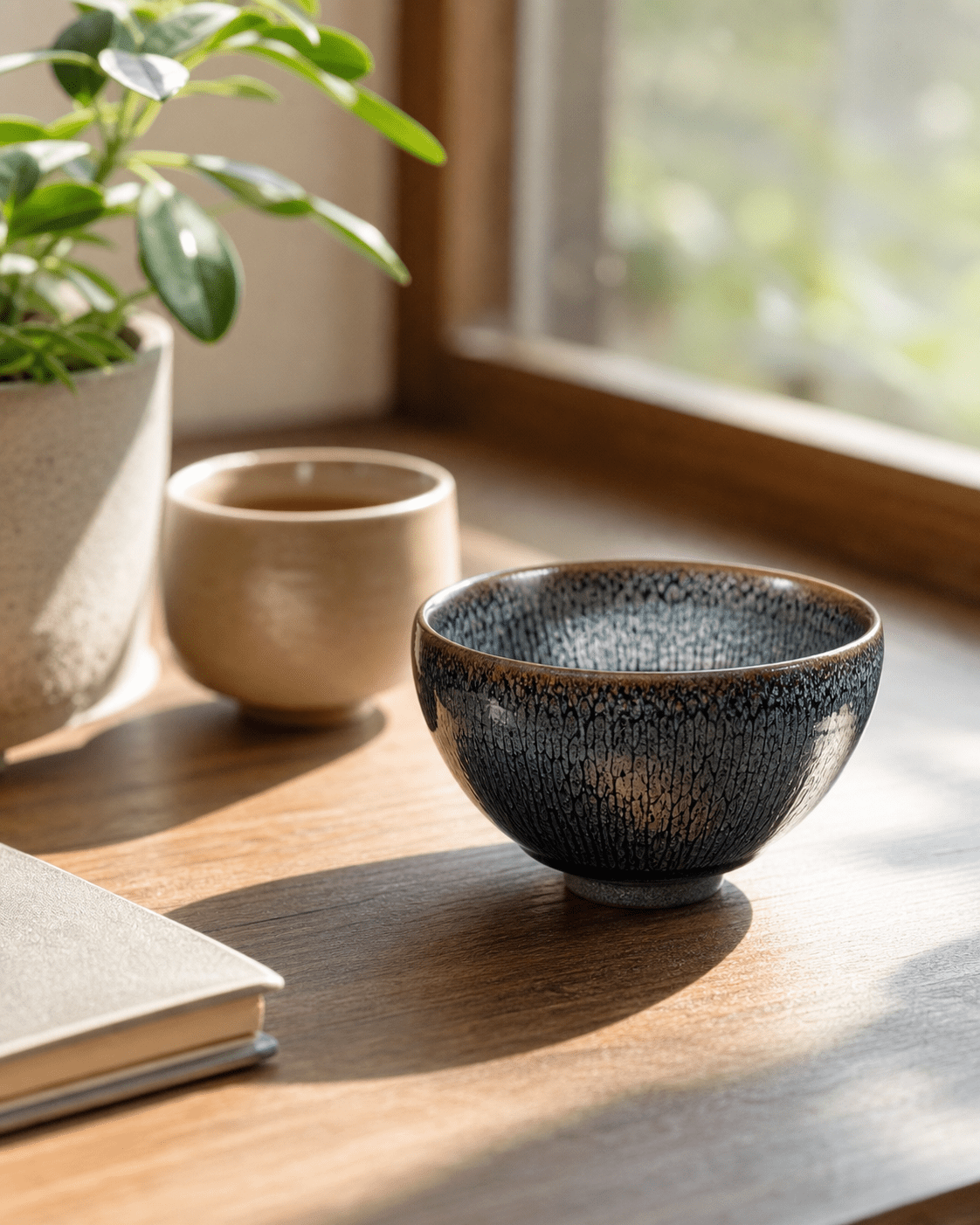
Direct answer: A tenmoku tea bowl is an artisanal Japanese teacup that turns your everyday tea into a mindful luxury ritual, offering flavor enhancement and visual serenity comparable to a high-end meditation app. It’s the weighted blanket for your tea time—an accessible, at-home luxury that lowers stress and elevates a simple cup into a daily ceremony.
- Mindful luxury: Transforms 10 minutes of tea into a grounding, sensory experience.
- Artisan glaze: Iron‑rich patterns (oil spot, hare’s fur) make every bowl one‑of‑a‑kind.
- Flavor booster: Softens water, rounds out bitterness, highlights tea’s natural sweetness.
- Wellness tool: As impactful as journaling or a $200 weighted blanket, but daily on your counter.
- Heirloom gift: Ideal for matcha lovers, stressed professionals, and collectors.
What Is a Tenmoku Tea Bowl?
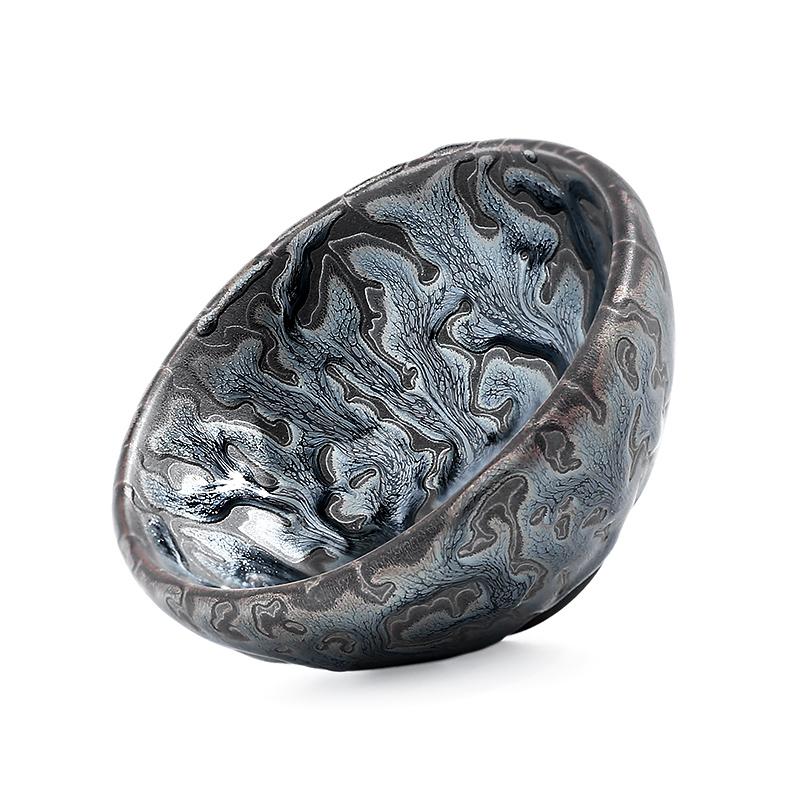
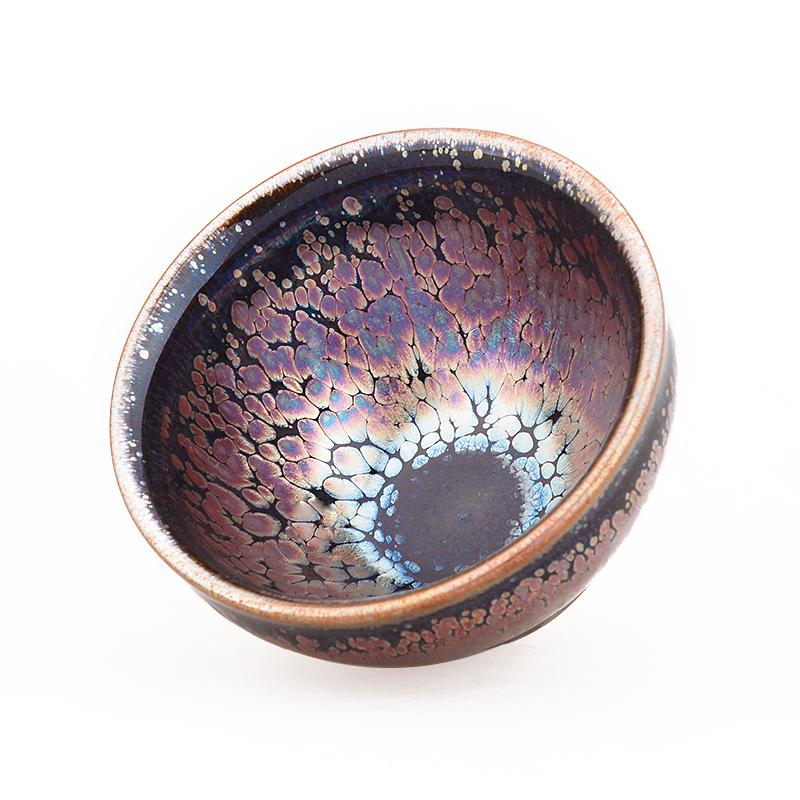
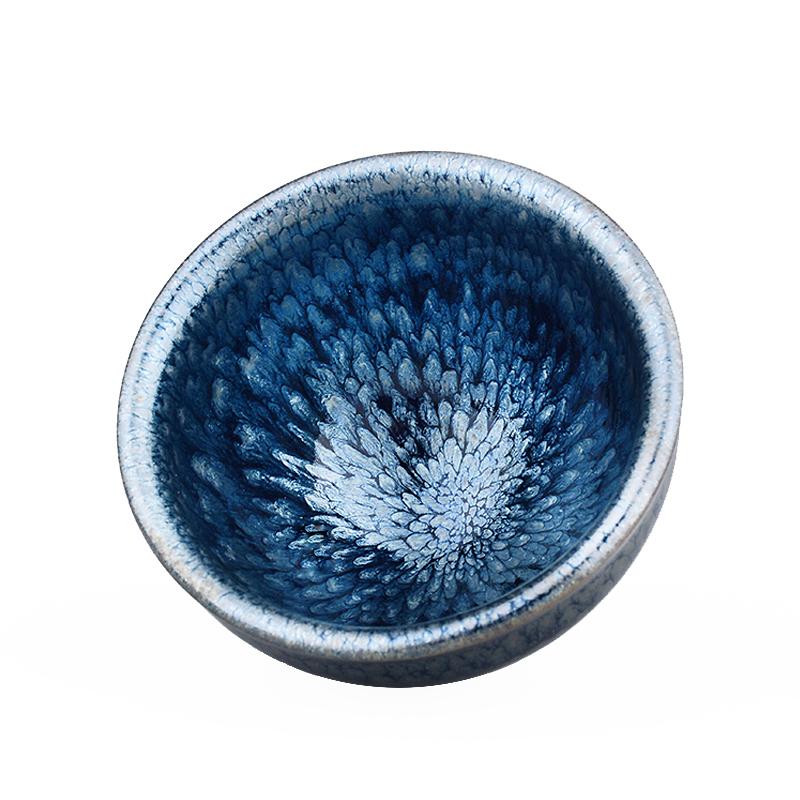
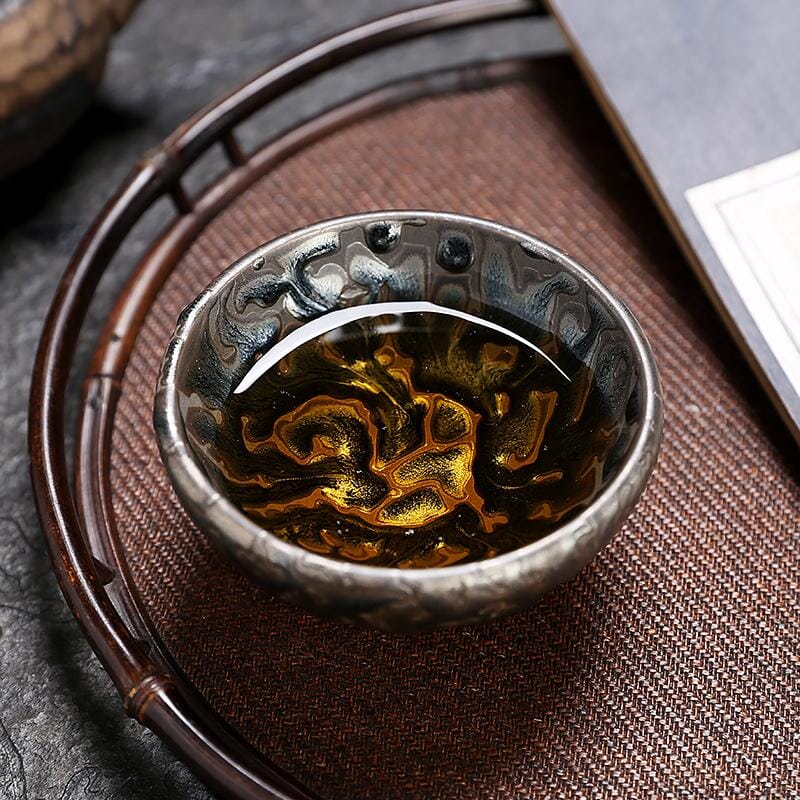
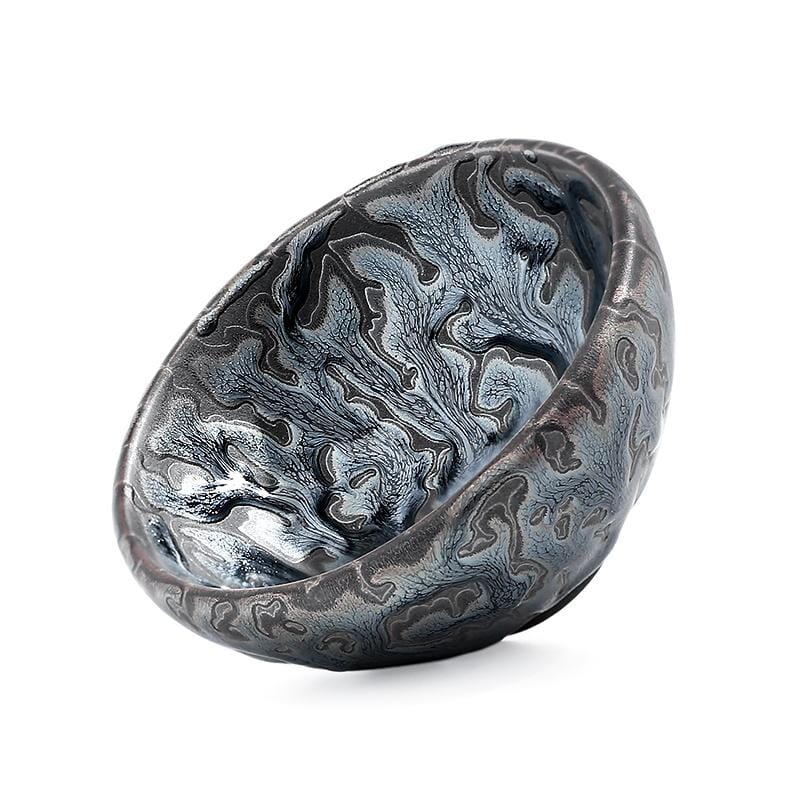
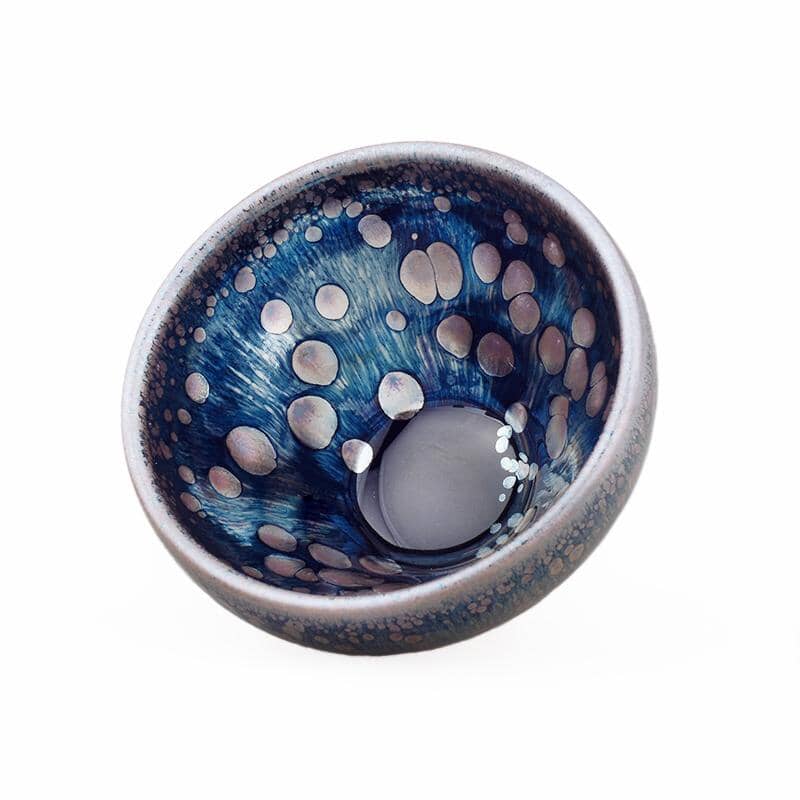
A tenmoku tea bowl (also called tenmoku teacup) is a stoneware vessel coated in a thick, iron‑saturated glaze that creates mesmerizing crystalline effects during a high‑temperature kiln firing. The name comes from the Japanese reading of Tianmu Mountain in China, where Japanese Buddhist monks first encountered these dark‑glazed bowls in the 12th century. Think of it as the wine glass of the tea world—designed not just to hold liquid, but to unlock aroma, flavor, and visual pleasure. Unlike a mass‑produced mug, every tenmoku bowl is a small landscape of molten glaze, with patterns named yuteki (oil spot), nogime (hare’s fur), or shifting iridescent crystals.
Why It Matters for Your Wellness
Americans spend billions on wellness—weighted blankets, gratitude journals, cold‑plunge tubs. A tenmoku bowl fits right into that lexicon. It’s not a fast gadget; it’s a slow cue. When you hold its warm, textured shape, your brain registers: this is not a rush. The Japanese tea ceremony (chanoyu) uses tenmoku bowls to anchor the moment, and you can steal that principle at home. Instead of gulping coffee from a travel mug while scrolling, you sit, admire the glaze, sip, and breathe. That mini‑ritual lowers cortisol, sharpens focus, and brings a slice of spa‑like stillness to a chaotic day. It’s a luxury you don’t need to leave the house for.
Key Benefits of a Tenmoku Tea Bowl
- Enhanced taste: The iron‑rich interior subtly softens water, reducing astringency in green teas and matcha. Flavors feel rounder, silkier—like an instant water upgrade without a filter.
- Thermal comfort: Thick stoneware walls retain heat yet stay cool enough to hold. No burnt fingers, and tea stays warm longer than in a thin porcelain cup.
- Daily art therapy: Glaze patterns change with light and angle. Watching oil spots shimmer or hare’s fur streaks shift can be as calming as watching a candle flame.
- Conversation starter: A tenmoku bowl on your desk or dinner table signals a thoughtful, elevated aesthetic—like owning a piece of a Japanese museum.
- Lasting value: Authentic kiln‑fired bowls appreciate over time, especially if made by a master potter. It’s a usable collectible.
Who Should Buy This?
A tenmoku tea bowl isn’t for everyone, but it’s perfect if you see yourself in any of these groups:
- The mindful minimalist: You already own a meditation cushion and a journal. This bowl adds a tangible anchor to your morning routine.
- The luxury gift seeker: Looking for something beyond a cashmere scarf or a bottle of whiskey? A tenmoku bowl says “I value your peace.”
- The stressed professional: You need a hard stop between meetings. A 5‑minute matcha ritual with this bowl resets your nervous system.
- The home‑wellness curator: Your home has a yoga corner, essential oils, and linen sheets. This is the ultimate hot‑drink upgrade.
- The matcha or oolong devotee: You know good tea deserves a better vessel. The bowl mutes bitterness and turns your whisked matcha into velvet.
Buying Guide: How to Choose Your Tenmoku Bowl
Not all tenmoku bowls are created equal. Follow this checklist to buy with confidence:
- Glaze type: Decide what pattern moves you.
- Yuteki (oil spot): Silvery bubbles against deep black. Most classic, often linked to Japanese tea ceremony.
- Nogime (hare’s fur): Fine brown or black streaks. Subtle and organic.
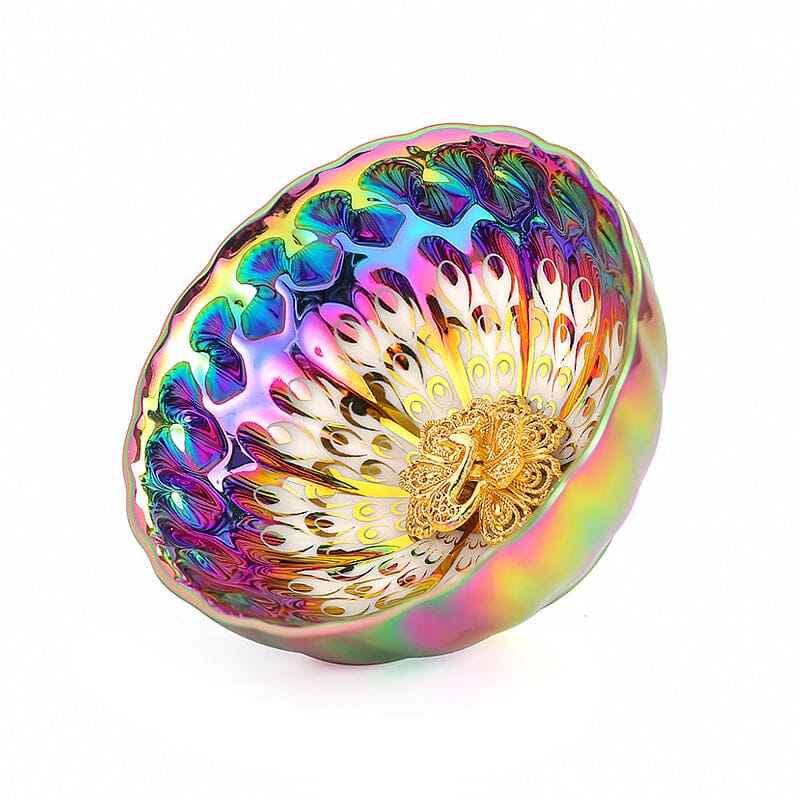
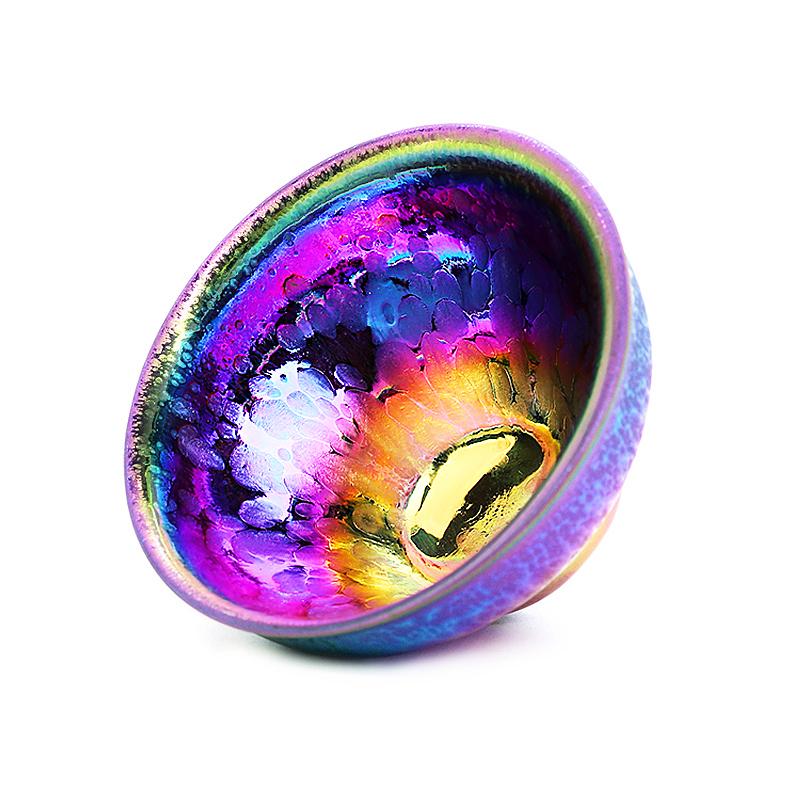
- Yohen (kiln change): Iridescent multicolor flashes. High‑end, highly prized.
- Firing & authenticity: Look for wood‑fired or gas‑kiln terms. Genuine tenmoku is high‑fired (1,300 °C+) and made from iron‑rich clay. Avoid cold‑painted imitations.
- Size & shape: A classic tengu‑zara shape (wide mouth, tapered foot) works for matcha. For everyday steeped tea, a slightly taller bowl (70–90 mm high) holds about 200 ml.
- Price range:
- $40–$100: Good modern studio bowls, gas‑fired, nice patterns.
- $100–$300: Artisan pieces with notable kiln effects and a potter’s mark.
- $300+: Museum‑quality wood‑fired bowls, often signed by masters, with strong iridescence and flawless form.
- Touch test: If possible, hold it. It should feel balanced, with a smooth but slightly textured interior—never rough to the lip.
Comparison Table: Tenmoku vs. Everyday Teaware
| Feature | Standard Coffee Mug | High‑End Porcelain Cup | Tenmoku Tea Bowl |
|---|---|---|---|
| Material | Earthenware/stoneware | Fine bone china | Iron‑rich stoneware |
| Heat Retention | Medium | Low | High (thick walls) |
| Flavor Influence | Neutral, can retain odors | Clean, brightens notes | Softens, rounds, reduces astringency |
| Visual Experience | Single color, mass printed | Elegant but uniform | Every bowl unique; dynamic glaze depths |
| Price Range | $5–$25 | $30–$120 | $40–$500+ |
| Wellness Factor | None | Mild (aesthetic only) | High: tactile, grounding, ritual‑cueing |
Real‑Life Scenarios
Monday Morning Reset: Your alarm went off, inbox is already flooding. Instead of grabbing a chipped mug and phone, you heat water, whisk matcha in your tenmoku bowl, and sit by the window. For 10 minutes, you watch steam curl around the oil‑spot pattern. By the time the bowl is empty, your shoulders have dropped two inches.
Evening Wind‑Down: After dinner, you’re scrolling for nothing. Swap the phone for a bowl of houjicha or chamomile. The bowl’s warmth in your palms signals your body it’s time to slow. It becomes a nightly luxury as reliable as your weighted blanket.
Hosting a Micro Tea Ceremony: Friends come over. You serve matcha in individual tenmoku bowls. They’re mesmerized by the unique glaze each bowl carries. Conversation turns from work complaints to the beauty of the moment. It’s hospitality as an art form.
Care Tips for Your Tenmoku Bowl
- Season it first: Before first use, soak the bowl in warm water for 20 minutes, then let it air dry. This opens the clay’s pores and prevents tea absorption into raw spots.
- Wash by hand only: Use warm water and a soft sponge. No soap—glaze can capture scent. Rinse and dry with a microfiber cloth.
- Avoid thermal shock: Never pour boiling water into a cold bowl; warm it gradually to prevent cracking.
- Store upside down: On a soft mat or cloth to let the foot ring breathe. Don’t stack heavy items on top.
- Embrace patina: Over months, tea pigments may slightly darken the interior—that’s a sign of use and character, like a leather bag aging beautifully.
Frequently Asked Questions
What’s the difference between a tenmoku bowl and a regular ceramic cup?
A tenmoku bowl uses an iron‑heavy glaze fired at extremely high temperatures, creating one‑of‑a‑kind crystal patterns. Regular ceramic cups are glazed for uniformity and lack the flavor‑softening properties or ritual mindfulness that a tenmoku bowl provides.
How does a tenmoku bowl improve the taste of tea?
The iron in the glaze acts as a mild ion exchanger, softening water and rounding out harsh edges. Many drinkers notice that matcha, oolong, and even black tea taste sweeter and less astringent, with a silkier mouthfeel.
Is a tenmoku bowl microwave‑ and dishwasher‑safe?
No, never microwave or put a tenmoku bowl in the dishwasher. The iron‑rich body can cause sparking in microwaves, and harsh detergents will dull the glaze and may introduce residual soap flavors. Hand wash only with warm water.
How do I season a new tenmoku tea bowl?
Submerge the bowl in tepid water for 20–30 minutes, then let it air dry completely. This gently opens the clay body and prevents tea liquids from absorbing into any micro‑crevices, preparing it for a clean first brew.
Are tenmoku bowls a good gift?
Absolutely. They marry art, function, and mindfulness—making them a standout luxury gift for anyone into tea, wellness, or Japanese culture. Because each bowl is unique, it feels deeply personal, far beyond a generic present.
Conclusion
A tenmoku tea bowl is the quiet luxury you didn’t know your morning needed. It’s not about pretension—it’s about pausing. In a world that pushes quick, this Japanese heirloom invites slow. Whether you’re a seasoned matcha drinker or someone craving a tangible wellness upgrade, a single bowl can anchor your day with art, flavor, and calm. Explore our hand‑selected collection and find the bowl that speaks to your ritual.
Explore Our Collection
Ready to experience the world of tenmoku tea bowl? Browse our curated collection:
Disclaimer: This article is for informational purposes. Products and pricing subject to change.


Share:
Tenmoku’s Second Life: A Japanese Artisan’s Kiln-Fired Legacy
Handmade Tenmoku Tea Bowl: Japanese Artisan Journey & Song Legacy