

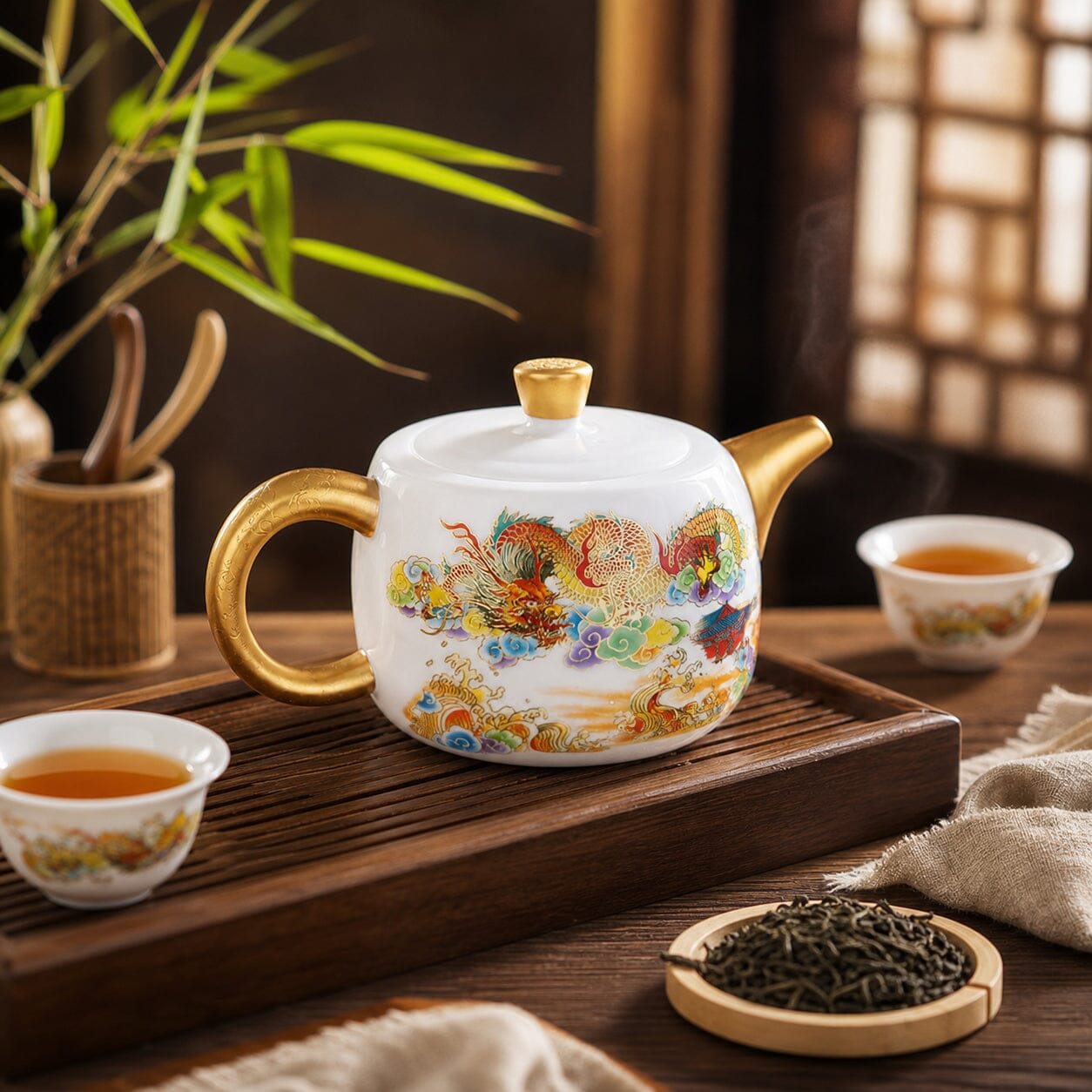
When I first held a genuine tenmoku tea bowl, I felt history pulsing through my fingertips. The glaze—deep, oil-spotted black with flashes of silver—seemed alive. That moment in a small Japanese temple storeroom changed my life. I am Dr. Elena Chen, a ceramic archaeologist and artisan, and I have spent two decades chasing the secret behind these handmade ceramics. In this brand story, I will take you inside the kiln, back to the Song dynasty, and into the heart of an ancient tradition that still thrives today.
What Is a Tenmoku Tea Bowl, and Why Does It Captivate Tea Lovers?
At its simplest, a tenmoku tea bowl is a stoneware cup covered in a dark, iron-rich glaze that crystallizes into stunning patterns during firing. But it is so much more. Originating in China’s Fujian province during the Song dynasty (960–1279), these bowls were prized by monks for their ability to hold the frothy green matcha of tea ceremonies. The name “tenmoku” comes from the Japanese pronunciation of Tianmu Mountain, where monks brought these bowls back to Japan. Today, they are revered as Japanese tea bowl treasures, yet their roots are deeply Chinese.
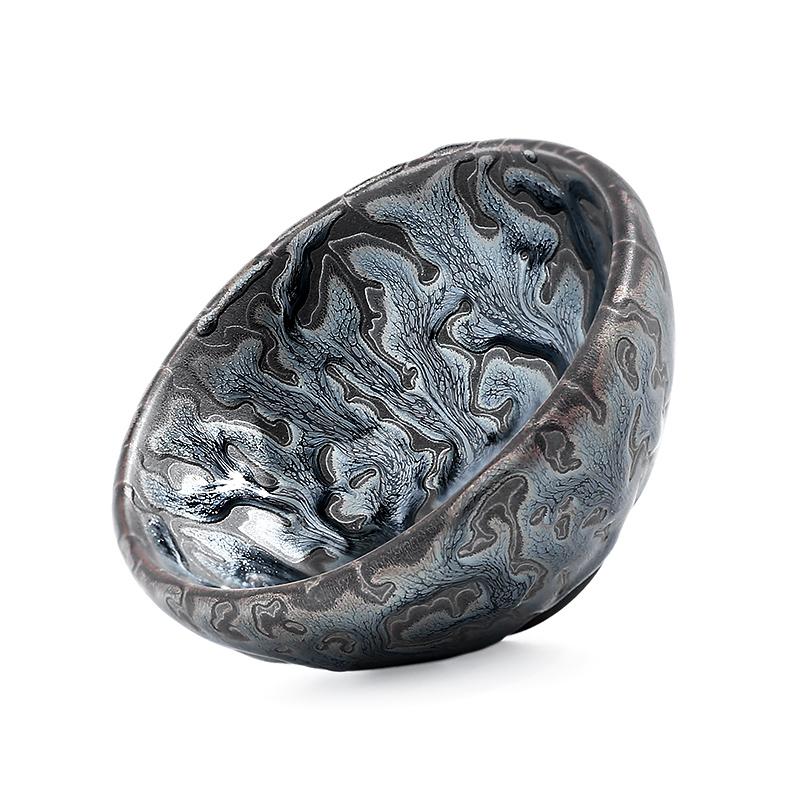
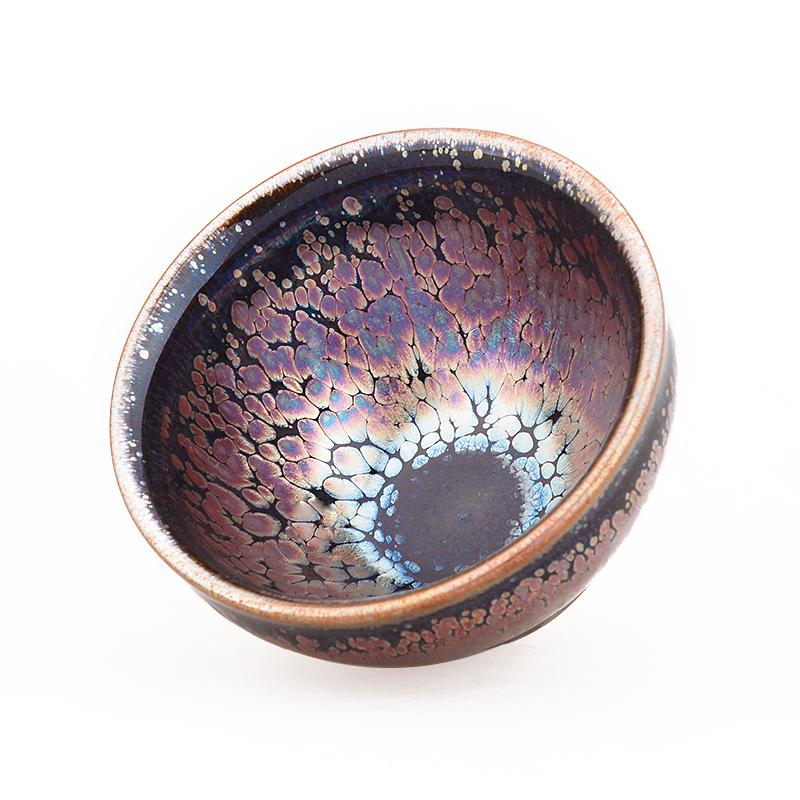
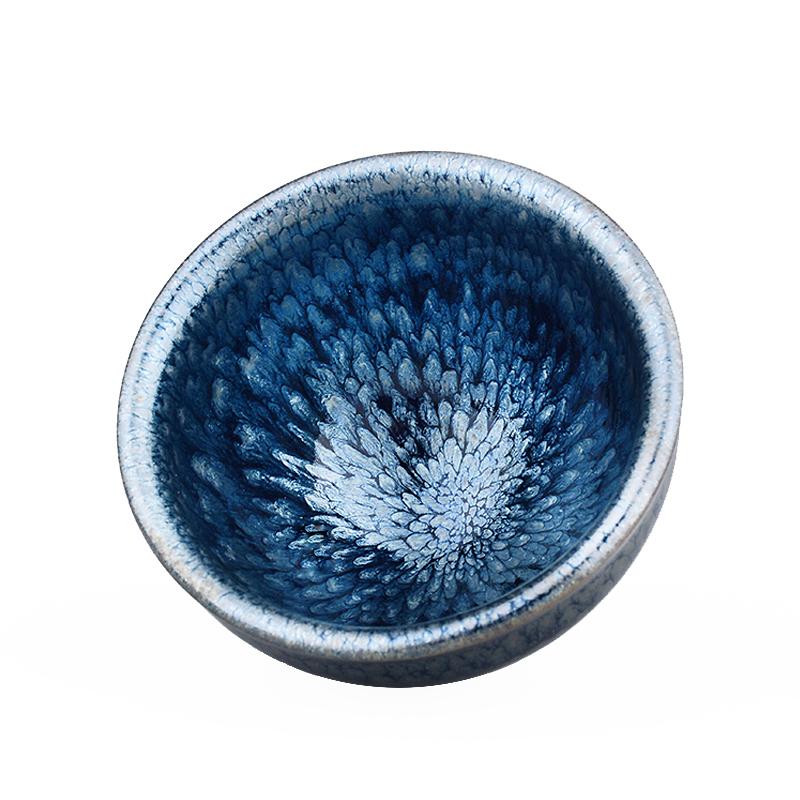
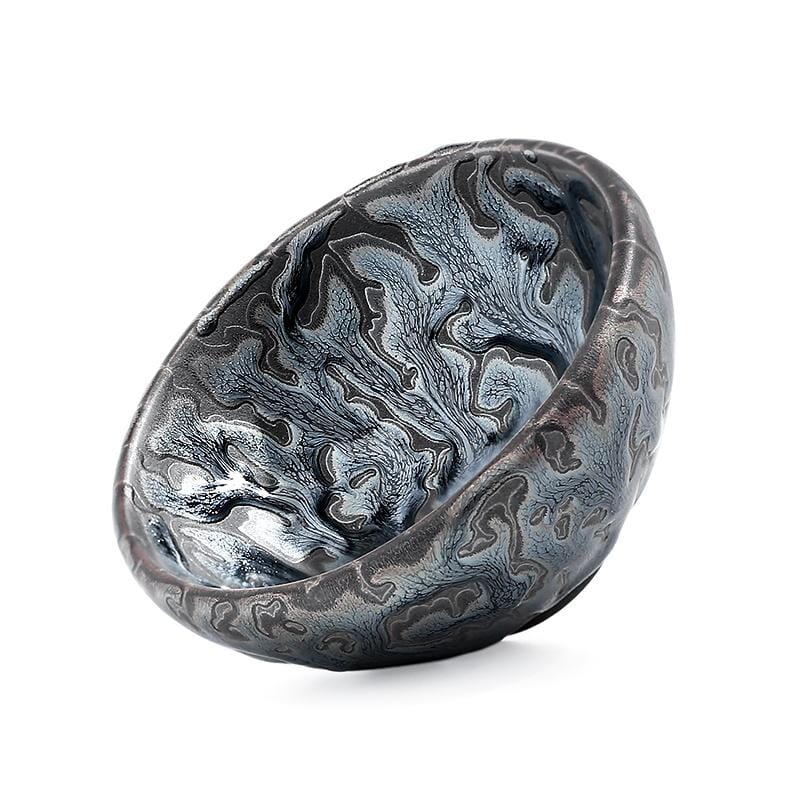
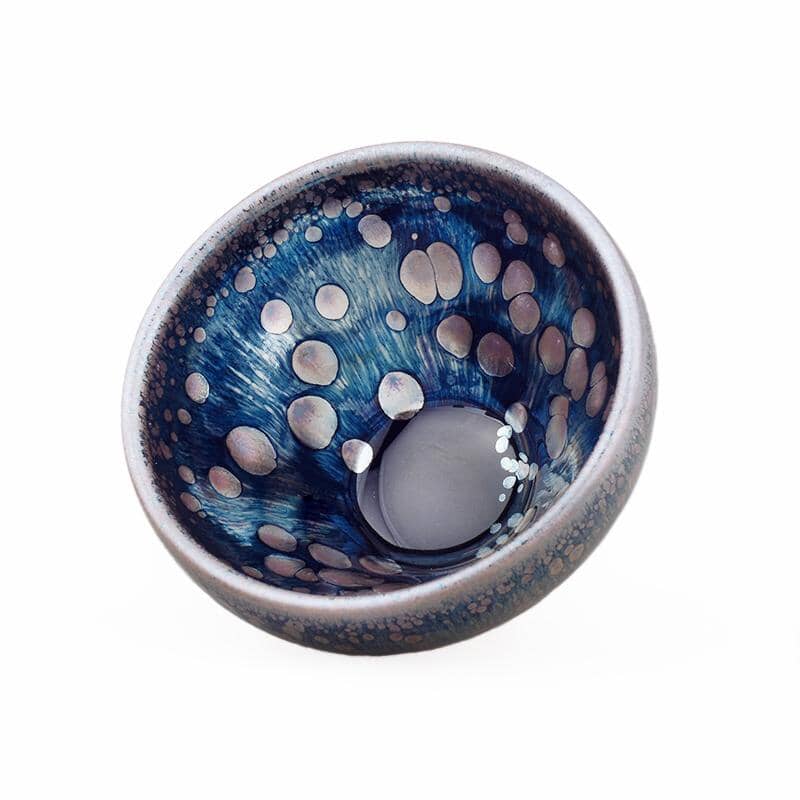
What makes a tenmoku tea bowl special is the glaze chemistry. High iron oxide (up to 8%) reacts with oxygen in the kiln to create crystals. Under specific cooling conditions, these crystals form oil spot or partridge feather patterns. No two bowls are alike—each is a unique artefact of fire and clay.
My Journey to Fujian: Uncovering the Jianzhan History
I first traveled to Jianyang, a small city in Fujian, in 2006. The local potters still used ancient kilns dug into hillsides. There, I met Master Li, a tenmoku artisan whose family had been making bowls for six generations. He showed me the original jian zhan history—how Song dynasty emperors exclusively used these bowls for tea competitions. He told me stories of kiln gods and the patience required to wait three days for a firing to cool.
The Fujian tea bowl tradition almost vanished after the Song dynasty fell. The recipe for the perfect tenmoku glaze was lost for centuries. But in the 1980s, Japanese and Chinese researchers began reverse-engineering the chemistry. Today, a handful of artisans like Master Li and myself carry on the handmade jian zhan tea cups tradition, using local clay and wood-fired kilns to recreate the magic.
From Kiln to Table: How an Authentic Tenmoku Tea Bowl Is Made
Making an authentic jian zhan tea cup is a labor of love. I start with iron-rich clay from the Jianyang riverbed, kneading it to remove air bubbles. The bowl is thrown on a wheel, then trimmed and dried for days. I prepare the glaze using a secret mixture of wood ash, quartz, and iron oxide—the same formula Master Li taught me.
The firing is the heart of the process. I use a traditional dragon kiln that reaches 1300°C. The flames create reduction atmospheres that pull oxygen from the glaze, forming iron crystals. After 24 hours of firing, the kiln is sealed and left to cool for another two days. The result? A bowl that shimmers with oil spot or partridge feather patterns—each one a frozen moment of chaos and beauty.
These bowls are matcha bowl sized, perfect for whisking the vibrant green tea of a traditional gongfu tea ceremony. But I’ve found they also excel for loose leaf gongfu brewing—the wide mouth releases aroma, while the thick walls retain heat.
Why Choose Handmade Over Mass-Produced Tea Bowls?
Mass-produced ceramics are uniform and lifeless. A handmade tenmoku tea bowl has slight variations—a fingerprint in the clay, a slight asymmetry in the lip. These are not flaws; they are the artist’s signature. When you hold a bowl made by my hands or Master Li’s, you feel the energy of creation. Every bowl tells a story of fire, skill, and patience.
For the US market, many beginners ask: “Why should I invest in a best jian zhan tea cup?” The answer lies in experience. A true tenmoku bowl transforms your tea session. The glaze interacts with the tea, softening the mouthfeel and adding depth. Plus, it’s a piece of history you can use every day.
Here is a quick comparison of handmade vs. mass-produced:
| Feature | Handmade Tenmoku | Mass-Produced |
|---|---|---|
| Glaze pattern | Unique oil spot or partridge feather | Reproduced, often boring |
| Clay quality | Local Fujian clay, high iron | Standard stoneware |
| Firing | Wood-fired dragon kiln | Electric or gas kiln |
| Feel in hand | Weighted, organic texture | Light, smooth, sterile |
| Cultural value | Connects to Song & Japanese tea traditions | None |
Why the Song Dynasty Tea Culture Still Matters Today
The Song dynasty tea culture was obsessed with the interplay of tea, bowl, and aesthetics. Tea was whisked into a frothy white foam, and the black glaze of the tenmoku bowl provided the perfect backdrop. Today, we have lost that nuance, but by using an authentic jian zhan tea cup for your gongfu tea, you are reviving a thousand-year-old conversation between the drinker and the maker.
I often recommend my students start with a simple hare’s fur bowl. The vertical streaks are mesmerizing and easy to appreciate. For the collector, the oil spot pattern—deep black with silver circles—is the holy grail. Browse our hare’s fur Jianzhan series to see examples of this classic style. If you prefer the dramatic, Discover our collection of oil spot tenmoku cups.
Frequently Asked Questions About Tenmoku Tea Bowls
How can I tell if my tenmoku tea bowl is authentic?
Authentic handmade jian zhan tea cups have a heavy, iron-rich feel and a slightly rough base. The glaze should show natural crystal patterns like oil spots or hare’s fur, not printed designs. Look for slight irregularities in shape—a perfect circle usually means machine production. Buy from reputable artisans who can trace the bowl’s origin to Fujian or a known tenmoku artisan.
What is the difference between a tenmoku tea bowl and a jian zhan tea cup?
“Tenmoku” is the Japanese term used globally, while “jian zhan” (建盏) is the original Chinese name. They refer to the same type of bowl—a black-glazed stoneware cup from Fujian. In practice, most collectors use the terms interchangeably, but connoisseurs may reserve “jian zhan” for bowls made in Jianyang using traditional methods.
Can I use a tenmoku tea bowl for matcha?
Absolutely. The original purpose of tenmoku bowls was to serve matcha in Song dynasty tea competitions. The wide, slightly flared shape makes whisking easy, and the dark glaze contrasts beautifully with the bright green foam. Many Japanese tea ceremonies still use tenmoku bowls as matcha bowls.
Why do some tenmoku bowls have oil spots and others have partridge feather patterns?
Both patterns are caused by iron crystallization, but the difference is temperature and cooling rate. Oil spots (circular silver dots) form when the glaze is slightly thicker and cools more slowly. Partridge feather patterns (streaks) occur when the glaze flows during firing, creating vertical lines. Both are highly prized and depend on the exact kiln atmosphere.
How do I care for my tenmoku tea bowl?
Hand wash with warm water and mild soap—never put your tenmoku bowl in a dishwasher. Avoid sudden temperature changes (e.g., pouring boiling water into a cold bowl) to prevent cracking. After use, dry thoroughly and store in a safe place. The glaze may develop a patina over time, which is normal and adds character.
What makes a tenmoku tea bowl the best jian zhan tea cup for gongfu tea?
The best jian zhan tea cup for gongfu tea has a high iron content that retains heat longer than porcelain, enhancing the flavor of oolong and pu-erh. The wide rim allows the tea to cool slightly, revealing aroma. Thick walls also prevent burning your fingers. Look for a bowl with a stable foot and a beautiful glaze that inspires mindfulness.
Conclusion: Bring the Song Dynasty Home
Every time I fire a kiln, I feel the ghosts of Song dynasty potters looking over my shoulder. The tradition of the tenmoku tea bowl is not just about beauty—it’s about connection. Connection to history, to the earth, and to the simple pleasure of drinking tea. I invite you to experience this connection for yourself. Whether you are a curious beginner or a seasoned collector, a handmade tenmoku bowl will transform your tea ritual.
Browse our curated selection of handcrafted bowls, each made by master artisans in Fujian. Discover our collection of oil spot tenmoku cups and Browse our hare’s fur Jianzhan series to find your perfect match. Your story with tenmoku starts now.
Explore Our Collection
Ready to experience the world of tenmoku tea bowl? Browse our curated collection:
Disclaimer: This article is for informational purposes. Products and pricing subject to change.



Share:
Real vs Fake Tenmoku Tea Bowl: How to Identify an Authentic Jian Zhan
Handmade Tenmoku Tea Bowl vs Mass-Produced: What's Right for Your Gongfu Tea?