

Related guide: If you want to understand the terminology before buying, read Tenmoku vs Jianzhan: what is the difference?.

Tenmoku Tea Bowl: How an Artisan-Made Cup Turns Tea Into a Meaningful Ritual
A tenmoku tea bowl is a dark-glazed ceramic tea vessel inspired by Jianzhan, a Chinese Jianzhan Tenmoku ceramic tradition that became deeply admired in Japan. For a beginner making gongfu tea at home, this handmade tenmoku tea cup adds weight, warmth, and a quiet sense of ceremony to a simple pour.
It is also a thoughtful gift for tea lovers because each bowl carries a natural glaze pattern, such as oil spot or hare's fur, formed by fire rather than printed decoration. That makes every piece feel personal without needing to be loud.
Key Takeaways
- A tenmoku tea bowl is valued for its dark glaze, tactile shape, and connection to Song Dynasty glaze traditions.
- Jianzhan history begins in Fujian, China, where iron-rich clay and high firing created dramatic surface effects.
- Patterns like oil spot and hare's fur are kiln-born, which means no two bowls look exactly alike.
- Tenmoku also influenced Japanese pottery and tea ceremony culture, especially through bowls admired by monks and tea practitioners in Japan.
- For buyers, the best piece is not always the most dramatic one. It is the bowl that feels balanced, usable, and honest in the hand.
What does a tenmoku tea bowl mean in song dynasty tea culture?
In simple terms, a tenmoku tea bowl is a cup shaped by both function and atmosphere. It was not created only to hold tea. It was made to frame tea: the color, the foam, the heat, and the pause before drinking.
During Song dynasty tea culture, tea was often prepared in a whipped style. The pale foam of powdered tea looked vivid against a dark bowl. This contrast made black-glazed bowls especially desirable. A dark surface worked almost like a stage light for the tea.
For an American buyer new to this world, think of it like choosing the right glass for wine or whiskey. The vessel does not change the tea into something else, but it changes how you notice it. Weight, rim, warmth, and color all shape the experience.
The tenmoku tea bowl became more than tableware because it joined daily use with aesthetic attention. It was practical enough for tea, but expressive enough to be remembered.
How does jian zhan history explain the beauty of a tenmoku tea bowl?
Jianzhan history is rooted in the Jian kilns of Fujian, a coastal province in southeastern China. The region is known for tea culture, mountains, mineral-rich materials, and a long ceramic memory. The fujian tea bowl tradition developed from local clay, wood or high-temperature kiln firing, and a deep understanding of glaze behavior.
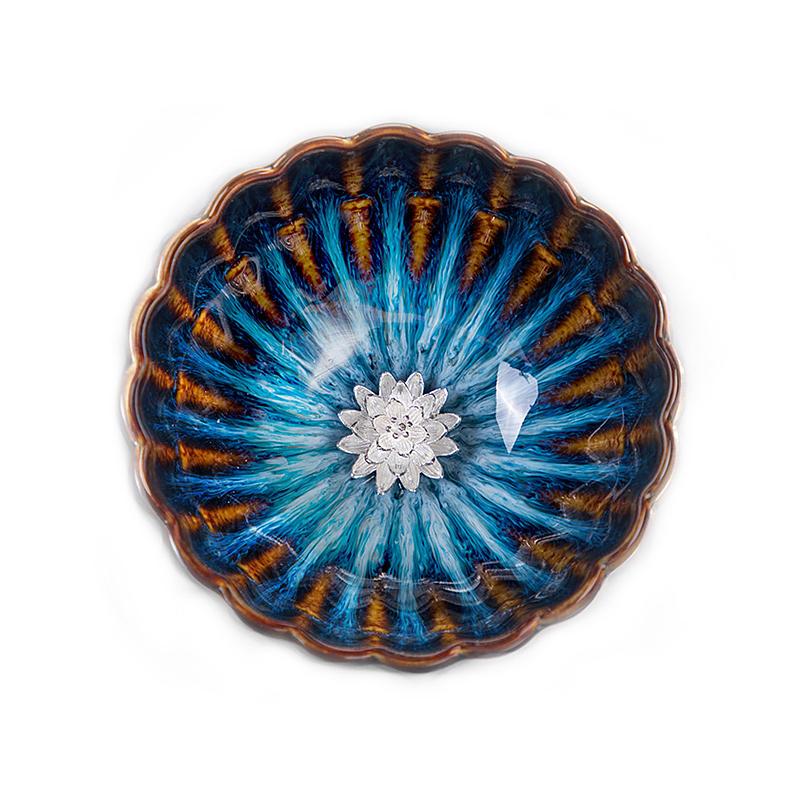
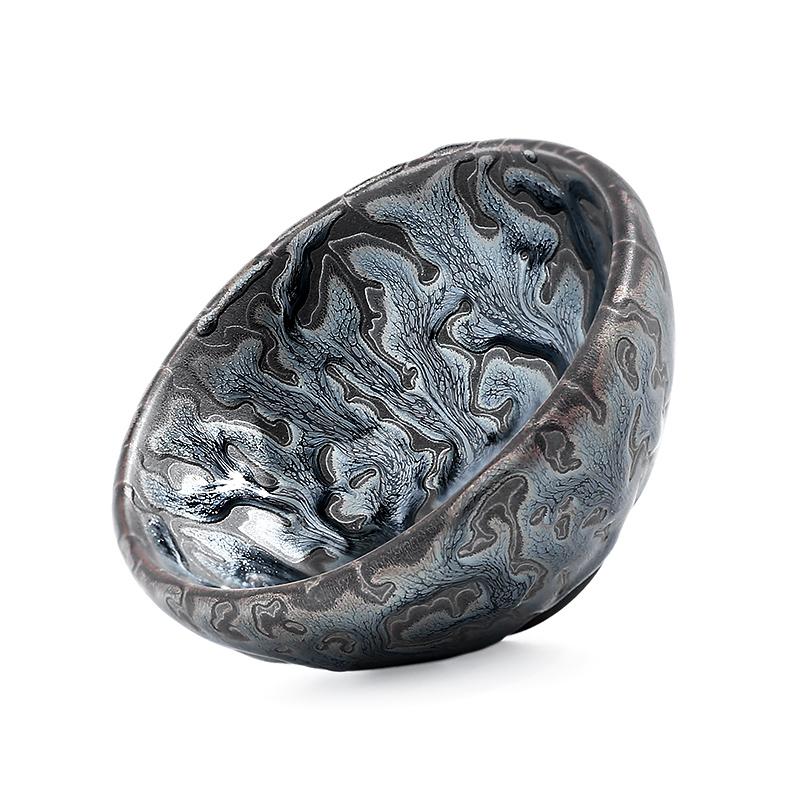
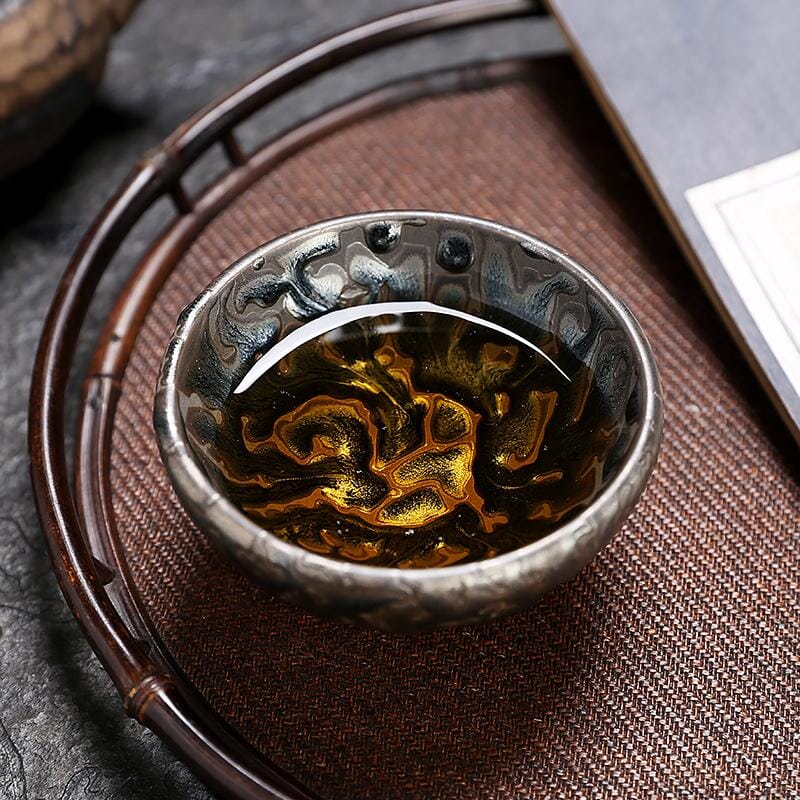
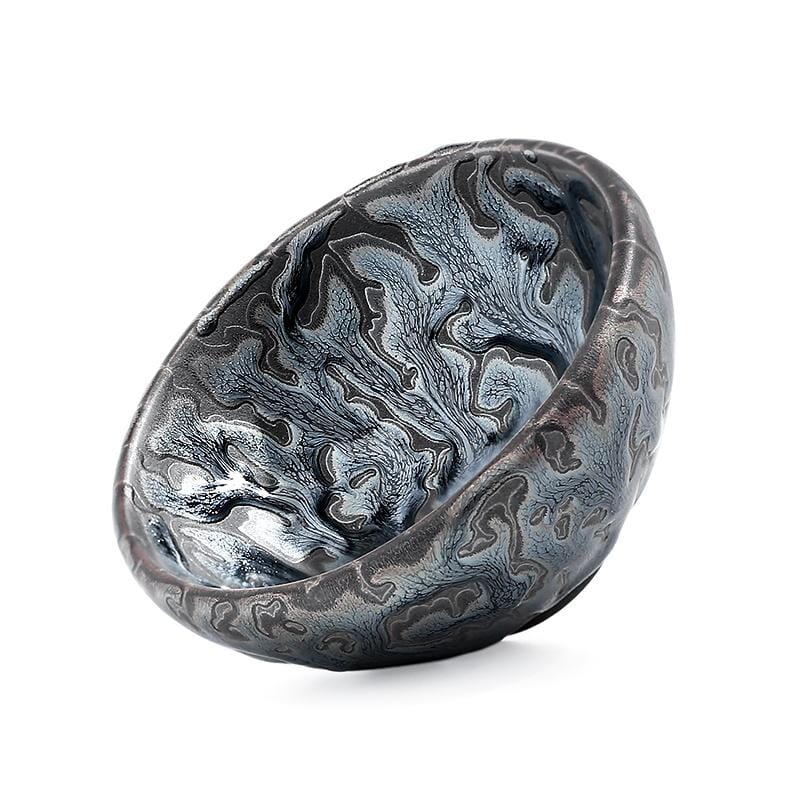
The signature look comes from iron in the glaze. Under intense heat, minerals separate, flow, crystallize, or streak across the surface. That process can produce oil spot, hare's fur, partridge feather-like markings, or deep black surfaces with subtle blue, brown, or silver flashes.
This is why a real handmade piece feels different from a printed imitation. The surface is not a graphic design placed on top of the bowl. It is the result of a conversation between clay, glaze, fire, oxygen, and timing.
In brand terms, that is the heart of the story. A tenmoku artisan does not fully command the kiln like a machine. The artisan prepares, adjusts, studies, risks, and accepts that the final surface will carry some mystery. That controlled uncertainty is what makes the bowl human.
Why do oil spot and hare's fur patterns matter to beginners?
Oil spot and hare's fur are two of the most recognizable tenmoku glaze effects. Beginners often notice them first because they are easy to see and easy to love.
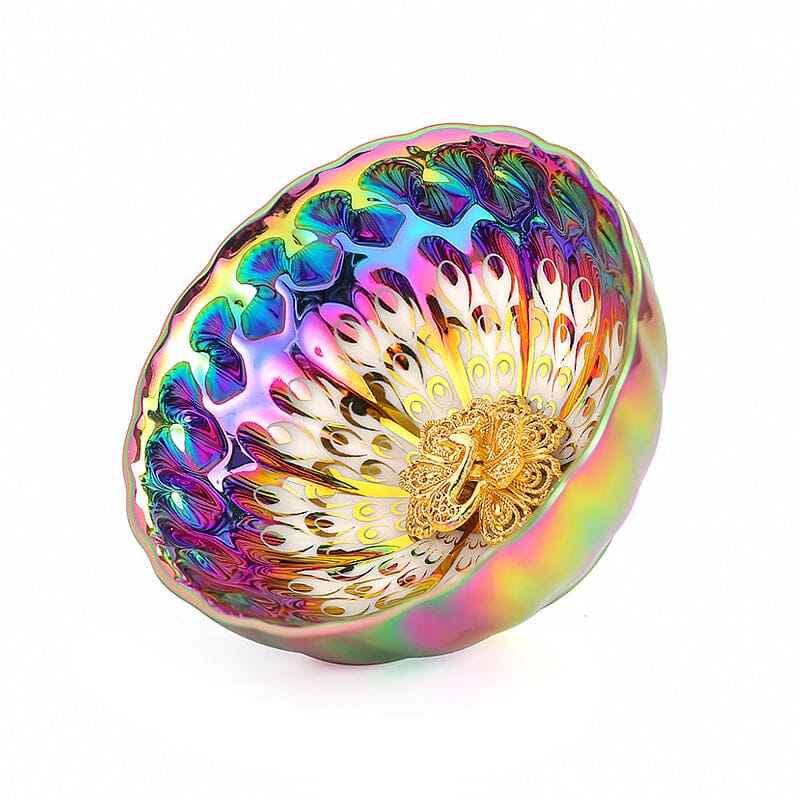
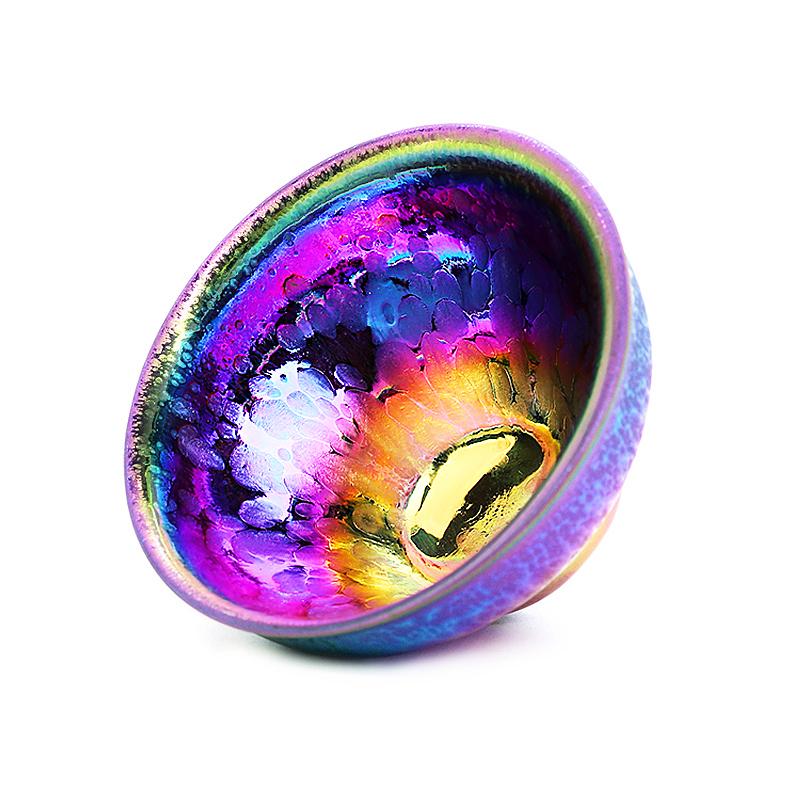
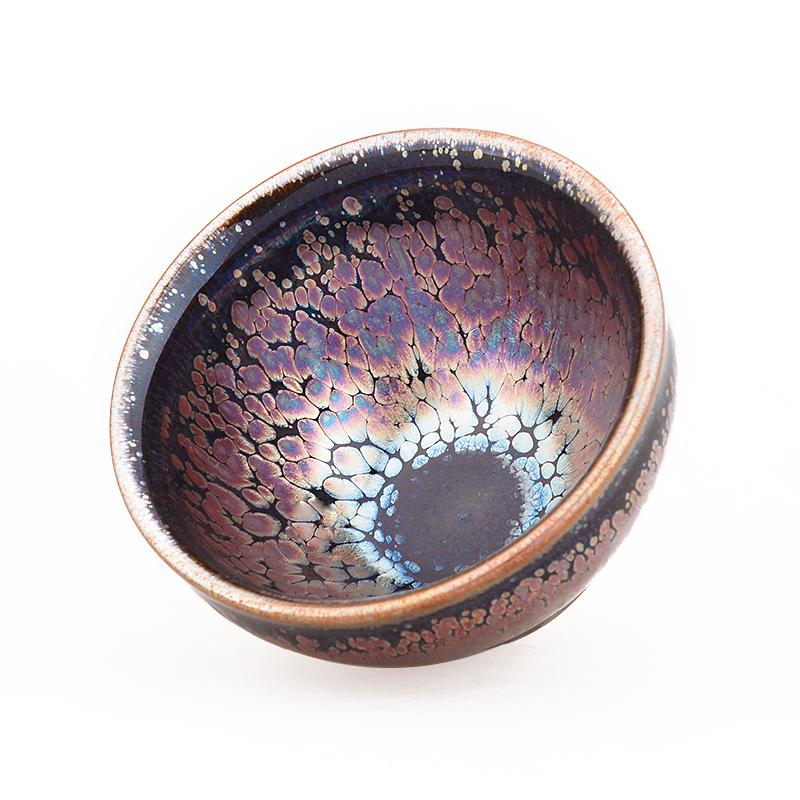
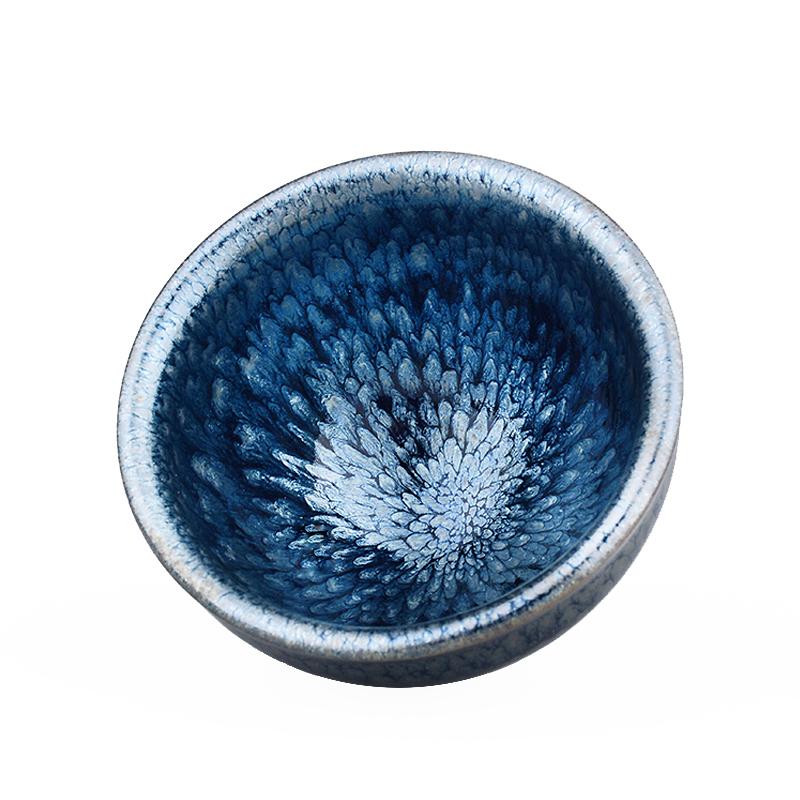
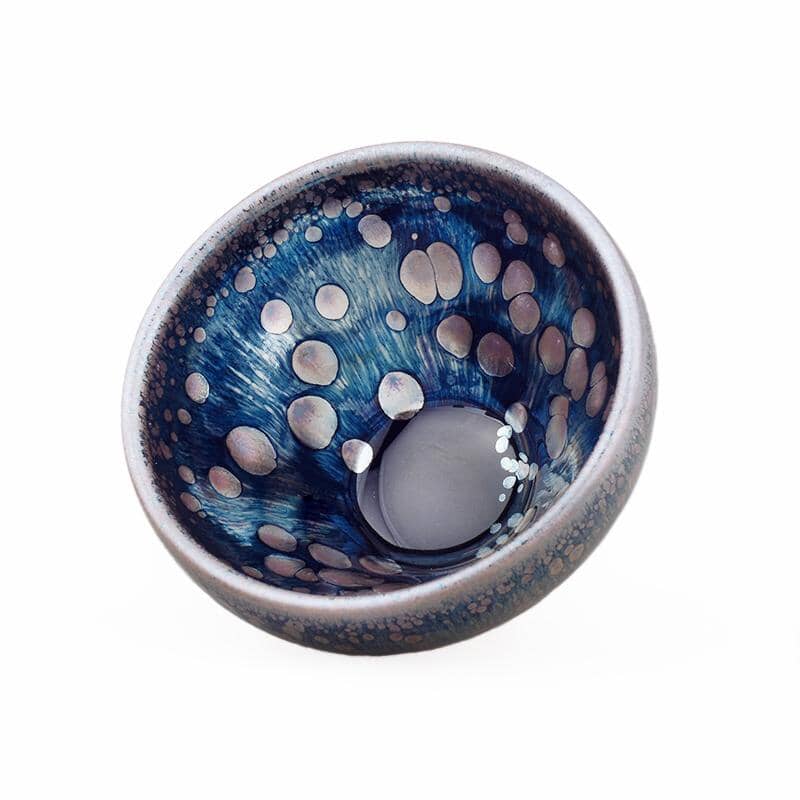
An oil spot tenmoku cup usually shows rounded metallic specks across a dark glaze. The effect can feel like stars on a black night sky or tiny drops of silver oil floating on water. A hare's fur bowl shows fine streaks that run downward, resembling the soft lines of animal fur.
These patterns matter because they make the bowl feel alive. They also help new collectors understand that handmade ceramics are not about perfect sameness. They are about character, balance, and the beauty of small differences.
For someone buying an authentic jian zhan tea cup, look closely at whether the pattern feels naturally integrated into the glaze. It should not look like paint sitting on top. The best bowls have depth, where the pattern seems to emerge from inside the black surface.
How did Japanese pottery and tea ceremony culture embrace tenmoku?
The word tenmoku is closely associated with Japan and Japanese tea culture. Historically, Japanese monks and tea practitioners admired black-glazed bowls brought from China, especially those linked to Tianmu Mountain and Jian ware. Over time, these bowls influenced Japanese pottery and the aesthetics of the tea ceremony.
In Japan, tea ceremony is not only about drinking tea. It is about attention: how the bowl is held, how it is turned, how the surface catches light, and how the guest receives the moment. A tenmoku tea bowl fits this world because it is quiet but visually deep.
Some buyers search for a japanese tenmoku for sale because they connect the word tenmoku with Japanese tea ceremony or matcha bowl traditions. That search can lead to both Japanese-made tenmoku-style ceramics and Chinese Jianzhan pieces. The key is to understand what you are buying: origin, style, firing method, and intended use.
A matcha bowl is usually wider and designed for whisking powdered tea. A small tenmoku cup for gongfu tea may be more compact, made for repeated short pours. Both can carry dark glaze beauty, but their proportions serve different rituals.
What is the artisan journey behind a handmade tenmoku tea cup for gongfu tea?
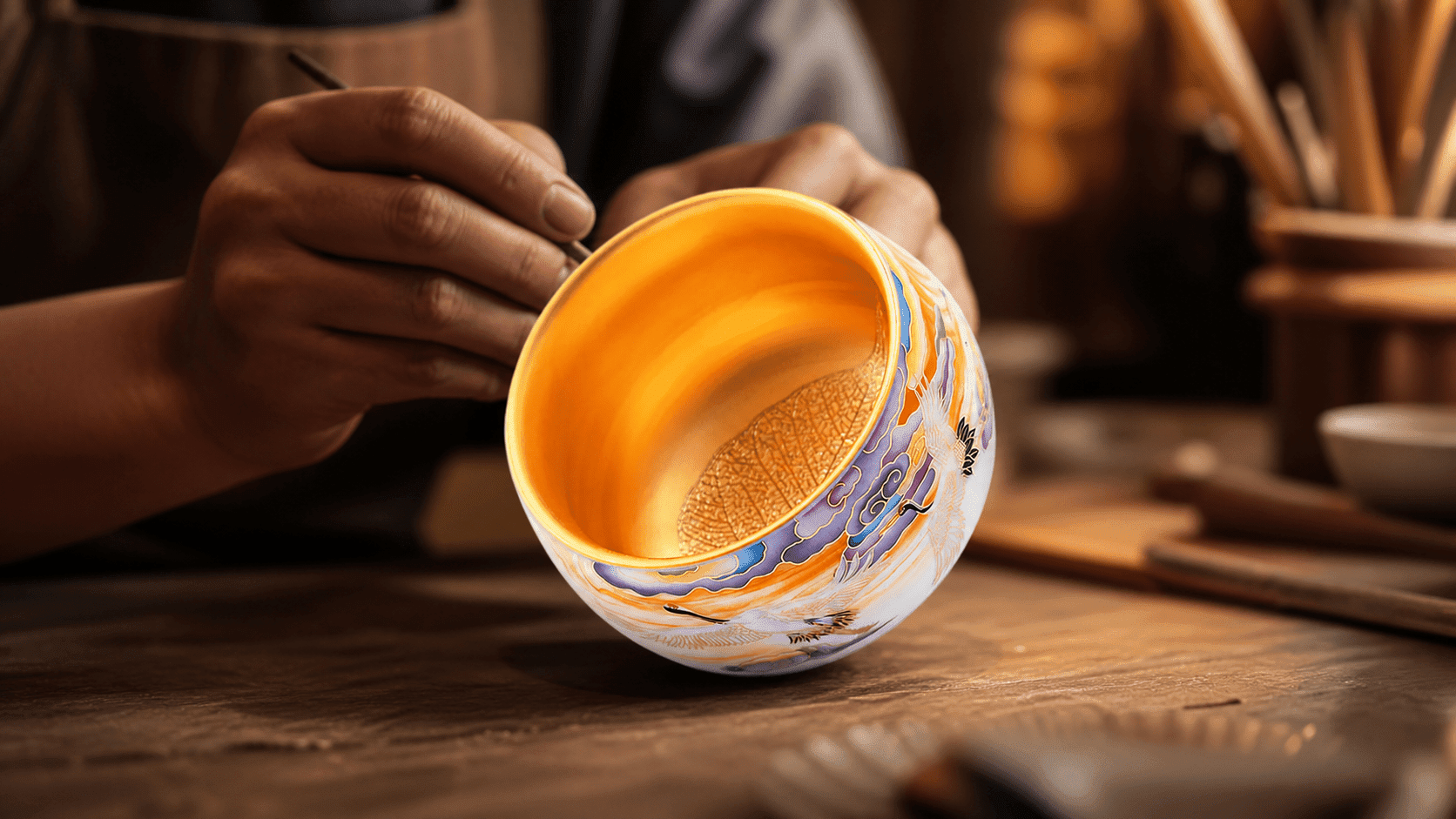
A handmade tenmoku tea cup for gongfu tea begins long before the final glaze appears. The artisan starts with form. The cup must sit steadily, feel balanced, and allow tea to cool enough for comfortable sipping without losing warmth too quickly.
Then comes the clay body. Jianzhan-style work often depends on mineral-rich clay that can withstand high heat. The wall thickness, foot ring, and rim all affect how the bowl feels in use.
The glaze stage is where patience becomes visible. Iron-rich glaze is applied with care, but the artisan knows the kiln will make the final decision. Temperature, atmosphere, placement, and cooling all influence the final pattern. One firing can produce a bowl with bright oil spot crystals. Another can produce a quieter black glaze with a soft brown halo.
This is why a tenmoku artisan often works more like a tea grower or winemaker than a factory operator. The goal is not to erase nature. The goal is to guide it.
For Tenmokus, that philosophy matters because the product is not just a cup. It is a bridge between an old ceramic language and a modern tea table in the United States. A buyer may not know the full jian zhan history on day one, but they can still feel the difference when the bowl rests in their palm.
How should buyers compare a tenmoku tea bowl, matcha bowl, and regular teacup?
If you are choosing your first piece, compare by use first, then beauty. The right bowl depends on how you drink tea and what kind of ritual you want to build.
| Vessel | Best Use | Typical Feel | Buyer Tip |
|---|---|---|---|
| Tenmoku tea bowl | Gongfu tea, quiet sipping, display, gift | Dark, weighty, reflective, handcrafted | Choose if you want cultural depth and a distinctive glaze story. |
| Matcha bowl | Whisked matcha | Wider opening, room for whisking | Choose if you mainly prepare powdered green tea. |
| Regular teacup | Daily casual tea | Light, simple, easy to replace | Choose if practicality matters more than craft story. |
| Oil spot tenmoku cup | Gongfu tea, gifting, collecting | Dark glaze with metallic spotted depth | Choose if you want a more visually dramatic piece. |
A premium lifestyle buyer often wants an object that earns its place on the shelf. A tenmoku bowl does that well. It is useful, but it also carries a story worth telling when guests ask about it.
Why is a tenmoku tea bowl a meaningful gift for tea lovers?
A good gift has three qualities: it feels personal, it can be used, and it has a story. A tenmoku tea bowl checks all three.
For a tea lover, the bowl is not random decor. It belongs directly to a daily ritual. For someone interested in craft, the glaze offers a visible story of fire and minerals. For someone who enjoys design, the dark surface feels refined without being flashy.
It also works across different levels of tea experience. A beginner can use it as a beautiful cup for oolong, black tea, or pu-erh. A more experienced drinker can appreciate its connection to song dynasty tea culture, Japanese tea ceremony aesthetics, and the fujian tea bowl tradition.
If the recipient enjoys premium objects with cultural meaning, a tenmoku bowl feels more memorable than a generic mug. It says: slow down, pour carefully, and notice the moment.
For buyers ready to compare styles, Explore our handmade Jianzhan tea cups. If you are drawn to a darker, star-like glaze, Discover our collection of oil spot tenmoku cups.
How can you choose an authentic jian zhan tea cup without overthinking it?
Start with use. If you drink gongfu tea, choose a cup that feels comfortable in your hand and matches your usual serving size. If you want a display piece, you may prefer a larger tenmoku tea bowl with a more dramatic glaze.
Next, look at the glaze. Oil spot should have depth and variation. Hare's fur should feel directional and natural. A quiet black glaze can also be beautiful if it has richness and subtle movement under light.
Then consider the rim and foot. The rim should feel smooth against the lips. The foot should sit flat and stable. A handmade cup may show small variations, but it should still feel intentional.
Finally, buy from a seller that explains the piece clearly. Be cautious of exaggerated claims about masters, rare materials, or guaranteed collectible value unless those claims are documented. Craft should be respected, not inflated.
FAQ
What is a tenmoku tea bowl?
A tenmoku tea bowl is a dark-glazed ceramic tea vessel associated with Jianzhan history in China and later admired in Japan. It is often used for tea ceremony, gongfu tea, display, or gifting.
How is a tenmoku tea bowl connected to song dynasty tea culture?
Song dynasty tea culture valued dark bowls because pale whipped tea stood out beautifully against black glaze. This made Jian-style bowls practical, elegant, and visually powerful in tea preparation.
What should I know about jian zhan history before buying?
Jianzhan history begins in Fujian, China, where iron-rich clay and high-temperature firing produced Jianzhan Tenmoku ceramic bowls with oil spot, hare's fur, and other natural glaze effects. The tradition later influenced Japanese pottery and tea aesthetics.
What makes a tenmoku artisan different from a factory producer?
A tenmoku artisan shapes the form, prepares the glaze, and controls the firing conditions, but the final pattern still depends on kiln behavior. This makes each handmade bowl slightly different and more personal than mass-produced ceramic ware.
Is an oil spot tenmoku cup good for gongfu tea?
Yes. An oil spot tenmoku cup can be excellent for gongfu tea if the size, rim, and weight feel comfortable. The dark glaze also creates a beautiful contrast with amber oolong, black tea, and aged pu-erh.
Is a tenmoku tea bowl the same as a matcha bowl?
Not always. A matcha bowl is usually wider to allow whisking. A tenmoku tea bowl can be used in Japanese tea contexts, but smaller Jianzhan cups are often better suited for gongfu tea and short pours.
Why do people search for japanese tenmoku for sale?
Many people connect tenmoku with Japanese tea ceremony and Japanese pottery. The search may include Japanese-made tenmoku-style bowls as well as Chinese Jianzhan pieces that influenced Japanese tea culture.
Conclusion: A bowl that makes tea feel slower, warmer, and more personal
A tenmoku tea bowl is not just a beautiful object. It is a small daily ritual shaped by Song Dynasty glaze heritage, Jianzhan history, Fujian craft, and the way Japan and Japanese tea culture learned to admire quiet depth.
For beginners, it offers an easy doorway into tea culture without requiring expert knowledge. For premium lifestyle buyers, it offers something more lasting than decoration: a handmade object that becomes better understood with use.
If you are choosing a gift for tea lovers, start with a bowl that feels honest, balanced, and visually alive. The right piece will not need a loud explanation. It will invite the next pour.
Explore Our Collection
Ready to experience the world of tenmoku tea bowl? Browse our curated collection:
Disclaimer: This article is for informational purposes. Products and pricing subject to change.


Share:
Tenmoku Tea Bowl Guide: How to Spot a Real Jian Zhan Before You Buy
Why Is a Tenmoku Tea Bowl Expensive? The Real Value Behind Handmade Jian Zhan