

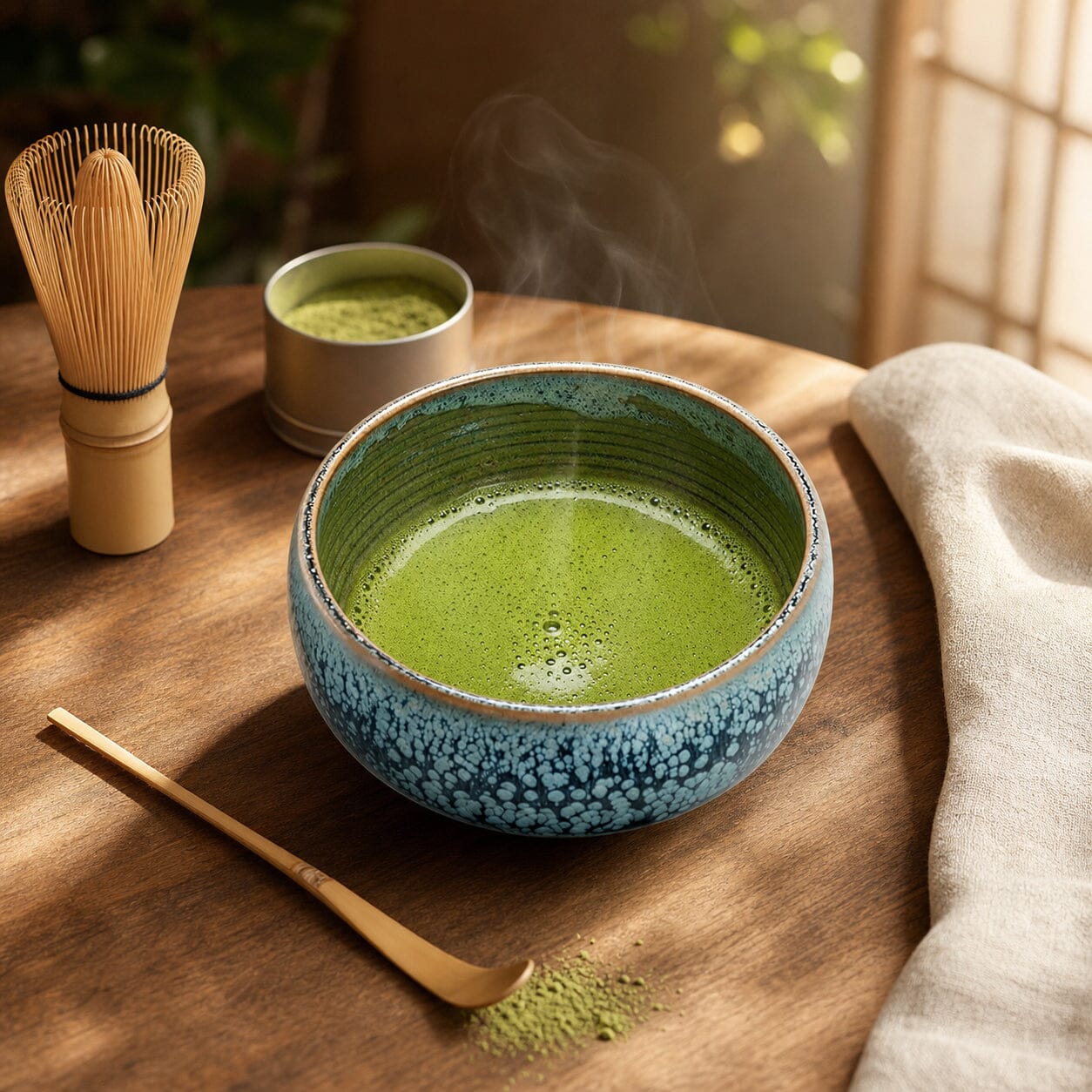
The Tenmoku Tea Bowl: My Favorite Daily Ritual for Mindful Mornings
If you’ve ever watched light dance across a glossy black surface and felt your shoulders drop, you understand why I start every morning with a tenmoku tea bowl. This isn’t just another cup—it’s a portal to centuries of craft, a daily invitation to slow down. I’m Sophie Thompson, and I’m here to share why this oil spot tenmoku cup has become my non-negotiable companion during my morning gongfu tea session. Whether you’re a curious beginner or a seasoned collector, this bowl turns a hurried sip into a ceremony.
What Exactly Is a Tenmoku Tea Bowl?
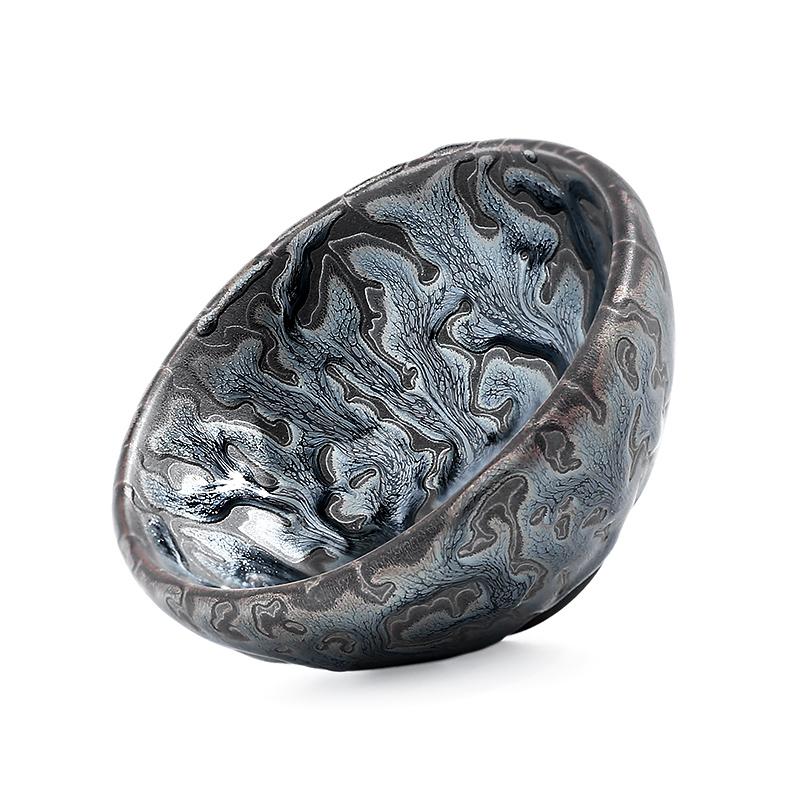
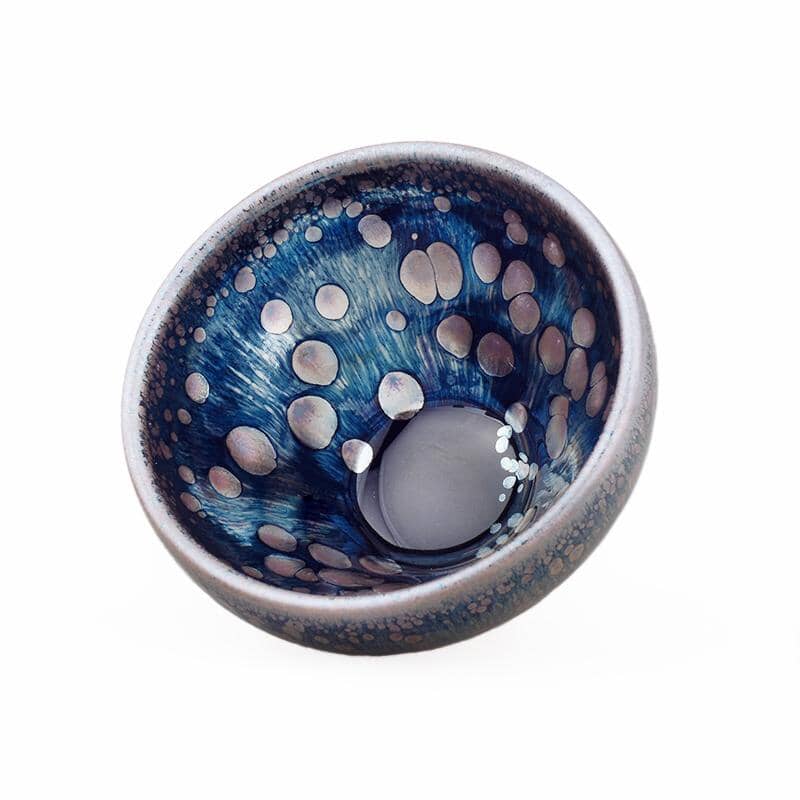
A tenmoku tea bowl traces its lineage to the Song Dynasty (960–1279) in China, where potters at the Jian kilns in Fujian province perfected a striking Jianzhan Tenmoku ceramic body covered in thick, iron-rich glazes. The Japanese later adopted and cherished these bowls, naming them tenmoku after the Tianmu Mountain temple where they were first traded. Today, “tenmoku” broadly describes any tea bowl with that deep, glossy black or brown glaze—often featuring stunning crystalline effects like oil spots or partridge feather streaks.
Think of it as the espresso cup of the tea world: small, handleless, and designed to concentrate aromas. But where a ceramic mug might be mass-produced, an authentic tenmoku bowl is born from a dance of fire, clay, and chance. The kiln change—the unpredictable transformation inside the kiln—gives each piece a one-of-a-kind personality. No two bowls are ever the same, which makes it a unique tea cup gift for anyone who appreciates artistry in everyday objects.
Why Is a Tenmoku Tea Bowl the Perfect Tea Cup Gift for Tea Lovers?
I’m often asked, “What makes a tea cup gift for tea lovers special?” My answer is always the same: it’s not just about function—it’s about feeling. A tenmoku bowl does more than hold liquid; it holds the moment. When you gift a tenmoku tea bowl, you’re giving:
- A daily ritual – Every morning becomes a small ceremony. The weight, the texture, the way the glaze catches the light—it demands you pause.
- History in your hands – This isn’t a factory item. It’s a link to the Song Dynasty and the Japanese tea ceremony, a bridge between cultures.
- An heirloom piece – With proper care, a tenmoku bowl can last for generations, developing a soft patina that tells stories of tea shared.
- Uniqueness – Because of the kiln change, no two bowls are alike. That makes it a unique tea cup gift that shows you truly thought about the recipient.
Whether it’s for a holiday, a birthday, or just because, a tenmoku bowl is a tea ceremony gift that elevates the everyday into something sacred. And honestly, who couldn’t use a little more sacred in their morning?
How Does the Kiln Change Create Those Stunning Glazes?
This is the magic that keeps me fascinated. The kiln change (often called yohen in Japanese) is what transforms a simple glaze into a galaxy of patterns. Let me break it down in simple terms:
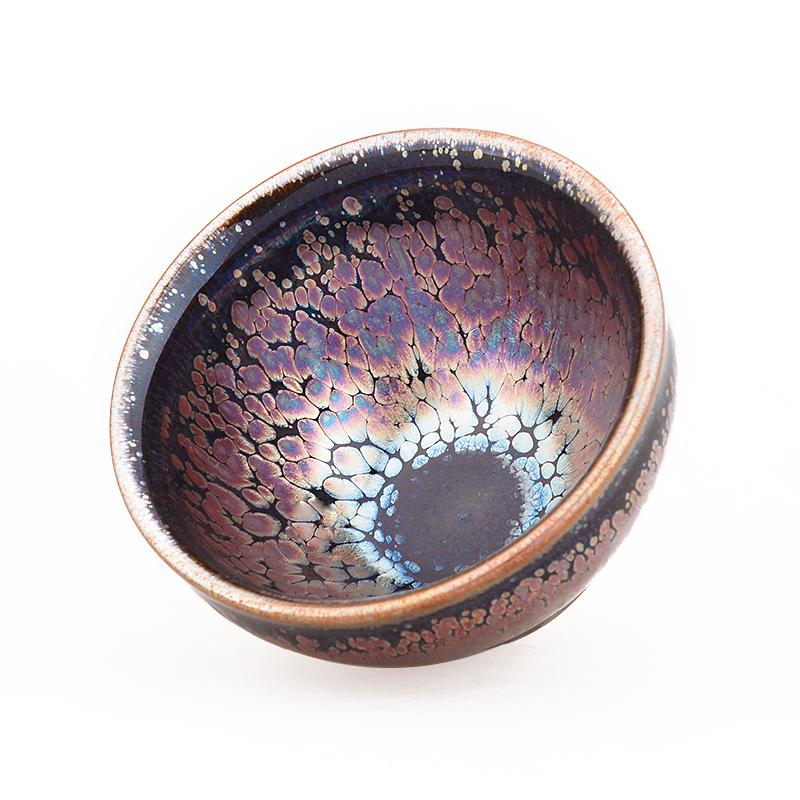
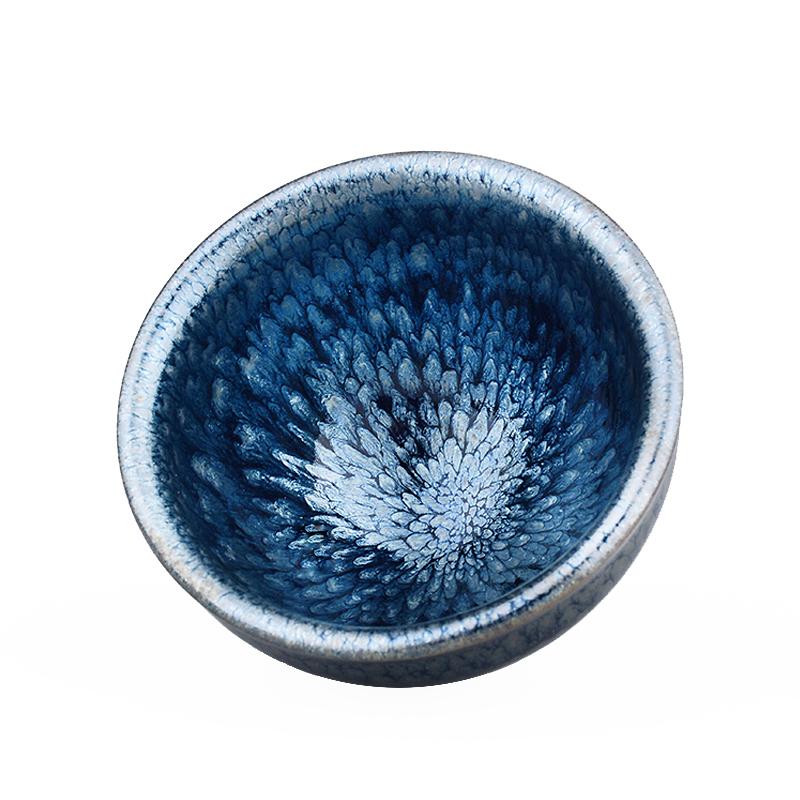
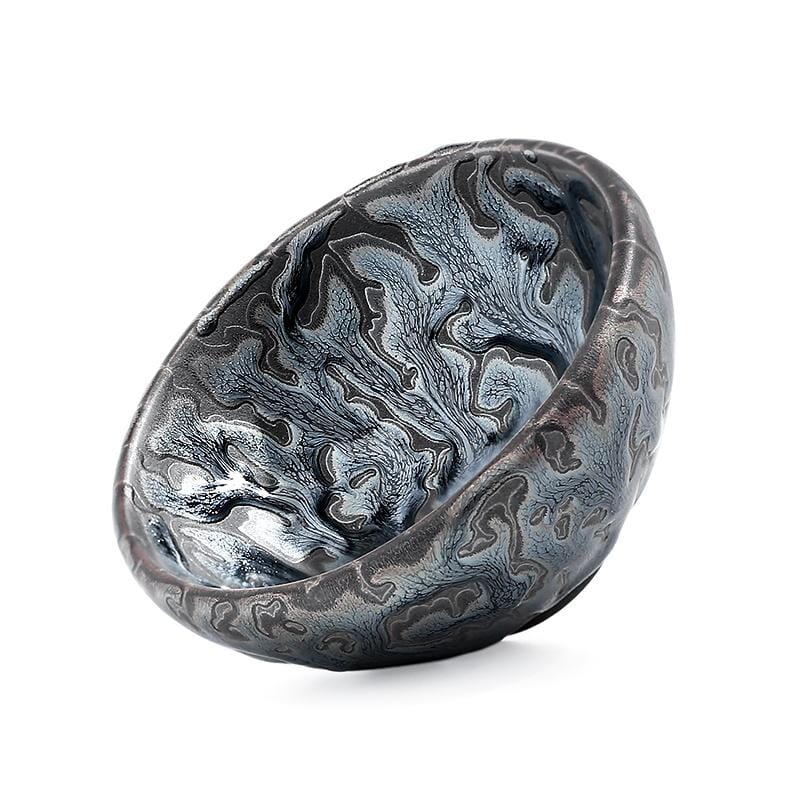
Imagine baking a chocolate chip cookie, but instead of mixing the chips evenly, you let the oven’s temperature and air currents decide where the chips appear. That’s essentially what happens in a tenmoku kiln. The glaze is rich in iron oxide. As the kiln reaches temperatures around 1300°C, the iron melts, bubbles, and crystallizes in unpredictable ways. The result can be:
- Oil spots – Silvery, metallic droplets that look like floating oil slicks.
- Partridge feather – Feathery streaks of deep brown and gold, resembling a bird’s plumage.
- Hare’s fur – Vertical lines of dark brown that cascade down the bowl like fur.
This is not a defect—it’s the art. The potter can control variables like glaze composition, firing time, and cooling rate, but the final pattern is always a collaboration between human skill and nature’s whim. That’s why an authentic jian zhan tea cup with a vivid oil spot pattern is so prized: it’s a rare snapshot of controlled chaos.
How to Choose an Authentic Jianzhan Tea Cup
I’ve seen too many “tenmoku” bowls that are just cheap imitations. If you’re serious about adding an authentic jian zhan tea cup to your collection, here’s what to look for:
| Feature | Authentic Jianzhan | Imitations |
|---|---|---|
| Body material | Dark, iron-rich clay (Jianzhan Tenmoku ceramic) | Light clay with a dark glaze coating |
| Glaze texture | Thick, glossy, with visible texture (oil spots, hare’s fur) | Thin, uniform, often painted patterns |
| Kiln marks | Rough or unglazed foot ring (shows raw clay) | Fully glazed bottom or neat machine finish |
| Weight | Heavier than it looks due to thick walls | Light, feels cheap |
| Origin | From Jianyang, Fujian, China or Japanese studios | Mass-produced in factories elsewhere |
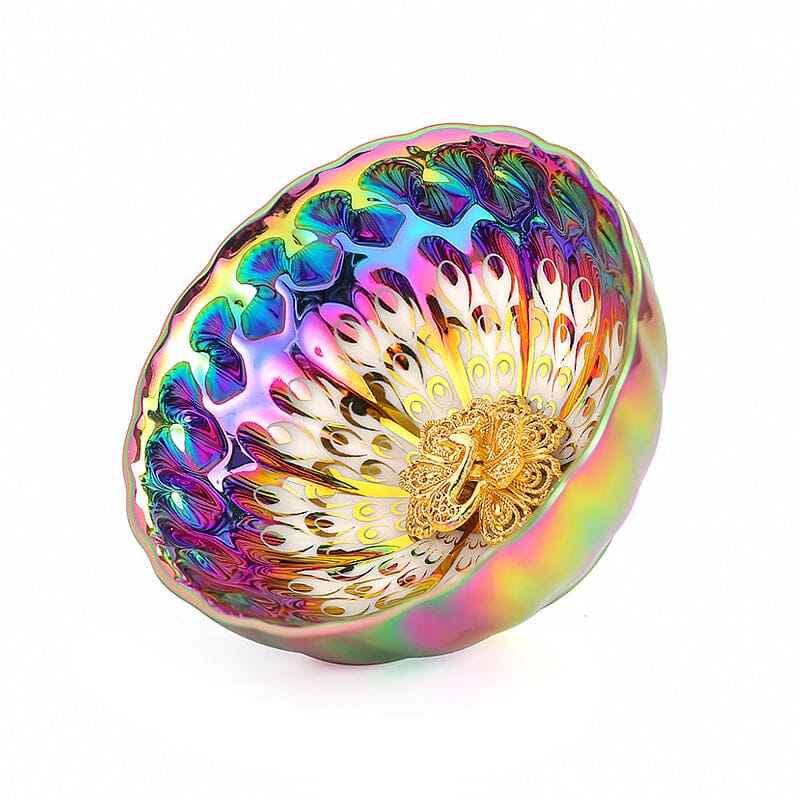
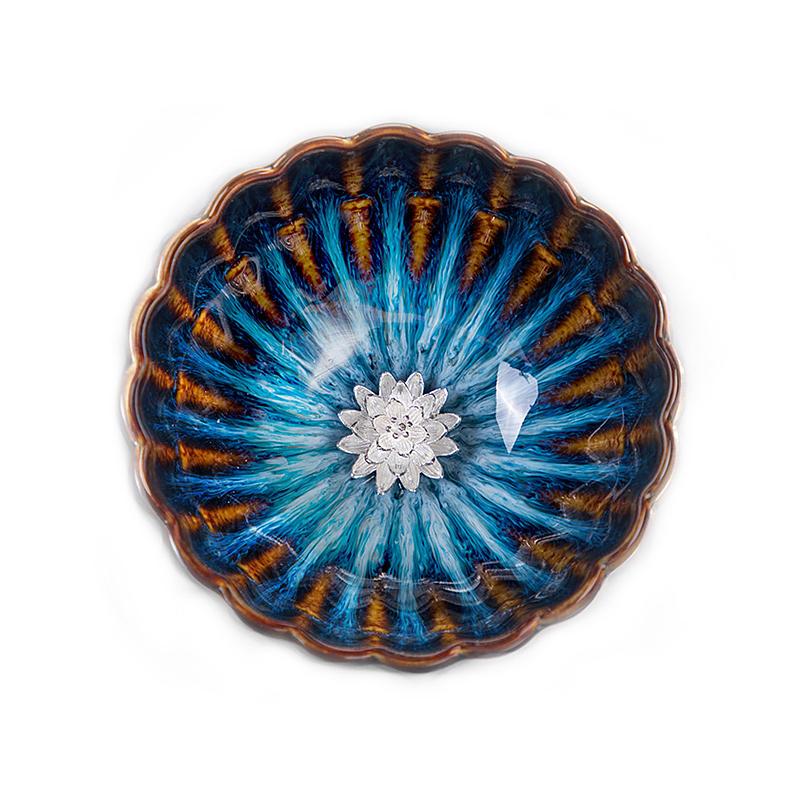
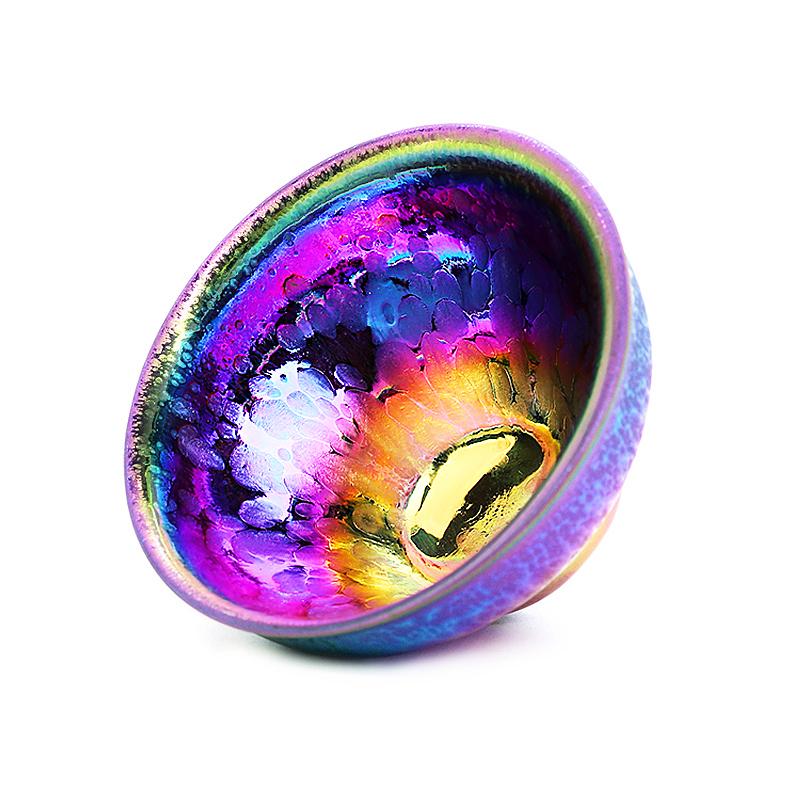
When searching for a tenmoku tea bowl for sale, always buy from a trusted source that traces the piece’s provenance. I personally recommend browsing our Shop authentic Tenmoku tea bowls—each bowl is hand-selected for quality and glaze artistry. And if you’re drawn to those metallic oil spots, Discover our collection of oil spot tenmoku cups. They’re showstoppers.
How to Care for Your Tenmoku Tea Bowl
A tenmoku bowl is not dishwasher-safe—please, never put it in the dishwasher. Here’s how I care for mine:
- Rinse with hot water after each use. No soap needed; the glaze is non-porous.
- Dry immediately with a soft cloth to avoid water spots.
- Store away from direct sunlight to preserve the glaze’s depth.
- Use only for tea – Coffee or other beverages might stain the unglazed foot.
Over time, you may notice the glaze developing a slight patina or “rainbow” effect as tea oils seep into tiny fissures. This is called yohen in the context of use—it’s not a flaw, but a sign of a well-loved bowl. Embrace it.
Frequently Asked Questions
1. Is a tenmoku tea bowl safe to use every day?
Absolutely. The glaze is fired at extremely high temperatures, making it non-toxic and durable. Just avoid thermal shock (don’t pour boiling water into a frozen bowl).
2. Can I use my tenmoku tea bowl for matcha or only gongfu tea?
It works beautifully for both. The wide mouth of a tenmoku bowl gives matcha whisking room, while the deep walls trap aromas for gongfu sessions. I use mine for pu-erh and oolong most mornings.
3. What makes an authentic jian zhan tea cup different from a regular tenmoku?
“Jian zhan” specifically refers to bowls made in the Jianyang kilns of China using the original Song Dynasty techniques. All jian zhan are tenmoku, but not all tenmoku are jian zhan. For the truest experience, look for pieces labeled “authentic jian zhan tea cup” from reputable sources.
4. Are oil spot tenmoku cups more expensive?
Generally, yes. The oil spot effect requires precise kiln conditions and is harder to achieve. A high-quality oil spot tenmoku cup can range from $80 to $500+, depending on the artist and rarity.
5. How do I know if a tenmoku tea bowl for sale is authentic?
Check the foot rim—it should be unglazed and show dark, gritty clay. Also, ask for a certificate of origin or buy from a dealer who specializes in Japanese and Chinese tea ware. Our collection at shop tenmoku tea bowls comes with detailed provenance.
Bring the Ritual Home
A tenmoku tea bowl isn’t just another object. It’s a daily invitation to breathe, to appreciate the hands that shaped it, and to celebrate the small joys. Whether you’re treating yourself or looking for a tea ceremony gift that will be remembered, I can’t recommend it enough. Start your morning with intention—grab a bowl, brew your favorite tea, and let the kiln change’s magic unfold.
Ready to find yours? Explore our curated collection of authentic tenmoku tea bowls and discover the one that speaks to you.
Explore Our Collection
Ready to experience the world of tenmoku tea bowl? Browse our curated collection:
Disclaimer: This article is for informational purposes. Products and pricing subject to change.



Share:
Tenmoku Tea Bowl Value Guide: Why It Costs More and How to Buy Wisely
Tenmoku Tea Bowl Authenticity Guide: How to Buy a Real Jian Zhan With Confidence