We use UPS & Fedex for fast and reliable shipping.

Actually, many Tenmoku enthusiasts are still unclear about one thing: what is the general price range of Tenmoku?

In fact, normally the price range of Tenmoku is from tens of yuan to tens of thousands of yuan. This range is similar to that of most intangible cultural heritage products, and behind the price of each Tenmoku, there is a story.

First of all, it should be noted that regardless of the price of Tenmoku, they are all fired based on a very low yield rate. No craftsman can fully control the quality of the products, and at least half of the reason is due to natural randomness.

  1. The relationship between the price of Tenmoku and the craftsman's professional title.

        In many intangible cultural heritage industries, the professional title of a craftsman is an important factor that determines the price of their products, but this is not entirely the case for Tenmoku.

       Firstly, because the firing process of Tenmoku is relatively short, the yield rate is very low, and the price is high. As a result, it has only circulated among a certain class of people and has not been widely recognized by the public. For a long time, it has not received much attention. In the early days, most craftsmen worked under very harsh conditions, struggling to make a living. Only in recent years has Tenmoku begun to flourish, and the professional title evaluation work has slowly started.

        Secondly, the price of Tenmoku depends on the quality of each individual product, and the professional title of the craftsman cannot fully reflect the quality of each individual product. The reputation of the master only accounts for a small part of the price of each product.

2.The basic price system of Tenmoku.

According to the current pricing rules of Tenmoku craftsmen, there are basically three categories:

The first category is that for Tenmoku of the same caliber and the same category (such as Huangtu Hao and Yintu Hao), the price is generally uniform. The larger the caliber, the higher the price, and this is currently the most common pricing rule.

 This is because each craftsman has their own unique glaze and firing technique, so even works from the same craftsman are not exactly the same. The difference in reputation of the artist can also lead to significant price fluctuations, ranging from a few hundred to several thousand yuan, or even tens or hundreds of thousands of yuan.

         The second category is that for Tenmoku of the same caliber and the same category, the pricing varies based on the quality of the product.

        The third category is for rare Tenmoku with complex craftsmanship.

        We need to assess the rarity of this particular Tenmoku, as well as whether or not it has any flaws, among other factors.

This is very important. Even for Tenmoku made by the same artist, they can be classified into different grades, and the prices can vary significantly.

In simple terms, the prices of the same caliber Tenmoku made by the same artist can differ significantly between high-quality products and ordinary ones.

  1. The relationship between quality and price.

        Since pricing is based on the quality, what makes a high-quality Tenmoku more expensive? For Tenmoku of the same caliber and height,

        It mainly depends on the following aspects of quality:

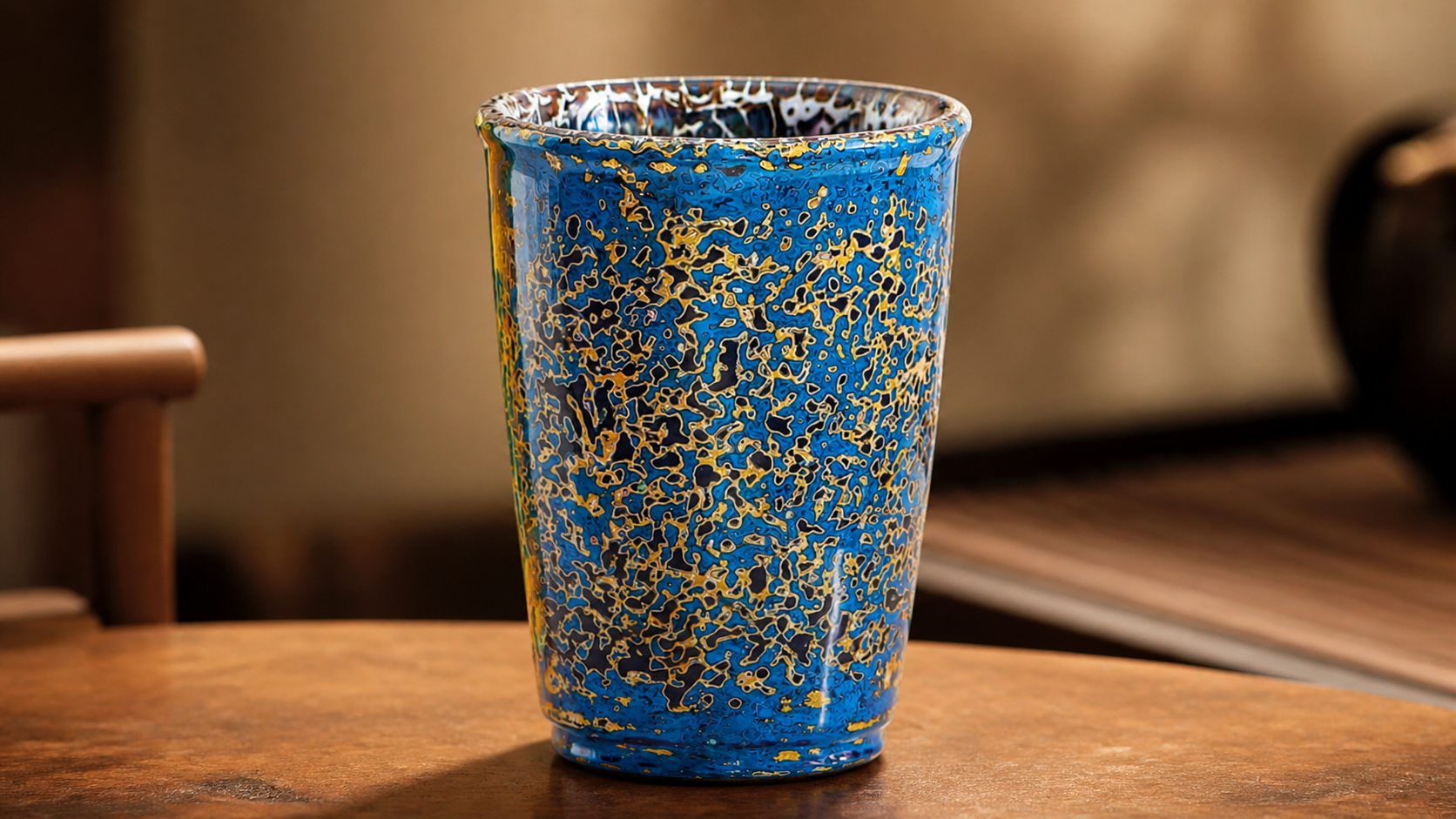
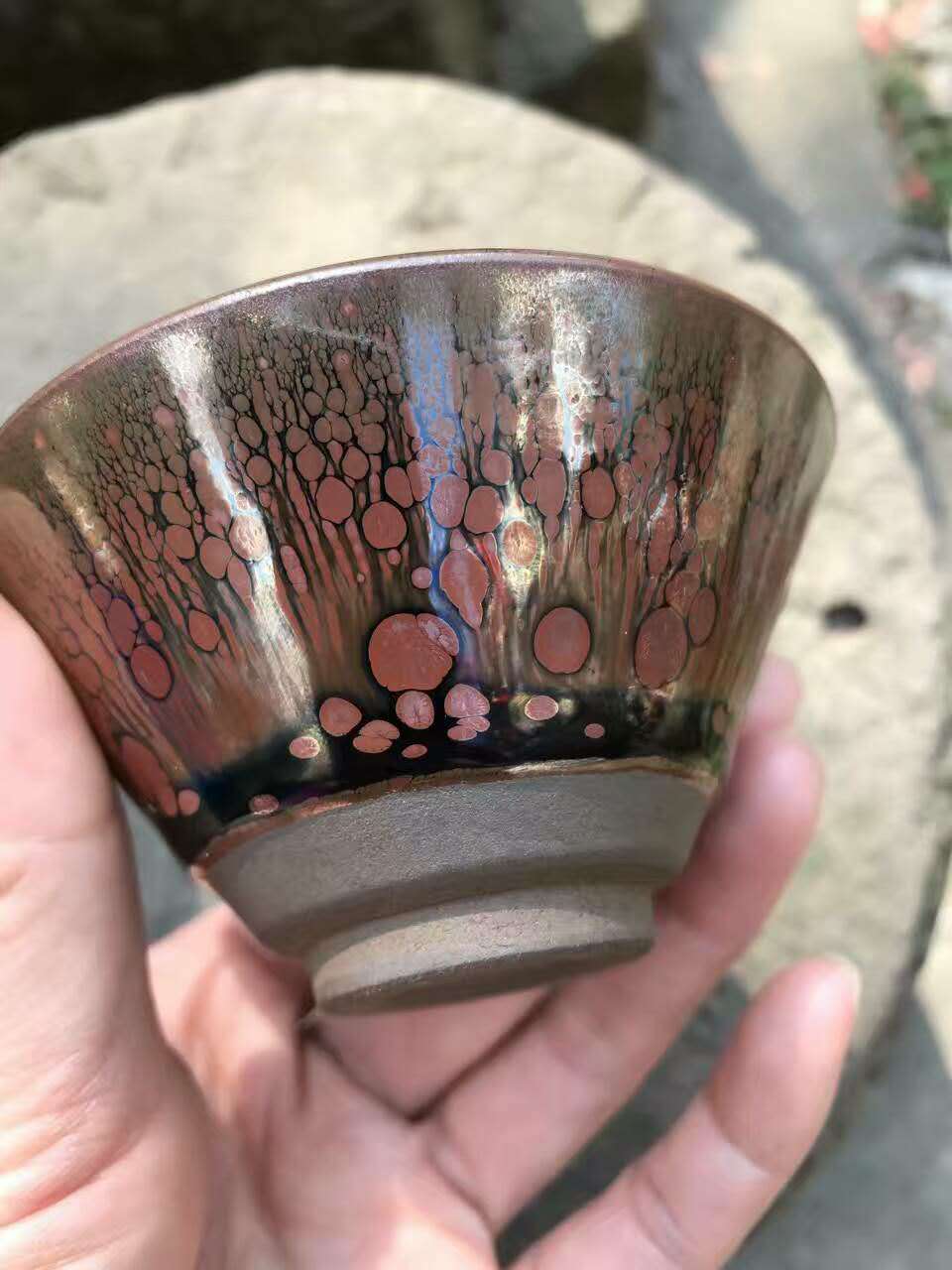
  1. The product has no obvious defects (although no Tenmoku is completely flawless), no obvious deformations, no obvious pinholes, no obvious glaze accumulation, no glaze bursts, no glaze shrinkage, etc.
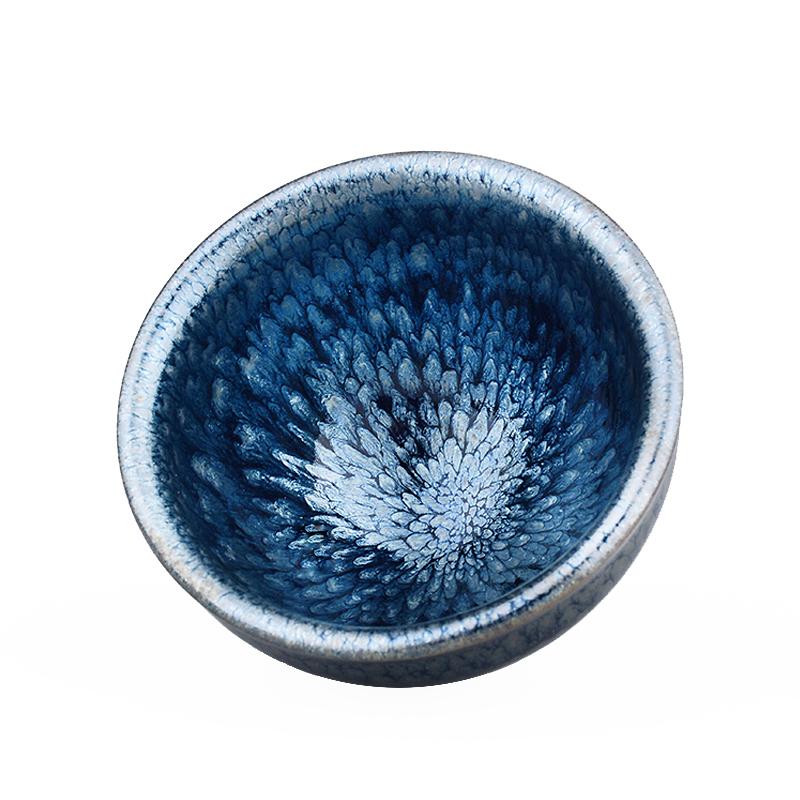
  • The effect of the patterns on the glaze, which is the most decisive factor.

        What kind of patterns are considered good? We need to look at four aspects:

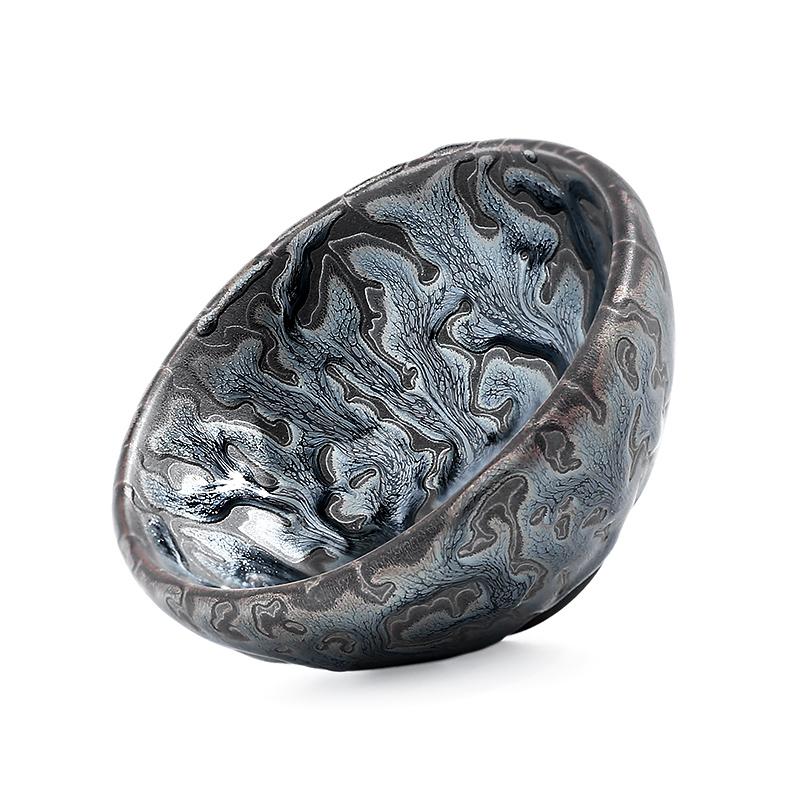
  • The overall shape of the patterns, which reflects the beauty.
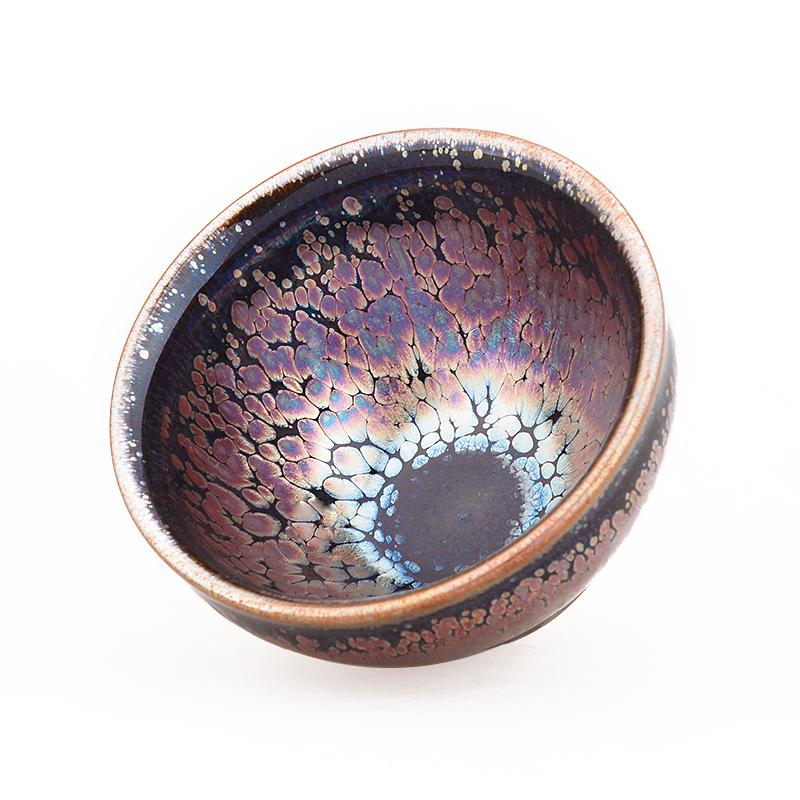
  • The distribution of the patterns, which should be neither too dense nor too sparse, and evenly distributed on the surface of the Tenmoku.
  • The texture of the patterns, which should have a metallic feel. The formation mechanism of the patterns on oil-spot glaze Tenmoku involves the reduction of trivalent iron to divalent iron in the later stage of firing under an oxygen-deficient environment. Within a short period of time, the crystallized divalent iron aggregates together to form patterns. Therefore, the texture of the patterns should have a metallic feel, especially when observed under high magnification.
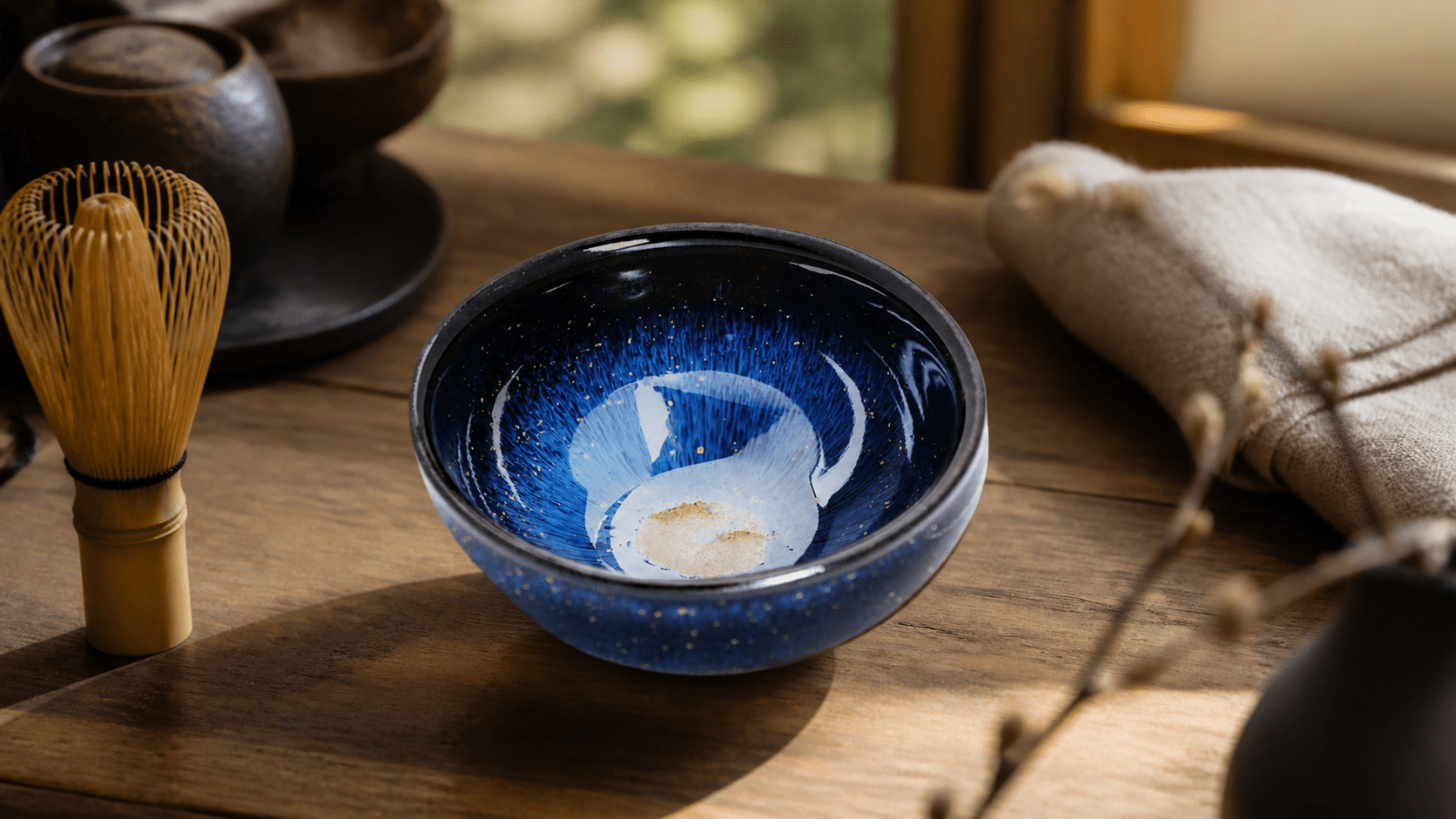
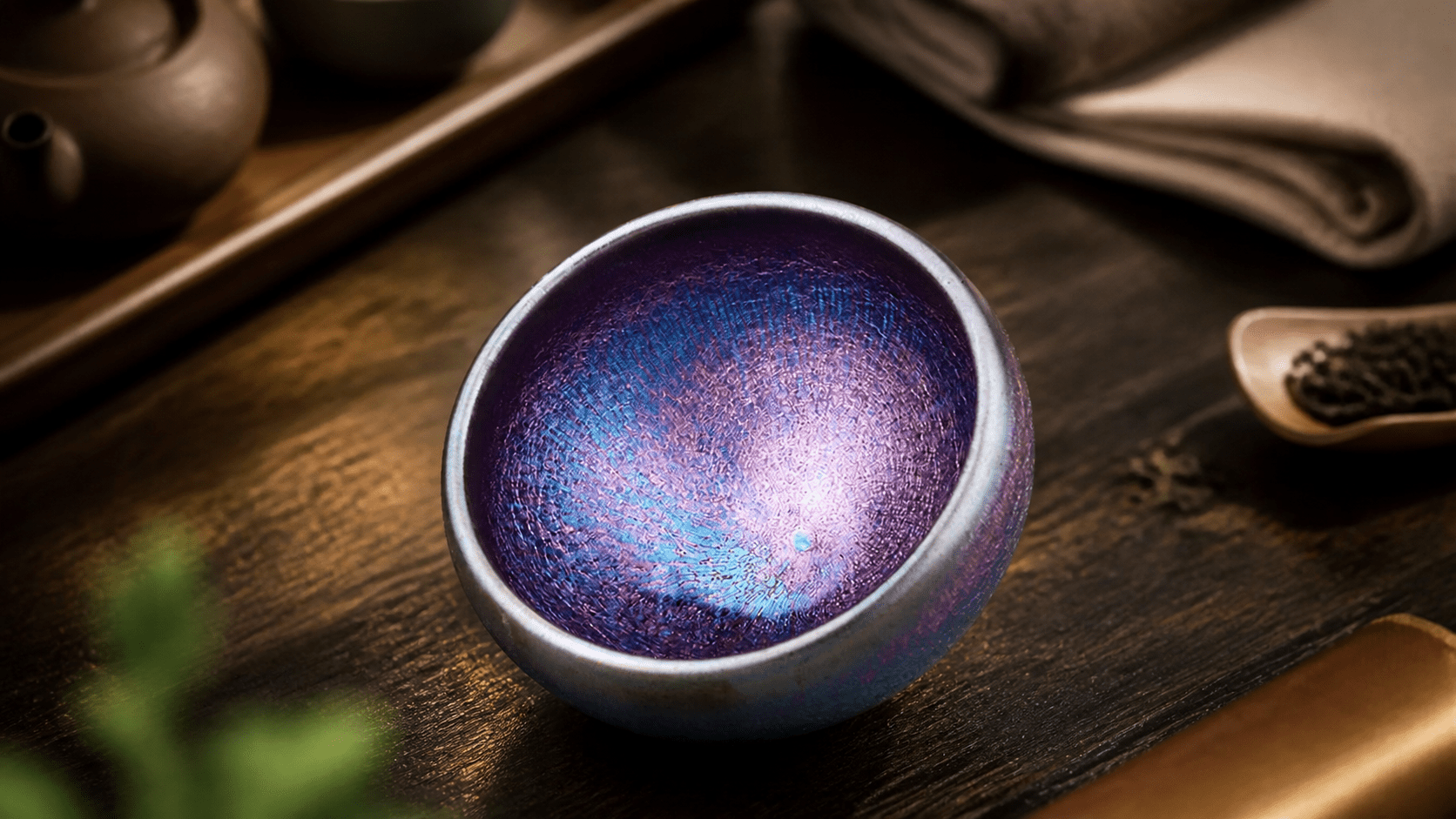
  • The iridescent effect of the patterns.                                                                                                 

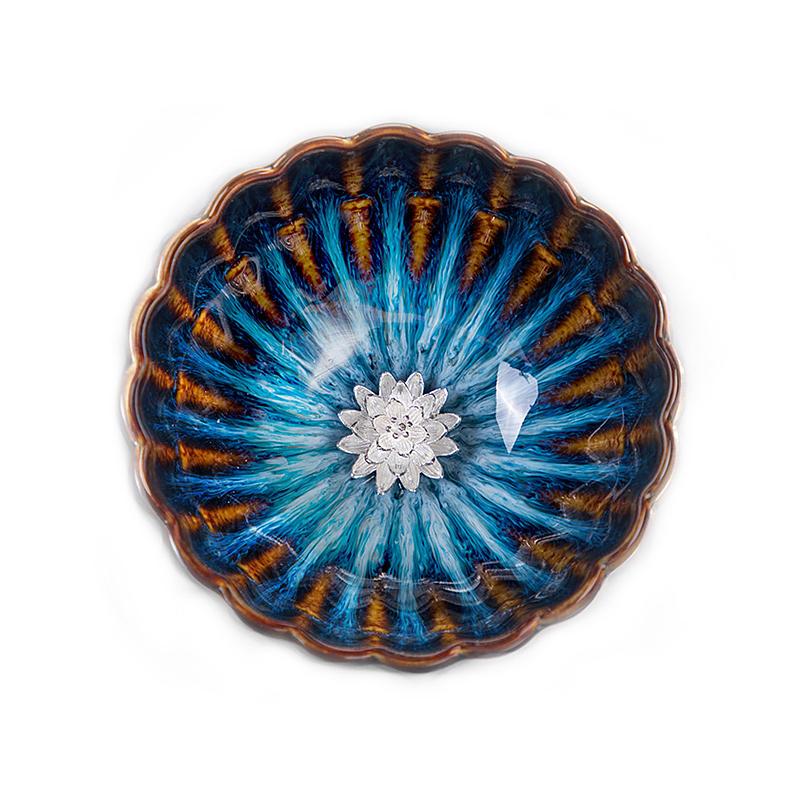
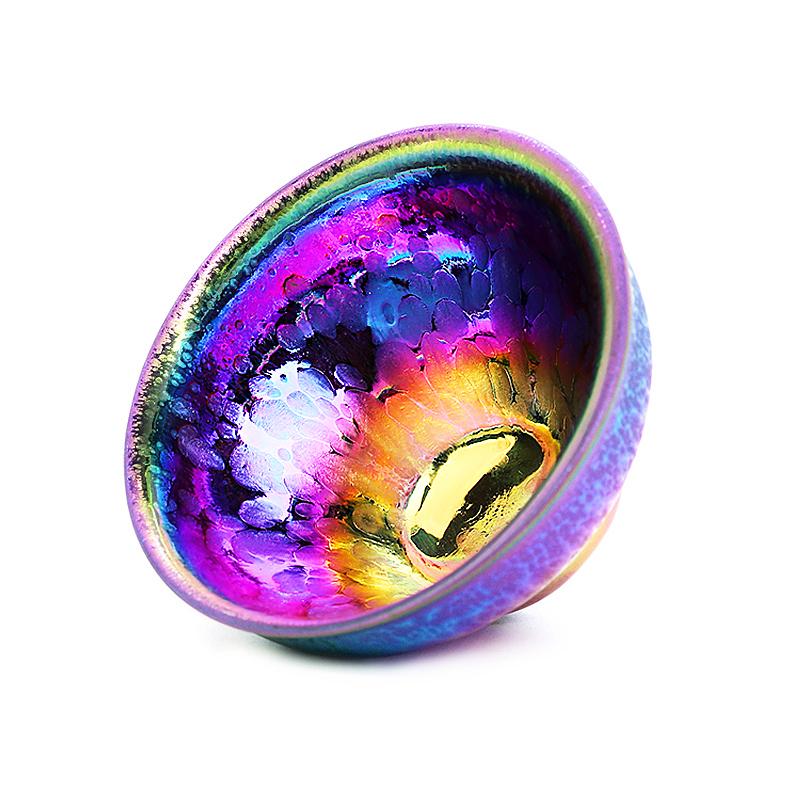
The patterns on oil-spot glaze Tenmoku will reflect various colors, such as rainbow, gold, silver, blue, etc., under different lighting conditions, such as sunlight, ordinary light, flashlight, etc., due to the different refractive indices of the glaze. This creates a magical iridescent effect.

Based on the above four points, we can generally determine the price of a Tenmoku.


Quick answers for Tenmoku teaware shoppers

Use this guide to connect the article topic with practical buying decisions: what Jianzhan Tenmoku teaware is, who it suits, how to choose a piece, and how to care for it after purchase.

How to use this guide before buying

Read the article first for the main explanation, then compare the product photos, glaze variation, form, seller clarity, return policy, and whether the piece fits daily tea, display, collecting, or gifting.

Common buying mistakes to avoid

Avoid choosing only by dramatic claims, copied photos, unusually low prices, or vague master language. A better decision uses visible product details, clear use case, realistic care needs, and trustworthy shop policies.

Recommended next step

After reading, compare a few real products side by side by size, glaze family, rim shape, capacity, price, and gift suitability instead of relying on one photo or one keyword.

What is Jianzhan Tenmoku teaware?

Jianzhan Tenmoku teaware is ceramic tea ware known for dark mineral-glaze effects and natural kiln variation. Common forms include tea cups, bowls, teapots, tea sets, and matcha bowls.

Who is it best for?

It is best for tea drinkers, ceramic collectors, and gift shoppers who value functional objects with visible handmade character. It is not ideal if you need every piece to look exactly identical.

How do I care for it?

Hand wash with warm water, avoid abrasive cleaners, and dry fully before storage. Gentle daily use helps preserve the surface and keeps the glaze easy to inspect over time.

How do I choose the right Tenmoku piece?

Choose by the main use first: daily tea, matcha, Gongfu brewing, display, or gifting. Then compare capacity, rim shape, glaze family, photos, and whether natural variation is acceptable for your needs.

Is Jianzhan Tenmoku teaware good as a gift?

Yes. It works well for tea lovers, ceramic collectors, birthdays, holidays, and housewarming gifts because it is both usable and visually distinctive. For gifts, choose an easy-to-use form and a glaze style with clear photos.

Related products and categories

Compare the guide above with real Tenmokus categories and representative pieces. Start with the use case, then compare glaze style, form, price, and whether the piece is mainly for daily tea, display, collecting, or gifting.

Handmade Tenmoku tea cups

Best for daily tea drinking, first Jianzhan purchases, ceramic gifts, and comparing glaze patterns across cup shapes.

Tenmoku tea sets

Best when you want a coordinated tea table, a hosting setup, or a complete gift instead of one individual cup.

Real vs fake Tenmoku guide

Use this guide to compare seller claims, glaze appearance, photos, and practical buying signals before choosing a piece.

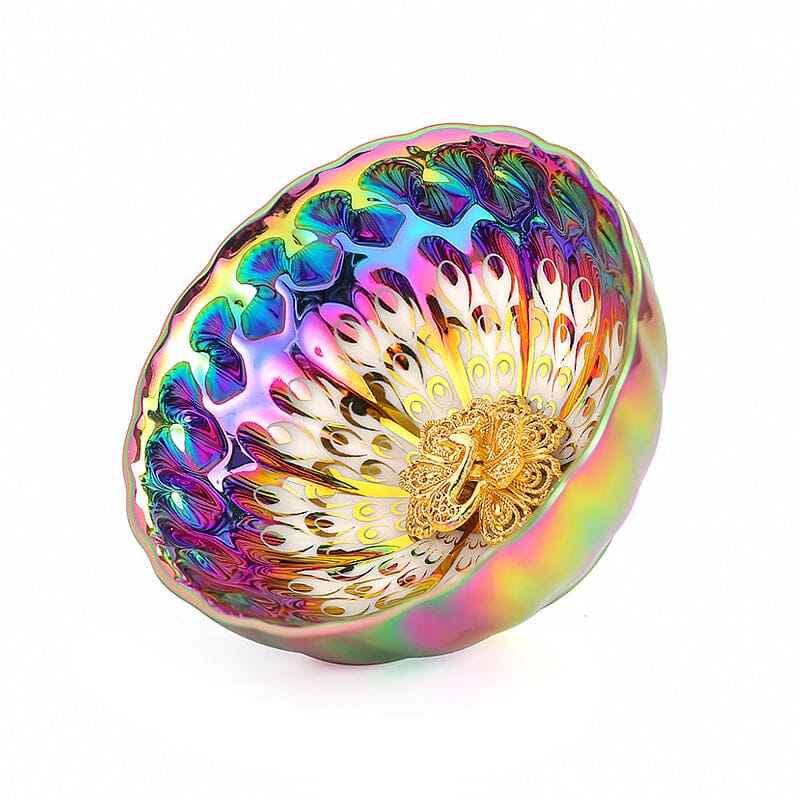
Vivid Peacock

A representative Tenmoku tea cup to compare by glaze depth, cup shape, price, and gift fit.

Golden Peacock

Compare this piece when you want a clear visual reference for a gold-toned Tenmoku glaze style.

Fairy II

Use this product as another comparison point for handmade form, glaze variation, and gift suitability.

shop handmade Tenmoku tea cups compare Jianzhan teapots browse Tenmoku tea sets choose Tenmoku matcha bowls view Tenmoku tea cups read the real vs fake Tenmoku tea bowl guide browse Jianzhan buying guides learn about Tenmokus

From Tenmoku guide to teaware choice

Tenmokus is focused on handmade Jianzhan Tenmoku teaware for tea rituals, display, and gifting. If you are choosing after reading this guide, start with Tenmoku tea cups for daily tea tasting, Tenmoku teapots for loose leaf brewing, Tenmoku tea sets for coordinated gifts, or Tenmoku matcha bowls for matcha preparation.

Related Tenmoku guides

Keep exploring Tenmoku care, gift ideas, teaware selection, and the difference between Tenmoku and Jianzhan.

View all

How to Spot a Real Handmade Tenmoku Tea Bowl: An Expert’s Authenticity Guide for Tea Lovers

How to Spot a Real Handmade Tenmoku Tea Bowl: An Expert’s Authenticity Guide for Tea Lovers

If you’ve ever held a real tenmoku tea bowl in your hands during a gongfu tea session, you know there’s nothing quite like it—the way the iron-rich glaze catches the light, the warmth it holds, the silent story of a...

Read more

Jian Zhan vs Japanese Tenmoku Tea Bowl: Which Offers the Best Value for Gongfu Tea?

Jian Zhan vs Japanese Tenmoku Tea Bowl: Which Offers the Best Value for Gongfu Tea?

Jian Zhan vs Japanese Tenmoku Tea Bowl: Which Offers the Best Value for Gongfu Tea? If you’re diving into gongfu tea ceremony and seeking the perfect tenmoku tea bowl, you’ve likely encountered two alluring paths: the ancient Chinese Jian Zhan...

Read more

Tenmoku Tea Bowl: A Handmade Cup With History, Beauty, and Meaning

Tenmoku Tea Bowl: A Handmade Cup With History, Beauty, and Meaning

Tenmoku Tea Bowl: A Handmade Cup With History, Beauty, and Meaning A tenmoku tea bowl is a dark-glazed tea cup, often called Jianzhan, known for dramatic patterns created by fire, minerals, and chance. For gongfu tea, it gives a quiet,...

Read more