

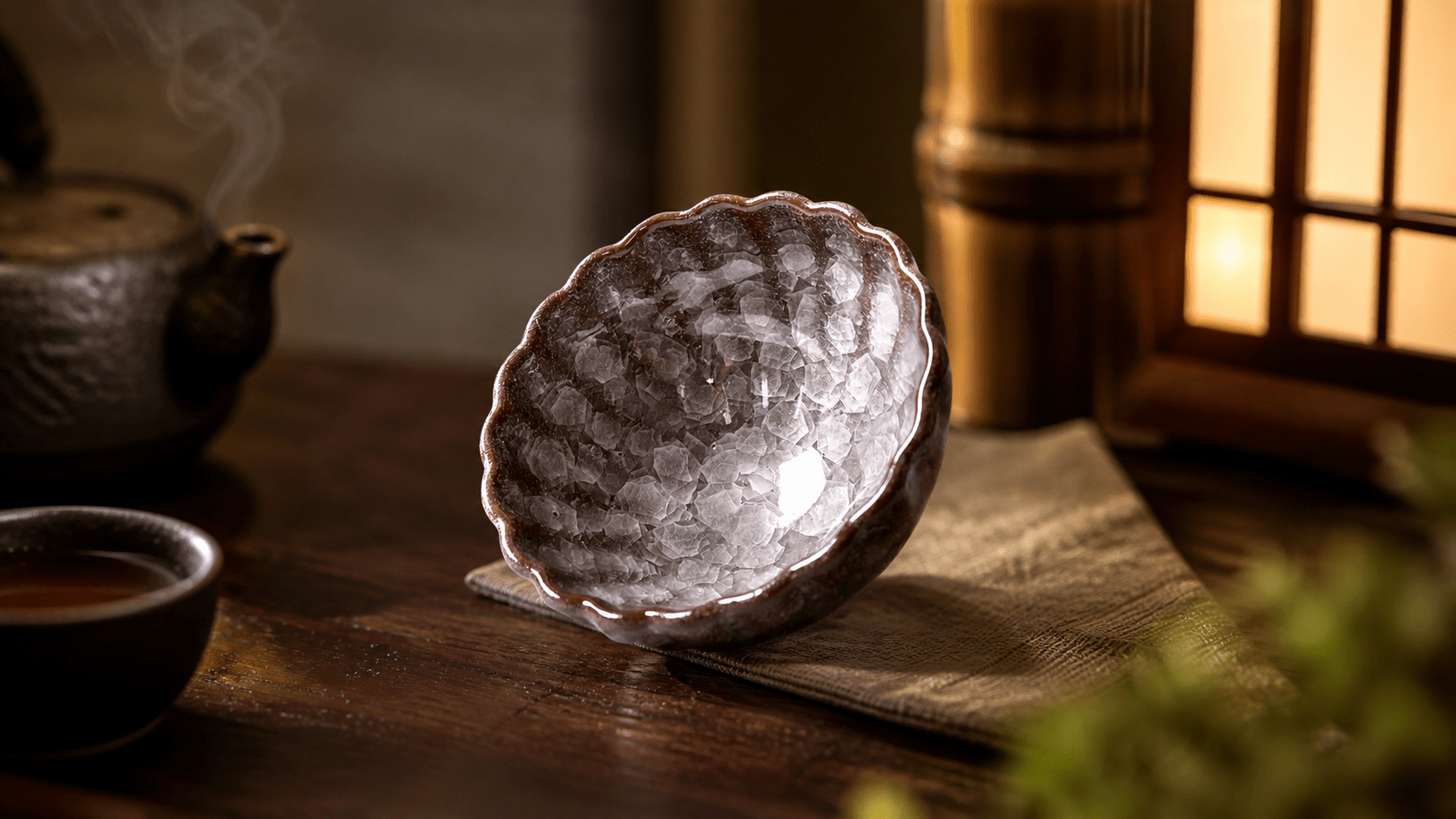

Tenmoku Tea Bowl Value: Why Handmade Cups Are Worth It
A tenmoku tea bowl can cost more than an everyday cup because it is not simply a vessel: it is a handmade ceramic object shaped by clay, fire, and a glaze result that cannot be precisely repeated. For a gongfu tea session, a well-made Jianzhan—also called a tenmoku tea cup—can turn a small pour of tea into a slower, more visual ritual.
The short answer to why tenmoku is expensive is labor, firing risk, material knowledge, and rarity. Think of it less like buying a mass-produced wine glass and more like choosing a small-batch watch, hand-finished leather good, or studio-made piece of art that you can use every day.
Key Takeaways
- A tenmoku tea bowl is usually priced for skilled handwork, specialized firing, and the uncertainty of kiln results.
- Authentic-style Jianzhan traditions are associated with Jianyang in Fujian, China, and historical Song Dynasty black-glazed wares.
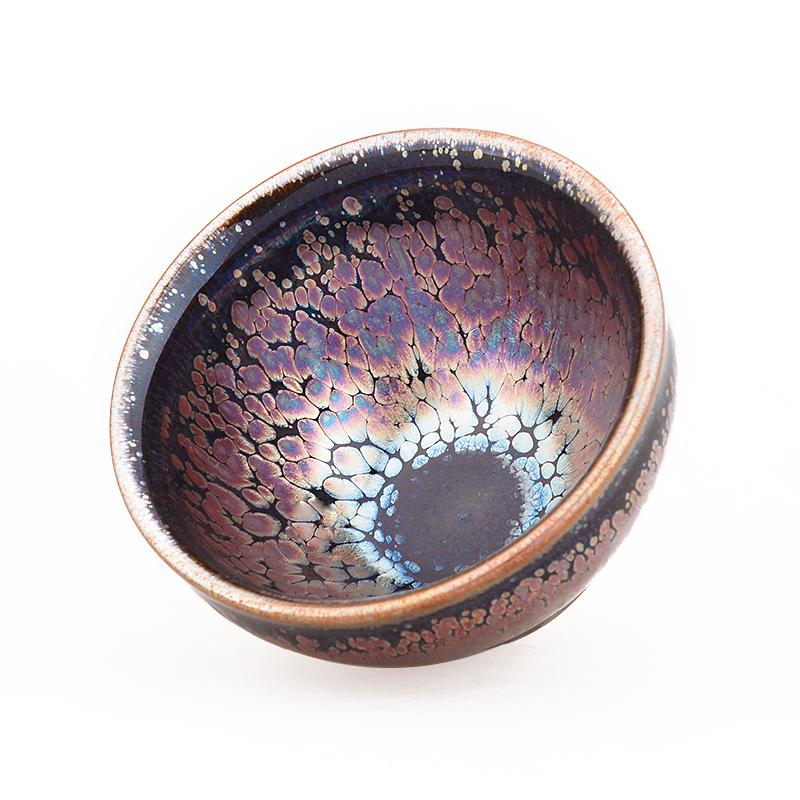
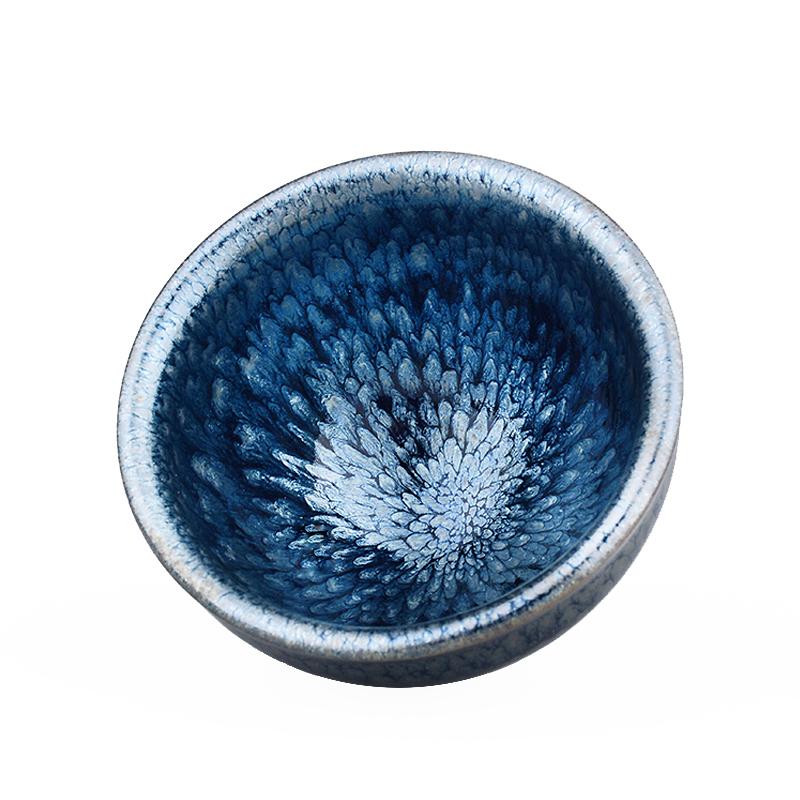
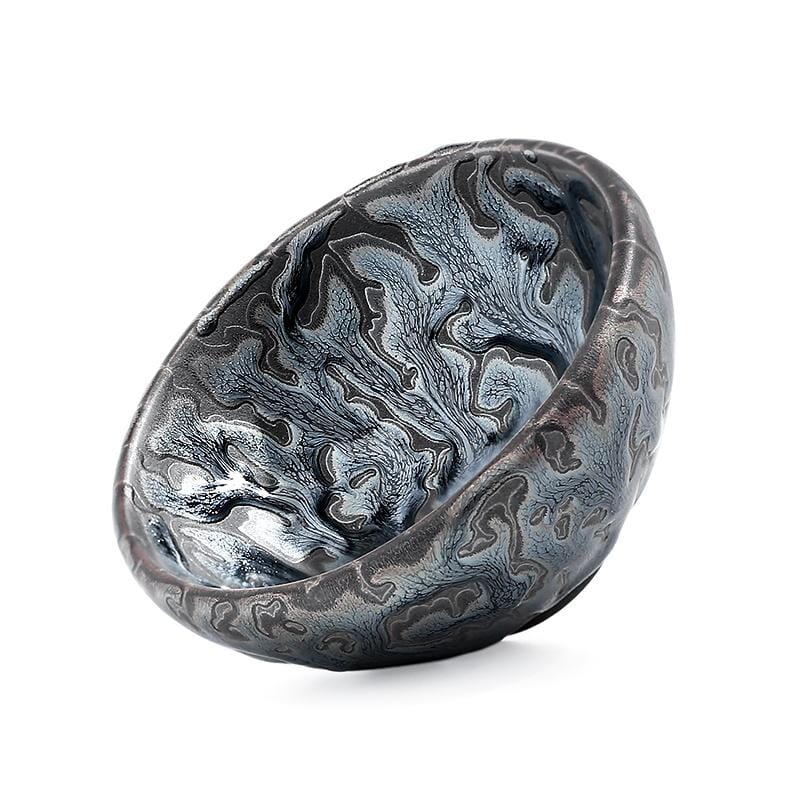
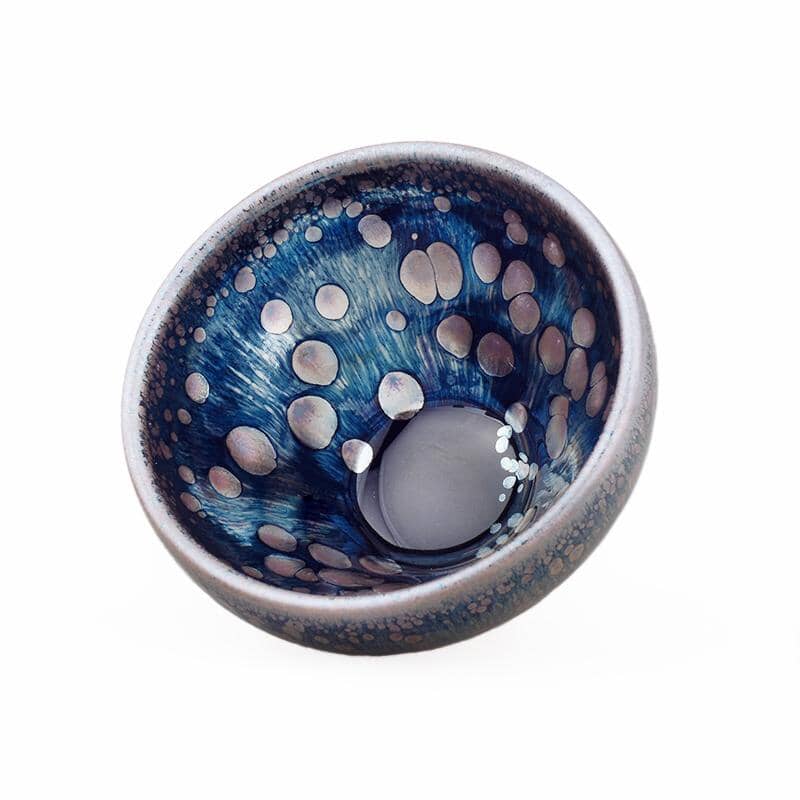
- Surface patterns such as oil spot and hare’s fur develop through high-temperature firing; they are not simply printed decorations.
- The best value Jianzhan is not always the cheapest or most dramatic-looking cup. It should feel well-balanced, usable, honestly described, and appropriate for your budget.
- A handmade tenmoku tea cup can be a meaningful gift for tea lovers when its craftsmanship and care needs are clearly understood.
Why is a tenmoku tea bowl expensive compared with an ordinary tea cup?
The tenmoku tea bowl price reflects a different production process from factory-made drinkware. A standard cup may be slip-cast from a mold, glazed in a controlled production line, and made in large batches. Handmade Jianzhan tea cups are formed, trimmed, glazed, fired, inspected, and sorted individually.
Each stage requires judgment. The maker must determine the thickness of the clay body, the shape of the foot, the glaze application, and how the cup will sit in a kiln. A small decision can affect whether the final piece feels balanced in the hand, has a smooth rim, or develops the intended visual character.
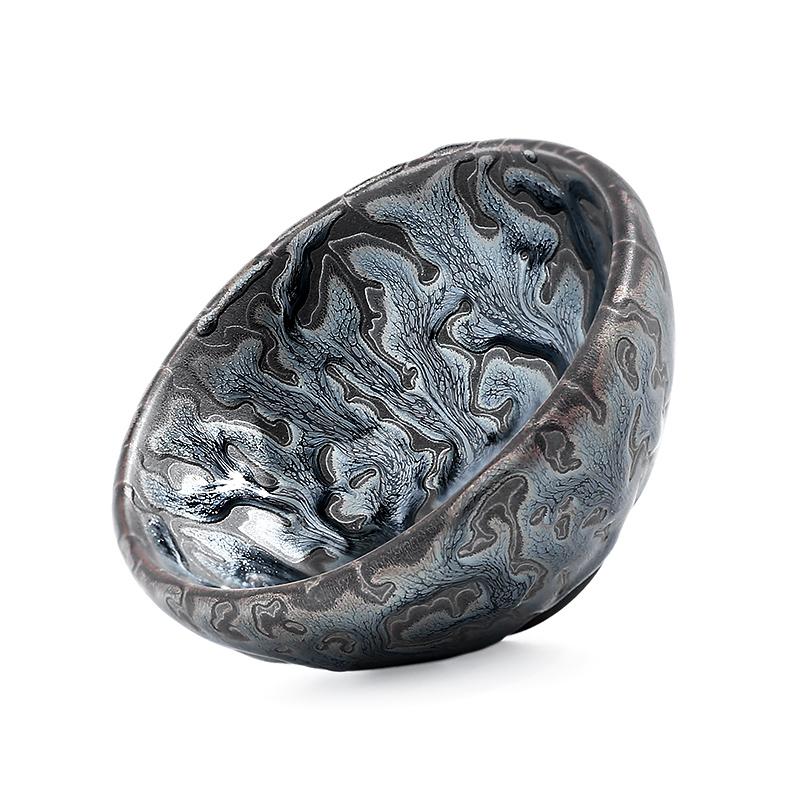
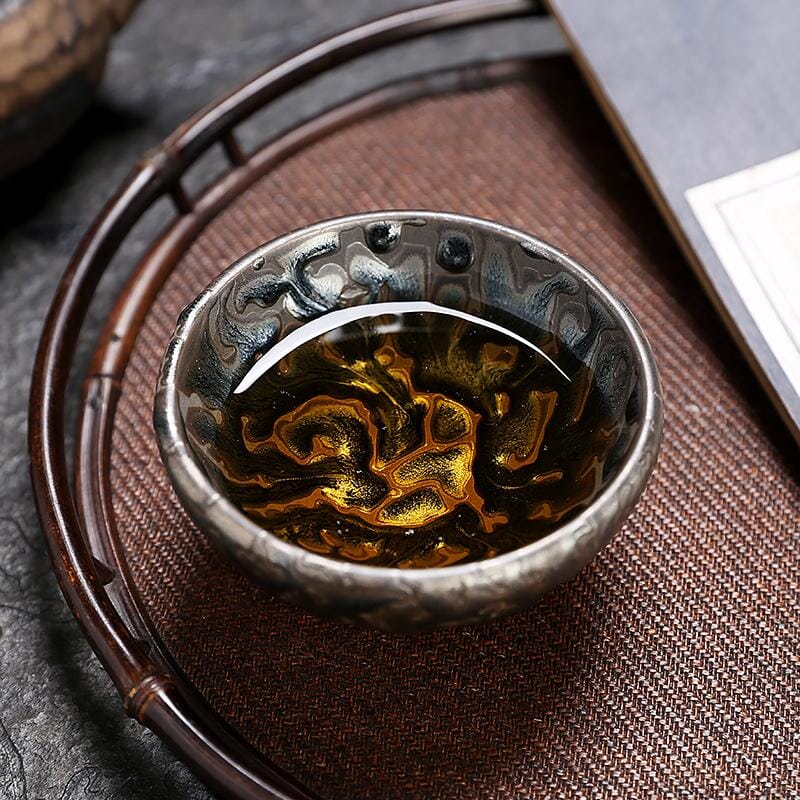
The most distinctive part is the iron-rich glaze. Tenmoku glaze is often valued for dark, layered surfaces that may reveal metallic-looking specks, streaks, or radiating patterns after firing. These effects depend on a complex interaction among glaze chemistry, kiln atmosphere, temperature, placement, and cooling. Even a skilled maker cannot promise that every firing will produce the same result.
That uncertainty is part of the jian zhan cost. Some pieces may crack, warp, stick to kiln furniture, develop unwanted flaws, or emerge with a glaze that is technically sound but visually less compelling. The successful cups carry the cost of the unsuccessful outcomes, much as a small-batch chocolatier must account for batches that do not meet its standards.
| Factor | Everyday factory tea cup | Handmade tenmoku tea bowl |
|---|---|---|
| Production | Repeatable molds and high volume | Individual shaping and finishing |
| Glaze appearance | Designed for uniformity | Often varies with kiln conditions |
| Firing risk | Optimized for consistent output | Higher risk when pursuing reactive glaze effects |
| Visual character | Near-identical across units | Each piece can show distinct pattern variation |
| Buying reason | Basic daily function | Function, ritual, craftsmanship, and gifting |
What does Song Dynasty history have to do with why tenmoku is expensive?
The modern language around Jianzhan and tenmoku is connected to black-glazed tea wares made near Jianyang, Fujian, during China’s Song Dynasty. Historical Jian ware became especially associated with tea culture because dark bowls visually complemented whisked tea and made the pale foam easier to see.
The word “tenmoku” entered common English usage through Japan and Japanese tea culture. Japanese visitors historically encountered Chinese black-glazed bowls associated with the Tianmu mountain area, and the Japanese reading became “tenmoku.” Today, people may use “Jianzhan,” “Jianzhan,” “Jian ware,” and “tenmoku tea bowl” in overlapping ways, though the terms can carry different cultural and historical context.
For a US buyer, the useful point is simple: you are buying into a living craft conversation, not just a color trend. A handmade bowl can reference centuries of tea ceremony aesthetics while still fitting a modern kitchen, home office, or evening tea routine.
History alone does not prove quality or justify any price. It does, however, explain why collectors and tea drinkers care about traditional forms, kiln character, and the relationship between a bowl’s surface and the tea inside it. Sellers should avoid treating historical language as a shortcut for authenticity; clear details about the actual piece matter more.
How does the jian zhan cost break down?
There is no single universal formula for jian zhan cost, but the price commonly reflects several practical inputs. Understanding them helps you compare handmade Jianzhan tea cups without being misled by either bargain pricing or luxury language.
- Clay and preparation: The body must be suitable for the intended firing process and shaped carefully enough to remain stable.
- Maker time: Throwing, trimming, glazing, cleaning the foot, and finishing are hands-on tasks.
- Glaze development: Reactive iron-rich glaze recipes require testing and experience; visually complex results are not guaranteed.
- Kiln firing: High-temperature firings use energy, space, time, and kiln expertise.
- Loss and sorting: Not every bowl survives or meets a maker’s quality threshold.
- Retail service: Packaging, photography, customer support, and shipping protection also affect final retail pricing.
A premium price should not mean that every cup is automatically collectible or superior. It should be supported by tangible details: a comfortable rim, a stable foot, thoughtful proportions, honest photos, and a glaze result that looks intentional rather than covered up by vague claims.
For gongfu tea, a smaller handmade bowl may be especially appealing because it encourages you to notice aroma, color, and temperature across short infusions. The object does not make tea “better” by magic, but it can make the act of brewing more focused and enjoyable.
What is a realistic tenmoku tea bowl price for a first-time buyer?
A realistic tenmoku tea bowl price depends on size, finish, maker, origin claims, glaze complexity, and retail channel. Rather than searching for one “correct” number, use price ranges as a prompt to ask better questions.
At the entry level, you may find accessible handmade-looking cups intended for everyday tea drinking. Mid-range options often provide more careful finishing, stronger glaze variation, and more detailed product information. Higher-priced pieces may reflect a recognized maker, a technically demanding firing style, unusual visual results, limited availability, or collector interest.
Be cautious with extremes. A very low price does not automatically mean poor quality, but it may indicate a mass-market process, simplified glaze work, limited documentation, or a seller who cannot explain the piece. A very high price may be appropriate for a specific work, but it should come with substance—not just dramatic words like “rare,” “master,” or “museum grade.”
For most curious beginners, start with a cup you will actually use. A bowl that feels inviting at breakfast or during a quiet afternoon is usually a better first purchase than one so precious that it remains in a cabinet.
How do you find the best value Jianzhan without overpaying?
The best value Jianzhan is the one that gives you real enjoyment, credible craftsmanship, and clear information at a price you can feel good about. It does not need to be the flashiest oil spot glaze in a product photo.
- Check proportion and usability. Look for a smooth drinking rim, stable base, comfortable size, and a form that works with your preferred tea routine.
- Study multiple photos. A reactive tenmoku glaze should be shown from more than one angle and in natural-looking light. Variation is normal; hidden flaws are not.
- Read descriptions for specifics. Useful listings explain size, approximate capacity, care guidance, and whether each piece varies. Unsupported claims about health benefits, ancient status, or artist credentials are red flags.
- Decide your purpose. Are you buying for daily gongfu tea, display, collecting, or a jianzhan tea cup gift? Your answer determines how much rarity matters.
- Compare like with like. Do not compare a small hand-finished cup with a large factory-made mug solely by price per ounce.
If you want to compare options with a practical focus, Explore our handmade Jianzhan tea cups. For buyers drawn to fine streaking rather than speckled patterns, you can also Browse our hare's fur Jianzhan series.
Are handmade Jianzhan tea cups a good gift for tea lovers?
Yes—when chosen thoughtfully, handmade Jianzhan tea cups can make a memorable gift for tea lovers because they combine daily use with visual discovery. Unlike a generic gift set, a handmade tenmoku tea cup can become part of a person’s morning tea, weekend gongfu practice, or home tea ceremony.
Choose a gift based on the recipient’s habits. A beginner may appreciate a versatile, easy-to-hold bowl with a moderate pattern. A collector may prefer a more unusual glaze surface, provided you can share accurate information about it. For someone who enjoys Japanese and Chinese tea traditions, the cultural connection can add meaning without requiring them to be an expert.
Include a simple note: “Use this for small pours of tea, notice how the glaze changes in different light, and hand-wash it gently.” That turns a beautiful object into an invitation to slow down.
FAQ: Tenmoku Tea Bowl Price and Value
Why tenmoku is expensive when it looks like a small cup?
Size is only one part of cost. The price can reflect handwork, specialized clay and glaze knowledge, high-temperature firing, production losses, and the uniqueness of each successful surface pattern.
What affects jian zhan cost the most?
Maker skill, firing method, glaze complexity, quality of finishing, rarity of the result, and the seller’s ability to document the piece all influence jian zhan cost.
What is a fair tenmoku tea bowl price for daily gongfu tea?
A fair price is one supported by honest product details, good finishing, a comfortable form, and a cup you expect to use regularly. Compare craftsmanship and information, not just the lowest listed price.
Is the best value Jianzhan always an oil spot glaze bowl?
No. Oil spot glaze can be visually striking, but value also comes from shape, comfort, workmanship, and how much you enjoy using the bowl. A simpler hare’s fur or dark glaze cup may be the better fit.
Are handmade Jianzhan tea cups better than factory-made cups?
They offer a different value proposition: individual variation, craft character, and a more personal object. Factory-made cups can still be practical and attractive; the best choice depends on your budget and priorities.
Is a handmade tenmoku tea cup suitable as a jianzhan tea cup gift?
Yes. It is especially suitable for people who enjoy tea, ceramics, design, or meaningful everyday objects. Choose a versatile shape and provide care guidance if the recipient is new to handmade pottery.
Conclusion: Buy the Bowl You Will Reach For
A tenmoku tea bowl is expensive when its price reflects real work: shaping, glaze development, kiln risk, careful selection, and an outcome that cannot be copied exactly. The value is not only in how it looks on a shelf, but in how often it helps you enjoy a deliberate cup of tea.
For a first purchase, focus on honest craftsmanship, a form that feels good in your hands, and a glaze you want to see again tomorrow. That is usually the most satisfying path to a handmade tenmoku tea cup—and the strongest definition of value.
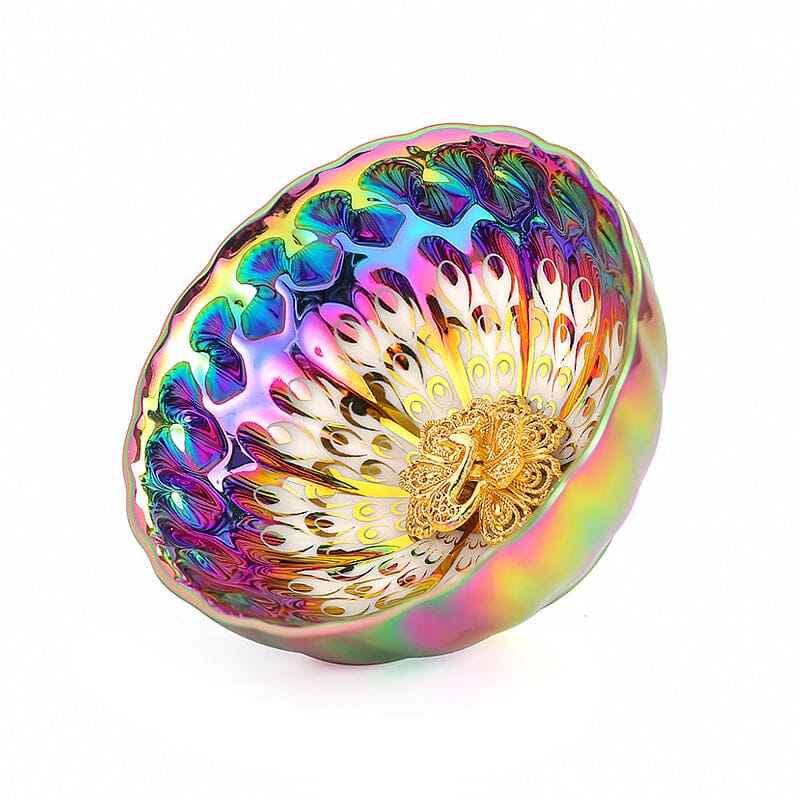
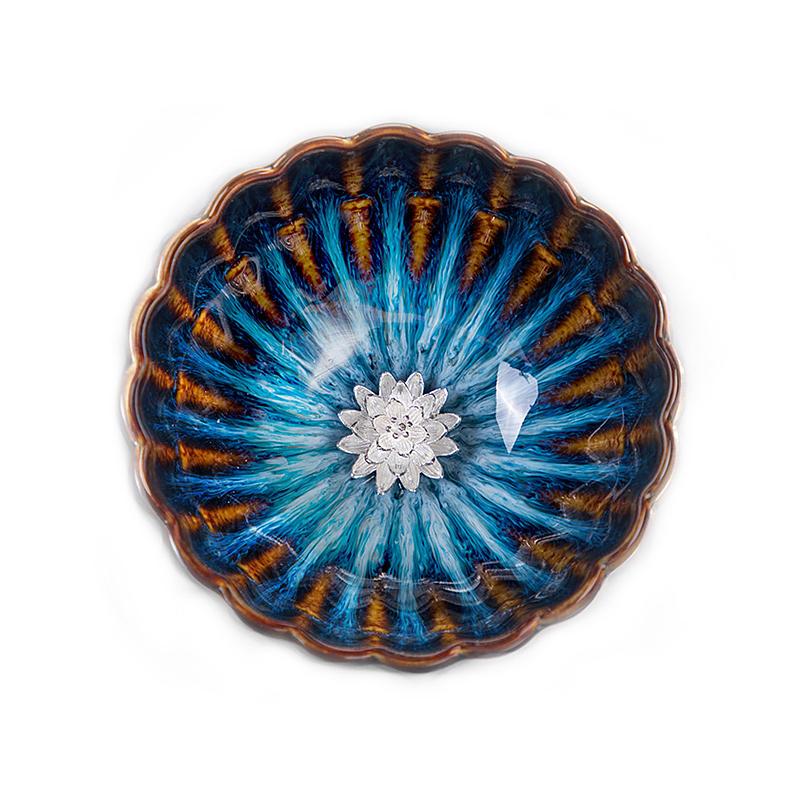
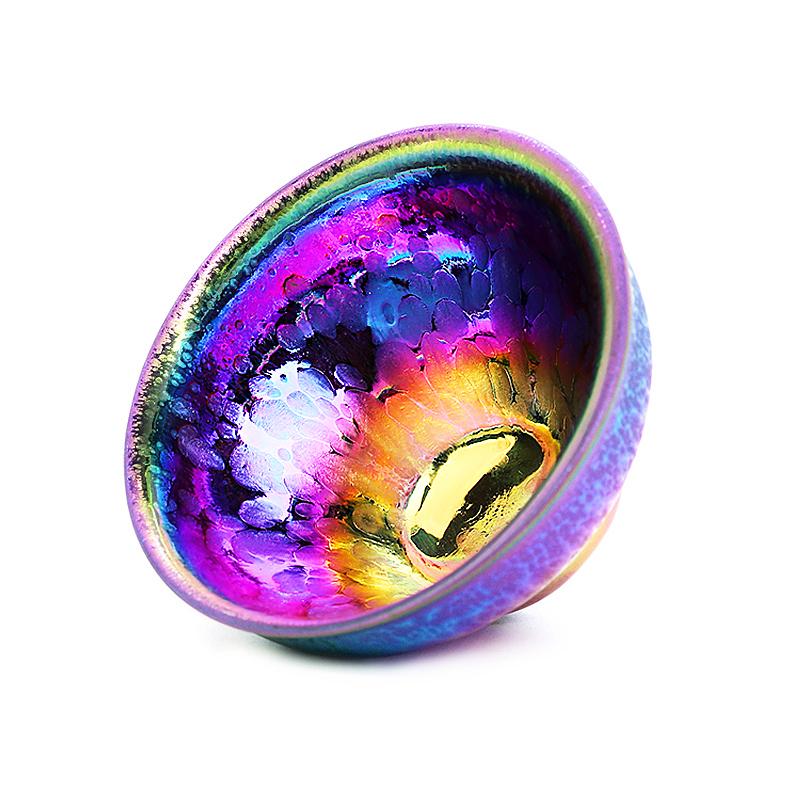
Explore Our Collection
Ready to experience the world of tenmoku tea bowl? Browse our curated collection:
Disclaimer: This article is for informational purposes. Products and pricing subject to change.


Share:
Real vs Fake Tenmoku Tea Bowls: How to Choose an Authentic Jian Zhan
Transform Your Daily Ritual with a Handmade Tenmoku Tea Bowl: The Ultimate Luxury Wellness Upgrade