Venta de Pascua: Compre 3 ¡Obtenga el 4to gratis!

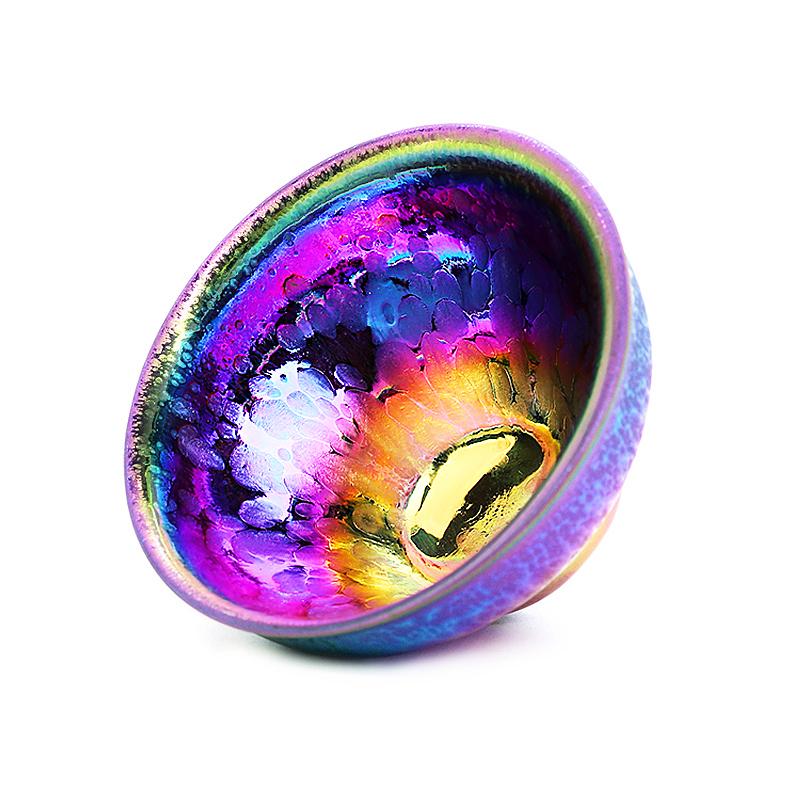
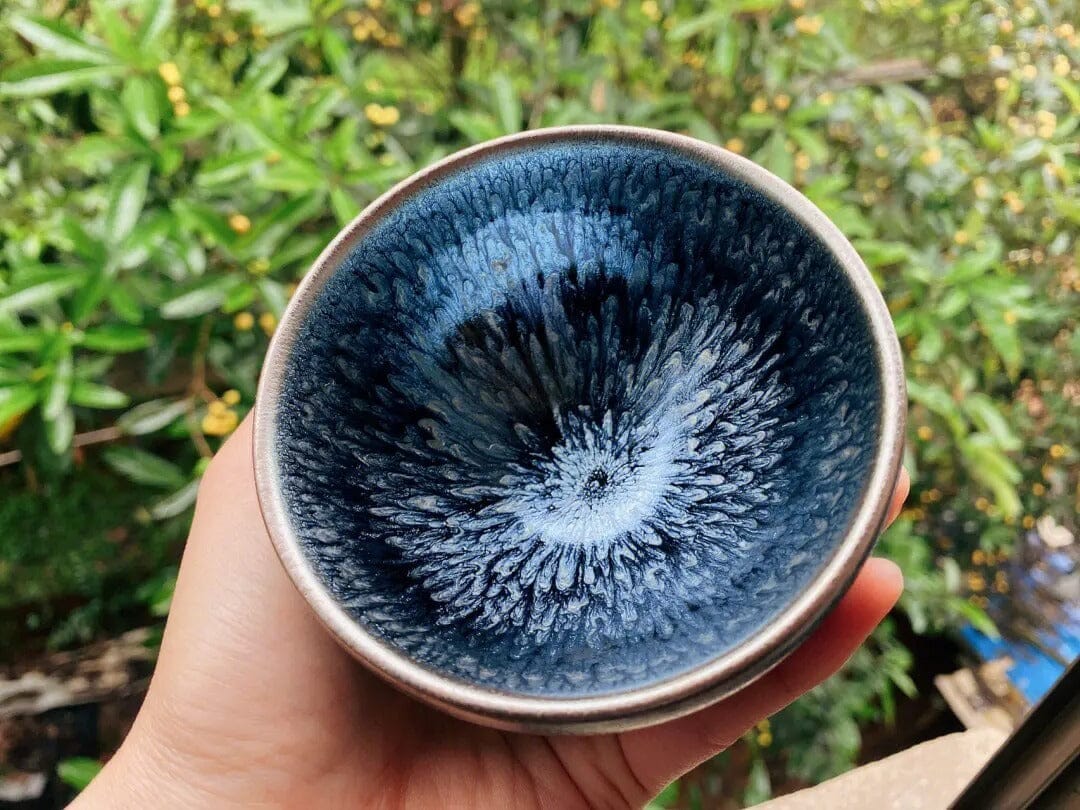
Cuidar el Jianzhan es uno de los placeres que ofrece a los amantes del té, y muchos entusiastas se esfuerzan por cultivar su deslumbrante "luz de siete colores". Últimamente, muchas personas se han preguntado en línea: ¿cuál Jianzhan es más fácil de cuidar? ¿Cómo podemos cultivar la luz de siete colores? Al plantearnos estas preguntas, primero debemos comprender las "tres cosas que debemos evitar" en Jianzhan. Entonces, ¿cuáles son las "tres cosas que debemos evitar" en Jianzhan? ¡Descubrámoslo juntos a continuación!

"No seas ahorrativo."

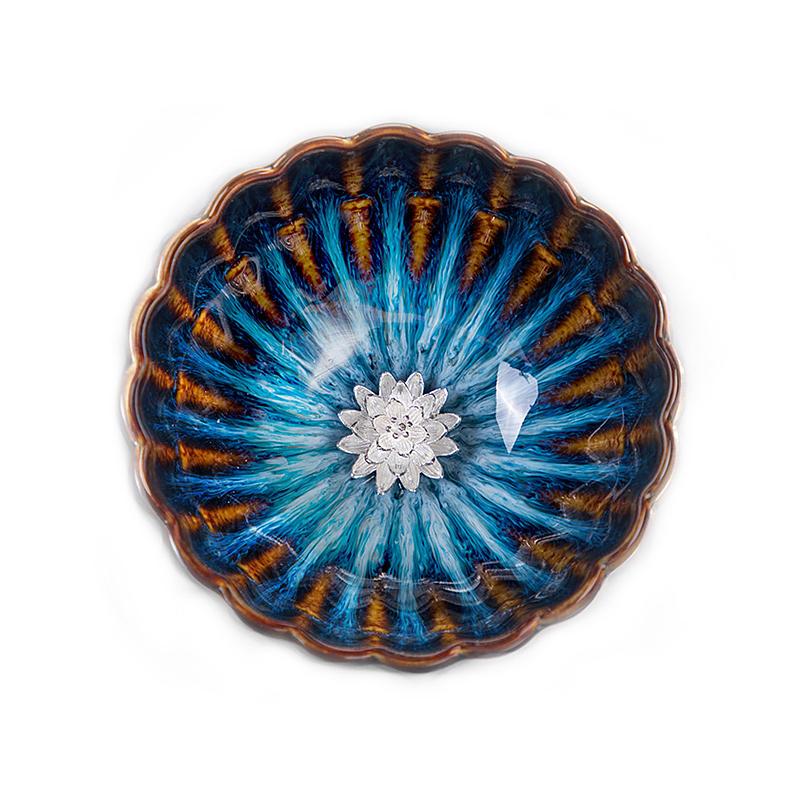
Para cultivar un "aura arcoíris" deslumbrante, hay un paso crucial que no se puede omitir, que es la selección de la tetera.

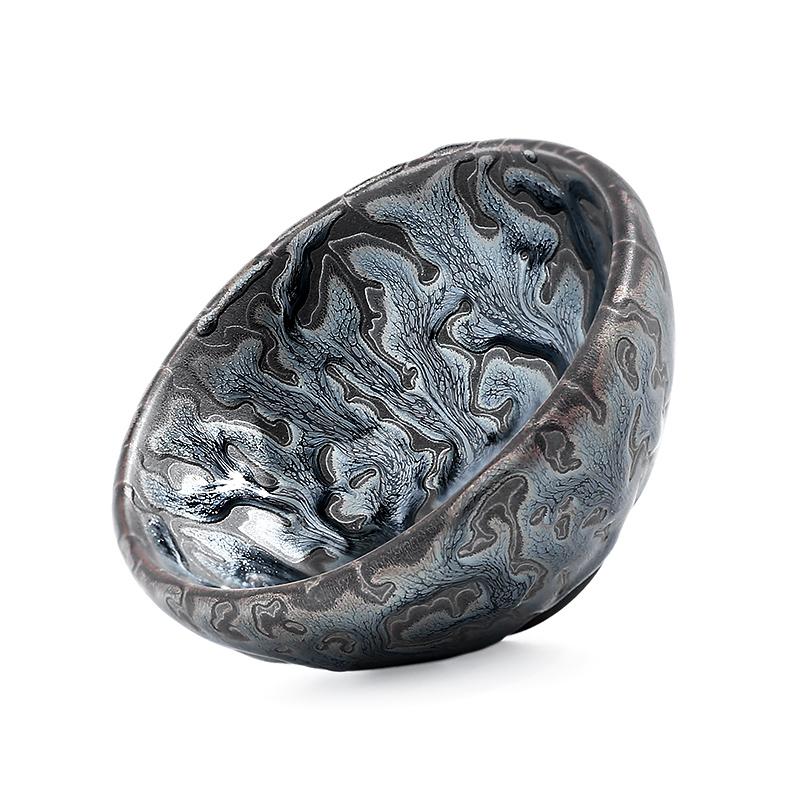
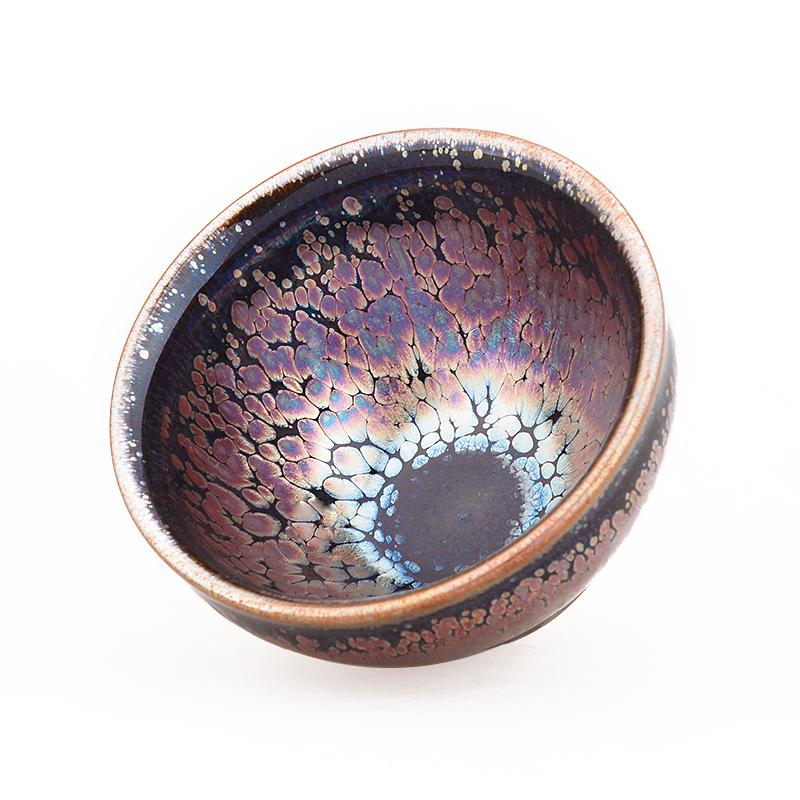
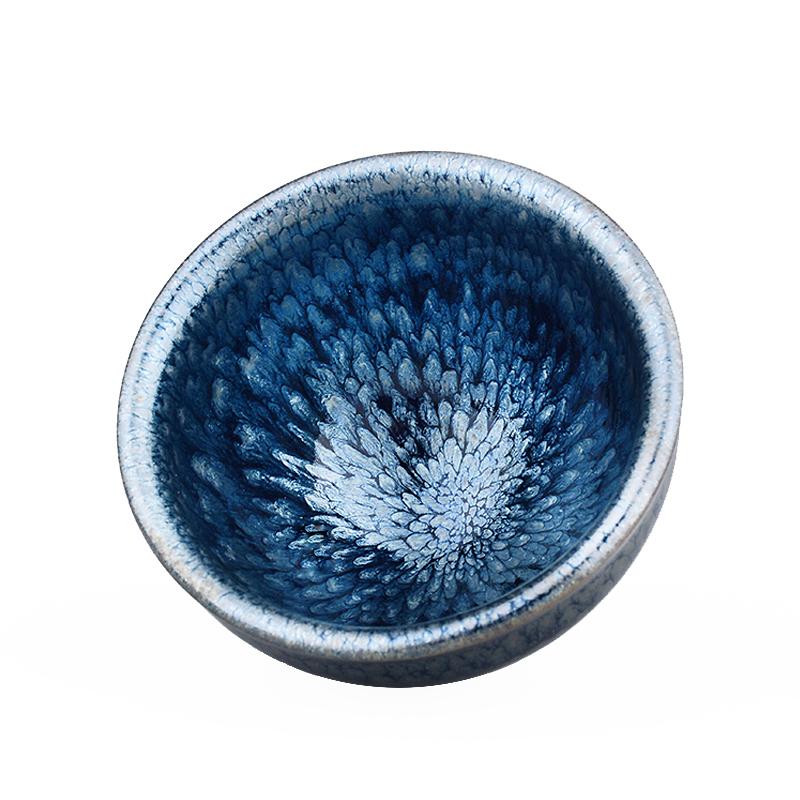
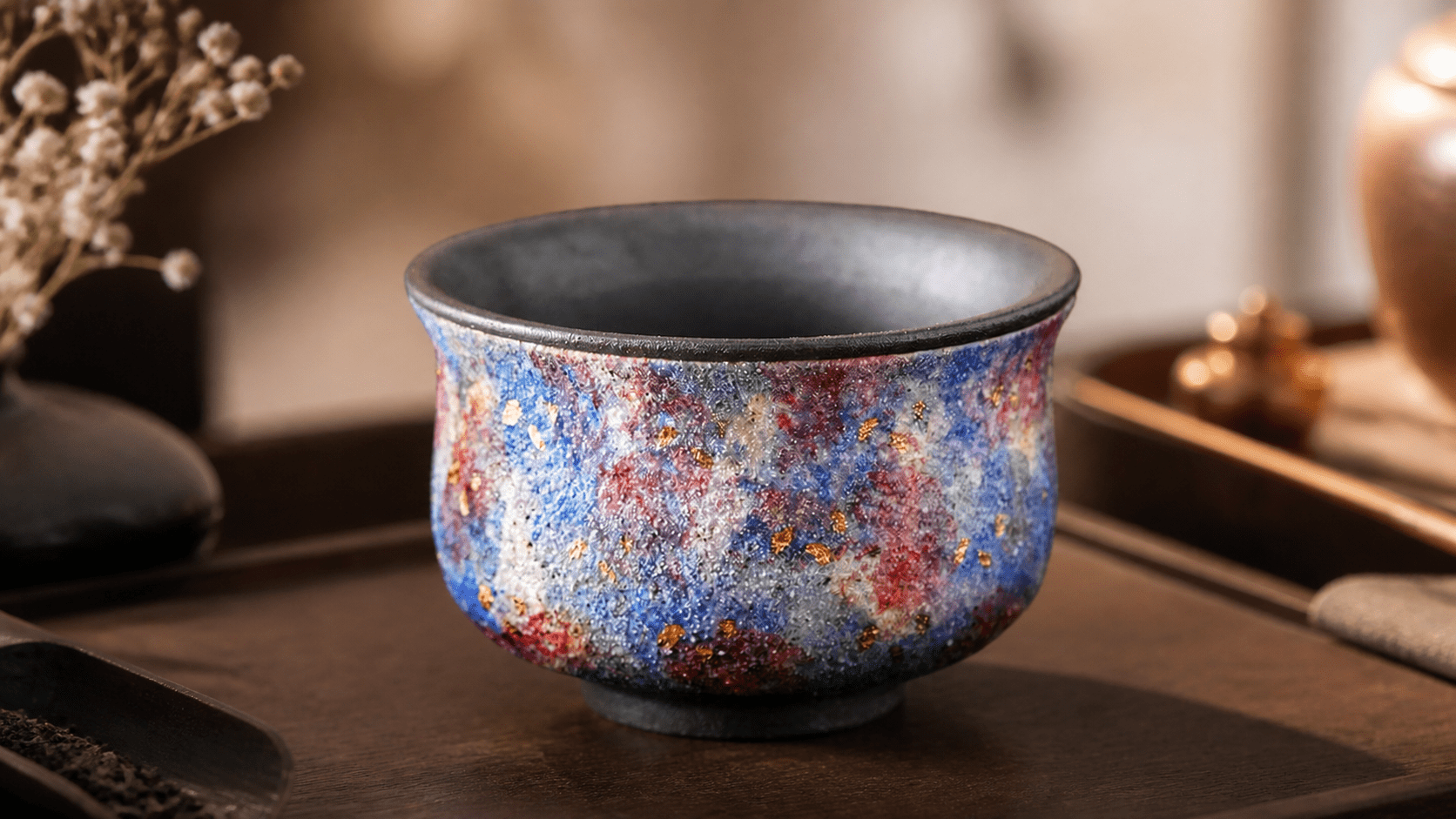
Se dice que la gran mayoría de las teteras de pelo de conejo y un pequeño porcentaje de las teteras de gota de aceite no pueden cultivarse para exhibir el deseado "aura arcoíris". Estas teteras son difíciles de cultivar y no es fácil lograr su brillo, pero eso no significa que sea imposible. En general, las teteras que han formado una capa protectora vitrificada y tienen un buen efecto espejo son más difíciles de cultivar para exhibir el "aura arcoíris". Si queremos cultivar el "aura arcoíris" rápidamente, podemos elegir colores de esmaltado con expresión cristalina activa, como algunas teteras de gota de aceite con textura cristalina y expresión activa, que son más fáciles de resaltar el brillo. En resumen, podemos elegir teteras con una vitrificación moderada. Las teteras con una vitrificación débil o que han sido cocidas en exceso no pueden exhibir el "aura arcoíris" e incluso pueden oxidarse con el tiempo, mientras que las teteras con una vitrificación excesiva tienen una absorción de té lenta y son más difíciles de cultivar. Las teteras con cristales activos se pueden sentir con la mano como si tuvieran una superficie de esmalte irregular y se pueden ver formaciones de cristales con una lupa, lo que las convierte en mejores opciones.

Por lo tanto, si la tetera seleccionada inicialmente es difícil de cultivar o no logra alcanzar el brillo deseado, incluso con mucho esfuerzo, será difícil lograrlo. Sin embargo, con el tiempo, la tetera se volverá más suave y llena de vitalidad.

No te apresures

Cultivar una tetera requiere paciencia; de lo contrario, se terminará haciendo el doble de trabajo para obtener la mitad del resultado. Por ejemplo, a algunos amigos les gusta el método de "cultivo de teteras perezoso", que consiste en descuidar la limpieza de la tetera mientras se intenta cultivarla. Con el tiempo, este método solo dañará su preciada tetera. Si se cultiva una tetera de esta manera durante mucho tiempo, no solo la superficie esmaltada se volverá más seca y opaca, sino que los cristales también perderán gradualmente su brillo.

La superficie esmaltada de la pared interior de la tetera presenta manchas de té evidentes y su color es opaco. Se recomienda limpiar la tetera inmediatamente después de tomar el té, preferiblemente con un paño especial para secarla y dejarla secar al aire. Además, la tetera también necesita tiempo de reposo. Usarla de forma intermitente dará mejores resultados. Se pueden usar varias teteras alternativamente, lo que permitirá que la superficie esmaltada se seque completamente y facilitará el cultivo. Por lo tanto, no hay necesidad de apresurarse al cultivar una tetera.

No desperdicies

Algunos aficionados a las teteras creen que no lavarlas después de tomar té o dejarlas en remojo en la sopa de té facilitará su brillo. Sin embargo, esto es completamente erróneo. Después de cada uso, la tetera no debe tener restos de té, y mantenerla limpia es fundamental para su cuidado.

Aunque la tetera tiene la función de conservar el té y evitar la corrosión, dejar el té durante la noche sigue siendo muy perjudicial para la tetera en sí.Además, es muy antihigiénico hacerlo durante mucho tiempo, lo cual también es perjudicial para el cuerpo. Por lo tanto, es importante usar la tetera con frecuencia para beber té y mantenerla limpia limpiándola y frotándola con regularidad. Después de beber la última taza de té cada día, enjuague la tetera con agua caliente y lávela bien como de costumbre. Luego, deje que la tetera se seque al aire en un lugar bien ventilado.
Quick answers for Tenmoku teaware shoppers

Use this guide to connect the article topic with practical buying decisions: what Jianzhan Tenmoku teaware is, who it suits, how to choose a piece, and how to care for it after purchase.

How to use this guide before buying

Read the article first for the main explanation, then compare the product photos, glaze variation, form, seller clarity, return policy, and whether the piece fits daily tea, display, collecting, or gifting.

Common buying mistakes to avoid

Avoid choosing only by dramatic claims, copied photos, unusually low prices, or vague master language. A better decision uses visible product details, clear use case, realistic care needs, and trustworthy shop policies.

Recommended next step

After reading, compare a few real products side by side by size, glaze family, rim shape, capacity, price, and gift suitability instead of relying on one photo or one keyword.

What is Jianzhan Tenmoku teaware?

Jianzhan Tenmoku teaware is ceramic tea ware known for dark mineral-glaze effects and natural kiln variation. Common forms include tea cups, bowls, teapots, tea sets, and matcha bowls.

Who is it best for?

It is best for tea drinkers, ceramic collectors, and gift shoppers who value functional objects with visible handmade character. It is not ideal if you need every piece to look exactly identical.

How do I care for it?

Hand wash with warm water, avoid abrasive cleaners, and dry fully before storage. Gentle daily use helps preserve the surface and keeps the glaze easy to inspect over time.

How do I choose the right Tenmoku piece?

Choose by the main use first: daily tea, matcha, Gongfu brewing, display, or gifting. Then compare capacity, rim shape, glaze family, photos, and whether natural variation is acceptable for your needs.

Is Jianzhan Tenmoku teaware good as a gift?

Yes. It works well for tea lovers, ceramic collectors, birthdays, holidays, and housewarming gifts because it is both usable and visually distinctive. For gifts, choose an easy-to-use form and a glaze style with clear photos.

Related products and categories

Compare the guide above with real Tenmokus categories and representative pieces. Start with the use case, then compare glaze style, form, price, and whether the piece is mainly for daily tea, display, collecting, or gifting.

Handmade Tenmoku tea cups

Best for daily tea drinking, first Jianzhan purchases, ceramic gifts, and comparing glaze patterns across cup shapes.

Tenmoku tea sets

Best when you want a coordinated tea table, a hosting setup, or a complete gift instead of one individual cup.

Real vs fake Tenmoku guide

Use this guide to compare seller claims, glaze appearance, photos, and practical buying signals before choosing a piece.

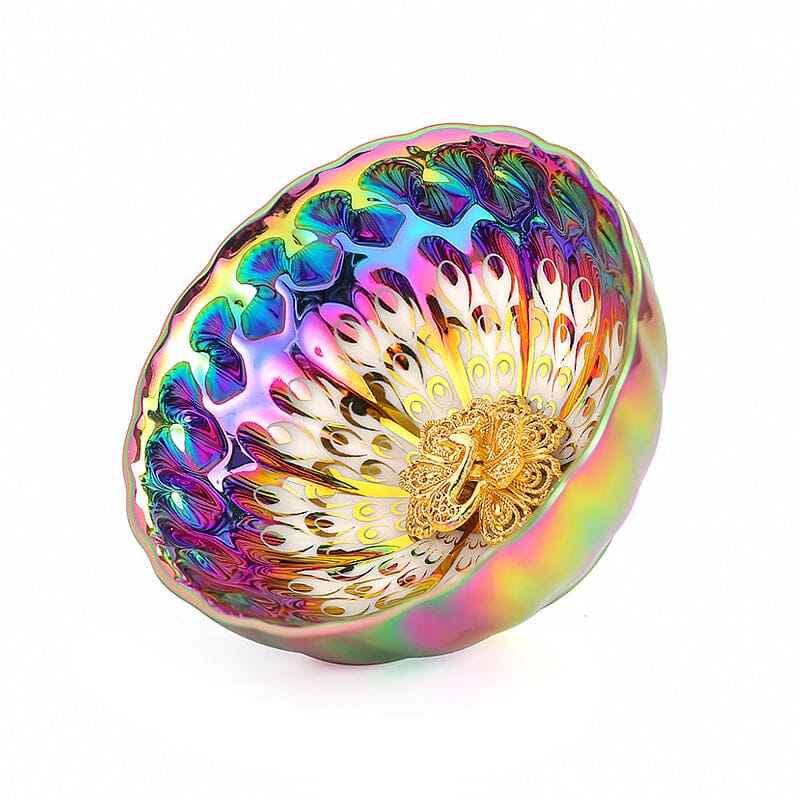
Pavo real vívido

A representative Tenmoku tea cup to compare by glaze depth, cup shape, price, and gift fit.

Pavo real

Compare this piece when you want a clear visual reference for a gold-toned Tenmoku glaze style.

Hada II

Use this product as another comparison point for handmade form, glaze variation, and gift suitability.

shop handmade Tenmoku tea cups compare Jianzhan teapots browse Tenmoku tea sets choose Tenmoku matcha bowls view Tenmoku tea cups read the real vs fake Tenmoku tea bowl guide browse Jianzhan buying guides learn about Tenmokus

From Tenmoku guide to teaware choice

Tenmokus is focused on handmade Jianzhan Tenmoku teaware for tea rituals, display, and gifting. If you are choosing after reading this guide, start with Tenmoku tea cups for daily tea tasting, Tenmoku teapots for loose leaf brewing, Tenmoku coffee cups for daily coffee, Tenmoku tea sets for coordinated gifts, Tenmoku matcha bowls for matcha preparation, Tenmoku beer cups for home bar drinkware, or Tenmoku sake sets for serving and display.

Últimas historias

Keep exploring Tenmoku care, gift ideas, teaware selection, and the difference between Tenmoku and Jianzhan.

Ver todo

Why a Tenmoku Tea Bowl Is Worth the Price for Tea Lovers

Why a Tenmoku Tea Bowl Is Worth the Price for Tea Lovers

Why a Tenmoku Tea Bowl Is Worth the Price for Tea Lovers A tenmoku tea bowl can cost more than an everyday cup because it is a fired work of handmade ceramic art, not a factory-made drinking vessel. For someone...

Leer más

The Tenmoku Tea Bowl Story: A More Meaningful Gongfu Tea Ritual

The Tenmoku Tea Bowl Story: A More Meaningful Gongfu Tea Ritual

A tenmoku tea bowl brings color, texture, and a slower rhythm to a gongfu tea session.The Tenmoku Tea Bowl Story: A More Meaningful Gongfu Tea Ritual A tenmoku tea bowl is a dark-glazed tea vessel whose character comes from clay,...

Leer más

Tenmoku Tea Bowl Authenticity: How to Buy with Confidence

Tenmoku Tea Bowl Authenticity: How to Buy with Confidence

Tenmoku Tea Bowl Authenticity: How to Buy with Confidence A real tenmoku tea bowl is best recognized through its material, glaze behavior, firing marks, and clear origin story—not one flashy rainbow pattern. If you want a handmade ceramic cup for...

Leer más