Cultivar Jianzhan requiere tiempo, pero siempre que domines las técnicas, ¡podrás lograr el doble de resultado con la mitad del esfuerzo!
¡Recuerde estos tres puntos para cultivar fácilmente un Jianzhan con "luz de arco iris"!
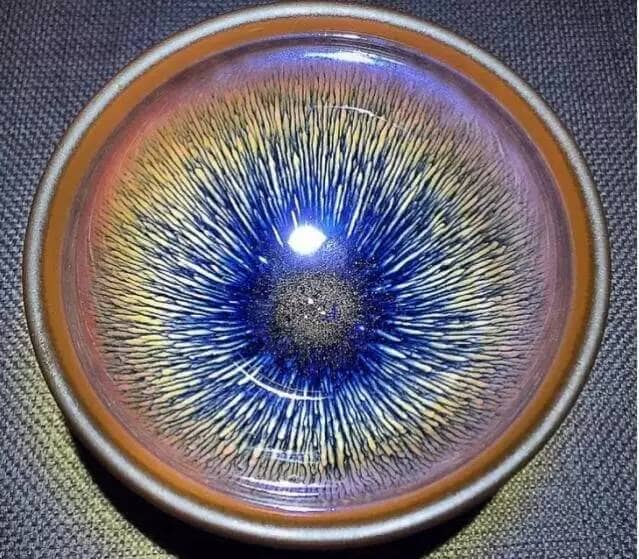
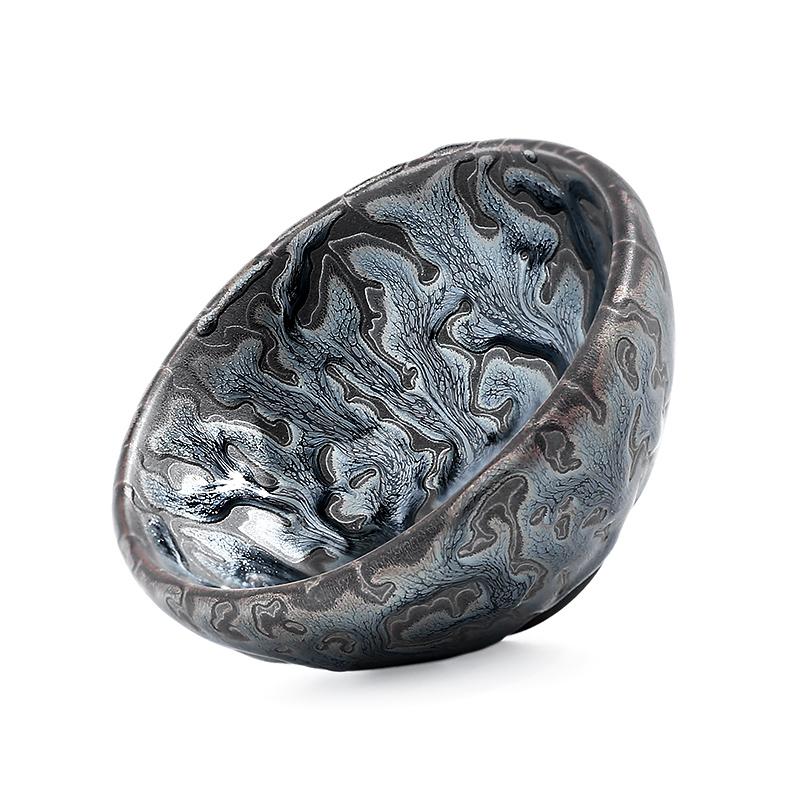
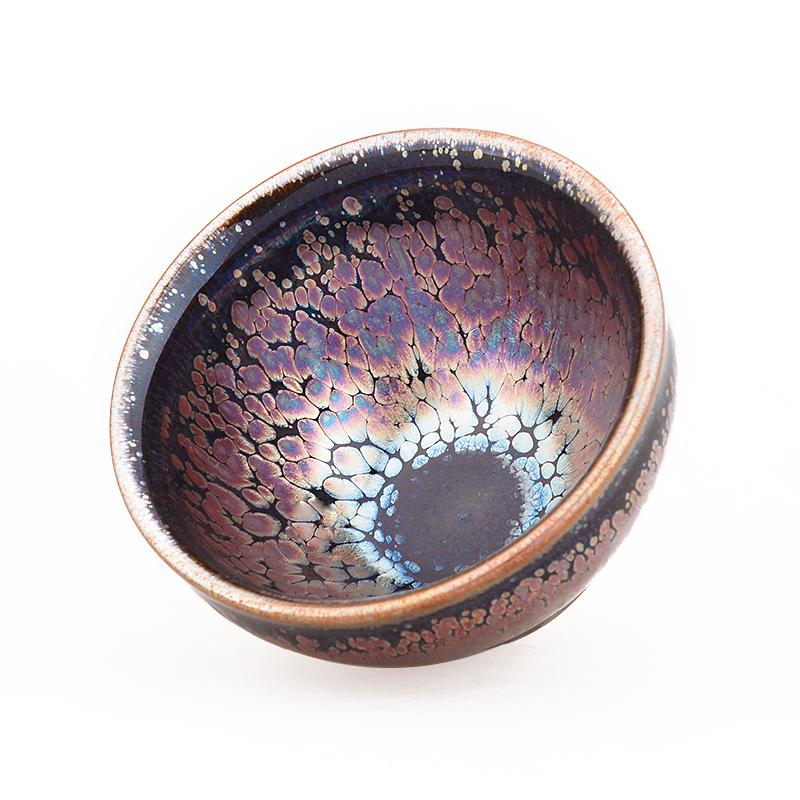
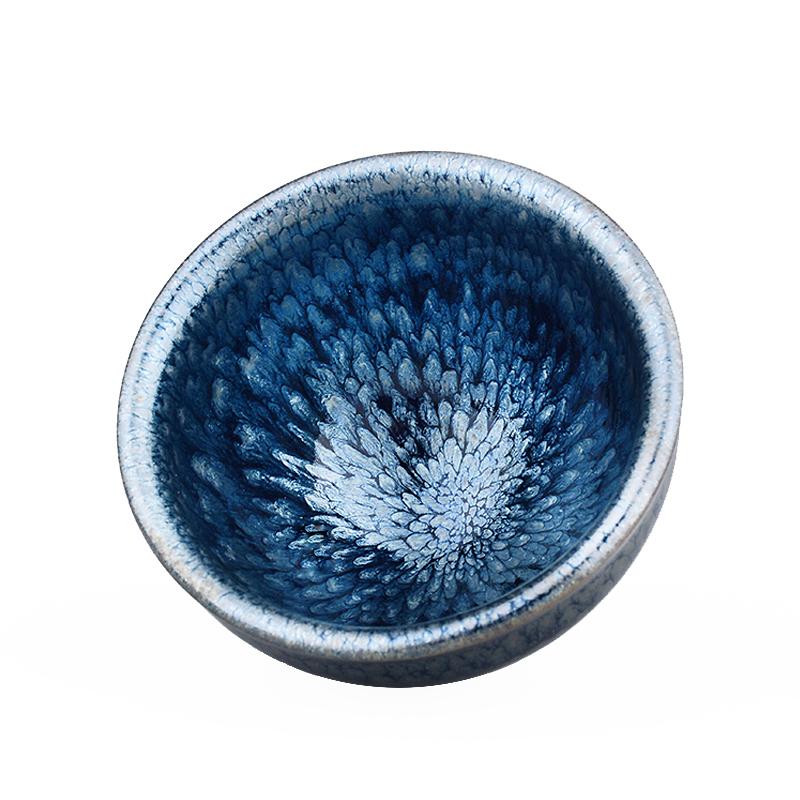
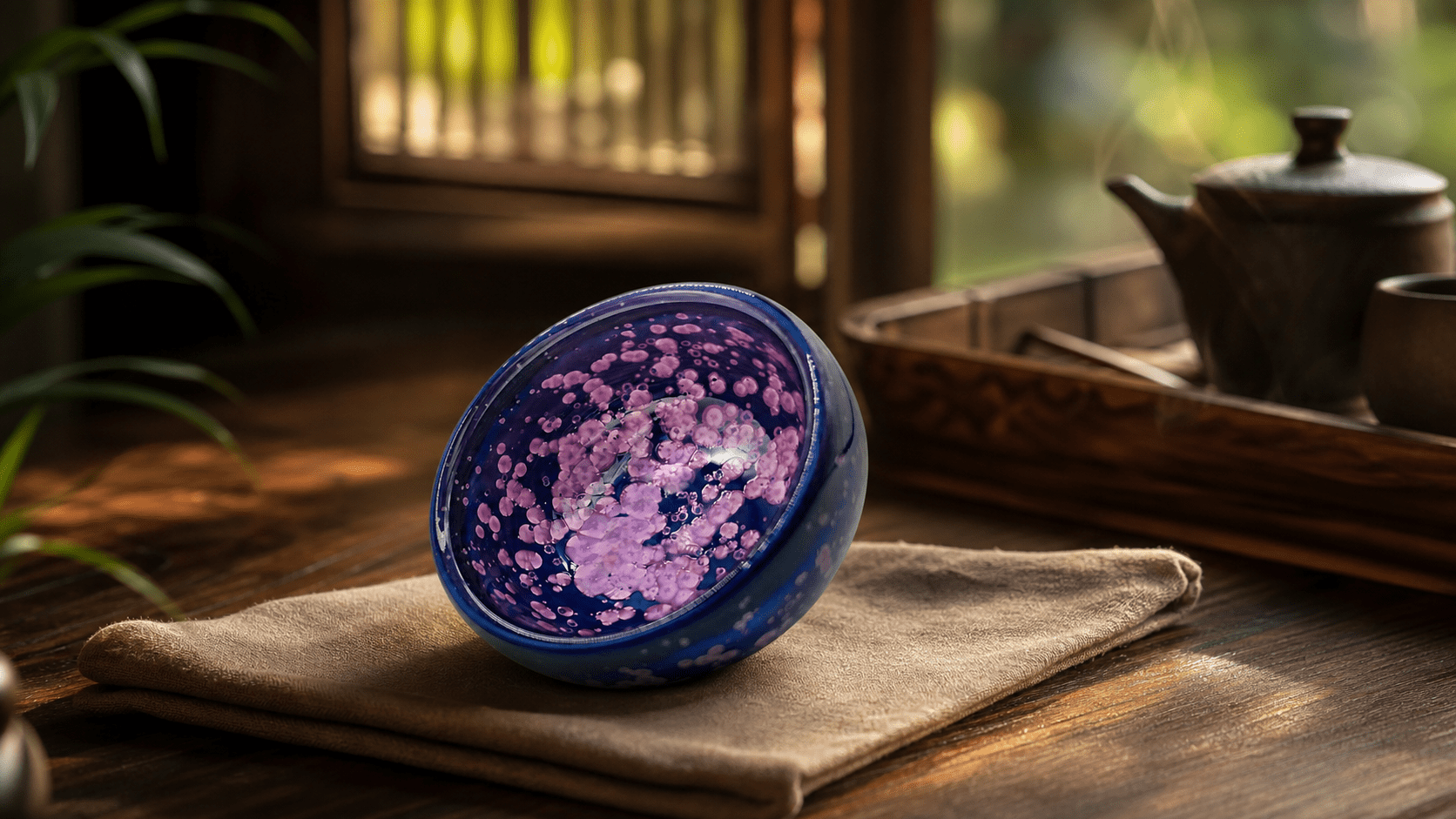
Tras usar Jianzhan durante un tiempo, la mayoría formará de forma natural una capa de luz arcoíris. Para cultivar un Jianzhan con "luz arcoíris", basta con usarlo regularmente para tomar té y el efecto natural aparecerá gradualmente. Sin embargo, esto requiere persistencia a largo plazo. Si desea cultivar un Jianzhan con "luz arcoíris" en poco tiempo, puede optar por esmaltes con expresiones cristalinas activas, como el esmalte de gotas de aceite, que posee una textura cristalina y una expresión activa, lo que facilita la creación del efecto de luz arcoíris. Sin embargo, lo más importante es usar Jianzhan con regularidad, ya que es la clave para la formación natural de luz arcoíris.
¡Recuerde estos tres puntos para cultivar fácilmente un Jianzhan con "luz de arco iris"!
Cultivar Jianzhan es un proceso natural y placentero, con sorpresas a lo largo del camino. Por lo tanto, es importante no apresurarse durante este tiempo. Algunos creen que no limpiar Jianzhan durante mucho tiempo puede cultivar rápidamente la "luz del arcoíris", pero en realidad, esto solo dañará a su preciado Jianzhan. Si no se limpia Jianzhan con regularidad, la superficie del esmalte se volverá cada vez más seca y opaca, y los cristales se opacarán gradualmente. Por lo tanto, no hay necesidad de apresurarse al cultivar Jianzhan.
¡Recuerde estos tres puntos para cultivar fácilmente un Jianzhan con "luz de arco iris"!
Después de usar Jianzhan para tomar té, asegúrese de no dejar restos de té en él. Debe limpiarse rápida y minuciosamente, preferiblemente con un paño de cocina especial, y dejarse secar al aire. Además, Jianzhan también necesita periodos de descanso, ya que su uso intermitente puede mejorar su eficacia. Podemos usar varios Jianzhan alternativamente, permitiendo que el esmalte se seque por completo y facilitando su cultivo.
Después de beber la última taza de té cada día, enjuague el Jianzhan con agua caliente y límpielo como de costumbre. Luego, déjelo secar al aire libre en un lugar ventilado.
¡Recuerde estos tres puntos para cultivar fácilmente un Jianzhan con "luz de arco iris"!
Al usar Jianzhan con persistencia, tomándolo con calma y sin dejar restos de té, siempre que recuerdes estas técnicas de cultivo de Jianzhan, ¡tu Jianzhan también puede cultivar la "luz del arco iris"!
Quick answers for Tenmoku teaware shoppers
Use this guide to connect the article topic with practical buying decisions: what Jianzhan Tenmoku teaware is, who it suits, how to choose a piece, and how to care for it after purchase.
How to use this guide before buying
Read the article first for the main explanation, then compare the product photos, glaze variation, form, seller clarity, return policy, and whether the piece fits daily tea, display, collecting, or gifting.
Common buying mistakes to avoid
Avoid choosing only by dramatic claims, copied photos, unusually low prices, or vague master language. A better decision uses visible product details, clear use case, realistic care needs, and trustworthy shop policies.
Recommended next step
After reading, compare a few real products side by side by size, glaze family, rim shape, capacity, price, and gift suitability instead of relying on one photo or one keyword.
What is Jianzhan Tenmoku teaware?
Jianzhan Tenmoku teaware is ceramic tea ware known for dark mineral-glaze effects and natural kiln variation. Common forms include tea cups, bowls, teapots, tea sets, and matcha bowls.
Who is it best for?
It is best for tea drinkers, ceramic collectors, and gift shoppers who value functional objects with visible handmade character. It is not ideal if you need every piece to look exactly identical.
How do I care for it?
Hand wash with warm water, avoid abrasive cleaners, and dry fully before storage. Gentle daily use helps preserve the surface and keeps the glaze easy to inspect over time.
How do I choose the right Tenmoku piece?
Choose by the main use first: daily tea, matcha, Gongfu brewing, display, or gifting. Then compare capacity, rim shape, glaze family, photos, and whether natural variation is acceptable for your needs.
Is Jianzhan Tenmoku teaware good as a gift?
Yes. It works well for tea lovers, ceramic collectors, birthdays, holidays, and housewarming gifts because it is both usable and visually distinctive. For gifts, choose an easy-to-use form and a glaze style with clear photos.
Related products and categories
Compare the guide above with real Tenmokus categories and representative pieces. Start with the use case, then compare glaze style, form, price, and whether the piece is mainly for daily tea, display, collecting, or gifting.
Best for daily tea drinking, first Jianzhan purchases, ceramic gifts, and comparing glaze patterns across cup shapes.
Best when you want a coordinated tea table, a hosting setup, or a complete gift instead of one individual cup.
Use this guide to compare seller claims, glaze appearance, photos, and practical buying signals before choosing a piece.
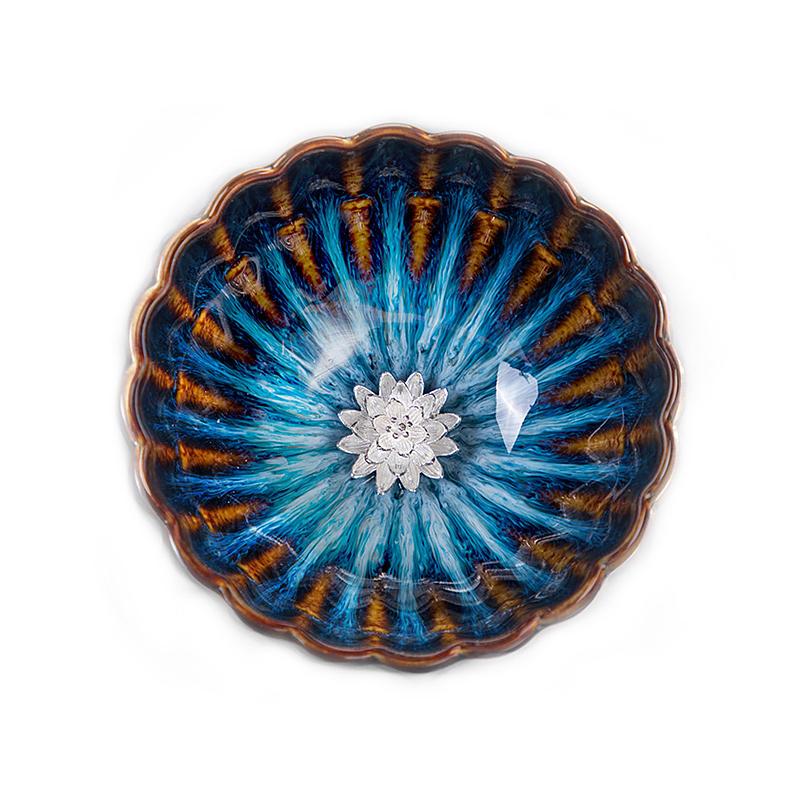
A representative Tenmoku tea cup to compare by glaze depth, cup shape, price, and gift fit.
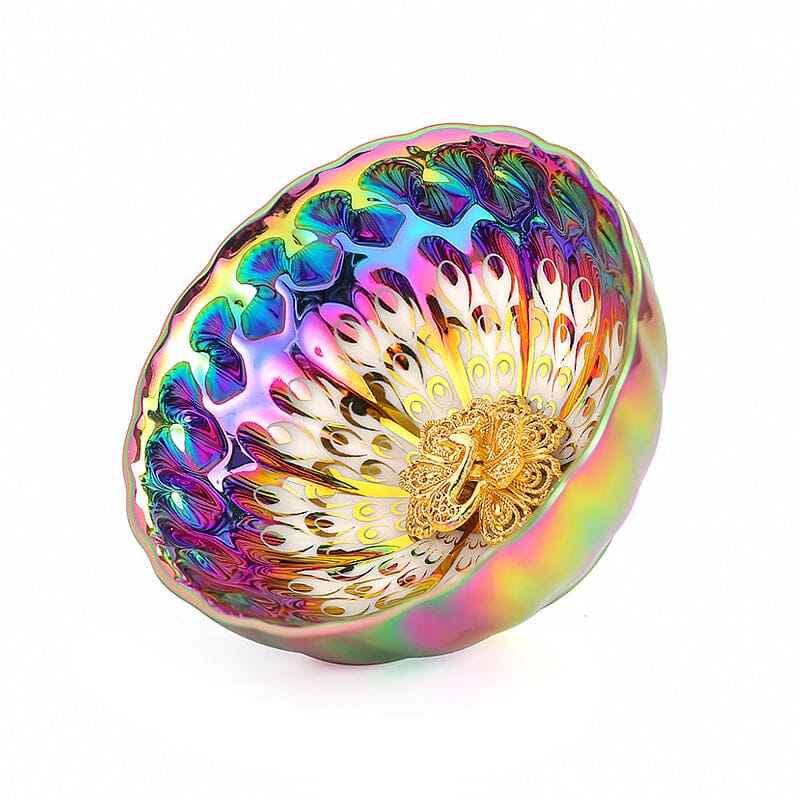
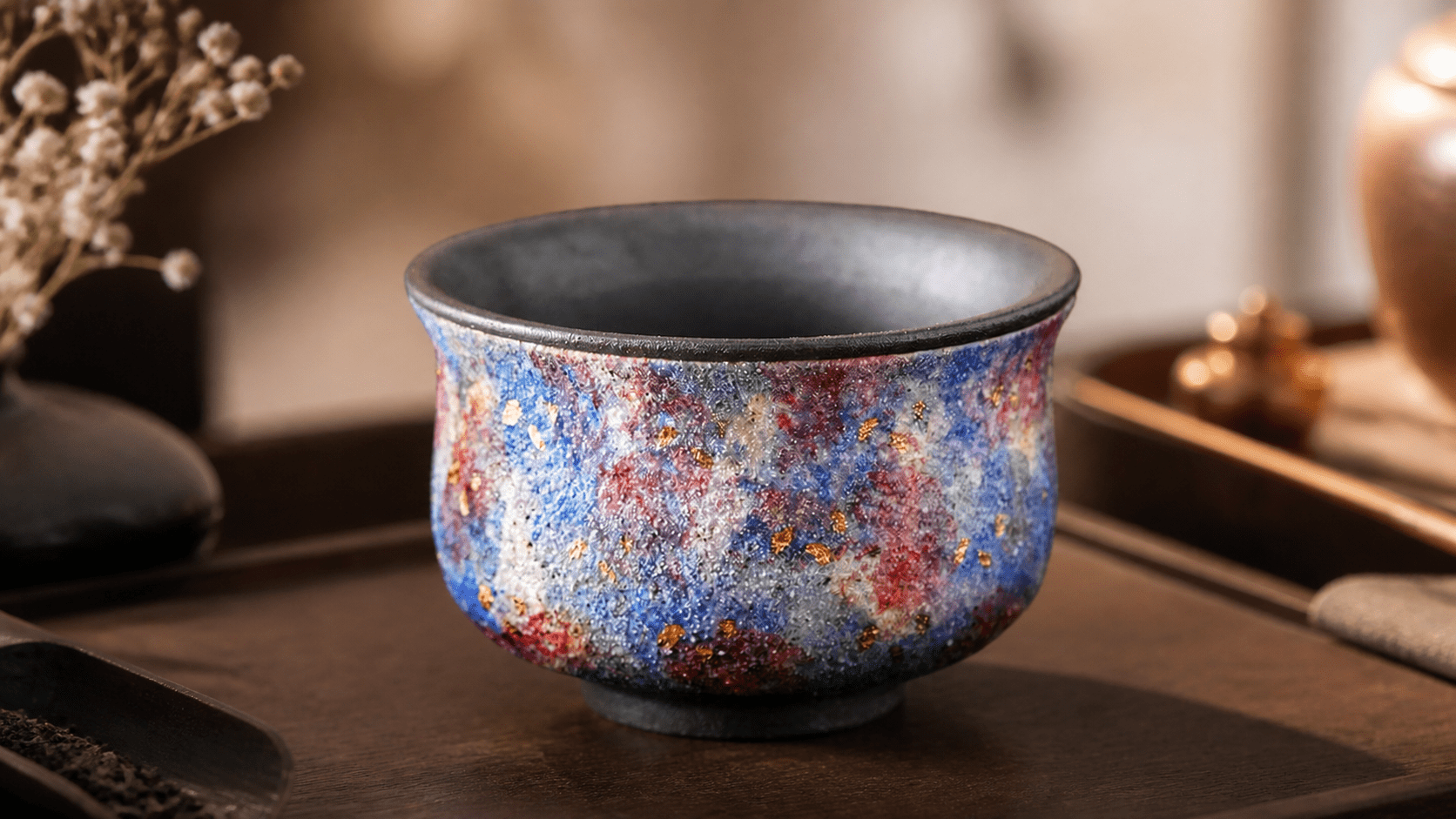
Compare this piece when you want a clear visual reference for a gold-toned Tenmoku glaze style.
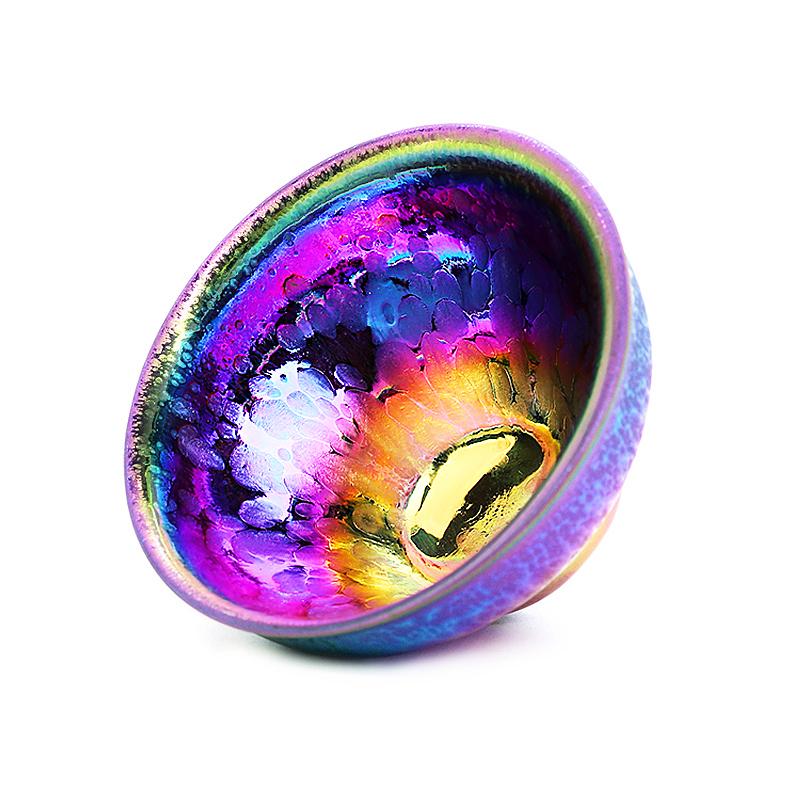
Use this product as another comparison point for handmade form, glaze variation, and gift suitability.



Compartir:
Sobre Jianzhan a leña y sus características.
Explicación ilustrada de los 5 colores de glaseado de Jianzan en la transformación del horno.