Tea Art Knowledge Teaching: Gestures for Holding a Tea Tasting Cup
por Tenmokus Editorial Team
In the splendid tea art performances and leisurely tea - tasting experiences, the gesture of holding a tea tasting cup is by no means merely about the standardization of operations, but more profoundly reflects the understanding and respect for the time - honored tea culture. An elegant and appropriate cup - holding gesture can add a unique charm to the entire tea - tasting process and fully display the profound tea art cultivation of the tea taster. Next, let's delve into the knowledge related to holding a tea tasting cup and master this important tea art cup - holding skill.
1. Gestures for Holding a Tea Tasting Cup
1. Three Dragons Protecting the Top Method
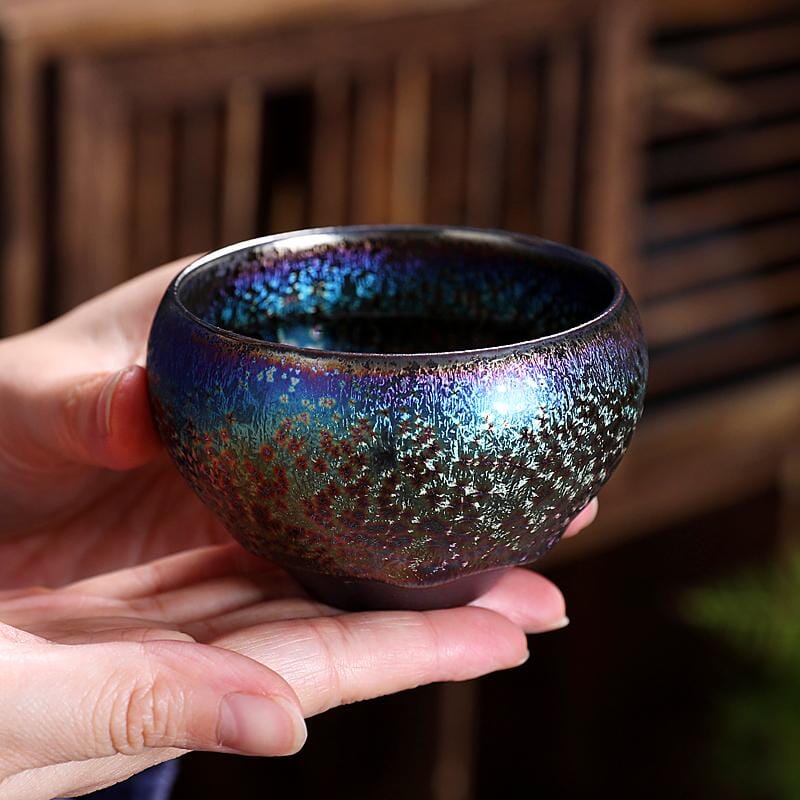
Finger Division of Labor: When holding a tea tasting cup with the Three Dragons Protecting the Top method, the thumb and index finger need to gently circle the cup body, and the middle finger and the other fingers naturally hold the bottom of the cup. This clever coordination of fingers can firmly lock the tea tasting cup, preventing the cup body from shaking due to excessive force and avoiding the risk of the cup slipping due to insufficient strength. It is a classic example of tea tasting cup holding methods.
Name of the Method: This sophisticated way of holding a cup is called "Three Dragons Protecting the Top". Among them, the thumb, index finger and middle finger are like three vigorous dragons, working together to guard the tea tasting cup in the middle, containing vivid meanings and rich cultural heritage, and it is a distinctive one among tea art gestures.
Advantages of the Method: This method has significant advantages in practical application. On the one hand, it can provide solid stability for holding the cup, allowing the tea taster to firmly control the tea tasting cup during the whole process of picking up, putting down the cup and savoring the tea. On the other hand, from a visual perspective, the coordinated movement of fingers makes the entire cup - holding posture appear elegant and beautiful, perfectly integrating with the elegant atmosphere pursued by tea art and complementing each other, showing the charm of the correct way to hold a tea tasting cup.
Cultural Connotation: The Three Dragons Protecting the Top method carries rich cultural connotations. Through the tacit coordination between fingers, it vividly interprets the spiritual core of "harmony" in the tea ceremony. In the profound tea culture, harmony is a crucial concept, which not only covers the harmony between man and nature, man and tea, but also includes the harmony between man's actions and his inner self. This exquisite cup - holding method is a vivid embodiment of this concept and an indispensable part of tea art culture.
2. Matters Needing Attention
Action Essentials: When picking up and putting down the tea tasting cup, you must abide by the principle of handling it gently. When picking it up, your fingers should touch the cup body slowly and softly, resolutely avoiding sudden force. When putting it down, you should also place the cup on the table steadily and gently to prevent harsh noises or damage to the cup caused by rough movements. This is a key point in mastering the gesture of holding a tea tasting cup.
Care for Utensils: The subtle action of handling gently is actually full of cherish for the tea sets. As an indispensable important utensil in the tea - tasting process, the tea tasting cup carries the mission of passing down the tea culture from generation to generation. Cherishing tea sets is an attitude that every tea taster should uphold, and it is also a deep respect for the splendid tea art culture, as well as a basic requirement for practicing tea art etiquette.
Etiquette Requirements: Gentle and slow movements when holding the tea tasting cup are the basic norms of tea art etiquette and fully demonstrate the tea taster's tea art cultivation. In tea art exchanges or various tea - tasting occasions, elegant cup - holding movements can leave a good and deep impression on people. At the same time, they can make the whole tea - tasting process more solemn and harmonious, allowing every participant to better immerse themselves in the mellow tea culture atmosphere. This is also an important significance of learning tea tasting cup holding skills.
Mastering the correct gesture of holding a tea tasting cup can not only make us more handy and comfortable when tasting tea, but also make us show a profound understanding and high respect for tea culture in every move. In future tea - tasting practices, we might as well practice frequently, making this elegant gesture a bright business card of our own tea art cultivation. Of course, in the vast tea art culture, there are many etiquettes and skills related to the use of utensils, such as other ways to hold tea tasting cups and specifications for using tea art utensils. We will share them one after another. Please look forward to and pay attention to them.
Quick answers for Tenmoku teaware shoppers
Use this guide to connect the article topic with practical buying decisions: what Jianzhan Tenmoku teaware is, who it suits, how to choose a piece, and how to care for it after purchase.
How to use this guide before buying
Read the article first for the main explanation, then compare the product photos, glaze variation, form, seller clarity, return policy, and whether the piece fits daily tea, display, collecting, or gifting.
Common buying mistakes to avoid
Avoid choosing only by dramatic claims, copied photos, unusually low prices, or vague master language. A better decision uses visible product details, clear use case, realistic care needs, and trustworthy shop policies.
Recommended next step
After reading, compare a few real products side by side by size, glaze family, rim shape, capacity, price, and gift suitability instead of relying on one photo or one keyword.
What is Jianzhan Tenmoku teaware?
Jianzhan Tenmoku teaware is ceramic tea ware known for dark mineral-glaze effects and natural kiln variation. Common forms include tea cups, bowls, teapots, tea sets, and matcha bowls.
Who is it best for?
It is best for tea drinkers, ceramic collectors, and gift shoppers who value functional objects with visible handmade character. It is not ideal if you need every piece to look exactly identical.
How do I care for it?
Hand wash with warm water, avoid abrasive cleaners, and dry fully before storage. Gentle daily use helps preserve the surface and keeps the glaze easy to inspect over time.
How do I choose the right Tenmoku piece?
Choose by the main use first: daily tea, matcha, Gongfu brewing, display, or gifting. Then compare capacity, rim shape, glaze family, photos, and whether natural variation is acceptable for your needs.
Is Jianzhan Tenmoku teaware good as a gift?
Yes. It works well for tea lovers, ceramic collectors, birthdays, holidays, and housewarming gifts because it is both usable and visually distinctive. For gifts, choose an easy-to-use form and a glaze style with clear photos.
Related products and categories
Compare the guide above with real Tenmokus categories and representative pieces. Start with the use case, then compare glaze style, form, price, and whether the piece is mainly for daily tea, display, collecting, or gifting.
Compare handmade Jianzhan Tenmoku tea cups by glaze style, cup size, hand feel, and gift intent. Check each product page for current photos, capacity, availability, care details, shipping, and return information.
Tenmoku Tea Bowl: Bring Craft and Calm to Every Tea Ritual A tenmoku tea bowl is more than a dark-glazed vessel: it is a handmade tea cup that makes a daily gongfu tea session feel more deliberate and personal. Whether...
Tenmoku Tea Bowl Authenticity Guide: Choose a Better Cup for Gongfu Tea A real tenmoku tea bowl is more than a dark cup with shiny speckles: it is a high-fired ceramic piece whose clay, iron-rich glaze, and kiln atmosphere work...
If you’ve ever wanted to own a tenmoku tea bowl that feels uniquely yours, you’re not alone. These iron-rich glazed wonders from the Song Dynasty have captivated tea lovers for a thousand years—and today, a real jian zhan oil spot...




Compartir:
Tea Art Knowledge Teaching: Knocking Finger Ceremony
Tea Art Teaching: Understanding Tea Intoxication and Healthy Tea Drinking