

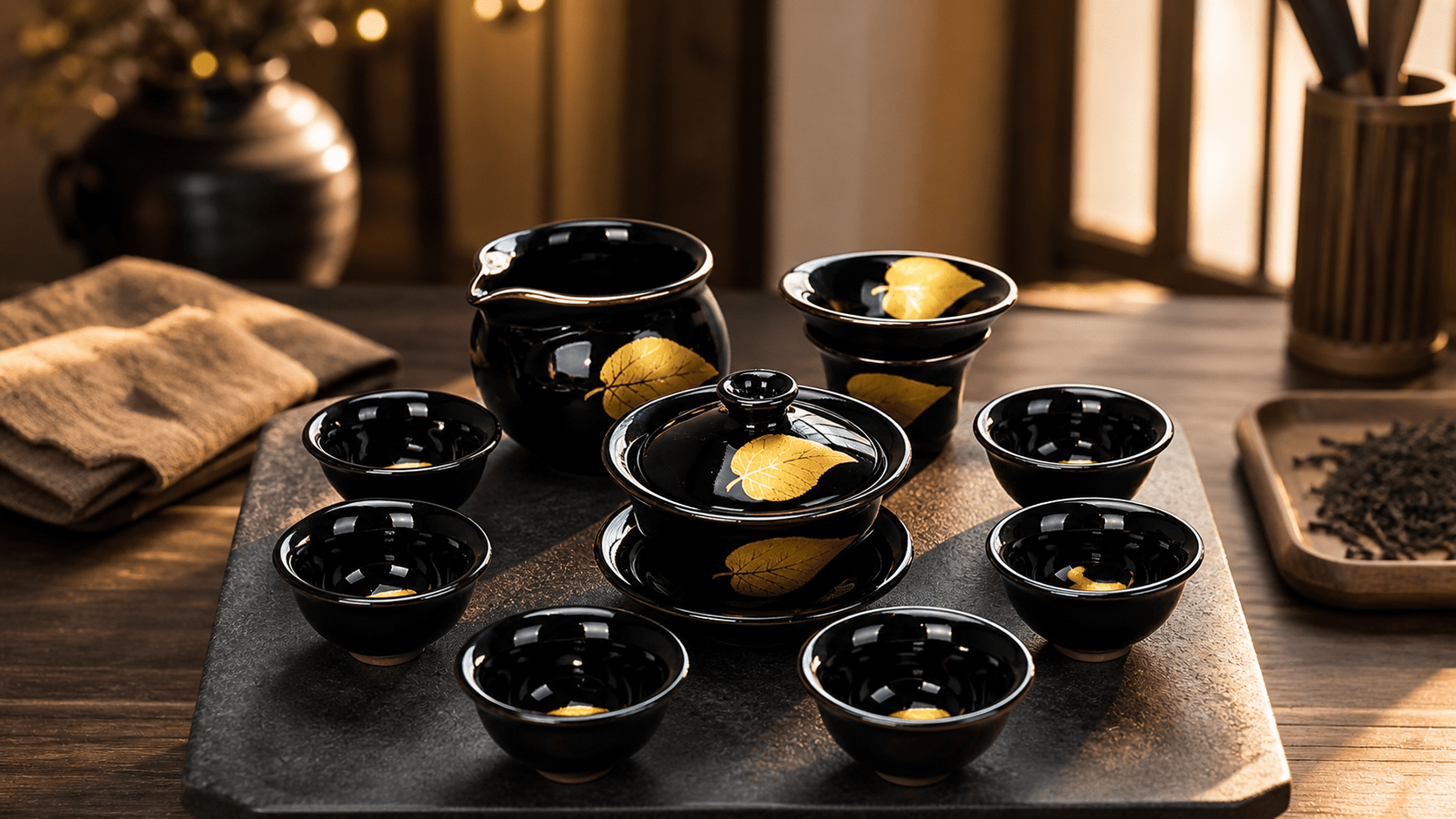

I’m Tenmokus Editorial Team, and if you’ve ever shopped for a tenmoku tea bowl, you’ve probably felt sticker shock. A small cup can cost as much as a high-end espresso machine. Why? The answer lives in iron-rich clay, 2,400-degree kilns, and the brutal reality that 80% of these bowls never survive the firing. But when you hold an authentic Jianzhan cup, swirling oolong tea through a shimmering oil spot glaze, the price starts to make sense.
What Exactly Is a Tenmoku Tea Bowl?
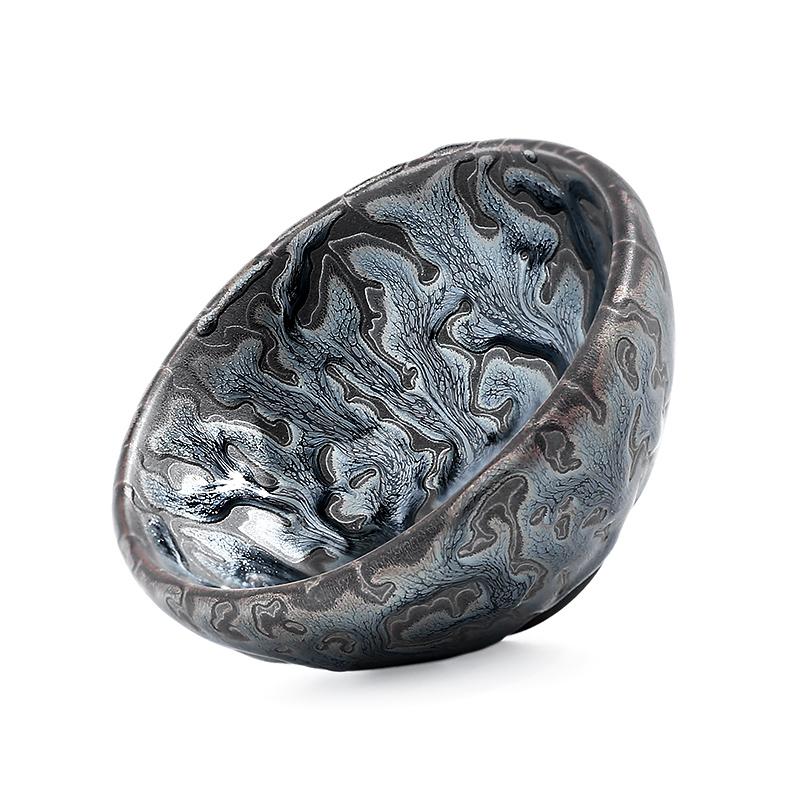
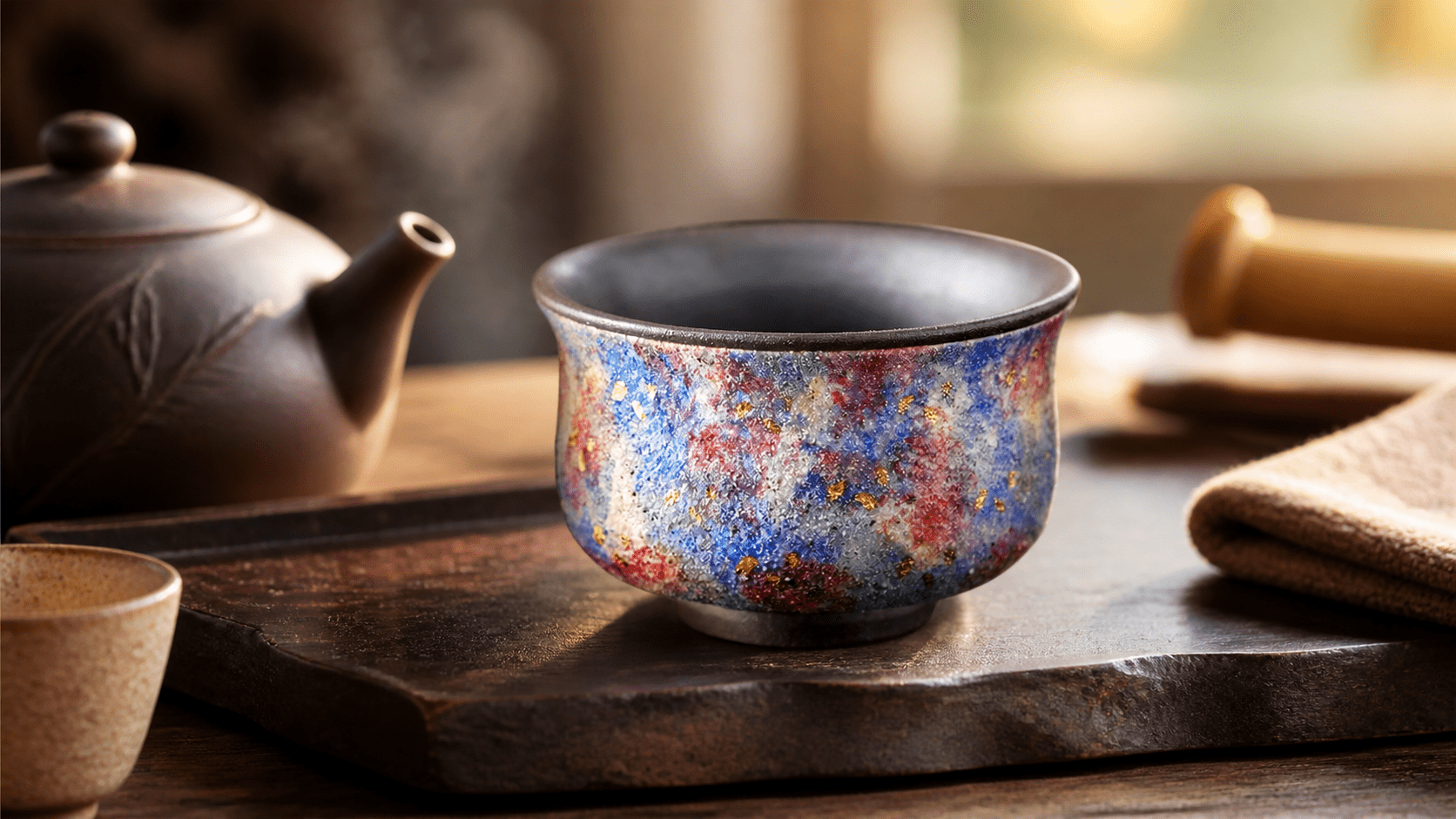
First, let’s clear up a common mix-up. The term “tenmoku” comes from Japan, where Zen monks brought back Chinese black-glazed bowls from the Tianmu Mountain region during the Song Dynasty. In China, we call them Jianzhan (建盏) — “Jian” refers to Jianyang, the kiln city in Fujian province, and “Zhan” means a small cup. The bowls are famous for iron-rich glazes that produce dramatic patterns: oil spots, hare’s fur, and the rarer partridge feather effect. Today, whether you use the Japanese name or the Chinese, you’re talking about the same lineage of deep, dark cups engineered for gongfu cha.
Why Is Tenmoku So Expensive? The 5 Cost Drivers
Whenever someone asks “why tenmoku is expensive,” I tell them to think of it like a high-end Swiss watch or a bespoke suit from Savile Row. You’re not paying for a container to hold tea — you’re paying for a failure rate that would bankrupt a normal factory, for clay that’s been aging for decades, and for a master potter’s entire lifetime of failed firings.
1. The Clay Is a Finite, Local Treasure
Authentic Jianzhan tea cups must use clay from Jianyang. This clay contains up to 8% iron, which gives the body its distinctive dark, almost metallic heft. Unlike ordinary porcelain clay that can be shipped globally, genuine Jianyang clay is a protected resource. Small-scale potters often stockpile it for years, processing and aging the material to improve plasticity. That scarcity alone pushes the jian zhan cost upward before the wheel even starts spinning.
2. The Glaze Is a Recipe for Disaster — Literally
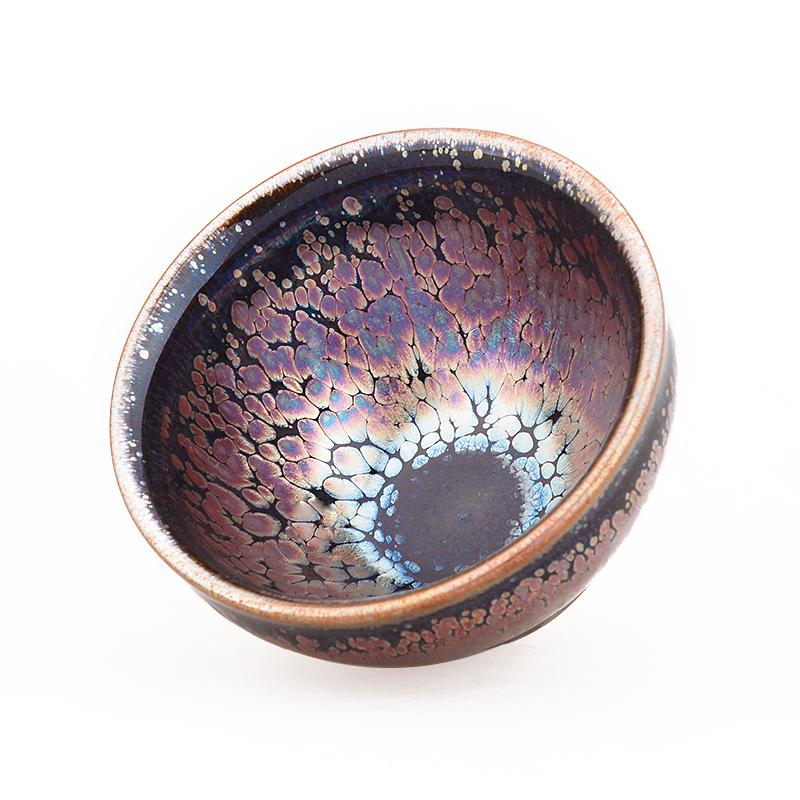
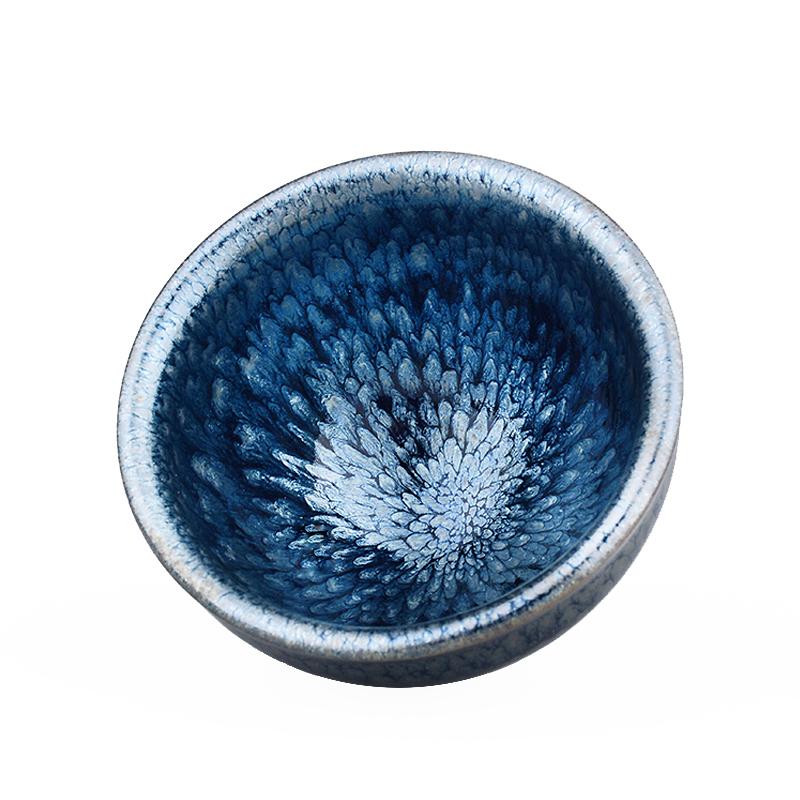
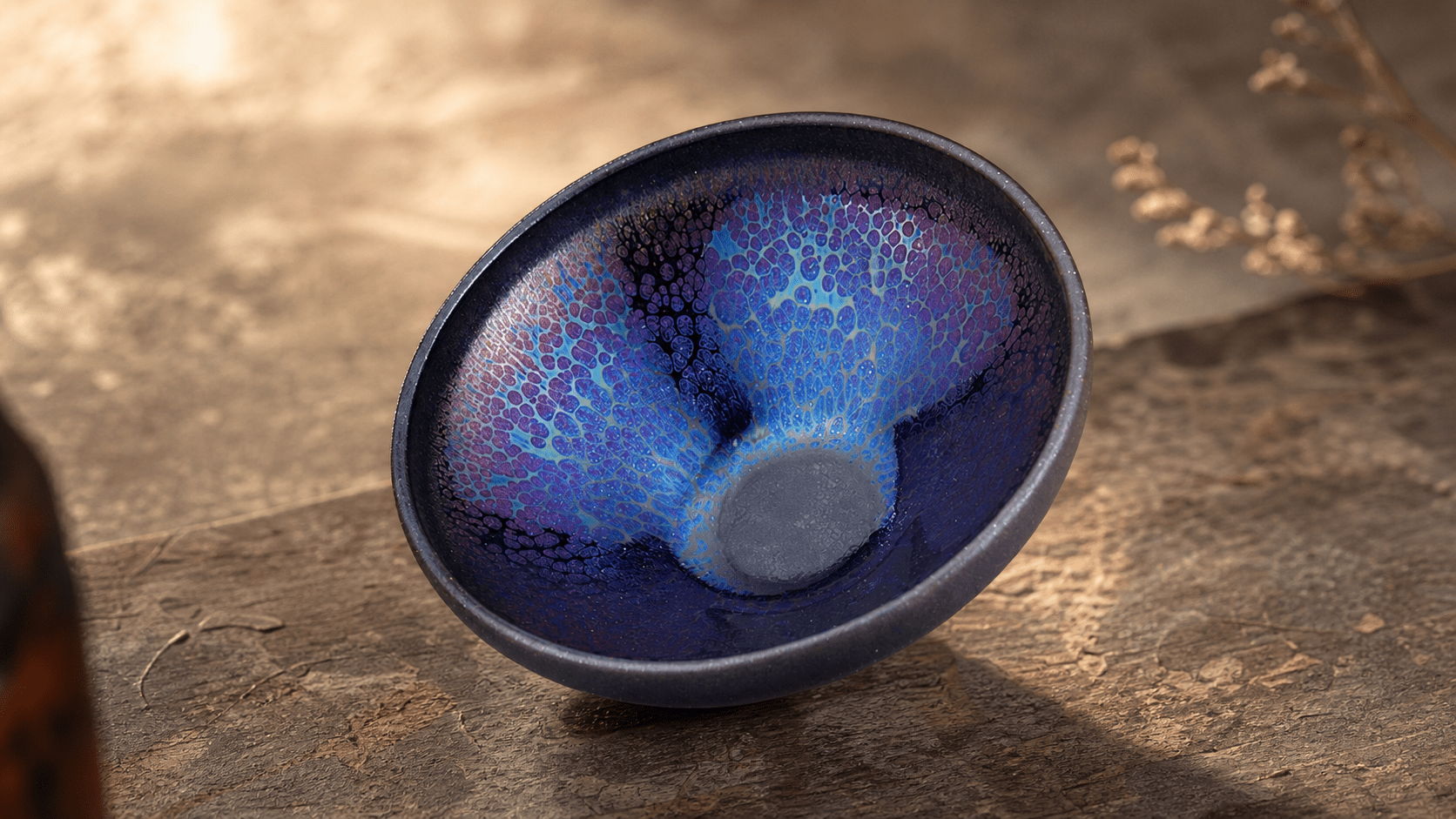
The signature oil spot or partridge feather surface isn’t paint; it’s crystallized iron oxide. The glaze mixture is thick, temperamental, and sensitive to the atmosphere inside the kiln. Too much oxygen? No crystals. Too little? The whole bowl turns a muddy black. Achieving a pattern that looks like a starry night sky or the delicate stripes of a partridge feather requires falling into a narrow chemical window that can shift from kiln run to kiln run.
3. The Kiln Is an Inferno of Risk
Most ceramic factories fire at around 1,200°C. Jianzhan firing peaks between 1,300°C and 1,400°C (2,400–2,550°F) and demands a specific reduction atmosphere — a lack of oxygen that draws iron to the surface. At these temperatures, bowls can slump, crack, or bubble. In a typical wood-fired or electric kiln load of 200 pieces, maybe 30 come out with a merchantable glaze, and only a handful of those achieve a true oil spot or hare’s fur pattern. The rest are recycled as road fill. That’s the brutal arithmetic behind the tenmoku tea bowl price.
4. Handmade Means Each Bowl Is a One-Shot Deal
An experienced thrower can make a simple white teacup in two minutes. A well-thrown Jianzhan cup takes longer, but the real labor is in the trimming, the drying, and the glaze application. The foot ring — a low, carved ring on the bottom — must be sharp-edged and tapered to reveal the dark clay body. Glaze application is hand-dipped, and the thickness varies millimeter by millimeter. Because the firing transforms each piece uniquely, no two bowls are ever identical. You’re buying a functional sculpture, not a mass-produced commodity.
5. Rarity of Patterns Defines Collector Value
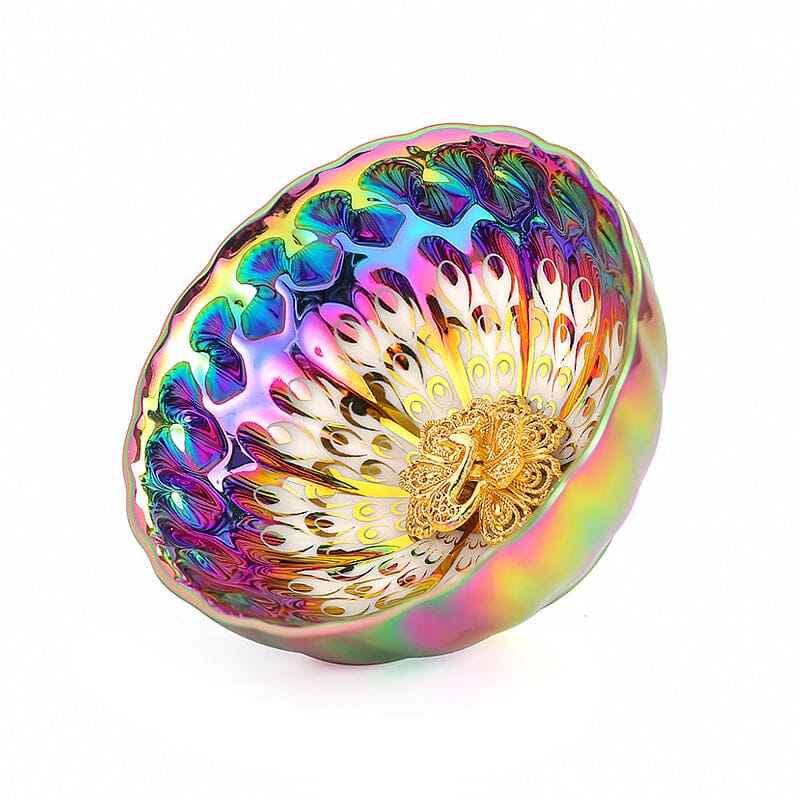
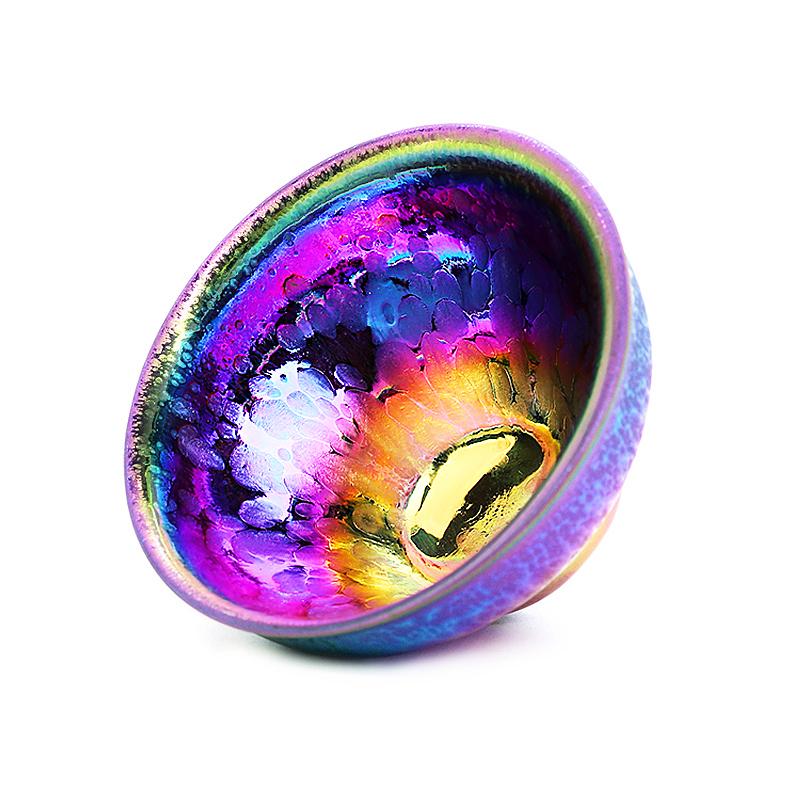
Within the tenmoku family, some glazes are far rarer than others. A basic black Jianzhan with few markings might cost $30–$50 if it’s well-formed. A clean hare’s fur (known in Japan as “yuteki” or oil-spot, but in this case elongated streaks) can command $150–$300. True oil spot bowls with evenly distributed silver or rainbow spots easily exceed $500, and museum-grade partridge feather pieces — named because the glaze resembles the wing pattern of a partridge — can reach thousands. The closer you get to the patterns of the Song Dynasty inspired ceramics, the steeper the jian zhan cost becomes.
Is There a Best Value Jianzhan for the Money?
I get this question a lot: “Aiden, what’s the best value jian zhan I can buy without selling my car?” My rule of thumb: look for a solid hare’s fur bowl in the $80–$150 range from a known workshop in Jianyang. It will have the iron-rich body, the authentic kiln transformation, and a pattern that activates beautifully with oolong tea. Stay away from decorative objects sold as “tenmoku” at generic home stores; these are often low-fired black pottery with a sprayed-on metallic paint — zero tea-enhancing properties and zero collector value.
| Type | Pattern Quality | Typical Price (USD) | Who It’s For |
|---|---|---|---|
| Basic black Jianzhan | Matte dark body, subtle iron sparkle | $30–$60 | Daily gongfu users on a budget |
| Hare’s fur (standard) | Fine silvery streaks, even distribution | $80–$150 | Intermediate tea lovers, gifts |
| Oil spot (silver/blue) | Dense, floating crystal spots | $200–$500+ | Collectors, premium gifts |
| Partridge feather | Large, feather-like mottle, high contrast | $500–$2,000+ | Serious collectors, investment |
How Does a Tenmoku Tea Bowl Improve Your Tea Session?
If the price tag still makes you hesitate, consider this: a tenmoku tea bowl isn’t just a vessel — it’s a tool. The thick, iron-rich walls retain heat exceptionally well, making it perfect for multiple short infusions of oolong tea. The dark glaze becomes a canvas for evaluating the tea’s liquor color, and the size (typically 80–120ml) is ideal for gongfu cha’s precise proportions. Many of my tea friends in the US also tell me the cup’s weight and warmth feel like ceremony in the hand. It’s the same reason you might invest in a hand-tooled leather bag or a tuned sports car: the daily experience justifies the upfront cost.
Authentic Jianzhan Tea Cup vs. Imitation: What to Look For
Because the best jian zhan tea cup carries both cultural weight and a premium price, the market has its share of fakes. Here’s my quick authenticity checklist:
- Foot ring: Exposed dark body, crisp edge, often with a slight purplish iron sheen.
- Weight: Heavier than it looks; you’ll feel the iron immediately.
- Glaze depth: Real oil spot or hare’s fur patterns appear to float beneath a glassy surface. Painted ones sit on top.
- Sound: Tap gently with a fingernail — it should ring like thick glass, not thud like earthenware.
- Origin: Ask the seller if the clay is from Jianyang. A reputable source will proudly tell you.
If you’re just starting, I recommend buying from a specialist who can provide firing details. You can Explore our handmade Jianzhan tea cups to see bowls that come with kiln-session documentation — a small reassurance when you’re investing in an authentic jian zhan tea cup.
Japanese Tenmoku vs. Chinese Jianzhan: Is There a Difference?
The Japanese ceramics tradition has its own tenmoku lineage, particularly from kilns like Seto and Raku. Japanese tenmoku bowls often feature a warmer, earthier appearance, sometimes with a slightly softer foot ring. However, the core technology — iron oxide crystallization — remains shared. In my experience, Chinese Jianzhan from Jianyang tends to push for more dramatic, high-contrast patterns, while Japanese versions lean into subtlety. Both are authentic, both are expensive, and both will elevate your tea. If you’re hunting for a tenmoku tea bowl for sale specifically with a Japanese provenance, expect to pay an additional premium for the artist’s reputation and exchange rates.
Who Should Buy a Tenmoku Tea Bowl?
- The gongfu tea newcomer: You want one exceptional cup to connect with the tradition, rather than a set of six mediocre ones.
- The oolong enthusiast: High-mountain Taiwanese oolong, Wuyi rock tea, and Dan Cong all sing in the iron-rich thermal environment of a Jianzhan cup.
- The luxury gift buyer: A gift for tea lovers that combines art, history, and daily ritual is rare. A bowl with a beautiful partridge feather or hare’s fur pattern lands with the weight of a fine timepiece.
- The collector: If you already appreciate handcrafted ceramics, a top-tier oil spot tenmoku tea bowl is a legitimate alternative asset—a small, beautiful thing that holds value.
FAQ: Answering Your Real Questions About Tenmoku Tea Bowl Prices
Why is tenmoku so expensive?
The high tenmoku tea bowl price comes from a combination of rare local clay, a high-risk kiln process that results in up to 80% waste, and the labor-intensive craftsmanship needed to create oil spot and hare’s fur patterns. It’s a handmade object with a museum-grade failure rate, which naturally drives cost.
What is the average jian zhan cost for a beginner?
For a genuinely handmade, kiln-transformed Jianzhan from Jianyang, expect to spend between $60 and $120 for a good hare’s fur piece. Anything under $40 and sold as “authentic” should be examined carefully for machine-molding or painted-on glaze effects.
Where can I find the best value jian zhan online?
Specialty tea retailers and ceramic galleries that work directly with potters in Fujian offer the best value jian zhan. When you shop, don’t just look at the photo; read the story of the firing. If you’d like a curated starting point, Browse our hare’s fur Jianzhan series — these are priced for daily use without sacrificing the deep, iron-fed character.
Does a tenmoku tea bowl really change the taste of tea?
Yes, but it’s subtle. The iron-rich glaze can slightly soften the astringency of tea, rounding out the mouthfeel. More importantly, the heat retention and classic 90ml size control how the tea cools and releases aroma during a gongfu session. Many of us find that oolong tea simply tastes more complete in a Jianzhan bowl.
What’s the difference between oil spot and partridge feather?
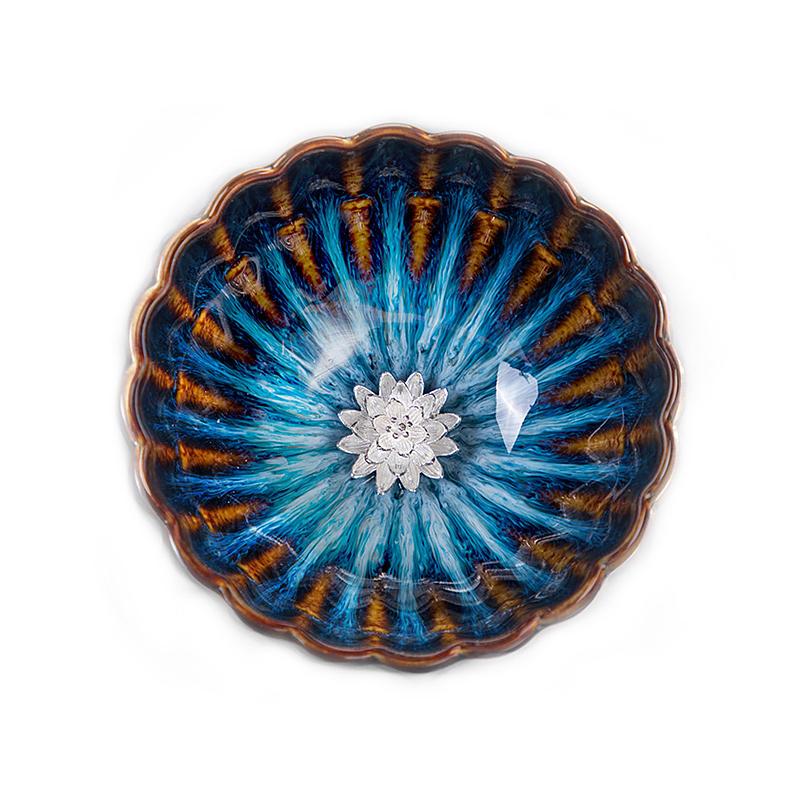
Oil spot glaze features isolated, circular spots that resemble drops of oil floating on water. Partridge feather (also called “partridge mottle”) is a connected, feather-like pattern with larger, overlapping patches of crystallization. Partridge feather is rarer and usually commands a higher tenmoku tea bowl price.
Are Japanese tenmoku bowls the same as Chinese jian zhan?
They share a common ancestor from the Song Dynasty, but Japanese tenmoku evolved with local clays and aesthetic preferences. Today, Japanese tenmoku tends toward softer, more understated patterns, while Chinese Jianzhan pursues high-contrast kiln transformations. Both are highly valued and authentic.
Your Next Step: Owning a Piece of Liquid Poetry
Every time I pour a dark, roasty oolong into one of my Jianzhan bowls, I’m reminded why I fell into this world: the way the pattern shifts under hot liquid, the warmth that stays in the cup until the last sip, the sense that this little object carries a thousand years of trial and error. If you’re ready to move beyond mass-produced teaware and hold something with true craftsmanship, the investment, however you slice the jian zhan cost, pays for itself in daily wonder. Whether you’re browsing for a tenmoku tea bowl for sale as a gift or treating yourself to the best jian zhan tea cup you can afford, I encourage you to choose one that speaks to your eye first — because when the kiln gods smile, that bowl becomes a lifelong tea companion.
Explore Our Collection
Ready to experience the world of tenmoku tea bowl? Browse our curated collection:
Disclaimer: This article is for informational purposes. Products and pricing subject to change.
Compartir:
Tenmoku Tea Bowl: A Handmade Story for Gongfu Tea, Heritage, and Meaningful Gifting
Tenmoku Tea Bowl: A Daily Luxury Ritual for Tea Lovers at Home