Vendita di Pasqua: acquista 3 Ottieni il 4 ° GRATUITO!

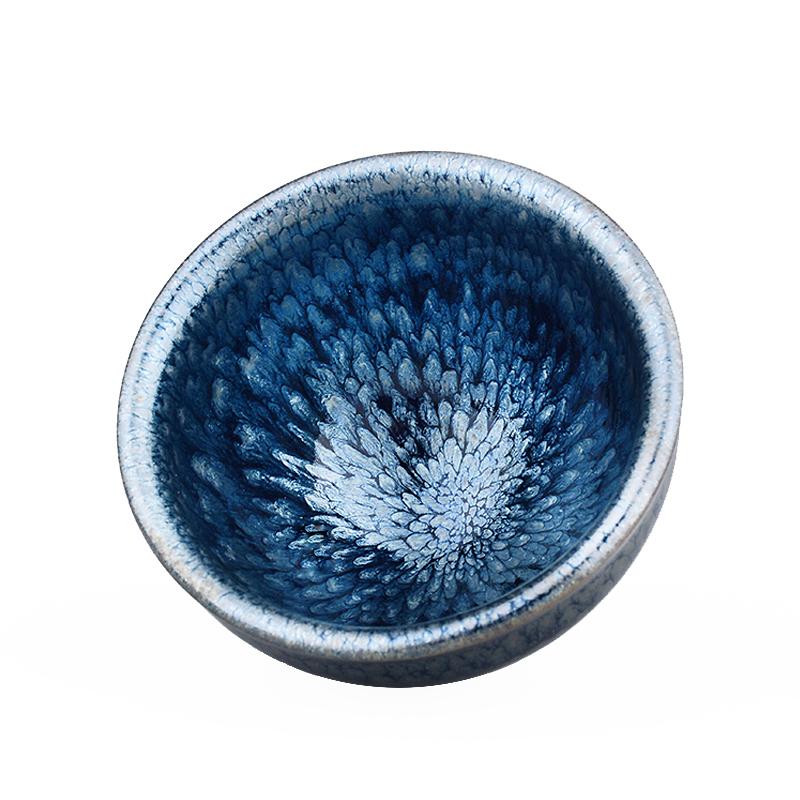
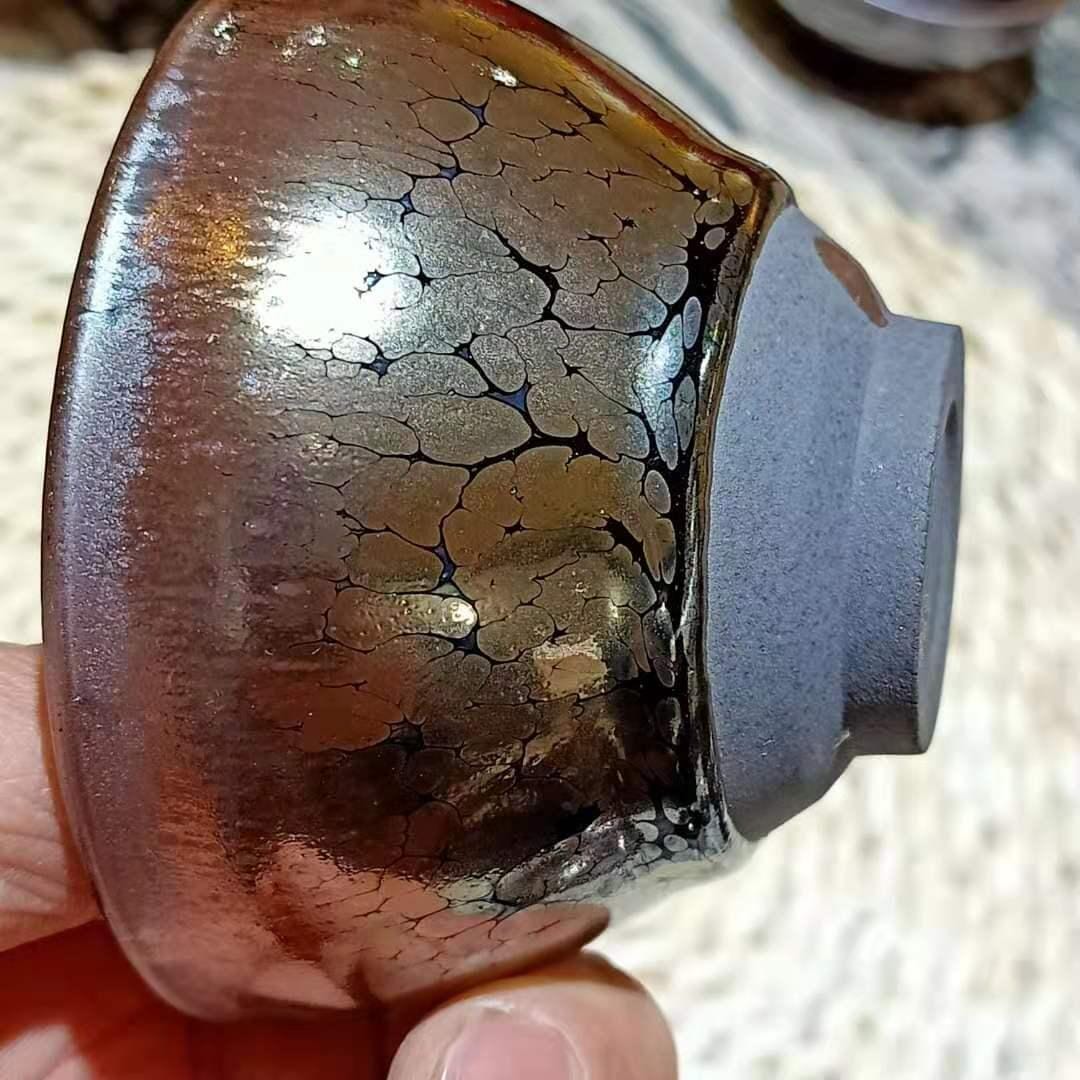
La caratteristica principale delle tazze da tè Jianzhan è il corpo in argilla ferrosa.

Durante la cottura, è necessario utilizzare come materiale di base il fango unico della città di Shuiji. Questo tipo di fango ha un alto contenuto di ferro, che consente la cottura secondo lo stile unico del forno Jian.

Allo stesso tempo, per molti appassionati alle prime armi, un criterio per giudicare l'autenticità delle tazze da tè Jianzhan è se una tazza da tè Jianzhan abbia o meno un "corpo in argilla ferrosa".

1.

Come si esegue il test per un corpo ferro-argilla?

Di solito per testare l'effetto di attrazione si usa un magnete, ma è importante sottolineare che deve essere un "magnete al neodimio" e non tutti i magneti possono essere utilizzati.

Allo stesso tempo, la dimensione del magnete dovrebbe essere moderata. Se è troppo grande, sarà troppo pesante, e se è troppo piccolo, la forza di aspirazione sarà insufficiente e l'effetto non sarà evidente.

Nel video possiamo vedere che la maggior parte delle tazze da tè Jianzhan può essere attratta dalla calamita.

2.

A volte, però, possono esserci delle ragioni per cui la calamita non riesce ad attrarre la tazza da tè, e alcune di queste potrebbero addirittura provenire dallo stesso maestro.

Questa situazione indica che la tazza da tè è falsa?

(Nota: escluse le tazze da tè Jianzhan false realizzate con porcellana bianca o corpo in fango giallo)

A questo proposito, dobbiamo discutere del processo di fabbricazione delle tazze da tè Jianzhan.

La porcellana si divide in "cottura di riduzione" e "cottura di ossidazione", che rappresentano i due grandi punti di svolta nella cottura della ceramica e rappresentano due concetti completamente diversi.

3.

La differenza tra cottura di riduzione e cottura di ossidazione:

Durante la cottura, oltre ai prodotti cotti, il resto dello spazio all'interno del forno verrà riempito di gas, principalmente ossigeno.

L'ossigeno è una variabile importante durante la cottura, poiché può favorire la combustione. Se durante la cottura aggiungiamo abbastanza ossigeno nel forno da favorire una combustione completa, si parla di "cottura per ossidazione".

Al contrario, se il forno viene intenzionalmente privato dell'ossigeno e il fuoco del forno estrae ossigeno dall'impasto dell'argilla e dalla glassa, si parla di "cottura di riduzione".

Il metodo di cottura delle tazze da tè Jianzhan è la "cottura a riduzione".

4.

I vari motivi presenti sulle diverse tazze da tè Jianzhan sono ottenuti tramite questo tipo di controllo.

Il livello di attenuazione dei diversi motivi sulle tazze da tè Jianzhan varia, determinando colori del corpo e intensità magnetiche differenti per i diversi motivi.

Pertanto, stabilire se il pneumatico di ferro di uno Jianzhan possa essere attratto da una calamita può essere un modo di riferimento, ma non si può giudicare se autentico o falso basandosi unicamente sulla "forza della forza magnetica".

D'altro canto, se la base dello Jianzhan può essere attratta da una calamita, allora deve essere uno Jianzhan.

Jianzhan ha una storia di oltre 800 anni ed è raro e fortunato che sia stato restaurato con successo e inserito nell'elenco del patrimonio culturale immateriale da proteggere e tramandare.
Quick answers for Tenmoku teaware shoppers

Use this guide to connect the article topic with practical buying decisions: what Jianzhan Tenmoku teaware is, who it suits, how to choose a piece, and how to care for it after purchase.

What is Jianzhan Tenmoku teaware?

Jianzhan Tenmoku teaware is ceramic tea ware known for dark mineral-glaze effects and natural kiln variation. Common forms include tea cups, bowls, teapots, tea sets, and matcha bowls.

Who is it best for?

It is best for tea drinkers, ceramic collectors, and gift shoppers who value functional objects with visible handmade character. It is not ideal if you need every piece to look exactly identical.

How do I care for it?

Hand wash with warm water, avoid abrasive cleaners, and dry fully before storage. Gentle daily use helps preserve the surface and keeps the glaze easy to inspect over time.

How do I choose the right Tenmoku piece?

Choose by the main use first: daily tea, matcha, Gongfu brewing, display, or gifting. Then compare capacity, rim shape, glaze family, photos, and whether natural variation is acceptable for your needs.

Is Jianzhan Tenmoku teaware good as a gift?

Yes. It works well for tea lovers, ceramic collectors, birthdays, holidays, and housewarming gifts because it is both usable and visually distinctive. For gifts, choose an easy-to-use form and a glaze style with clear photos.

Related products and categories

Compare the guide above with real Tenmokus categories and representative pieces. Start with the use case, then compare glaze style, form, price, and whether the piece is mainly for daily tea, display, collecting, or gifting.

Handmade Tenmoku tea cups

Best for daily tea drinking, first Jianzhan purchases, ceramic gifts, and comparing glaze patterns across cup shapes.

Tenmoku tea sets

Best when you want a coordinated tea table, a hosting setup, or a complete gift instead of one individual cup.

Real vs fake Tenmoku guide

Use this guide to compare seller claims, glaze appearance, photos, and practical buying signals before choosing a piece.

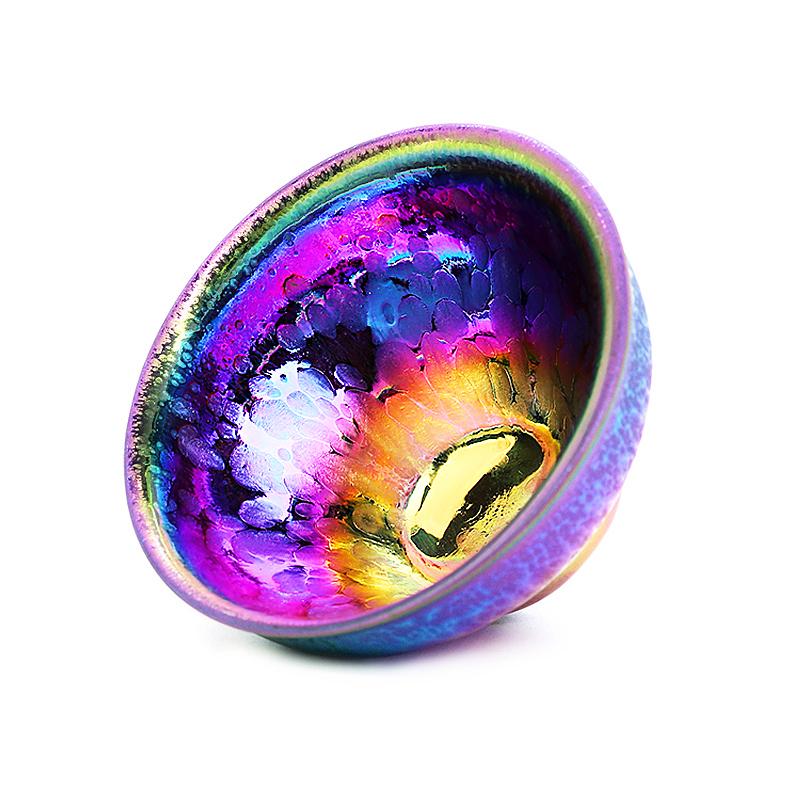
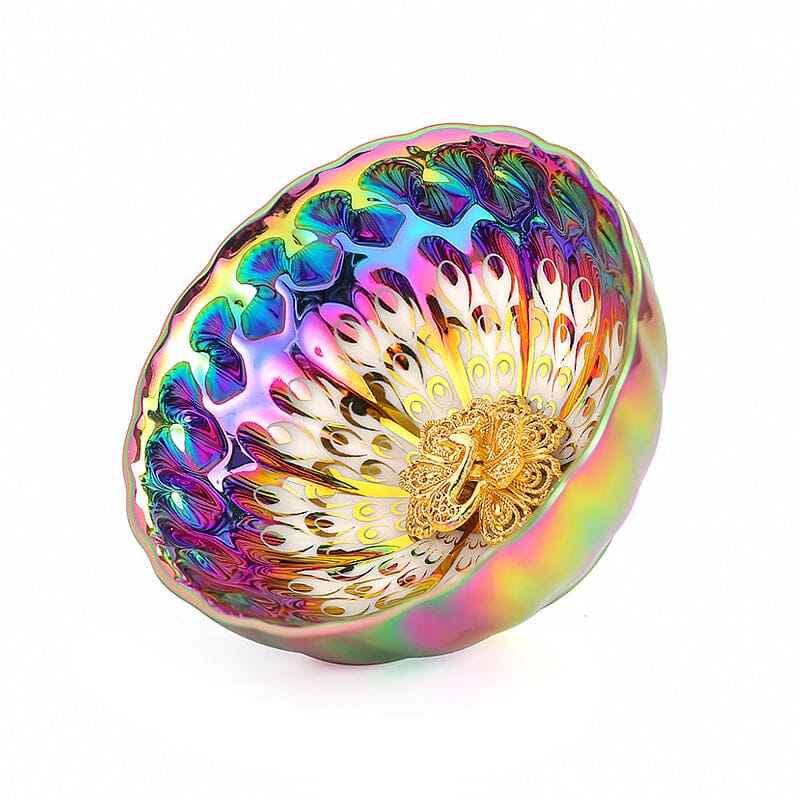
Pavone vivido

A representative Tenmoku tea cup to compare by glaze depth, cup shape, price, and gift fit.

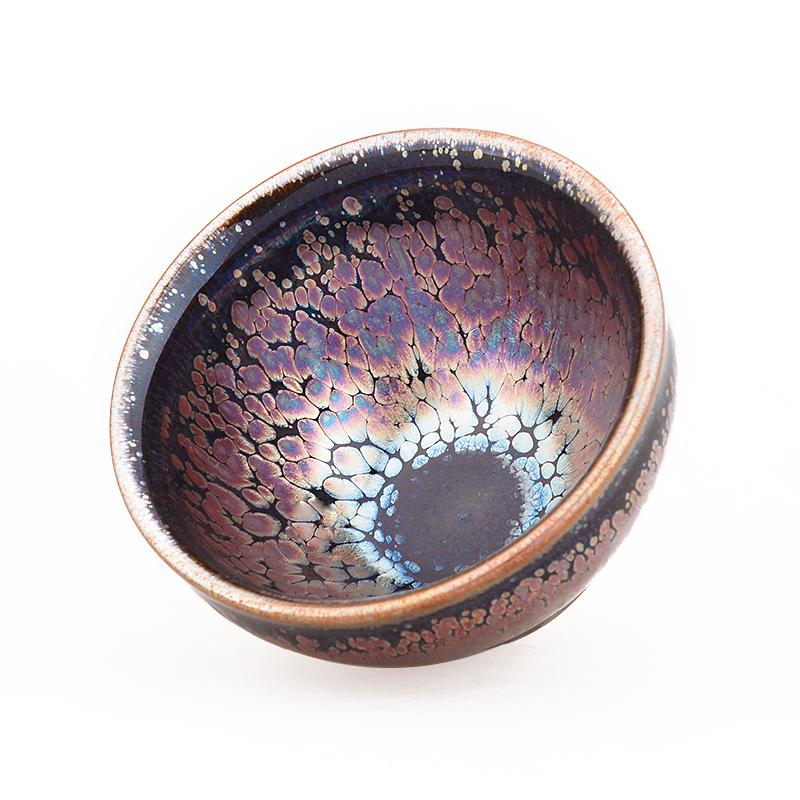
Pavone d'oro

Compare this piece when you want a clear visual reference for a gold-toned Tenmoku glaze style.

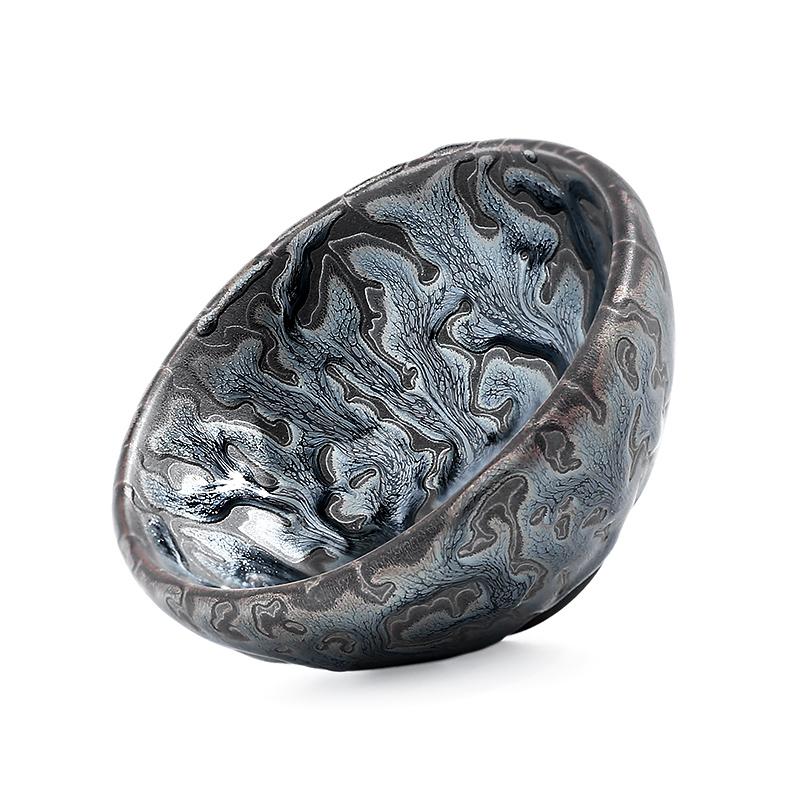
Fata II

Use this product as another comparison point for handmade form, glaze variation, and gift suitability.

shop handmade Tenmoku tea cups compare Jianzhan teapots browse Tenmoku tea sets choose Tenmoku matcha bowls view Tenmoku tea cups read the real vs fake Tenmoku tea bowl guide browse Jianzhan buying guides learn about Tenmokus

From Tenmoku guide to teaware choice

Tenmokus is focused on handmade Jianzhan Tenmoku teaware for tea rituals, display, and gifting. If you are choosing after reading this guide, start with Tenmoku tea cups for daily tea tasting, Tenmoku teapots for loose leaf brewing, Tenmoku tea sets for coordinated gifts, or Tenmoku matcha bowls for matcha preparation.

Ultime storie

Keep exploring Tenmoku care, gift ideas, teaware selection, and the difference between Tenmoku and Jianzhan.

Visualizza tutto

Tenmoku Tea Bowl: A Handmade Cup With History, Beauty, and Meaning

Tenmoku Tea Bowl: A Handmade Cup With History, Beauty, and Meaning

Tenmoku Tea Bowl: A Handmade Cup With History, Beauty, and Meaning A tenmoku tea bowl is a dark-glazed tea cup, often called Jianzhan, known for dramatic patterns created by fire, minerals, and chance. For gongfu tea, it gives a quiet,...

Per saperne di più

How to Identify Real vs Fake Tenmoku Tea Bowl: A Jian Zhan Buyer’s Guide for US Tea Lovers

How to Identify Real vs Fake Tenmoku Tea Bowl: A Jian Zhan Buyer’s Guide for US Tea Lovers

If you’ve ever brewed a fine oolong tea and wanted an authentic tenmoku tea bowl to match its depth, you’ve likely stumbled into a minefield of fakes. I’m Aiden Wei, and after years of studying Jian Zhan (the Chinese name...

Per saperne di più

Handmade Tenmoku Tea Bowl: Luxury Home Ritual for Relaxation

Handmade Tenmoku Tea Bowl: Luxury Home Ritual for Relaxation My nightly unwind used to be a chaotic mix of scrolling and half-hearted herbal tea. Then I held a handmade tenmoku tea bowl — its iron-rich glaze glimmering with an oil...

Per saperne di più