Che cosa è "gan kou"?
Chi non conosce le tazze Jianzhan potrebbe confondere il "gan kou" (orlo asciutto) con un difetto nella smaltatura. Le tazze Jianzhan presentano alcune differenze rispetto ad altri tipi di porcellana. Oltre al "gan kou", molti nuovi collezionisti potrebbero essere confusi anche da altri termini come "lu tai" (argilla esposta), "ju yu" (smalto che si raccoglie) e "yudizhu" (gocce di smalto), che spiegherò di seguito.
"Gan kou":
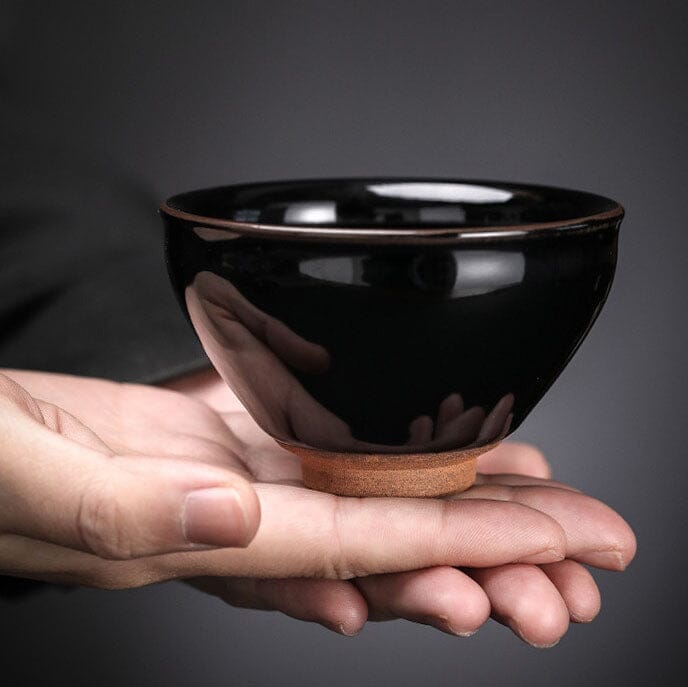
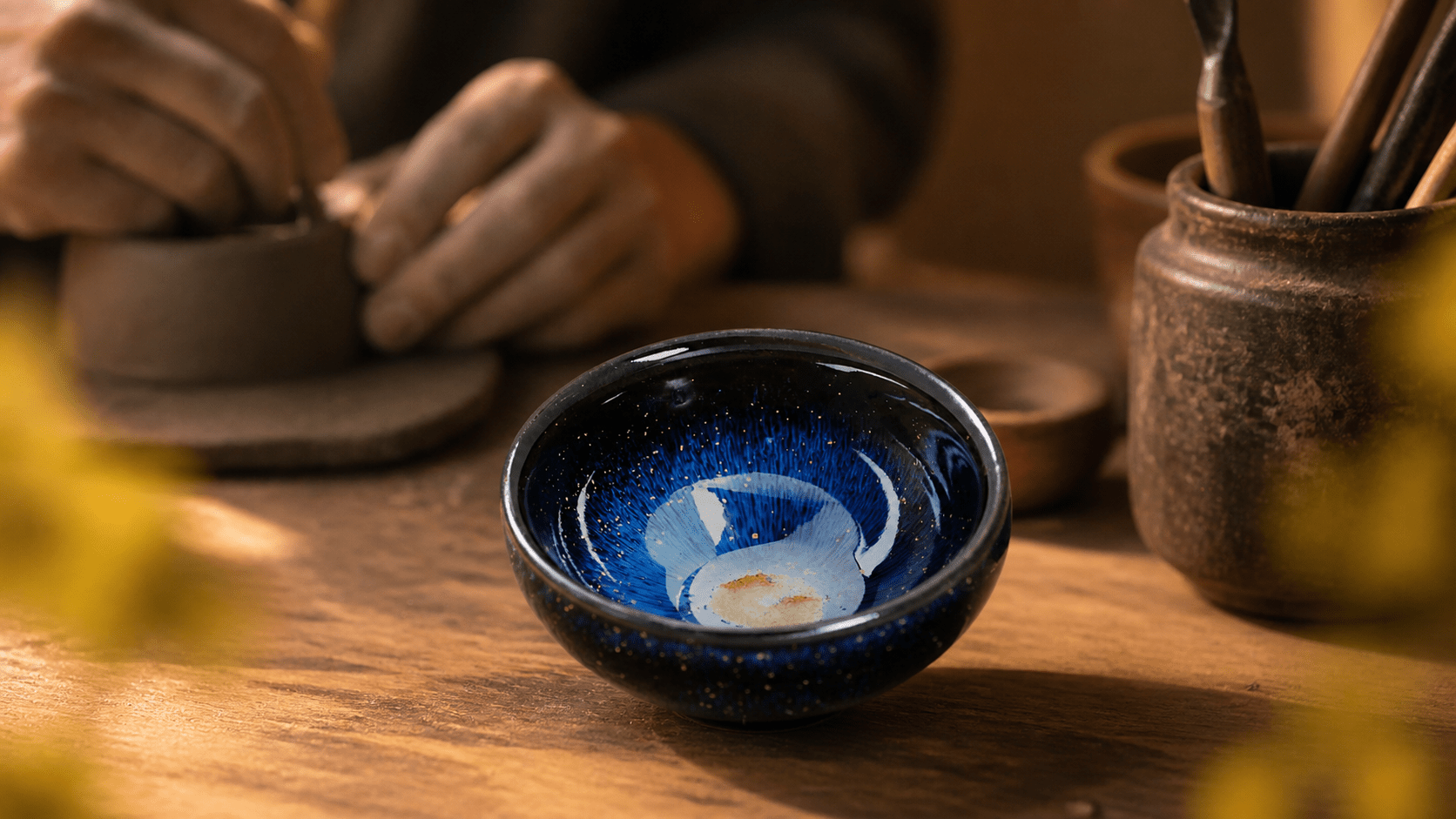
Come suggerisce il nome, "gan kou" si riferisce alla smaltatura secca sul bordo della tazza. Le tazze Jianzhan vengono realizzate applicando una smaltatura densa e cuocendole capovolte, in modo che la smaltatura risponda alla forza di gravità e scorra verso il basso. Di conseguenza, la smaltatura sul bordo della tazza scorre verso il basso e diventa più sottile, rendendola più soggetta a seccarsi e bruciarsi durante la cottura.
pneumatico esposto
A causa della tecnica di cottura utilizzata, se la tazza è completamente smaltata, il fondo tende ad attaccarsi, il che si chiama "attaccamento al fondo". Pertanto, la tazza è solo parzialmente smaltata, senza smalto sul fondo, il che si chiama "esposizione dello pneumatico".
gocce di smalto
Quando lo smalto cola verso il basso, a volte si formano piccole gocce di smalto lungo il bordo, chiamate "gocce di smalto". Sono anche comunemente chiamate "lacrime" per la loro forma. Questa è una testimonianza del processo di cottura dello Jianzhan, che lascia dietro di sé ricordi dinamici di lacrime che hanno superato la prova di 1300 gradi di alta temperatura. Aggiunge un tocco di fascino unico alla tazza.
La formazione di gocce di smalto e di pneumatici esposti è generalmente accettata dalla maggior parte delle persone, ma la secchezza delle fauci non è facile da comprendere e valutare. Molti credono erroneamente che le tazze secche delle fauci siano difettose.
Per Jianzhan, la secchezza delle fauci è molto comune e inevitabile. Pertanto, non è necessario puntare a una secchezza totale delle fauci. Inoltre, anche il grado di secchezza varia. Al momento dell'acquisto, è possibile scegliere tazze con un grado di secchezza più leggero.
In alcuni casi, la secchezza delle fauci è grave e può causare ampie zone di vetrificazione incomplete, compromettendo la qualità complessiva della superficie smaltata e riducendo notevolmente la qualità della tazza. Tuttavia, se il grado di secchezza è lieve, non comprometterà affatto l'uso della tazza.
La valutazione di una Jianzhan non dovrebbe basarsi solo sulla secchezza delle fauci, ma anche su fattori più ampi come la superficie smaltata, il grado di vetrificazione, le dimensioni e la forma della coppetta e l'eventuale presenza di deformazioni. Nella scelta di una Jianzhan, considerate i fattori sopra menzionati e le vostre esigenze per decidere se acquistare una coppetta specifica.
Quick answers for Tenmoku teaware shoppers
Use this guide to connect the article topic with practical buying decisions: what Jianzhan Tenmoku teaware is, who it suits, how to choose a piece, and how to care for it after purchase.
How to use this guide before buying
Read the article first for the main explanation, then compare the product photos, glaze variation, form, seller clarity, return policy, and whether the piece fits daily tea, display, collecting, or gifting.
Common buying mistakes to avoid
Avoid choosing only by dramatic claims, copied photos, unusually low prices, or vague master language. A better decision uses visible product details, clear use case, realistic care needs, and trustworthy shop policies.
Recommended next step
After reading, compare a few real products side by side by size, glaze family, rim shape, capacity, price, and gift suitability instead of relying on one photo or one keyword.
What is Jianzhan Tenmoku teaware?
Jianzhan Tenmoku teaware is ceramic tea ware known for dark mineral-glaze effects and natural kiln variation. Common forms include tea cups, bowls, teapots, tea sets, and matcha bowls.
Who is it best for?
It is best for tea drinkers, ceramic collectors, and gift shoppers who value functional objects with visible handmade character. It is not ideal if you need every piece to look exactly identical.
How do I care for it?
Hand wash with warm water, avoid abrasive cleaners, and dry fully before storage. Gentle daily use helps preserve the surface and keeps the glaze easy to inspect over time.
How do I choose the right Tenmoku piece?
Choose by the main use first: daily tea, matcha, Gongfu brewing, display, or gifting. Then compare capacity, rim shape, glaze family, photos, and whether natural variation is acceptable for your needs.
Is Jianzhan Tenmoku teaware good as a gift?
Yes. It works well for tea lovers, ceramic collectors, birthdays, holidays, and housewarming gifts because it is both usable and visually distinctive. For gifts, choose an easy-to-use form and a glaze style with clear photos.
Related products and categories
Compare the guide above with real Tenmokus categories and representative pieces. Start with the use case, then compare glaze style, form, price, and whether the piece is mainly for daily tea, display, collecting, or gifting.
Best for daily tea drinking, first Jianzhan purchases, ceramic gifts, and comparing glaze patterns across cup shapes.
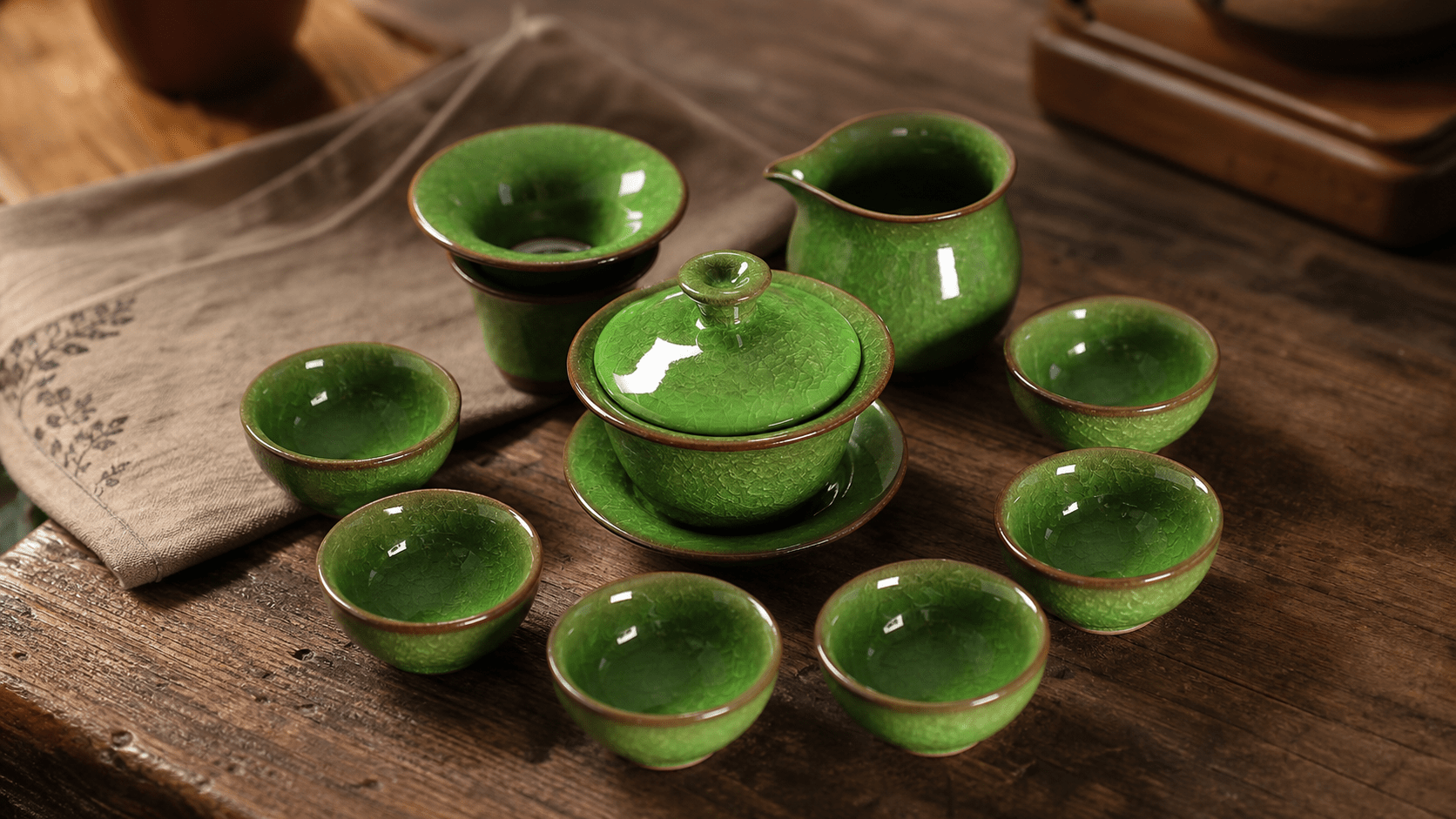
Best when you want a coordinated tea table, a hosting setup, or a complete gift instead of one individual cup.
Use this guide to compare seller claims, glaze appearance, photos, and practical buying signals before choosing a piece.
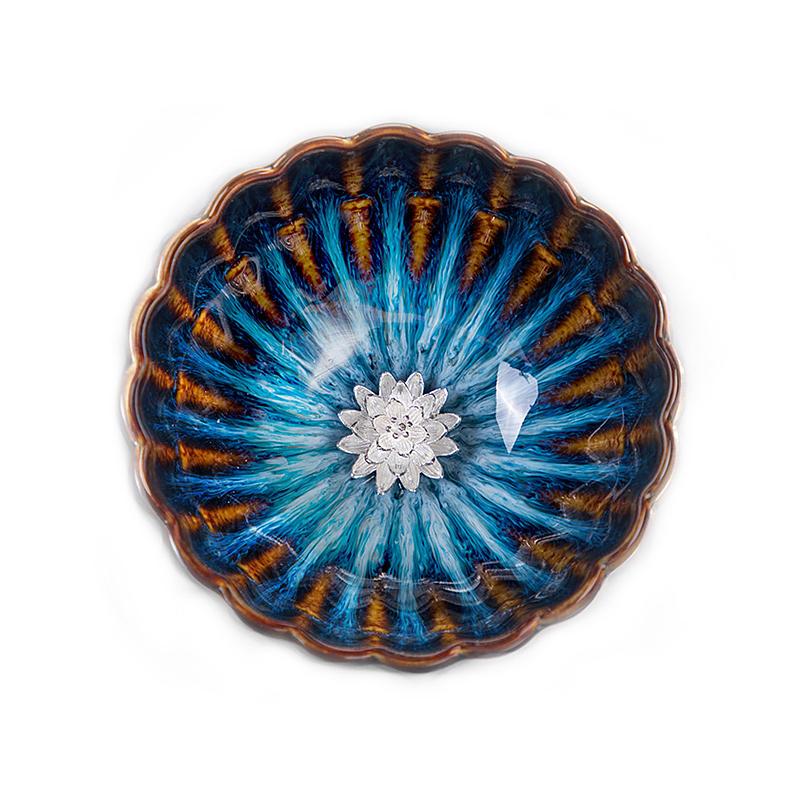
A representative Tenmoku tea cup to compare by glaze depth, cup shape, price, and gift fit.
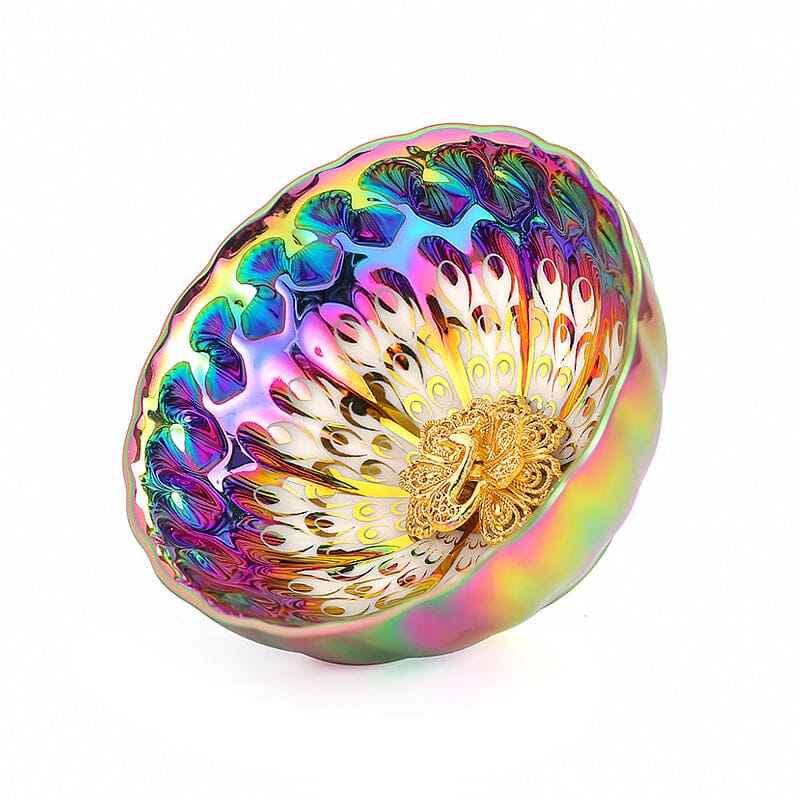
Compare this piece when you want a clear visual reference for a gold-toned Tenmoku glaze style.
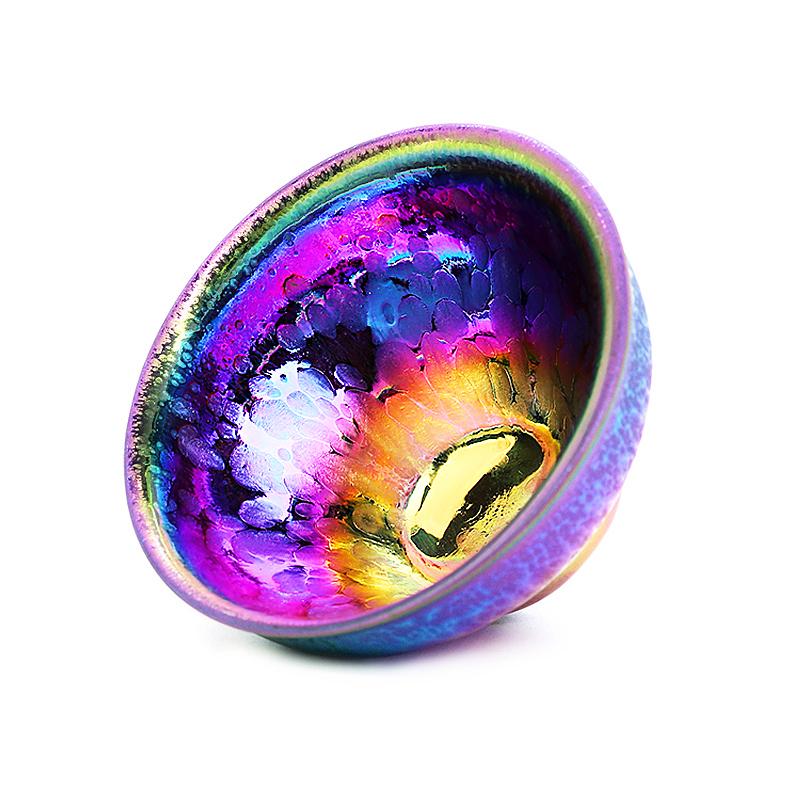
Use this product as another comparison point for handmade form, glaze variation, and gift suitability.




Condividere:
Questa tazza da tè può essere davvero attratta da un magnete ?
Introduzione alle forme e alle dimensioni di Jianzhan ?