

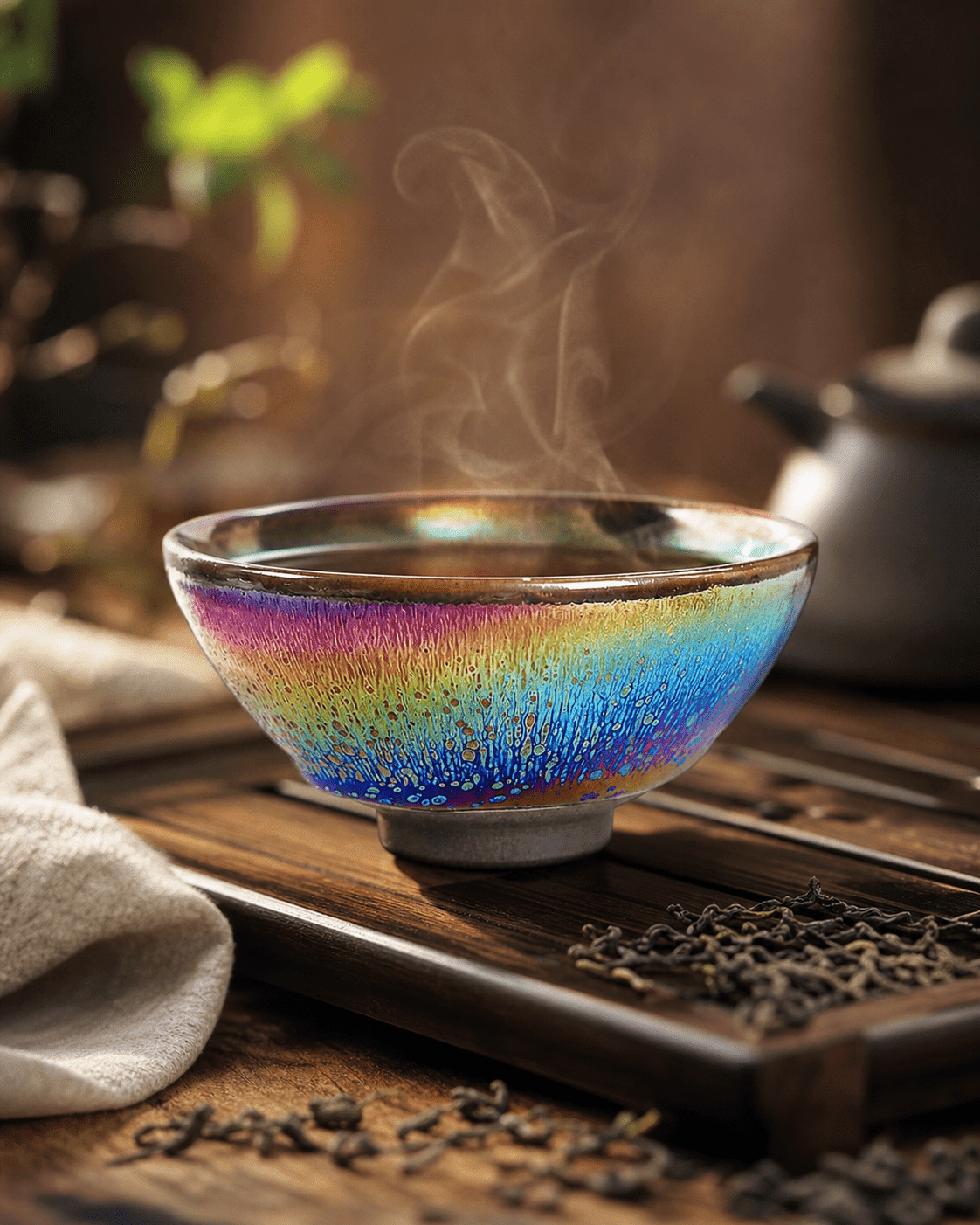

My mornings used to begin with a hurried gulp from a chunky ceramic mug — functional, forgettable, and about as meditative as scrolling emails. Then I held my first handmade tenmoku tea bowl. The deep Jianzhan Tenmoku ceramic shimmered with silver-blue hare's fur streaks under the kitchen light, and that first bowl of Longjing tea felt different: slower, richer, deeply grounding. If you've ever wondered how a simple object can turn a five-minute tea break into a luxury at-home wellness ritual, you're in the right place. Today I'll walk you through why a tenmoku tea bowl — with its tenmoku glaze born in Fujian's Jianyang kilns during the Song Dynasty — is the quiet game-changer you didn't know your self-care routine needed.
Key Takeaways
- A tenmoku tea bowl is a handcrafted Jianzhan Tenmoku ceramic vessel with unique iron-saturated glazes like hare's fur and oil spot, originally from Japan's appreciation of Jian ware.
- Using one daily transforms ordinary tea drinking into a sensory mindfulness practice, comparable to how a weighted blanket or a premium crystal wine glass elevates a routine.
- The bowl's glaze patterns are never identical — each piece is a functional work of art, making it a perfect tea cup gift for tea lovers or meaningful tea ceremony gift.
- Authentic bowls from Fujian Jianyang are available as a handmade tea cup gift set; you can shop authentic Tenmoku tea bowls to start your own ritual.
- Proper care is simple and rewarding — the bowl develops character over time with use, deepening your connection to the art of tea.
What exactly is a tenmoku tea bowl — and why does it feel so different?
If you're new to the term, think of a tenmoku tea bowl as the ultimate fusion of art, history, and daily ritual. The name “tenmoku” comes from the Japanese reading of Tianmu Mountain in China, where Japanese monks first encountered these dark-glazed bowls during the Song Dynasty. They brought them back to Japan, and the term stuck. The bowls themselves originate from the Jian kilns in Jianyang, Fujian province, where potters mastered the creation of Jianzhan Tenmoku ceramic with iron-rich glazes that, during firing, produce stunning, organic patterns.
I often compare it to a fine crystal wine glass. A $5 stemless tumbler holds your Cabernet fine, but a hand-blown Reidel glass shapes the aroma, influences the sip, and makes the moment feel special. A tenmoku tea bowl does the same for tea. The thick glaze, the tactile weight, the way the interior curve cradles the liquid and reflects the brew's color — it engages your senses before the tea even reaches your lips. The deep black background (that's the Jianzhan Tenmoku ceramic body) contrasts beautifully with the pale green of Japanese sencha or the amber of a Wuyi oolong, turning each cup into a tiny gallery exhibit. It's not just a cup; it's a vessel for presence.
How does a daily tea ritual with a tenmoku bowl enhance wellness?
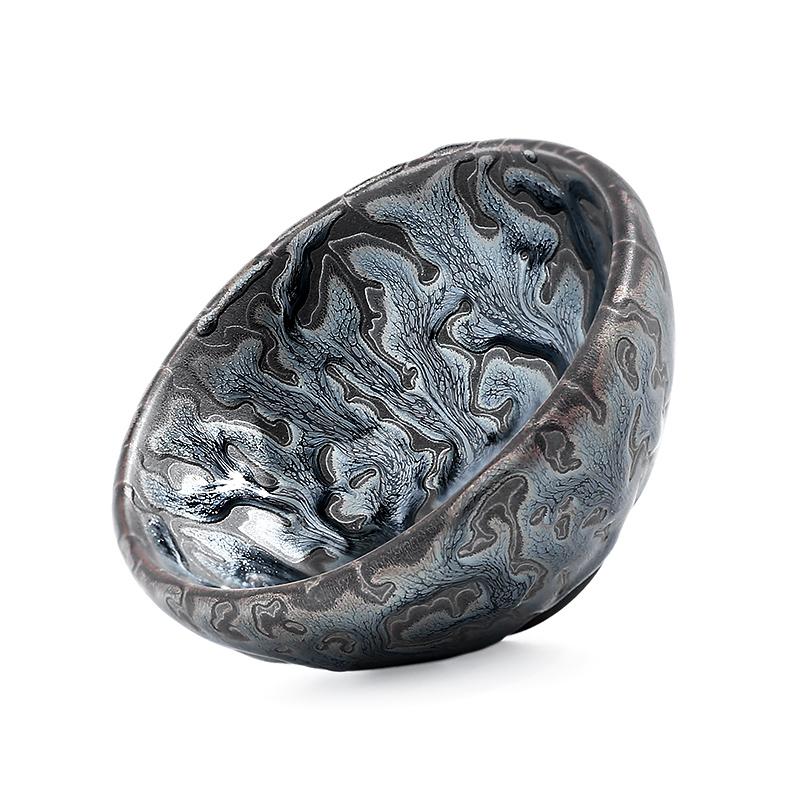
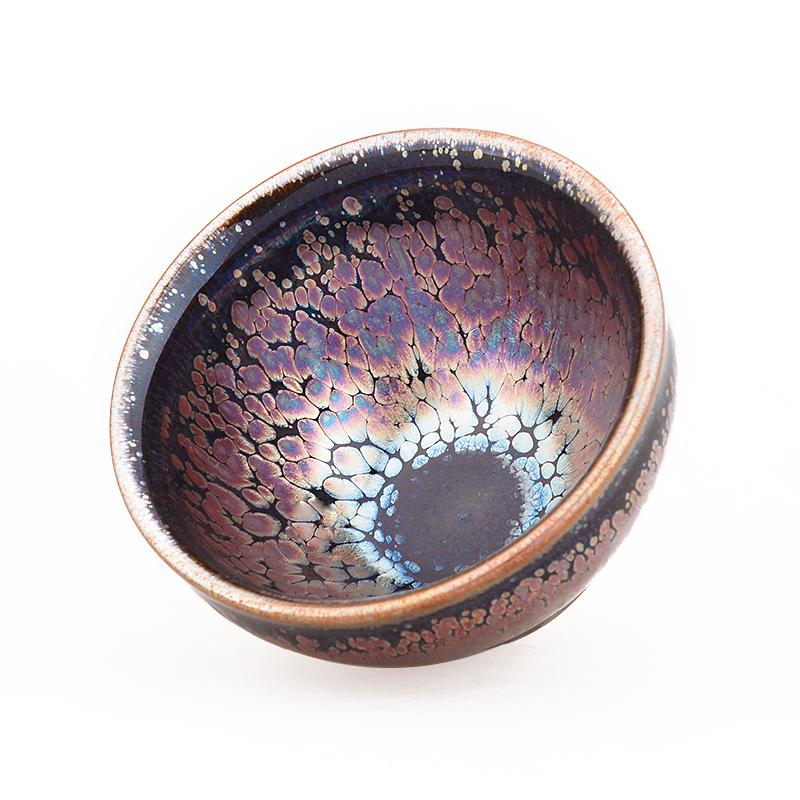
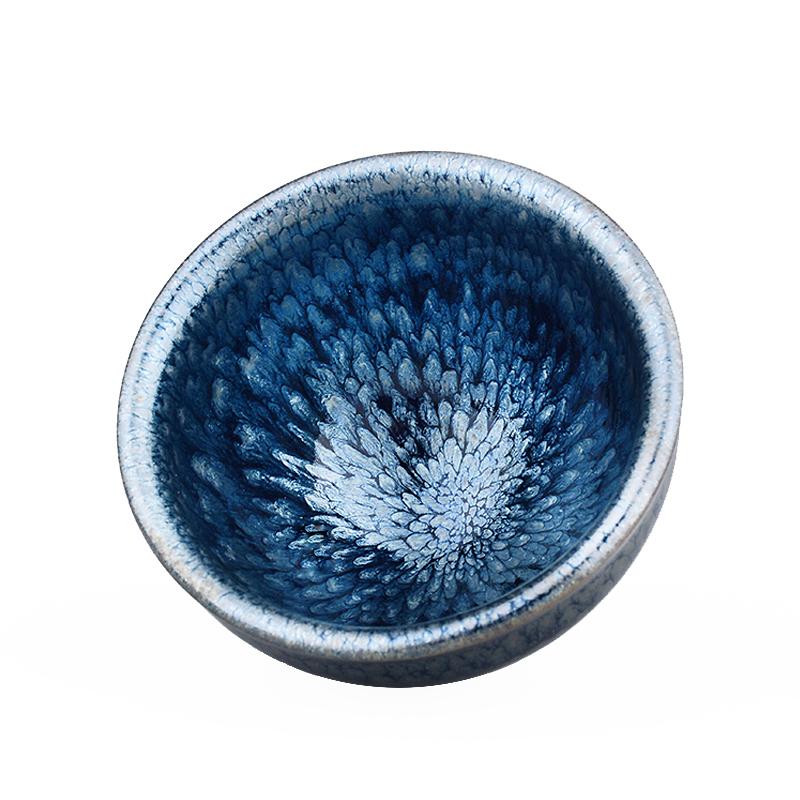
I've noticed a shift in my own mornings since I made the switch. The act becomes intentional. You don't just pour and go; you pause to admire the tenmoku glaze — maybe it's the classic hare's fur pattern (fine silvery lines racing down the sides) or the mesmerising oil spot tenmoku cup effect, where metallic spots bloom like a galaxy. This pause is the first step of a mindfulness practice that's rooted in the Japanese tea ceremony but fully modern in its need.
There's real science to this. A slow, focused ritual can lower cortisol. When I cradle the warm bowl in my palms — a gesture called “holding the tea with gratitude” in some tea circles — it becomes a brief meditation. The insulating nature of the Jianzhan Tenmoku ceramic keeps the tea at the ideal temperature longer, encouraging smaller, slower sips rather than scalding gulps. It's a wellness tool as much as a tea cup. In a world of 10-minute meditations apps, here's one that fits naturally into your day, no screen required. The sensory layers — the visual complexity of the glaze, the subtle lip-feel of the rim, the earthy scent of the clay — ground you firmly in the present. I've come to see it as my version of a weighted blanket; a physical object that guides the body toward a parasympathetic state.
Is a handmade tenmoku tea bowl a worthy luxury for your home?
When I talk to friends curious about elevating their home experience, they often ask how a tea bowl can compare to other luxury lifestyle items. Let me break it down. A high-end aromatherapy diffuser might cost around $100 and you refill it with oils. A weighted blanket, maybe $150. A handmade tenmoku tea bowl from authentic Fujian studios? Comparable, and it arrives with over 800 years of cultural heritage. Plus, you'll use it multiple times a day. It's not just decor; it's a daily performer.
I've found that collecting these bowls adds a deeply personal layer to home luxury. Because each piece is wood-fired or carved with a tenmoku glaze that reacts to kiln atmosphere, no two hare's fur patterns are the same. One might have delicate, wispy streaks; another might be bold and dramatic. Displaying them on a shelf or tea tray becomes a conversation about art, travel, and the beauty of imperfection — a concept known as wabi-sabi in Japan. If you're someone who invests in a specific espresso machine or a vintage tea kettle, a tenmoku tea bowl belongs in that same category: functional art that signals a commitment to slowing down and tasting life fully.
What makes a tenmoku tea bowl the perfect tea cup gift for tea lovers?
I've given many gifts over the years, but the one that consistently sparks genuine excitement is a handmade Japanese tea bowl. It's a unique tea cup gift that bypasses the generic. Think about it: a tea lover likely has plenty of mugs. But a piece steeped in Song Dynasty history, with a natural oil spot or hare's fur pattern that can't be replicated? That's memorable. Whether for a birthday, anniversary, or a holiday tea ceremony gift, a tenmoku tea bowl communicates a level of thoughtfulness that says, “I know you value depth and beauty in the everyday.”
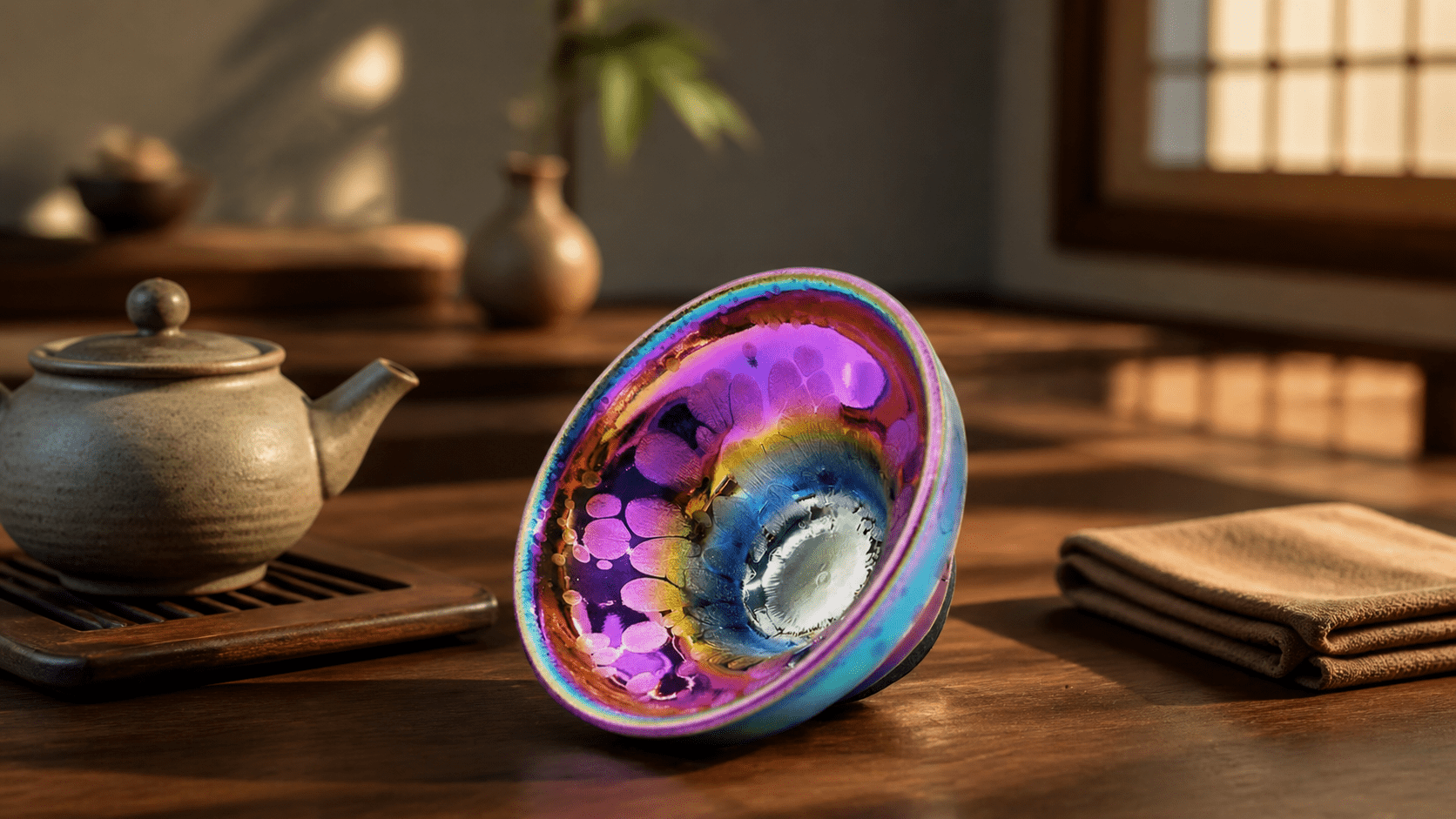
You can elevate it further with a handmade tea cup gift set. Pair the bowl with a small sample of high-quality oolong or a bamboo tea scoop. I recently curated a set for a friend that included a striking oil spot tenmoku cup and a linen tea cloth; she told me it transformed her Saturday morning ritual and she looks forward to it all week. That's the response you want from a gift. If you're unsure where to start, I recommend you browse our hare's fur Jianzhan series. The iridescent patterns photograph beautifully and suit both green and fermented teas. It's a gift that doesn't just sit on a shelf — it gets held, warmed, and loved daily, deepening its meaning over time.
Jianyang hare's fur vs. oil spot tenmoku cup: which should you choose?
Once you dive into the world of tenmoku tea bowls, you'll quickly encounter two iconic glaze effects: hare's fur and oil spot. Both originate from the same Jianyang, Fujian kilns and share that base Jianzhan Tenmoku ceramic, but they offer different moods. Here's a quick comparison to help you decide which one aligns with your aesthetic and ritual.
| Feature | Hare's Fur (Nogime) | Oil Spot (Yuteki) |
|---|---|---|
| Pattern | Fine, elongated silvery or russet streaks that run vertically like rabbit hair | Round metallic spots scattered like floating oil drops, ranging from silver to blue-gold |
| Visual Effect | Dynamic, directional movement; highlights pouring action | Still, cosmic, speckled galaxy; catches light brilliantly |
| Best Tea Pairing | Green teas that contrast with dark interior; light oolongs | Darker oolongs, pu-erh, or whisked matcha where the bubbles interact with spots |
| Tactile Experience | Smooth with a slightly textured appearance, though glazes are typically glassy | Often very smooth; the spots are within the glaze layer |
| Price Range (Authentic) | Moderate to high depending on artist and kiln conditions | Typically premium; perfect oil spot is rare and prized |
| Availability | Widely available as a tenmoku tea bowl for sale; great for first collectors | Sought-after; if you see an oil spot tenmoku cup from a reputable kiln, it's a treasure |
I personally started with a hare's fur bowl because the streaks reminded me of rain on a window — peaceful. Later, I added an oil spot tenmoku cup to my collection when I wanted a bowl specifically for evening matcha sessions. The choice comes down to which visual language speaks to you. Both are authentic expressions of the tenmoku glaze tradition and make exceptional unique tea cup gifts.
How to select and use your tenmoku bowl like a seasoned tea lover
When you're ready to purchase, you might search “japanese tenmoku for sale” or “tenmoku tea bowl for sale.” To ensure you're getting an authentic piece worthy of your ritual, look for a few things: a bowl with a hand-formed character (slight irregularity is beautiful), a thick iron glaze that feels substantial, and provenance from Fujian Jianyang or a respected Japanese kiln. The bowl should sit comfortably in your palms; the traditional shape is a gently flared lip for easy handling and drinking, with a narrow foot that keeps the bottom cool enough to hold.
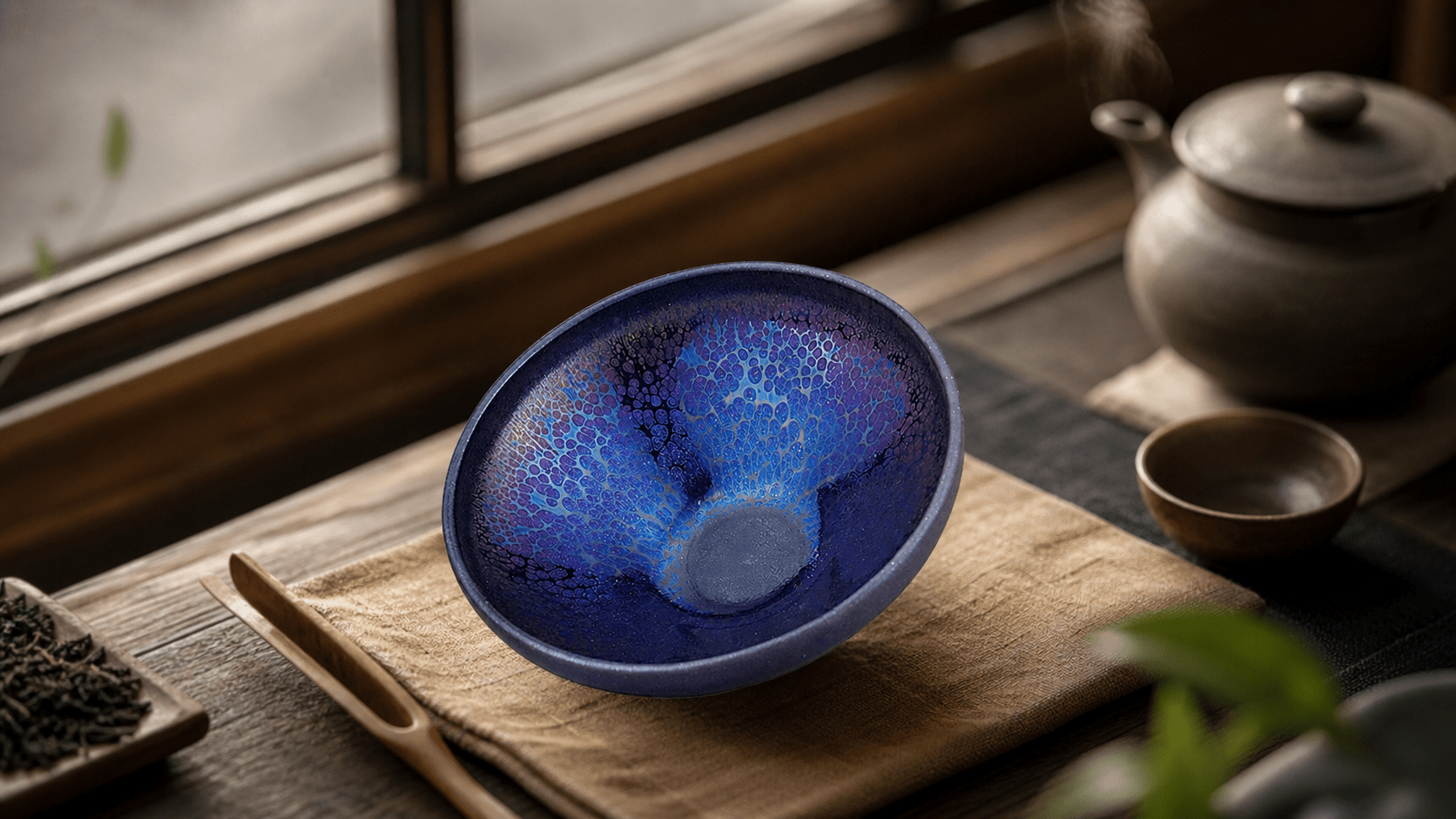
Using it is intuitive yet rich with tradition. I like to fill it with hot water first to warm the walls, then discard the water. Add your tea leaves — oolong for its bouquet, or a fine Japanese green — and pour water just off the boil. Watch the leaves unfurl against the Jianzhan Tenmoku ceramic. Some tea enthusiasts claim the iron content in the tenmoku glaze subtly softens the water, improving the tea's mouthfeel. I can't prove the chemistry, but I can tell you my tea tastes rounder and smoother from these bowls. After your session, rinse with warm water and pat dry with a soft cloth; never use soap, which can clog the micro-pores of the glaze. This gentle care becomes part of the ritual, and over months, the bowl develops a personal patina that tells your tea story.
Why I choose tenmoku over any other everyday cup
Before I discovered the world of Jian ware, my kitchen cabinets were filled with trendy double-walled glasses, oversized mugs, and souvenir cups. They served a function, but none served my wellbeing. The tenmoku tea bowl changed that because it demands nothing but gives everything. It doesn't chime with notifications; it sits in the cupboard like a patient friend. When I take it down in the morning, I'm signaling to myself: for the next ten minutes, I'm not just hydrating; I'm experiencing a moment of luxury at home that costs pennies per use.
I've also found it to be a bridge across cultures. When I serve guests tea in my japanese tea bowl, they invariably ask about it, and the conversation drifts to travel, history, and the simple pleasures. That's powerful. In a country where coffee often dominates the morning routine, a Jianzhan Tenmoku ceramic bowl filled with fragrant oolong feels both exotic and grounding. It's a reminder that wellness doesn't always require a spa appointment; sometimes it's hiding in a piece of Jianzhan Tenmoku ceramic that cradles your tea and asks you to slow down.
Who should buy a tenmoku tea bowl?
This is for you if you're a curious beginner wanting to elevate a mundane habit, or a premium lifestyle buyer who appreciates objects with heritage and soul. It's perfect if you love the idea of a mindful morning but find meditation apps sterile — here, the meditation is tactile and tastes like your favorite tea. If you're hunting for a tea cup gift for tea lovers, especially for someone who seems to have everything, a tenmoku bowl is that unexpected treasure. And if you're building a home sanctuary, whether that's a reading nook or a dedicated tea corner, an authentic tenmoku tea bowl is the anchor piece that makes it feel intentional.
FAQ: Your tenmoku tea bowl questions answered
What is a tenmoku tea bowl?
A tenmoku tea bowl is a traditional East Asian teacup known for its Jianzhan Tenmoku ceramic body and unique iron-saturated glazes that produce patterns like hare's fur or oil spot. Originating from Fujian Jianyang kilns during China's Song Dynasty and later revered in Japan, they are designed to enhance the tea-drinking experience through aesthetic and thermal properties.
Why is tenmoku glaze so special?
The tenmoku glaze is special because its high iron content crystallizes in the kiln under specific cooling conditions, creating iridescent, one-of-a-kind patterns. No two bowls are identical, making each piece a functional artwork. The glaze also provides a smooth lip-feel and is believed by some to subtly soften water for tea.
Can I use a tenmoku tea bowl for all types of tea?
Absolutely. I use mine for everything from sencha and oolong to pu-erh and even matcha. The deep interior beautifully shows off the color of lighter teas, while darker teas enhance the glowing effect of the glaze. It's versatile and does not retain flavors if rinsed properly.
How do I care for my handmade tenmoku tea bowl?
Care is simple: rinse with warm water immediately after use and wipe dry with a soft cloth. Avoid dish soap and abrasive scrubbers, which can dull the glaze. Over time, the bowl will develop a subtle patina from use, which is highly valued and marks it uniquely as yours.
Where can I find a genuine tenmoku tea bowl for sale?
You can find authentic bowls from specialty tea ware shops and online stores that source directly from Fujian Jianyang or Japanese kilns. Look for clear provenance details. To start, you can shop authentic Tenmoku tea bowls from trusted curators who vet quality and authenticity, ensuring you get a piece true to its heritage.
Bringing a tenmoku tea bowl into your life is an invitation to transform the ordinary into the extraordinary. It's a luxury that grounds you, a wellness tool that fits in your palm, and a heritage piece that connects you to centuries of tea masters who understood that the vessel matters just as much as the leaf. Whether you're buying your first hare's fur bowl or adding an oil spot tenmoku cup to your collection, the ritual begins the moment you hold it. Shop authentic Tenmoku tea bowls and discover how a simple cup can soften your mornings, or browse our hare's fur Jianzhan series for the piece that will become your new morning companion.
Explore Our Collection
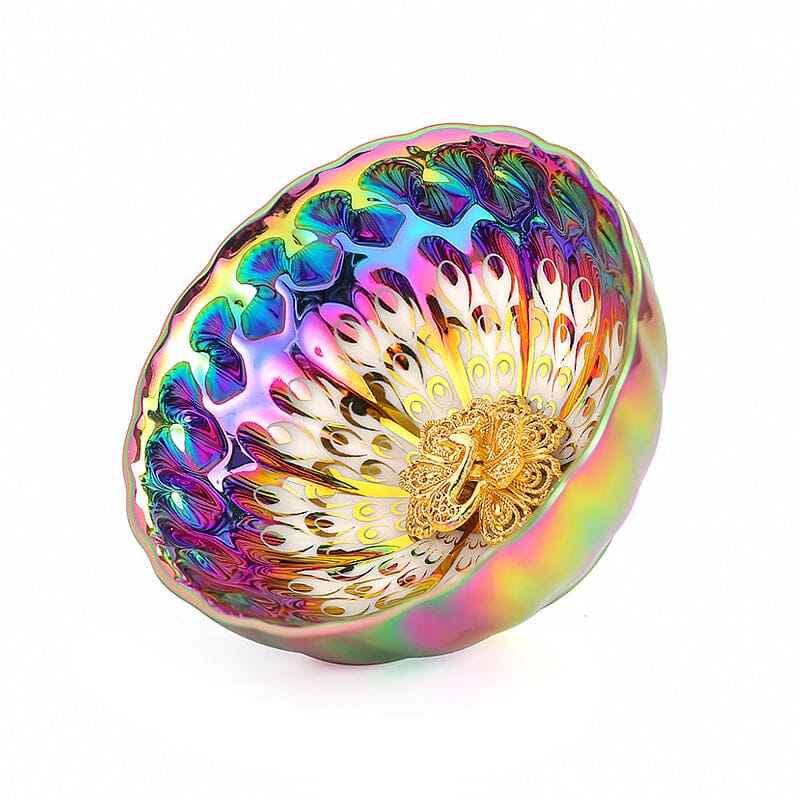
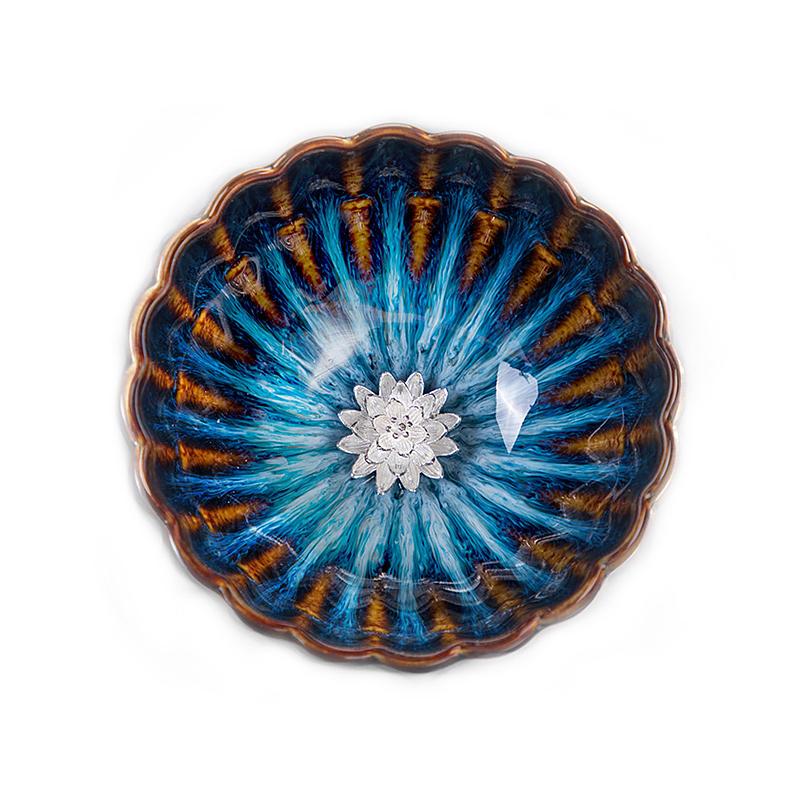
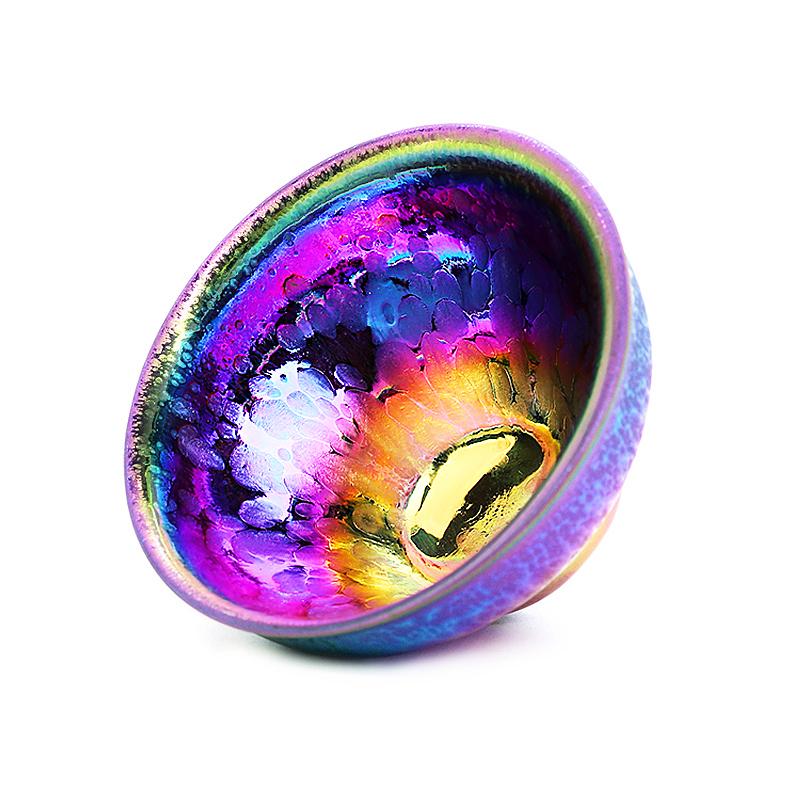
Ready to experience the world of tenmoku tea bowl? Browse our curated collection:
Disclaimer: This article is for informational purposes. Products and pricing subject to change.


分享:
A Handmade Tenmoku Tea Bowl: Your Daily Luxury Wellness Ritual at Home
Tenmoku Tea Bowl Authenticity Guide: How to Buy the Real Thing With Confidence