

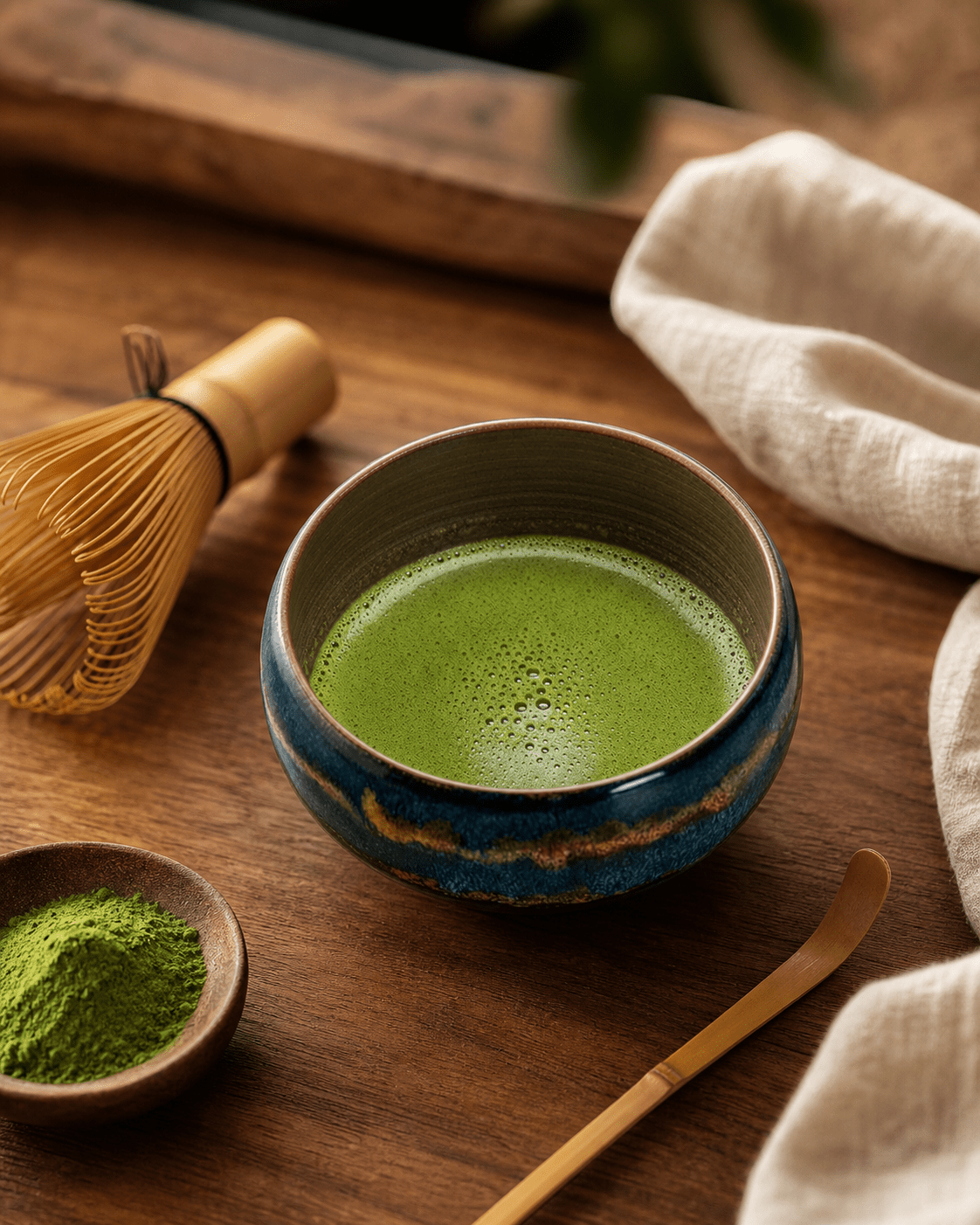

Tenmoku Tea Bowl: A Handmade Story That Makes Every Tea Moment Feel Deeper
A tenmoku tea bowl is a handmade ceramic cup known for its dark, shimmering glaze, deep roots in Song Dynasty tea culture, and meditative beauty at the tea table. Also called jianzhan or a Tenmoku cup, it is especially loved for gongfu tea, quiet morning rituals, and as a meaningful gift for tea lovers who appreciate craft over mass production.
What makes it special is not only how it looks, but how it comes to life: local clay, an iron-rich glaze, extreme kiln heat, and the patience of a skilled tenmoku artisan. Every bowl carries a small story of fire, chance, and human hands.

Key Takeaways
- A tenmoku tea bowl is a handmade ceramic tea vessel inspired by historic Jian kiln wares from Fujian, China.
- The famous Tenmoku glaze forms naturally in the kiln through heat, minerals, oxygen, and kiln change.
- Its visual effects include hare’s fur, oil spot, silver, blue, bronze, and galaxy-like patterns.
- Tenmoku traveled to Japan, where it became admired as a Japanese tea bowl in tea ceremony culture.
- For modern buyers, handmade Jianzhan tea cups are both functional tea tools and collectible art objects.
What is the fujian tea bowl tradition behind a tenmoku tea bowl?
The fujian tea bowl tradition begins in Jianyang, a region of Fujian Province in southeastern China. During the Song Dynasty, this area became famous for dark-glazed tea bowls made in the Jian kilns. These bowls were not designed to be flashy in the modern sense. They were made to serve tea beautifully, especially powdered tea that was whisked into a pale foam.
Imagine a black velvet background that makes a pearl stand out. That is what a tenmoku tea bowl did for Song tea. Its dark interior made the white tea foam easier to see, helping tea drinkers appreciate color, texture, and skill.
In American terms, you might compare it to using the right wine glass for Burgundy or the right cast-iron skillet for cornbread. The tool shapes the experience. A jianzhan bowl was not just a container; it was part of the ritual.
The bowls were made from local clay naturally rich in iron. Artisans applied an iron-rich glaze and fired the pieces at very high temperatures. In the kiln, the glaze could separate, flow, crystallize, and reveal patterns that looked like rabbit fur, floating oil drops, stars, or storm clouds. This natural transformation is called kiln change.
Because kiln change is partly unpredictable, no two bowls are exactly alike. Even if two cups are shaped by the same hands and fired in the same kiln, the flame writes a different ending on each one.
How does jian zhan history connect China, Japan, and Japanese tea culture?
Jian zhan history is a story of trade, taste, and cultural exchange. The term Jianzhan refers to tea bowls from the Jian kilns. “Zhan” means a tea bowl or cup, while “Jian” points to the historic kiln region.
During the Song Dynasty, these bowls were admired by scholars, monks, and members of the court. Tea was not only a drink; it was a refined social practice. People compared foam, aroma, color, and technique. This is the world we now call song dynasty tea culture.
As Buddhist monks and travelers moved between China and Japan, they carried tea practices and treasured objects with them. Jian bowls reached Japan, where they became known as Tenmoku, a name associated with Mount Tianmu, a Chinese Buddhist center visited by Japanese monks.
In Japan, the tenmoku form became highly respected. Collectors and tea masters prized these dark bowls for their quiet presence and mysterious glaze. Over time, the phrase Japanese tea bowl became connected with tea ceremony aesthetics, even though the original Jian wares came from China.
This cross-cultural journey matters today. When a modern tea lover in the United States holds a tenmoku tea bowl, they are holding more than a cup. They are holding a bridge: Fujian clay, Song Dynasty innovation, Japanese appreciation, and contemporary handmade craft.
That layered heritage is one reason a jianzhan tea cup gift feels personal. It is not a generic mug pulled from a shelf. It carries centuries of tea history in an object small enough to fit in one hand.
What does a tenmoku artisan do differently from factory ceramic makers?
A tenmoku artisan works with uncertainty instead of trying to erase it. In many factory ceramics, the goal is perfect sameness. Every cup should look identical, weigh the same, and match the sample. With handmade Jianzhan tea cups, the goal is more subtle: balance control with natural surprise.
The process usually begins with clay selection. Jian-style clay is valued because it contains iron and minerals that respond well to high-temperature firing. The artisan shapes the bowl, trims the foot, dries the body, and prepares the glaze. Each step affects the final result.
The glaze is the soul of the tenmoku tea bowl. A true tenmoku glaze is often dark, glossy, and mineral-rich. It may look simple before firing, but inside the kiln it becomes active. Heat causes the glaze to melt and move. Iron crystals form. Colors emerge. Patterns either open beautifully or disappear into depth.
This is where kiln change becomes the artist’s collaborator. A tenmoku artisan can choose the clay, glaze recipe, bowl shape, firing temperature, and kiln atmosphere. But the final pattern is decided by the meeting of fire and mineral.
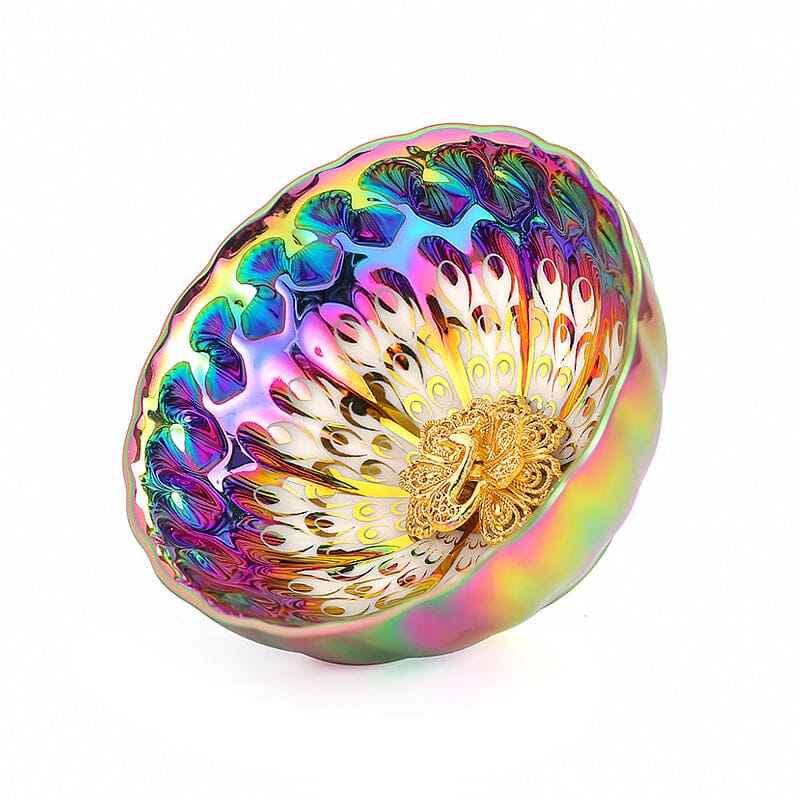
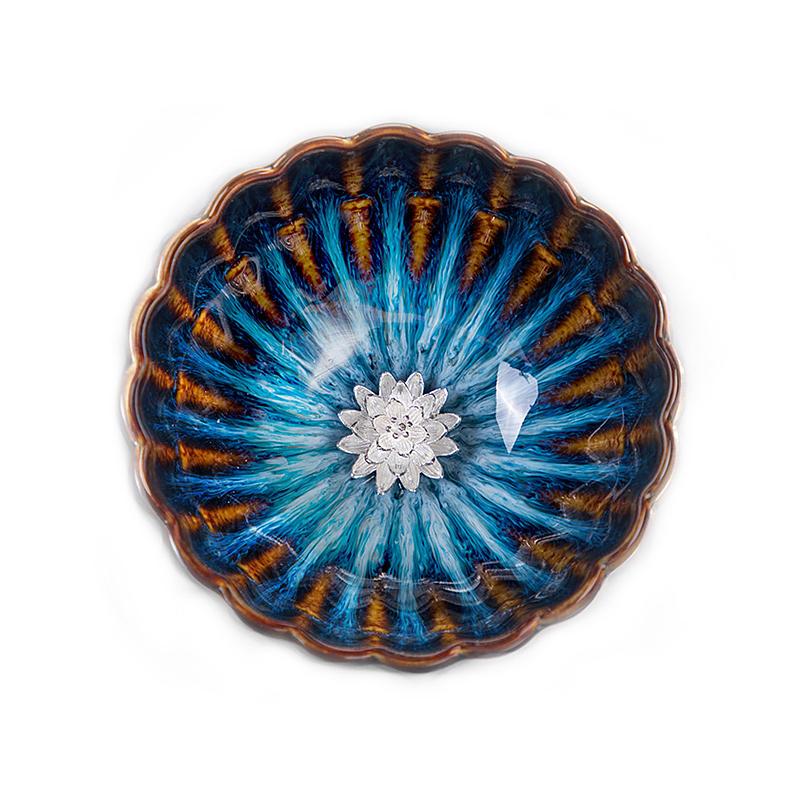
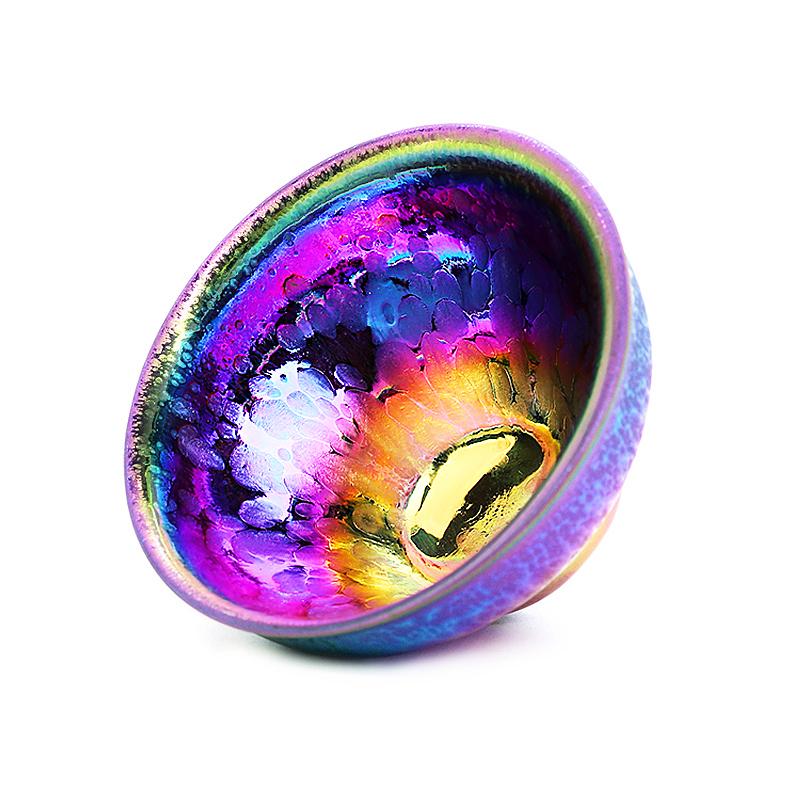
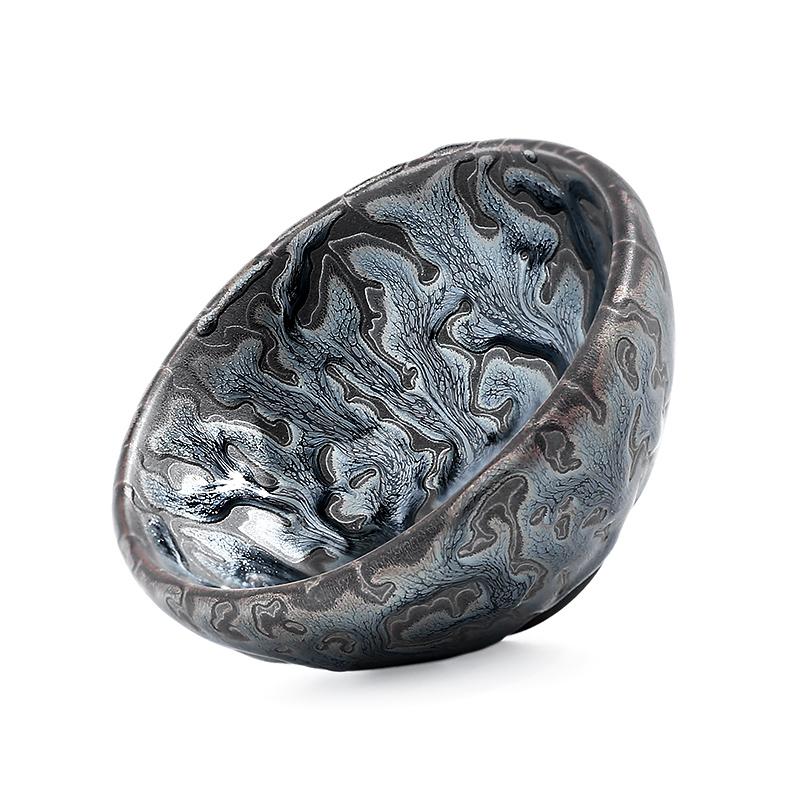
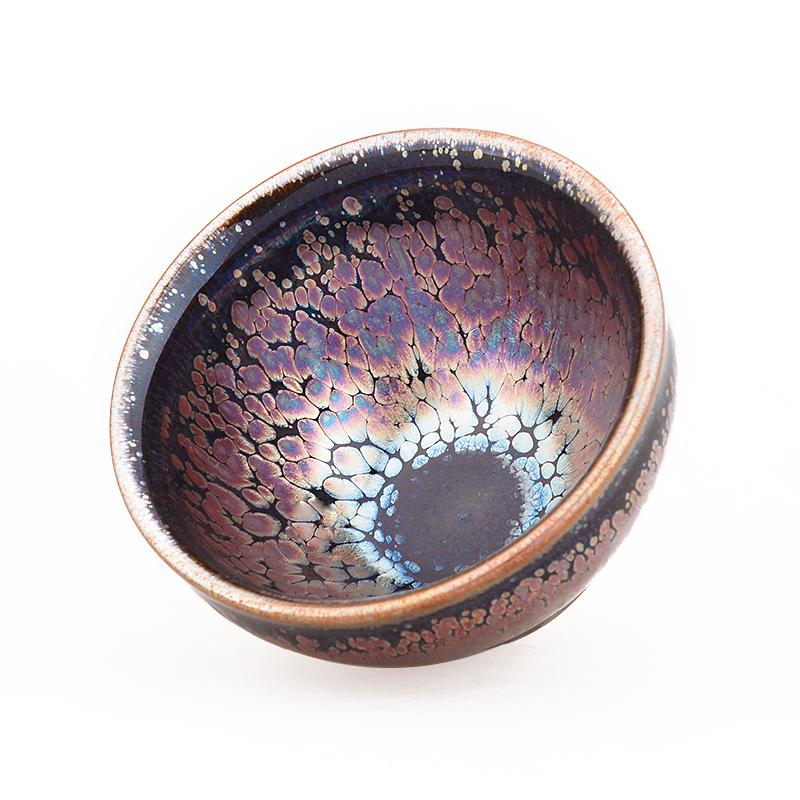
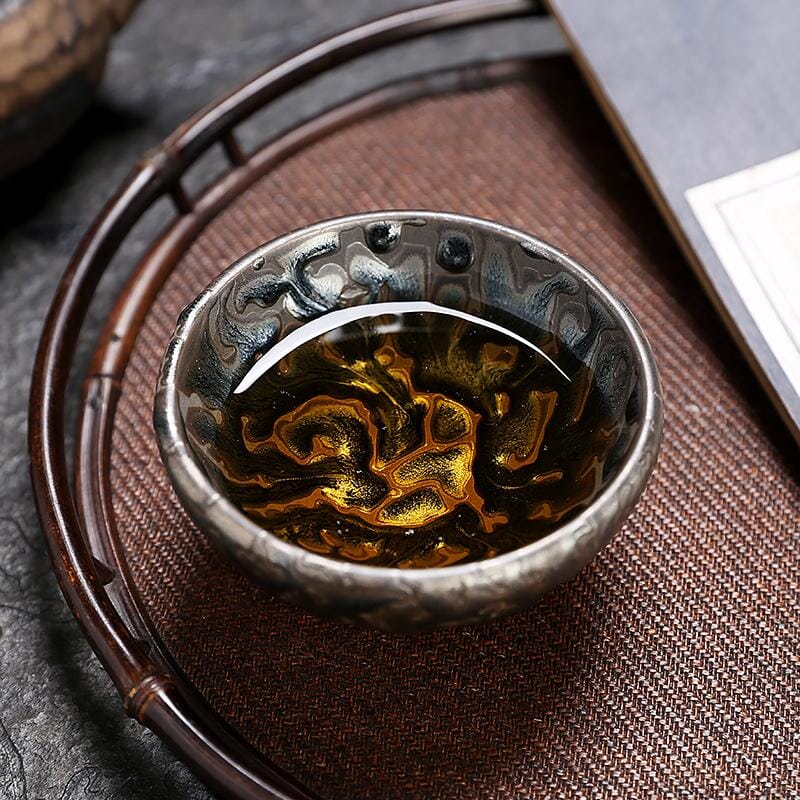
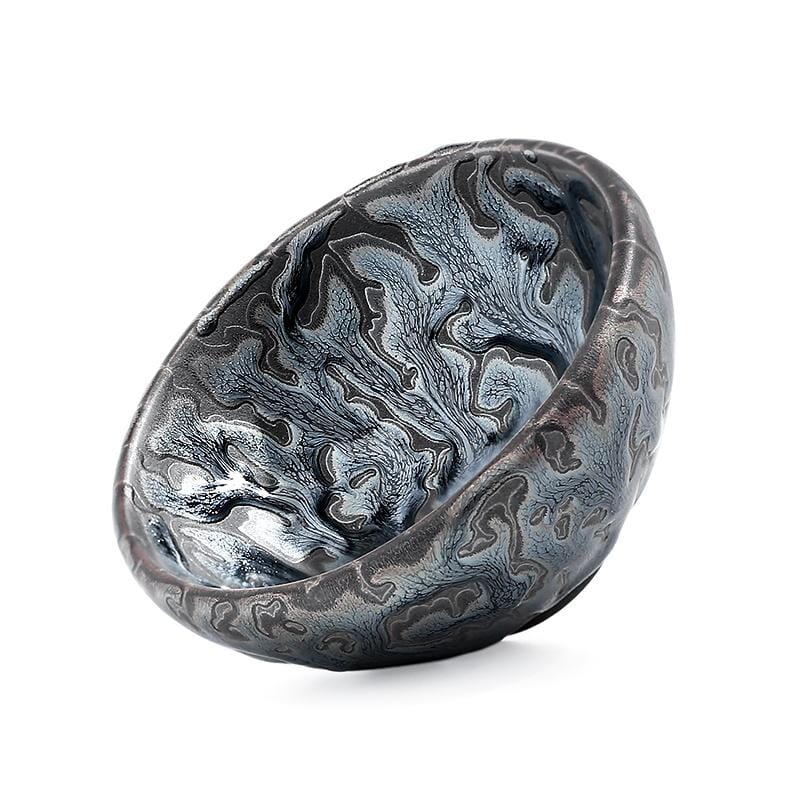
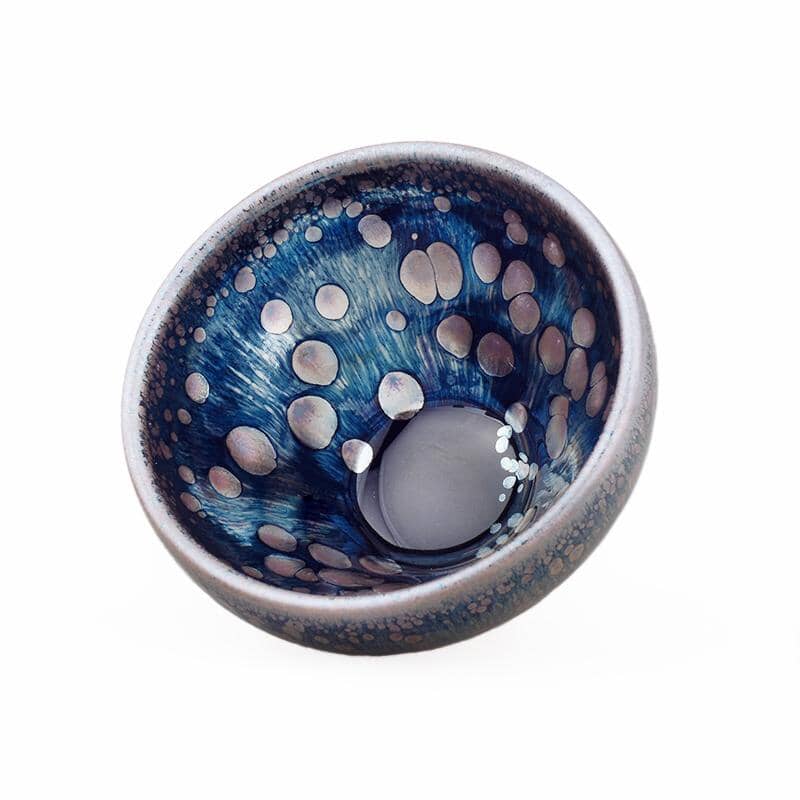
That is why handmade tenmoku pieces often feel alive. A hare’s fur bowl may show fine streaks running down the interior like rain on a window. An oil spot bowl may show metallic circles that look like stars reflected on black water. Some cups reveal blue, gold, bronze, or silver tones when turned under light.
For premium lifestyle buyers, this is the appeal. A handmade bowl does not simply decorate a shelf. It brings texture, slowness, and story into daily life.

Why does song dynasty tea culture still matter to modern tea lovers?
Song dynasty tea culture matters because it treated tea as an art of attention. Tea was not rushed. It was observed, whisked, shared, and discussed. The bowl, water, powder, foam, and gesture all mattered.
Modern life often moves in the opposite direction. We drink coffee in the car, answer emails while eating lunch, and scroll while relaxing. A tenmoku tea bowl offers a small correction. It asks you to slow down for a few minutes.
For gongfu tea, the bowl or cup becomes part of a focused tasting session. You may use it for oolong, black tea, aged white tea, ripe pu-erh, or roasted teas. The dark glaze creates a dramatic contrast with amber, honey, or reddish tea liquor. The weight of the cup gives the hand something grounding to hold.
This is why many tea drinkers describe Jianzhan as “warm” or “settling.” The experience is tactile. The rim, curve, glaze, and heat retention all shape the mood.
There is also a visual pleasure. As tea fills the bowl, the glaze seems to shift. Oil spots glow. Hare’s fur lines deepen. A cup can look nearly black in dim light and metallic under a lamp. For someone new to tea, this makes the ritual easy to enjoy without needing advanced knowledge.
In that sense, Song influence is not trapped in museums. It survives whenever a person chooses beauty, attention, and craft in an everyday tea moment.
How should beginners choose handmade jian zhan tea cups for daily use?
Choosing handmade jian zhan tea cups is easier when you focus on how you plan to use them. Beginners do not need to memorize every historic shape. Start with comfort, glaze style, size, and authenticity.
If you drink gongfu tea, a smaller cup may be ideal. It lets you enjoy multiple short infusions without the tea cooling too quickly. If you prefer a quiet solo bowl for matcha-style whisked tea, a wider form may feel better.
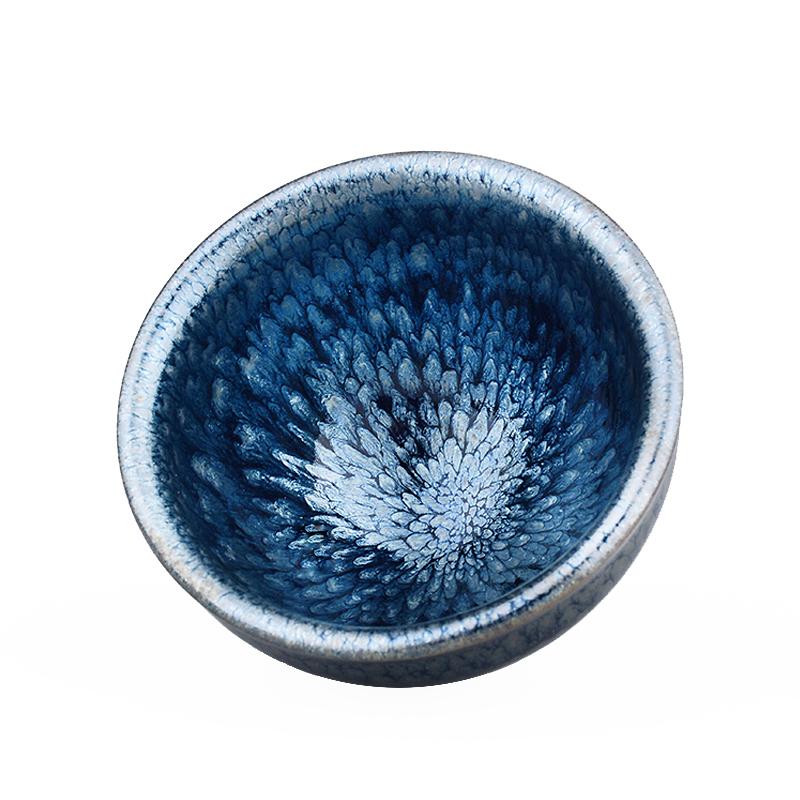
For glaze, choose with your eyes and your mood. Hare’s fur patterns feel classic and elegant. Oil spot patterns feel cosmic and bold. Blue or silver kiln-change pieces can look more modern, while deep black bowls feel understated and meditative.
Here is a simple comparison for first-time buyers:
| Style | Visual Character | Best For | Gift Personality |
|---|---|---|---|
| Hare’s Fur Tenmoku | Fine streaks like fur or rain | Classic gongfu tea sessions | Traditional, refined, calm |
| Oil Spot Tenmoku | Metallic dots like stars or oil on water | Collectors and visual drama | Artistic, memorable, premium |
| Black Tenmoku | Deep glossy dark glaze | Minimalist tea setups | Elegant, quiet, timeless |
| Blue Kiln-Change Jianzhan | Blue, silver, or galaxy-like tones | Modern tea lovers | Creative, contemporary, striking |
When comparing a tenmoku tea bowl for sale, look for clear photos, information about handmade production, and details about the glaze. Because every piece is unique, slight variations are not flaws. They are part of the handmade character.
If you want to begin with a curated selection, you can Shop authentic Tenmoku tea bowls chosen for daily tea use and collectible beauty. If you are drawn to star-like glaze effects, Discover our collection of oil spot tenmoku cups.
What makes a jianzhan tea cup gift meaningful for tea lovers?
A jianzhan tea cup gift is meaningful because it feels chosen, not generic. For tea lovers, a cup is used often. It becomes part of the morning, the evening, the quiet break between meetings, or the weekend tea session with friends.
Unlike a standard mug, a tenmoku bowl has a sense of occasion. It can be used daily, but it still feels special. The recipient may notice a new shimmer in the glaze each time they pour tea. Over time, that repeated use creates attachment.
For gift buyers in the United States, this makes Tenmoku a strong choice for birthdays, anniversaries, holidays, housewarming gifts, and thank-you gestures. It works especially well for people who already enjoy loose-leaf tea, Japanese tea, Chinese tea, ceramics, meditation, design, or slow living.
It is also a beautiful gift for someone who is just beginning their tea journey. The bowl invites curiosity. A beginner might ask: Why does the glaze look like this? Where did it come from? Why is it called Tenmoku in Japan? Those questions open the door to culture and craft.
Premium gifts do not always need to be large. Sometimes the most memorable object is small, useful, and full of meaning.
How our brand story honors the tenmoku tea bowl without freezing it in the past?
Our love for the tenmoku tea bowl began with a simple observation: the best tea objects are both old and new. They honor history, but they are not trapped behind glass. They belong in the hand.
We source and curate pieces that respect Jianzhan heritage while fitting modern homes and tea habits. That means we value traditional forms, honest materials, expressive glaze, and everyday usability. A cup should look beautiful in a display cabinet, but it should also feel right during a Tuesday afternoon tea break.
We are especially drawn to the dialogue between the artisan and the kiln. The artisan prepares the possibility. The kiln completes the story. This is why a finished bowl can feel almost natural, like a stone shaped by water or a night sky captured in ceramic.
For us, selling Tenmoku is not only about offering objects. It is about helping more people understand what they are holding. When you know the fujian tea bowl tradition, the jian zhan history, and the connection to Japan and Japanese tea culture, the bowl becomes more than a pretty cup.
It becomes a daily reminder that beauty can come from patience, pressure, heat, and transformation.
FAQ: Tenmoku tea bowls, Jianzhan history, and handmade gifts
What is the fujian tea bowl tradition in simple terms?
The fujian tea bowl tradition refers to the historic craft of making dark-glazed tea bowls in Fujian, China, especially in the Jian kiln region. These bowls became famous during the Song Dynasty for their iron-rich glaze and their role in refined tea culture.
Why is jian zhan history important to a tenmoku tea bowl?
Jian zhan history explains where Tenmoku comes from. Jianzhan bowls were made in China’s Jian kilns and later admired in Japan, where they became known as Tenmoku. Understanding that journey adds cultural meaning to each bowl.
How does a tenmoku artisan create the glaze pattern?
A tenmoku artisan shapes the clay, applies an iron-rich glaze, and fires the bowl at high temperature. The final pattern forms through kiln change, meaning heat, minerals, and atmosphere interact naturally inside the kiln.
What does song dynasty tea culture have to do with modern tea drinking?
Song dynasty tea culture valued focus, beauty, and skill. Modern tea lovers can borrow that spirit by using a tenmoku bowl to slow down, observe the tea, and make an ordinary moment feel intentional.
Is a jianzhan tea cup gift good for beginners?
Yes. A jianzhan tea cup gift is excellent for beginners because it is useful, beautiful, and easy to appreciate. The recipient does not need deep tea knowledge to enjoy the glaze, weight, and story.
Are handmade jian zhan tea cups safe for daily tea?
Quality handmade jian zhan tea cups made for tea use are intended for daily drinking. As with any ceramic, buy from a trusted seller that presents the piece as functional teaware, not just decoration.
Where can I find a tenmoku tea bowl for sale?
You can find a tenmoku tea bowl for sale through specialty tea and ceramic shops. Look for clear product photos, handmade details, glaze descriptions, and a seller that explains the Jianzhan or Tenmoku background.
Conclusion: A small bowl with a long memory
A tenmoku tea bowl is small enough to hold in your palm, yet its story stretches across centuries. It begins with Fujian clay, rises through Song Dynasty kilns, travels into Japan and Japanese tea culture, and arrives today as a handmade object for modern tea lovers.
For beginners, it is an inviting way to make tea feel more intentional. For collectors, it is a study in glaze, fire, and variation. For gift buyers, it is a thoughtful piece of living heritage.
If you are ready to bring that story to your own tea table, explore a handmade Tenmoku piece that speaks to your taste, your ritual, and the kind of beauty you want to live with every day.
Explore Our Collection
Ready to experience the world of tenmoku tea bowl? Browse our curated collection:
Disclaimer: This article is for informational purposes. Products and pricing subject to change.


Share:
Real vs Fake Tenmoku Tea Bowl: How to Spot Authentic Jian Zhan (2026 Guide)
Tenmoku Tea Bowl Price Guide: Why It Costs More and How to Buy Better